N S W E
Wildlife Expeditions

Wildlife of
Goiás

Goiás showcases Brazil's Cerrado at its best-fire-shaped savannas, gallery forests, and wildlife uniquely adapted to extreme wet-dry seasons.
13 Species
340,086.7 km² Land Area
Overview

About Goiás

Goiás is in Brazil's Central-West. Its wildlife is shaped mainly by the Cerrado, South America's large tropical savanna. Strong wet and dry seasons, poor soils, and regular natural fires have made open grasslands, shrub savannas, and rocky outcrops. You can find armadillos and anteaters, wide-ranging carnivores, and many birds that like bright, open places.

Rivers and streamside (gallery) forests add more life. These forested corridors gather wildlife in the dry season and link habitats across the open land. Goiás also has important river sources that feed the Tocantins-Araguaia and Paraná systems, so palm swamps, seasonally wet valleys, floodplains, and riparian zones are key for amphibians, fish, aquatic reptiles, and water birds.

Goiás is a clear "Cerrado core": broad savannas and rocky grasslands with palm-dotted wetlands, not the large Pantanal floodplains. Areas north (like Tocantins) are mostly Cerrado, so the Amazon forest does not border Goiás directly.

Physical Features

Geography

Goias is in Brazil’s Central‑West at the Brazilian savanna core. Seasonal rain, frequent fires, and poor soils make a mosaic of savannas, grasslands, gallery forests, and rocky highlands. Rivers (Tocantins‑Araguaia and Parana basins) create dry uplands and moist riverside corridors. Farming (soy, corn, pasture) fragments cover, so protected areas and riverside strips connect habitats for mammals, birds, and reptiles.

340,086.7 km² Land Area
7th largest state in Brazil Size Rank
Brazil Country
State Type
Elevation Range

~200 m (lower Araguaia valley) to 1,676 m (Pico do Pouso Alto, Chapada dos Veadeiros)

Key Landscapes

Cerrado plateaus of the Planalto Central (broad uplands with savanna/grassland mosaics) Chapada dos Veadeiros (high plateau and escarpments with rocky campos, headwater springs, and gallery forests) Serra dos Pireneus and other mountain ranges (mountain ridges creating cooler, wetter microhabitats and elevational turnover) Araguaia River valley and floodplain (seasonally flooded habitats, riparian forests, sandbars, and aquatic systems) Headwaters and tributaries feeding the Tocantins-Araguaia basin (north) and the Paraná system via the Paranaíba River (south) Gallery forests (linear forests along streams and rivers that function as dispersal corridors across open Cerrado)
Parks & Reserves

Protected Areas

Goias, in the center of Brazil's Cerrado, protects a patchwork of savannas, native and rocky grasslands, gallery forests, and headwater wetlands that feed the Tocantins-Araguaia and Parana rivers. Protected areas include national parks, multi-use areas, and private reserves. They protect natural fire cycles in savannas, headwaters and palm-swamp wetlands, and keep habitat connected so maned wolves and jaguars can move.

Protected Coverage

Approximately 10-12% of Goias' land area is under some form of protected area designation (strict-protection plus sustainable-use units; approximate).

National Parks & Preserves

Veadeiros Plateau National Park

≈240,600 ha

One of the most important Cerrado strongholds in Brazil, protecting high plateaus, rocky outcrop grasslands, waterfalls, and intact gallery forests; strong for Cerrado endemics and large mammals adapted to seasonal drought and fire.

Maned wolf (Chrysocyon brachyurus) Giant anteater (Myrmecophaga tridactyla) Puma (Puma concolor) South American tapir (Tapirus terrestris) Red-legged seriema (Cariama cristata)

Emas National Park

≈132,600 ha

Iconic open Cerrado landscapes (grasslands and savannas) with some of the best wildlife-viewing potential in central Brazil; known for wide horizons, seasonal burns, and high densities of grassland species.

Maned wolf (Chrysocyon brachyurus) Giant anteater (Myrmecophaga tridactyla) Pampas deer (Ozotoceros bezoarticus) Greater rhea (Rhea americana) Jaguar (Panthera onca)

State & Provincial Parks

Terra Ronca State Park

≈57,000 ha

Major karst and cave system with subterranean rivers, sinkholes, and seasonal forests; protects unique cave fauna alongside Cerrado-forest transitions and provides refuge for larger mammals in a relatively remote landscape.

Jaguar (Panthera onca) South American tapir (Tapirus terrestris) Ocelot (Leopardus pardalis) Giant armadillo (Priodontes maximus) Cave-roosting bats (multiple species)

Serra dos Pireneus State Park

≈2,800 ha

Rocky Cerrado highlands near Pirenopolis with rocky outcrop grasslands and gallery forests; strong for bird diversity, specialized flora, and scenic headwater catchments.

Maned wolf (Chrysocyon brachyurus) Giant anteater (Myrmecophaga tridactyla) Curl-crested jay (Cyanocorax cristatellus) Red-legged seriema (Cariama cristata) Toco toucan (Ramphastos toco)

Serra de Caldas Novas State Park

≈12,000 ha

Protects a Cerrado plateau and key groundwater recharge areas for local springs; a mosaic of savanna and forested drainages supporting mammals and a rich bird community near an intensely developed region.

Giant anteater (Myrmecophaga tridactyla) South American coati (Nasua nasua) Tayra (Eira barbara) Bare-faced curassow (Crax fasciolata) Blue-and-yellow macaw (Ara ararauna)

Altamiro de Moura Pacheco State Park

≈2,100 ha (approx.)

Important remnant of Cerrado and riparian habitats near the Goiania metropolitan region, functioning as a biodiversity refuge and water-source protection area amid heavy land-use pressure.

Giant anteater (Myrmecophaga tridactyla) Puma (Puma concolor) Ocelot (Leopardus pardalis) Capybara (Hydrochoerus hydrochaeris) Bare-faced curassow (Crax fasciolata)

Wilderness Areas

  • Veadeiros Plateau National Park backcountry (remote rocky grasslands, canyons, and headwater valleys away from roads)
  • Emas National Park interior (large blocks of open grassland and seasonally wet areas with very limited development)
  • Terra Ronca State Park karst and cave country (extensive cave systems and subterranean rivers in sparsely settled terrain)
  • Serra da Mesa State Park and surrounding highlands (large road-poor tracts around the Serra da Mesa region and long riparian corridors)
Animals

Wildlife

Goias lies in Brazil's Cerrado, a fire- and drought-shaped mix of grasslands, shrub savannas, gallery forests, palm wetlands (palm swamps), and big rivers feeding the Tocantins–Araguaia and Paraná basins. It supports one of South America's richest savanna wildlife groups: wide-ranging predators, open-country icons like the maned wolf and giant anteater, grassland birds, and many freshwater fish. Much land is now large-scale farms and pasture, so wildlife is often limited to strongholds such as Emas National Park, Chapada dos Veadeiros, Serra dos Pireneus, and river corridors.
≈250-300 species (statewide; Cerrado mix of savanna and gallery-forest mammals) Mammals
≈800-900 species (very high due to habitat mosaics and riverine forests) Birds
≈150-200 species (lizards, snakes, turtles, caimans) Reptiles
≈130-180 species (many tied to seasonal wetlands and streams) Amphibians
≈400-600 freshwater species (Araguaia/Tocantins and Paraná headwaters/reservoir networks) Fish
Examples

Iconic Species

Maned Wolf
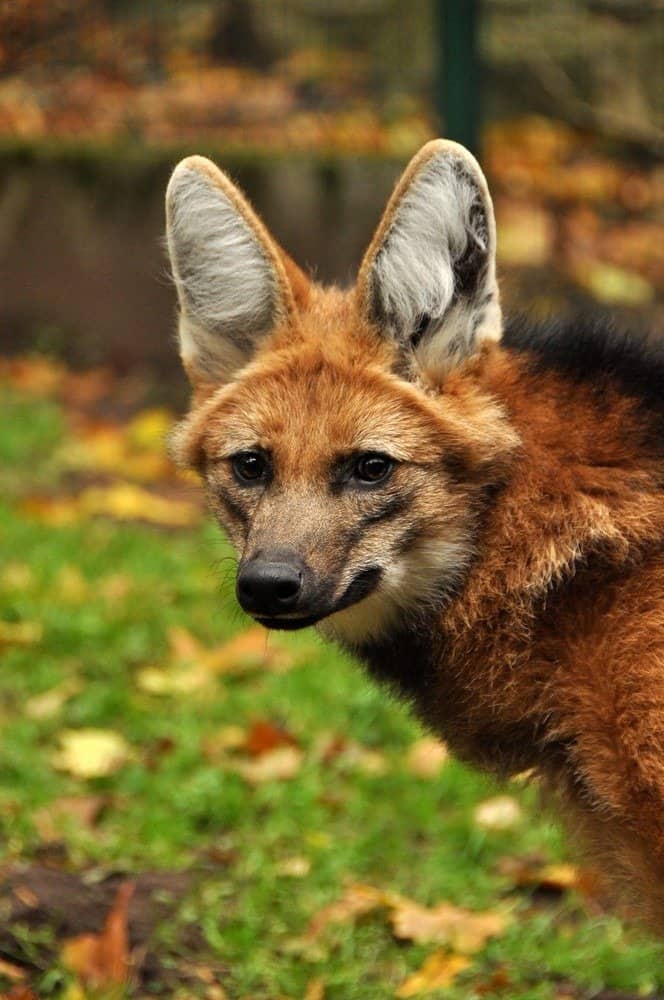
Maned Wolf Signature Cerrado canid; frequently associated with open savannas and grasslands and a highlight in protected areas like Emas and other open-country reserves.
Giant Anteater One of the most emblematic Cerrado mammals; often seen foraging in open habitats, especially where grasslands remain extensive.
Jaguar
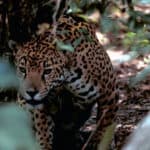
Jaguar Top predator of river corridors and larger protected mosaics; sightings are rare but tracks and camera-trap records define the wild character of Goiás's best-preserved landscapes.
Lowland Tapir Key seed-disperser using gallery forests and wet areas; an indicator of intact riparian habitat and low hunting pressure.
Pampas Deer Open-grassland specialist strongly tied to remaining native campos; locally iconic because it disappears quickly where grasslands are converted.
Giant Armadillo
Giant Armadillo A secretive ecosystem engineer whose burrows shelter many other species; a prized encounter for wildlife tourism and research teams.
Hyacinth Macaw
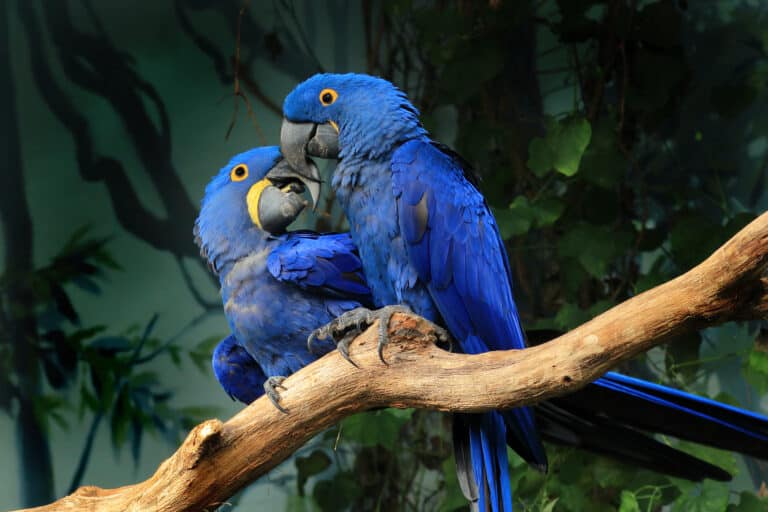
Hyacinth Macaw Large, charismatic macaw associated with palms and riverine mosaics; its presence signals productive palm systems and reduced trapping pressure.
Toco Toucan Cerrado's most recognizable large bird; commonly seen along forest edges, gallery forests, and woodland patches, making it a dependable visitor favorite.

Endemic & Rare Species

Brasília Tapaculo

Scytalopus novacapitalis

Restricted-range Cerrado endemic; threatened/near-threatened in much of its range depending on assessment

A localized, range-restricted bird of rocky Cerrado and dense understory habitats in the Goiás-Federal District region; important for Cerrado endemism and conservation planning.

Cone-billed Tanager

Conothraupis mesoleuca

Endangered (highly localized and rare)

One of the Cerrado's rarest birds, tied to specific grassland/wetland mosaics; Goiás contains habitat considered important for its persistence.

Giant Otter

Pteronura brasiliensis

Endangered

A flagship of cleaner, better-connected river systems; survives in parts of the Araguaia/Javaés wetland-river mosaic where disturbance and persecution are lower.

Giant Armadillo

Priodontes maximus

Vulnerable

Low-density and heavily impacted by habitat loss; Goiás's large protected areas and surrounding native vegetation remnants are important for maintaining viable populations.

Marsh Deer

Blastocerus dichotomus

Vulnerable

Dependent on floodplains and marshy river edges; persists where Araguaia-associated wetlands remain functional and not heavily drained or fragmented.

Sharp-tailed Tyrant

Culicivora caudacuta

Vulnerable

A grassland specialist that declines rapidly with conversion to crops/pasture and frequent intense fires; a key indicator of remaining high-quality native campos.

Notable Populations

  • Open-country Cerrado strongholds (notably Emas-region landscapes) support some of Brazil's best densities/encounter rates for maned wolf and giant anteater where native grasslands remain extensive.
  • The Araguaia-Javaés river-floodplain complex is nationally important for aquatic and riparian wildlife (including large otters, wetland deer, waterbirds, and nesting river turtles) where habitat and disturbance allow.
  • Chapada dos Veadeiros and adjacent Cerrado mosaics hold concentrations of Cerrado endemics (especially birds and plants) and function as a key refuge for fire-adapted savanna biodiversity.

Recent Changes

  • Continued conversion of native Cerrado to soy, corn, and pasture has reduced and fragmented grasslands and veredas, driving local declines in grassland-dependent birds (e.g., sharp-tailed tyrant) and wide-ranging mammals in unprotected areas.
  • Hydropower reservoirs and river regulation in parts of the Paraná/Tocantins-Araguaia headwaters have altered fish communities and migratory routes; non-native fish (e.g., tilapias) are increasingly reported in disturbed systems.
  • More frequent extreme-fire years and human-ignited late-dry-season fires can cause acute wildlife mortality and reduce cover/food resources; conversely, improved fire management in some protected areas is helping maintain Cerrado habitat structure.
  • Some adaptable species (e.g., capybara) have expanded in agricultural/reservoir landscapes, increasing human-wildlife conflict and secondary disease-risk concerns in parts of central Brazil.
  • Targeted conservation actions (corridor planning, anti-poaching enforcement, and restoration of riparian buffers) are improving connectivity in select landscapes, supporting recolonization/greater persistence of sensitive species along river corridors (e.g., otters, tapirs) where pressure is reduced.
Visit

Wildlife Viewing

Goias is one of Brazil’s best places to see the central savanna: a mix of grasslands, gallery forests, rocky outcrops, palm wetlands, and big rivers. Dawn and dusk bring giant anteaters, maned wolves, macaws, toucans, and raptors. Chapada dos Veadeiros, Emas, and the Araguaia corridor add wetlands and rich birdlife; seasons and local guides shape sightings.

Best Seasons

Dry season (May-September)

Best for wildlife viewing and hiking: cool nights, low humidity and fewer mosquitoes. Animals gather near water in gallery forests, springs and palm wetlands as grasses dry, so they are easier to see. Great for dawn mammal tracking (giant anteater, pampas deer) and raptors on Chapada escarpments. Waterfalls still flow, but small streams may run low late dry season.

Early wet / green-up (October-November)

First rains trigger blooms, insect hatches and bird activity; the savanna becomes intensely green and fragrant. Great for birding (mixed flocks, breeding displays, increased vocalization) and photographing wildflowers and pollinator interactions. Mammals are still visible, but lush vegetation can reduce spotting distances.

Peak wet season (December-March)

Lushest landscapes and strongest waterfall flows-excellent for combining scenery with wildlife along forested river margins. Expect hotter conditions, frequent afternoon storms, and more insects. Some dirt roads/tracks can become challenging; plan flexible logistics and prefer established trails/parks with good infrastructure. Amphibians and reptiles are more active; bird nesting activity continues.

Late wet / transition (April)

Rains ease, rivers remain full, and wildlife spreads out as forage is abundant. Strong shoulder-season value: good bird activity, comfortable temperatures, and improving road/trail conditions. Ideal for travelers who want greener scenery without peak-rain disruptions.

Top Wildlife Experiences

  • Sunrise mammal watch in Emas National Park (Mineiros): scan open grasslands from park roads and viewpoints for giant anteater, maned wolf, pampas deer, and seriema; pair with late-afternoon raptor watching and night drives where permitted/organized.
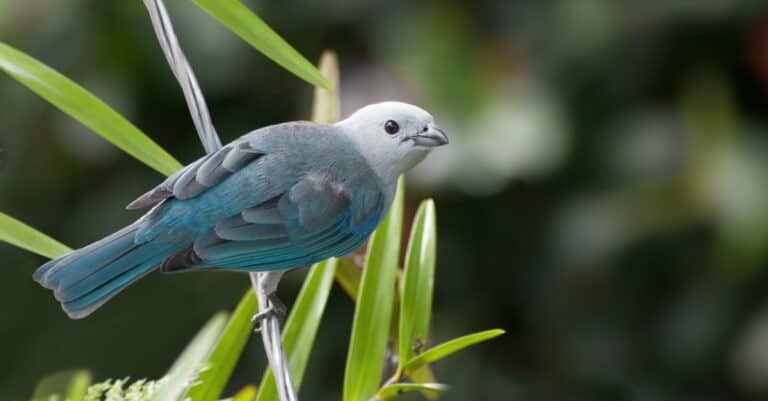
  • Savanna bird watching and canyon-edge views in Chapada dos Veadeiros National Park (Alto Paraiso de Goias / Vila de Sao Jorge). Early walks in gallery forests and grasslands find toucans, macaws, tanagers, hummingbirds, and raptors; waterfall trails add mixed habitats.
  • Palm-wetland exploration in and around Chapada dos Veadeiros: seek wetland specialists and mammals using palm corridors; best at dawn for tracks and fresh sign along sandy edges and seep areas.
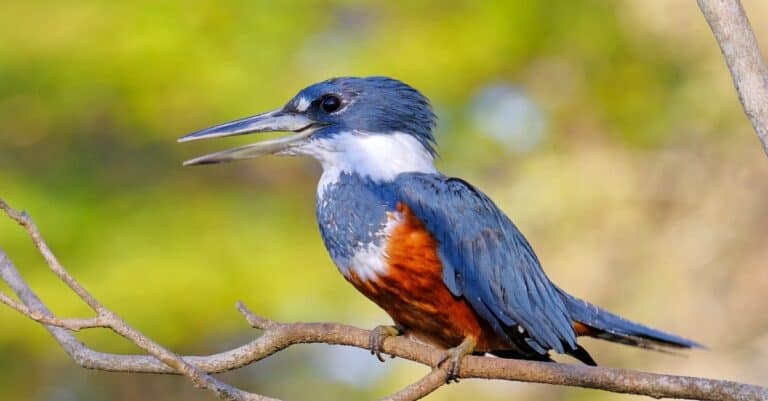
  • Boat or kayak trips on the Araguaia (seasonal stretches near Aruana and Luiz Alves): watch river birds—kingfishers, herons, egrets—black-collared hawks and shoreline mammals; enjoy sandbar sunsets and island/forest birding. Access varies.
  • Raptor and cliff/swift viewing on Chapada plateaus and viewpoints (for example, escarpment viewpoints around Alto Paraiso): mid-morning to afternoon thermals bring soaring birds; combine with landscape photography and long-lens scanning.
  • Night wildlife walk/drive in savanna mosaics near Mineiros (Emas region) or rural lodges bordering protected areas: focus on nocturnal mammals and owls; spotlighting should be done with licensed guides and in areas where it is permitted.
  • Seasonal wildflower and pollinator photography in the savanna (Oct-Nov) in Chapada dos Veadeiros buffer areas: target flowering rocky-grassland patches for hummingbirds, butterflies, and bee diversity; best in the first weeks after rains begin.

Wildlife Watching Types

Savanna megafauna-style mammal watching (giant anteater, maned wolf, deer) in open savanna Birding hotspots (gallery forests, rocky grasslands, palm wetlands, river corridors) Raptor watching and thermals/soaring bird viewpoints along escarpments Wetland and river wildlife observation (waterbirds, shoreline species) Nocturnal wildlife viewing (owls, nightjars, small mammals) with guided spotlighting where allowed Amphibian and reptile watching in the wet season (frogs after rains; lizards and snakes on warm days) Wildflower-and-insect natural history walks (pollinators, butterflies) during the green-up Track-and-sign interpretation (footprints, scat, foraging traces) in sandy savanna soils, especially in the dry season

Guided Options

  • Licensed naturalist guides in Chapada dos Veadeiros National Park (based in Alto Paraiso de Goias and Vila de Sao Jorge) offering bird-focused hikes, waterfall and canyon trail logistics, and dawn wildlife outings.
  • Emas National Park guided visits (near Mineiros): local accredited guides and park-authorized operators for mammal-focused drives, dawn/dusk wildlife scanning routes, and Brazilian savanna ecology interpretation (permits and itineraries vary; arrange in advance).
  • Seasonal community and local-operator boat trips on the Araguaia River: sunrise birding by boat, sandbar exploration, and riverside forest walks; choose operators that follow wildlife-distance and noise-minimization practices.
  • Lodge-based wildlife programs in the Chapada dos Veadeiros and Emas regions: multi-day packages combining guided hikes, night walks, and photography-oriented outings; often include transport to trailheads and timing around peak animal activity.
  • Specialist birding guides (private guiding): tailored species-target trips across multiple habitats (palm wetlands, riverside forest, and rocky grasslands) with flexible start times for dawn bird activity.
  • Citizen-science friendly outings (where offered by local guide collectives): bird-listing days using online checklists, photo-documentation walks, and interpretive Brazilian savanna ecology tours; ask locally in Alto Paraiso de Goias or Vila de Sao Jorge for current offerings.
Habitats

Ecosystems

Goias, in central-west Brazil, is a tropical savanna and grassland mosaic shaped by strong seasons, poor soils, and frequent fire. It has headwaters for the Tocantins-Araguaia and Parana systems with riparian forests, palm wetlands, and floodplains. Protected areas (Chapada dos Veadeiros, Emas, Terra Ronca) protect biodiversity amid farms and cities; many species are adapted to drought, fire, and open habitats.

Biomes

Savanna

A tropical savanna is the dominant biome, ranging from open grass-dominated fields and shrub savannas to tree-rich typical savanna and denser woodland savanna; fire and dry-season water stress structure vegetation and wildlife communities.

Statewide and dominant; historically most of Goias (often cited as ~80-90% potential natural cover), now highly fragmented by agriculture but still the main natural biome.

Tropical Dry Forest

Seasonal forests (often semi-deciduous/deciduous) occur as patches on more fertile soils, limestone areas, and in ecotones; many trees shed leaves in the pronounced dry season.

Patchy and localized (generally a minor component, roughly ~5-10% in scattered remnants and transitions).

Tropical Rainforest

Evergreen or semi-evergreen riparian/gallery forests along perennial watercourses can show rainforest-like structure (closed canopy, humid microclimates) even within the Cerrado matrix.

Narrow linear strips and small pockets along rivers/streams; very limited areal extent (typically <1-2% of the state).

Freshwater

Major river networks (Araguaia tributaries; Paranaíba/Paraná headwaters), natural lakes/oxbows in floodplains, and large reservoirs (e.g., Serra da Mesa) support aquatic and riparian biodiversity.

Present throughout via drainage basins; concentrated along main rivers, floodplains, and impoundments (small proportion of land area but high ecological importance).

Wetland

Palm swamps (Mauritia flexuosa palm wetlands), wet grasslands, headwater seeps, and seasonally flooded valleys and floodplains provide key refuges in the dry season and breeding habitat for fish, amphibians, and waterbirds.

Scattered but widespread in headwaters and low-lying areas; locally extensive along floodplains yet overall limited (generally a few percent of land area).

Habitats

Savanna

Savanna mosaics ranging from open native grasslands with few shrubs to typical tree-and-shrub savanna and denser woodland savanna; strongly seasonal with frequent fire-adapted flora.

Grassland

Open native grasslands on plateaus and gentle slopes; important for ground-nesting birds and grazing-adapted fauna.

Shrubland

Shrub-dominated savanna physiognomies on sandy or rocky soils, often with twisted, thick-barked shrubs and small trees adapted to drought and fire.

Forest

Gallery forests lining rivers and streams, forming humid corridors through the savanna matrix and supporting higher canopy cover and shade-tolerant species.

Deciduous Forest

Seasonal deciduous/semi-deciduous forest patches, especially on limestone or more fertile soils; strong dry-season leaf drop.

Wetland

Palm swamps and wet grasslands associated with springs and shallow water tables; palm-dominated wetlands are a hallmark of the Brazilian savanna.

Marsh

Seasonally inundated floodplain margins and depressions along major rivers and around reservoirs; productive habitat for fish and waterbirds during floods.

River/Stream

Large basins and tributaries (notably feeding Araguaia and Paranaíba) with rapids, pools, and sandbanks; riparian zones are biodiversity hotspots.

Lake

Reservoirs (e.g., Serra da Mesa) and natural floodplain waterbodies; shorelines create new aquatic-terrestrial ecotones.

Cave

Karst systems and extensive caves in areas such as Terra Ronca (São Domingos region), with subterranean streams and specialized cave fauna.

Cliff/Rocky Outcrop

Escarpments and rocky walls in chapadas and karst areas; provide nesting/roosting sites and unique rock outcrop flora.

Mountain

Highland plateaus and ridgelines (e.g., Chapada dos Veadeiros) with cooler microclimates and rocky fields supporting endemic plants.

Agricultural/Farmland

Extensive mechanized cropland and pasture (soy, corn, cattle), forming a dominant human land-use matrix that fragments native Cerrado habitats.

Plantation

Localized planted forests/monocultures (where present) and other commercial plantings; typically simplified habitats compared to native vegetation.

Urban

Urban centers (e.g., Goiânia and regional cities) with altered hydrology, heat-island effects, and remnant riparian/park vegetation.

Suburban

Peri-urban expansion with mixed smallholdings, pasture, and fragmented native patches, often pressuring springs and riparian buffers.

Ecoregions

Cerrado Parana-Paraiba interior forests
Protection

Conservation

Primary Threats

  • Conversion of the native Brazilian savanna biome, open grasslands, and gallery forests into cropland and pasture continues to reduce and simplify habitats. Remaining native vegetation is often confined to required legal set-asides and riparian buffers, leaving many species (for example, grassland birds and wide-ranging carnivores) with smaller, more isolated populations.
  • Large-scale soy and maize production, cotton in suitable areas, and intensification of cattle ranching drive ongoing clearing and drainage or alteration of seasonally wet areas. Expansion around river headwaters and plateaus increases erosion and reduces water quality and availability downstream in both the Araguaia-Tocantins and Parana basins.
  • Changed fire patterns harm the seasonal savanna: frequent human-set fires along roads and pastures stop trees from regrowing, while stopping fires in parks builds fuel that later causes intense wildfires. Reservoirs and channel changes alter flows, hurting floodplain and aquatic species, especially in the Araguaia.
  • Road networks (major highways and feeder roads), transmission corridors, and expanding logistics for agribusiness increase fragmentation and roadkill (notably for giant anteater and maned wolf) and facilitate land speculation and clearing. Hydropower reservoirs in headwaters of the Tocantins-Araguaia system inundate riparian habitats and alter fish and otter habitat quality.
  • Agrochemical runoff (herbicides, insecticides) and fertilizer inputs from intensive agriculture, plus sedimentation from soil disturbance, degrade streams and wetlands. This is especially harmful to headwater systems and clear-water rivers used by sensitive aquatic fauna and to amphibians and insects that underpin savanna food webs.
  • Hotter temperatures and longer or less predictable dry seasons increase drought stress, raise wildfire intensity, and reduce dry-season streamflows. These shifts amplify pressure on water allocation for irrigation and can shrink refuges in gallery forests and palm-swamp wetlands that species use during drought and fire.
  • Exotic African pasture grasses (for example, Urochloa and Brachiaria species) spread from ranchlands into native habitats and park edges, increasing fuel loads and promoting hotter fires that disadvantage native plants. Feral pigs and other invasive or feral animals disturb wetlands and ground-nesting fauna and can spread disease.
  • Subsistence and opportunistic hunting persists in rural areas, affecting large mammals (for example, peccaries and deer) and indirectly predators. Even where not widespread, localized hunting can deplete wildlife in fragments and along accessible river corridors.
  • Illegal capture and trafficking of birds (including parrots and macaws) and reptiles occurs along road corridors and near towns, reducing local populations and removing breeding adults from already fragmented habitats.
  • Predation on livestock can trigger retaliation against jaguars and pumas, especially near riverine forests and remaining native habitat blocks used as movement corridors. Conflict is heightened where ranching borders protected areas and where wild prey has been reduced by habitat loss and hunting.
  • Fishing pressure in major rivers and floodplain lakes (notably the Araguaia system) can reduce stocks of large-bodied fish. This affects riverine food webs and can indirectly impact species like giant otter that depend on healthy fish populations.
  • Nickel, gold, phosphate, and aggregate extraction in parts of Goias drives localized habitat removal, road building, and water contamination risks (sediment, heavy metals) if not strictly managed. Mining footprints can be especially damaging when they occur near headwaters and riparian zones.
  • Although large-scale commercial logging is less dominant than agriculture, selective removal of native trees for fence posts, charcoal, and local timber can degrade remaining savanna woodlands and gallery forests, reducing nesting sites and structural diversity.
  • Growth around Goiania, the Brasilia influence zone (eastern Goias), and mid-sized cities increases peri-urban sprawl, sand and aggregate extraction, water demand, and disturbance on nearby native habitat remnants, often in the same areas important for recreation and tourism.
  • Nature-based tourism (for example, waterfalls and trails) is an economic asset in places like Chapada dos Veadeiros, but unmanaged visitation can cause trail erosion, litter, wildlife habituation, and pressure on sensitive riparian habitats, especially during the dry season when sites concentrate visitors.
  • Domestic animals associated with ranches and settlements (dogs and cats) can transmit pathogens (for example, distemper and parvovirus) to wild canids such as the maned wolf and to other carnivores, particularly at the interface of protected areas and rural properties.
  • Rising water extraction for irrigation and urban supply reduces dry-season flows, stressing aquatic habitats and palm-swamp wetlands. Overuse of groundwater and surface water can also intensify conflicts among agriculture, municipalities, and ecosystem needs in headwater regions.
  • Fragmentation isolates populations of wide-ranging species (jaguar, maned wolf) and habitat specialists (grassland birds), increasing inbreeding risk and reducing resilience. Small native habitat remnants in heavily farmed landscapes may function as ecological islands with limited dispersal.
Fun Facts

Did You Know?

The "wolf" most visitors imagine as a predator is also a major fruit-eater in Goiás: maned wolves commonly rely on the "wolf apple" (Solanum lycocarpum), making them important long-distance seed dispersers across the Cerrado.

Fire doesn't just destroy habitat in Goiás' savannas-it reshapes hunting opportunities. After burns, exposed ground and fresh regrowth can make it easier for predators (and even giant anteaters) to find prey concentrated in recovering patches.

The termite-mound fields of Parque Nacional das Emas are so extensive and regular that they create a visibly patterned landscape from above; those mounds act like "islands" that change soil nutrients and plant communities at a fine scale.

Many Cerrado stream animals in Goiás are specialists for clear, seasonal headwaters: in Chapada dos Veadeiros, aquatic life is adapted to big wet-dry swings, with some fish and invertebrates timing breeding to the first heavy rains.

In farmed parts of Goiás, "edge experts" like maned wolves and crab-eating foxes use roadsides, pastures, and field edges — showing some Cerrado species can live in farming landscapes if cover and water stay.

Goiás is prime habitat for the maned wolf (Chrysocyon brachyurus), the world's tallest wild canid-an iconic Cerrado species frequently recorded in and around Emas National Park and Chapada dos Veadeiros National Park.

Emas National Park (GO/MS) protects strong Cerrado populations of the giant anteater (Myrmecophaga tridactyla), the world's largest anteater-adults can exceed 2 m in total length including the tail.

Goiás still holds records of the giant armadillo (Priodontes maximus), the world's largest armadillo, documented by camera traps in Cerrado protected areas and surrounding mosaics where it survives at very low densities.

On the Araguaia River along Goiás, nesting beaches can host the South American river turtle (Podocnemis expansa)-the largest freshwater turtle in South America, famous for mass nesting events on exposed sandbanks.

Open Cerrado landscapes in Goiás support the greater rhea (Rhea americana), the largest native bird in Brazil and the biggest bird in South America-built for grassland speed rather than flight.

Thank you for reading! Have some feedback for us?