N S W E
Wildlife Expeditions

Wildlife of
Paraná

Parana pairs one of the Atlantic Forest's strongest refuges with the iconic Iguacu River corridor-where jaguars, tapirs, and rare parrots persist in the South.
36 Species
199,307 km² Land Area
Overview

About Paraná

Parana is one of southern Brazil's main strongholds for wildlife, where dramatic rivers meet some of the best-kept parts of the Atlantic Forest. Subtropical forests, cool Araucaria (Brazil pine) highlands, and powerful waterways support top predators and many birds, mammals, and amphibians. The state's key ecosystem is the Atlantic Forest—seasonal semideciduous woods inland and dense coastal forest—along with Araucaria highland forests and small native grasslands. The Iguacu River basin and large protected areas, most famous Iguacu National Park, protect wide stretches of forest and riparian habitats. These linked areas give space for wide-ranging animals and help processes like seed spreading by big mammals and fruit-eating birds. Parana stands out for its large, continuous forests and the tri-border river corridor with Paraguay and Argentina, which helps wildlife move and keep healthy genes.

Physical Features

Geography

Parana's wildlife follows a strong east–west gradient. The humid Atlantic coast and Brazilian Coastal Range support dense Atlantic Forest and many endemic species. Inland plateaus have Araucaria forests, natural grasslands, and large rivers with river corridors, wetlands, and waterfalls. This mix of lowlands, mountains, and uplands creates many habitats and high biodiversity, seen in places like Iguacu National Park.

199,307 km² Land Area
15th largest state in Brazil Size Rank
Brazil Country
State Type
Elevation Range

Near sea level on the coastal plain to ~1,877 m (Pico Parana)

Coastline

Atlantic Ocean coastline (short but ecologically important coastal plain with bays/estuaries and mangrove systems).

Key Landscapes

Atlantic coast and coastal plain with estuaries and mangrove wetlands (important nursery and feeding areas for birds, fish, and crustaceans) Brazilian Coastal Range mountains and escarpments (strong elevation gradients that create distinct forest zones and refuges for forest specialists) Atlantic Forest remnants (core habitat for many endemic and threatened mammals, birds, and amphibians) Interior plateaus of the Parana Plateau with araucaria-dominated moist forests and mixed forest-grassland mosaics (key habitat linked to cooler uplands and Brazil pine) Highland grasslands with extensive sandstone formations, karst features, caves, and rocky outcrops (supports grassland birds and specialized flora and fauna) Iguazu River basin including the Iguazu Falls area and surrounding protected forests (riparian forests and large protected blocks such as Iguazu National Park)
State Symbols

Official Wildlife Symbols

bird

Azure jay

tree

Parana pine / Brazilian pine

Parks & Reserves

Protected Areas

Parana's protected areas focus on Atlantic Forest strongholds (Serra do Mar and coastal plain) and inland sites like the Iguacu River basin and Upper Parana floodplain. National parks, biological reserves, ecological stations, and sustainable-use areas link forests, wetlands, and coasts. They support jaguar, lowland tapir, many birds, including threatened Atlantic Forest endemics, and migratory marine fauna.

Protected Coverage

About 16% of the state is within some form of protected area (including large sustainable-use environmental protection areas); strictly protected units are likely closer to 5-6%.

National Parks & Preserves

Iguacu National Park

185,262.5 ha

A large, well-protected block of inland Atlantic Forest in Parana state that protects the Iguacu Falls landscape and provides key habitat for threatened mammals, including large predators.

Jaguar (Panthera onca) Lowland tapir (Tapirus terrestris) Giant otter (Pteronura brasiliensis) Giant anteater (Myrmecophaga tridactyla)

Superagui National Park

≈34,000 ha

A coastal Atlantic Forest mosaic of islands, estuaries, beaches, mangroves, and coastal sandbank vegetation that protects one of the last strongholds of rare coastal-endemic fauna and supports rich birdlife and marine biodiversity.

Black-faced lion tamarin (Leontopithecus caissara) Neotropical otter (Lontra longicaudis) Ocelot (Leopardus pardalis) Broad-snouted caiman (Caiman latirostris) Guiana dolphin (Sotalia guianensis)

Saint-Hilaire/Lange National Park

≈25,000 ha

Protects steep Serra do Mar slopes with high rainfall, dense Atlantic Forest, and strong elevational gradients that drive high endemism; important for maintaining forest connectivity from the coastal plain to montane habitats.

Lowland tapir (Tapirus terrestris) Puma (Puma concolor) Southern brown howler monkey (Alouatta guariba) Bare-throated bellbird (Procnias nudicollis) Solitary tinamou (Tinamus solitarius)

Guaricana National Park

≈49,000 ha

A large, rugged block of Atlantic Forest in the Serra do Mar that helps safeguard headwaters, maintains landscape-scale connectivity, and provides refuge for forest-interior species sensitive to fragmentation.

Lowland tapir (Tapirus terrestris) Puma (Puma concolor) Ocelot (Leopardus pardalis) Southern brown howler monkey (Alouatta guariba) Vinaceous-breasted amazon (Amazona vinacea)

Campos Gerais National Park

≈21,000 ha

Conserves the distinctive Campos Gerais mosaic of native grasslands, Araucaria forest patches, sandstone formations, and gallery forests, supporting grassland and forest-edge species and regional endemics.

Maned wolf (Chrysocyon brachyurus) Giant anteater (Myrmecophaga tridactyla) Pampas deer (Ozotoceros bezoarticus) Vinaceous-breasted amazon (Amazona vinacea) Red-spectacled amazon (Amazona pretrei)

State & Provincial Parks

Vila Velha State Park

≈3,122 ha

A protected area in the Campos Gerais of Paraná known for sandstone formations and a mosaic of grasslands and Araucaria-associated habitats.

Guartela State Park

≈800 ha

Protects the dramatic Guartela Canyon and associated Cerrado and grassland enclaves and riparian habitats, supporting a mix of open-country and forest species in a compact but high-value landscape.

Maned wolf (Chrysocyon brachyurus) Puma (Puma concolor) Giant anteater (Myrmecophaga tridactyla) Toco toucan (Ramphastos toco) Bare-faced curassow (Crax fasciolata)

Cerrado State Park (Paraná)

≈420 ha

A state-level protected area in Paraná that conserves one of the state's rare remnants of Cerrado (Brazilian savanna) vegetation, protecting a habitat type that is poorly represented in Paraná's protected-area network.

Mata dos Godoy State Park

6.8 km² (≈680 ha)

A small but biologically rich inland Atlantic Forest fragment that serves as an important refuge for forest birds and mammals in a highly converted agricultural region.

Black capuchin (Sapajus nigritus) Southern brown howler monkey (Alouatta guariba) Ocelot (Leopardus pardalis)

Wildlife Refuges

Perobas Biological Reserve

≈8,700 ha

A strictly protected reserve conserving some of the best remaining inland Atlantic Forest in northwestern Parana; important for forest-interior birds, primates, and medium-to-large mammals in a fragmented landscape.

Black capuchin (Sapajus nigritus) Southern brown howler monkey (Alouatta guariba) Ocelot (Leopardus pardalis) Bare-throated bellbird (Procnias nudicollis) Solitary tinamou (Tinamus solitarius)

Guaraqueçaba Ecological Station (ESEC Guaraqueçaba)

4,375 ha

A strictly protected coastal and lowland Atlantic Forest unit within the broader Guaraqueçaba conservation mosaic, important for maintaining intact estuary-to-forest gradients and associated sensitive wildlife.

Black-faced lion tamarin (Leontopithecus caissara) Neotropical otter (Lontra longicaudis) Broad-snouted caiman (Caiman latirostris) Bare-throated bellbird (Procnias nudicollis) Red-tailed amazon (Amazona brasiliensis)

Guaraquecaba Environmental Protection Area

≈300,000+ ha

A very large sustainable-use protected landscape that helps secure connectivity among coastal forests, mangroves, and estuaries; essential for maintaining broader ecological integrity around Superagui and nearby reserves.

Black-faced lion tamarin (Leontopithecus caissara) Red-tailed amazon (Amazona brasiliensis) Neotropical otter (Lontra longicaudis) Ocelot (Leopardus pardalis) Guiana dolphin (Sotalia guianensis)

Currais Islands Wildlife Refuge

≈1,000+ ha (marine; order of magnitude)

A marine and coastal refuge protecting rocky islands and surrounding waters important for seabirds, reef-associated fish, and migratory marine fauna; complements the state's coastal forest conservation by adding offshore biodiversity protection.

Brown booby (Sula leucogaster) Magnificent frigatebird (Fregata magnificens) Green sea turtle (Chelonia mydas) Guiana dolphin (Sotalia guianensis) Humpback whale (Megaptera novaeangliae)

Wilderness Areas

  • Serra do Mar Atlantic Forest escarpment (large roadless montane forest belt connecting units such as Guaricana and Saint-Hilaire/Lange)
  • Guaraquecaba conservation mosaic (extensive lowland forest, mangroves, and estuaries with limited road access and high habitat continuity)
  • Superagui coastal barrier island and estuary complex (remote beach, mangrove, and coastal sandbank landscapes with few access points)
  • Upper Parana River floodplain and island archipelagos near Ilha Grande National Park (broad wetland and riverine wilderness with seasonal flooding and limited road penetration)
  • Campos Gerais grassland and Araucaria mosaic around canyon and headwater landscapes (patchy roadless tracts tied to cliffs, ravines, and riparian corridors)
Animals

Wildlife

Paraná sits where many habitats meet in southern Brazil: Atlantic Forest (including coastal Serra do Mar rainforests), Araucaria (Paraná pine) highland forests, grasslands, wetlands, and the Iguaçu and Paraná river basins. The state's wildlife includes many animals and plants found only in the Atlantic Forest, iconic large mammals around Iguaçu National Park, and important groups of threatened forest birds tied to Araucaria and coastal lowlands. Despite past deforestation and fragmentation, protected areas and Brazil-Argentina-Paraguay border landscapes still have many species and prized wildlife.
≈150-200 species (Atlantic Forest + interior mosaics; includes large cats, primates, and a rich bat fauna) Mammals
≈650-800 species (very high for southern Brazil; strong Atlantic Forest and Araucaria specialists) Birds
≈120-170 species (snakes and lizards dominate; plus riverine turtles/crocodilians locally) Reptiles
≈150-220 species (especially diverse in Serra do Mar; many range-restricted Atlantic Forest frogs) Amphibians
≈250-400+ species (freshwater; Paraná and Iguaçu basins with notable endemism and migratory species where connectivity remains) Fish
Examples

Iconic Species

Jaguar
Jaguar A flagship of Iguaçu National Park and one of the most emblematic mammals of the Atlantic Forest; camera-trap and track records make the Iguaçu region a premier place in southern Brazil to look for signs of jaguars.
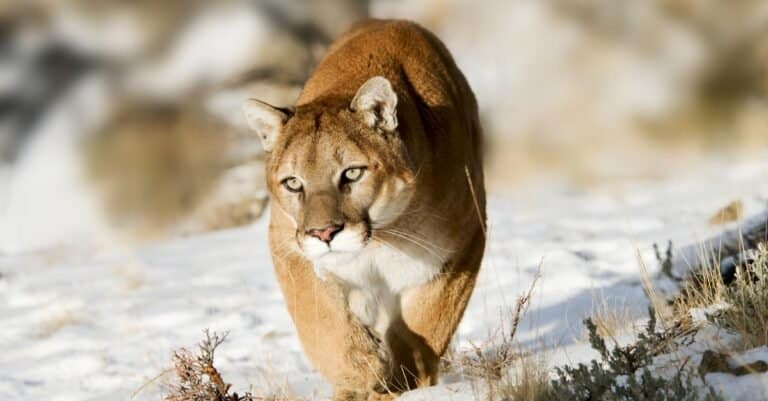
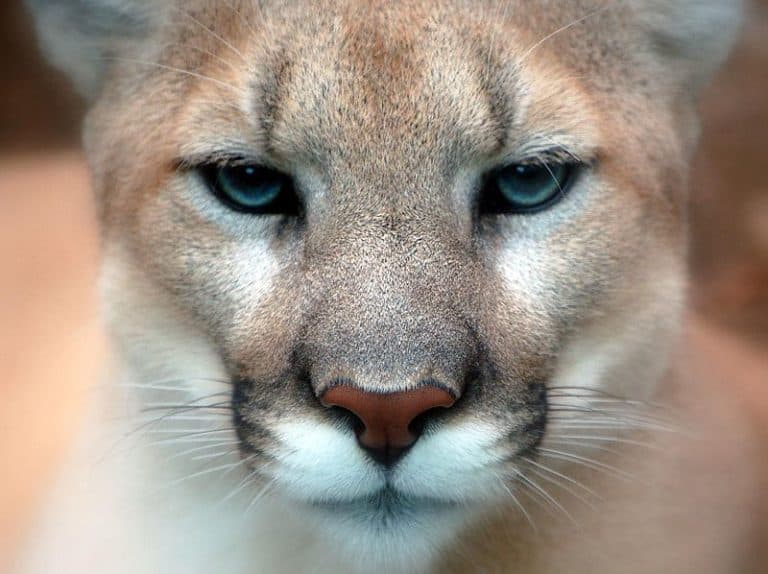
Puma (Cougar) Widespread but elusive apex predator across forest remnants and interior mosaics; frequently detected by monitoring programs and a defining carnivore of Paraná's protected areas.
Lowland Tapir South America's largest native land mammal; a key seed disperser in remaining forests and wetlands, strongly associated with well-preserved habitats.
White-lipped Peccary An emblematic herd-forming forest ungulate whose presence signals larger, better-connected forest blocks; highly valued by visitors and researchers where it persists.
Black-and-gold Howler Monkey Often heard before it's seen; its powerful dawn calls are part of the classic wildlife experience in riparian forests and forest edges of western and northern Paraná.
Toco Toucan A highly visible, charismatic bird of forest edges and mosaics; among the most recognizable species for visitors in many parts of the state.
Azure Jay Strongly associated with Araucaria (Paraná pine) forests; a cultural and ecological symbol of the highlands, known for caching and dispersing Araucaria seeds.
Broad-snouted Caiman A signature reptile of wetlands and slow waters; an iconic representative of Paraná's aquatic habitats where suitable marshes and lagoons remain.

Endemic & Rare Species

Red-tailed Amazon

Amazona brasiliensis

Endangered (global); highly range-restricted

A coastal Atlantic Forest specialty with one of its most important strongholds in Paraná's littoral forests and islands; conservation here is pivotal for the species.

Vinaceous-breasted Amazon

Amazona vinacea

Endangered (global)

Closely tied to Araucaria and mature Atlantic Forest; Paraná is part of its core southern range, and remaining highland forests are crucial for feeding and nesting.

Purple-winged Ground Dove

Paraclaravis geoffroyi

Critically Endangered (global); extremely rare and irregular

A near-mythic Atlantic Forest species historically linked to bamboo flowering cycles; Paraná's remnants are within its potential range and are important to any survival prospects.

Black-fronted Piping-guan

Pipile jacutinga

Endangered (global); severely reduced by hunting and forest loss

A large, fruit-eating forest bird that helps regenerate trees via seed dispersal; Paraná's protected forests are among the landscapes where recovery is most feasible.

Harpy Eagle

Harpia harpyja

Near Threatened (global); regionally rare in the Atlantic Forest

Where it still occurs, it indicates large, structurally complex forest; Paraná's biggest Atlantic Forest blocks are among the few places in southern Brazil with potential for the species.

Paraná Pumpkin Toadlet

Brachycephalus pernix

Critically Endangered (global); micro-endemic

A tiny leaf-litter frog known from a very restricted area in Paraná's Atlantic Forest mountains; highly sensitive to habitat change and climate shifts.

Notable Populations

  • Iguaçu National Park and adjacent forests form one of the most important jaguar landscapes remaining in the Atlantic Forest biome, with international significance due to the transboundary forest complex near Argentina and Paraguay.
  • Coastal Paraná supports a globally important stronghold for the Endangered red-tailed amazon, making the state central to the species' conservation.
  • Araucaria-forest landscapes in Paraná hold key populations of Araucaria-associated birds (e.g., vinaceous-breasted amazon and azure jay), tied to one of the most threatened forest types in South America.
  • Large protected Atlantic Forest remnants in the Serra do Mar and Iguaçu region act as refuges for range-restricted amphibians, including micro-endemic Brachycephalus toadlets.

Recent Changes

  • Improved camera-trap coverage and long-term monitoring in and around Iguaçu have increased detection of large carnivores (notably jaguar and puma) and highlighted the importance of maintaining corridors between forest blocks.
  • Ongoing habitat loss and fragmentation-especially of Araucaria forests-continue to pressure forest specialists (parrots, guans, and some amphibians), with local declines where mature forest and key food plants are removed.
  • Road expansion and high traffic near protected areas have intensified wildlife-vehicle collisions, affecting medium-to-large mammals (e.g., tapirs, peccaries, and carnivores) and prompting greater focus on mitigation.
  • Invasive wild boar (Sus scrofa) has expanded across southern Brazil including Paraná in recent decades, increasing disturbance in forests and grassland mosaics and complicating conservation of ground-nesting species and native vegetation.
  • Amphibian communities in montane Atlantic Forest have faced heightened risks linked to disease (e.g., chytrid fungus) and climate variability, with the greatest concern for micro-endemic species restricted to small elevational zones.
Visit

Wildlife Viewing

Paraná in southern Brazil is a top wildlife place. It mixes Atlantic Forest at Iguaçu National Park with coastal bays, mangroves, restinga, and the Upper Paraná River wetlands. See macaws over waterfalls, coatis on trails, tanagers, antbirds, toucans, and coastal dolphins, herons, and crabs. Many reserves are day trips from Curitiba, Foz do Iguaçu, and the coast.

Best Seasons

Summer (Dec-Feb)

Peak wet season in much of the state: forests are lush and animal activity can be high, especially early morning. Expect hot, humid conditions and intense downpours-waterfalls at Iguaçu are dramatic, but some trails can be muddy and insects more active. Great for amphibians, butterflies, and colorful forest birds; plan for rain windows and bring quick-dry gear.

Autumn (Mar-May)

Often the best balance of comfortable weather and wildlife viewing. Forest trails are generally easier, visibility improves as humidity drops, and bird activity remains strong (mixed-species flocks in Atlantic Forest remnants). Good time for photographers at Iguaçu with steadier light and fewer weather disruptions.

Winter (Jun-Aug)

Cooler, drier conditions in many areas-excellent for hiking and longer field days. Water volume at Iguaçu may be lower than summer peaks, but views can be clearer and trails less slick. Coastal birding can be strong, and some migratory shorebirds are present. Pack layers for chilly mornings around Curitiba and the highlands.

Spring (Sep-Nov)

A standout season for birdwatching as many species become more vocal and active; flowering and fruiting can draw birds and mammals to edges and clearings. Temperatures rise, storms return gradually, and wildlife encounters can be frequent in early morning. Ideal for combining interior forest birding with coastal wetlands before the heaviest summer rains.

Top Wildlife Experiences

  • Track Atlantic Forest wildlife on the Falls Trail in Iguacu National Park (Foz do Iguacu): dawn walks for toucans, guans, tanagers, coatis, butterflies-and occasional jaguarundi/ocelot sign (rare sightings, but real habitat).
  • Do a dedicated birding day in Superagui National Park (Parana coast, near Guaraquecaba): boat access plus forest and restinga trails for threatened Atlantic Forest endemics (including the iconic red-tailed amazon in the region) and excellent soundscape-driven birding.
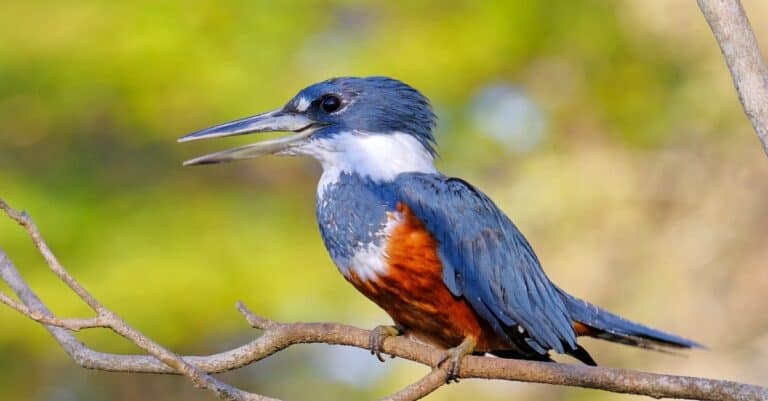
  • Take a boat excursion in the Guaraquecaba Bay estuary and mangroves (Guaraquecaba Environmental Protection Area): look for estuarine birds (herons, egrets, kingfishers), crab-rich mudflats, and small cetaceans; pair with a sunset outing for the best light and calm waters.
  • Visit Vila Velha State Park (near Ponta Grossa) for a geology plus wildlife day: explore sandstone formations and adjacent grassland/forest mosaics where raptors, seriemas, and open-country birds are easier to spot than in dense rainforest.
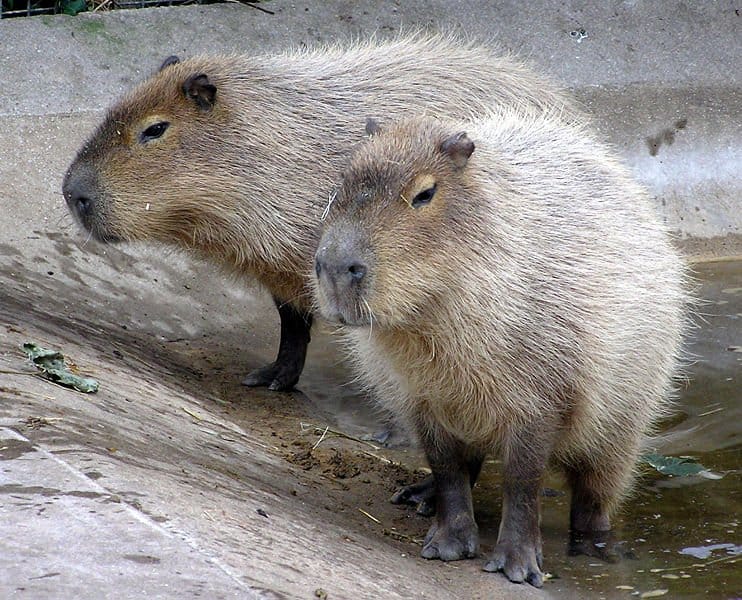
  • Visit the Upper Parana River floodplain at Ilha Grande National Park (between Parana and Mato Grosso do Sul; access near Guaira). Boat trips spot caimans, capybaras, marsh birds, and river mammals; great for wetland bird life and landscape photos.
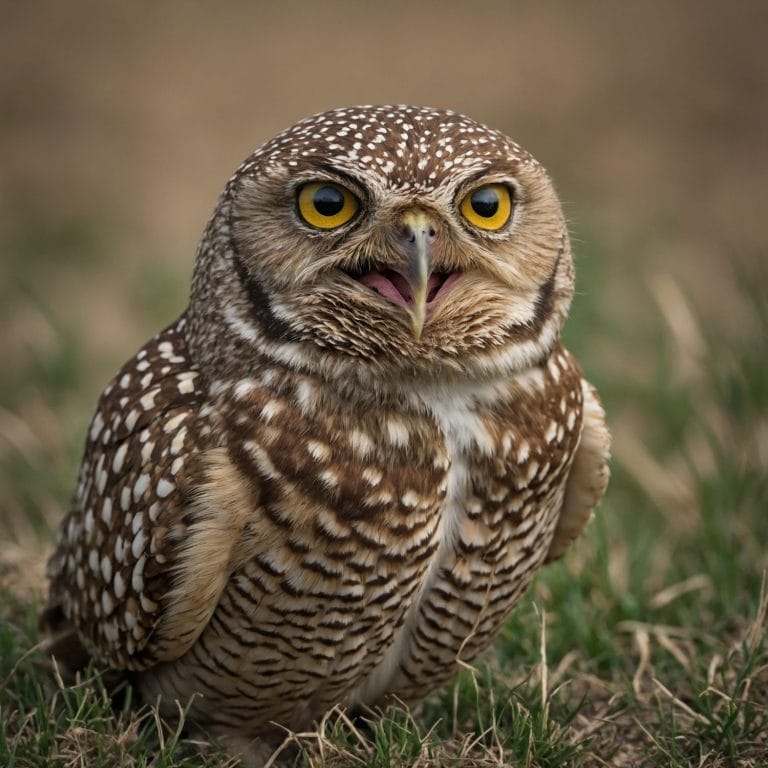
  • Night wildlife walk or spotlighting session in a private reserve/lodge in the Atlantic Forest corridor (regions around Morretes/Antonina/Guaraqueçaba): focus on nocturnal species-owls, nightjars, frogs, and the chance of arboreal mammals (species depend on site and ethics-focused operators).
  • Ride the Serra do Mar railway (Curitiba–Morretes) as a scenic wildlife trip. Though not a safari, it crosses lush forest slopes where you can spot birds and use Morretes as base for guided coastal range walks.
  • Photography-focused morning on the Macuco Safari/boat approach area at Iguaçu (Brazilian side): combine close-up waterfall drama with forest-edge wildlife and fast-flying swifts; best when paired with a guide who can interpret bird calls along the access trails.

Wildlife Watching Types

Atlantic Forest birding (endemics, mixed-species flocks, canopy birds, antbirds, toucans) Waterfall-forest wildlife viewing (Iguaçu: coatis, forest birds, butterflies; occasional big-cat evidence) Wetland and river safaris (Upper Paraná River floodplain: capybaras, caimans, marsh birds) Mangrove/estuary wildlife watching (Guaraqueçaba Bay: waders, kingfishers, crabs, occasional dolphins) Restinga and coastal forest natural history walks (Superagui and coastal protected areas) Raptor and open-habitat birdwatching (Campos Gerais / Vila Velha region) Nocturnal wildlife spotting (owls, nightjars, amphibians; ethical spotlighting with guides) Macro-wildlife and butterflies (especially in warm, humid months across Atlantic Forest trails)

Guided Options

  • Iguaçu National Park accredited nature guides (Foz do Iguaçu): ideal for early-morning birding, interpreting tracks, and choosing quieter trails/times.
  • ICMBio/park-supported programs and local operators for Superagui National Park (boat transfers plus local guiding): best for endemics and navigating access logistics responsibly.
  • Community-based and lodge-based guides in Guaraquecaba (Guaraquecaba Environmental Protection Area): mangrove/estuary boat outings, birding walks, and low-impact wildlife viewing tied to local conservation livelihoods.
  • Birding-focused day tours from Curitiba to Serra do Mar (Morretes/Antonina area): guides who specialize in Atlantic Forest endemics and sound-based detection significantly increase sightings.
  • Wetland/river boat guides around the Upper Paraná River / Ilha Grande region: small-boat excursions for marsh birds and riverside mammals; choose operators that follow distance/approach ethics for caimans and nesting birds.
  • Vila Velha State Park official guided circuits (Ponta Grossa area): structured access with interpretive guiding-good for visitors who want easy logistics plus nature context.
  • University/museum-led or NGO-led bird counts and citizen-science outings (seasonal, often around Curitiba and coastal protected areas): great for travelers who want a 'with locals' experience-check local calendars before arrival.
Habitats

Ecosystems

Paraná sits where humid Atlantic Forest, cooler highland forests with Araucaria, and native grassland mosaics meet. Major rivers (Iguaçu and Paraná) and a short but rich coast (Paranaguá Bay) shape these ecosystems. Despite farms and cities, protected areas like Alto Paraná Atlantic Forest around Iguaçu National Park, mangroves, and grassland-forest mosaics keep high biodiversity.

Biomes

Tropical Rainforest

Represents the Atlantic Forest's humid evergreen and semi-evergreen forests (including dense ombrophilous forest along the Serra do Mar and moist seasonal Atlantic Forest in the west), with very high plant diversity and many endemic species.

Patchy but significant in biodiversity: largest continuous blocks on the coastal slope/Serra do Mar and key remnants in the west (Iguaçu region); much reduced and fragmented elsewhere.

Temperate Forest

Subtropical highland forests dominated by Araucaria (mixed ombrophilous forest) and associated broadleaf species on cooler plateaus; often forms mosaics with grasslands and riparian forests.

Historically extensive on the central-southern plateaus; now highly reduced and fragmented, persisting in protected areas and scattered remnants.

Temperate Grassland

Native Campos grasslands (Campos Gerais and related grassland-savanna-like mosaics) on plateaus with rocky outcrops and shallow soils, supporting specialized flora and open-habitat fauna.

Localized but ecologically important-mainly in the Campos Gerais region and other plateau areas; frequently converted to pasture, crops, or pine plantations.

Savanna

Small Cerrado enclaves (savanna/wooded savanna physiognomies) in northern/northwestern Paraná, transitioning toward interior South American savannas; typically on well-drained, nutrient-poor soils.

Very limited and highly fragmented (small relict patches).

Freshwater

Large river networks (Iguaçu, Paraná, Tibagi, Ivaí, Piquiri) with rapids, waterfalls (Iguaçu Falls), reservoirs (e.g., Itaipu), and riparian corridors that connect habitats across the state.

Statewide along major basins and tributaries; strongly influenced by dams, land use, and riparian vegetation condition.

Wetland

Coastal and inland wetlands including estuarine/mangrove systems around Paranaguá Bay, riverine marshes, floodplain wetlands, and seasonally waterlogged lowlands.

Concentrated on the coast (estuaries/mangroves) and in lowland river valleys; generally narrow/discontinuous inland but extensive in parts of the Paranaguá estuarine complex.

Marine

Nearshore Atlantic waters off Paraná's coast, including bays, channels, and adjacent continental shelf ecosystems that support fisheries, seabirds, and marine mammals.

Restricted to the state's short coastline and adjacent shelf; ecologically amplified by the large Paranaguá estuary and coastal islands.

Habitats

Rainforest

Dense Atlantic Forest on the Serra do Mar and moist forest remnants elsewhere; high epiphyte richness, steep elevational gradients, and strong endemism.

Forest

Broad umbrella for Atlantic Forest remnants, riparian forests, and secondary/regenerating stands across the agricultural matrix.

Coniferous Forest

Araucaria (Paraná pine) mixed forests on cooler plateaus; often a patchwork with grasslands and broadleaf species.

Grassland

Campos Gerais native grasslands with rocky outcrops, shallow soils, and high plant diversity; sensitive to conversion, fire regime changes, and invasive species.

Shrubland

Open rocky-field and grassland-edge shrub mosaics in plateau landscapes (often associated with Campos and sandstone/rocky substrates).

Mountain

Serra do Mar escarpments and high-relief terrain creating microclimates, cloudier zones, and refugia for Atlantic Forest biodiversity.

Cliff/Rocky Outcrop

Basaltic and sandstone escarpments and canyon-like valley walls (notably in plateau areas), providing nesting/roosting sites and specialized vegetation.

Cave

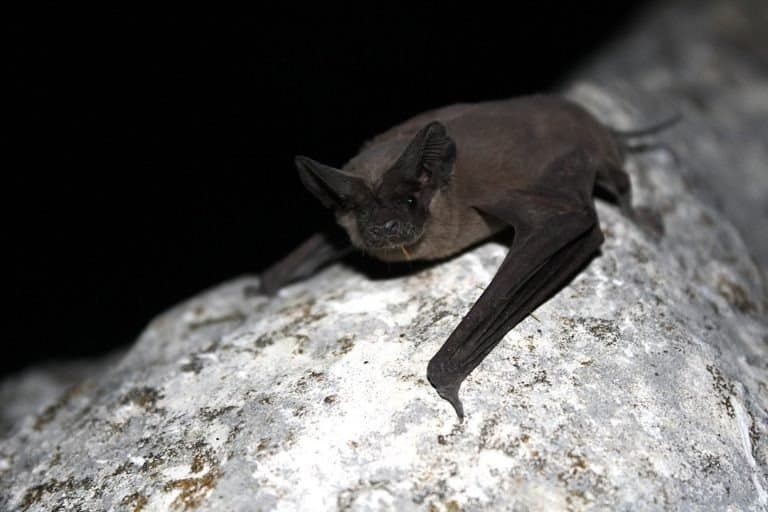
Karst and sandstone-related cave/rock shelter features in parts of the state (especially within plateau geology), supporting bats and specialized invertebrates where present.

River/Stream

Major rivers (Iguaçu, Paraná, Tibagi, Ivaí, Piquiri) with riparian corridors, rapids, and falls; critical for connectivity and aquatic biodiversity.

Lake

Reservoir-like lake habitats (notably Itaipu and other impoundments) and oxbow/lagoon-like features in lowlands; important for waterbirds and fisheries but ecologically altered.

Wetland

Floodplain and lowland wetlands plus coastal wetland mosaics; key for amphibians, waterbirds, nutrient cycling, and flood buffering.

Marsh

Freshwater marshes along river margins, low-lying agricultural landscapes, and floodplain pockets; seasonally dynamic water levels.

Swamp

Forested or shrub-dominated wet areas in lowlands and along sluggish tributaries; often tied to riparian forest condition.

Mangrove

Mangroves in the Paranaguá estuarine complex and associated coastal embayments-southern-limit mangrove systems with high nursery value for fish/crustaceans.

Estuary

Paranaguá Bay and connected channels/creeks forming one of southern Brazil's major estuarine systems, integrating mangroves, mudflats, and coastal forests.

Coastal

Coastal plains with restinga-like sandy substrates, lagoons/estuaries, and a strong land-sea gradient; heavily influenced by conservation status and development.

Beach

Sandy beaches and dune-influenced shoreline segments along the Atlantic coast, important for shorebirds and coastal processes.

Rocky Shore

Rocky headlands and island fringes near the coast and bay mouths, supporting intertidal communities distinct from sandy beaches.

Urban

Major urban/industrial areas (e.g., Curitiba metro, coastal ports) creating habitat fragmentation but also urban green-space refuges and riparian restoration opportunities.

Suburban

Expanding peri-urban belts around Curitiba and regional cities, often replacing forest/grassland mosaics and increasing edge effects.

Agricultural/Farmland

Large areas of soy, corn, wheat, pastures, and mixed farming-dominant land cover in many regions, with biodiversity strongly dependent on riparian buffers and remaining fragments.

Plantation

Commercial forestry (notably pine/eucalyptus in some plateau areas) that can reduce native grassland/forest diversity but may retain some corridor value when managed with set-asides.

Ecoregions

Serra do Mar Coastal Forests Araucaria Moist Forests Alto Paraná Atlantic Forests Southern Atlantic Mangroves
Protection

Conservation

Primary Threats

  • Historic and ongoing conversion of Atlantic Forest and Araucaria Forest to cropland, pasture, and tree plantations has left many ecosystems as small, isolated fragments-especially across the interior plateau-reducing viable habitat for forest specialists and large mammals.
  • Soy, corn, wheat, cattle, and associated road/farm infrastructure continue to pressure remaining native vegetation; riparian buffers are often degraded, increasing sedimentation and nutrient runoff into the Iguacu and Parana river basins.
  • Selective and illegal logging persists in some remnants, including high-value native hardwoods and Araucaria-associated forests; even "low-intensity" extraction can simplify forest structure and reduce nesting/feeding resources for threatened birds and mammals.
  • Growth around Curitiba and other regional hubs increases demand for land, water, and transport corridors; peri-urban expansion fragments remaining forest patches and intensifies disturbance in municipal conservation areas.
  • Highways and expanding logistics corridors increase wildlife-vehicle collisions and barrier effects, particularly around forest edges and between protected areas; transmission lines and new developments can further fragment coastal and interior remnants.
  • Large dams and reservoir operations (notably in the Parana basin, including the Itaipu system) and smaller hydropower projects alter flow regimes, fish migration, and floodplain dynamics; river regulation also interacts with protected-area management along major waterways.
  • Agrochemical runoff, untreated or partially treated sewage near urban centers, and industrial discharges degrade water quality in tributaries feeding the Iguacu/Parana systems, affecting aquatic fauna and riparian habitats and increasing eutrophication risk in reservoirs.
  • Non-native plantation trees (e.g., Pinus spp.) can spread into native grasslands/forest edges; invasive/introduced fish (commonly stocked in reservoirs) and feral animals can disrupt food webs and prey on native species in fragmented landscapes.
  • Illegal hunting still occurs in some rural and forest-edge areas (including around large remnants), reducing populations of game species and indirectly impacting predators that depend on them; enforcement is uneven outside major protected areas.
  • Capture and trafficking of parrots and songbirds remains a regional pressure, especially for charismatic species; coastal and forested areas with accessible roads can become collection points without sustained surveillance.
  • Where jaguars and pumas persist (notably near large forest blocks like Iguacu and connected remnants), occasional livestock depredation can trigger retaliatory killing or local intolerance, undermining recovery efforts.
  • Shifts in rainfall patterns and more frequent extremes (droughts/floods) can stress Araucaria-associated ecosystems and amplify fire risk in drier periods; altered hydrology also compounds dam/river management impacts on aquatic habitats.
  • Fragmentation and environmental stress can raise disease vulnerability in wildlife (e.g., pathogens affecting amphibians in humid Atlantic Forest remnants), while increased contact among wildlife, livestock, and domestic animals can facilitate spillover in rural mosaics.
  • Small, isolated populations in forest fragments (particularly for low-dispersal species and some primates/birds) face reduced gene flow; maintaining corridors between protected areas in western Paraná and coastal mosaics is critical to avoid inbreeding and local extinctions.
Fun Facts

Did You Know?

Iguazu Falls is a natural barrier: it stops fish from moving upstream, so some Parana River fish never reached the Iguazu River, and many Iguazu fish became local species found nowhere else.

The black-faced lion tamarin breaks the 'lion tamarin rule': unlike most lion tamarins associated with tall forest, this species is strongly tied to coastal sandy scrub and mangrove-edge mosaics in Parana's Lagamar/Superagui region.

Parana's Araucaria forests run on a bird-tree partnership: the azure jay (Cyanocorax caeruleus) caches Araucaria pine seeds, and many cached seeds are never recovered-effectively planting the next generation of Araucaria angustifolia.

In Paraná's Serra do Mar, some frogs are mountaintop 'micro-endemics': pumpkin-toadlets (Brachycephalus spp.) can be confined to single peaks or small ridge systems, meaning a whole species' global range may fit inside one protected area boundary.

The 'big cat' story at Iguazu/Iguacu is international: jaguars can move across the Brazil-Argentina border between Iguacu National Park (Brazil) and Iguazu National Park (Argentina), so conservation success depends on managing a shared transboundary population rather than a single-park effort.

Parana's Iguacu National Park (185,262 ha) and Argentina's nearby Iguazu National Park (~67,000 ha) form about 252,000 ha of continuous protected Atlantic Forest, one of the largest remaining blocks.

The Critically Endangered black-faced lion tamarin (Leontopithecus caissara) lives only in a tiny coastal strip of Sao Paulo–Parana. Key habitat is in Parana’s Superagui National Park, making its range one of the smallest for any primate.

The Iguacu River basin (Parana) has very high endemic fish diversity, with over half its native fish found nowhere else. Iguacu Falls blocks fish and separates the basin from the Parana River.

Iguacu National Park is one of the few places in the Atlantic Forest where jaguars (Panthera onca) still breed, making it an important safe place for the species in this broken biome.

Thank you for reading! Have some feedback for us?