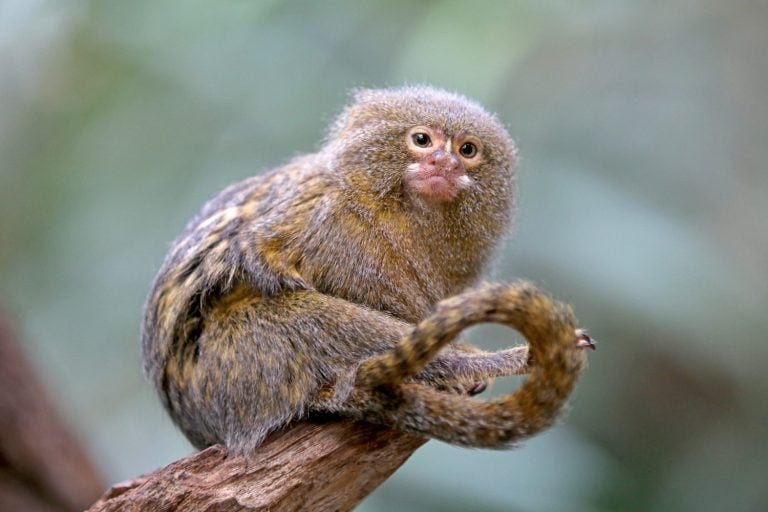
Pygmy marmoset
Tiny sap-sipping acrobats of the Amazon

Tiny sap-sipping acrobats of the Amazon
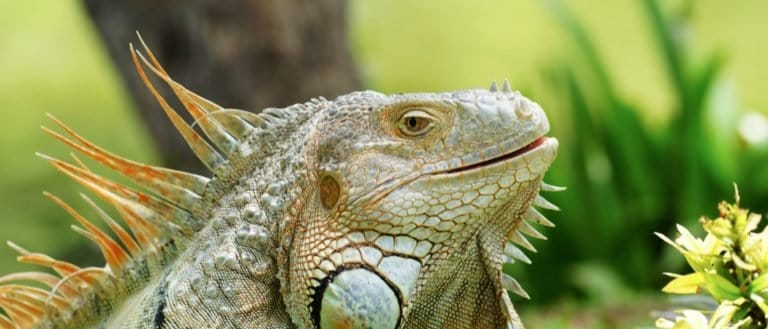
Sun-powered lizards of the Americas
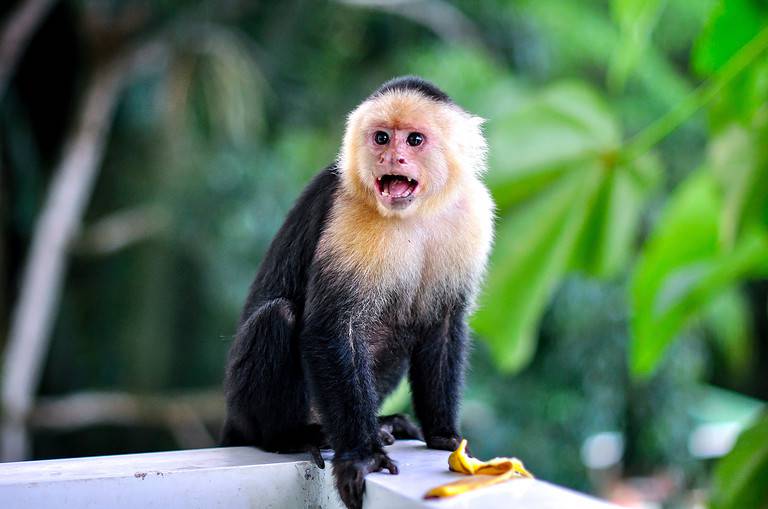
Hands, minds, and social lives

Built to soar, born to strike
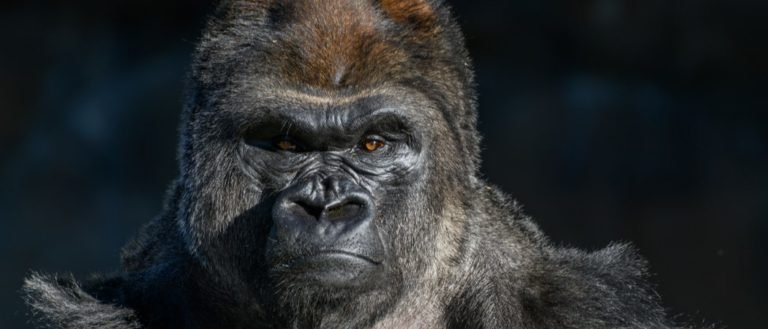
Gentle giants of the African forests
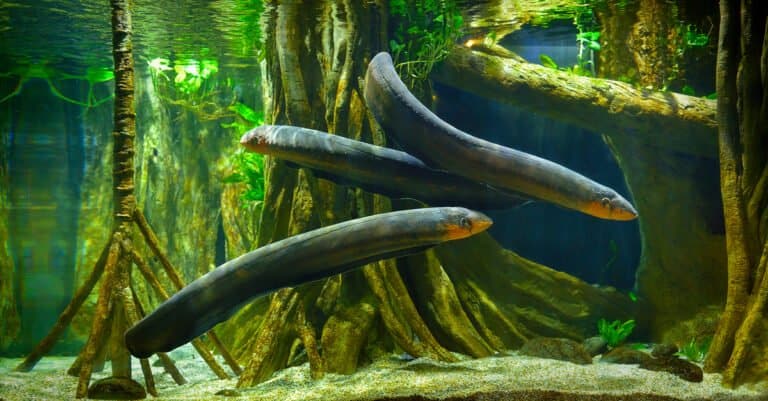
Lightning hunter of the Amazon
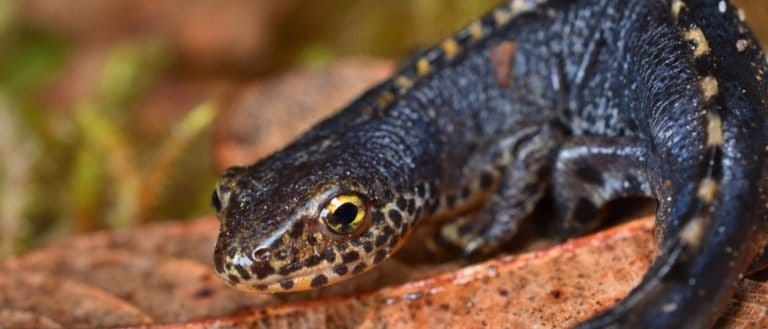
Crests, ponds, and potent defenses
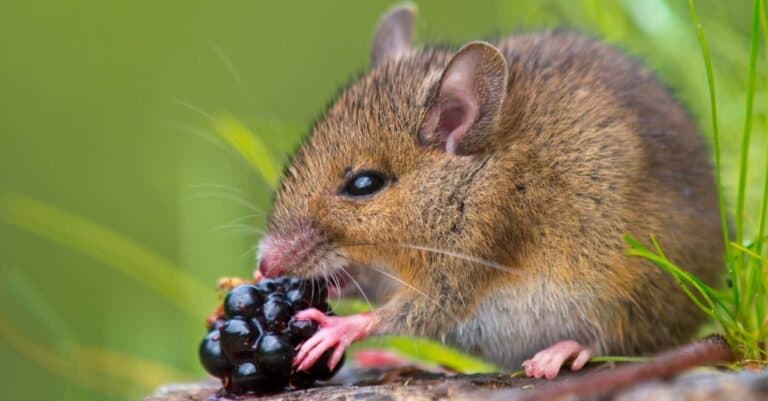
Small gnawers, huge impact.
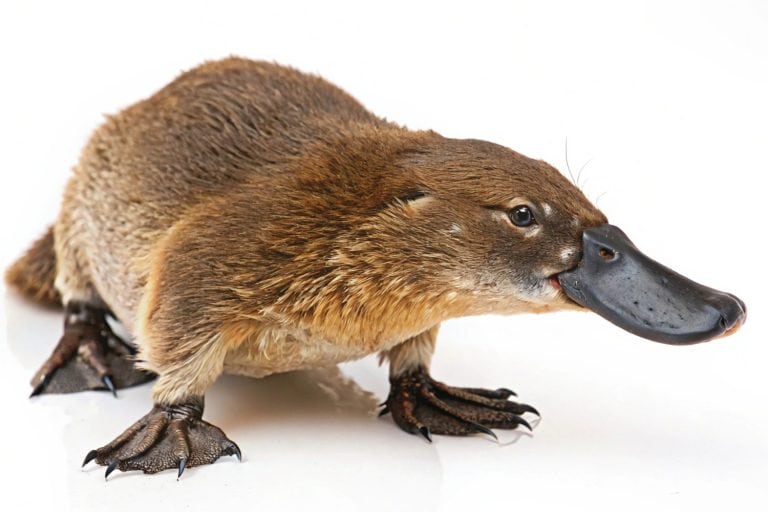
Electric hunter of Australian rivers
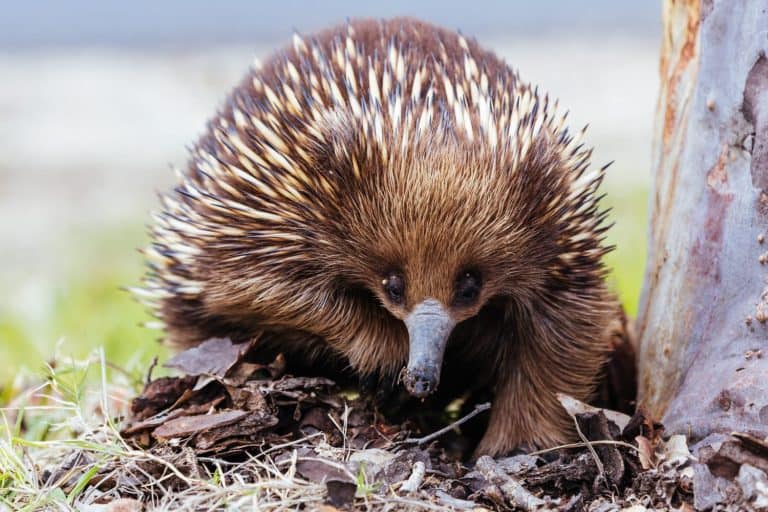
Spines, eggs, and ant-eating mastery
A tropical rainforest is a closed-canopy forest biome occurring primarily in equatorial regions where mean monthly temperatures remain warm year-round and precipitation is high in every season, supporting evergreen vegetation. It is characterized by consistently high humidity, minimal temperature seasonality, and exceptionally high terrestrial biodiversity maintained by rapid biological turnover and intense biotic interactions.
Tropical rainforests form a green band around the equator where sun and moisture bring frequent rain. The forest has layers—emergent trees, canopy, understory, and forest floor—that make habitats for plants and animals. Warmth and moisture speed growth and decay, so nutrients cycle fast and soil holds little. Many species have close ties (orchids and pollinators, figs and wasps). Cutting the canopy harms humidity, water cycling, and species links. Protecting rainforests saves species, helps regional climate, and stores carbon and water.
Tropical rainforest climates are warm and very humid year-round, with heavy rain most months. Near the equator, day length and temperature change little, and water is usually available. Constant heat and rain lead to high primary productivity, fast decomposition and nutrient cycling (often stored in living plants), dense multi-layered canopies, and very high biodiversity.
Typically small: ~2-8°C (4-14°F) difference between average coolest and warmest months; daily (diurnal) variation can be similar to or greater than seasonal variation.
Typically ~2,000-4,000 mm/year (80-160 in), with some locations exceeding ~5,000 mm/year (200+ in).
Season changes are weak and driven more by rainfall than temperature. Short, drier spells can lower stream flow, make some trees drop more leaves, and raise fire risk at edges or in disturbed spots, but the forest works year-round. Plants time flowering and fruiting to small rainfall and light changes, shaping animal movement, breeding, pollination, and seed spread.
Effectively year-round (12 months). Growth continues through all seasons, with peak growth often aligning with the wettest months or periods with slightly higher sunlight (e.g., less cloud cover) depending on region; even during a brief drier season, most vegetation remains actively growing in lowland rainforest climates.
Tropical rainforests are a wide band of warm, humid, evergreen forest around the equator, where rain is heavy year-round or in strong wet seasons and temperatures stay warm. They are mainly in a few big areas—the Amazon Basin, Congo Basin, and Maritime Southeast Asia/New Guinea—with smaller patches in Central America, West Africa, South Asia, northeastern Australia, islands, and mountains.
Globally threatened and declining. Tropical rainforests remain widespread across the Amazon, Congo Basin, and Southeast Asia/New Guinea, but large areas have been converted or degraded; many remaining forests are fragmented, selectively logged, or increasingly affected by fire and drought. Overall conservation status: high concern with significant ongoing loss and degradation, despite major protected-area networks and improved monitoring/enforcement in some regions.
Despite all that lush growth, rainforest soils are often nutrient-poor-the nutrients are stored mainly in living plants and in fast-decaying leaf litter, not in the ground.
Rainforests can create their own rain: water vapor released by plants (transpiration) helps drive frequent local storms and recycling of moisture.
It can be dim near the forest floor-so much sunlight is captured by the canopy that understory plants may live in deep shade and grow slowly.
You can find "gardens" and "farms" run by animals: leafcutter ants don't eat leaves directly-they use them to cultivate fungus as their primary food.
Many rainforest trees rely on animals, not wind, to move their seeds-meaning losing one key animal can quietly break an entire plant's reproduction pipeline.
A rainforest canopy is like a multi-story city: emergent trees form the "skyscrapers," the upper canopy is the "roofline," and the understory is a shaded "street level."
One hectare (2.5 acres) of tropical rainforest can hold hundreds of tree species-compare that to many temperate forests where a hectare might be dominated by just a handful of common species.
Rainfall in many tropical rainforests commonly reaches 2,000-4,000 mm per year (about 80-160 inches)-often several times the annual rainfall of cities like London or Los Angeles.
Because nutrient cycling is so fast, the forest functions like a tightly run recycling system-dead leaves and wood can be broken down and re-used quickly compared with many cooler biomes.
The "living surface area" is enormous: vines, epiphytes, and layered foliage create far more habitat space than a single flat patch of ground the same size.
Tropical rainforests are Earth's most biodiverse land biome-no other terrestrial biome packs more species into the same area.
The Amazon Rainforest is the largest tropical rainforest on Earth, spanning multiple countries across northern South America.
One hectare (about 2.5 acres) of mature tropical rainforest can have hundreds of tree species. In the richest forests, researchers have found roughly 400 or more—about 480—tree species in one hectare.
Some rainforest trees rank among the tallest flowering plants on the planet-certain dipterocarps in Southeast Asia exceed 90 meters (about a 30-story building).
Rainforests host some of the most intricate ecological partnerships on Earth, from army-ant "followers" to specialized pollinators that rely on a single plant species.
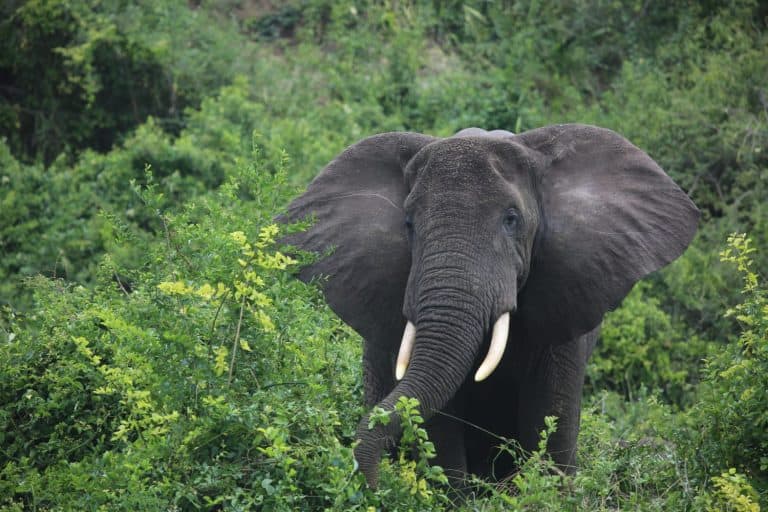
The rainforest's master gardener
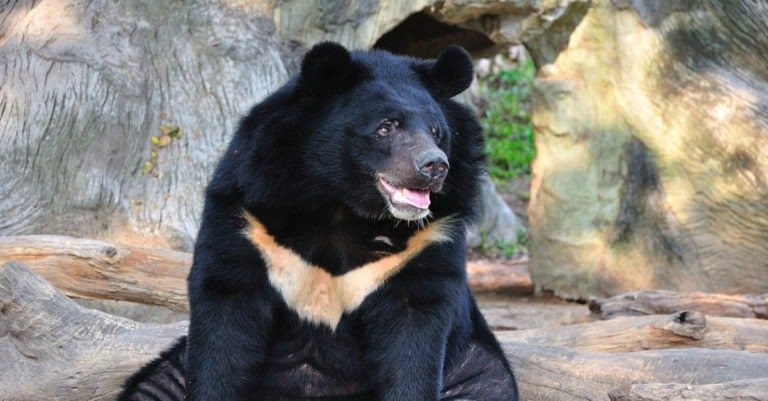
Moon-marked climber of Asian forests
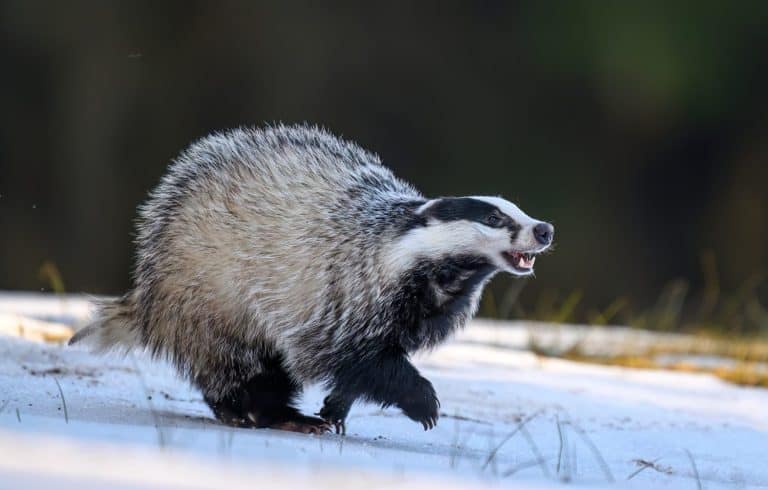
Built to dig. Born to endure.
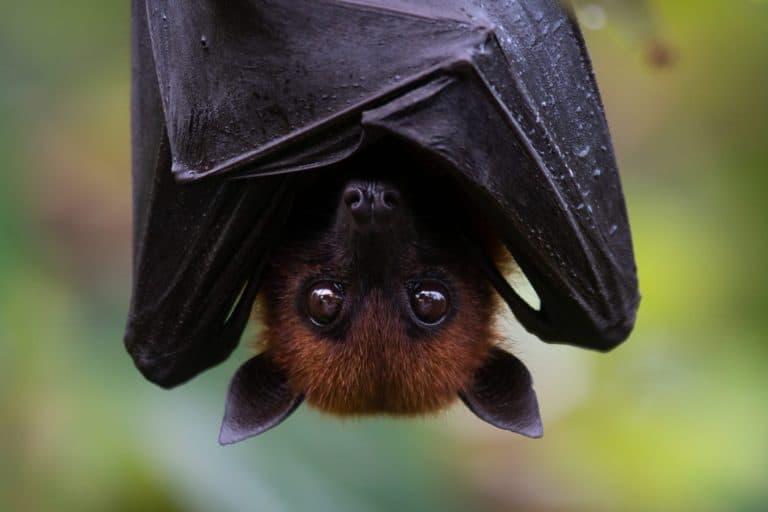
Night pilots of the mammal world

Small hunter, big household legend
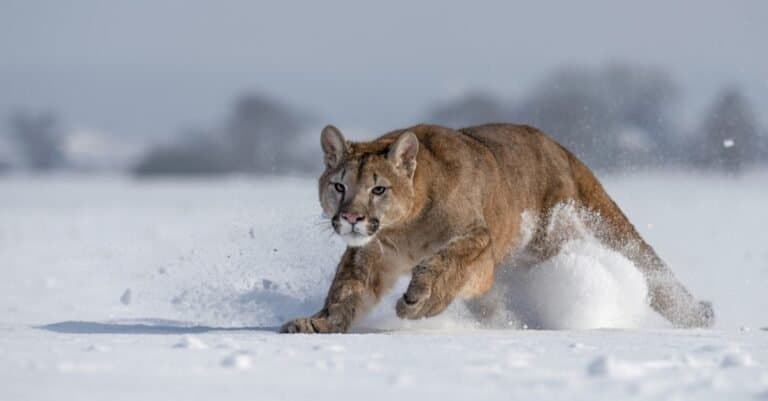
One cat. Two continents.

Webbed feet, world travelers.
Built to soar, born to strike
Spines, eggs, and ant-eating mastery
Lightning hunter of the Amazon
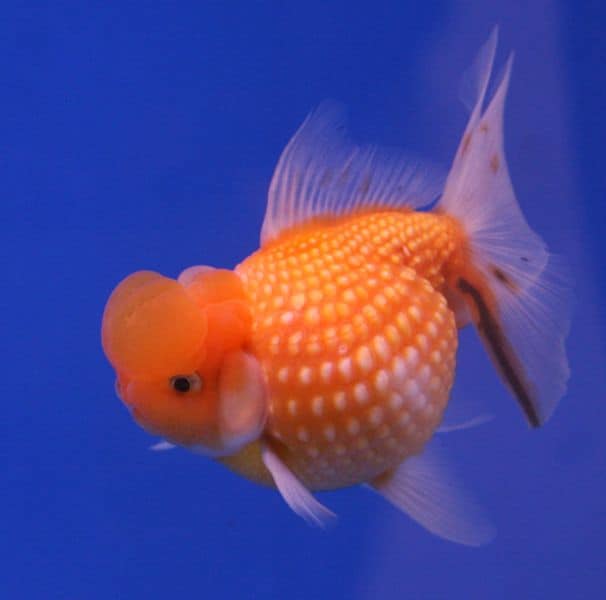
Bony rays, endless ways.
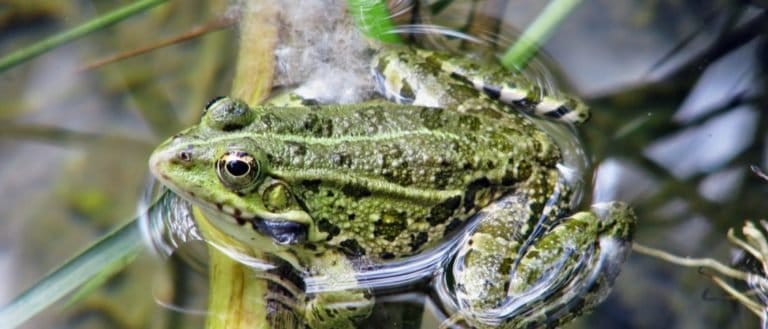
Tailless jumpers, masters of change
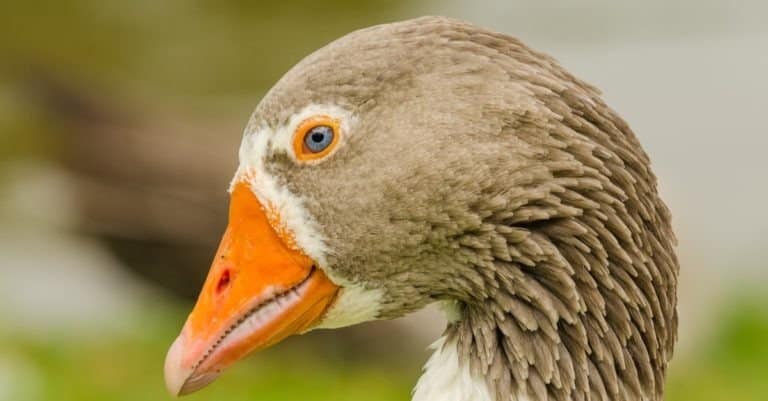
Webbed feet, sky roads, wetland lives
Gentle giants of the African forests
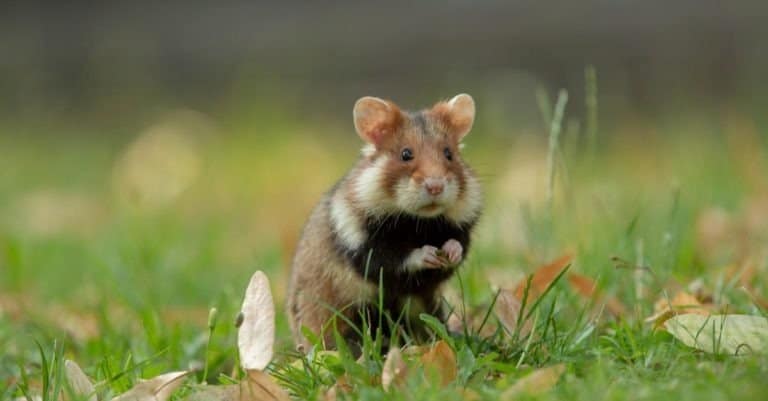
Pouches, burrows, and big impacts
Sun-powered lizards of the Americas
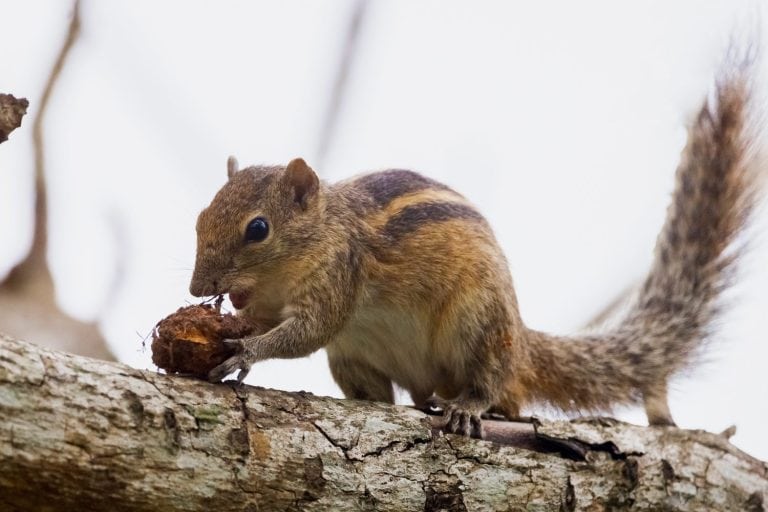
Three stripes. Big city attitude.
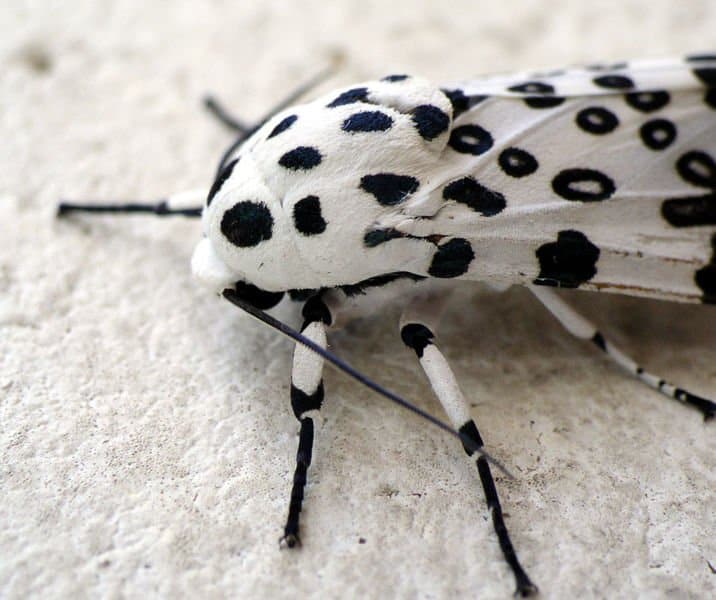
Six legs, endless lives.
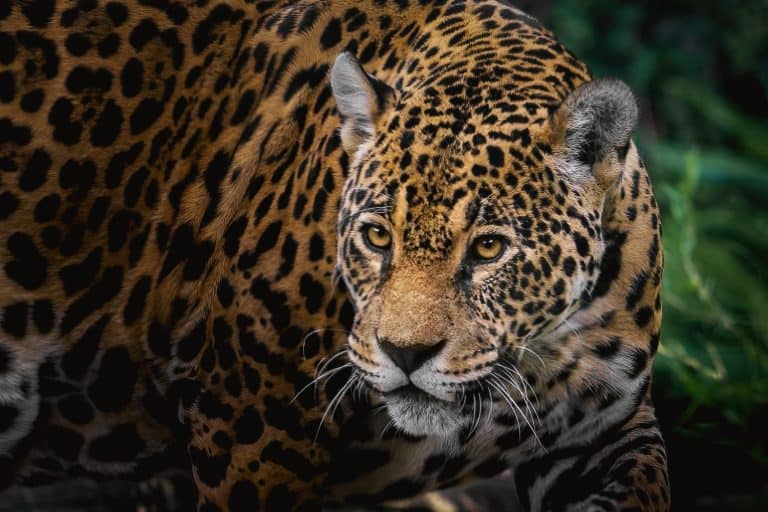
Power of the Americas' apex cat

Big hops, big pouches, big variety
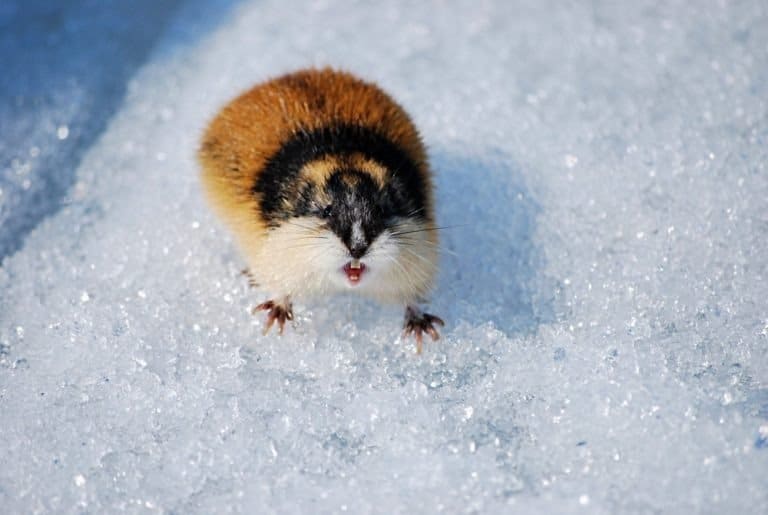
Small rodents, huge tundra impact

From geckos to dragons-lizard power
Small gnawers, huge impact.
Hands, minds, and social lives
Thank you for reading! Have some feedback for us?
We appreciate your help in improving our content.
Our editorial team will review your suggestions and make any necessary updates.
There was an error submitting your feedback. Please try again.