N S W E
Wildlife Expeditions

Wildlife of
Rondônia

Rondônia is a frontier Amazon where the Madeira River and vast lowland forests still shelter iconic rainforest wildlife amid one of Brazil's fastest-changing landscapes.
32 Species
237,765 km² Land Area
Overview

About Rondônia

Rondônia's wildlife shows a strong contrast: deep Amazon nature next to active farming. In patches of lowland rainforest, Indigenous lands, and protected areas you can still find forest primates, secretive cats, big river turtles, macaws, and understory birds. On Brazil’s "arc of deforestation," intact habitats survive as islands and corridors.

Main ecosystems are terra firme rainforest, seasonally flooded forests (várzea and igapó), palm wetlands, and rivers and oxbow lakes tied to the Madeira River. These waterways are wildlife highways, with rich fish and predators and scavengers that follow floods and fruit. Flood cycles set when animals feed and breed, making river edges, lake shores, and fruiting trees seasonal hotspots.

The sharp edge between forest blocks and altered lands lets you see edge species and open-country raptors near pastures, then quickly enter forest refuges with primary-forest specialists. Close to Bolivia, Rondônia is a meeting zone with southwestern Amazon influences.

Physical Features

Geography

Rondonia, in the southwestern Amazon Basin, has lowland forests cut by rivers like the Madeira River, making floodplains, seasonal wetlands, and water routes for animals. It has upland rainforest, flooded and bamboo forests, and drier areas. Fast clearing for roads and farms made a patchwork of intact forest, protected and Indigenous areas, and fragments, changing wildlife and raising human-wildlife conflict.

237,765 km² Land Area
13th largest state in Brazil (by area) Size Rank
Brazil Country
State Type
Elevation Range

Approximately ~60 m to ~1,100 m (lowland Amazon plains up to upland serras in the interior)

Key Landscapes

Madeira River mainstem and its floodplains (whitewater floodplain forests), a major aquatic and riparian wildlife corridor Guapore River basin and border wetlands with Bolivia (including extensive seasonally inundated areas) Mamore River and associated riparian forests and oxbow-lake systems Upland Amazon rainforest across interfluvial plateaus (core habitat for wide-ranging forest fauna) Seasonally flooded forests (whitewater floodplain forests and blackwater flooded forests), marshes, and river-lake mosaics important for aquatic birds, reptiles, and fish-eating mammals Upland ridges and mountain ranges (for example, the Pacaas Novos Range and other residual highlands) providing cooler, rockier microhabitats and elevational turnover in species assemblages
Parks & Reserves

Protected Areas

Rondonia has federal and state protected areas (national parks, reserves, national forests, extractive reserves) and large Indigenous Territories. They shelter lowland Amazon wildlife, especially along the Guapore-Mamore frontier with Bolivia and the Madeira, Jamari and Guapore basins. In the deforestation arc they serve as strongholds and corridors. Best wildlife viewing is in remote river-access units with intact forest and wetlands.

Protected Coverage

Approximately 44%

National Parks & Preserves

Pacaas Novos National Park

c. 765,000 ha (7,650 km²)

Rondonia's flagship national park, protecting a large block of relatively intact forest and rugged uplands that act as a refuge for wide-ranging mammals and interior-forest birds. Its remoteness helps maintain high ecological integrity compared with surrounding frontiers.

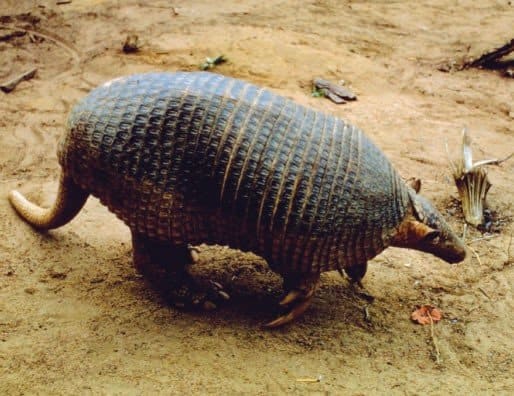
Jaguar (Panthera onca) Lowland tapir (Tapirus terrestris) White-lipped peccary (Tayassu pecari) Harpy eagle (Harpia harpyja) Giant armadillo (Priodontes maximus)

Serra da Cutia National Park

c. 283,000 ha (2,830 km²)

Protects a remote border-region landscape of Amazon forest and seasonal wetlands that supports large predators, primates and riverine wildlife, functioning as an important transboundary conservation area near Bolivia.

Jaguar (Panthera onca) Giant otter (Pteronura brasiliensis) South American tapir (Tapirus terrestris) Red howler monkey (Alouatta seniculus) Harpy eagle (Harpia harpyja)

Mapinguari National Park (portion within/adjacent to Rondonia)

c. 1,770,000 ha (17,700 km²) total; only part lies within/near Rondonia

A vast protected forest block (spanning state boundaries) that safeguards headwaters, terra firme rainforest and seasonally flooded habitats, critical for landscape-scale conservation of wide-ranging mammals and intact predator-prey systems.

Jaguar (Panthera onca) Giant anteater (Myrmecophaga tridactyla) Giant armadillo (Priodontes maximus) Lowland tapir (Tapirus terrestris) Curassows (Crax spp.)

Campos Amazonicos National Park (portion within Rondonia)

c. 961,000 ha (9,610 km²) total; includes a portion within Rondonia

Notable for protecting a rare mosaic of Amazon rainforest and natural open vegetation within a largely forested region, supporting high habitat heterogeneity and diverse bird and mammal communities.

Jaguar (Panthera onca) Giant otter (Pteronura brasiliensis) Blue-and-yellow macaw (Ara ararauna) Lowland tapir (Tapirus terrestris) Capuchin monkeys (Sapajus spp.)

State & Provincial Parks

Guajara-Mirim State Park

c. 258,000 ha (2,580 km²)

One of Rondonia's largest state-protected forests, important for maintaining connectivity near the Bolivia border and for conserving intact rainforest that supports top predators and sensitive interior species.

Jaguar (Panthera onca) Lowland tapir (Tapirus terrestris) Giant otter (Pteronura brasiliensis) Black spider monkey (Ateles sp.) Scarlet macaw (Ara macao)

Corumbiara State Park

c. 384,000 ha (3,840 km²)

Protects a large and relatively remote block of southwestern Rondonia forests and river systems, acting as a refuge for large mammals and river-associated wildlife in a heavily pressured region.

Jaguar (Panthera onca) White-lipped peccary (Tayassu pecari) Lowland tapir (Tapirus terrestris) Harpy eagle (Harpia harpyja) Giant armadillo (Priodontes maximus)

Serra dos Reis State Park

c. 36,000 ha (360 km²)

A smaller but strategically located protected forest along the Guapore-Mamore frontier region, valuable for conserving riverine corridors and serving as a buffer for broader landscape connectivity.

Giant otter (Pteronura brasiliensis) Neotropical river otter (Lontra longicaudis) Black caiman (Melanosuchus niger) Hoatzin (Opisthocomus hoazin) Capybara (Hydrochoerus hydrochaeris)

Wildlife Refuges

Jaru Biological Reserve

c. 353,000 ha (3,530 km²)

A high-integrity strict-protection reserve safeguarding mature rainforest and serving as a core area for threatened mammals and large forest birds; it is also important for long-term ecological monitoring in Rondonia.

Jaguar (Panthera onca) Lowland tapir (Tapirus terrestris) White-lipped peccary (Tayassu pecari) Harpy eagle (Harpia harpyja) Giant armadillo (Priodontes maximus)

Cunia Ecological Station

c. 186,000 ha (1,860 km²)

A strict-protection area emphasizing wetland-forest interfaces and aquatic systems, important for riverine mammals, nesting birds and maintaining ecological processes tied to seasonal flooding.

Giant otter (Pteronura brasiliensis) Amazon river dolphin (Inia geoffrensis) Black caiman (Melanosuchus niger) Green anaconda (Eunectes murinus) Scarlet macaw (Ara macao)

Jamari National Forest

c. 223,000 ha (2,230 km²)

A multiple-use federal forest that still retains major wildlife value by protecting a large forest block and supporting corridors for wide-ranging mammals; management focus includes sustainable use and reducing illegal extraction.

Jaguar (Panthera onca) Puma (Puma concolor) Lowland tapir (Tapirus terrestris) Giant anteater (Myrmecophaga tridactyla) Curassows (Crax spp.)

Rio Ouro Preto Extractive Reserve

c. 205,000 ha (2,050 km²)

A river-based sustainable-use reserve that protects flooded forests, oxbows and riparian habitats, often excellent for observing aquatic fauna and large wetland-associated birds while supporting traditional livelihoods.

Giant otter (Pteronura brasiliensis) Amazon river dolphin (Inia geoffrensis) Black caiman (Melanosuchus niger) Hoatzin (Opisthocomus hoazin) Capybara (Hydrochoerus hydrochaeris)

Wilderness Areas

  • Guapore Biological Reserve (along the Guapore River on the Bolivia border; extensive wetlands and riparian forest)
  • Pacaas Novos National Park (large protected mountain-and-forest block in Rondônia)
  • Jaru Biological Reserve (strictly protected forest reserve in Rondônia)
  • Jamari National Forest (federal national forest in Rondônia that helps retain a large forest interior)
  • Uru-Eu-Wau-Wau Indigenous Territory (major Indigenous Territory retaining extensive forest cover)
  • Karipuna Indigenous Territory (Indigenous Territory in Rondônia; important intact-forest refuge)
  • Kaxarari Indigenous Territory (large Indigenous Territory spanning Rondônia and Amazonas; significant forest refuge)
Animals

Wildlife

Rondonia is in Brazil's southwestern Amazon Basin. Extensive lowland rainforest, including unflooded upland and seasonally flooded forests, and big rivers like the Madeira support high biodiversity. Wildlife includes river dolphins, giant otters, migratory catfish, river turtles, large raptors such as harpy eagles, and Amazon mammals like jaguars, tapirs, and peccaries. In the southern Amazon 'arc of deforestation,' Rondonia is a patchwork of intact blocks in protected areas and Indigenous territories and lands changed by ranching, farming, roads, and hydroelectric projects, causing strong local differences in wildlife.

~220-260 species (SW Amazon typical richness; higher totals likely with ongoing surveys) Mammals
~650-750 species (high Amazonian diversity across riverine, floodplain, and upland forests) Birds
~180-240 species (including many river turtles, forest lizards/snakes, and crocodilians) Reptiles
~140-200 species (rich frog assemblages, many locally under-recorded) Amphibians
~900-1,200+ species (very high; Madeira system includes major migratory catfish and diverse floodplain/tributary faunas) Fish
Examples

Iconic Species

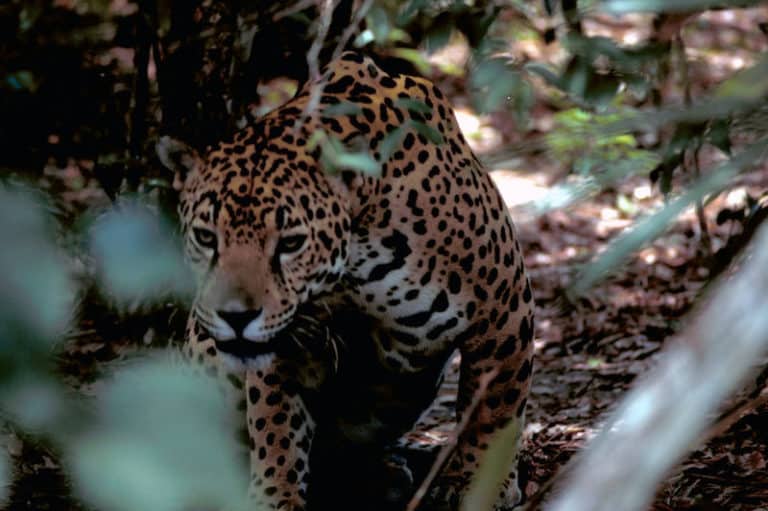
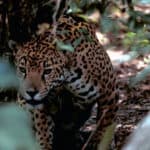
Jaguar
Jaguar Top predator of Rondônia's forests and river corridors; best chances are in large protected blocks and remote river landscapes where prey remains abundant.
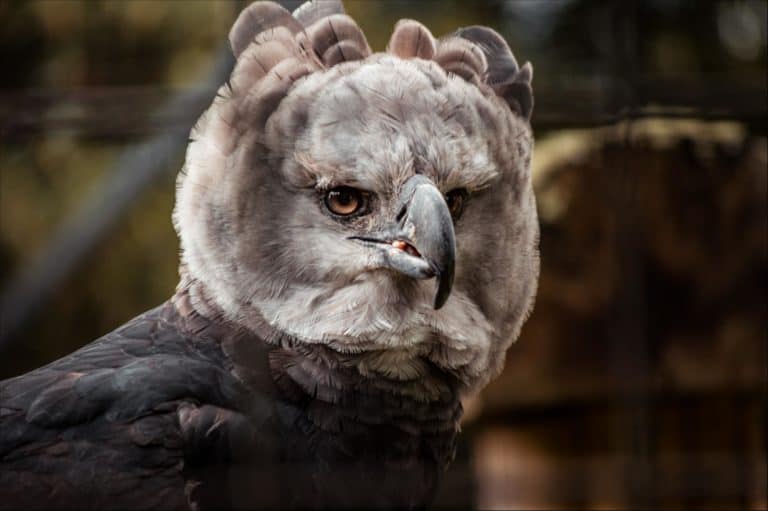
Harpy Eagle
Harpy Eagle One of the world's most powerful raptors; emblematic of intact old-growth forest with large emergent trees used for nesting.
Giant Otter
Giant Otter Charismatic, social river hunter; seen in quiet backwaters, oxbow lakes, and protected river stretches-an iconic sign of healthy aquatic systems.
Amazon River Dolphin (Pink River Dolphin) A defining Madeira-basin experience-often encountered in main channels and confluences, especially where fish congregate.
South American Tapir (Lowland Tapir) Largest land mammal in the region; frequently associated with mineral licks, stream crossings, and floodplain edges.
White-lipped Peccary Large, wide-ranging herds are a hallmark of intact Amazon forest; their presence indicates extensive, connected habitat.
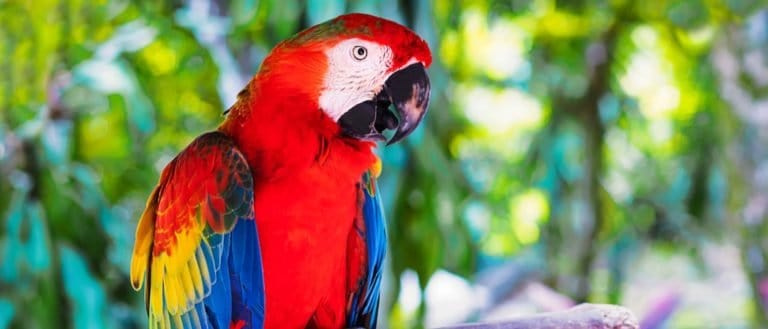
Scarlet Macaw
Scarlet Macaw Highly visible flagship bird along forest edges and riverine habitats; often seen flying in pairs or small groups over canopy and rivers.
Yellow-footed Tortoise Classic Amazon forest tortoise; culturally and ecologically important, but vulnerable to overharvest near expanding frontiers.
Arapaima
Arapaima One of the world's largest freshwater fishes; a celebrated species of floodplain lakes and calmer waters, central to fisheries and conservation debates.

Endemic & Rare Species

Rondônia Marmoset (Rondon's Marmoset)

Mico rondoni

Data Deficient (IUCN); range-restricted primate in the SW Brazilian Amazon

Strongly associated with Rondônia/adjacent SW Amazon landscapes; habitat conversion and fragmentation make its true conservation status a priority for surveys.

Milton's Titi Monkey

Plecturocebus miltoni

Data Deficient (IUCN); limited known distribution in SW Amazon

A relatively recently described titi with a restricted range that overlaps deforestation hotspots, making Rondônia important for its long-term persistence.

Black-faced Spider Monkey (Peruvian Spider Monkey)

Ateles chamek

Endangered (IUCN)

A canopy specialist sensitive to hunting and fragmentation; remaining populations depend on large, connected forest blocks in protected/Indigenous areas.

Giant Armadillo

Priodontes maximus

Vulnerable (IUCN)

Rare and hard to detect; requires extensive habitat and is threatened by deforestation, fires, and hunting pressure.

Short-eared Dog

Atelocynus microtis

Near Threatened (IUCN)

A secretive Amazon canid closely tied to intact forest; Rondônia's remaining wilderness areas are important for this elusive species.

Bush Dog

Speothos venaticus

Near Threatened (IUCN)

Highly elusive pack-hunter; persistence is linked to large landscapes with healthy prey and low persecution.

Giant South American River Turtle (Arrau Turtle)

Podocnemis expansa

Endangered (IUCN)

Historically overharvested; major rivers and sandbar nesting sites in Rondônia can support important recovery where protection and enforcement are effective.

Notable Populations

  • Southwestern Amazon jaguar and large-mammal communities persist most strongly in the largest protected areas and Indigenous territories (e.g., mosaics including Guapore and Pacaas Novos regions), forming a key corridor near the Bolivia border.
  • Giant otter family groups remain locally strong in quieter tributaries, oxbow lakes, and protected wetlands-an indicator of high-quality aquatic habitat.
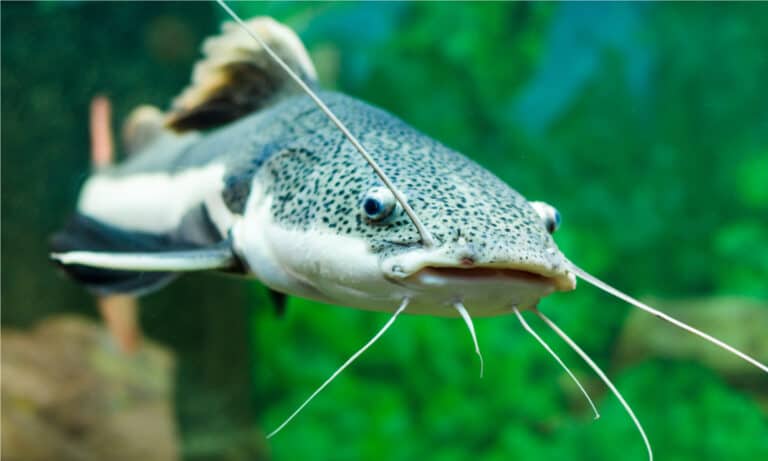
  • The Madeira River supports nationally significant long-distance migratory catfish runs (e.g., gilded catfish (Brachyplatystoma rousseauxii) and related Brachyplatystoma species), among the most important fish migrations in South America.
  • Regionally important river-turtle nesting aggregations occur on seasonal sandbars where community protection and enforcement reduce egg and adult take.
  • High richness of Amazon canopy birds (including large macaws and forest raptors) persists where large emergent trees and continuous forest remain.

Recent Changes

  • Rapid deforestation and fragmentation along road/agricultural frontiers have reduced habitat for wide-ranging forest specialists (e.g., spider monkeys, white-lipped peccaries) and increased edge-adapted/generalist species in cleared landscapes.
  • Expansion of cattle pasture and associated hunting access has increased pressure on large-bodied mammals (tapirs, peccaries, primates) near settlements and roads.
  • Hydroelectric development on the Madeira River has altered river dynamics and fish migration pathways, with ongoing concern for long-distance migratory catfish and other big-river fishes.
  • More frequent and severe drought-linked fires in disturbed forests have caused local wildlife declines and degraded habitat structure, especially at forest edges.
  • Localized improvements for river turtles and some aquatic wildlife have been reported where nesting beaches and key river stretches receive sustained community-based protection and enforcement (outcomes vary by site).
Visit

Wildlife Viewing

Rondonia offers Amazon wildlife viewing in lowland rainforest, seasonally flooded areas, and rivers—especially the Madeira and its tributaries. Expect primates, macaws, river dolphins, caimans, giant otters in places, and many insects and amphibians. Best sightings come from river trips, forest-edge birding at dawn, and guided night walks. Use protected areas, managed reserves, and respectful guides.

Best Seasons

Dry season (roughly Jun-Sep)

Easier logistics (roads and trails passable), clearer river travel, and reliable dawn birding. Wildlife concentrates near permanent water sources, improving chances for primates, macaws, and river-edge species. Night walks are comfortable with fewer intense downpours; this is often the most practical time for first-time Amazon visitors.

Early wet / 'green-up' (Oct-Nov)

Fresh rains trigger breeding activity for amphibians and insects-excellent for night-time frog, snake, and invertebrate spotting. Forest looks lush, bird vocal activity increases, and photography can be spectacular with dramatic skies. Expect intermittent heavy showers and some trail muddiness.

Peak wet / flood season (Dec-Mar)

Seasonally flooded forests expand wildlife viewing by canoe into blackwater and floodplain forest habitats (where accessible), offering intimate encounters with aquatic birds, floating vegetation communities, and river mammals. Great for soundscapes and 'Amazon immersion'-but expect frequent rain, higher humidity, more mosquitoes, and occasional travel disruptions.

Falling waters / transition (Apr-May)

As waters recede, riverbanks and sandbars reappear and some wildlife becomes easier to locate along edges. This can be a balanced shoulder season: fewer visitors than the core dry months, improved access compared with peak wet season, and strong mixed-species bird flocks in forest and secondary growth.

Top Wildlife Experiences

  • Madeira River dawn-and-dusk boat safari near Porto Velho: Scan river margins for hoatzins, herons, kingfishers, and possible river dolphins; pair with an evening spotlighting run for caimans and nocturnal birds.
  • Birding and canopy-edge walks in Pacaas Novos National Park (when access conditions allow): Focus on early mornings for parrots/macaws overhead, mixed flocks, and primates along quieter forest stretches; plan for multi-day logistics.
  • Responsible river-dolphin watching on broad Madeira River channels and calmer side waters: Go with a guide who keeps distance and avoids baiting/feeding; best combined with birding and sunset photography.
  • Night walk in a protected forest lodge/reserve zone (near Porto Velho or along the BR-364 corridor where reputable operators run private trails): Target tree frogs, leaf-litter amphibians, tarantulas, scorpions, and nocturnal mammals like opossums; bring a headlamp and long sleeves.
  • Giant-otter and aquatic-bird search on quieter tributaries/lakes (where present and permitted): Use silent paddling canoes at first light for best chances; combine with shoreline bird photography.
  • Forest primate-tracking morning (protected areas/private reserves): Look for howler monkeys and other primates by listening for calls at dawn, then following guides to feeding trees and fruiting areas.
  • Butterfly and dragonfly 'micro-safari' along sunny forest edges and stream crossings after rain: Great for macro photography and learning Amazon ecology, especially in transition seasons.
  • Community-based interpretive visit (where authorized) focused on forest use and wildlife coexistence: Choose programs that are Indigenous/community-led, with clear permission and benefits to local residents; keep wildlife viewing incidental and low-impact.

Wildlife Watching Types

River safaris (boat-based wildlife viewing on the Madeira and tributaries) Birding hotspots (dawn roadside/river-edge birding, mixed-flock forest birding, parrot/macaw flyovers) Primate watching (listening-and-tracking at dawn in intact forest) Nocturnal wildlife spotlighting (caimans, owls, nightjars) and guided night walks (frogs, snakes, insects) Aquatic mammal viewing (river dolphins; giant otters where present and protected) Herpetology-focused trips (frogs, reptiles, and amphibian choruses during wet/shoulder seasons) Macro/invertebrate safaris (butterflies, beetles, spiders; excellent for photographers) Conservation-focused visits (protected-area interpretation, reforestation/monitoring talks where available)

Guided Options

  • Porto Velho-based Amazon river safari operators (half-day to multi-day) offering Madeira River wildlife cruises, sunset outings, and night spotlighting-ask specifically about small group size, quiet engines, and no wildlife feeding.
  • Lodges and private reserves along the Madeira corridor that run guided dawn bird walks and night trails (best for visitors who want reliable access and safety with local naturalists).
  • Specialist birding guides operating in Rondônia (custom itineraries focused on early-morning bird activity, mixed flocks, and river-edge species; ideal for photographers and serious birders).
  • Multi-day expeditions to major protected areas (e.g., Parque Nacional de Pacaás Novos) arranged through regional ecotour operators-logistics-heavy but rewarding; confirm permits, seasonal access, and conservation compliance.
  • Community-based ecotourism initiatives (where established) that combine forest interpretation, canoe trips, and wildlife-friendly guiding-choose programs with transparent community benefit and clear visitation rules.
  • Research/education-linked outings (occasional public programs or partnerships with universities/NGOs in the Amazon region): when available, these can add expert-level interpretation on biodiversity and conservation challenges.
Habitats

Ecosystems

Rondonia, in the southwestern Amazon Basin, is mostly lowland tropical forest cut by whitewater rivers like the Madeira, many smaller rivers, floodplains, and seasonal wetlands. It lies in Brazil’s arc of deforestation, mixing intact forest, logged areas, protected and Indigenous lands, and fast-growing cattle pasture and croplands. Rain seasons, soil types, and river flow shape habitats.

Biomes

Tropical Rainforest

Lowland Amazonian moist forests, upland and floodplain, are the main vegetation in Rondonia. Closed-canopy forests with high tree diversity cover most areas, with riparian forests and successional stands along rivers and disturbed sites.

Dominant biome across most of the state; still the largest land cover despite extensive clearing, especially outside protected/Indigenous areas.

Tropical Dry Forest

Seasonal and semi-deciduous transitional forests appear toward the southern/southeastern portions and in ecotones where the dry season is more pronounced and soils differ, forming a gradient toward more seasonal systems.

Patchy and localized, mainly in the south/southeast and transition zones; generally a minor component relative to moist rainforest.

Savanna

Amazonian savanna islands and open vegetation are natural clearings and savanna-like patches inside the forest, linked to certain soils and fire patterns and moving toward central Brazil's savanna belt.

Scattered, small to locally significant patches; most frequent in southern/eastern transition landscapes.

Freshwater

Large river corridors (Madeira, Guapore and major tributaries), oxbow lakes, small forest streams, and floodplain water bodies underpin aquatic biodiversity and connectivity, with strong seasonal water-level fluctuations.

Statewide along all major basins; densest along the Madeira system and broad alluvial plains.

Wetland

Seasonally flooded forests and floodplains, riparian backwaters, marshy depressions, and river-edge wetlands occur along major rivers and low-lying areas, supporting waterbirds, fish nurseries, and aquatic plants.

Concentrated along floodplains (especially major rivers) and lowland depressions; variable extent by season.

Habitats

Rainforest

Extensive upland rainforest with tall, closed canopy and high plant/animal diversity; includes intact blocks within protected areas and Indigenous territories as well as fragmented/edge-affected forest in settled zones.

Forest

A mosaic of mature forest, secondary regrowth after clearing, and selectively logged stands; forest edges are widespread in the deforestation frontier.

Deciduous Forest

More seasonal, semi-deciduous to deciduous-leaning forest formations in drier southern transition areas, often intergrading with agricultural frontiers and savanna enclaves.

Savanna

Natural open habitats/savanna enclaves embedded within the forest matrix, often associated with sandy or nutrient-poor soils and periodic fire; important for distinct plant communities.

Grassland

Open, non-forest patches (including natural openings and extensive human-created pastures) that now dominate many deforested landscapes, especially along highways and settlement corridors.

River/Stream

Major whitewater river channels (notably the Madeira) and numerous tributaries with rapids, sandbars, and dynamic banks that create shifting habitats for fish and riverine wildlife.

Lake

Oxbow lakes and floodplain lakes formed by river meanders, important for fish, caimans, and waterbirds; often seasonally connected to rivers.

Pond

Small permanent or seasonal ponds in floodplain/backwater areas and in disturbed landscapes (e.g., borrow pits), supporting amphibians and aquatic insects.

Wetland

Floodplain wetlands and seasonally inundated lowlands that expand during the rainy season; includes aquatic herbaceous zones and saturated soils near river margins.

Swamp

Permanently or long-duration waterlogged forested wetlands (including palm-dominated swamps in some areas) and backswamps along river floodplains.

Marsh

Herbaceous wetlands along floodplains and low-lying depressions, especially where sediment deposition and seasonal flooding create open wetland vegetation.

Agricultural/Farmland

Large areas converted to cattle pasture and mechanized crops in the arc-of-deforestation belt; fragmentation creates high edge density and pressure on remaining habitats.

Plantation

Localized commercial tree plantings and agroforestry systems (e.g., timber species and perennial crops) in settled regions; typically small relative to pasture but increasing in some areas.

Urban

Urban and peri-urban habitats around cities such as Porto Velho and other municipalities, including riparian urban corridors and disturbed lands that can still host adaptable wildlife.

Ecoregions

Southwest Amazon moist forests Madeira-Tapajos moist forests Amazonian savannas
Protection

Conservation

Primary Threats

  • Large-scale forest conversion for cattle pasture and expanding soy/corn frontiers along BR-364 and secondary road networks fragments core rainforest, isolates protected areas and Indigenous lands, and reduces connectivity between the Guaporé-Mamoré-Madeira river basins and interior forests.
  • Cattle ranching remains the dominant land use driving clearing; intensification and expansion of commodity crops in consolidated areas can still displace ranching deeper into forest margins ("leakage"), increasing pressure on the edges of conservation units and Indigenous territories.
  • Selective illegal logging (often preceding land grabbing) targets high-value timber and opens access roads that catalyze further clearing and hunting; it is especially impactful on the peripheries of protected areas, extractive reserves, and Indigenous territories where enforcement is harder.
  • Highways (notably BR-364 and feeder roads) enable new settlement and enforcement evasion; hydropower development on the Madeira River (e.g., Santo Antônio and Jirau near Porto Velho) alters river dynamics, affects migratory fish, and stimulates urban growth and associated land-use change.
  • Gold and cassiterite (tin) mining-legal and illegal-drives localized deforestation, riverbank degradation, and conflict; informal mining can expand into remote forest areas and increase sediment and contaminant loads in tributaries feeding the Madeira.
  • Mercury and fine sediments from gold mining, plus agrochemicals and erosion from cleared pastures and croplands, degrade water quality and aquatic habitats in the Madeira basin; this can affect river dolphins, otters, and fisheries important to riverine communities.
  • Hydrological alteration from dams and channel changes on the Madeira disrupts flood pulses and fish migration; widespread use of fire in pasture management and during drought years can push forests toward degradation and higher flammability, especially in fragmented landscapes.
  • Hotter, drier dry seasons and more frequent extreme drought years increase fire risk and tree mortality in already-fragmented forests; reduced river predictability can compound stresses on floodplain habitats and fisheries in the Madeira system.
  • Access provided by logging roads and settlement increases subsistence and commercial hunting pressure on large mammals (e.g., primates, peccaries, tapirs), which can cause local defaunation even where forest cover remains.
  • Trafficking of parrots and other wildlife from frontier towns and along road corridors persists, with capture pressure heightened where forests are newly opened by roads and logging.
  • Intensified fishing pressure in the Madeira and tributaries-combined with altered flow and barriers affecting migratory species-can depress stocks of large-bodied fish, undermining food security and increasing conflict among user groups.
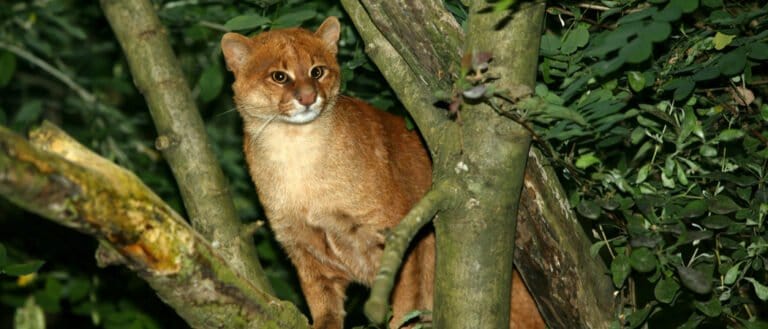
  • Expansion of pasture and settlements increases retaliatory killing of large predators (notably jaguar and puma) following livestock depredation, and can lead to conflict around protected-area boundaries where wildlife persists in higher densities.
  • Road traffic, new settlements, and encroachment into protected areas increase noise, light, and direct disturbance; repeated unauthorized entry into conservation units for timber, hunting, or land claims degrades management effectiveness.
Fun Facts

Did You Know?

Two river dolphins often share Rondonia waters: the Amazon river dolphin (Inia geoffrensis) and the tucuxi (Sotalia fluviatilis). The tucuxi is closer to ocean dolphins but lives only in freshwater.

Some of the fish moving through Rondonia are extreme-distance migrants: the gilded catfish (Brachyplatystoma rousseauxii) is documented making one of the longest freshwater migrations on Earth, linking Andean headwaters to the Amazon's lower reaches via corridors like the Madeira.

Harpy eagles (Harpia harpyja) in Rondônia's intact forests hunt surprisingly large prey-especially sloths and monkeys-and build massive stick nests high in emergent trees that can be reused and enlarged for years.

Rondônia's southwestern Amazon has extensive Guadua bamboo thickets; these habitats "pulse" when bamboo flowers and dies back on multi-decade cycles, reshuffling which birds and small mammals are common as cover and food suddenly change.

On Madeira and Guapore sandbanks, giant river turtles (Podocnemis expansa) nest in open sun-baked beaches; because sex is temperature-dependent, unusually hot or cool nesting seasons can skew hatchling sex ratios without any visible change to the eggs themselves.

The Madeira River, which flows through Rondônia, is the Amazon River's largest tributary by discharge.

Tributaries draining the Brazilian Shield in Rondonia's Madeira basin are part of the range of the recently described Volta's electric eel (Electrophorus voltai), which can produce about 860 volts, currently the strongest known bioelectric discharge of any animal.

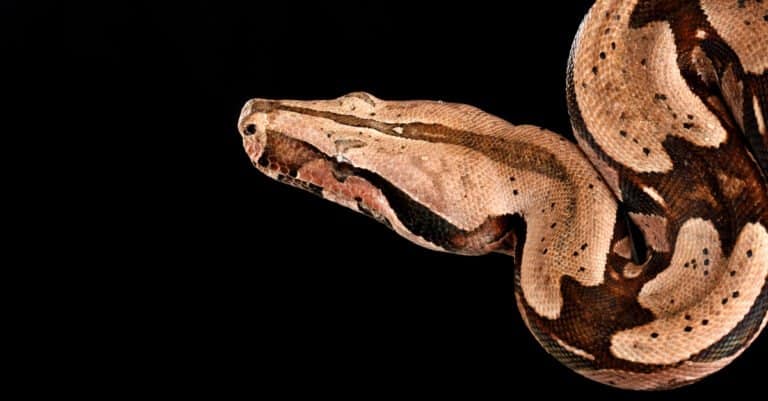
Wetlands and oxbow lakes in Rondonia's Guapore-Mamore system are habitat for the green anaconda (Eunectes murinus), widely documented as the world's heaviest snake.

Rondonia's protected river corridors (notably in the Guapore basin) support the giant otter (Pteronura brasiliensis), the world's largest otter species and one of the Amazon's top aquatic predators.

Black caiman (Melanosuchus niger), the largest living caiman species, occurs in Rondonia's major rivers and floodplain lakes, where adults can reach lengths around 4 to 5+ meters.

Thank you for reading! Have some feedback for us?