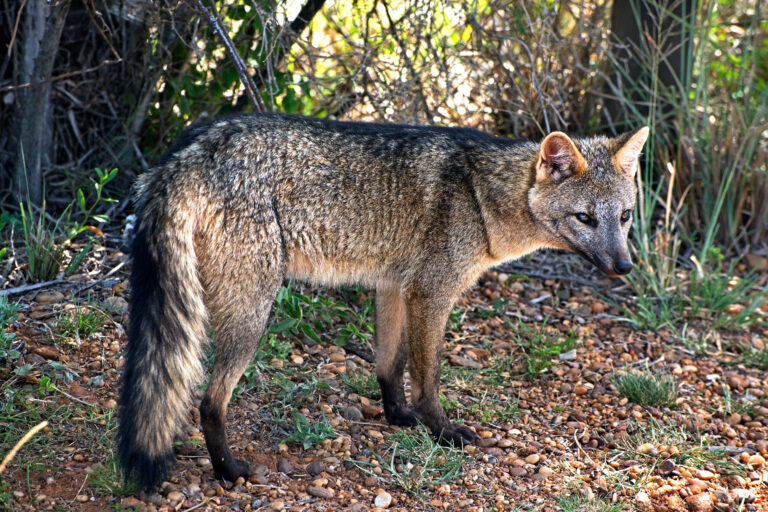
Crab-Eating Fox
Adaptable 'not-a-fox' of South America

Adaptable 'not-a-fox' of South America
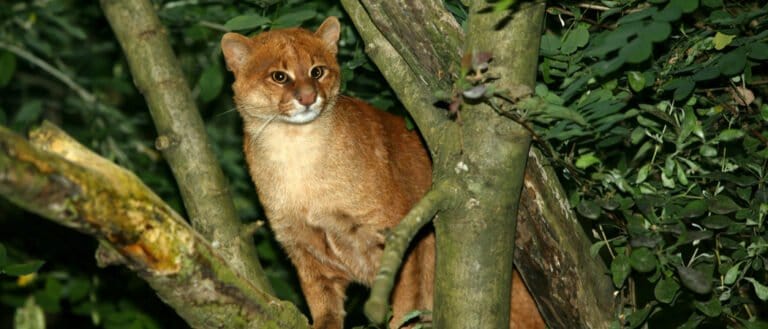
The daytime cat with an otter build
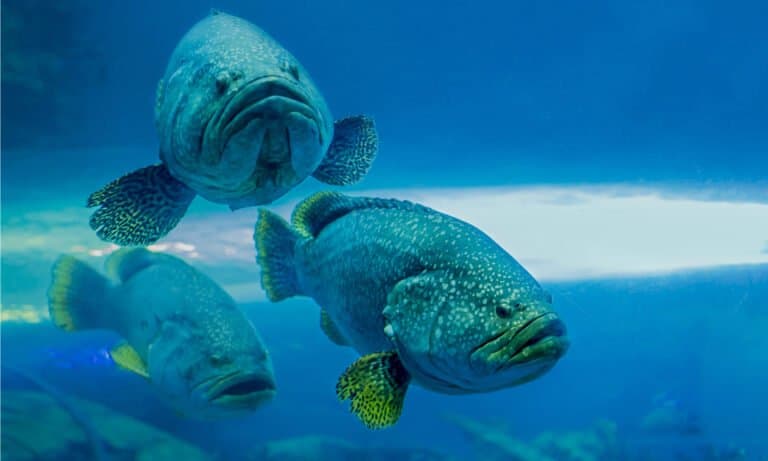
Mangroves to wrecks-Atlantic giant
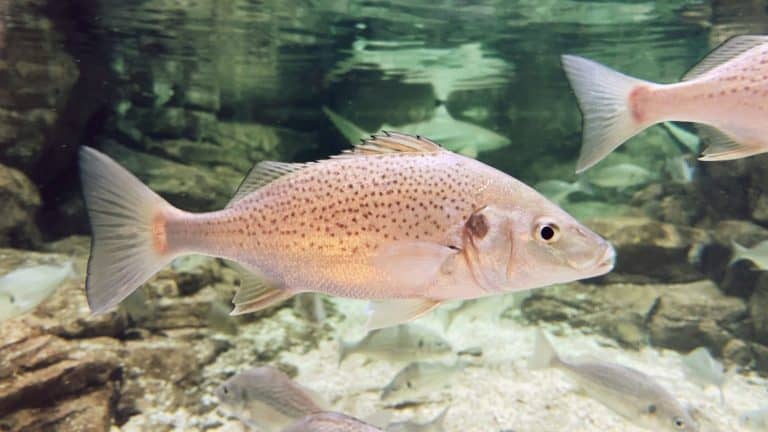
From mangroves to wrecks: built to hunt
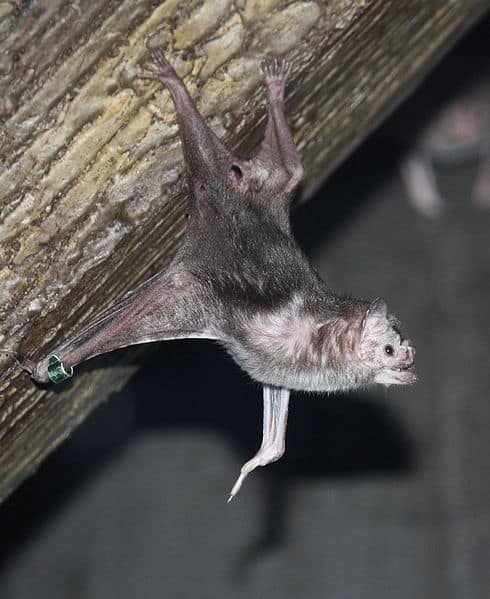
Small bite, big biology.
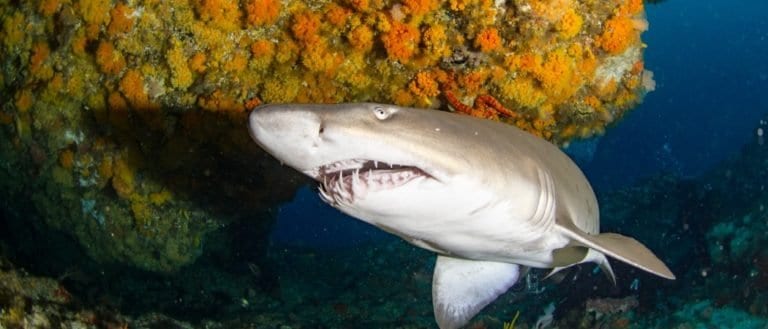
Protruding teeth, gentle glide.

The bull-jack of the Atlantic
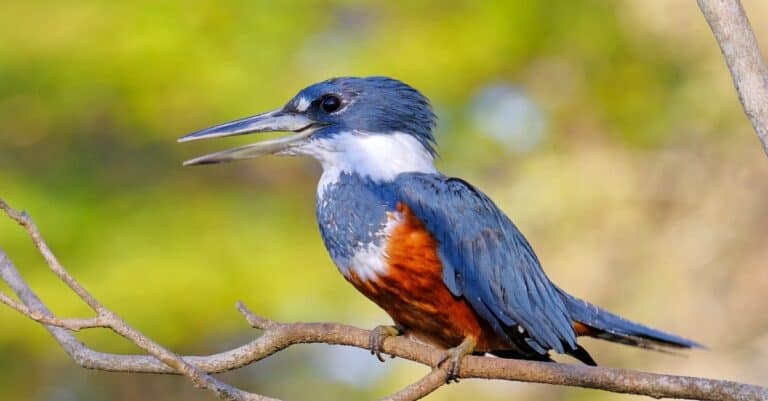
Big-billed diver of the Neotropics
Rio Grande do Norte's wildlife is shaped by a strong contrast. A wind-battered coast of beaches and dunes quickly changes to semi-arid thorn scrub, creating a small area with many habitats. This mix supports many birds—shorebirds and seabirds on the coast and dryland specialists inland—as well as reptiles and mammals that live in scrub and seasonal streams. Key places are dune fields and coastal sandplain shrublands, mangroves and estuaries, and the semi-arid interior with thorn scrub and rocky outcrops. Offshore, the Rocas Atoll Biological Reserve is a rare South Atlantic atoll that draws reef fish, many seabirds, and sea turtles. What makes the state special is the close reef-to-thorn-scrub sweep and the global rarity of Rocas Atoll—few places let you see an atoll spectacle, dunes, scrub birding, and dryland wildlife in one trip.
Rio Grande do Norte shows a big change from coast to inland: humid Atlantic shorelines with dunes, coastal sandplain plants, beaches, nearshore waters, and mangrove estuaries give way to semi-arid thorn scrub, seasonally dry forests, and rocky uplands. Salty wetlands, rivers, and small wet highlands make sharp habitat edges that shape where birds, reptiles, and mammals live and feed.
Sea level to ~868 m (highest upland areas in the western/southwestern highlands), creating cooler/wetter pockets amid semi-arid lowlands
Atlantic Ocean coast (~410 km) with broad sandy beaches, dune fields, reef/nearshore systems in places, and multiple estuaries and mangrove-fringed embayments
Rio Grande do Norte's protected areas are small but key. They guard coastal dunes, scrub, and mangroves for migratory birds, fish nurseries, turtles and dolphins, plus western Caatinga and karst caves that shelter dry-forest species and bat roosts. Coastal protection uses Environmental Protection Areas and Sustainable Development Reserves; strict protection is in Furna Feia NP and Rocas Atoll Biological Reserve.
≈6-9% of the state's land area under formal protection (higher if coastal/marine protected areas are included).
The state's flagship federal park protecting Caatinga dry scrub/woodland and one of northeastern Brazil's most important karst and cave systems. It is notable for bat colonies, cave-associated fauna, and intact Caatinga bird communities-key for regional conservation and low-impact wildlife watching (especially birds).
A Rio Grande do Norte state park protecting a large remnant of coastal dunes and Atlantic Forest-restinga vegetation inside/adjacent to Natal. It is one of the state's most accessible places for observing native dune and Atlantic Forest wildlife while also protecting fragile dune systems and groundwater recharge.
A Rio Grande do Norte state park protecting an important Atlantic Forest fragment near Pipa (Tibau do Sul). It is notable for forest-dependent wildlife in a heavily developed coastal region, including native mammals, reptiles, and diverse birdlife.
A reef-focused protected area created to manage tourism and safeguard shallow coral/algal reef structures that support high fish diversity and feeding areas for turtles. It is one of the state's most visible marine conservation sites due to snorkeling and boat visitation.
Strict no-take biological reserve protecting seabird colonies, turtle nesting/foraging habitat, and reef ecosystems on an isolated atoll-one of Brazil's highest-priority marine biodiversity sites.
Federal sustainable-use unit functioning as a Caatinga biodiversity refuge and demonstration area for dry-forest management and restoration, with good potential for bird-focused visitation.
A compact coastal-forest refuge near Natal supporting Atlantic Forest/coastal scrub-associated wildlife and acting as a local stronghold for nature education and monitoring.
Rio Grande do Norte (RN) has rich wildlife because it lies where two major Brazilian biomes meet and has a rich coast. The semi-arid thorn-scrub interior supports mammals adapted to drought (many nocturnal), lizards, and a distinct set of dryland birds. The coastal belt includes coastal sandplain scrub, dune fields, lagoons, estuaries, and mangroves that gather waterbirds and migratory shorebirds. Offshore and nearshore waters add sea turtles, dolphins, occasional whales, and many kinds of fish.
Rio Grande do Norte has varied wildlife in a small area: sea turtles and dolphins on warm Atlantic beaches; shorebirds, herons, and crabs in mangroves and estuaries; and Caatinga species—lizards, snakes, small mammals, and many dry-forest birds—in the semi-arid interior. Dunes and coastal lagoons offer great wildlife and landscape views, best at sunrise and late afternoon.
Best for beach-based wildlife and clear skies: strong chances for dolphins on coastal boat trips, excellent shorebird viewing on tidal flats, and comfortable water visibility for snorkeling where conditions allow. Expect heat and stronger sun-plan early-morning/late-day wildlife walks and carry water on dune/caatinga excursions.
A balanced time for mixed habitats: the interior begins to look greener after rains, boosting bird activity and making Caatinga outings more productive. Coastal wetlands can be lively with feeding waders depending on tides. Good for combining dunes, mangroves, and interior reserves without peak holiday crowds.
Prime for birding variety: many species are more active and vocal in the Caatinga and transitional habitats, and wetlands/estuaries can host big concentrations of waders. Temperatures are typically milder for longer hikes. Plan around rain showers and wind on the coast; sunrise outings are especially rewarding.
Excellent for photography and concentrated wildlife moments: as conditions get drier, animals focus around remaining water sources in interior areas, and coastal mornings can be calm and clear. Strong time for reptiles in warm conditions and for shorebirds on productive tidal cycles; start early to avoid midday heat.
Rio Grande do Norte has a humid, windy, salty coast and a mostly semi-arid inland. Ecosystems include Atlantic coastal dunes, beaches, reefs, estuaries with mangroves, large semi-arid thorn scrub and seasonal dry forest, and river valleys and reservoirs that form freshwater wetlands. A steep rainfall drop from coast to interior causes quick habitat changes.
Dominant inland semi-arid thorn scrub and seasonally dry forest: seasonally dry, drought-adapted thorn scrub and low, deciduous woodland with cacti and bromeliads; strong seasonality and episodic water availability shape fauna and flora.
~75-90% (most of the interior and much of the state outside the narrow coastal belt)
Small, fragmented Atlantic Forest-related formations in the more humid coastal zone and wetter uplands, often highly fragmented and intergrading with coastal restinga and secondary forests.
~1-5% (patches near the coast and localized humid enclaves)
Estuarine and coastal wetlands, especially mangrove belts at river mouths and tidal flats; also floodplain wetlands and lagoon margins where water persists seasonally or year-round.
<1-3% (localized along estuaries, lagoons, and low-lying coastal areas)
Rivers and intermittent streams of the semi-arid interior, perennial reaches near larger basins, and numerous reservoirs that support aquatic and riparian habitats.
Linear and patchy; concentrated along major drainages and reservoirs (small area but widespread network)
Warm western South Atlantic coastal waters with sandy and rocky shores, nearshore reefs/beachrock, seagrass/algal communities, and productive shelf habitats influenced by strong winds and currents.
Along the entire coastline and adjacent continental shelf (state-wide coastal fringe)
Semi-arid thorn scrub with cacti, bromeliads, and spiny shrubs across the interior; high seasonal contrast between wet and dry periods.
Open, low-stature, seasonally dry tropical thorn woodland typical of Brazil's semi-arid interior on slightly deeper soils and along some valley slopes; often interspersed with shrubland.
Small remnants of more closed-canopy native forest (Atlantic Forest-related and secondary forests) in wetter coastal zones and isolated humid enclaves.
Open herbaceous areas on coastal sandplains and disturbed/managed lands; also dry grass-dominated patches within the Caatinga mosaic.
Extensive coastal sandplain landscapes shaped by salt spray, wind, and sandy soils; includes shrub, herbaceous, and scattered tree formations.
Long Atlantic beaches and active dune fields; important for shorebirds and coastal processes, with strong wind dynamics.
Coastal sea cliffs and bluff-backed beaches in parts of the coast (e.g., scenic cliffed shorelines), supporting specialized vegetation and nesting sites.
Rocky headlands and intertidal platforms with tide pools and algal communities, contrasting with the predominantly sandy coastline.
Nearshore reef and beachrock/reef-associated habitats (often patchy), supporting reef fishes and benthic communities where hard substrate is present.
Mangrove forests at estuaries and river mouths (e.g., around major coastal drainages), providing nurseries for fish/crustaceans and coastal protection.
Brackish mixing zones at river mouths with tidal channels, mudflats, and mangroves; highly productive for fisheries and birdlife.
Coastal lagoons, marshy margins, and seasonally flooded lowlands; water level fluctuations are common due to seasonal rainfall and drought.
Intermittent to perennial river systems and riparian corridors (notably larger drainages and their tributaries), important as movement and refuge habitat in the semi-arid matrix.
Natural lagoons and artificial reservoirs that create standing-water habitats for waterbirds and aquatic biota, especially during dry seasons.
Small seasonal ponds and temporary pools after rains in the interior, critical for amphibians and invertebrates despite short hydroperiods.
Localized limestone/karst and rock shelters in the interior (where present), providing roosting and refugia habitat and supporting specialized invertebrates.
Continental shelf seafloor habitats (sand, carbonate/rocky patches) supporting benthic communities and demersal fisheries.
Pelagic waters off the coast used by migratory seabirds and marine megafauna, connected to nearshore productivity.
Croplands and pasture replacing native vegetation in parts of both coastal and interior zones, creating fragmented habitat mosaics and edge environments.
Urban/coastal development concentrated around Natal and other coastal towns, with habitat conversion and strong pressure on dunes, estuaries, and beaches.
On Atol das Rocas, **the "island" changes shape daily**: at low tide, broad reef flats and tide pools emerge, concentrating fish, rays and juvenile reef sharks in shallow water-creating a natural "aquarium" that draws hunting seabirds.
Rio Grande do Norte's semi-arid coast hosts **hypersaline saltworks** (around Macau-Guamaré-Galinhos), and these industrial-looking ponds can function as **high-value artificial wetlands** that attract and feed migrating shorebirds such as semipalmated sandpipers (*Calidris pusilla*) and sanderlings (*Calidris alba*).
In the Caatinga interior, many animals survive long droughts by "waiting out" the dry season: **some frogs remain underground for months** and emerge to breed explosively after the first heavy rains-turning otherwise dry ground into a short-lived amphibian hotspot.
Mangroves at RN river mouths (e.g., Potengi and Piranhas-Açu estuaries) thrive despite low rainfall because they're powered by **tides and brackish groundwater**, creating nurseries that export juvenile fish and crustaceans to adjacent beaches and reefs.
Sea-turtle protection in RN includes beaches at Tibau do Sul/Pipa. Hatchlings are badly affected by light pollution—artificial lights can pull them inland, so "dark beach" rules can save lives.
Atol das Rocas (a federal biological reserve ~260 km off Natal) is the **only atoll in the entire South Atlantic Ocean**-a one-of-a-kind reef "ring" that supports major colonies of tropical seabirds and nesting sea turtles.
Atol das Rocas became **Brazil's first marine biological reserve (1979)**, created largely to protect its high-density wildlife use-especially seabird breeding colonies (e.g., sooty tern *Onychoprion fuscatus*, brown noddy *Anous stolidus*) and nesting green turtles (*Chelonia mydas*).
In Pirangi do Norte (Parnamirim) the famous "World's Largest Cashew Tree" (giant cashew, Anacardium occidentale) spreads about 8,000–9,000 m² of canopy as its branches root and grow new trunks outward.
The limestone karst of **Parque Nacional da Furna Feia** (Mossoró/Baraúna) contains **200+ mapped caves**, making it the **largest concentration of caves in Rio Grande do Norte**-key habitat for large bat roosts that sustain entire cave food webs via guano.
8 species documented in our encyclopedia
Thank you for reading! Have some feedback for us?
We appreciate your help in improving our content.
Our editorial team will review your suggestions and make any necessary updates.
There was an error submitting your feedback. Please try again.