N S W E
Wildlife Expeditions

Wildlife of
Bahia

Bahia packs Brazil's Atlantic coast, lush forest remnants, semi-arid thorn scrub, and the Sao Francisco River lowlands into one wildlife-rich state of striking contrasts.
56 Species
564,733 km² Land Area
Overview

About Bahia

Bahia's wildlife shows sharp contrasts: wet Atlantic shore habitats and forest patches change quickly to dry, thorny scrub and savanna-like areas inland. This mix lets coastal marine life, Atlantic Forest species, and semi-arid specialists all live in the same state, often close to each other. Key ecosystems include the Atlantic Forest (with many unique species), coastal sandplain vegetation, dunes, mangroves, and reefs that support seabirds, turtles, and fish nurseries, and the semi-arid thorn scrub where drought-tough mammals, reptiles, and birds live among thorny shrubs and seasonal streams. Major rivers, especially the Sao Francisco, add gallery forests, wetlands, and floodplains that act as corridors and safe spots in dry times. You can move from whale-watching beaches to mangrove birding to night wildlife in the interior.

Physical Features

Geography

Bahia's wildlife follows a strong change in climate and plant types from the humid Atlantic coast—Atlantic Forest, mangroves, dunes, scrub, and coral reefs—to a drier interior of semi‑arid thorn scrub, seasonally dry forests, and western tropical savanna. Rivers like the Sao Francisco and Paraguacu form wetlands and gallery forests that link habitats. Chapada Diamantina adds cooler, wetter highlands.

564,733 km² Land Area
5th largest state in Brazil Size Rank
Brazil Country
State Type
Elevation Range

Sea level to ~2,033 m (Pico do Barbado, Chapada Diamantina)

Coastline

Atlantic Ocean coastline (about 932 km) with extensive beaches, estuaries, and reef-influenced waters, especially toward the south

Key Landscapes

Atlantic Ocean coastline with sandy beaches, coastal plains, dunes, and coastal sandy scrub and woodland Mangrove estuaries and coastal lagoons that support nursery habitats for fish, crustaceans, and shorebirds Coral reefs and offshore marine ecosystems along the south coast (including the Abrolhos Bank region) Chapada Diamantina (Espinhaco Range) with rugged plateaus, rocky montane grasslands, canyons and headwater streams Semi-arid interior backcountry dominated by thorn scrub and seasonal dry forests Western Bahia Cerrado savannas and agricultural plateaus (savanna-dry forest transition zones) important for wide-ranging mammals and grassland/savanna birds, plus gallery forests along streams and rivers in the Cerrado matrix)
Parks & Reserves

Protected Areas

Bahia's protected areas span land and sea. Federal and state units are run by ICMBio and INEMA, plus marine zones. These protect Atlantic Forest (primates, birds, mammals), Caatinga (endemic species, carnivores), Chapada Diamantina, and Abrolhos Bank (rich coral reef, humpback nursery). Many lie in mosaics of Environmental Protection Areas and Extractive Reserves, buffering parks and linking rivers and coastal wetlands.

Protected Coverage

≈12% of Bahia's land area under some form of protection (strict + sustainable-use units; approximate and dataset-dependent).

National Parks & Preserves

Chapada Diamantina National Park

≈152,000 ha

A vast highland landscape of rocky montane grasslands, canyons, caves, and gallery forests that protects key headwaters and supports a mix of Cerrado-Caatinga-Atlantic Forest wildlife; a premier area for birding and landscape-scale conservation.

Puma (Puma concolor) Maned wolf (Chrysocyon brachyurus) Giant anteater (Myrmecophaga tridactyla) Ocelot (Leopardus pardalis) Collared peccary (Pecari tajacu)

Abrolhos Marine National Park

≈91,000 ha (mostly marine)

Brazil's flagship marine park on the Abrolhos Bank, protecting coral reefs, seagrass beds, and breeding islands; globally important for humpback whale reproduction and marine turtle foraging.

Humpback whale (Megaptera novaeangliae) Green sea turtle (Chelonia mydas) Hawksbill sea turtle (Eretmochelys imbricata) Brown booby (Sula leucogaster) Reef fishes (e.g., parrotfishes and groupers)

Boqueirão da Onça National Park

≈350,000 ha

One of the largest protected Caatinga blocks in Brazil, with rugged plateaus, canyons, and seasonal water sources that sustain wide-ranging mammals and dry-forest endemics; critical for Caatinga connectivity.

Jaguar (Panthera onca) Puma (Puma concolor) Ocelot (Leopardus pardalis) Giant anteater (Myrmecophaga tridactyla) Collared peccary (Pecari tajacu)

Descobrimento National Park

≈22,700 ha

A key stronghold of lowland Atlantic Forest in southern Bahia, protecting threatened primates and large mammals while serving as a core area within a broader forest-shaded cocoa agroforest-reserve mosaic.

Golden-headed lion tamarin (Leontopithecus chrysomelas) Yellow-breasted capuchin (Sapajus xanthosternos) Lowland tapir (Tapirus terrestris) Jaguar (Panthera onca) White-lipped peccary (Tayassu pecari)

Pau Brasil National Park

≈11,500 ha

Atlantic Forest park created to safeguard remaining stands of brazilwood forest and associated fauna; notable for threatened primates and highly endemic bird communities of southern Bahia.

Golden-headed lion tamarin (Leontopithecus chrysomelas) Yellow-breasted capuchin (Sapajus xanthosternos) Banded cotinga (Cotinga maculata) Lowland tapir (Tapirus terrestris) Ocelot (Leopardus pardalis)

Serra das Lontras National Park

≈11,300 ha

Montane Atlantic Forest and cloud-forest remnants with exceptionally high bird endemism and intact watersheds; important for conserving rare forest birds and maintaining elevational habitat gradients.

Slender antbird (Rhopornis ardesiacus) Puma (Puma concolor) Ocelot (Leopardus pardalis) Brown howler monkey (Alouatta guariba) Lowland tapir (Tapirus terrestris)

State & Provincial Parks

Serra do Conduru State Park

≈9,000 ha

One of Bahia's best-preserved Atlantic Forest blocks near the cocoa region, supporting primates, forest birds, and watershed protection; valued for conservation of southern Bahia endemics.

Golden-headed lion tamarin (Leontopithecus chrysomelas) Yellow-breasted capuchin (Sapajus xanthosternos) Lowland tapir (Tapirus terrestris) Ocelot (Leopardus pardalis) Collared peccary (Pecari tajacu)

Canudos State Park

≈1,300 ha

A representative Caatinga reserve with thorn scrub, rocky outcrops, and seasonal wetlands; important for dryland birds and reptiles and for protecting semi-arid ecological processes.

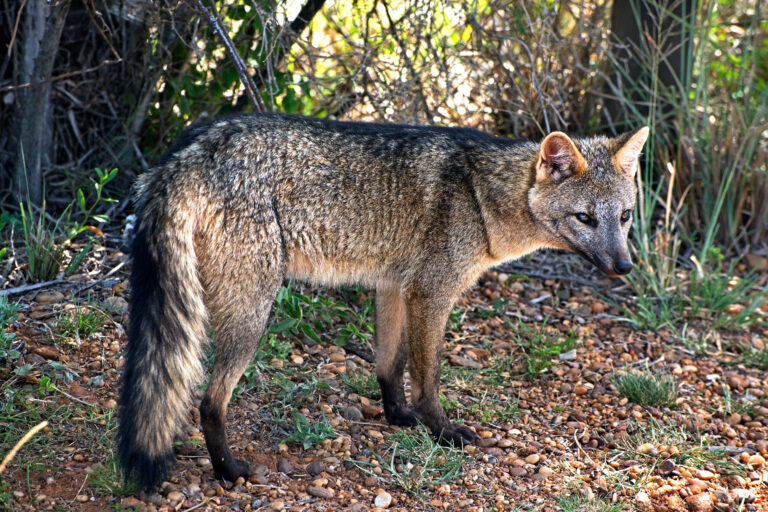
Red-legged seriema (Cariama cristata) Greater rhea (Rhea americana) Crab-eating fox (Cerdocyon thous) Boa constrictor (Boa constrictor) Collared peccary (Pecari tajacu)

Sete Passagens State Park

≈2,800 ha

High-elevation forests and streams in the Chapada Diamantina region, providing refugia for montane fauna and key headwaters; strong for birdwatching and amphibians tied to clean waterways.

Puma (Puma concolor) Margay (Leopardus wiedii) Tayra (Eira barbara) Toucan species (Ramphastidae) Forest hummingbirds (Trochilidae)

Morro do Chapéu State Park

≈5,000-6,000 ha (approx.)

Rocky montane grassland and dry-forest mosaics on a plateau in the northern Chapada Diamantina area, protecting springs, caves, and rocky habitats that harbor specialized flora and fauna.

Puma (Puma concolor) Maned wolf (Chrysocyon brachyurus) Giant anteater (Myrmecophaga tridactyla) Ocelot (Leopardus pardalis) Collared peccary (Pecari tajacu)

Wildlife Refuges

Una Biological Reserve

≈18,500 ha

A strictly protected Atlantic Forest reserve in the municipality/region of Una, Bahia, important for conserving threatened endemic primates and other forest-dependent wildlife.

Golden-headed lion tamarin (Leontopithecus chrysomelas) Yellow-breasted capuchin (Sapajus xanthosternos)

Canavieiras Marine Extractive Reserve

≈100,000 ha (marine/coastal; order-of-magnitude)

Large mangrove-estuary-coastal waters protected area that safeguards nurseries for fish and crustaceans and supports migratory/coastal birds while sustaining traditional fisheries.

West Indian manatee (Trichechus manatus) Neotropical otter (Lontra longicaudis) Migratory shorebirds (e.g., sandpipers and plovers) Juvenile reef/coastal fishes (multiple species) Marine turtles (Cheloniidae)

Cassurubá Extractive Reserve

≈100,000 ha (marine/coastal; order-of-magnitude)

An extensive mosaic of mangroves, tidal flats, and coastal waters near the Abrolhos region; important for fisheries productivity, birdlife, and as a buffer for nearby reef systems.

Neotropical otter (Lontra longicaudis) Brown pelican (Pelecanus occidentalis) Migratory shorebirds (Charadriiformes) Dolphins (e.g., Sotalia guianensis in coastal waters) Marine turtles (Cheloniidae)

Una Wildlife Refuge (Refuge of Wildlife of Una)

≈23,404 ha

A federal wildlife refuge in the Atlantic Forest of southern Bahia, created to protect native forest habitats and associated fauna and flora in the Una region.

Golden-headed lion tamarin (Leontopithecus chrysomelas) Maned sloth (Bradypus torquatus) Red-billed curassow (Crax blumenbachii)

Wilderness Areas

  • Boqueirao da Onca National Park (remote Caatinga landscapes with extensive low-development areas)
  • Chapada Diamantina National Park (rugged highlands and headwater valleys with large backcountry zones)
  • Serra das Lontras National Park (montane Atlantic Forest blocks with relatively low road density)
  • Una Biological Reserve (strictly protected Atlantic Forest with limited access and low infrastructure)
  • Abrolhos Marine National Park (offshore reef and marine habitats with large no-take and low-development waters)
  • Descobrimento National Park (Atlantic Forest landscapes with limited development inside the protected area)
Animals

Wildlife

Bahia has many habitats: humid Atlantic Forest remnants and shaded cocoa farms in the south, large semi-arid thorn scrub inland, savanna-woodland transitions in the west, and long coastal and marine areas. This mix supports forest primates and threatened Atlantic Forest birds, dryland endemics including well-known parrots, big sea-turtle nesting beaches, the Abrolhos Bank coral reefs, and a key humpback whale breeding area. Large rivers like the São Francisco add freshwater fish and wetland life, but dams and water use harm many populations.
≈200-250 species (terrestrial + coastal/marine) Mammals
≈800-900 species Birds
≈250-300 species Reptiles
≈200-250 species Amphibians
≈450-600+ species (freshwater in major basins plus coastal/marine records in-state waters) Fish
Examples

Iconic Species

Humpback Whale
Humpback Whale Migrates to Bahia's Abrolhos Bank and adjacent waters to breed and calve; one of Brazil's most reliable whale-watching regions in season.
Loggerhead Sea Turtle Bahia hosts some of Brazil's most important nesting and nearshore habitats; conservation projects and nesting beaches make it a signature coastal species.
Hawksbill Sea Turtle Commonly associated with Bahia's reefs and nesting beaches; a flagship species for reef and coastal protection.
West Indian Manatee A rare coastal mammal in northeastern Brazil; protected estuaries and reintroduction/rehabilitation efforts make sightings especially meaningful.
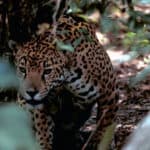
Jaguar
Jaguar Still present but very scarce; a powerful symbol of intact ecosystems in the remaining larger Atlantic Forest and interior mosaics.
Golden-headed Lion Tamarin A charismatic primate closely tied to southern Bahia's Atlantic Forest and cabruca landscapes; a flagship for forest conservation.
Lear's Macaw A dryland icon endemic to Bahia, famously associated with sandstone cliffs and Syagrus coronata palms in the Raso da Catarina region.
Lowland Tapir A key seed-dispersing 'ecosystem engineer' of forests and wetlands; increasingly hard to find, but emblematic of Bahia's remaining wild landscapes.
Maned Wolf
Maned Wolf Most associated with open Cerrado and savanna-transition habitats in western Bahia; often highlighted in discussions of frontier habitat conversion.

Endemic & Rare Species

Lear's Macaw

Anodorhynchus leari

Endangered (IUCN); Bahia endemic

One of the world's most range-restricted macaws; Bahia holds its entire wild range, making the state globally responsible for its survival.

Golden-headed Lion Tamarin

Leontopithecus chrysomelas

Endangered (IUCN); endemic to Atlantic Forest of southern Bahia and far northeastern Minas Gerais

A flagship endemic primate dependent on remaining native forest and wildlife-friendly agroforestry; central to regional conservation programs.

Wied's Marmoset

Callithrix kuhlii

Threatened (IUCN); near-endemic to southern Bahia

Stronghold in Bahia's coastal and inland Atlantic Forest fragments; vulnerable to habitat loss and hybridization pressures where other marmosets are introduced.

Stresemann's Bristlefront

Merulaxis stresemanni

Critically Endangered (IUCN); Bahia endemic

One of Brazil's rarest birds, restricted to small Atlantic Forest areas in Bahia; its persistence signals the value of safeguarding remaining forest blocks.

Bahia Spinetail

Synallaxis whitneyi

Near Threatened (IUCN); Brazil endemic centered on Bahia

A habitat-specialist bird with a limited distribution; highlights the conservation importance of Bahia's drier forest/woodland ecotones and remaining native vegetation.

Red-billed Curassow

Crax blumenbachii

Endangered (IUCN); Atlantic Forest endemic (strongholds include Bahia)

A large gamebird highly sensitive to hunting and fragmentation; where it persists, it indicates better-protected Atlantic Forest landscapes.

Banded Cotinga

Cotinga maculata

Endangered (IUCN); Atlantic Forest endemic with occurrence in Bahia

A rare, sought-after forest canopy bird tied to lowland coastal forests-among the most threatened habitats in eastern Brazil.

Brazilian Three-banded Armadillo

Tolypeutes tricinctus

Vulnerable (IUCN); Caatinga/Cerrado specialist

A uniquely defensive armadillo of drylands; Bahia's Caatinga habitats are important for maintaining viable populations amid hunting and habitat change.

Notable Populations

  • Abrolhos Bank and nearby Bahia waters form one of the most important breeding/calving areas for humpback whales in the South Atlantic.
  • Northern and central Bahia beaches are nationally significant for sea-turtle reproduction-especially loggerhead and hawksbill nesting (supported by long-running monitoring and protection).
  • Abrolhos Marine region hosts the largest and most biodiverse coral reef system in the South Atlantic, underpinning high reef-fish and megafauna diversity.
  • The Raso da Catarina region in Bahia's semi-arid scrublands is the main stronghold of the wild Lear's macaw; the species is endemic to Bahia, giving the state global conservation responsibility for its survival.
  • Southern Bahia's Atlantic Forest remnants and shaded cocoa agroforestry landscapes are key areas for endemic primates (notably golden-headed lion tamarin) and threatened Atlantic Forest birds.

Recent Changes

  • Humpback whales have strongly rebounded along Bahia's coast since the end of commercial whaling, with increasing sightings and a longer, more conspicuous seasonal presence.
  • Lear's macaw numbers have increased in recent decades due to intensive protection (nest guarding, reduced trafficking, habitat-focused actions), though dependence on Syagrus coronata palms and localized threats remain.
  • West Indian manatees have been the focus of rehabilitation, releases, and monitoring in parts of northeastern Brazil including Bahia, with gradual re-occupation of some suitable coastal/estuarine areas.
  • Ongoing Atlantic Forest loss and fragmentation (plus hunting pressure) have driven local declines and range contraction for large mammals such as jaguar and tapir in many areas.
  • Hydrological alteration and water extraction in the Sao Francisco River basin (dams, regulated flows) have reduced connectivity for migratory fishes and changed floodplain dynamics; non-native fishes (for example, tilapias in reservoirs) add pressure.
  • Rapid expansion of mechanized agriculture in western Bahia has increased habitat conversion in Brazilian tropical savanna transition areas, elevating roadkill and human-wildlife conflict risks for wide-ranging species such as the maned wolf and giant anteater.
  • Coastal development, artificial lighting, and beach traffic continue to threaten turtle nesting success in some areas, although protected zones and management have improved outcomes on key beaches.
Visit

Wildlife Viewing

Bahia has one of Brazil's most varied wildlife areas, with Atlantic Forest, mangroves, reefs, long coast, and inland Caatinga and savanna. Visitors can watch humpback whales, sea turtles, many birds (forest endemics, coastal migrants, Caatinga species), see primates, and river wildlife in the Sao Francisco basin. Many sites are day trips from Salvador, Porto Seguro, Ilheus/Itacare, and Chapada Diamantina.

Best Seasons

Jun-Oct (dry season in much of the interior; peak humpback season on the coast)

Best window for humpback whales off the Abrolhos Bank (Jul-Oct strongest). Clearer days and easier access for hiking-based wildlife in Chapada Diamantina; many Caatinga areas are more navigable with fewer heavy rains. Sea turtle nesting is underway on parts of the north/central coast toward the end of this period.

Nov-Mar (summer rains; sea turtle peak; lush Atlantic Forest)

Peak sea turtle nesting/hatchling activity along the north coast (notably Praia do Forte/Imbassai area) and also on sections of the southern coast. Atlantic Forest is greener and more active for amphibians, insects, and many birds, though rain can affect trails and road access. Excellent time for reef/boat trips when seas are calm, but whale season has ended.

Apr-May (shoulder season: transition to drier weather)

Good overall compromise: fewer crowds, improving trail conditions in many areas, and strong birding as seasonal movements shift. Rivers and wetlands can still hold water, supporting waterbirds and caiman sightings in suitable habitats; coastal snorkeling visibility can be good on calm days.

Year-round (microclimates vary strongly by region)

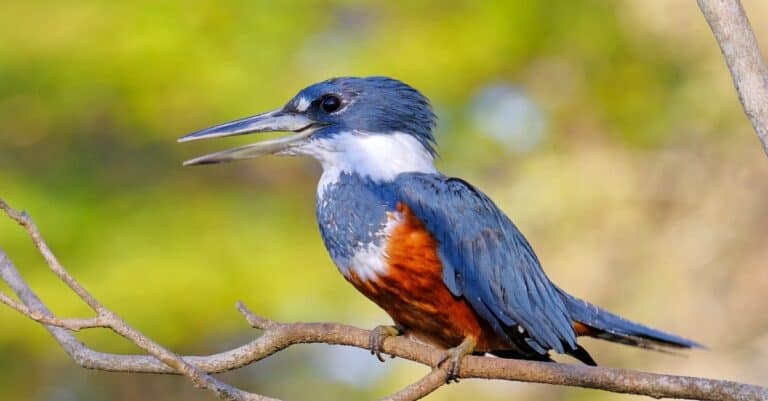
Bahia's size means wildlife opportunities are always available somewhere: Atlantic Forest birding and primates can be productive year-round; estuaries/mangroves consistently hold crabs, herons, kingfishers, and dolphins; Chapada Diamantina offers dependable raptor and hummingbird viewing with seasonal variation in flowers and water levels.

Top Wildlife Experiences

  • Humpback whale watching from the Abrolhos region (southern Bahia coast): take regulated boat trips from nearby coastal towns to view breaching and mother-calf pairs during Jul-Oct (best Aug-Sep).
  • Join a TAMAR Project night walk or beach monitoring at Praia do Forte (north coast) to see sea turtle nesting (usually Sept–Mar; timing varies by species) and hatchlings, and visit the conservation center to learn about research, education, and care.
  • Birding in Chapada Diamantina National Park (Lencois area and surrounding valleys): focus on rocky campos rupestres, gallery forests, and waterfalls for mixed flocks, raptors, hummingbirds, and regional endemics; early mornings on trailheads and viewpoints are most productive.
  • Atlantic Forest wildlife day in the Cocoa Coast region (Ilheus-Itacare and nearby reserves): guided forest walks for primates, toucans, manakins, and leaf-litter specialties; combine with an evening frog/insect walk after rain.
  • Mangrove and estuary boat safari in All Saints Bay or coastal estuaries (around Salvador and nearby river mouths): look for herons/egrets, kingfishers, crabs, and (in some areas) resident dolphins; great for photography at sunrise.
  • Caatinga specialist birding in the interior (semi-arid thorn scrub landscapes): target iconic dryland birds and mammals with a local guide; best during cooler mornings and late afternoons in the dry season.
  • Snorkel and reef-wildlife viewing around protected coastal reefs (where permitted): observe reef fish, rays, and invertebrates; pair with responsible operators that brief on coral-safe practices and no-touch policies.

Wildlife Watching Types

Humpback whale watching (Abrolhos Bank and southern Bahia coast, seasonal) Sea turtle nesting and hatchling viewing with conservation programs (north and parts of south coast, seasonal) Atlantic Forest birding (endemics, mixed flocks, canopy species) Caatinga dry-forest/thorn-scrub birding (specialists and seasonal movements) Primate and small-mammal tracking in forest reserves (best with guides) Mangrove/estuary birding and dolphin watching (boat-based and shore-based) Reef and marine life viewing (snorkeling/boat trips where allowed) Night walks for amphibians, insects, and nocturnal birds (rainy months best in forest regions) Raptor and cliff/plateau wildlife viewing in Chapada Diamantina (viewpoints and highlands)

Guided Options

  • TAMAR Project (Praia do Forte and other Bahia sites): guided interpretive visits, beach monitoring walks (seasonal), and conservation education focused on sea turtles.
  • Abrolhos Marine National Park and whale-watching operators (southern Bahia): licensed boat tours following approach-distance rules; some offer naturalist-led interpretation and photo-ID style trips during peak season.
  • Chapada Diamantina local guide associations (Lencois/Palmeiras/Mucuge areas): accredited guides for park trails, birding-focused outings, and dawn/sunset wildlife walks; ideal for accessing lesser-known habitats safely.
  • Atlantic Forest reserve guides in the Ilhéus-Itacaré region: private birding guides and reserve-run interpretive walks (often linked to cacao-cabruca landscapes and forest fragments).
  • Mangrove/estuary community boat guides (Salvador/All Saints Bay and other estuaries): small-boat tours timed to tides for birds and dolphins; many are community-based and support local livelihoods.
  • Responsible dive/snorkel operators on the coast: reef briefings, marine-life-focused snorkel trips, and low-impact practices (reef-safe sunscreen guidance, no-touch/no-feed policies).
Habitats

Ecosystems

Bahia ranges east to west from humid Atlantic Forest and rich coastal ecosystems to semi-arid Caatinga inland and Cerrado savannas and rocky Chapada Diamantina highlands. Large rivers, especially the Sao Francisco and tributaries, link highlands to floodplains, reservoirs, estuaries, and mangrove coasts. Offshore, Abrolhos has important coral reefs and shelf and slope habitats.

Biomes

Tropical Rainforest

Atlantic Forest formations (lowland, submontane/montane, and moist coastal forests), with high endemism and strong fragmentation; includes humid forest mosaics on windward slopes and coastal plains.

Found mostly along the Atlantic coast and wetter mountain belts (southern Bahia and coastal ranges). Now mostly broken into fragments, about 10-20% historically, with even less intact today.

Tropical Dry Forest

Semi-arid Caatinga with seasonally dry thorn scrub and dry forests/woodlands; drought-adapted flora, many deciduous species, and strong seasonality.

Dominant across much of the interior (north, northeast, and central interior); roughly about half of Bahia by area in broad terms.

Savanna

Cerrado savannas and wooded savannas in the west, plus rocky montane savanna/campo rupestre mosaics in the Chapada Diamantina (often with shallow soils and high plant endemism).

Concentrated in western Bahia and highland plateaus/rocky ranges; roughly ~15-30% combined depending on classification and transition zones.

Freshwater

Major rivers (Sao Francisco and tributaries such as the Rio Grande, Corrente, Paraguacu, Jequitinhonha, etc.), reservoirs, riparian corridors, and inland aquatic systems supporting fisheries and migratory connectivity.

Statewide as river networks and impoundments; small proportion of land area but ecologically widespread along corridors.

Wetland

Mangroves, estuaries, coastal lagoons, riverine marshes, and floodplain wetlands-key for nursery habitat, waterbirds, and nutrient cycling.

Patchy but significant along the coast and major river valleys/floodplains; limited in area (<~5%) but high ecological importance.

Marine

Atlantic coastal waters including nearshore reefs (notably Abrolhos), seagrass/algal beds, sandy/muddy shelves, and slope/deeper-water habitats supporting turtles, reef fish, cetaceans, and seabirds.

Along Bahia's entire coastline and adjacent continental shelf and slope; extensive marine area relative to the land footprint.

Habitats

Rainforest

Coastal and submontane Atlantic Forest remnants (high canopy diversity, epiphytes, and endemic birds/primates), especially in southern Bahia and humid coastal ranges.

Forest

Mosaics of Atlantic Forest, gallery forests along rivers, and humid forest enclaves on highlands where rainfall allows.

Deciduous Forest

Seasonally dry forests transitioning into Caatinga and interior forest patches; pronounced leaf drop during dry season.

Woodland

Dry woodlands and arboreal Caatinga, plus dense wooded savanna (wooded Cerrado) in parts of western Bahia.

Shrubland

Classic Caatinga thorn scrub with cacti, bromeliads, and drought-hardy shrubs across semi-arid interior zones.

Savanna

Cerrado physiognomies (open savanna to woodland) in western Bahia, often interspersed with agriculture and riparian strips.

Grassland

Open Cerrado grasslands and high-elevation campo rupestre fields in Chapada Diamantina with many endemic plants.

Mountain

Chapada Diamantina and associated ranges (Espinhaço system), creating sharp climatic gradients and habitat mosaics.

Cliff/Rocky Outcrop

Sandstone and quartzite escarpments/canyons in Chapada Diamantina that host specialized rupicolous flora and nesting sites.

Cave

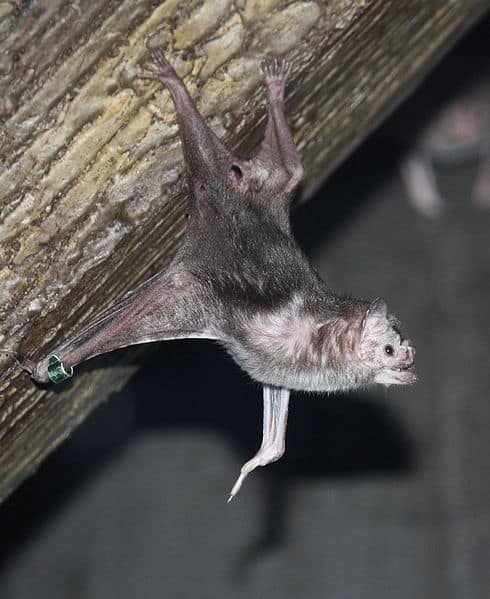
Karst and limestone cave systems in parts of Bahia, supporting bats and specialized cave invertebrates.

River/Stream

Sao Francisco mainstem and large tributaries (e.g., Paraguacu, Jequitinhonha), with riparian forests and sandbar/island habitats.

Lake

Reservoirs and natural/coastal lakes and lagoons (including systems linked to river regulation and coastal plains).

Wetland

Floodplain wetlands, lagoon margins, and riverine wet areas important for waterbirds and amphibians, often seasonal.

Marsh

Fresh to brackish marshes in coastal lowlands and estuarine backwaters, with emergent vegetation and high productivity.

Swamp

Waterlogged forested patches and palm-rich wet depressions in coastal plains and river valleys where drainage is poor.

Mangrove

Mangrove forests in estuaries and sheltered bays (notably around All Saints Bay and other river mouths), vital as fish/crustacean nurseries.

Estuary

River-mouth estuaries with strong salinity gradients supporting mangroves, mudflats, and juvenile marine fauna.

Coastal

Coastal sandy-plain vegetation, dunes, lagoons, and coastal forest mosaics along the Atlantic seaboard.

Beach

Long sandy beaches and dune systems, including nesting/foraging areas for shorebirds and sea turtles.

Rocky Shore

Rocky headlands and intertidal platforms scattered along the coast, supporting algae, mollusks, and tidepool communities.

Coral Reef

Abrolhos and adjacent reef complexes-South Atlantic coral reefs with high biodiversity and reef-associated fisheries.

Open Ocean

Pelagic waters beyond the nearshore zone used by migratory fishes, seabirds, and cetaceans.

Deep Sea

Continental slope and deeper offshore habitats beyond the shelf, including deep benthic communities and migratory corridors.

Seabed/Benthic

Shelf and slope substrates (sand, mud, reef structures) underpinning demersal fisheries and benthic biodiversity.

Agricultural/Farmland

Extensive land conversion in western Bahia (mechanized crops) and in interior/coastal zones (mixed farming and pasture), often replacing Cerrado/Caatinga or fragmenting Atlantic Forest.

Plantation

Cocoa (cabruca agroforestry) in southern Bahia and other plantation systems (e.g., eucalyptus in some areas), creating altered forest mosaics.

Suburban

Expanding peri-urban belts around coastal cities and inland hubs, increasing pressure on wetlands, restingas, and forest remnants.

Ecoregions

Bahia coastal forests (WWF) Bahia interior forests (WWF) Caatinga (WWF) Cerrado (WWF) Espinhaco montane savanna (WWF) Bahia (Brazilian) mangroves / Atlantic coast mangroves (WWF) Abrolhos Plateau / Abrolhos reefs (WWF marine ecoregion context: Tropical Southwestern Atlantic)
Protection

Conservation

Primary Threats

  • Atlantic Forest remnants in southern/coastal Bahia are heavily fragmented by pasture, eucalyptus plantations, roads and urban growth, isolating wildlife populations (e.g., maned sloth, yellow-breasted capuchin). In the Caatinga, native thorn-scrub is cleared and degraded around settlements and agricultural frontiers, reducing connectivity and shelter in an already water-limited biome.
  • Western Bahia (MATOPIBA frontier) has rapid expansion of mechanized soy/cotton/maize and irrigated agriculture, driving conversion of native vegetation, riparian clearing, agrochemical load, and high water demand from aquifers and rivers that feed the Sao Francisco basin. In the south, cattle ranching continues to replace secondary forests and restinga mosaics.
  • Chronic water scarcity in the interior is intensified by irrigation withdrawals, groundwater extraction, and competition among cities, farming and ecosystems; this reduces environmental flows in tributaries feeding the Sao Francisco and stresses Caatinga biodiversity during prolonged drought. Fuelwood/charcoal collection also depletes woody biomass in parts of the semi-arid interior.
  • Hydrological regulation by large reservoirs and water diversions in the Sao Francisco basin alters flood pulses, sediment transport and fish migration, simplifying riverine habitats. In the interior, altered fire regimes (accidental fires and land clearing burns) can convert vegetation structure and reduce regeneration in both Caatinga and savanna-transition areas.
  • Dams and transmission corridors, highway expansion, port/coastal infrastructure, and rapidly growing wind/solar complexes in the semi-arid interior can fragment habitats and increase wildlife mortality (e.g., bird/bat collisions), while new access roads accelerate land occupation and hunting pressure.
  • Urban sewage and stormwater (notably around the Salvador metropolitan region and other coastal cities), agricultural runoff (pesticides/fertilizers in western Bahia), and localized mining/industrial effluents degrade rivers and estuaries, contributing to eutrophication and contamination that affect fisheries, mangroves and coral/reef-adjacent waters.
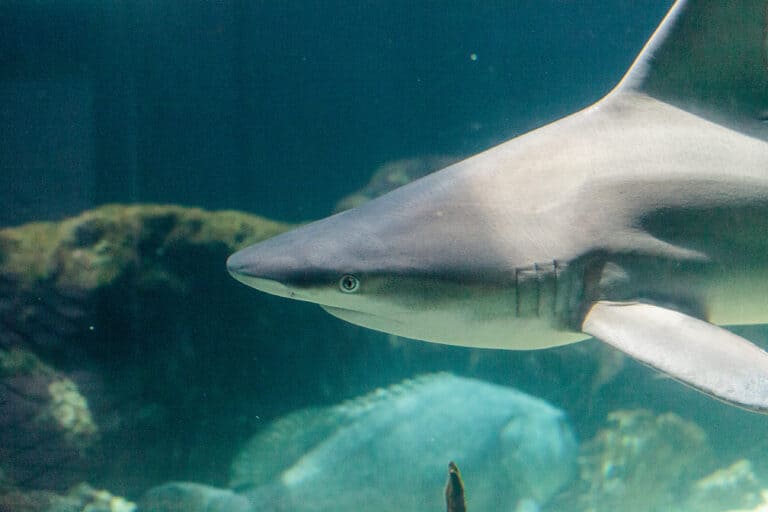
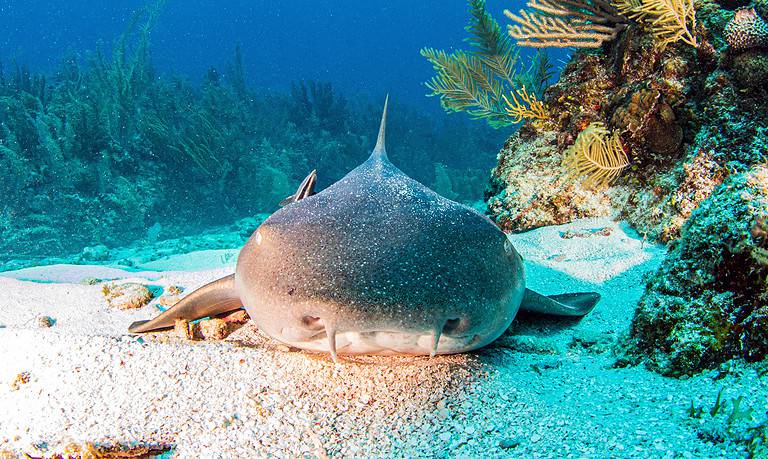
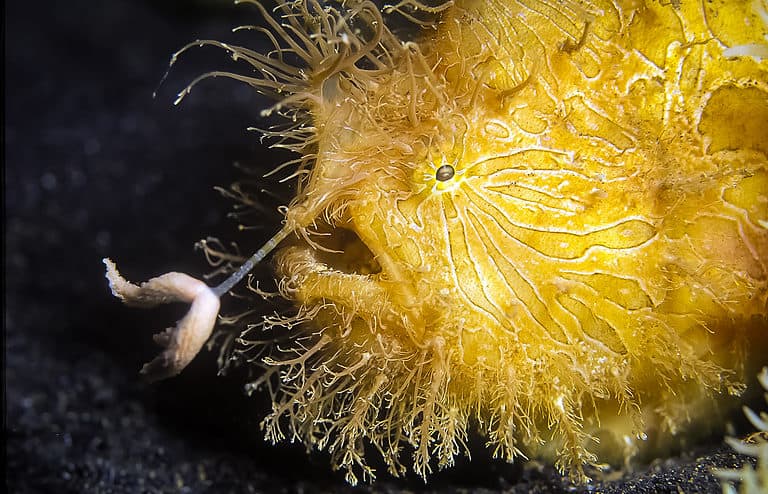
  • Coastal and reef fisheries (including the Abrolhos Bank region and extractive reserves) face pressure from overharvest, illegal gear and bycatch, impacting reef fish, sharks/rays and incidentally sea turtles. Declines in large predatory fish and groupers reduce reef resilience.
  • Subsistence and opportunistic hunting in Caatinga and Atlantic Forest fragments targets mammals and birds (e.g., cracids), compounding habitat fragmentation by removing key seed dispersers and causing local extirpations in small forest patches.
  • Capture and trade of native songbirds and parrots remain a concern in parts of Bahia, and historically contributed to severe declines of iconic macaws in the interior; enforcement is challenged by extensive road networks and informal markets.
  • Unmanaged coastal tourism and recreation (vehicles on beaches/dunes, lighting, noise) disturb nesting sea turtles and shorebirds; visitation pressure in scenic areas (e.g., Chapada Diamantina) can cause trail erosion, wildlife displacement and waste issues when not well managed.
  • Predation on small livestock (goats/sheep) by large carnivores (e.g., puma and, locally, jaguar) around protected areas and remaining habitat blocks can lead to retaliatory killing. In coastal communities, interactions between fishers and marine fauna (dolphins, turtles) can generate conflict when gear damage or bycatch occurs.
  • Rising temperatures and changing rainfall cause more frequent, stronger droughts in Bahia's semi-arid Caatinga and strain water supplies in the Sao Francisco River basin. Ocean warming raises coral bleaching on the Abrolhos Bank and sea-level rise threatens mangroves, coastal sandplain plants, and low-lying nesting beaches.
  • Non-native fish (e.g., tilapia in reservoirs) and other introduced species can alter food webs in dammed river systems; on the coast, invasive marine species (increasingly reported along Brazil's northeast) pose growing risk to reef communities, potentially compounding overfishing impacts.
  • Although much of the remaining Atlantic Forest is in fragments, illegal timber extraction and cutting for firewood/charcoal persist in some regions, especially where enforcement is difficult; selective removal further degrades habitat quality and increases edge effects.
  • Mining (including gemstones and other minerals) and associated road building in regions such as Chapada Diamantina and other inland areas can cause localized habitat loss, sedimentation of streams, and contamination risks, affecting headwaters, cave/karst environments and endemic biodiversity.
  • Small, isolated populations in Atlantic Forest remnants (e.g., endemic primates and sloths) face inbreeding risk and reduced adaptive potential; fragmentation also limits recolonization after fires, disease outbreaks or extreme drought events.
  • Habitat stress and fragmentation can amplify disease risks in small wildlife populations; amphibians in upland systems (e.g., Chapada Diamantina) are vulnerable to chytrid-related declines, and crowded or nutritionally stressed fauna in degraded habitats may be more susceptible to outbreaks.
  • Rapid growth and sprawl around Salvador and expanding coastal tourism hubs (e.g., along the north and south coasts) drive loss of mangroves/restingas, increase light and noise on beaches, and raise demand for water and sanitation infrastructure, affecting nearshore water quality.
Fun Facts

Did You Know?

Southern Bahia's golden-headed lion tamarin (Leontopithecus chrysomelas) often persists in shade-cacao agroforestry systems-meaning a globally threatened primate can survive (and sometimes thrive) in traditional cacao farms when native canopy trees are retained.

Lear's macaw in Bahia is unusually specialized: it depends heavily on licuri palm (Syagrus coronata) nuts for food, tying the fate of a large parrot to the health of palm groves in the semi-arid Caatinga.

Abrolhos reefs are built largely by Brazilian-endemic "brain corals" in the genus Mussismilia (key reef builders found only in Brazil), so much of the reef's architecture is literally made by corals you can't see naturally anywhere else on the planet.

The same state that hosts coral reefs and humpback whales also supports Caatinga-adapted wildlife in its interior-Bahia is one of the clearest places in Brazil to see Atlantic coastal marine ecosystems and semi-arid thorn-scrub biodiversity within one subdivision.

Spix's macaw (Cyanopsitta spixii)-a species that became extinct in the wild in its native Bahia riverine Caatinga-has been the focus of reintroduction efforts back into Bahia, making the state a real-world test case for bringing a "lost-from-the-wild" bird back home.

Abrolhos Bank (off southern Bahia) forms the largest coral-reef complex in the South Atlantic, famous for its towering mushroom-shaped reef pillars found at no comparable scale elsewhere in the region.

The Abrolhos region is Brazil's premier humpback whale (Megaptera novaeangliae) breeding and calving area-hosting the country's largest seasonal concentration of humpbacks during the winter breeding season.

Bahia is the only place on Earth where Lear's macaw (Anodorhynchus leari) occurs naturally in the wild: its native range is restricted to the Caatinga of northeastern Bahia (notably around the Raso da Catarina region).

Bahia's north coast is Brazil's main stronghold for loggerhead sea-turtle nesting (Caretta caretta), with major nesting concentrations monitored for decades around the Praia do Forte-north-coast TAMAR area.

Thank you for reading! Have some feedback for us?