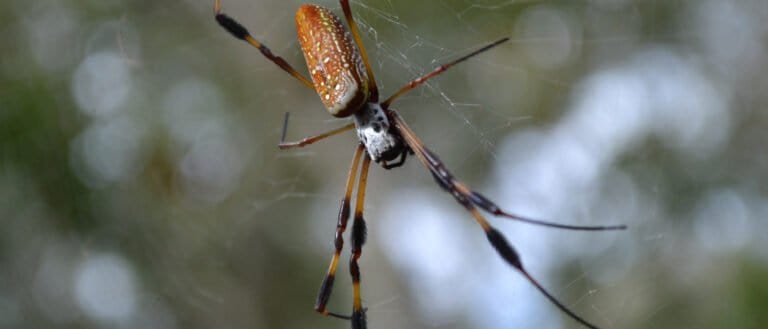
Banana Spider
Golden webs, gentle giant.

Golden webs, gentle giant.
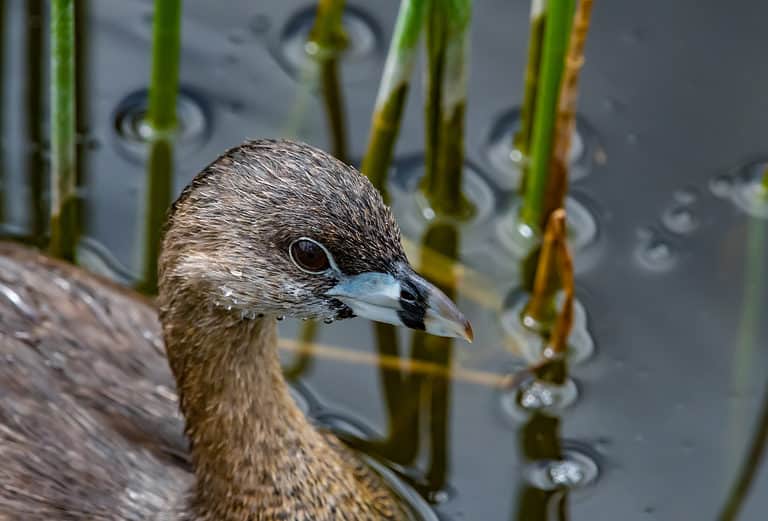
Thick-billed master of the marsh
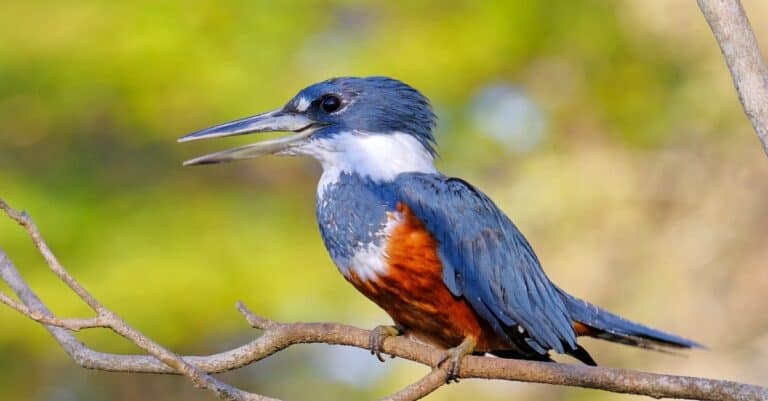
Big-billed diver of the Neotropics
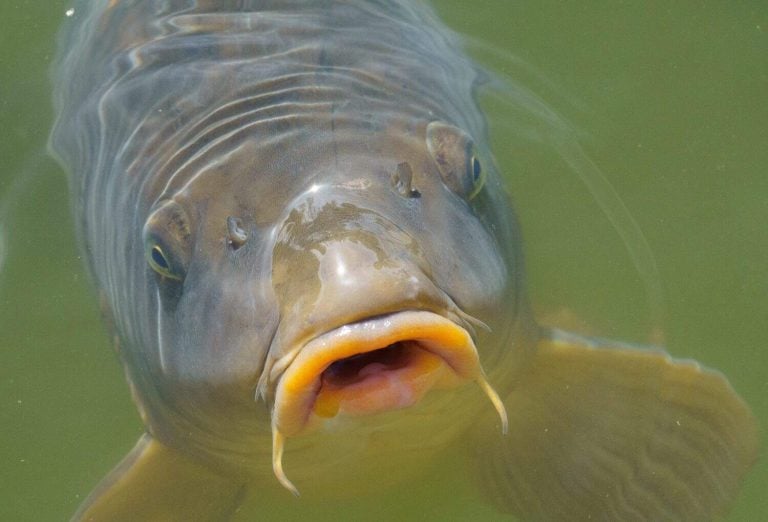
Tough fish, muddy footprint.
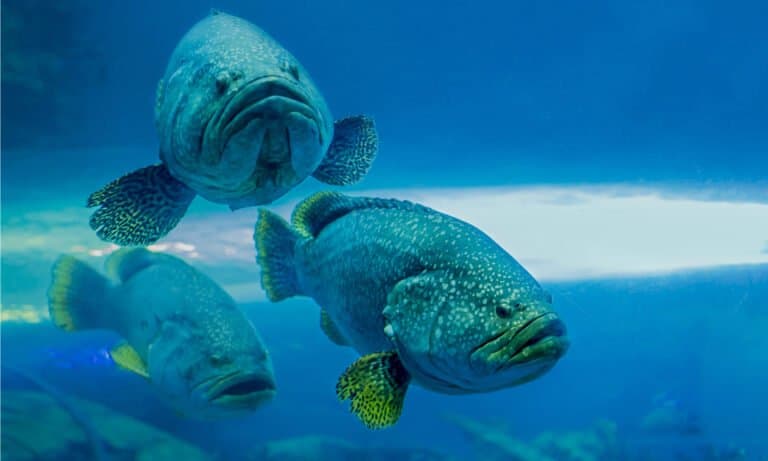
Mangroves to wrecks-Atlantic giant
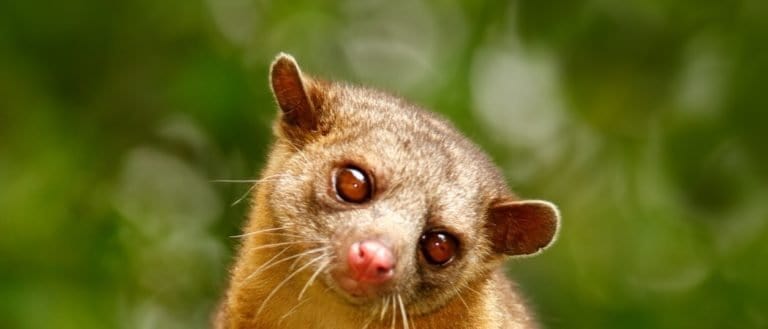
Tail-grip nectar sipper of the canopy
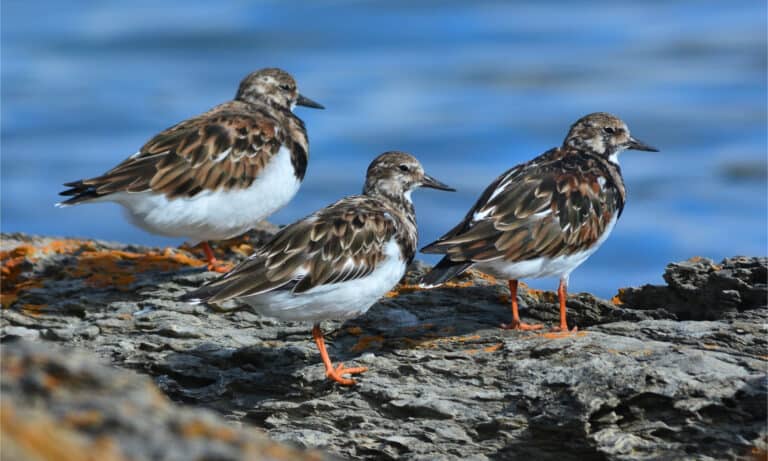
Flip a stone, cross an ocean.

Big mouth. Bigger strike.
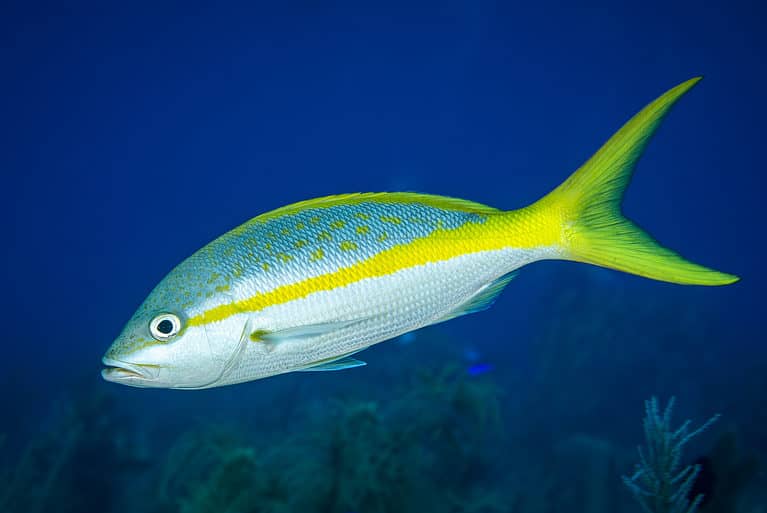
Follow the yellow tail!
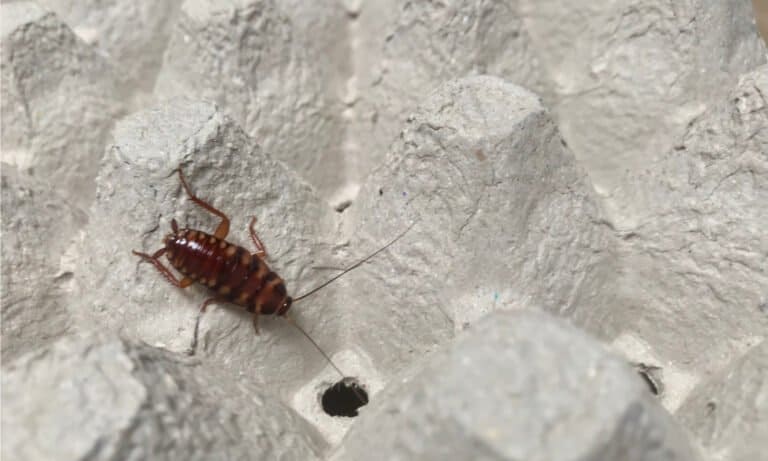
Bands on the belly, lives in the walls
Sao Paulo State is one of Brazil’s most urbanized and farmed regions, but it still protects important leftovers of the Atlantic Forest, especially along the Serra do Mar coastal range and nearby protected areas. These humid, steep coastal mountains keep both lowland and high-elevation rainforest habitats and support many kinds of life, including birds and mammals that need forest. Along the coast, mangroves, estuaries, coastal sandplain scrub, and dune vegetation provide nursery areas for fish and crustaceans and feeding places for shorebirds. Offshore waters also serve migratory marine species. Inland, the state changes into plateaus with a mix of forest fragments, river basins, wetlands, and pockets of the Brazilian savanna, so different wildlife live there. Sao Paulo is important because big cities are close to these conservation lands, so efforts focus on keeping coastal protected belts and linking habitat fragments so native species can survive in land shaped by people.
Sao Paulo's wildlife follows a steep coast-to-interior gradient: humid Atlantic Forests, mangroves and sandplain near the coast and Serra do Mar; cool high forests in the Serra da Mantiqueira; then drier plateaus where Atlantic Forest is broken into patches and savanna. Rivers like the Tiete-Parana and Ribeira de Iguape form corridors and wetlands, connecting or isolating populations across urban farmland.
Sea level to ~2,798 m (Pedra da Mina, Serra da Mantiqueira)
Atlantic Ocean (South Atlantic); a biodiverse coast with estuaries and mangroves (notably Cananeia-Iguape) and a long coastal strip with islands and coastal protected areas.
Sao Paulo’s protected areas center on Atlantic Forest in the Serra do Mar and Ribeira Valley, a key wildlife corridor linking parks and reserves. Despite heavy urban and farm growth, the state protects habitats from montane cloud forest and lowland rainforest to mangroves, coastal scrub, estuaries and offshore islands through federal units (ICMBio) and a strong state system.
≈18% of the state (approx.; varies by source and whether broad sustainable-use APAs and marine zones are included).
One of the most important continuous Atlantic Forest landscapes in southeastern Brazil, spanning steep altitudinal gradients (from coastal rainforest to highland grasslands). It supports wide-ranging mammals and a rich assemblage of Atlantic Forest birds, and helps connect Serra do Mar forests across state boundaries.
The largest protected Atlantic Forest tract in the state, forming a long coastal-mountain corridor with exceptional bird and primate diversity and some of the best remaining habitat for wide-ranging mammals near a major megacity.
A core stronghold of intact Atlantic Forest in the Ribeira Valley, famous for mammal and bird richness, high forest connectivity, and strong potential for sightings/sign (tracks, calls) of large mammals.
Internationally known for its extensive cave systems and pristine forests; highly important for bat assemblages and cave-dependent fauna, while the surrounding forests hold threatened Atlantic Forest mammals and birds.
A coastal island state park protecting a rare continuum of habitats including beaches, dunes, coastal sandy-plain vegetation (restinga), mangroves, and Atlantic Forest rainforest, supporting threatened coastal birds and productive nearshore waters with frequent dolphin activity.
A flagship strictly protected coastal Atlantic Forest unit with outstanding landscape integrity (forest, coastal scrub vegetation, mangroves, rivers). It is notable for threatened primates and large mammals and for safeguarding coastal watersheds and breeding habitats.
A small but historically important remnant of montane Atlantic Forest with exceptional plant diversity and high bird/amphibian richness; valuable as a reference site for conservation and environmental monitoring near the metropolitan area.
An important inland refuge protecting Cerrado-riparian mosaics and wetlands along the Mogi-Guacu system, supporting waterbirds and acting as a biodiversity 'island' within an agricultural landscape.
A strictly protected no-take marine area around islands and islets; especially important for seabird breeding, reef recovery, and maintaining marine biodiversity near heavily used coastal waters.
São Paulo state sits where Brazil's Atlantic Forest (Serra do Mar coastal ranges and interior remnants), coastal and marine areas (estuaries, mangroves, sandy beaches and nearshore islands), and inland plateaus with Cerrado-like mosaics meet. Despite heavy urban growth, including the São Paulo megacity, the state still has many kinds of wildlife in protected corridors like Serra do Mar, Vale do Ribeira, Carlos Botelho-Intervales-PETAR, and the Cananéia-Iguape-Ilha Comprida estuarine complex. Wildlife includes Atlantic Forest primates and birds, large wetland and river mammals (e.g., capybara), and threatened endemic species in forest fragments and restoration areas.
Sao Paulo state is a rich wildlife place despite its big cities. Visit cities and the Atlantic Forest in the Serra do Mar and coastal ranges, plus wetlands, reservoirs, and plateaus where capybaras, caimans, otters, monkeys, large Atlantic Forest birds, and seasonal marine migrants appear. Best views are in protected areas and forest corridors, especially the Serra do Mar/Paranapiacaba-Cubatao-Bertioga-Ubatuba corridor.
Peak rainforest activity: frogs calling, butterflies and insects abundant, and lush forest scenery. Great for herping (amphibians/reptiles) and night walks, but expect heat, humidity, and heavier rains that can limit visibility on some trails and increase mosquitoes.
Often the sweet spot: less rain, comfortable temperatures, and strong forest birding. Good conditions for hiking Serra do Mar trails and spotting mammals like coatis and monkeys. Water levels in wetlands/reservoir edges can still be favorable for capybara and waterbirds.
Cooler, drier air improves hiking and long-distance views in mountain parks. Birding remains excellent (mixed-species flocks in Atlantic Forest), and some coastal areas can have clearer days. Nights can be chilly in highlands; some amphibian activity drops compared to summer.
Breeding season ramps up for many birds; more songs and displays, plus increasing insect activity. A strong time for both Atlantic Forest and wetland birding. Late spring warms coastal waters and sets up better marine outings going into summer.
Sao Paulo State ranges from humid Atlantic coastal mountains to inland plateaus and river basins. Ecosystems are mostly Atlantic Forest (dense humid rainforest and seasonal forest), with pockets of Brazilian savanna inside and large freshwater networks (Tiete, Paranapanema, Ribeira de Iguape, and Parana tributaries). Urban, industrial, and farm use has fragmented habitats, but major protected areas and corridors remain.
Atlantic Forest in its wetter forms-dense humid forest along the Serra do Mar and Serra da Mantiqueira slopes, with cloud-forest influence at higher elevations and very humid coastal forests supporting high endemism.
Concentrated along the coastal belt and mountain ranges (Serra do Mar and parts of Mantiqueira); relatively continuous in protected areas but highly fragmented elsewhere.
Seasonal semideciduous Atlantic Forest in the interior (more pronounced dry season), historically widespread on plateaus and fertile soils; now heavily converted to agriculture and urban uses.
Scattered remnants across the interior and northwest/west; mostly fragmented patches and riparian strips.
Brazilian savanna formations (open grassland to wooded savanna and woodland mosaics) on sandy or acidic soils of the interior, with fire-adapted vegetation and open-canopy woodlands.
Patchy and reduced; strongest in interior/northwestern portions and in protected remnants (e.g., around Emas/Assis region and other conservation units).
Large river basins (Tietê, Paranapanema, Ribeira de Iguape, Paraíba do Sul margins, and Paraná tributaries), reservoirs, floodplains, and headwater streams from coastal escarpments; includes important fish and aquatic invertebrate diversity.
Statewide along major basins; many systems regulated by dams/reservoirs and impacted by pollution/urban runoff.
Atlantic coastal and nearshore ecosystems including sandy beaches, rocky shores, coastal islands, and continental shelf waters; influences include high coastal productivity in parts of the region and strong estuarine mixing zones.
Along the entire Sao Paulo coastline (Santos coastal lowland, North Coast, and South Coast) and adjacent shelf waters.
Coastal estuaries and lagoons, mangroves (especially around Santos-São Vicente and Cananéia-Iguape), riverine wetlands, and floodplain marshes; key nursery areas for fisheries and migratory/coastal birds.
Localized but regionally important-most extensive in coastal lowlands and major estuaries; smaller pockets along interior rivers and reservoirs.
Dense Atlantic rainforest on Serra do Mar slopes and protected coastal ranges (for example, Serra do Mar State Park), with high humidity, epiphytes, and strong elevational gradients.
Atlantic Forest mosaics including lowland, submontane, montane and restinga-associated forests; many fragments embedded in agricultural/urban matrices.
Seasonal semideciduous forest remnants in the interior plateaus and western São Paulo, often persisting as legal reserves, riparian corridors, and conservation units.
Cerradão and open woodland savanna formations in interior Cerrado enclaves, often transitioning to grassier campo cerrado on poorer soils.
Open Brazilian savanna grassland and shrub-grass savanna physiognomies, plus anthropogenic grasslands and pastures; natural grasslands persist mainly as small remnants.
Cerrado mosaics with fire-adapted shrubs/trees, termite mounds in places, and high seasonal contrast; among the most threatened habitats in the state.
Serra do Mar and Serra da Mantiqueira high-relief landscapes with steep escarpments, orographic rainfall, and headwater catchments feeding coastal and interior rivers.
Rocky escarpments and steep coastal/montane slopes, including exposed rock faces and landslide-prone areas that create microhabitats for specialized flora.
Major rivers (Tietê, Paranapanema, Ribeira de Iguape) and innumerable streams; riparian forests are critical corridors but variably degraded.
Natural lakes are limited; lentic habitats are dominated by reservoirs and floodplain lagoons, supporting fisheries and waterbirds.
Small farm ponds, borrow pits, and seasonal pools that can be important for amphibians, especially in rural mosaics.
Riverine floodplain wetlands, marshy margins of reservoirs, and coastal lowland wetlands; key for water filtration and biodiversity.
Fresh to brackish marshes in floodplains and coastal lowlands (notably in the Ribeira de Iguape/Cananéia-Iguape region).
Mangrove forests in estuaries and sheltered bays (Santos-São Vicente, Cananéia-Iguape), providing nursery habitat and shoreline stabilization.
Highly productive estuaries (e.g., Santos/São Vicente system and the Cananéia-Iguape estuarine-lagoon complex) with strong salinity gradients.
Coastal plains (restinga systems), dunes in places, lagoons, and coastal islands; high conservation value where intact.
Coastal plains (coastal sandplain vegetation), dunes in places, lagoons, and coastal islands; high conservation value where intact.
Rocky headlands and island shorelines (especially São Paulo's North Coast) supporting intertidal communities and nearshore reef-like habitats.
Continental shelf soft-bottom habitats adjacent to the coast, important for demersal fish and benthic invertebrates and affected by trawling/ports.
Large metropolitan core (São Paulo metro and other cities) with strong heat-island effects, engineered waterways, and fragmented green spaces.
Expanding peri-urban mosaics with secondary forest patches, smallholdings, and reservoirs; significant edge effects on remaining habitats.
Extensive sugarcane, citrus, pasture, and other row-crop areas in the interior; major driver of habitat loss and fragmentation.
Commercial forestry (eucalyptus/pine) and other plantations, particularly in interior regions; can provide limited connectivity but typically low native biodiversity.
One of the world's most notorious 'snake islands' is in Sao Paulo: Queimada Grande Island is closed to the public largely because the endemic golden lancehead evolved there after sea levels isolated the island, adapting to prey heavily on birds.
Capybaras live in Sao Paulo's parks and rivers, especially along the Pinheiros and Tiete watersheds. Their being there is a conservation and public health problem because they help feed ticks that spread Brazilian spotted fever.
Sao Paulo's southern coast (Cananeia region) is one of Brazil's best places to observe a resident population of Guiana dolphins using narrow mangrove-lined channels-dolphins living in waters that look more like a river than 'open ocean.'
Camera traps in the Serra do Mar (Coastal Range) and Ribeira Valley still record pumas (Puma concolor) and jaguars (Panthera onca), showing apex predators can live near big cities when forest corridors stay connected.
Serra do Mar State Park (Sao Paulo) is one of Brazil's largest state parks, protecting a massive, continuous swath of Atlantic Forest and functioning as a flagship biodiversity corridor along the Serra do Mar range.
Sao Paulo's Serra do Mar forests are a stronghold for the southern muriqui (Brachyteles arachnoides) - the largest primate in the Americas - making the state crucial for conserving this record-size New World primate.
The golden lancehead pit viper (Bothrops insularis) is one of the most range-restricted snakes on Earth: its entire wild population lives on a single tiny island off Sao Paulo's coast, Queimada Grande Island (about 43 hectares / 0.43 km²).
Alto Ribeira Tourist State Park (PETAR), in the Ribeira Valley, contains one of Brazil's greatest concentrations of caves (300+ recorded), creating a nationally significant hotspot for bat colonies and cave-adapted fauna.
The Cananeia-Iguape-Long Island estuarine-lagoon system in southern Sao Paulo is among the largest and most ecologically important estuarine complexes in Brazil, serving as a major nursery/feeding ground for coastal fish and a key habitat for resident Guiana dolphins (Sotalia guianensis).
84 species documented in our encyclopedia
Thank you for reading! Have some feedback for us?
We appreciate your help in improving our content.
Our editorial team will review your suggestions and make any necessary updates.
There was an error submitting your feedback. Please try again.