N S W E
Wildlife Expeditions

Wildlife of
Rio Grande do Sul

Brazil's southernmost state blends Atlantic shorebirds, vast pampas grasslands, and Araucaria highlands-an unusually temperate wildlife mix shaped by Uruguay and Argentina's borders.
50 Species
281,748 km² Land Area
Overview

About Rio Grande do Sul

Rio Grande do Sul sits at Brazil's temperate southern edge, where southern South American species mix with Atlantic Forest and coastal animals. Its habitats include the Pampas (southern grasslands), wetlands, forested highlands with Araucaria trees, and a long Atlantic coast. These places hold migratory birds, grassland specialists, and many mammals and reptiles despite heavy land use. The state's coastal lagoons, dunes, estuaries, and marshes—especially the Lagoa dos Patos–Lagoa Mirim system—are vital for waterbirds and long-distance migrants. What makes the wildlife special is the temperate feel and the large areas of grassland and lagoons. Birding is unique: in one trip you can see pampas raptors and grassland endemics, dense forest birds, and huge coastal wetlands full of shorebirds. Much of the land shows a ranching culture and wide, open views.

Physical Features

Geography

Rio Grande do Sul's wildlife follows north–south and elevation changes. Coasts, lagoons, and estuaries support migratory shorebirds, waterfowl, marine life. Southern Pampas grasslands favor open grassland specialists. Northeastern highlands and plateaus have cooler, wetter areas with Brazil pine and Atlantic Forest remnants. Rivers and wetlands provide feeding and breeding sites. Farming and ranching make patches that hurt connections and survival.

281,748 km² Land Area
9th largest state in Brazil Size Rank
Brazil Country
State Type
Elevation Range

Sea level to ~1,398 m (Pico Monte Negro, the state's highest point)

Coastline

Atlantic Ocean coastline (roughly ~620 km) with extensive sandy beaches, dune systems, and major lagoon/estuary complexes (notably Patos Lagoon and Mirim Lagoon) that function as key coastal-wetland habitats.

Key Landscapes

Atlantic Ocean coastline with long sandy barrier beaches, extensive dune fields, and coastal sandplain scrub and woodland on sandy soils Large coastal lagoon and estuary systems, especially Patos Lagoon (and its estuary) and Mirim Lagoon, plus connected smaller lagoon systems along the northern coast Major coastal and inland wetlands (including the Taim wetlands) that provide key habitat for waterbirds and other aquatic wildlife Extensive Pampas grasslands and plains across much of the south and west, supporting open-country wildlife Cooler northeastern highlands and basaltic plateaus/escarpments with forest-grassland mosaics Higher-elevation Araucaria (Brazil pine) forests and other Atlantic Forest formations, plus widespread riparian (riverbank) forests and gallery vegetation along major river basins
State Symbols

Official Wildlife Symbols

bird

Southern lapwing

wildflower

Princess's earring (Fuchsia)

tree

Cockspur coral tree

Parks & Reserves

Protected Areas

Protected areas in Rio Grande do Sul include federal (ICMBio), state (SEMA/RS), municipal and private reserves (RPPNs). Much land is now used for farming and cattle, so many areas are small and fragmented. They protect Atlantic Forest remnants and canyon escarpments in Serra Geral, coastal dune-restinga, and wetlands/migratory-bird sites like Lagoa do Peixe and Taim, plus large APAs (sustainable-use areas).

Protected Coverage

≈7% of the state's land area in formal protected areas (strict + sustainable use; approximate, varies by accounting method and category).

National Parks & Preserves

Parque Nacional da Lagoa do Peixe

≈34,400 ha (≈344 km²)

One of Brazil's most important coastal wetland complexes for wildlife viewing-especially migratory shorebirds using the lagoon-sandbar system as a stopover and wintering area. High bird diversity and seasonal concentrations make it a flagship site for wetland conservation.

Red knot (Calidris canutus rufa) White-rumped sandpiper (Calidris fuscicollis) South American tern (Sterna hirundinacea) Black skimmer (Rynchops niger) Coscoroba swan (Coscoroba coscoroba)

Parque Nacional de Aparados da Serra

≈10,250 ha (≈102 km²)

Protects dramatic canyon landscapes and the interface between highland grasslands and Atlantic Forest, supporting a mix of forest and open-country fauna. Notable for large-mammal persistence and scenic wildlife-friendly habitats along canyon rims and valleys (partly shared with Santa Catarina).

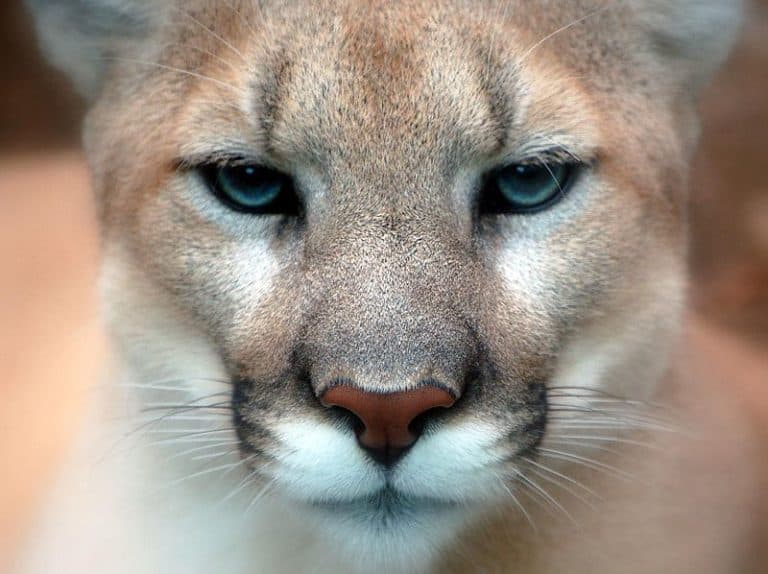
Puma (Puma concolor) Ocelot (Leopardus pardalis) Maned wolf (Chrysocyon brachyurus) Brown howler monkey (Alouatta guariba clamitans) Vinaceous-breasted amazon (Amazona vinacea)

Parque Nacional da Serra Geral

≈17,300 ha (≈173 km²)

A major protected block of escarpment forests, Araucaria-influenced highlands, and grasslands that complements Aparados da Serra and improves landscape connectivity. Strong for forest birds, carnivores, and headwater protection (partly shared with Santa Catarina).

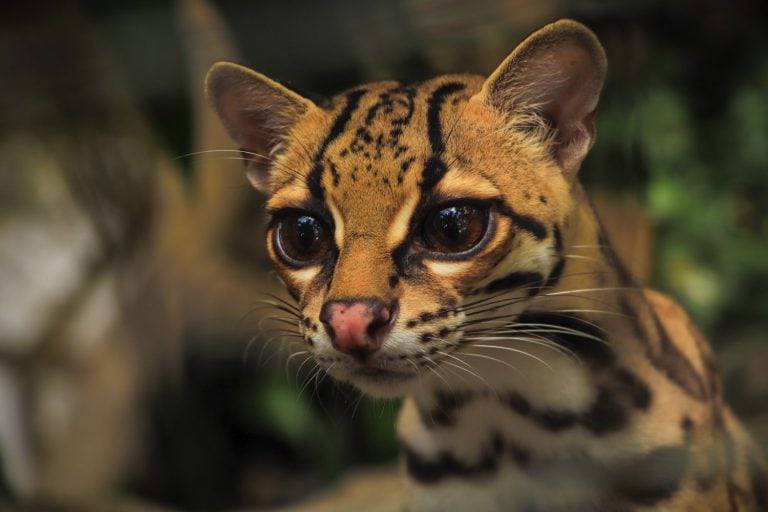
Puma (Puma concolor) Margay (Leopardus wiedii) Brown howler monkey (Alouatta guariba clamitans) Vinaceous-breasted amazon (Amazona vinacea) Bare-throated bellbird (Procnias nudicollis)

State & Provincial Parks

Parque Estadual do Turvo

≈17,500 ha (≈175 km²)

Largest and most important block of interior seasonal/Atlantic forest in the state, on the Uruguay River. It is a top site for conserving large mammals and for maintaining one of the southernmost jaguar landscapes in Brazil.

Jaguar (Panthera onca) Lowland tapir (Tapirus terrestris) White-lipped peccary (Tayassu pecari) Giant anteater (Myrmecophaga tridactyla) Harpy eagle (Harpia harpyja)

Parque Estadual Delta do Jacuí

≈14,000 ha (≈140 km²)

A major wetland-island complex at the confluence of large rivers near Porto Alegre, important for waterbirds, fish nurseries, and wetland mammals in an urban/industrial landscape. Excellent for birdwatching and wetland conservation.

Capybara (Hydrochoerus hydrochaeris) Neotropical otter (Lontra longicaudis) Broad-snouted caiman (Caiman latirostris) Wattled jacana (Jacana jacana) Roseate spoonbill (Platalea ajaja)

Parque Estadual do Espinilho

≈1,600 ha (≈16 km²)

A distinctive and rare 'espinilho' savanna/woodland enclave in the far west (Pampas biome), protecting habitat types that are scarce in Brazil and important for grassland birds and open-country mammals.

Pampas deer (Ozotoceros bezoarticus) Greater rhea (Rhea americana) Geoffroy's cat (Leopardus geoffroyi) Yellow cardinal (Gubernatrix cristata) Burrowing owl (Athene cunicularia)

Wildlife Refuges

Estação Ecológica do Taim

≈32,000 ha (≈320 km²)

One of southern Brazil's most important wetland reserves, safeguarding lagoons, marshes, and coastal-plain habitats with high densities of waterbirds and wetland mammals. Particularly significant for conservation of large wetland mosaics and seasonal wildlife concentrations.

Marsh deer (Blastocerus dichotomus) Capybara (Hydrochoerus hydrochaeris) Broad-snouted caiman (Caiman latirostris) Black-necked swan (Cygnus melancoryphus) Coscoroba swan (Coscoroba coscoroba)

Área de Proteção Ambiental (APA) do Ibirapuitã

≈318,000 ha (≈3,180 km²)

A very large protected landscape in the Pampas/Campanha that helps retain native grasslands, riparian corridors, and ranching-compatible habitat. Important for grassland biodiversity conservation where strict parks are scarce.

Pampas deer (Ozotoceros bezoarticus) Greater rhea (Rhea americana) Maned wolf (Chrysocyon brachyurus) Geoffroy's cat (Leopardus geoffroyi) Campo miner (Geositta poeciloptera)

Refúgio de Vida Silvestre (RVS) Banhado dos Pachecos

≈2,500 ha (≈25 km²)

A key marsh and wet-grassland refuge in the greater Porto Alegre region, protecting a highly threatened wetland type and serving as an important local stronghold for wetland birds and amphibians.

Straight-billed reedhaunter (Limnoctites rectirostris) Many-colored rush tyrant (Tachuris rubrigastra) Wattled jacana (Jacana jacana) Capybara (Hydrochoerus hydrochaeris) Neotropical otter (Lontra longicaudis)

Reserva Biológica do Lami José Lutzenberger (Porto Alegre, municipal)

≈200 ha (≈2 km²)

A small but highly valuable protected area of wetlands, restinga, and lakeshore habitats within the metropolitan region-important for environmental education, local biodiversity refuge, and birdlife associated with Lago Guaíba.

Broad-snouted caiman (Caiman latirostris) Capybara (Hydrochoerus hydrochaeris) Neotropical otter (Lontra longicaudis) Rufescent tiger heron (Tigrisoma lineatum) Variable hawk (Geranoaetus polyosoma)

Wilderness Areas

  • Serra Geral escarpments and canyon backcountry (Aparados da Serra / Serra Geral complex): large roadless stretches of steep forested slopes and highland grasslands
  • Campos de Cima da Serra highlands: remnant native grasslands and Araucaria-influenced mosaics with relatively low road density in some headwater areas
  • Taim-Lagoa Mirim coastal-plain wetlands: expansive marsh-lagoon mosaics with limited access in core sectors
  • Lagoa do Peixe sandspit and coastal lagoon system: long, sparsely developed barrier landscapes important for migratory birds
  • Upper Uruguay River forest blocks around Parque Estadual do Turvo: one of the state's most intact interior-forest/riverine corridors
Animals

Wildlife

Rio Grande do Sul holds a mix of Brazilian wildlife shaped by latitude and land: Atlantic Forest and Araucaria highlands in the north, wide Pampas grasslands in the west and south, and an Atlantic coast with lagoons, marshes, dunes, and estuaries like Patos Lagoon and Mirim Lagoon. This brings grassland specialists, forest species, and wetland and coastal migrants together. Wildlife viewing focuses on waterbirds and migratory shorebirds, grassland mammals and birds, and threatened Araucaria-forest endemics. Intensive farming, plantation forestry, and wetland change strongly shape where species live.
~150-170 species (mix of Atlantic Forest, Pampas, and coastal/marine mammals; exact totals vary by checklist and taxonomy) Mammals
~650-750 species (one of Brazil's strongest states for bird diversity due to coastal migrants + multiple biomes) Birds
~110-140 species (including snakes, lizards, turtles; higher richness near wetlands and forests) Reptiles
~90-120 species (notable for localized highland and forest species; several threatened endemics) Amphibians
~450-600+ species (freshwater in Uruguay/Jacuí systems + estuarine/coastal and marine species; totals vary widely by scope) Fish
Examples

Iconic Species

Southern Right Whale A flagship winter visitor along the southern Brazilian coast; individuals use nearshore waters for resting and nursing, making coastal whale-watching a signature experience in the region.
Maned Wolf
Maned Wolf An emblematic grassland/cerrado canid increasingly associated with open landscapes in southern Brazil; elusive but highly sought-after in RS's grassland mosaics.
Pampas Deer A classic Pampas icon and one of the defining large mammals of RS grasslands; surviving populations are fragmented, so sightings are especially meaningful.
Greater Rhea The largest native bird of the Pampas; often the most visible 'big wildlife' in open country and a strong symbol of the region's traditional ranching grassland landscape.
Capybara
Capybara Common and conspicuous in lagoons, marshes, and river edges (e.g., coastal wetlands and lowland waterways), often seen in family groups.
Broad-snouted Caiman A characteristic reptile of RS wetlands and lagoons; an emblem of protected marsh systems such as Taim and other coastal lowlands.
Franciscana Dolphin (La Plata Dolphin) A small, shy coastal dolphin associated with nearshore waters and estuaries in southern Brazil; notable because it is endemic to the SW Atlantic and highly threatened by bycatch.
Black-necked Swan A conspicuous and photogenic waterbird of lagoons and marshes; RS is one of the best places in Brazil to see large concentrations in suitable wetlands.
Red-spectacled Amazon A threatened parrot strongly tied to Araucaria forests; RS (with neighboring states) is central to its remaining strongholds and seasonal movements tied to pine-seed availability.
Neotropical River Otter A charismatic but often overlooked predator of rivers, lagoons, and estuaries; an indicator of healthier aquatic habitats and occasionally seen near protected wetlands.

Endemic & Rare Species

Admirable Red-belly Toad

Melanophryniscus admirabilis

Critically Endangered (IUCN) / micro-endemic

A tiny toad restricted to a very small area of northern RS, dependent on clean rocky streams; it is one of the state's most localized and conservation-sensitive vertebrates.

Wolterstorff's Annual Killifish

Austrolebias wolterstorffi

Critically Endangered (IUCN) / highly localized

A seasonal wetland specialist from the southern Brazilian grasslands; populations depend on temporary ponds that are easily lost to drainage, agriculture, and land conversion.

Marsh Seedeater

Sporophila palustris

Endangered (IUCN)

A globally threatened grassland bird associated with wet meadows and marshy campos; RS is important during seasonal movements and as habitat remnants persist.

Black-and-white Monjita

Heteroxolmis dominicana

Vulnerable (IUCN)

A declining Pampas/campos specialist tied to native grassland structure; conversion to crops, overgrazing, and tree plantations reduce suitable breeding habitat.

Straight-billed Reedhaunter

Limnoctites rectirostris

Near Threatened (IUCN)

A marsh specialist dependent on dense stands of Eryngium plants and wetland edges; the coastal lowlands and marsh complexes of Rio Grande do Sul are key for the species.

Vinaceous-breasted Amazon

Amazona vinacea

Endangered (IUCN)

A flagship Atlantic Forest parrot impacted by habitat loss and trapping; remaining populations in southern Brazil include RS forest fragments and Araucaria-associated landscapes.

Loggerhead Sea Turtle

Caretta caretta

Vulnerable (IUCN)

Commonly encountered offshore and sometimes stranded along the RS coast; threatened by fisheries interactions and marine debris, making RS beaches important for monitoring and conservation.

Notable Populations

  • Major concentrations of migratory shorebirds and waterbirds along the coastal lagoons, beaches, and marshes-especially in and around Fish Lagoon National Park and the Patos Lagoon system-supporting hemispheric migrants (e.g., Red Knot and other Arctic-breeding sandpipers) during stopover and non-breeding seasons.
  • One of the most important remaining Brazilian strongholds for Araucaria-associated parrots, particularly the Red-spectacled Amazon (Amazona pretrei), whose regional movements track Araucaria seed production.
  • Some of Brazil's most characteristic Pampas grassland assemblages persist in western/southern Rio Grande do Sul, including remnant populations of Pampas Deer and threatened grassland birds, making the state nationally significant for southern grasslands conservation.
  • Coastal and estuarine waters form part of the core range of the Franciscana Dolphin (Pontoporia blainvillei), an endemic SW Atlantic cetacean with globally important conservation needs.
  • Protected wetland complexes (e.g., Taim and broader coastal lowlands) hold regionally important numbers of waterbirds and sustain healthy populations of wetland reptiles and semi-aquatic mammals (e.g., caimans, capybaras, otters).

Recent Changes

  • Grassland and wetland specialists have continued to decline or fragment in many areas due to conversion of native grasslands to soy/other crops, intensified grazing, drainage, and expansion of exotic tree plantations; this particularly affects threatened seedeaters and other grassland birds.
  • Maned Wolf records have increased in parts of southern Brazil, including RS, consistent with broader southward/landscape-driven range expansion into open agricultural mosaics (while local pressures like roadkill and persecution remain).
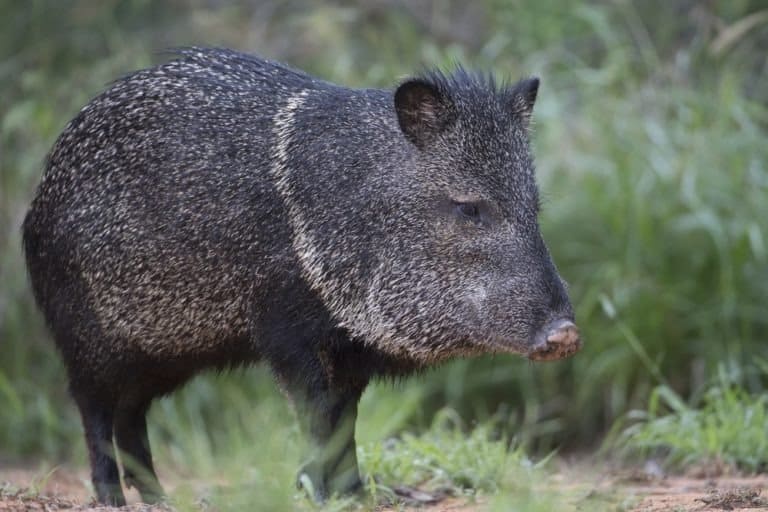
  • Invasive Wild Boar (Sus scrofa) has expanded widely across RS, increasing pressure on native vegetation, ground-nesting fauna, and wetland edges and complicating conservation management.
  • Some coastal megafauna sightings (notably Southern Right Whales) have become more frequent in parts of southern Brazil in line with broader population recovery after historical whaling, improving opportunities for responsible viewing.
  • Ongoing incidental capture (bycatch) and coastal development pressures continue to drive concern for Franciscana Dolphins and sea turtles along the RS coast; improved monitoring exists, but population trends remain sensitive to fisheries management.
  • Broad-snouted Caiman populations persist in protected wetlands, but are vulnerable to habitat alteration and water quality changes; localized recoveries occur where wetland protection and enforcement are strong.
Visit

Wildlife Viewing

Rio Grande do Sul offers varied temperate wildlife viewing: Atlantic coastal lagoons and beaches with migrating shorebirds, sea lions and occasional whales; vast pampas grasslands with raptors and open-country mammals; and subtropical Atlantic Forest in the Serra Gaucha with rich birdlife and endemic species. Key sites are Lagoa dos Patos, the Taim wetlands, dune-and-lagoon coasts, and forested highlands.

Best Seasons

Summer (Dec-Feb)

Warmest months on the coast; excellent for beach-and-lagoon birding (terns, gulls, skimmers) and wetland wildlife at dawn/dusk. Long days are great for photography, but heat haze and midday glare can reduce viewing; plan early starts. Sea conditions can be variable-good for coastal watching from headlands and jetties.

Autumn (Mar-May)

One of the best all-around windows: milder temperatures, active wildlife, and strong movements of migratory shorebirds using coastal lagoons, estuaries, and mudflats. Forest trails in the Serra become more comfortable for longer birding hikes, and wetlands often hold mixed flocks of herons, ibises, and ducks.

Winter (Jun-Aug)

Prime season for the northern coast around Torres: Southern right whales migrate close to shore and are sometimes visible from beaches and cliffs. Cooler weather boosts raptor activity over pampas and agricultural mosaics. It's also a productive time for wetland birds (geese/ducks depending on water levels) and for clear, crisp forest birding days.

Spring (Sep-Nov)

Breeding season intensity: bird song, displays, and nesting activity ramp up in Atlantic Forest and wetlands. Wildflowers and fresh growth improve scenic value on the pampas. It's a top time for birders seeking endemic and forest specialists in Aparados da Serra and Serra Geral; insect activity rises, so bring repellent for wetland outings.

Top Wildlife Experiences

  • Whale watching from shore (and guided coastal lookouts) in Torres and nearby beaches during winter (Jun-Aug), scanning for southern right whales close to the surf zone.
  • Wetland safari in the Taim Ecological Station area (near Rio Grande/Santa Vitoria do Palmar): early-morning drives and observation stops for capybaras, coypu, caimans, and dense concentrations of waterbirds (herons, spoonbills, ibises).
  • Birding the Lagoa do Peixe National Park (near Mostardas/Tavares): search dunes, lagoons, and mudflats for migratory shorebirds and large congregations of flamingos (seasonal/irregular), plus terns and skimmers along the barrier coast.
  • Sunrise bird photography along the Lagoa dos Patos margins (e.g., Sao Jose do Norte/Rio Grande region): marsh edges and shallow bays can produce dramatic mixed flocks of waders, waterfowl, and raptors.
  • Atlantic Forest birding in Aparados da Serra & Serra Geral National Parks (Cambará do Sul): hike canyon rim and forest trails for toucans, trogons, woodpeckers, and mixed-species flocks; combine with dawn chorus sessions for best detection.
  • Pampas raptor and grassland bird circuit in the Campanha region (around Bagé-Dom Pedrito-Santana do Livramento): roadside scanning and ranch tracks for caracaras, hawks, owls, and open-country specialists; best with a local guide who knows access points.
  • Coastal lagoon circuit on the North Coast (Osório-Tramandaí-Imbé): stop at lagoons and wetlands for waterbirds, capybaras, and seasonal migrants; great as a flexible day trip from Porto Alegre.
  • Boat-based wildlife and scenery outing in the Delta do Jacui State Park (Porto Alegre region): calm-water birding for herons, kingfishers, and marsh species with easy logistics from the capital.

Wildlife Watching Types

Shore-based whale watching (Southern right whale season on the North Coast) Wetland birding and wildlife drives (marshes, lagoons, rice landscapes) Migratory shorebird watching (coastal mudflats, lagoons, barrier islands) Atlantic Forest birding (mixed flocks, canopy species, endemics) Pampas grassland wildlife viewing (raptors, open-country birds, mammals) Boat trips in river deltas and lagoons (calm-water birding and photography) Night spotlighting/crepuscular outings (owls, nocturnal mammals-where permitted with guides) Nature photography trips (sunrise wetlands, dune-lagoon landscapes, canyon viewpoints)

Guided Options

  • Lagoa do Peixe National Park local guiding (Mostardas/Tavares): birding-focused guides commonly offer day trips targeting shorebirds and lagoon specials; ask for tide/water-level planning and 4x4 access where needed.
  • Whale-watching lookouts and local nature guides in Torres (winter): guided shoreline sessions with scopes, interpretation on whale behavior, and best-time planning for sea state and visibility.
  • Aparados da Serra / Serra Geral specialist bird guides (Cambará do Sul): full-day or multi-day birding hikes on forest and canyon trails, often tailored to target species and mixed-flock strategy.
  • Taim wetlands private guides and photographers (Rio Grande/Santa Vitoria do Palmar corridor): vehicle-based wildlife tours timed to dawn/dusk with emphasis on marsh birds and mammal encounters.
  • Porto Alegre-based ecotour operators for Delta do Jacui: short boat trips and urban-adjacent birding days ideal for travelers with limited time.
  • Ranch-based nature experiences in the Campanha pampas: guided drives and birding on private lands, combining grassland wildlife with local culture-best arranged in advance for access permissions.
Habitats

Ecosystems

Rio Grande do Sul lies where the subtropical Atlantic Forest meets the temperate Pampas, making a patchwork of grasslands, mixed and seasonal forests, river corridors, coastal dunes, big lagoon-estuary systems, and wide wetlands. Farming and ranching have changed much native vegetation, leaving key remnants in protected areas, steep slopes, riversides, and the coastal plain (e.g., Patos–Mirim and Taim wetlands).

Biomes

Temperate Grassland

Pampas (southern Brazilian grasslands) dominate much of the southern and western lowlands, with native bunchgrasses and forbs and scattered shrubs; widely converted to cattle ranching and crops.

About 60-65% of Rio Grande do Sul (the Pampa biome), concentrated in the southern and western parts of the state along the Uruguay and Argentina borders; the remainder is mostly Atlantic Forest formations.

Temperate Forest

Subtropical/temperate-leaning Atlantic Forest formations occur as Araucaria-dominated mixed forests on the plateau and seasonal (semi-deciduous) forests in river valleys and the western/northwestern interior; highly fragmented but locally biodiverse.

Roughly ~20-30%, concentrated in the northeastern highlands/plateau and along major river systems; much reduced from original extent.

Freshwater

Large river networks (Uruguay, Jacuí and tributaries), floodplains, and numerous lagoons support migratory fish, aquatic macrophyte beds, and vital drinking/irrigation supplies.

Statewide along major basins; most prominent in central depressions and western/northwestern drainage systems.

Wetland

Extensive marshes, wet meadows, peatier highland pockets, and especially coastal-plain wetlands associated with lagoons and dune fields (notably the Taim system) provide key habitat for waterbirds and amphibians.

~5-10%, concentrated on the coastal plain and around lagoon margins; smaller patches in interior floodplains and uplands.

Marine

Warm-temperate Southwestern Atlantic coastal waters, including nearshore surf zones, sandy seabeds, and estuarine-influenced areas tied to the Patos Lagoon outlet; important for fisheries and migratory marine fauna.

Along the entire Atlantic coastline; strongest estuarine influence near the Patos Lagoon mouth (Rio Grande region).

Habitats

Grassland

Native Pampas grasslands with high plant diversity; many areas converted to pasture and cropland, but remnants persist on shallow/rocky soils and in conservation units.

Forest

Atlantic Forest remnants and riparian forests; key refuges on escarpments and protected areas, supporting high bird and mammal diversity.

Deciduous Forest

Seasonal/semi-deciduous forests in warmer interior valleys and western portions, often along the Uruguay River basin; highly fragmented and interspersed with agriculture.

Coniferous Forest

Araucaria (Araucaria angustifolia) mixed forests on the plateau (often with broadleaf associates); heavily reduced by logging and land conversion, with notable protected remnants.

Woodland

Open-canopy forest/parkland transitions and forest edges between Campos and Atlantic Forest, often shaped by fire regimes, grazing, and soil conditions.

Shrubland

Coastal sandy-plain shrublands and dune-associated scrub on sandy soils; also shrub patches within grasslands under grazing/fire pressure.

River/Stream

Major rivers (Uruguay, Jacuí, Taquari-Antas, Sinos, Gravataí) with riparian corridors crucial for connectivity, water quality, and flood buffering.

Lake

Large lagoon/lake systems including Patos Lagoon and Mirim Lagoon, plus many smaller coastal and interior lakes; important for fisheries and birdlife.

Wetland

Floodplain wetlands and coastal-plain wetland complexes (e.g., Taim), supporting marsh vegetation, amphibians, and large numbers of resident and migratory waterbirds.

Marsh

Reedbeds and marshes fringing lagoons and slow-moving waters (Patos-Mirim margins, deltaic areas), often dominated by emergent macrophytes.

Bog

Small, localized peat-accumulating wetlands in cooler/highland settings and seepage zones; sensitive to drainage and land-use change.

Estuary

Patos Lagoon estuarine outlet near Rio Grande, with strong salinity gradients driving high productivity and nursery habitat for fish and crustaceans.

Coastal

Long sandy coastal plain with dunes, barrier-lagoon systems, and wind-driven processes; high vulnerability to erosion and habitat disturbance.

Beach

Extensive ocean beaches and foredunes along the Atlantic coast; important for coastal dynamics and some shorebird use.

Rocky Shore

Limited rocky headlands/outcrops compared to sandy shores, but locally important for intertidal communities where present.

Open Ocean

Nearshore to offshore waters supporting fisheries and seasonal movements of marine fauna; influenced by subtropical-temperate oceanographic transitions.

Seabed/Benthic

Predominantly sandy/muddy continental-shelf substrates supporting benthic communities and demersal fisheries.

Urban

Major urban/industrial centers (e.g., Porto Alegre metro, Caxias do Sul, Pelotas, Rio Grande) exert pressure via habitat loss, pollution, and altered hydrology.

Agricultural/Farmland

Extensive soy, rice (notably in lowlands), wheat, and other crops; ranching and silviculture reshape grassland-forest mosaics and water regimes.

Ecoregions

Uruguayan savanna - WWF Terrestrial Ecoregion Araucaria moist forests - WWF Terrestrial Ecoregion Serra do Mar coastal forests - WWF Terrestrial Ecoregion
Protection

Conservation

Primary Threats

  • Ongoing conversion and fragmentation of Pampas grasslands into cropland and planted forests, plus loss of coastal dune and sandy-scrub vegetation and wetland margins around the Patos-Mirim lagoon complex. In the Atlantic Forest/Araucaria zone, remaining forest is highly fragmented, isolating populations of forest-dependent birds and mammals.
  • Expansion/intensification of soy and irrigated rice drives grassland conversion, wetland drainage/leveeing, and simplification of habitat mosaics. Rice irrigation networks and levees alter hydrology in lowlands and can reduce habitat suitability for marsh birds and amphibians.
  • Hydrological alteration of floodplains and coastal wetlands (drainage channels, dikes, water control for rice and pasture), suppression or alteration of natural fire and grazing regimes in the southern grasslands, and large-scale silviculture (pine/eucalyptus) that converts open habitats into closed-canopy stands.
  • Nutrient and pesticide runoff from intensive agriculture affects lagoons and estuaries (including the Patos Lagoon), while industrial and urban effluents impact major watersheds (for example, the Sinos, Gravatai, and Guaiba/Jacui system). Marine debris and oil and port-related risks affect the Rio Grande port/estuary region and the open coast.
  • High fishing pressure in coastal waters and estuaries, combined with illegal/unsustainable practices, reduces prey availability and increases incidental capture risk for coastal dolphins and sea turtles. Artisanal gillnet fisheries are a key interaction point for threatened small cetaceans.
  • Beach tourism, off-road vehicles on dunes, and uncontrolled recreation in sensitive coastal sectors disturb shorebirds (including migratory species) and can damage dune/restinga vegetation. Disturbance near lagoon margins affects roosting and breeding waterbirds.
  • RS is a significant source/route for illegal capture and trade of passerines (seedeaters) and parrots; pressure is elevated in grasslands and Araucaria forest mosaics where threatened species are targeted for the cage-bird market.
  • Illegal hunting persists in rural landscapes, affecting grassland and wetland mammals (e.g., deer) and some large birds. Retaliatory killing can occur when carnivores prey on livestock.
  • Conflict is most evident between livestock producers and native carnivores (e.g., puma) in ranching landscapes, and between artisanal fishers and dolphins where fishing gear damage or perceived competition leads to harassment or risky interactions.
  • Wild boar (Sus scrofa) impacts native grasslands and wetlands via rooting and predation; invasive trees (especially Pinus spp.) spread over coastal dunes/grasslands; and aquatic invasives (e.g., golden mussel) alter freshwater systems, affecting food webs and infrastructure.
  • Yellow fever outbreaks have caused severe mortality in howler monkeys in southern Brazil (including RS), with population recovery slowed by habitat fragmentation. Disease risk is amplified where wildlife is stressed by land-use change.
  • Road networks increase mortality and fragment habitats (notably in coastal plain and forest remnants). Port/industrial expansion in the Rio Grande region, wind-energy and transmission corridors along the coast and uplands, and water-control structures for irrigation can further degrade key habitats.
  • Coal mining and associated infrastructure in parts of southern RS (e.g., Candiota region) and localized sand extraction on the coastal plain can degrade water quality, alter drainage, and add cumulative pressure in already-fragmented landscapes.
  • Sea-level rise and stronger storm surges threaten low-lying coastal wetlands, dunes, and lagoon margins; shifting rainfall patterns affect wetland hydroperiods critical for marsh birds and amphibians; and temperature extremes can increase fire risk and stress in Araucaria/Atlantic Forest remnants.
Fun Facts

Did You Know?

Though in Brazil, the winter ocean off Rio Grande do Sul is shaped by the cold Malvinas/Falklands Current, so it often sees subantarctic visitors like Magellanic penguins (Spheniscus magellanicus) during cold-season movements and strandings.

You can see Chilean flamingos (Phoenicopterus chilensis) in Rio Grande do Sul's coastal wetlands, especially at Taim Ecological Station and Lagoa do Peixe National Park. The state is a good place to spot them.

In Rio Grande do Sul's Araucaria highlands, the threatened red-spectacled amazon (Amazona pretrei) forms large seasonal flocks and moves year to year following Araucaria (Brazil pine) seed crops.

Pampas rheas (Rhea americana) flip the usual "mother-care" story: in Rio Grande do Sul's grasslands, the male builds the nest, incubates eggs from multiple females, and then escorts the chicks-often fiercely defending a moving "daycare" of young across open fields.

Some of Rio Grande do Sul's most threatened wildlife lives in working grasslands. Several Pampa birds, including declining seedeaters and other grassland specialists, need certain grazing, fire, and plant structures; planting trees everywhere can harm them.

Brazil's largest coastal lagoon (Patos Lagoon) sits in Rio Grande do Sul-and its vast estuary is one of the state's biggest wildlife nurseries, concentrating juvenile fish and crustaceans that, in turn, sustain top predators like dolphins and fish-eating birds.

The Ibirapuita Environmental Protection Area (about 316,000 hectares) is the largest protected area in Brazil created within the Pampa biome-important because Brazil's Pampa occurs almost entirely in Rio Grande do Sul and is packed with grassland-specialist wildlife.

Fish Lagoon National Park is an internationally recognized Western Hemisphere Shorebird Reserve Network (WHSRN) site of Hemispheric Importance. It holds huge numbers of migratory shorebirds—often tens of thousands—moving between Arctic breeding grounds and South American coasts.

On Rio Grande do Sul's coast, wild bottlenose dolphins (Tursiops truncatus) and local cast-net fishers are regularly seen working together near Tramandai and Imbe, one of few places with human-dolphin hunting partnerships.

Thank you for reading! Have some feedback for us?