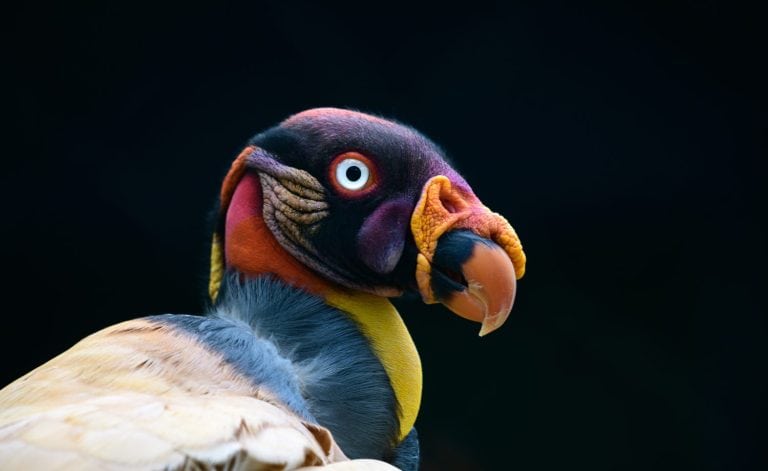
King Vulture
Color-crowned cleaner of the rainforest

Color-crowned cleaner of the rainforest
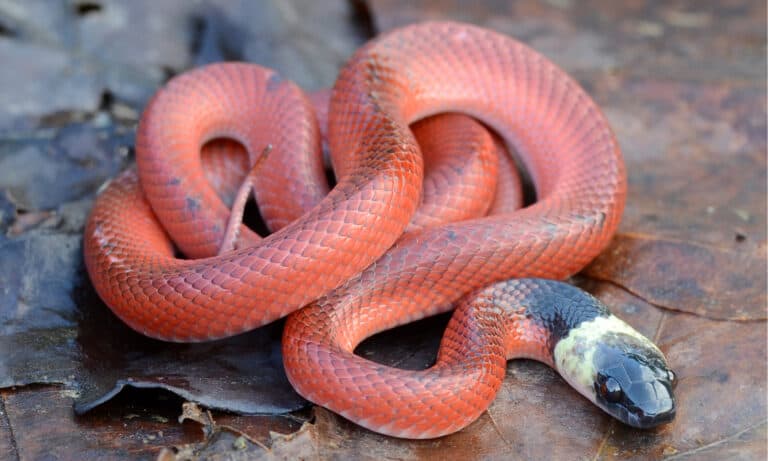
The Neotropical snake-eater
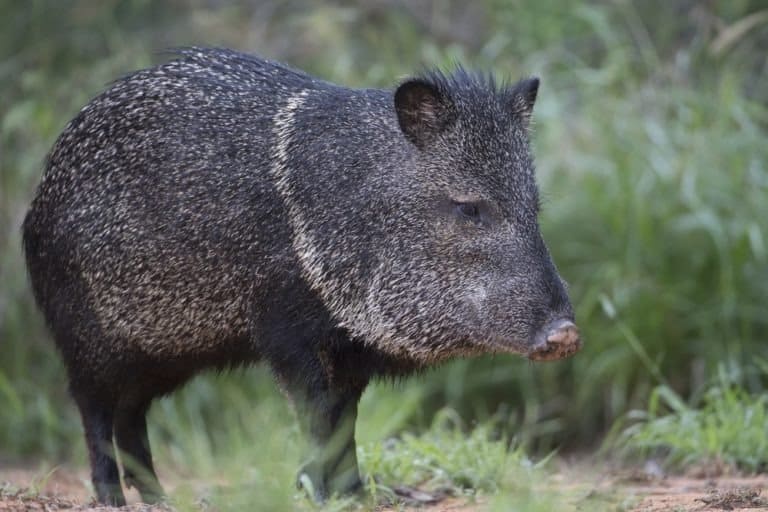
Not a pig-America's javelina
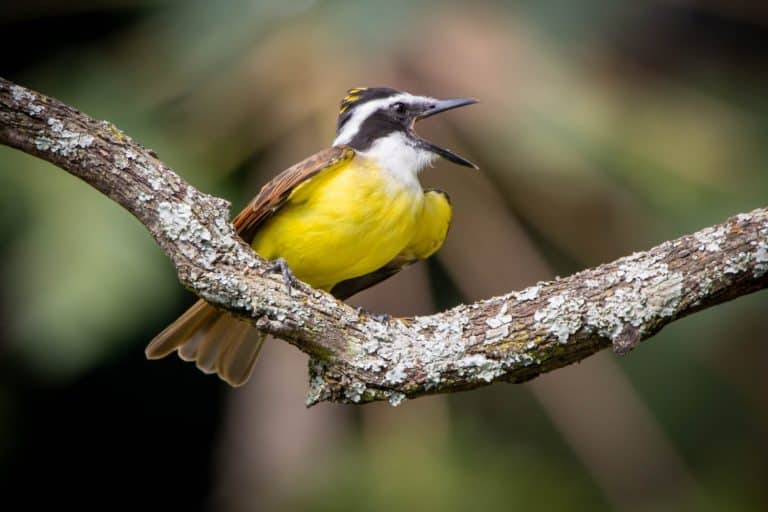
Hear it before you see it: Kiskadee!
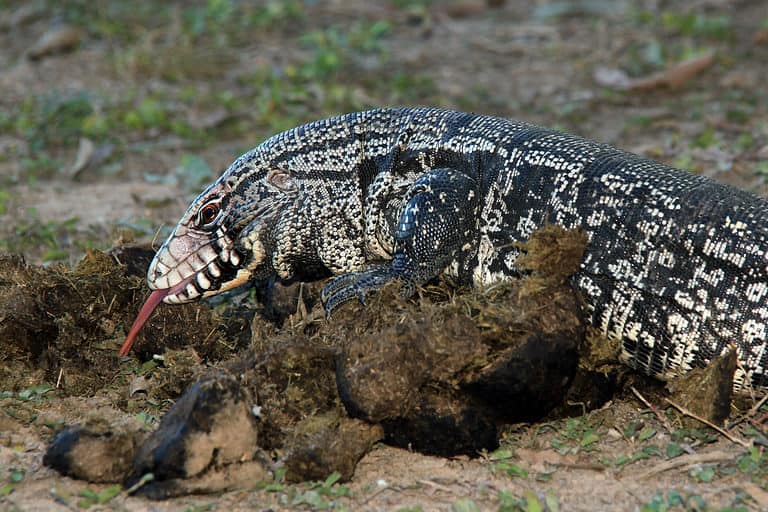
Big bands, bold brain, burrow life.
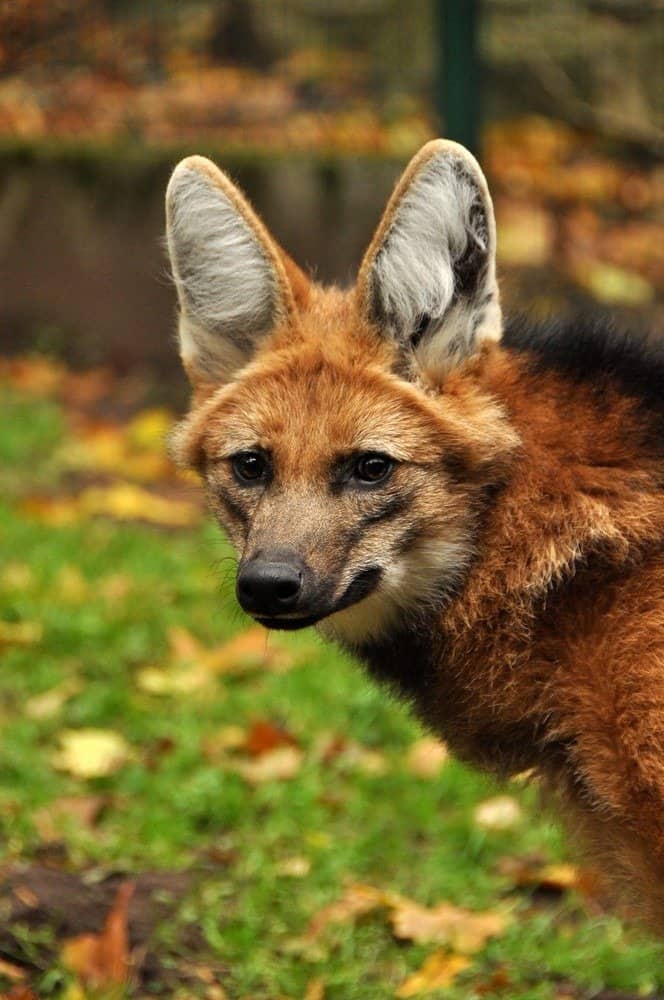
Cerrado's long-legged fruit-eating canid
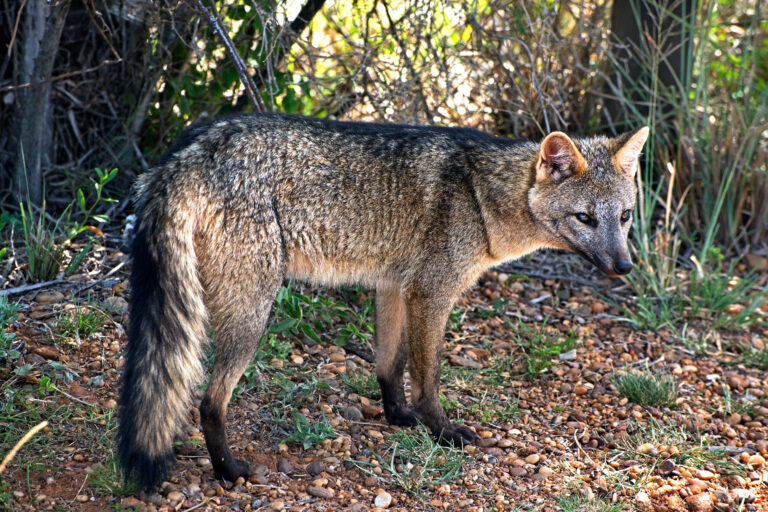
Adaptable 'not-a-fox' of South America
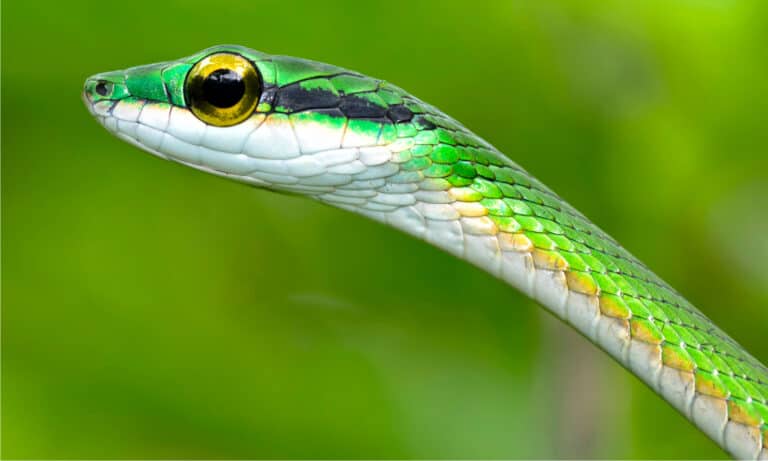
Green, swift, and sky-high by day
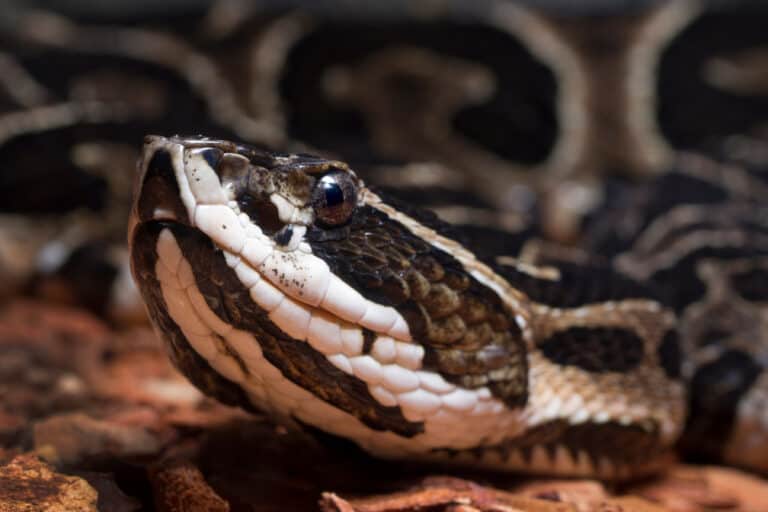
Urutu-cruzeiro: the cross-marked ambusher
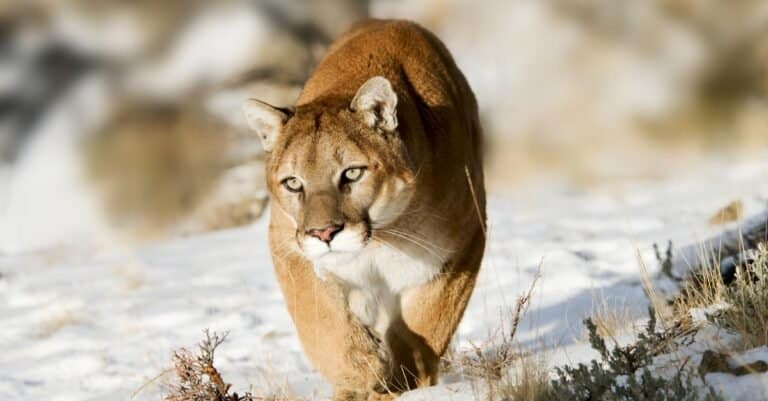
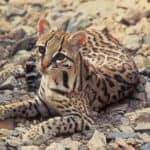
One cat, many names, endless range
Minas Gerais' wildlife is shaped by mountains, water, and meeting biomes. The Espinhaço Range and Mantiqueira Mountains make cool highlands, forested valleys, and open savannas close together, so very different species can live near each other. Many rivers start on rocky plateaus and cloudy ridges, so Minas Gerais feeds big river basins far away. Two biodiversity hotspots meet here: the Atlantic Forest and the Brazilian savanna. In Atlantic Forest remnants and gallery forests, thick canopies and humid spots support primates, colorful birds, frogs, and orchids. In the Brazilian savanna, fire-adapted grasslands and palm wetlands support open-country mammals, many raptors, and ground birds. The Espinhaço's rocky montane grasslands are like islands, with poor soil and exposed rock that make many plants and animals found only here. Compared to coastal states, Minas Gerais offers a patchwork of habitats and highlands where forest and savanna species, plus high-elevation endemics, can all be seen.
Minas Gerais’ inland, rugged land holds strong habitat contrasts: humid Atlantic Forest on eastern highlands and valleys; fire‑adapted Brazilian savanna (Cerrado) on higher plateaus; and semi‑arid thorn scrub in the north. Major rivers, especially the Sao Francisco, create riparian corridors, wetlands and floodplains. Mountains and karst areas create local endemism and microhabitats (caves, springs, rocky grasslands).
Approximately 76-2,891 m (low river valleys to Bandeira Peak on the Minas Gerais-Espirito Santo border, Caparao Mountains)
Minas Gerais has a large, varied protected-area network across major biomes and transition zones, especially the Brazilian savanna, Atlantic Forest remnants (including montane forests), and the Espinhaco Range's rocky montane grasslands with many species found only there. Protection comes from federal (ICMBio), state (IEF-MG), and large sustainable-use areas that guard headwaters for the Sao Francisco, Doce, Jequitinhonha, and Parana basins.
About 10-12% of the state is under some form of protected area (including sustainable-use units such as Environmental Protection Areas); roughly 4-6% is in stricter protection categories (for example, national and state parks, biological reserves, and ecological stations).
Iconic savanna highlands and the headwaters of the Sao Francisco River; among Brazil's best sites for open-habitat wildlife, with landscapes that make large mammals and rare birds easier to observe.
Rocky montane grasslands biodiversity hotspot in the Espinhaco Range with many endemic plants and specialized fauna; a key refuge for savanna/Atlantic Forest transition species and important headwaters.
Large, relatively remote Espinhaco landscapes (rocky fields, gallery forests, springs) that protect high endemism and maintain connectivity across northern Espinhaco headwaters; stronghold for wide-ranging savanna mammals.
Major karst and canyon system with extensive caves, limestone forests, and dry-forest/savanna mosaics; important for bat diversity, cave-associated fauna, and large mammals in a less-protected region of northern Minas Gerais.
Critical water-producing massif near the Belo Horizonte metropolitan region; protects ironstone outcrops, Atlantic Forest patches, caves, and springs, with high conservation value due to development and mining pressure nearby.
High-elevation Atlantic Forest and alpine grasslands around Pico da Bandeira; a key montane refuge for threatened primates and forest birds, with steep terrain that helps maintain larger, more intact habitat blocks.
A major remnant of Atlantic Forest in Minas Gerais with an extensive natural lake system; important habitat for forest wildlife and rich birdlife.
Montane Atlantic Forest protected area in eastern Minas Gerais (Serra da Mantiqueira region), important for biodiversity and watershed protection.
Cerrado savanna and rupestrian grasslands near Diamantina in the Espinhaço Range, protecting headwaters and rocky open habitats.
A compact but heavily visited highland park with quartzite outcrops, forest patches, and waterfalls that protects montane fauna.
State-level Wildlife Refuge (Refuge of Wildlife) in northern Minas Gerais within the São Francisco River basin, protecting wetlands, oxbow lakes, and gallery forest that function as important habitat for aquatic and wetland-dependent fauna.
Minas Gerais sits at a key natural crossroads in Brazil, where the Atlantic Forest in the east and south meets the Cerrado savannas and montane grasslands along the Espinhaço Range, shifting to Caatinga elements in the north. A mix of mountain ranges, gallery forests, wetlands, and large river basins (Sao Francisco, Doce, Jequitinhonha, and Parana headwaters) leads to many species and strong differences between habitats. Visitors can find Atlantic Forest primates and birds, Cerrado mammals like the maned wolf and giant anteater, and many freshwater species tied to the basins.
Minas Gerais is one of Brazil's best inland wildlife places, mixing Atlantic Forest, Brazilian savanna, high-altitude rocky montane grasslands, and big rivers (Sao Francisco, Doce, Jequitinhonha, Grande/Paranaiba). Expect great birding including endemics, larger park mammals, special reptiles and amphibians on rocks and streams, and unique cave life.
Best time for wildlife trips. Clear skies, cooler mountain nights, easier hiking and road travel, and animals gather at remaining water. Birding is best in open Cerrado and campos rupestres; raptors and large soaring birds are easier to see. Good for long treks in Serra do Cipó and visits to Serra da Canastra and Peruaçu.
"Bird season" kicks off: many species become more vocal and active with breeding. Wildflowers and fresh greenery return to campos rupestres; amphibian activity increases after the first rains. Expect some afternoon storms, but mornings can be superb for dawn birding and forest mammals.
Lush landscapes and peak amphibian/reptile activity, with dramatic waterfalls in Serra do Cipó and other mountain areas. Best time for night walks focused on frogs, night birds, and insects. Some trails and dirt roads can be muddy or temporarily closed; plan flexible itineraries and prioritize guided outings for safety and access updates.
A sweet spot: rains taper off, rivers still run, vegetation remains green, and trails begin to dry. Good mix of birding, hikes, and waterfall visits without the heaviest summer storms or the coldest winter nights in higher elevations.
Minas Gerais, in southeastern Brazil, is a place where many ecosystems meet: mountains (Espinhaco, Mantiqueira), plateaus, and headwaters. It mixes Atlantic Forest (east, high areas), Brazilian savanna (central/west), and dry seasonal forests and semi-arid scrublands in the north. Rivers (Sao Francisco, Doce, Jequitinhonha, Grande) add wetlands, though much land is now pasture, crops, mines, and plantations.
The Cerrado is the main biome in much of Minas Gerais, from open grasslands to shrub and woodland savannas, especially on central-west plateaus and intermontane basins, with frequent fires and poor soils.
Widespread across central, western, and parts of northern Minas Gerais; often the matrix outside major Atlantic Forest blocks.
Atlantic Forest occurs as moist montane forests and cloud-forest-like zones on eastern and southeastern highlands and escarpments, with many unique species and strong altitude turnover; in Minas Gerais often ombrophilous montane forests.
Patchy to locally extensive in the east/southeast and along humid mountain slopes; heavily fragmented outside protected areas.
Seasonal tropical forests (semi-deciduous/deciduous) occur in rain-shadow valleys and between Cerrado and Atlantic Forest, and farther north where drier. Patches on limestone or rich soils remain; trees lose many leaves in dry season.
Scattered belts and fragments across central/eastern interior valleys and more strongly toward the north/northeast; much reduced by agriculture and pasture.
Large headwater and river systems in Minas Gerais support diverse fish and riparian life: clearwater/blackwater Cerrado streams, rocky montane headwaters, and rivers feeding São Francisco, Paraná/Grande, Doce, and Jequitinhonha basins. Riparian corridors link fragmented landscapes.
Statewide via dense river networks; highest ecological importance in headwaters and intact riparian stretches.
Wetlands include Cerrado 'veredas' (palm swamps dominated by buriti), wet grasslands in valley bottoms, riparian floodplains, marshy headwater seeps, and reservoir-edge wetland mosaics. These are biodiversity hotspots and key dry-season water sources.
Localized but widespread in suitable valley bottoms and along drainage lines; especially notable in Cerrado areas (central/west/north) and floodplain pockets.
Atlantic Forest remnants and seasonal forests in mosaics with agriculture and pasture; key strongholds occur in protected mountain areas (e.g., Serra do Cipó region, Mantiqueira sectors, parks in the east).
Humid Atlantic Forest on wetter slopes and higher-elevation zones (often montane/moist forest rather than coastal lowland rainforest), with epiphytes and strong altitudinal gradients.
Seasonally dry deciduous and semi-deciduous forests in interior valleys and transition zones, often on more fertile or limestone-derived soils and highly threatened by clearing.
Cerradão (dense woodland savanna) and woodland edges forming transitions between open Cerrado and forests; important for wide-ranging mammals and birds.
Open grasslands and high-elevation grasslands, including rupestrian grasslands on quartzite/ironstone substrates with many endemic plants.
Classic Cerrado savanna mosaics (open campo sujo to shrub savanna) shaped by seasonal drought, fire, and poor soils; widely distributed across central/western Minas.
Shrubby Cerrado formations and rocky scrub on shallow soils, including xeric shrub patches on exposed ridges and plateaus.
Major ranges (Espinhaço, Mantiqueira) create cool/windy ridge environments, steep gradients, and isolated habitats that drive endemism and microclimates.
Karst and limestone cave systems (notably in regions like Lagoa Santa and the Peruacu area) with specialized subterranean fauna and important bat roosts.
Rock outcrops, escarpments, and quartzite/ironstone cliffs (common in the Espinhaco Range and the Iron Quadrangle) hosting specialized plants and nesting sites for birds.
Headwater streams and major rivers (São Francisco, Grande, Doce, Jequitinhonha and tributaries) supporting riparian forests, migratory fish routes (where unobstructed), and riverine wetlands.
Natural and artificial lakes/reservoirs (hydropower and water supply) that create lentic habitats and shoreline wetland mosaics, though often with altered flow regimes.
Small ponds, cattle tanks, and seasonal pools in Cerrado landscapes important for amphibians and aquatic invertebrates during the rainy season.
Valley-bottom wetlands and seepage areas, including peatier headwater zones in some highlands and extensive wet grasslands in Cerrado depressions.
Palm swamps dominated by moriche palm and other swampy headwater wetlands that stabilize water flow and provide refuges during the dry season.
Marshes along floodplains, reservoir margins, and slow-flowing tributaries with emergent vegetation and high bird use.
Large urban centers (e.g., Belo Horizonte metropolitan region) creating heat-island effects, river channelization, and fragmented green spaces that still function as corridors when managed.
Expanding peri-urban belts with mixed housing, small farms, and secondary vegetation; often the front line of habitat fragmentation near major cities.
Pasture and crop mosaics (including coffee in suitable highland zones, grains in flatter Cerrado areas) that replace native vegetation and pressure riparian buffers.
Commercial tree plantations (notably eucalyptus and pine in some areas) that simplify habitat structure but can provide partial connectivity when managed with native set-asides.
Despite its fox-like look, the maned wolf (Chrysocyon brachyurus) is a major fruit-eater in Minas Gerais; it regularly consumes the wolf apple (Solanum lycocarpum) and disperses its seeds, functioning as a key Cerrado seed-spreader.
The northern muriqui is known for unusually peaceful social behavior for a large primate-males often use embraces to diffuse tension, and serious fights are rare compared with many other monkey species.
Minas Gerais has true cave-adapted fish: the Itacarambi blind catfish (Trichomycterus itacarambiensis) from limestone caves in the Itacarambi region has reduced/absent eyes and little pigment-classic evolution to permanent darkness.
The Brazilian merganser is a "duck of rapids," not ponds: it depends on clear, fast-flowing rivers with rocky channels and nests in cavities (not reed beds), making it extremely vulnerable to siltation and river damming.
In the nutrient-poor soils of the Espinhaco rupestrian grasslands, carnivorous plants are common-sundews (Drosera) and bladderworts (Utricularia) trap insects to supplement nitrogen and phosphorus where the ground provides very little.
Minas Gerais is a key home for the northern muriqui (Brachyteles hypoxanthus), the largest primate in the Americas. Atlantic Forest reserves like Feliciano Miguel Abdala Reserve (Caratinga) hold one of the biggest monitored populations.
In northern Minas Gerais, Big Window Cave in Peruacu Caves National Park contains the famed 28-meter stalactite known as the "Ballerina's Leg," often cited among the largest in the world.
Canastra Range National Park is one of the most important remaining breeding refuges for the Brazilian merganser (Mergus octosetaceus), a Critically Endangered duck with only a few hundred individuals left globally.
Minas Gerais' Cerrado and highland mosaics support the maned wolf (Chrysocyon brachyurus), the tallest wild canid in South America-an animal so long-legged it can see over tall grass while hunting.
The Cipo Mountains (part of the Backbone Mountain Range) have very high plant diversity and many endemic species in rocky montane grasslands: over 1,600 vascular plant species recorded in and near Cipo Mountains National Park.
29 species documented in our encyclopedia
Thank you for reading! Have some feedback for us?
We appreciate your help in improving our content.
Our editorial team will review your suggestions and make any necessary updates.
There was an error submitting your feedback. Please try again.