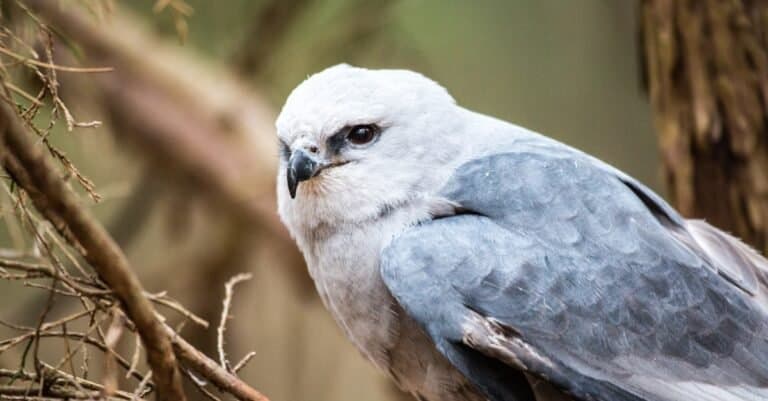
Mississippi Kite
The buoyant insect-hawk of summer

The buoyant insect-hawk of summer
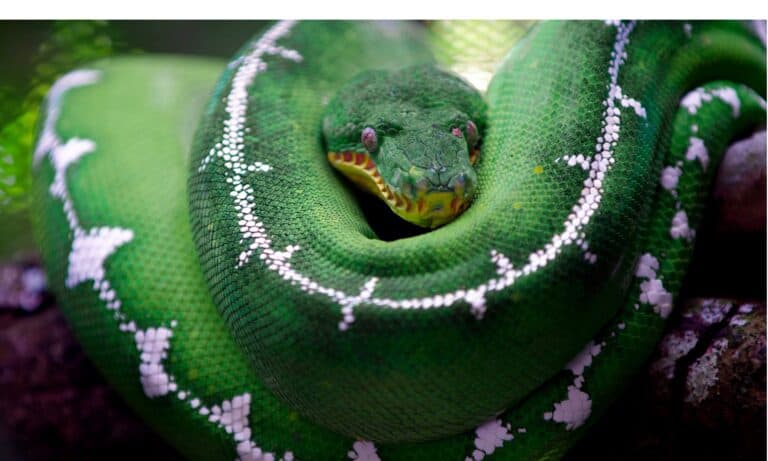
Green ghost of the Amazon canopy
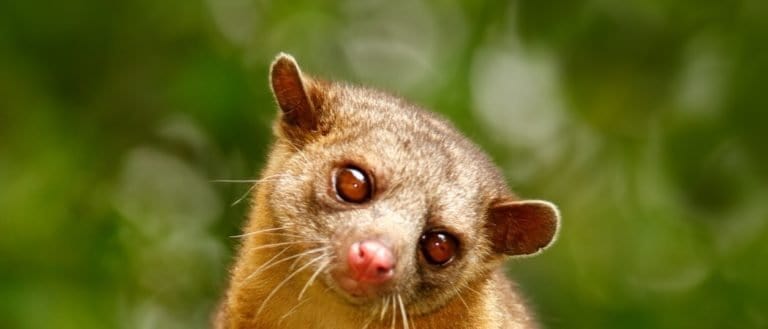
Tail-grip nectar sipper of the canopy
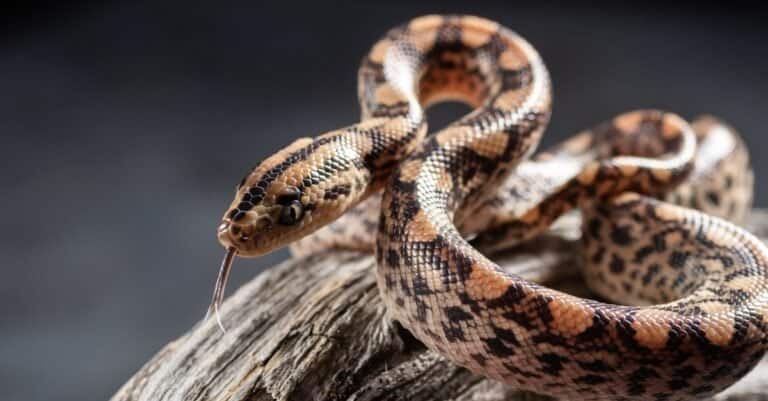
Prism-scaled constrictor of the rainforest
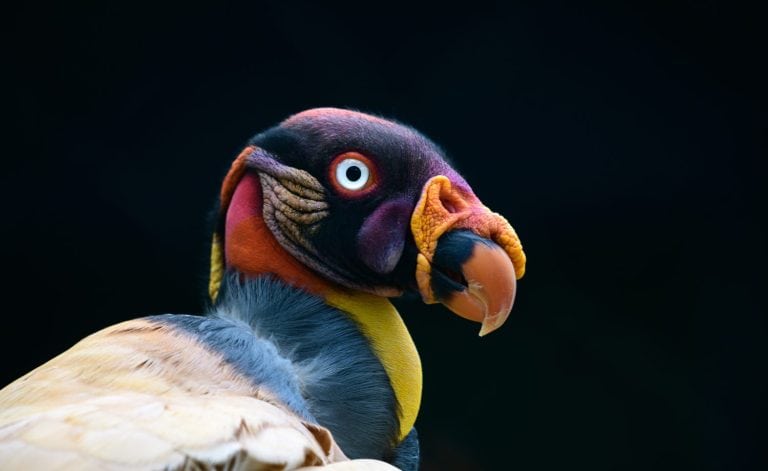
Color-crowned cleaner of the rainforest
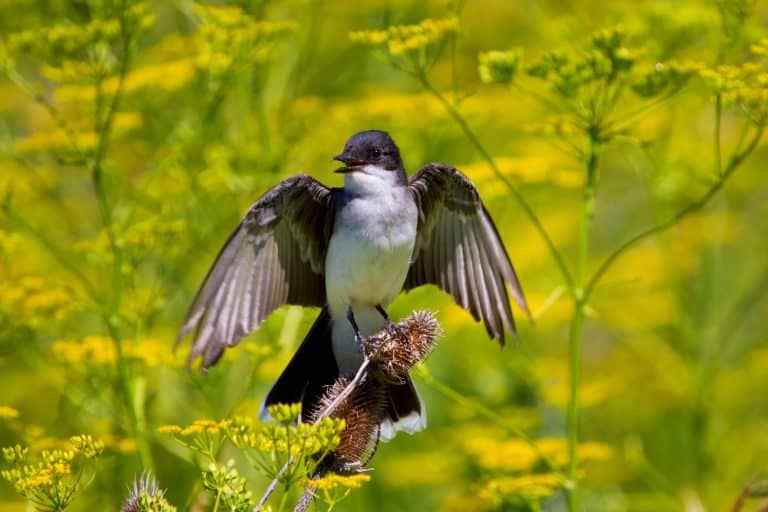
Tiny tyrant with a white-tipped tail
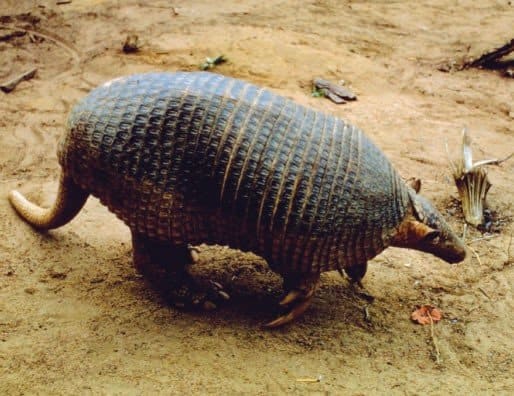
Big burrows. Bigger impact.
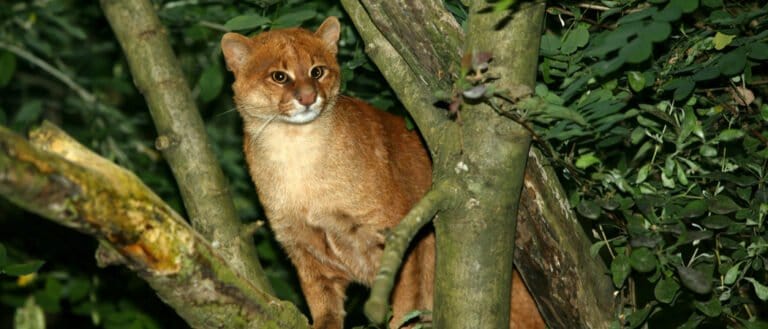
The daytime cat with an otter build
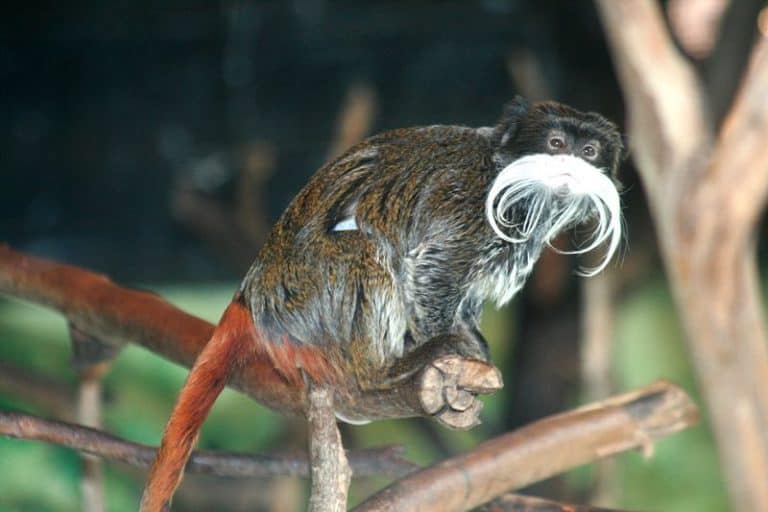
The rainforest monkey with a moustache
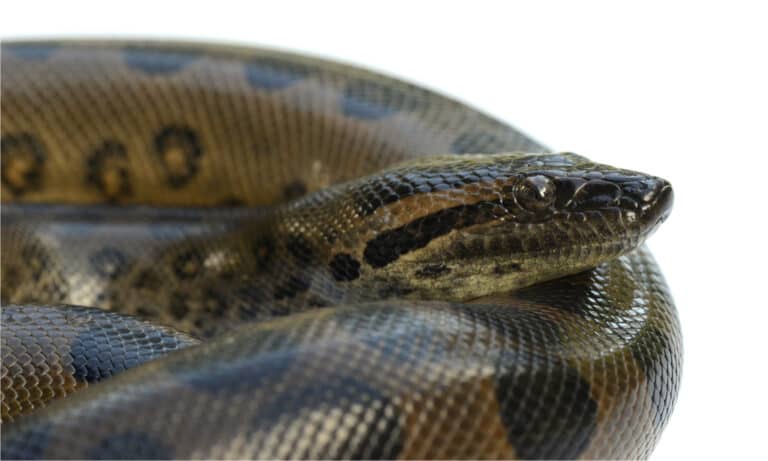
Built for wetlands. Powered by constriction.
Acre is mostly vast, humid lowland rainforest and some of the most intact western Amazon. It has very high species richness and active natural processes. Protected areas and extractive reserves form a mosaic that keeps forests standing and homes for wide-ranging predators, secretive forest birds, and many primates.
Key habitats include terra firme rainforest on well-drained uplands, seasonally flooded forests and river margins that draw animals when waters rise, and open patches and bamboo-dominated forests that add variety. This mix supports canopy specialists like toucans, cotingas, and monkeys, shy understory birds and mammals, top predators, and rivers and wetlands full of reptiles, aquatic mammals, fish, and invertebrates.
Acre sits in the far western Amazon, with forest links to Peru and Bolivia, many bamboo forests, and large connected blocks that give deeper-forest encounters, richer soundscapes, and better chances to find species of intact landscapes.
Acre's wildlife is shaped by its spot in the western Amazon Basin, with wide lowland rainforest cut by big rivers and seasonal floodplains. The state has unflooded upland forests, seasonally flooded whitewater and blackwater floodplain forests, and the rugged Divisor Range near Peru. These moisture and habitat differences affect where species live and move.
~130 m to ~609 m (Divisor Peak in the Divisor Range)
Acre's protected-area system is one of the largest in Brazil's western Amazon, combining large federal conservation units (national parks, extractive reserves, national forests, and ecological stations) with state parks and vast Indigenous Lands. Many are remote and roadless, forming cross-border habitat blocks with Peru and Bolivia that protect Juruá and Purus headwaters, keep rainforest intact, and support jaguar and giant otter.
≈35-40% of Acre in formal conservation units (protected areas); roughly ≈60-70% when Indigenous Lands are included (varies by source/definitions).
A vast, extremely remote block of intact rainforest and river systems on Brazil's western frontier, crucial for landscape-scale conservation, apex predators, and riverine wildlife (including oxbow-lake habitats).
Known for dramatic ridges, waterfalls, and an Andean-Amazon transition that boosts biodiversity; a standout area for birds, primates, and intact forest wildlife viewing (by river/trek, often with local guides).
Acre state park protecting a large block of Amazon rainforest, supporting intact habitat for native wildlife in a remote headwaters landscape.
Strictly protected lowland forests and riverine habitats demonstrates high conservation value for aquatic fauna and floodplain-associated birds; important as a no-take reference area in the Acre River basin.
A large sustainable-use federal forest that protects extensive Purus-basin rainforest and supports conservation-compatible livelihoods; important for maintaining continuous habitat and reducing frontier fragmentation.
Protects forest and river habitats in the Upper Juruá region with strong value for freshwater biodiversity and intact riparian corridors; supports community-based stewardship that helps limit deforestation pressures.
Acre, in far western Brazil in the Amazon, has dense upland rainforest, seasonally flooded forests along the Purus and Jurua rivers, and bamboo stands that support unique western Amazon birds. Large protected areas and extractive reserves help keep the food chain with top predators like jaguar and harpy eagle, big plant-eaters such as tapir and peccary, and rich river life: otters, river dolphins and large migratory fish. Wildlife viewing is mostly by river or trail, with forest-interior and flooded-forest species and many animals active at night (primates, cats, frogs).

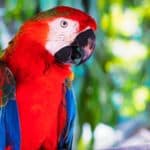
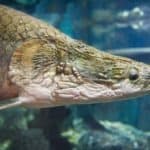
Acre in far western Brazil is an Amazon rainforest area where wildlife viewing happens on river trips, forest trails, and local ecotourism. Expect macaws, toucans, antbirds, capuchins, squirrel monkeys, caimans, and giant river otters. Tapirs, peccaries, jaguars, and pumas are often found by tracks and signs near protected areas and quiet tributaries.
Easier logistics and access: more passable roads/trails, clearer riverbanks for boat landings, and higher comfort for long hikes. Wildlife is often easier to detect near water sources and along exposed sandbars/edges; excellent for birding, primate watching, and caiman/otter searches on quieter waterways. Good season for multi-day treks and visiting remote parks with less weather disruption.
Forest productivity ramps up: fruiting and flowering increase bird and primate activity. Rivers begin rising, improving access by boat into forest channels while still offering decent trail days between rains. Great mix for photography: greener forest, dramatic skies, and active mixed-species flocks.
Best for boat-based exploration: seasonally flooded forests open up narrow channels and create close-up wildlife encounters from canoes. Strong chances for amphibians, reptiles, and night wildlife (frogs, snakes, caimans) on guided spotlight trips. Expect heavy rain, humidity, and occasional travel delays; pack waterproofing and plan flexible schedules.
Rivers start dropping and wildlife concentrates along receding shorelines. Excellent time for riverbank scanning (birds, caimans) and for combining boat trips with short hikes. Often fewer visitors and good conditions for both day walks and nocturnal outings.
Acre in northwestern Brazil's Amazon Basin is mostly covered by humid tropical rainforest with many plants and animals. It has dense upland evergreen forests, large rivers (Jurua, Purus, Acre and tributaries), and seasonally flooded whitewater and blackwater floodplain forests. No marine influence; aquatic life is freshwater. People have made pastures, small farms and plantations near towns and roads.
Evergreen lowland Amazon rainforest dominates, including upland forests on well-drained soils and extensive bamboo-dominated patches typical of the southwestern Amazon; supports high tree diversity, primates, large cats, and rich understory flora.
~85-95% of the state (dominant matrix; largest blocks in protected areas and Indigenous lands)
Large meandering rivers and tributary networks with oxbow lakes and seasonally connected channels drive fisheries and aquatic biodiversity; strong seasonal hydrology shapes habitats and species movements.
Widespread along all major basins; small in area footprint but continuous across the state
Seasonally flooded whitewater and blackwater floodplain forests, backswamps, and riparian wetlands of the Purus and Jurua provide nutrient cycling, store water, and serve as breeding habitat for fish, amphibians, and waterbirds.
~3-10%, concentrated along major river corridors and low-lying floodplains
Continuous Amazon rainforest canopy with high epiphyte and liana abundance; includes bamboo-rich forests common near the Peru/Bolivia frontier and across southwestern Amazon landscapes.
Upland evergreen forest on better-drained ground forming the main interior habitat, with high structural complexity and large emergent trees.
Major whitewater/clearwater rivers and many smaller blackwater tributaries; dynamic channels, sandbars, and riparian zones create diverse aquatic and edge habitats.
Oxbow lakes (meander cutoffs) and floodplain lakes seasonally connected to rivers; important for fish nurseries and aquatic vegetation.
Flooded forest mosaics and riparian wetlands that expand and contract with seasonal rains; critical for waterbirds, reptiles, and amphibians.
Low-lying permanently or long-duration flooded areas (backswamps) with saturated soils and specialized vegetation; often adjacent to floodplain forests.
Open, herbaceous wetland patches on floodplains, lake margins, and seasonally inundated clearings; supports aquatic grasses and emergent plants.
Human-modified mosaics (smallholder crops, pasture) concentrated near Rio Branco and along transport corridors; creates forest-edge environments and habitat fragmentation.
Localized managed plantings (e.g., agroforestry and commodity plantings in cleared areas) embedded within a broader forest matrix; typically near settled zones.
Urban habitats centered on Rio Branco and smaller municipalities; includes disturbed riparian stretches, secondary vegetation, and peri-urban green areas.
Acre's Serra do Divisor is one of the few places in Brazil where you can encounter "Andean" wildlife elements without leaving the country-its foothill forests host bird species far more typical of Peru/Bolivia than of most Brazilian Amazon lowlands.
Big rivers in Acre act like invisible walls for wildlife: for several Amazon primates and other forest species, distributions can change abruptly from one riverbank to the other, so two opposite banks can hold different "look-alike" species that rarely cross.
The emperor tamarin (Saguinus imperator), found in Acre, is named for its long white mustache. Early scientists joked it looked like German emperor Wilhelm II, a famous human-styled primate name.
In Acre's rainforests, some small dart frogs care for their young. Adults carry tadpoles on their backs to tiny water pools in plants like bromeliads, making high-up nurseries.
Giant river otters (Pteronura brasiliensis) in Acre's quieter oxbow lakes and river backwaters live in loud, highly social family groups that cooperatively defend territories-so a single encounter is often with an entire "clan," not a lone animal.
Serra do Divisor National Park (far western Acre) has one of the largest bird lists of any Brazilian national park-field inventories have documented 500+ species there, reflecting an unusual overlap of Andean-foothill and lowland Amazon birds.
Acre has one of Brazil's highest shares of forest protection. Much of the state is indigenous lands and conservation units, creating large, connected habitat in the western Amazon for jaguars, tapirs, and white-lipped peccaries.
Acre sits in the western Amazon "primate hotspot": surveys in the upper Juruá/Serra do Divisor region record more than a dozen primate species across a relatively small area-among the highest primate richness totals found within any single Brazilian state.
In Acre's intact western-Amazon landscapes, white-lipped peccaries (Tayassu pecari) can still form very large herds (often dozens to 100+ animals), a spectacle that has disappeared or become rare in many more-fragmented parts of Brazil.
32 species documented in our encyclopedia
Thank you for reading! Have some feedback for us?
We appreciate your help in improving our content.
Our editorial team will review your suggestions and make any necessary updates.
There was an error submitting your feedback. Please try again.