N S W E
Wildlife Expeditions

Wildlife of
Maranhão

At the junction of the Amazon rainforest and Brazil's savanna region, with extensive Atlantic coastal mangroves and dune fields, Maranhao is known for Lencois Maranhenses and diverse ecotone wildlife.
29 Species
331,983 km² Land Area
Overview

About Maranhão

Maranhao lies where the Amazon rainforest meets the Brazilian savanna and a long Atlantic coast. This mix makes many habitats close together, so the state supports forest, savanna, wetland, and coastal species. Along the coast, large mangrove forests and estuaries act as nurseries for fish and crustaceans and as feeding and resting areas for many waterbirds. Inland, a mix of savanna, gallery forests, and babassu palm landscapes gives homes for mammals and birds. The state is also known for its coastal dune field and seasonal freshwater lagoons in Lencois Maranhenses National Park, where temporary pools form after rains and hold aquatic life and wildlife. Overall, Maranhao combines mangroves, river floodplains, savanna-forest mosaics, and dune-and-lagoon systems because it sits between the Amazon and drier northeastern areas.

Physical Features

Geography

Maranhão in northern Brazil is an ecological crossroads. Coastal habitats—beaches, dunes, tidal flats and mangrove estuaries—grade inland to flooded lowlands and a mix of Brazilian savanna, gallery forests and wetter forest influenced by the Amazon Basin. These changes create habitat diversity, with waterbirds and estuarine animals in mangroves and wetlands and savanna and forest species in transition zones and rivers.

331,983 km² Land Area
8th largest state in Brazil Size Rank
Brazil Country
State Type
Elevation Range

Sea level to ~804 m (Serra da Cinta)

Coastline

Atlantic Ocean; a long, embayed coast with broad estuaries and bays (for example, Sao Marcos and Sao Jose) plus extensive mangroves and the dune-lagoon coast of Lencois Maranhenses.

Key Landscapes

Atlantic Ocean coastline with large estuaries and bays (including the Sao Luis / Maranhao Gulf region) Extensive mangrove belts and tidal flats (among the most extensive in Brazil), supporting nursery habitat for fish/crustaceans and rookeries/feeding areas for birds Lencois Maranhenses: vast coastal dune fields with seasonal freshwater lagoons, creating a distinctive wet-dry mosaic for aquatic and terrestrial wildlife Baixada Maranhense lowlands: seasonally flooded plains, marshes and lakes important for waterbirds, caimans and flood-adapted vegetation Major river basins and riparian corridors (Mearim, Pindare, Itapecuru, Grajau, Turiacu/Gurupi systems) linking interior habitats and concentrating wildlife along gallery forests Interior Brazilian savanna (savannas, open scrub savanna / dense woodland savanna and woodland mosaics), especially in the south/center-south, shaping distributions of open-habitat mammals, birds and reptiles; includes the Chapada das Mesas tablelands and escarpments with waterfalls and rocky habitats near the Tocantins border zone
Parks & Reserves

Protected Areas

Maranhão's protected areas include small Amazon rainforest patches in the west, a broad Brazilian savanna in the center-south, and a coast with dunes, lagoons, beaches, and large mangroves (Maranhão embayments). Protection uses strict parks (Lençóis Maranhenses, Chapada das Mesas, Gurupi) and sustainable-use areas supporting mangroves, fisheries, migratory shorebirds, and coastal communities. Highlights: dune-and-lagoon viewing, savanna wildlife, and Amazon forest species.

Protected Coverage

Approximately 28% of the state (approximate; largely via large Environmental Protection Areas and marine extractive reserves-strict-protection units make up a much smaller share).

National Parks & Preserves

Maranhao Sand Dunes National Park

≈155,000 ha (≈1,550 km²)

Coastal dune fields with seasonal freshwater lagoons; important for coastal biodiversity and migratory shorebirds.

Migratory shorebirds (for example, Semipalmated sandpiper) Green sea turtle (Chelonia mydas)

Mesas Plateau National Park

≈160,046 ha (≈1,600 km²)

Cerrado (Brazilian savanna) landscapes with canyons, waterfalls, and gallery forests; important habitat for wide-ranging Cerrado mammals.

Jaguar (Panthera onca) Puma (Puma concolor) Giant anteater (Myrmecophaga tridactyla) Maned wolf (Chrysocyon brachyurus)

Parnaiba River Headwaters National Park

≈729,813 ha total (≈7,298 km²; portion lies within Maranhao)

Large Cerrado headwaters and riparian corridors protecting the sources of the Parnaiba River; the park spans multiple states including part of Maranhao.

Maned wolf (Chrysocyon brachyurus) Giant anteater (Myrmecophaga tridactyla) Giant armadillo (Priodontes maximus)

State & Provincial Parks

Mirador State Park

≈700,000 ha (≈7,000 km²; commonly cited approximate figure)

One of Maranhão's largest protected Brazilian savanna areas, safeguarding extensive savanna mosaics and key river headwaters; notable for large mammals and intact gallery forests.

Jaguar (Panthera onca) Maned wolf (Chrysocyon brachyurus) Giant anteater (Myrmecophaga tridactyla) Lowland tapir (Tapirus terrestris) Collared peccary (Pecari tajacu)

Bacanga State Park

≈2,600-3,000 ha (≈26-30 km²; approximate)

Protects mangroves, wetlands, and forest remnants around São Luís, functioning as a critical urban-adjacent refuge for waterbirds and mangrove-dependent wildlife.

Crab-eating raccoon (Procyon cancrivorus) Capuchin monkeys (Sapajus spp.) Neotropical otter (Lontra longicaudis) Boat-billed heron (Cochlearius cochlearius) Scarlet ibis (Eudocimus ruber)

Manoel Luís Shoal Marine State Park

≈45,000 ha (≈450 km²; approximate)

Offshore marine park protecting reef habitats (rare in this section of Brazil's coast) that serve as nursery and feeding areas for fish, turtles, and marine mammals.

Hawksbill sea turtle (Eretmochelys imbricata) Green sea turtle (Chelonia mydas) Guiana dolphin (Sotalia guianensis) Reef fish assemblages (e.g., groupers and snappers) Spiny lobsters (Panulirus spp.)

Wildlife Refuges

Gurupi Biological Reserve

≈341,000 ha (≈3,410 km²)

Strictly protected Amazon forest remnant in western Maranhão-one of the most important refuges for Amazonian biodiversity in the state and a high-priority area for preventing further deforestation and fragmentation.

Jaguar (Panthera onca) Harpy eagle (Harpia harpyja) Lowland tapir (Tapirus terrestris) White-cheeked spider monkey (Ateles marginatus) Giant armadillo (Priodontes maximus)

Maranhão Embayments Environmental Protection Area

≈2,680,000 ha (≈26,800 km²)

One of Brazil's largest continuous mangrove/coastal wetland complexes, crucial for nursery habitats, artisanal fisheries, and large numbers of resident and migratory waterbirds; also supports threatened aquatic mammals in estuaries.

West Indian manatee (Trichechus manatus) Scarlet ibis (Eudocimus ruber) Guiana dolphin (Sotalia guianensis) Mangrove rail (Rallus longirostris) Migratory shorebirds (e.g., plovers and sandpipers)

Cururupu Marine Extractive Reserve

≈185,000 ha (≈1,850 km²; approximate)

Mangrove islands, tidal channels, and mudflats managed for sustainable use; highly important for shorebirds, nesting and roosting colonies, and maintaining estuarine productivity that benefits coastal biodiversity.

Scarlet ibis (Eudocimus ruber) West Indian manatee (Trichechus manatus) Guiana dolphin (Sotalia guianensis) Brown pelican (Pelecanus occidentalis) Migratory shorebirds (e.g., Semipalmated sandpiper)

Parnaíba Delta Marine Extractive Reserve (Maranhão-associated portion)

≈27,000 ha (≈270 km²; approximate; delta conservation mosaic includes additional protected areas)

A multi-state coastal delta system with dunes, channels, and mangroves; supports estuarine fisheries and is a major site for migratory birds and coastal wildlife (the reserve spans beyond Maranhão, but Maranhão is part of the delta complex).

Guiana dolphin (Sotalia guianensis) West Indian manatee (Trichechus manatus) Green sea turtle (Chelonia mydas) Neotropical otter (Lontra longicaudis) Migratory shorebirds (e.g., whimbrels and sandpipers)

Wilderness Areas

  • Gurupi-Turiacu forest block (western Maranhao), centered on Gurupi Biological Reserve and adjoining Indigenous lands (one of the largest remaining low-road Amazon forest landscapes in the state)
  • Remote interior dune fields and seasonal lagoon basins of the Maranhao Sand Sheets (Lencois Maranhenses National Park), away from the main visitor hubs
  • Upper Itapecuru and Alpercatas river headwaters in and around Mirador State Park (Cerrado plateaus and gallery forests with limited access)
  • Canyon and waterfall backcountry of the Chapada das Mesas tablelands (including Chapada das Mesas National Park), with comparatively low road density versus surrounding agricultural areas
  • Mangrove labyrinths and tidal-channel islands of the Maranhao Embayments (Reentrancias Maranhenses Environmental Protection Area), with many stretches primarily accessible by boat
Animals

Wildlife

Maranhao sits at one of Brazil's major ecological crossroads: Amazon-influenced lowland forests in the west, Cerrado savannas and gallery forests inland, and an extensive Atlantic coast with mangroves, tidal flats, dune fields, and seasonal lagoons (notably around Lencois Maranhenses National Park). This mosaic drives very high species turnover over short distances-Amazonian forest fauna (for example, large cats and primates) overlaps with Cerrado specialists and a rich coastal assemblage of mangrove birds, migratory shorebirds, sea turtles, and estuarine fishes.

~170-210 species (mix of Amazonian forest, Cerrado, and coastal/estuarine mammals) Mammals
~600-720 species (very diverse; includes major coastal migrant concentrations) Birds
~130-170 species (including sea turtles and crocodilians) Reptiles
~90-140 species (highest in forested west and riparian habitats) Amphibians
~800-1,200+ species (combined freshwater Amazon-influenced basins + estuarine/coastal fishes; inventories vary by watershed) Fish
Examples

Iconic Species

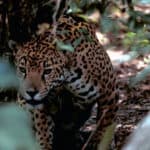
Jaguar
Jaguar Still present in Maranhão's western forest blocks and large mosaics of forest-savanna; a flagship for the remaining Amazonian habitats in the state (e.g., Gurupi region) and a key draw for wildlife-focused visitors and researchers.
Giant Otter
Giant Otter A marquee Amazonian wetland predator occurring in suitable rivers and oxbows in the west; its presence signals relatively intact aquatic ecosystems.
Red-handed Howler Monkey One of the most conspicuous primates in forest edges and riverine forests; its loud dawn choruses are a classic forest experience in Amazon-Cerrado transition zones.
Scarlet Ibis An emblem of Maranhao's mangroves and tidal estuaries; large evening flights to roosts are among the state's signature wildlife spectacles.
West Indian Manatee A flagship coastal/estuarine mammal of northeastern Brazil; Maranhão's mangroves, bays and river mouths are important habitat for this threatened species.
Green Sea Turtle Commonly encountered along the coast and near reefs/nearshore feeding areas; Maranhão's beaches and coastal waters form part of regional nesting/foraging networks protected by long-running conservation efforts.
Hawksbill Sea Turtle A prized but threatened species associated with reef and hard-bottom habitats; Maranhão is within its northeastern Brazilian range, with beaches used for nesting in parts of the region.
Spectacled Caiman A widespread caiman of rivers, lakes, and mangrove-fringed estuaries in northern Brazil, including Maranhao; often seen basking along waterways and in coastal wetlands.
Giant Anteater A Cerrado flagship found in savannas and open habitats inland; its occurrence highlights Maranhão's strong Cerrado component beyond the coastal dunes and western forests.
Guiana Dolphin A characteristic small dolphin of bays and estuaries; frequently associated with mangrove-lined channels and coastal fisheries, making it one of the most visible marine mammals for visitors.

Endemic & Rare Species

Ka'apor Capuchin

Sapajus kaapori

Critically Endangered (very restricted eastern Amazon range; severe habitat loss and fragmentation)

One of the most range-restricted primates in Brazil, centered on the Pará-Maranhão endemism region; Maranhão's remaining western forests are vital for its survival.

Belem Curassow

Crax pinima

Critically Endangered

A highly threatened large gamebird of the Belem area of endemism in eastern Amazonia; Maranhao historically supported populations, and any remaining groups are of exceptional conservation importance.

West Indian Manatee

Trichechus manatus

Vulnerable globally; Endangered in Brazil (small, fragmented population; threats from entanglement, habitat change)

Maranhão's mangroves and estuaries provide key refuge and movement corridors; the species is a priority for rescue/rehabilitation and releases along northeastern coasts.

Giant Otter

Pteronura brasiliensis

Endangered (sensitive to disturbance; dependent on intact river systems)

A focal species for western Maranhão waterways; persistence depends on good water quality, fish availability and low persecution.

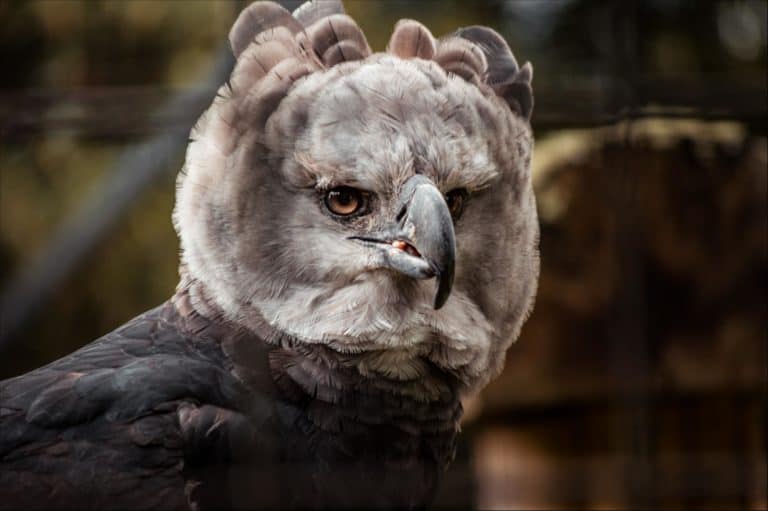
Harpy Eagle

Harpia harpyja

Near Threatened (declining in parts of eastern Amazon due to forest loss)

A powerful forest raptor tied to large trees and extensive forest; Maranhão represents the eastern edge of strongholds where remaining forest blocks still allow breeding.

Goliath Grouper

Epinephelus itajara

Critically Endangered (overfishing; slow-growing reef/estuary-associated fish)

Historically associated with mangroves, estuaries and nearshore reefs; Maranhão's extensive mangroves can be important nursery habitat where fishing pressure is controlled.

Notable Populations

  • Major mangrove and tidal-flat bird concentrations in the Reentrâncias Maranhenses and adjacent coast, including large roosts/colonies of scarlet ibis and other waders.
  • Internationally important stopover and wintering habitat for migratory shorebirds on Maranhão's extensive coastal mudflats and beaches (part of the broader Amazon-NE Brazil coastal flyway network).
  • Remnant eastern Amazon forest blocks in western Maranhão (e.g., Gurupi region and surrounding indigenous lands) that hold some of the last state-level strongholds for forest-dependent mammals and birds, including threatened primates.
  • Regionally important coastal/estuarine habitat for West Indian manatees and Guiana dolphins in mangrove-lined bays and river mouths.
  • Sea turtle nesting and nearshore foraging areas along the Maranhão coastline that contribute to the wider northeastern Brazil sea turtle conservation landscape.

Recent Changes

  • Ongoing contraction and fragmentation of western Maranhão's Amazon-influenced forests, contributing to local declines and increased isolation risk for forest specialists (notably threatened primates and large raptors).
  • Continued coastal conservation actions (monitoring, nest protection, bycatch reduction) have improved outlooks for some sea turtle nesting beaches, though climate and coastal development pressures are rising.
  • Rehabilitation and release efforts for West Indian manatees in northeastern Brazil (including releases/monitoring that involve Maranhão's coast) have increased detections in some estuaries, but entanglement and habitat disturbance remain key threats.
  • Localized recovery of conspicuous mangrove birds (including scarlet ibis at some roosts) where hunting pressure has decreased and key roosting/nesting sites are protected-contrasting with declines where mangroves are degraded.
  • Expanding infrastructure, fires, and land-use change in Cerrado and transition zones are increasing human-wildlife conflict risks for wide-ranging species such as jaguar and giant anteater, with road mortality and retaliation reported as growing concerns.
Visit

Wildlife Viewing

Maranhao is a meeting place of Atlantic coast, wide mangrove estuaries, the dune-and-lagoon Lencois Maranhenses, inland savanna, and Amazon-influenced forest. That mix lets visitors see scarlet ibis and shorebirds, manatees and dolphins, nesting sea turtles, and forest animals like monkeys, sloths, toucans, and raptors. Plan by season for lagoons, turtle nesting, and boat access.

Best Seasons

Dry season (roughly Jun-Nov)

Best overall for access and visibility. In Lencois Maranhenses, trails and dune crossings are easier and lagoon waters remain excellent in early-to-mid dry season. Coastal boat trips are typically calmer, improving chances for manatee/dolphin viewing and mangrove birding. Great time for long beach walks and shorebird watching on exposed sandbars and mudflats.

Lagoon peak in Lencois Maranhenses (roughly Jul-Sep)

Prime time for the iconic experience: blue-green lagoons between white dunes. Combine sunrise/sunset dune walks with lagoon swims and look for resident waterbirds using the freshwater pools. This is often the most photogenic period, with reliable lagoon water and comfortable conditions for full-day excursions.

Wet/green season (roughly Dec-May)

Lusher landscapes, more freshwater across the interior, and stronger forest feel in many areas. Some dirt-road access can be harder; plan with local operators and allow buffer days. Coastal/estuary wildlife remains strong, and rain can boost amphibian and insect activity (and the predators that follow). Good season for travelers who want fewer crowds and don't mind weather variability.

Sea turtle nesting and hatchling season (varies by beach; commonly late year into early year)

On protected beaches, this period can offer the chance to observe (with strict rules) nesting activity, hatchlings, and night patrols led by conservation programs. Exact timing and access depend on the specific beach/project-confirm locally and book guided visits where required.

Top Wildlife Experiences

  • Lencois Maranhenses National Park (Barreirinhas / Atins / Santo Amaro): sunrise or sunset dune-and-lagoon hike; watch lagoon-edge waterbirds (herons, egrets, sandpipers) and raptors along the dune line.
  • Maranhao Inlets Mangrove Coast (Reentrancias region, around Cururupu and Porto Rico): boat trip in mangrove channels at higher tide for crabs and large mixed bird flocks; time for late-afternoon roost flights of scarlet ibis when active.
  • Sao Marcos Bay (near Sao Luis): estuary and tidal-flat birding for shorebirds and seabirds; plan around low tide for best concentrations and visibility.
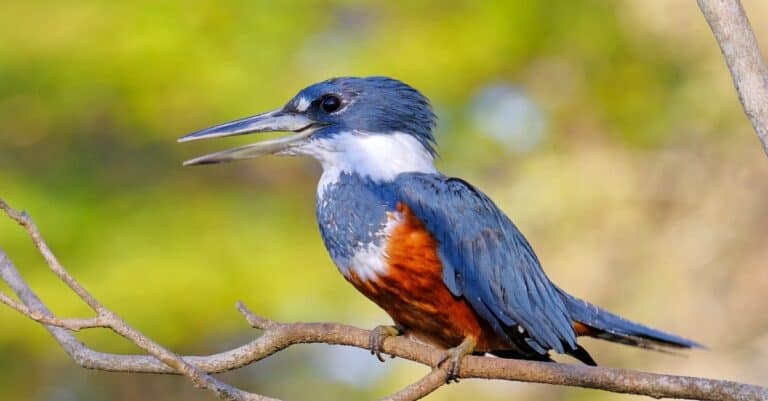
  • Parnaiba River Delta side trip (via Tutoia / Paulino Neves): boat through channels and sand islands for mangrove birds, kingfishers, and possible dolphin encounters with a wildlife-responsible operator.
  • Chapada das Mesas National Park (near Carolina): guided Cerrado trail walks for monkeys, toucans, woodpeckers, and mixed-species flocks; add an authorized night walk for owls, frogs, and other nocturnal wildlife.
  • Coastal wildlife in mangroves and beaches (only where authorized and locally managed): join an educational walk with trained local monitors focused on responsible wildlife viewing and conservation (availability varies by site and season).
  • Atins and the Preguicas River mouth: low-impact kayaking or small-boat exploration for wading birds and terns; early morning is typically best before dune excursions.

Wildlife Watching Types

Birding hotspots (mangroves, tidal flats, dune lagoons, interior forests and Brazilian savanna edges) Mangrove and estuary boat safaris (crabs, fish nurseries, waders, roosting colonies) Dolphin/porpoise watching in bays and river mouths (opportunistic, best by small boat with local knowledge) Manatee-focused excursions where locally organized/regulated (availability varies; prioritize ethical, non-intrusive operators) Sea turtle nesting/hatchling observation via conservation programs (seasonal, regulated) Night wildlife walks (owls, frogs, nocturnal mammals) in suitable reserves/with guides Landscape-and-wildlife photography trips (Lençóis lagoons, ibis roosts, mangrove channels) Kayaking/canoeing for quiet wildlife viewing in lagoons, creeks, and calm coastal waters

Guided Options

  • Licensed local guides and 4x4/boat operators for Lencois Maranhenses National Park (based in Barreirinhas, Santo Amaro, and Atins; prioritize small groups, park-rule compliance, and low-impact routes).
  • Community-based mangrove and scarlet ibis roost boat tours in the Maranhao Reentrances Environmental Protection Area (plan around tides; request ethical viewing distances at roosts).
  • Sao Luis-based birding guides for tidal-flat and estuary birding circuits (best with tide-optimized itineraries).
  • Parnaiba River Delta channel tours (operators are typically based in nearby hub towns; request wildlife-focused routes and quiet engines where possible).
  • Regional ecotour and birding operators offering Maranhao "transition zone" itineraries combining Lencois Maranhenses, coastal mangroves, and interior forest/savanna sites (useful for multi-day logistics).
  • Sea turtle conservation/monitoring projects and partner nonprofits (where operating) offering guided, rules-based beach walks and education; avoid unguided night nesting searches on sensitive beaches.
Habitats

Ecosystems

Maranhão is where different ecosystems meet in Brazil, with Amazon-influenced humid forests in the west and northwest and Cerrado savannas and woodlands in the south and east. It has long mangrove coasts, dune-and-lagoon systems called Lençóis Maranhenses, large river basins (Mearim, Itapecuru, Pindaré, Gurupi), and wetlands that change with the seasons.

Biomes

Tropical Rainforest

Amazon-influenced humid broadleaf forests and transitional moist forests in the west/northwest (including the Gurupi/Pindaré region), with high biomass, tall canopy, and evergreen or semi-evergreen structure.

Most extensive in the western and northwestern portions; overall a substantial but not statewide-dominant share (roughly the western third, fragmented in places by land use).

Savanna

Cerrado formations in the south and east: a mosaic of grassy savannas, shrub savannas, and savanna woodlands on nutrient-poor, often sandy or lateritic soils, with strong dry-season fire influence.

Broad interior belt, especially south/southeast and east; locally dominant away from the humid west.

Tropical Dry Forest

Seasonally dry to semi-deciduous forests and dry-forest transitions on the eastern/interior margins where dry seasons are stronger, occurring as patches and ecotones between Cerrado and more humid forests.

Patchy and localized, mainly in interior transition zones (minor-to-moderate extent relative to rainforest/savanna).

Wetland

Extensive coastal and estuarine wetlands (mangrove-associated), river floodplains, seasonally inundated lowlands, and the Lençóis Maranhenses seasonal lagoon complexes between dune ridges.

Concentrated along the coast/estuaries and major river floodplains; locally extensive though geographically banded.

Freshwater

Large river networks (Mearim, Itapecuru, Pindaré, Gurupi and others), oxbow and floodplain lakes, seasonal lagoons, and headwater streams linking Cerrado and Amazon-transition landscapes.

Statewide along drainage basins; highest habitat diversity along floodplains and low-gradient river corridors.

Marine

Atlantic coastal waters with strong estuarine influence (sediment- and nutrient-rich near river mouths), nearshore seagrass/algal bottoms where conditions allow, and productive continental-shelf fisheries.

Entire northern coastline and adjacent shelf waters; strongest estuarine influence near major embayments and river mouths.

Habitats

Rainforest

Evergreen/semi-evergreen Amazon-influenced forests in the west/northwest, including remnants and protected blocks in the Gurupi region; high canopy complexity and high beta-diversity across transitions.

Forest

Mixed humid and transitional forests (including babaçu-dominated secondary/transition forests) across ecotones where Amazon and Cerrado influences intergrade.

Woodland

Cerrado woodland (cerradão and more open woody savanna) in the south/east; fire-adapted species and a grassy understory where canopy is open.

Savanna

Open Cerrado savannas with seasonal dryness and frequent fire regimes; a fine-scale mosaic of grassland-to-shrub-to-woodland structure.

Grassland

Herbaceous openings within the Cerrado matrix and coastal grassy restinga patches; often highly seasonal in productivity.

Shrubland

Coastal restinga shrublands on sandy soils and inland shrubby Cerrado physiognomies; drought/salt-tolerant plants in coastal zones.

Wetland

Flooded lowlands, seasonally inundated plains, and wet interdunal swales; strong wet-dry season habitat switching that supports aquatic and terrestrial biota.

Swamp

Backwater and floodplain swampy areas along low-gradient rivers and in coastal lowlands, sometimes with palm-rich vegetation (including babaçu influence in some areas).

Marsh

Fresh to brackish marshes in estuarine transitions and coastal plains; important nursery areas for fish and feeding areas for waterbirds.

Mangrove

Major mangrove belts along Maranhão's indented coastline and estuaries (among Brazil's largest continuous mangrove areas), with extensive tidal channels and mudflats.

Estuary

Large estuarine complexes where rivers meet the Atlantic, creating brackish gradients, mudflats, and highly productive fisheries and bird habitat.

River/Stream

Major basins (e.g., Mearim, Itapecuru, Pindaré, Gurupi) with floodplain dynamics; critical connectivity corridors across Amazon-Cerrado transitions.

Lake

Floodplain lakes and permanent lagoons, plus freshwater bodies linked to river inundation cycles; important for fish and aquatic birds.

Pond

Seasonal interdunal lagoons at Lençóis Maranhenses and small seasonal waterbodies across Cerrado lowlands during the rainy season.

Coastal

Barrier-lagoon systems, tidal flats, mudflats, and sandy coastal plains shaped by strong winds, tides, and seasonal rainfall.

Beach

Sandy beaches and dune-backed shorelines, including the Lençóis Maranhenses coastal sector; nesting/foraging habitat for coastal fauna.

Rocky Shore

Localized rocky outcrops and harder substrates where present along the coast (less extensive than sandy/muddy shores), supporting distinct intertidal communities.

Seabed/Benthic

Nearshore and shelf soft-bottom habitats (sand/mud) influenced by riverine sediments; supports benthic invertebrates and demersal fish.

Open Ocean

Coastal-neritic waters beyond the surf zone used by migratory fish and marine megafauna; productivity influenced by estuarine outflow and shelf dynamics.

Agricultural/Farmland

Expanding mosaics of pasture and croplands (notably in Cerrado portions and along accessible corridors), driving fragmentation in transition forests and savannas.

Urban

Urban and peri-urban habitat around São Luís and other centers, with coastal development pressures near estuaries and mangroves.

Ecoregions

Maranhão Babaçu forests (WWF terrestrial ecoregion) Cerrado (WWF terrestrial ecoregion) Maranhão mangroves (WWF terrestrial/coastal ecoregion) Tocantins-Araguaia-Maranhão moist forest transition / Amazon-Cerrado ecotone forests (WWF terrestrial ecoregion complex) North Brazil Shelf / Amazonia marine ecoregion (MEOW - Tropical Northwestern Atlantic)
Protection

Conservation

Primary Threats

  • Forest and savanna conversion is concentrated in western and southern Maranhao where Amazon-transition forests and Cerrado are cleared for pasture, soy, and eucalyptus/charcoal supply chains. Fragmentation is particularly acute around the Gurupi region, reducing connectivity for forest primates and large carnivores.
  • Rapid expansion and intensification of cattle ranching and mechanized crops (notably soy in Cerrado portions) drives new clearing, increases fire use, and pushes land speculation and encroachment toward remaining forest blocks and riparian corridors.
  • Illegal and unsustainable timber extraction persists in Amazon-influenced forests (including edges of protected areas and indigenous lands), opening road networks that facilitate further clearing, hunting, and settlement.
  • While many extraction and processing impacts occur across the broader Carajás corridor, Maranhão bears significant pressure from associated logistics and industrial footprints (rail/port-linked zones), plus localized mineral extraction that can degrade waterways via sedimentation and tailings risks.
  • Major transport corridors (highways and rail lines linking mineral/agricultural frontiers to ports near São Luís) increase habitat fragmentation, wildlife mortality, and access to previously remote areas; port/industrial expansion also competes with coastal habitats.
  • Urban and industrial effluents around São Luís and other coastal municipalities elevate nutrient and contaminant loads in estuaries and mangroves; solid waste and oil/chemical risks near port areas can affect fisheries, manatees, dolphins, and shorebirds.
  • High dependence on coastal/estuarine fisheries (including crab and nearshore finfish) can lead to localized depletion, bycatch (including juvenile fish in mangrove nurseries), and pressure on threatened species (e.g., large groupers) without effective enforcement and closed-season compliance.
  • Subsistence and opportunistic hunting in interior forests-often along logging/road fronts-reduces populations of primates and other wildlife, undermining recovery of already-fragmented populations in the Amazon-transition zone.
  • Capture and trade of wild birds and other fauna occurs along road networks and peri-urban markets; this can be especially damaging for slow-reproducing or locally rare species in fragmented forest remnants.
  • As forests fragment and livestock occupy new frontiers, predators such as jaguars may prey on cattle, triggering retaliatory killings and further reducing viability of large-ranging species.
  • Sea-level rise and stronger coastal extremes threaten low-lying mangroves, dunes, and estuaries; shifting rainfall patterns and hotter dry seasons increase fire risk in Cerrado and forest edges, stressing aquatic systems (lagoons/river headwaters) and coastal productivity.
  • Hydrological alterations (small dams, drainage, channel modification) and mangrove/estuarine edge hardening near settlements reduce nursery habitat quality, alter sediment dynamics, and can diminish resilience of coastal wetlands and lagoon systems such as those in the Lençóis region.
Fun Facts

Did You Know?

Lencois Maranhenses' famous lagoons are mostly freshwater (filled by rain), not seawater-so after heavy rains you can find freshwater fish living between sand dunes in what looks like a desert.

Some fish in Lencois lagoons survive the dry season by staying in leftover pools or damp mud, or by moving back when lagoons reconnect—a boom-and-bust life in shifting sand.

Jaguars aren't confined to deep rainforest in Maranhão: along the state's mangrove-and-estuary mosaics, big cats can use muddy tidal landscapes and forested channels, exploiting prey tied to wetlands (including caimans and other aquatic fauna).

The scarlet ibis ("guara"), a signature bird of Maranhao's coast, gets its intense red color from pigments in its mangrove-rich diet (especially crabs and other crustaceans); without that diet, the same species looks noticeably paler.

Because Maranhão is a transition zone between Amazon-influenced forests, Cerrado savannas, and Caatinga influence, it's possible (in a single state) to encounter wildlife assemblages typical of very different Brazilian biomes-an overlap that's much rarer in more "biome-pure" states.

Maranhao's indented coastline (the Reentrancias Maranhenses) sits inside the Amazon Macrotidal Mangrove Coast-widely cited as the largest continuous mangrove belt in the Americas-creating an enormous nursery area for fish, crabs, and shrimp.

The Reentrancias Maranhenses is a Ramsar Wetland of International Importance (about 1,535,877 hectares), one of the biggest internationally recognized wetland complexes in Brazil, supporting exceptionally large feeding areas for waterbirds on its tidal mudflats.

Lencois Maranhenses National Park protects about 155,000 hectares (1,550 km2) of sand dunes and seasonal lagoons, making it one of South America's largest protected dune areas and a huge temporary freshwater home for water animals.

Western Maranhao is a key stronghold for the Ka'apor capuchin (Cebus kaapori), a Critically Endangered primate with a very small global range, centered on remaining Amazon-influenced forests in the Gurupi region along the Maranhao-Para border.

Thank you for reading! Have some feedback for us?