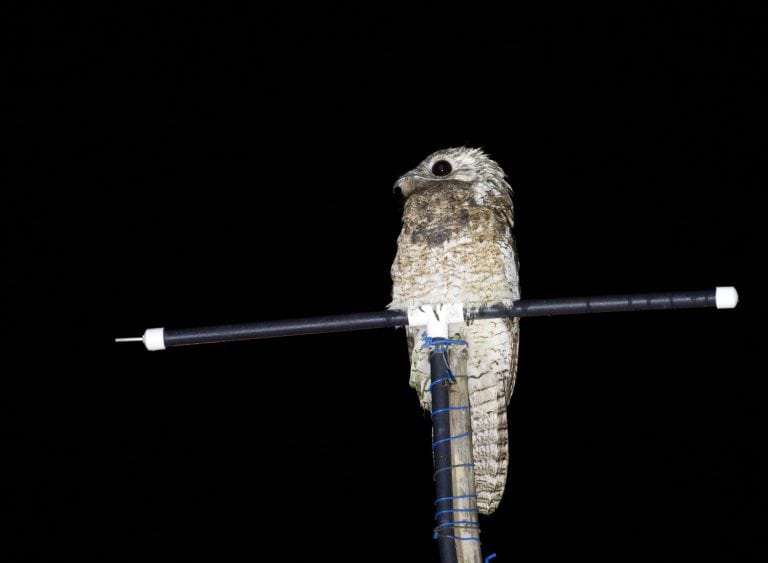
Great Potoo Bird
The bird that becomes a branch

The bird that becomes a branch
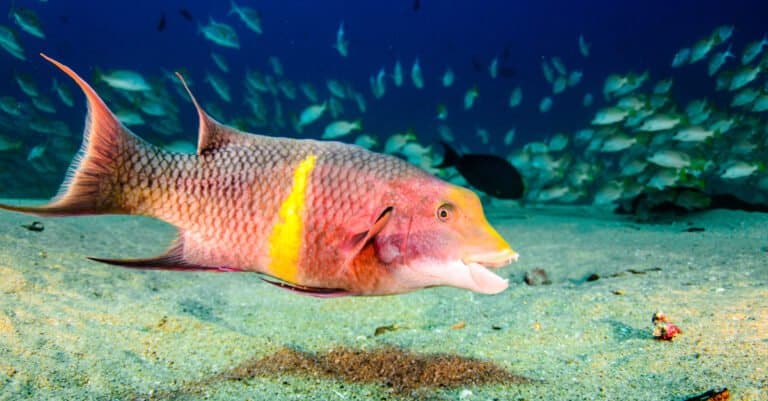
The pig-snout prowler of the reef
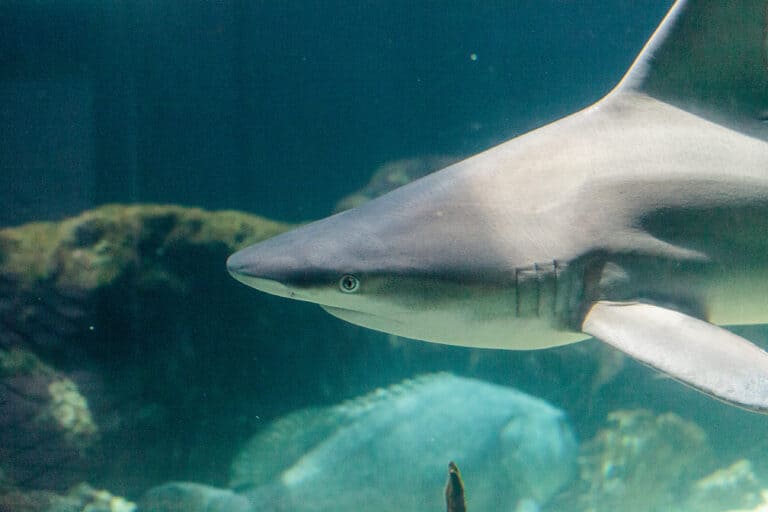
Spot the snout-smudge shark
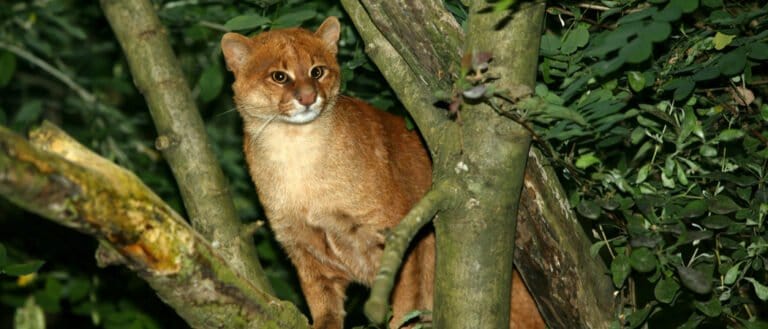
The daytime cat with an otter build
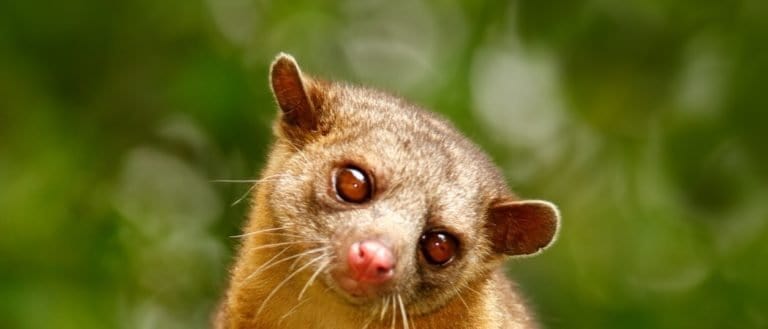
Tail-grip nectar sipper of the canopy
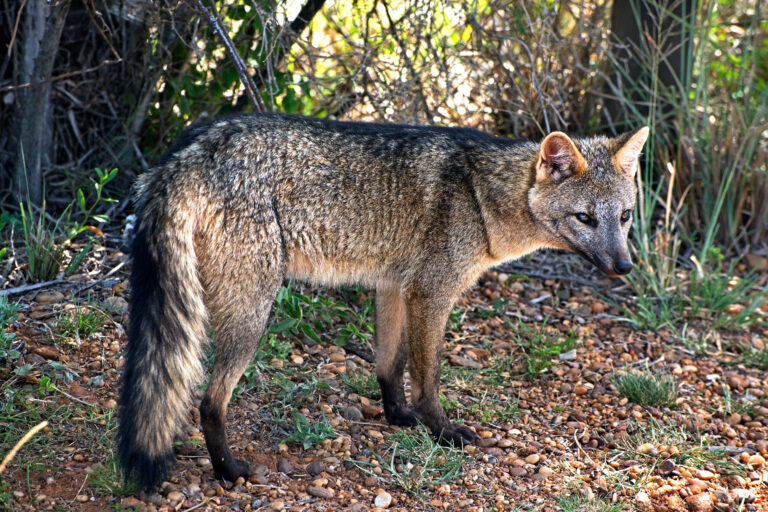
Adaptable 'not-a-fox' of South America
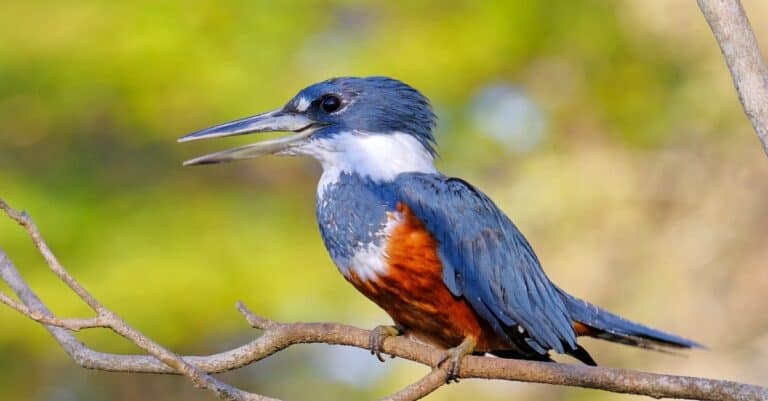
Big-billed diver of the Neotropics
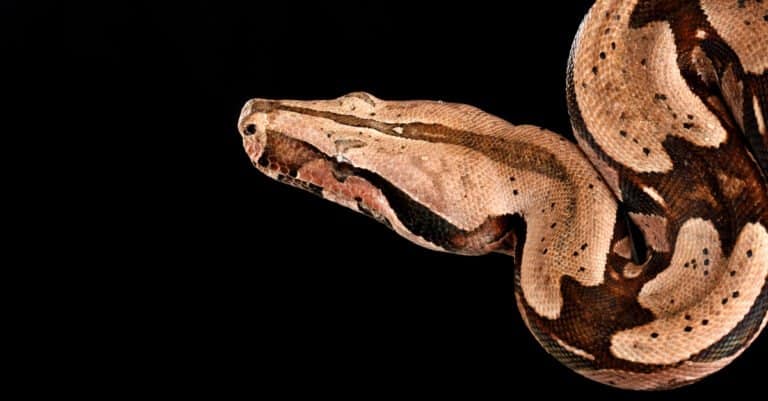
Powerful hugger of the rainforest
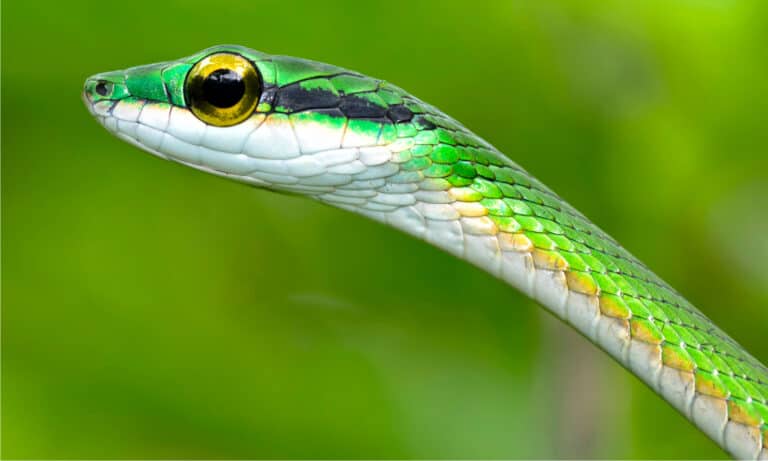
Green, swift, and sky-high by day
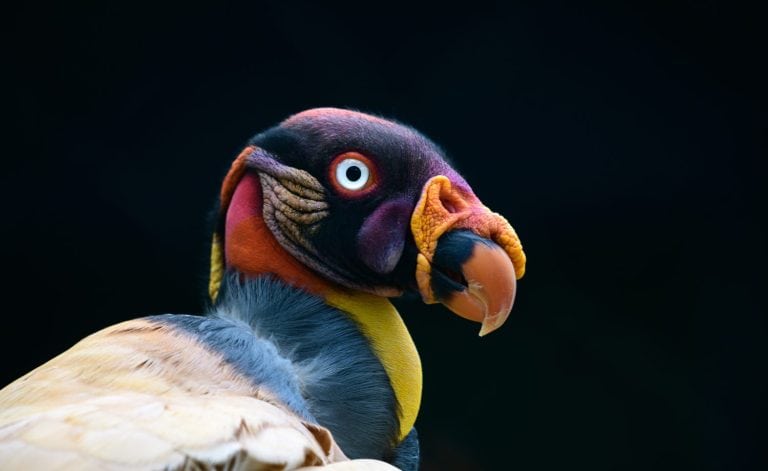
Color-crowned cleaner of the rainforest
Espírito Santo packs a rich part of Brazil's Atlantic Forest into a small coastal state. It has leftover lowland rainforests, steep mountain ranges, and many rivers that flow to the Atlantic. This mix supports high biodiversity and many endemic and threatened species, making each forest patch, valley, and ridge important. Along the coast, beaches, dunes, mangroves, and estuaries are nurseries for fish and crustaceans and key habitat for migratory and resident waterbirds. Offshore waters and protected shores can host sea turtle nests and marine feeding. Inland, the Serra do Caparaó and other highlands make cooler, cloudier areas where species change with altitude; bird and amphibian types can shift over short distances. Rivers and forest blocks connect mountains to sea. Because habitats lie close together, visitors can see both marine and mountain Atlantic Forest wildlife in one trip, including many small-range (micro-endemic) species.
Espírito Santo has a steep east–west change from a humid Atlantic coast with restinga and mangrove to Atlantic Forest hills and high mountain massifs inland. This close mix of habitats, with rivers running from the uplands to the sea, creates many wildlife corridors, high habitat variety, and many endemic and threatened Atlantic Forest species.
Sea level to ~2,892 m (Pico da Bandeira, Caparaó range)
Atlantic Ocean coastline (roughly 400 km), with coastal plains, beaches, dunes, and estuarine/mangrove zones at river mouths and bays
Espirito Santo protects fragmented Atlantic Forest habitats — from coastal sandy-plain scrub and mangroves to montane cloud forest and granitic inselbergs — plus river-basin headwaters and nearshore marine areas. Protection comes from federal units (national park, biological reserves, national forest, wildlife refuges, natural monuments, and coastal Environmental Protection Areas), state parks, and private reserves (Private Natural Heritage Reserves) help connect wildlife.
≈12% of the state's land area is under some form of formal protection (order-of-magnitude estimate; varies by whether APAs and private reserves are included).
A flagship high-elevation Atlantic Forest and high-altitude grassland mosaic on the Caparao Range (including Flag Peak). Stronghold for montane birds and mammals, with excellent watershed protection and relatively intact forest compared with surrounding landscapes.
A premier coastal biodiversity site protecting dunes, coastal sandy-plain scrub, wetlands, and coastal forest-excellent for coastal birds and scrub-specialist wildlife, and important for maintaining the natural dynamics of dunes and freshwater lagoons.
A key coastal sandy-plain scrub conservation unit near Guarapari, protecting coastal scrub, lagoons, and sandy-plain habitats that are among the most threatened in the Atlantic Forest biome; strong for reptile, amphibian, and bird diversity in coastal mosaics.
Montane Atlantic Forest around iconic granitic domes; important for forest birds, epiphyte-rich habitats, and headwater protection. Wildlife viewing is often best along forest edges and trails in early morning.
A compact, high-value montane forest park with steep relief and cloud-forest conditions that shelter sensitive Atlantic Forest species; notable for birds and small mammals in a landscape of rugged peaks.
A federally protected coastal and marine wildlife refuge in Espírito Santo created to conserve nearshore and coastal habitats associated with the Costa das Algas region, with strong relevance for marine fauna such as sea turtles and coastal dolphins.
A federally protected coastal wildlife refuge in Espírito Santo established to protect important beach and coastal habitats, widely recognized for sea turtle conservation along Brazil's coast.
Espirito Santo sits in one of the most species-rich parts of Brazil's Atlantic Forest, combining coastal habitats (coastal sand-plain scrub, mangroves, beaches, and nearshore waters) with large lowland forest blocks (notably the Linhares-Sooretama landscape) and cooler montane forests in the inland ranges. This mix supports high endemism and a concentration of threatened Atlantic Forest specialists - primates, big canopy birds, and rare forest cats - plus nationally important sea turtle nesting areas and seasonal marine megafauna (for example, humpback whales) along the coast.
Espírito Santo packs rich wildlife into a small coastal state: whale-rich Atlantic waters, mangroves, lagoons, and Atlantic Forest from lowland reserves to cloud-forest mountains. Visitors can see seasonal humpback whales, dolphins, native forest birds, primates, sloths, and amphibians. Key spots: waters and estuaries near Vitória/Guarapari, Itaúnas State Park (Conceição da Barra), and parks around Domingos Martins, Santa Teresa, and Caparaó.
Best overall visibility and comfort for hiking and spotting forest wildlife. Humpback whales migrate along the coast-July to October is typically strongest for whale watching. Clearer seas for boat trips; good chances for dolphins and seabirds. In the mountains, cooler nights can mean active dawn birding and good trail conditions.
Lush Atlantic Forest, high insect and amphibian activity, and excellent frog/dragonfly watching after rains. Some birds breed and sing actively (great for sound-based birding), but humidity and storms can make trails muddy. Sea conditions can be choppier; whales are generally absent.
Good compromise: fewer crowds, greener landscapes, and generally improving trail conditions (April) or still-strong forest activity (November). Useful windows for birding and photography; occasional marine sightings depending on year and local conditions.
Espírito Santo, in southeastern Brazil, is part of the Atlantic Forest and changes from coast to mountains. Humid coastal lowlands with sandplains, mangroves, and estuaries change inland into evergreen and seasonal Atlantic forests on rugged mountains, including cloud forest and grassland patches. Rivers like the Doce link mountains to coasts and support many endemic, threatened species.
Dominant Atlantic Forest formations, including evergreen lowland forest, submontane/montane rainforest, and cloud-forest at higher elevations; many remnants persist in protected areas and steep terrain.
Historically near-continuous; today fragmented but still the primary natural biome across most of the state, especially in mountainous and wetter areas.
Seasonal (semi-deciduous) Atlantic Forest on relatively drier interior slopes/valleys and in rain-shadow areas, with stronger seasonality in canopy leaf-fall and understory moisture.
Patchy and localized inland; more common away from the immediate humid coast and in some interior basins.
River basins draining to the Atlantic (e.g., the Doce, Itapemirim, Sao Mateus, and Itaunas river basins) with headwater streams, floodplain reaches, and man-made reservoirs; critical for migratory fish and riparian biodiversity.
Statewide along major rivers, tributary networks, and reservoirs; densest in mountainous headwaters and larger coastal-draining basins.
Estuarine wetlands, mangroves, river-mouth lagoons, marshes, and seasonally flooded lowlands; important nurseries for fish/crustaceans and stopover habitat for waterbirds.
Concentrated along estuaries and coastal lowlands (especially around bays, river mouths, and lagoon and coastal sandplain systems).
Coastal Atlantic waters with sandy and rocky bottoms, reef-like hardgrounds and rhodolith beds in places, plus the Vitoria-Trindade chain influence offshore; supports fisheries and high marine productivity.
Along the entire coastline and continental shelf; extends offshore into deeper waters beyond the shelf break.
High-elevation montane grassland and shrub mosaics (high-altitude grasslands) and exposed rocky ridge environments embedded within the Atlantic Forest mountain belt, occurring above the upper montane forest/tree-line transition.
Very limited; restricted to the highest peaks and ridgelines, especially in the Caparaó Mountains on the Espírito Santo-Minas Gerais border (around Pico da Bandeira) and a few other highest mountain ranges in Espírito Santo.
Evergreen Atlantic Forest from lowlands to montane/cloud-forest; strong endemism and high beta-diversity across elevation gradients.
Mosaics of mature and secondary Atlantic Forest remnants, often on steep slopes and in protected areas; includes riparian forests along rivers.
Seasonal semi-deciduous forests in more seasonal interior zones and some valley systems, with pronounced dry-season leaf fall.
Mountain range landscapes (for example, the Caparao Range and other inland ranges) with steep elevational gradients, frequent cloud interception, and high habitat turnover.
Rock outcrops and escarpments with rupicolous vegetation, nesting sites for birds, and micro-endemic plant communities.
Fast headwater streams, mid-reach rivers, and lowland channels draining to the Atlantic; key corridors for dispersal and riparian biodiversity.
Natural coastal lagoons and artificial reservoirs used for water supply/hydropower; important for fish, aquatic plants, and waterbirds.
Small farm ponds and temporary pools in rural landscapes that can support amphibians and aquatic invertebrates.
Floodplain and estuarine wetland mosaics (fresh to brackish), including reedbeds and seasonally inundated areas.
Lowland marshes around river mouths and coastal plains, often intergrading with coastal sandplain lagoons and estuarine flats.
Mangrove stands in sheltered bays and estuaries (notably around major river mouths and coastal embayments), serving as nursery habitat.
Brackish mixing zones at river mouths with mudflats, tidal channels, and high productivity supporting fisheries and birds.
Coastal plains with coastal sandplain vegetation (sandy-soil shrub/forest mosaics), dunes, and lagoon systems adjacent to the ocean.
Sandy beaches and dune fields along the Atlantic margin, including nesting/foraging areas for shorebirds and marine fauna.
Rocky headlands and intertidal platforms, especially where the crystalline basement reaches the coast; supports diverse intertidal communities.
Localized reef-like hardbottom communities and coral-bearing assemblages in warm coastal waters, plus biologically rich rhodolith/hardground areas offshore.
Pelagic waters beyond the surf zone used by migratory fishes, seabirds, and marine mammals; influenced by currents and upwelling variability.
Waters beyond the continental shelf with slope ecosystems and deep pelagic habitats; relevant to offshore biodiversity and fisheries.
Sandy and muddy shelf bottoms, rocky hardgrounds, and rhodolith beds providing benthic habitat complexity.
Highly modified habitats around Vitória metropolitan region and other coastal cities, with remaining green fragments and urban wetlands under pressure.
Mosaic of cattle pasture and crops (notably coffee) interspersed with forest remnants, riparian buffers, and secondary growth.
Commercial forestry (e.g., eucalyptus) and other plantation systems that dominate parts of the rural matrix, affecting connectivity and hydrology.
Even in a heavily developed coastal landscape, top predators persist: camera-trap surveys in the Linhares-Sooretama lowland forests have recorded jaguar (Panthera onca), showing a big-cat stronghold surviving in Atlantic Forest on the coastal plain.
The red-billed curassow (Crax blumenbachii)-a turkey-sized bird-has a tiny natural range basically restricted to Espirito Santo and southern Bahia, and it functions as a "heavy-duty" seed disperser for large-fruited trees that smaller birds cannot handle.
Espirito Santo's coastal sandplain ecosystem is more than scrub: its nutrient-poor wet areas can support carnivorous plants, including sundews (Drosera species) and bladderworts (Utricularia species), which trap insects to supplement scarce nutrients in the soil.
In the montane forests around Santa Teresa, some frog species reproduce in water held by bromeliads high in the canopy-each bromeliad tank acts like a tiny suspended pond with its own miniature food web.
Trindade Island's wildlife was reshaped by history: introduced goats devastated native vegetation for decades; after goat eradication in the 2000s, researchers documented native plant recovery and improvements in habitat for nesting seabirds.
Espírito Santo is one of the few places where you can still find the northern muriqui (Brachyteles hypoxanthus) in the wild-the largest primate in the Americas-hanging on in montane Atlantic Forest remnants.
The Linhares-Sooretama forest block (Sooretama Biological Reserve plus the adjacent Vale Natural Reserve) protects roughly 50,000 hectares and is widely cited as the largest continuous protected remnant of coastal-plain Atlantic Forest.
Trindade Island (Espirito Santo's oceanic territory ~1,140 km offshore) is Brazil's most distant oceanic island area-and its beaches support one of the country's most important green turtle (Chelonia mydas) nesting rookeries.
Pico da Bandeira (2,891 m) in Caparao National Park, on the Espírito Santo–Minas Gerais border, is Espírito Santo's highest point and Brazil's third-highest peak, with cold, windy high-altitude grassland habitat.
25 species documented in our encyclopedia
Thank you for reading! Have some feedback for us?
We appreciate your help in improving our content.
Our editorial team will review your suggestions and make any necessary updates.
There was an error submitting your feedback. Please try again.