N S W E
Wildlife Expeditions

Wildlife of
Roraima

Where Amazon rainforest meets Guiana Shield savannas and table-mountain highlands, Roraima delivers Brazil's most distinctive mix of big-game, birds, and endemics.
32 Species
224,300 km² Land Area
Overview

About Roraima

Roraima, Brazil's northernmost state, is where Amazon rainforests meet the ancient Guiana Shield. The Shield is an old, rocky land with poor soil that helped many unique, often small-range species develop. Here you find classic Amazon animals like jaguar, giant otter, and macaws alongside savanna mammals and Guianan birds, amphibians, and plants found nowhere else in Brazil. Major habitats include tropical rainforest along big rivers, seasonally flooded wetlands and gallery forests, wide savanna grasslands, and upland highlands of the Shield with cooler, wetter, rocky ground. These mixed habitats are places where habitats meet and safe spots for many kinds of life, so visitors can see forest and open-country species on the same trip. Roraima’s strong Amazon–Guiana Shield mix and border ties to Venezuela and Guyana make its wildlife especially varied and unique.

Physical Features

Geography

Roraima's wildlife is shaped by a sharp change from the lowland Amazon rainforest to open Roraima savannas and the rocky Guiana Shield highlands. Major rivers, especially the Branco basin, make riparian forests, floodplains, and wetlands that serve as movement paths and seasonal food and water areas. Isolated tepuis and border uplands are cooler, wetter, and host many unique species.

224,300 km² Land Area
14th largest state in Brazil Size Rank
Brazil Country
State Type
Elevation Range

~70 m in lowland river plains to 2,810 m (Mount Roraima tepui)

Key Landscapes

Amazon lowland tropical forests (terra firme and seasonally flooded forests) Lavrado (Roraima savanna) and associated gallery forests-Brazil's main savanna enclave within the Amazon region Guiana Shield uplands and rocky outcrops with nutrient-poor soils, supporting specialized vegetation and fauna Pacaraima and Parima mountain systems along the northern border (steep elevational gradients, cloud-forest influences in places) Tepui landscapes including Mount Roraima (sandstone table mountains with highly distinct summit/upper-slope communities) Branco River basin (Rio Branco, formed by the Uraricoera and Tacutu; plus major tributaries)-riparian corridors, floodplains, and aquatic habitats that structure wildlife distribution
Parks & Reserves

Protected Areas

Roraima's protected areas rely on Brazil's federal Conservation Units (SNUC)—large national parks and strict reserves—and large Indigenous Territories that protect biodiversity. They cover two main ecosystems: Amazonian lowland forests with blackwater rivers and Branco River wetlands, and the Guiana Shield highlands with table-top mountains and savanna-forest mosaic. Many top wildlife areas are remote, keeping them intact but limiting tourism.

Protected Coverage

Approximately ~60-70% of Roraima is under some form of protection when combining Conservation Units and large Indigenous Territories (notably Yanomami and Raposa Serra do Sol). The SNUC Conservation Units alone account for a smaller share (on the order of ~10-20%), but they anchor strict-protection cores in key habitats.

National Parks & Preserves

Viruá National Park

~227,000 ha (≈2,270 km²)

One of Brazil's best examples of Amazonian white-sand forest ecosystems mixed with blackwater channels and seasonally flooded forest. The habitat mosaic supports high bird diversity, large predators, and aquatic fauna, and it is a flagship site for wetland and riverine conservation in the Rio Branco region.

Jaguar (Panthera onca) Giant otter (Pteronura brasiliensis) Harpy eagle (Harpia harpyja) Lowland tapir (Tapirus terrestris) Black caiman (Melanosuchus niger)

Serra da Mocidade National Park

350,960 ha (≈3,509.6 km²)

A vast, very remote Guiana Shield landscape of rugged mountains, intact rainforest, and headwater rivers. It is important for wide-ranging mammals (including large cats) and for conserving elevational gradients that can harbor localized/endemic species and climate refugia.

Jaguar (Panthera onca) Giant armadillo (Priodontes maximus) White-lipped peccary (Tayassu pecari) Harpy eagle (Harpia harpyja) Red howler monkey (Alouatta seniculus)

Mount Roraima National Park

~116,000 ha (≈1,160 km²)

Protects Brazil's portion of the Mount Roraima table-top mountain complex, a global center of Guiana Shield endemism. The high-elevation plateau and cloud-forest edges host specialized fauna and flora adapted to nutrient-poor sandstone environments, with many species restricted to table-top mountain habitats.

Puma (Puma concolor) Jaguar (Panthera onca) Tepui wren (Troglodytes rufulus) Tepui antpitta (Myrmothera simplex) Poison dart frogs (Dendrobatidae spp.)

State & Provincial Parks

Parque Estadual Serra do Tepequém (Serra do Tepequém State Park)

~10,000-20,000 ha (order-of-magnitude; boundaries vary by zoning)

A key state-level refuge in the Guiana Shield uplands, protecting montane forests, rocky outcrops, and cool-climate habitats that complement the larger federal parks. Notable for bird diversity and for maintaining connectivity among highland habitats used by wide-ranging mammals.

Jaguar (Panthera onca) Puma (Puma concolor) Harpy eagle (Harpia harpyja) Guianan cock-of-the-rock (Rupicola rupicola) Giant anteater (Myrmecophaga tridactyla)

Caracaranã Lake Environmental Protection Area

~tens of thousands of ha (protected landscape/APA; size depends on zoning)

A savanna-wetland protected landscape in the lavrado region, important for waterbirds, reptiles, and riparian wildlife in an ecosystem that is underrepresented in strict-protection units. Its lake and surrounding gallery forests concentrate fauna in the dry season, improving wildlife-viewing potential.

Jabiru (Jabiru mycteria) Black caiman (Melanosuchus niger) Capybara (Hydrochoerus hydrochaeris) Giant otter (Pteronura brasiliensis) Orinoco goose (Oressochen jubatus)

Lower Rio Branco Environmental Protection Area

~hundreds of thousands of ha (APA; approximate scale)

A broad riverine protected landscape along the lower Rio Branco that safeguards floodplain forests, oxbow lakes, and aquatic corridors used by otters, river dolphins, and nesting waterbirds. It helps buffer strict-protection cores and maintain fisheries and wildlife connectivity.

Amazon river dolphin / boto (Inia geoffrensis) Giant otter (Pteronura brasiliensis) Black caiman (Melanosuchus niger) Hoatzin (Opisthocomus hoazin) Lowland tapir (Tapirus terrestris)

Wildlife Refuges

Maracá Ecological Station

~101,000 ha (≈1,010 km²)

A strict-protection stronghold on Maracá Island in the Rio Uraricoera, famous for long-running rainforest ecology studies and exceptional primate and bird communities. The island setting and intact forest make it a high-value reference site for Amazon biodiversity conservation.

Jaguar (Panthera onca) Giant otter (Pteronura brasiliensis) Red howler monkey (Alouatta seniculus) Bearded saki (Chiropotes spp.) Harpy eagle (Harpia harpyja)

Anauá National Forest

~280,000 ha (≈2,800 km²)

A large federal sustainable-use forest that protects extensive lowland rainforest while supporting regulated use and research. Important for maintaining habitat for large mammals and for acting as a connectivity block between other protected lands and Indigenous Territories.

Jaguar (Panthera onca) Giant armadillo (Priodontes maximus) Lowland tapir (Tapirus terrestris) Harpy eagle (Harpia harpyja) White-lipped peccary (Tayassu pecari)

Roraima National Forest

2,669,097 ha (about 26,691 km²)

A federally managed sustainable-use protected area (a National Forest) in the state of Roraima, intended to conserve native ecosystems while allowing regulated, sustainable resource use under Brazil's conservation-unit framework.

Lower Rio Branco-Jauaperi Extractive Reserve

~580,000 ha total (≈5,800 km²; spans the lower Rio Branco-Jauaperi region, with coverage across state boundaries)

A community-based protected area (sustainable use) aimed at conserving floodplain and river habitats while supporting traditional livelihoods. It is particularly valuable for aquatic and riparian wildlife and for maintaining a managed buffer around stricter conservation cores in the lower Rio Branco basin.

Amazon river dolphin / boto (Inia geoffrensis) Giant otter (Pteronura brasiliensis) Black caiman (Melanosuchus niger) Giant river turtle (Podocnemis expansa) Lowland tapir (Tapirus terrestris)

Wilderness Areas

  • Yanomami Indigenous Territory - one of the largest continuous roadless rainforest regions in Brazil; critical for apex predators, primates, and intact headwater systems
  • Raposa Serra do Sol Indigenous Territory - vast savanna-forest mosaic and highland areas important for savanna biodiversity and connectivity toward the Guiana Shield
  • Remote headwaters and mountain blocks around the Mocidade Mountains-Pacaraima Mountains region - rugged, low-access terrain with high wilderness character
  • Upper Uraricoera River and tributaries (outside towns and main river corridors) - extensive roadless riparian forests and island/archipelago habitats
  • Mount Roraima/Pacaraima table-top mountain complex (Brazilian frontier zone) - extreme topography with limited access and high endemism
Animals

Wildlife

Roraima, Brazil's northernmost state, sits where the Amazon Basin, the Roraima savanna, and the Guiana Shield highlands and tabletop mountains meet. A mix of blackwater rivers, seasonally flooded forests, white-sand and gallery forests, and rocky uplands creates lots of wildlife within short distances. The Guiana Shield brings distinctive birds, amphibians, and plants, with species found only locally. Big rivers, especially the Rio Branco, support large Amazon animals and turtle and fish populations. Most wildlife remains in large protected areas and Indigenous territories, while savanna conversion, fire, and mining threaten it.
~180-220 species (Amazon forest mammals plus savanna specialists) Mammals
~650-750 species (strong Guiana Shield influence; many habitat specialists) Birds
~150-200 species (river turtles/caimans, forest snakes/lizards) Reptiles
~140-190 species (notably diverse in uplands and white-sand/forest mosaics) Amphibians
~800-1,200+ species (highly diverse Amazon/Guiana Shield river fauna; varies by drainage and survey effort) Fish
Examples

Iconic Species

Jaguar
Jaguar Top predator of Roraima's forests and river corridors; a flagship for intact Amazon-Guiana Shield landscapes and a sought-after species in camera-trap tourism/research areas.
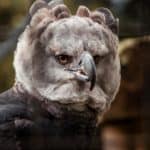
Harpy Eagle
Harpy Eagle One of the world's largest eagles; dependent on extensive mature forest where it hunts monkeys and sloths-an emblem of wilderness in northern Amazonia.
Giant Otter
Giant Otter Highly charismatic, social river predator seen in quiet lakes and blackwater systems; its presence signals healthy fish stocks and low disturbance.
Giant Anteater A defining mammal of the lavrado savannas and forest edges; commonly highlighted on wildlife itineraries that include Roraima's open-country habitats.
Arrau Turtle (Giant South American River Turtle) Iconic river turtle that nests on sandbanks of large rivers (notably in the Rio Branco system); mass nesting events are among the region's most remarkable seasonal wildlife spectacles.
Black Caiman A signature Amazonian apex predator of oxbow lakes and slow rivers; often observed at night on waterways in intact areas.
Arapaima
Arapaima Legendary air-breathing giant fish of floodplain lakes and calm channels; culturally and economically important, and a major draw for river-based nature trips.
Guianan Cock-of-the-rock Brilliant orange lekking bird tied to rocky outcrops and forest near cliffs-strongly associated with Guiana Shield scenery and a prized sighting for birders.
Red-and-green Macaw Highly visible and noisy canopy parrot of forests and river edges; a classic Amazon experience in Roraima's riparian corridors.

Endemic & Rare Species

Mount Roraima Bush Toad

Oreophrynella quelchii

Tepui endemic; highly range-restricted (sensitive to climate change and habitat disturbance on summit environments)

A flagship of Guiana Shield tepui endemism; confined to cool, wet summit/plateau habitats around Mount Roraima (including the Brazil-Venezuela-Guyana border region).

Roraiman Antbird

Percnostola roraimae

Regional Guiana Shield endemic/near-endemic (restricted range; locally uncommon)

One of the birds most closely tied to the Roraima/tepui foothill fauna; valued by birders seeking Guiana Shield specialties in northern Brazil.

Giant Otter

Pteronura brasiliensis

Endangered (IUCN)

Threatened by habitat disturbance, fishing conflicts, and mercury/impacts from mining; strongholds persist where waterways remain quiet and protected.

Arrau Turtle (Giant South American River Turtle)

Podocnemis expansa

Endangered (IUCN)

Historically depleted by egg and adult harvest; Roraima's major rivers and nesting beaches make the state important for recovery where protection/enforcement works.

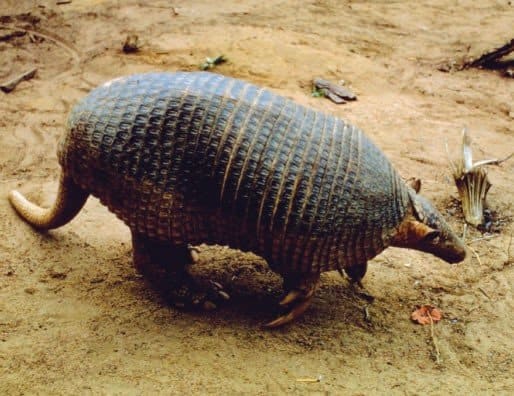
Giant Armadillo

Priodontes maximus

Vulnerable (IUCN)

A rare, wide-ranging ecosystem engineer of intact forests; extremely sensitive to hunting pressure and fragmentation, making it a key indicator of wilderness quality.

White-lipped Peccary

Tayassu pecari

Vulnerable (IUCN)

Herd-forming forest ungulate prone to abrupt regional declines from hunting, disease, and fragmentation; where present in Roraima it supports jaguars and shapes forest ecology.

Notable Populations

  • Rio Branco basin sandbank nesting aggregations of Arrau Turtle (Podocnemis expansa), nationally important where nesting beaches are protected.
  • Guiana Shield bird assemblages (e.g., Guianan Cock-of-the-rock and other shield-associated species) in uplands/rocky areas and intact forest blocks.
  • Giant Otter (Pteronura brasiliensis) strongholds in low-disturbance blackwater lakes and protected waterways (notably within and around well-managed protected/Indigenous lands).
  • Large, connected jaguar habitat across northern Amazon forests linked to Venezuelan/Guyanese Guiana Shield landscapes, making Roraima important for transboundary connectivity.
  • Arapaima (Arapaima gigas) populations in floodplain lakes where community-based management reduces overharvest and improves size/abundance.

Recent Changes

  • Increased pressure from illegal mining in parts of northern Amazonia has heightened risks to river wildlife in Roraima (sedimentation, mercury contamination, disturbance), with likely negative effects on fish communities, river turtles, and giant otters in impacted watersheds.
  • Expansion of agriculture/ranching and infrastructure in savanna areas (the Roraima savanna) has increased habitat loss and roadkill risk for open-country species such as Giant Anteater, and has raised fire frequency/intensity in some landscapes.
  • Community and enforcement-led protection on some nesting beaches has improved local outcomes for river turtles (especially Podocnemis expansa), though results are uneven and depend on sustained guarding.
  • Localized recoveries of Arapaima have been reported in managed lake systems in parts of the Amazon; where adopted in Roraima, similar management approaches can increase average fish size and abundance over time.
  • Continued declines/instability of White-lipped Peccary herds have been reported across much of their range; in Roraima, hunting and fragmentation near settled corridors can reduce herd persistence, indirectly affecting jaguar prey availability.
Visit

Wildlife Viewing

Roraima, Brazil's northernmost state, mixes Amazon rainforest, open savannas, and Guiana Shield highlands, giving rich wildlife variety. Look for jaguars, giant otters, river dolphins, macaws, monkeys, anteaters, armadillos, raptors, and many Guiana Shield birds. Best seen by river trips, early savanna drives, and guided treks into remote highlands; local guides help and rules apply in Indigenous and protected areas.

Best Seasons

Dry season (roughly Dec-Mar; can vary by year)

Easier road access and clearer trails in savanna areas and around Boa Vista; concentrated wildlife around remaining water sources; stronger raptor activity over open habitats; good conditions for dawn/dusk mammal watching in the lavrado. River levels may be lower, which can change boat access but can also concentrate aquatic wildlife in channels and pools.

Transition to wet (roughly Apr-May)

Fresh rains trigger bursts of activity-amphibians calling, reptiles more visible, and many plants fruiting/flowering; birdlife is very active and vocal; a strong all-around period for mixed habitats (savanna + forest). Expect occasional storms and muddier access on secondary roads.

Wet season (roughly Jun-Aug; often peak rains)

High river levels open up boat routes into flooded forests and backwaters; excellent for canoe/boat-based wildlife watching (river dolphins, caimans, kingfishers, herons, hoatzins, monkeys along forest edges). Insects are more abundant and some areas become hard to reach by road; plan for flexibility and waterproof gear.

Late wet / transition back (roughly Sep-Nov)

Waters begin to recede, improving access while still keeping wetlands productive; good time for spotting aquatic birds, caimans, and otters as habitats concentrate again; forest trails gradually improve. This shoulder period can be a sweet spot for fewer visitors and solid wildlife diversity.

Top Wildlife Experiences

  • Birding the savanna landscapes around Boa Vista at dawn (open-country specialists, raptors, nightjars) - combine roadside stops with short guided walks to varied microhabitats (wet grasslands, gallery forest edges).
  • Boat-based wildlife watching on Rio Branco and its backwaters (near riverine communities) - look for Amazon river dolphins, caimans on night safaris, and river-edge primates and birds in early morning.
  • Giant otter and waterbird-focused excursions in wetland/oxbow-lake habitats during higher water - slow canoe trips and quiet drift sessions maximize chances for otter groups and fishing birds.
  • Forest mammal tracking and camera-trap style walks in Amazon upland (non-flooded) rainforest near established lodges/camps - focus on primate troops, tapir signs, peccary herds, and big-cat tracks (best with expert trackers).
  • Guiana Shield highland trek for endemics and montane specialties (multi-day, logistics-heavy) - target range-restricted birds and unique herpetofauna tied to upland forests and tepui-influenced habitats.
  • Night wildlife drives/walks in savanna-forest ecotones (savanna edges) - spotlighting for owls, potoos, nightjars, frogs, and occasionally nocturnal mammals like armadillos and anteaters.
  • Community-guided cultural-and-nature day trips from Boa Vista into nearby Indigenous/community lands (where permitted) - combine wildlife viewing with interpretation of savanna ecology, medicinal plants, and traditional land management.
  • Catch-and-release sportfishing + wildlife watching on clearwater/blackwater tributaries (where legal/appropriate) - a practical way to reach quiet river habitats rich in birds, reptiles, and mammals.

Wildlife Watching Types

Savanna wildlife watching: dawn/dusk walks/drives, raptor scanning, nightjar/owling Amazon rainforest wildlife watching: guided forest hikes, canopy/edge birding, primate viewing River and wetland safaris: boats/canoes for dolphins, caimans, otters, waterbirds Birding hotspots: savanna-gallery forest mosaics, river islands/edges, upland/Guiana Shield habitats Nocturnal wildlife viewing: spotlighting for owls, caimans, frogs, insects, nocturnal mammals Herping (amphibians/reptiles): especially productive in wet/transition seasons Photography-focused trips: boat blinds/drifts, early-morning savanna light, macro-insect sessions Tracking and sign-based mammal trips: footprints, scat, feeding signs with local trackers

Guided Options

  • Community-based guiding in riverine and Indigenous communities (permits and access rules vary): local trackers for mammals, bird specialists for savanna/forest mosaics, and canoe pilots for backwaters.
  • Multi-day Guiana Shield / highland expeditions run by regional adventure outfitters (typically include logistics, camping, and specialist naturalist guides; best for endemics and remote habitats).
  • Boa Vista-based birding day tours (savanna + gallery forest circuits) with local ornithologists-ideal for short stays and targeted species lists.
  • River safari packages on the Rio Branco system (day or overnight) combining dawn birding, dolphin searches, and night caiman spotlighting.
  • Lodge-based Amazon wildlife programs (where available) offering guided forest walks, night hikes, and boat excursions timed to river levels.
  • Citizen-science oriented birding or biodiversity surveys (occasionally offered through universities/NGOs in the region): join scheduled field weeks or hire researchers as specialist guides when possible.
  • Fly-and-drive style private guiding (vehicle + driver/guide) for photographers and birders: efficient coverage of savanna, river corridors, and forest access points with flexible timing.
Habitats

Ecosystems

Roraima in northern Brazil spans Amazonian lowland forests, open Roraima savannas around Boa Vista and the Branco River basin, and the Guiana Shield highlands (Pacaraima range and table-top mountains). This mix of humid forests, dry grass-and-shrub areas, white-sand zones, big blackwater and clear rivers, and isolated high plateaus supports many plants and animals, including species found only there.

Biomes

Tropical Rainforest

Extensive Amazon-Guiana Shield moist forests, including terra firme forest and patches of seasonally flooded forest along major rivers (e.g., Rio Branco and tributaries).

Dominant biome across much of the state, especially central, western, and southern Roraima.

Savanna

The Roraima savannas: open grasslands with scattered shrubs/trees, gallery forests along watercourses, and a strong seasonal fire and drought influence.

Large, continuous areas in the northeast/central-north (notably around Boa Vista and the Rio Branco middle basin), with smaller enclaves elsewhere.

Alpine

High-elevation Guiana Shield mountaintops and table-top plateaus with cooler, wind-exposed vegetation (montane shrublands/grasslands), many endemic plants, and nutrient-poor soils.

Restricted to highlands along the Venezuela/Guyana borders (small total area, but ecologically distinct).

Freshwater

Major river networks (Rio Branco, Uraricoera, Tacutu, Mucajaí, etc.), blackwater/clearwater systems, oxbow lakes, and riparian corridors that structure much of the landscape ecology.

Widespread along all drainage basins; highest influence across lowlands and floodplain zones.

Wetland

Seasonally flooded floodplain forests and wetlands, riparian swamps, wet grasslands, and marshy depressions associated with the Rio Branco system and low-lying savanna areas.

Patchy but common in floodplains and savanna basins; locally extensive in seasonal lowlands.

Habitats

Rainforest

Lowland moist rainforest (terra firme) with tall closed canopy; includes high-biomass forest blocks and diverse understory communities.

Forest

Mosaic of upland forest, riparian/gallery forest threading through savannas, and transitional forest-savanna ecotones.

Savanna

Roraima savanna landscapes with open grass cover, scattered shrubs/trees, and frequent fire; includes gallery forest strips along streams.

Grassland

Open herbaceous fields within the lavrado, including seasonally wet grasslands in shallow depressions.

Shrubland

White-sand and nutrient-poor soil vegetation (white-sand scrub and stunted forest) and savanna shrub patches; often stunted, tough-leaved plants.

Mountain

Guiana Shield uplands (Pacaraima range and associated highlands) with steep gradients and distinct montane assemblages.

Cliff/Rocky Outcrop

Sandstone/quartzite escarpments and rocky outcrops on highlands and table-top mountain margins, creating microhabitats for specialized flora.

Cave

Local sandstone/rock shelters and small cave systems in upland areas (where suitable lithology occurs), used by bats and specialized invertebrates.

River/Stream

Large rivers and tributaries (notably the Rio Branco system) with strong seasonal hydrology and extensive riparian corridors.

Lake

Oxbow and floodplain lakes associated with meandering rivers; important for fish, aquatic plants, and waterbirds.

Pond

Seasonal ponds and small impoundments in savanna landscapes, expanding in the wet season and contracting in the dry season.

Wetland

Floodplain wetlands and wet grasslands, including periodically inundated zones adjacent to rivers and in savanna depressions.

Swamp

Wooded and shrub swamps in low-lying flood-prone areas, including palm-rich wet forest patches.

Marsh

Herb-dominated marshes in seasonally flooded savanna basins and along slow-water margins.

Bog

Localized peat-like saturated soils in cool, high-elevation settings and persistently wet upland depressions (small, scattered).

Urban

Urban habitat centered on Boa Vista and smaller towns, with riverside development and fragmented peri-urban green space.

Agricultural/Farmland

Cattle pasture, smallholder crops, and irrigated/riverine agriculture in accessible lowlands and savanna-forest transition zones.

Ecoregions

Guianan Moist Forests Negro-Branco Moist Forests Roraima Savanna Guiana Highlands Moist Forests Pantepui Rio Negro Campinarana
Protection

Conservation

Primary Threats

  • Illegal artisanal gold mining is a dominant pressure, especially in remote forest regions and Indigenous Territories (notably Yanomami). It causes localized deforestation, river siltation, and widespread mercury contamination of waterways and fish, while opening access routes that enable additional hunting, logging, and land grabbing.
  • Habitat conversion and fragmentation occur around Boa Vista and along accessible corridors (e.g., BR-174 and secondary roads), with clearing for cattle pasture, mechanized crops (including in savanna landscapes), and settlement expansion. In the Roraima savanna, conversion disproportionately affects a naturally patchy ecosystem with high specialization and endemism.
  • Cattle ranching and crop expansion (notably in the Roraima savanna and along riverine floodplains where feasible) drives clearing, fencing, and drainage/soil alteration. Increased use of fire to manage pasture and expansion of mechanized agriculture can simplify native savanna mosaics and degrade riparian habitats.
  • Selective and often illegal timber extraction occurs in accessible forest areas and near transportation routes. Even when canopy loss is partial, logging increases road/track networks that facilitate hunting, wildlife trade, and further clearing.
  • Road paving/maintenance and new access routes increase deforestation pressure and wildlife mortality, and facilitate rapid spread of illegal activities. Energy and communications infrastructure can fragment habitats and increase human presence in previously remote Guiana Shield and forest interiors.
  • Mercury from gold mining contaminates rivers and sediments, bioaccumulating in fish and affecting Indigenous and riverine communities. Agricultural runoff (fertilizers/pesticides) around intensively used areas can degrade water quality in tributaries feeding the Branco River system.
  • Subsistence hunting is culturally and nutritionally important in many communities, but commercial bushmeat and hunting linked to mining/logging camps can depress populations of slow-reproducing species (e.g., large primates, tapirs, large birds) and alter forest ecological processes.
  • Cross-border dynamics with Venezuela and Guyana, plus road access to Boa Vista, facilitate trafficking of parrots, songbirds, reptiles, and ornamental fish. Trade pressure can be acute near transport corridors and border towns.
  • River and lake fisheries can be depleted near population centers and in areas with high transient workforce (e.g., mining zones). Large-bodied, high-value fish (including arapaima where present) are particularly vulnerable without local rules and enforcement.
  • In the Roraima savanna, altered fire regimes (more frequent/late-season burns) and pasture management can shift savanna structure, reduce native ground-layer diversity, and increase erosion. Riverine habitats can be modified by channel disturbance from mining and by local impoundments/drainage works.
  • Hotter temperatures and altered rainfall increase drought stress and raise the likelihood of large, severe fires in the Roraima savanna and forest edges. Climate shifts may also compress suitable conditions for Guiana Shield upland and table-top mountain endemics with limited dispersal options.
  • Jaguar and puma predation on cattle in ranching areas leads to retaliatory killing and tolerance loss. Conflict also occurs around crop-raiding and perceived risk near settlements expanding into wildlife habitat.
  • Mining camps, informal airstrips, and increased river traffic disturb sensitive aquatic and riparian species (e.g., giant otter) and increase noise/light impacts. Tourism in iconic landscapes (e.g., Monte Roraima/tepui environments) can concentrate impacts without careful visitation management.
  • Introduced pasture grasses and other non-native plants can spread in disturbed savanna/pasture edges, increasing fuel loads and changing fire behavior. Domestic animals and commensal species near settlements can also pressure native fauna through predation and competition.
  • Expanded human presence in remote areas (especially mining zones) increases risks of pathogen introduction to wildlife and can intensify zoonotic disease dynamics. For small or isolated populations (including upland endemics), disease outbreaks can be disproportionately damaging.
  • Fragmentation in the lavrado and along major access corridors can isolate populations of habitat-specialist species, reducing gene flow. Tepui/upland endemic species already have naturally small, isolated ranges, making them vulnerable to genetic bottlenecks when additional pressures occur.
  • High-demand extraction of timber, bushmeat, fish, and non-timber forest products can outpace replenishment near settlements, along rivers, and around mining fronts-especially where governance is weak and enforcement difficult.
  • Growth around Boa Vista increases land conversion, sand/gravel extraction, water demand, and roadkill risk. Urban expansion also drives pollution loads into nearby waterways and increases pressure on peri-urban natural areas.
Fun Facts

Did You Know?

Roraima is in the Amazon region yet contains a major 'island' of open tropical savanna. This creates a sharp forest-grassland boundary where Amazonian species and Guiana-savanna specialists occur in close proximity.

On the Brazilian side of Mount Roraima, sky-island tabletop habitats on nutrient-poor sandstone support unique life. Carnivorous plants like Heliamphora live there, trapping insects to get nutrients.

The Roraima bush toad (Oreophrynella spp., table-top mountain endemics) has an unusual escape tactic: instead of jumping away like most frogs/toads, it can 'tumble' down steep rock slopes to evade predators-an adaptation to cliffy table-top mountain terrain.

In Roraima, many special plants and animals live in white-sand ecosystems (white-sand forests). The very poor sand filters nutrients, letting unique species live there that nearby richer rainforests lack.

The Rio Branco-Rupununi landscape acts as a natural corridor between Brazil, Guyana, and Venezuela, so birdwatchers in Roraima can encounter species assemblages that feel more "Guianan savanna" than classic Amazon rainforest-often just a short distance from dense forest.

Roraima's rivers are habitat for the giant otter (Pteronura brasiliensis), the world's largest otter species-an apex fish-eating mammal that can reach ~1.7 m in length.

In Roraima's wetlands and river margins, you're within the range of the green anaconda (Eunectes murinus), widely recognized as the heaviest snake on Earth.

Along the Rio Branco basin, conservation areas were created largely to protect nesting of the giant South American river turtle (Podocnemis expansa), the largest freshwater turtle in South America.

The Guiana Shield forests of Roraima fall within the range of the goliath birdeater tarantula (Theraphosa blondi), famous as the world's largest spider by mass.

Roraima's Rio Branco drainage is part of the Guiana Shield distribution of the high-voltage electric eel Electrophorus voltai (described in 2019), which can deliver ~860-volt discharges-the strongest bioelectric output recorded in any animal.

Thank you for reading! Have some feedback for us?