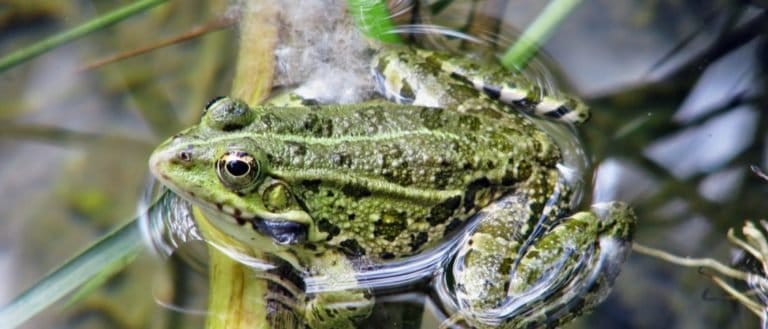
Frog
Tailless jumpers, masters of change

Tailless jumpers, masters of change
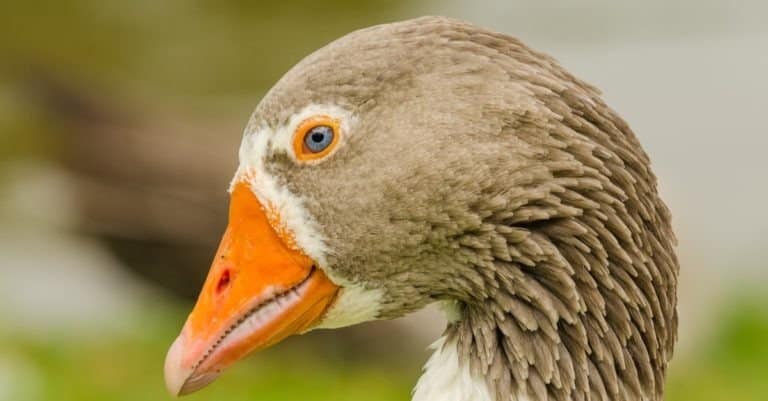
Webbed feet, sky roads, wetland lives
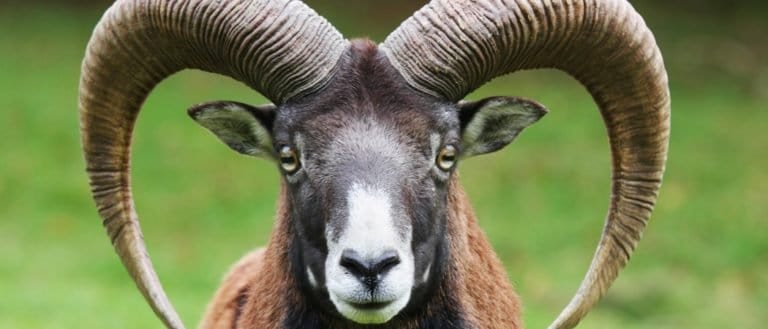
Goats: nimble browsers, global helpers
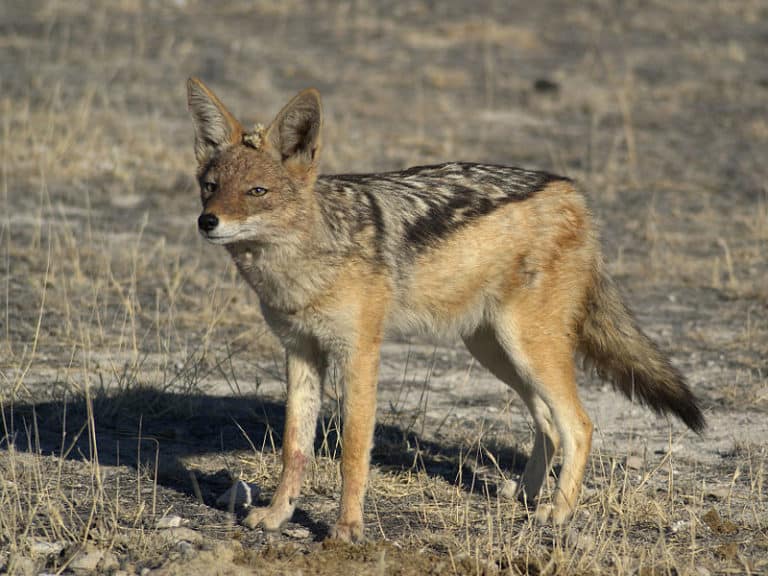
Small canids, big survival skills
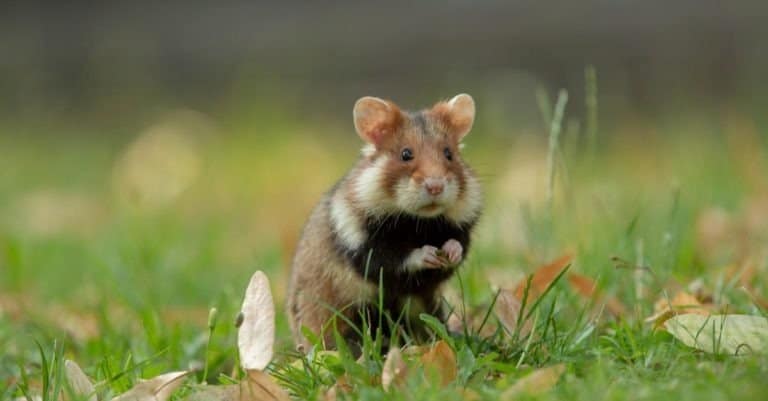
Pouches, burrows, and big impacts
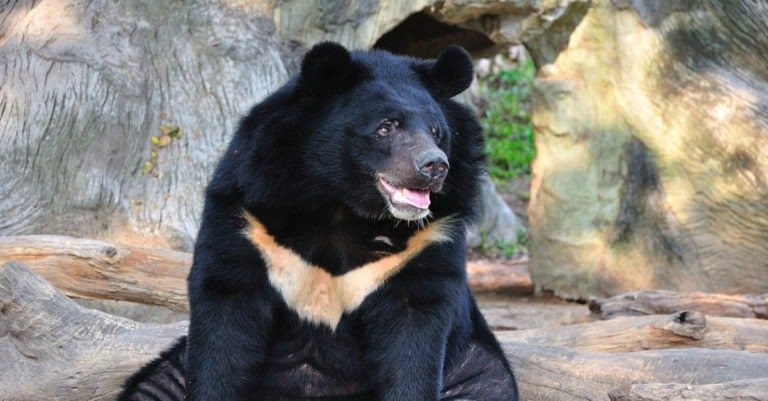
Moon-marked climber of Asian forests
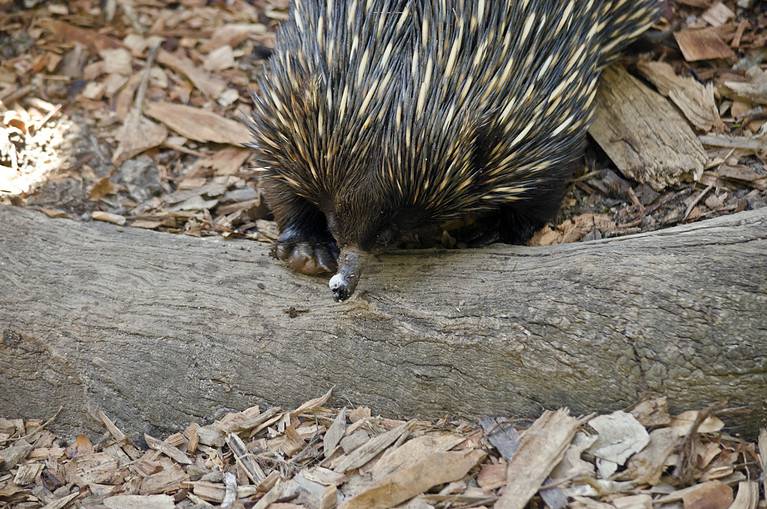
Spines, eggs, and ant-eating mastery

Built to soar, born to strike
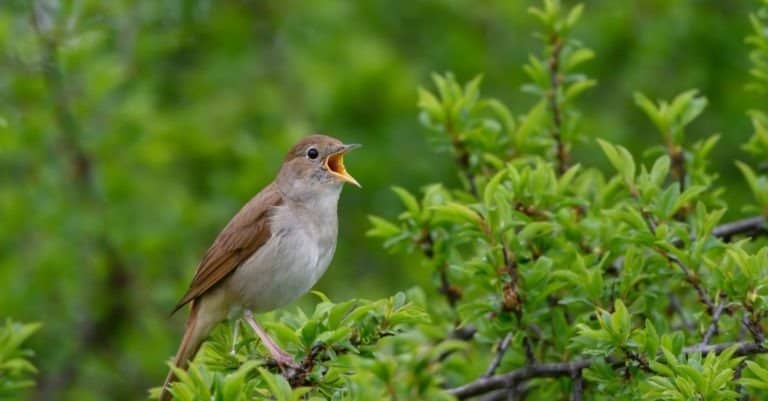
Plain feathers, legendary night song
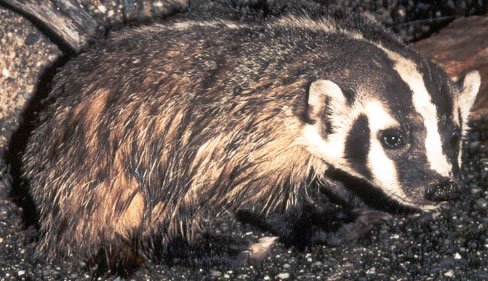
Built to dig. Born to endure.
Tropical dry forest is a forest biome of tropical to subtropical latitudes characterized by warm temperatures year-round and a strongly seasonal climate, with a prolonged dry season that imposes recurrent water stress. Vegetation structure and ecosystem processes are shaped by seasonal drought, leading many woody species to be deciduous and promoting adaptations to fire, herbivory, and episodic rainfall.
Tropical dry forests are warm lowlands and foothills with a wet season followed by months of drought. Many trees lose leaves in the dry season, opening the canopy so grasses and shrubs grow below. When rains return, forests quickly leaf out, flower, and fruit, causing big bursts of life. These diverse forests have drought-tolerant trees, thorny shrubs, epiphytes, and many insects, birds, reptiles and mammals. Fire, grazing, storms and farming threaten them, so protecting and restoring them is important.
Tropical dry forests are warm year-round but have strong wet and dry seasons. Most rain falls in a few months, then long dry periods cause dry soils and high water loss. Many trees drop leaves, go dormant, or show drought traits, then quickly leaf out and bloom when rains come. Year-to-year rain changes drive fires, grazing, and dieback.
~5-15°C (tropics closer to 5-10°C; subtropical margins up to ~15°C), with the hottest period often late dry season just before rains
~500-1500 mm/year (commonly ~700-1200 mm; drier edges can be ~400-600 mm)
Seasonality in tropical dry forest is driven by water. The wet season refills soil, makes canopy leaves grow, increases plant growth, and brings peak animal activity. The dry season causes moisture stress, leaf drop, low understory and intermittent streams. Fires and grazing peak late dry season; drought timing favors deep‑rooted, drought‑deciduous, and fire‑tolerant species that time flowering to rains.
Growing season 120–240 days, mostly in the wet season and early dry season when soil moisture lasts. Peak growth starts soon after wet season start and runs through mid–late wet season; deeper soils or groundwater can extend growth 1–2 months. Late dry season often brings dormancy for woody plants.
High rainfall delivered in pulses or frequent storms; warm to hot temperatures; higher humidity; soils recharged and surface water becomes widespread (streams, ephemeral pools).
Rapid plant growth and canopy "greening"; peak primary productivity and litter production; strong recruitment window for seedlings and many understory plants; nutrient cycling accelerates as decomposition increases; temporary aquatic habitats appear, boosting invertebrate and amphibian populations.
Rainfall declines; humidity drops; temperatures may remain high but nights can become slightly cooler; soils still moist, streams begin to contract.
Last major growth pulse; many species shift from growth to reproduction and storage; seed set and fruiting often increase as conditions remain favorable but competition and pathogen pressure may lessen.
Little to no rain; low humidity; high evapotranspiration; surface water scarce and localized; dustier conditions; higher temperature variability (hot days, cooler nights in some regions).
Widespread deciduous leaf drop reduces transpiration and produces heavy litter layer; net primary productivity declines; growth slows or stops; mortality risk rises for seedlings and shallow-rooted plants; fire likelihood increases due to dry fuels; browsing and grazing pressure concentrates near remaining water and green patches, influencing regeneration.
Hottest period in many tropical dry forests; extreme water stress; very low fuel moisture; convective buildup may produce isolated storms/lightning before widespread rains.
Peak fire risk and disturbance; canopy most open (maximum leaflessness in many deciduous trees), increasing light penetration and understory temperature; many species synchronize flowering to the leafless canopy to improve pollinator visibility and reduce shading; first storms can trigger rapid green-up in grasses and some shrubs.
Day Length: Day length varies modestly compared to temperate biomes (near the equator ~11.5-12.5 hours year-round; farther into the subtropics can range roughly ~10.5-13.5 hours). Ecological significance is secondary to rainfall/soil moisture but still important: photoperiod helps cue flowering, leaf phenology, and some breeding/migration timing, while the pronounced wet-dry water cycle remains the dominant seasonal driver of productivity, fire regimes, and animal movements.
Tropical dry forests are found in scattered areas across the tropics and warm subtropics. They stay warm year-round but have a long, multi-month dry season. They occur in monsoon and trade-wind climates and in rain-shadow and interior lowlands, often mixing with savannas, thorn scrub, and farmed land. Many are reduced and fragmented by clearing, grazing, and fire.
Globally threatened and underrepresented in protected areas; among the most heavily converted tropical forest biomes, with many remaining tracts fragmented and degraded (often in biodiversity hotspots and densely populated regions).
"Forest" can look like winter: in the middle of the tropics, vast areas can appear leafless and gray during drought-yet the ecosystem is very much alive, just waiting for rain.
Dry season doesn't always mean no water: many trees tap deep groundwater with long roots, so the canopy can re-leaf even when the surface soil is dust-dry.
Some trees time reproduction to hardship: many species flower in the dry season when they have no leaves-making blossoms more visible and accessible to pollinators.
More sun can mean more life (briefly): when leaves drop, sunlight floods the understory and can trigger a burst of grasses, herbs, and seedlings that would be shaded out in the wet season.
Not all "dry forests" are sparse: in good years, wet-season canopy cover can be dense enough that you'd mistake it for a rainforest-until the seasonal leaf-drop reveals the difference.
Animals track the calendar with precision: breeding, migration, and diet shifts often align to the first rains, when insects and young leaves become suddenly abundant.
Leaf litter is a strategy: thick carpets of fallen leaves aren't just "dead matter"-they reduce soil evaporation, feed microbes, and can help seedlings survive the next dry spell.
Some plants plan for fire: seeds of certain species can germinate better after heat or smoke exposure, turning disturbance into a recruitment advantage.
Seasonal makeover comparison: a tropical dry forest can shift as dramatically as a temperate forest between summer and winter-except the trigger is rainfall, not temperature.
Light comparison: in the dry season, the open canopy can make the forest feel more like a sunlit parkland; in the wet season, the same place can feel like a shaded woodland tunnel.
Water-budget comparison: instead of being limited by cold, many organisms live as if they're "budgeting" water the way desert species do-just in a landscape that turns temporarily lush.
Timing comparison: the first major rains can act like flipping a switch-within days to weeks, bare branches can become fully leafed, like a time-lapse video in real life.
Disturbance comparison: fires and grazing can play a role similar to winter storms in other biomes-recurring events that reset vegetation structure and create patchiness.
Resource pulse comparison: food availability can arrive in short bursts (flowers, fruits, insects) more like a seasonal festival than a steady buffet, rewarding animals that can move, store fat, or switch diets.
One of the most "seasonal" forests on Earth: tropical dry forests can flip from lush green to bare-branched in a matter of weeks as the dry season peaks.
Among the most threatened tropical biomes: because they sit on fertile, accessible land, many tropical dry forests have been cleared or heavily fragmented compared with wetter tropical forests.
Productivity on a timer: when the rains arrive, growth rates can surge-many trees leaf out and start photosynthesizing almost immediately, making the wet season a high-speed "carbon sprint."
Big biodiversity in a "dry-looking" package: in some regions (e.g., parts of Mexico, Madagascar, and India), tropical dry forests rival much wetter forests in numbers of plant and animal species.
Drought-deciduous champions: many dominant tree species are extreme specialists at shedding leaves to slash water loss-an adaptation so effective it can define the entire canopy's appearance.
Fire and browsing shape the skyline: in many tropical dry forests, the most successful trees are those with thick bark, resprouting ability, or chemical defenses-traits that can be more important than growing tall.
Nutrient pulse specialists: the rapid wet-season green-up can drive some of the highest short-term nutrient cycling rates in the tropics as leaves, flowers, and insects boom together.
Edge effects on overdrive: because the canopy opens in the dry season, heat and wind penetrate farther-so tropical dry forests often show stronger microclimate swings than rainforests of similar latitude.
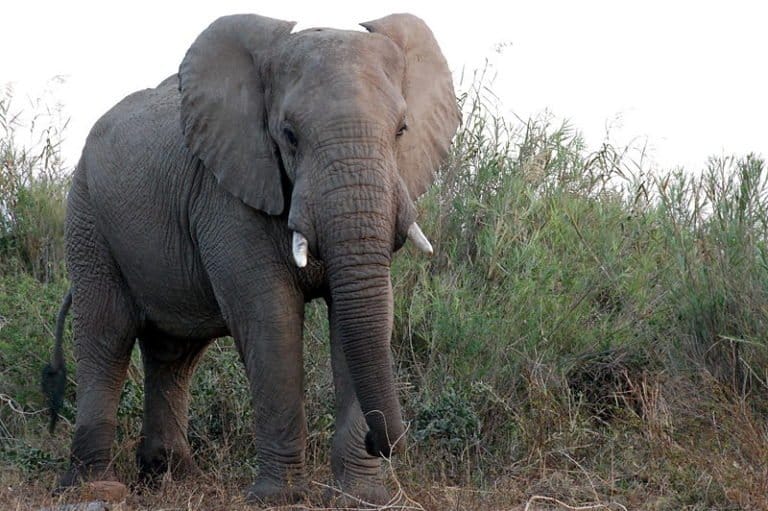
The rainforest's master gardener
Moon-marked climber of Asian forests
Built to dig. Born to endure.
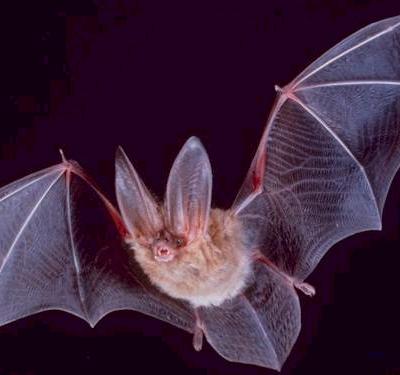
Night pilots of the mammal world

Small hunter, big household legend
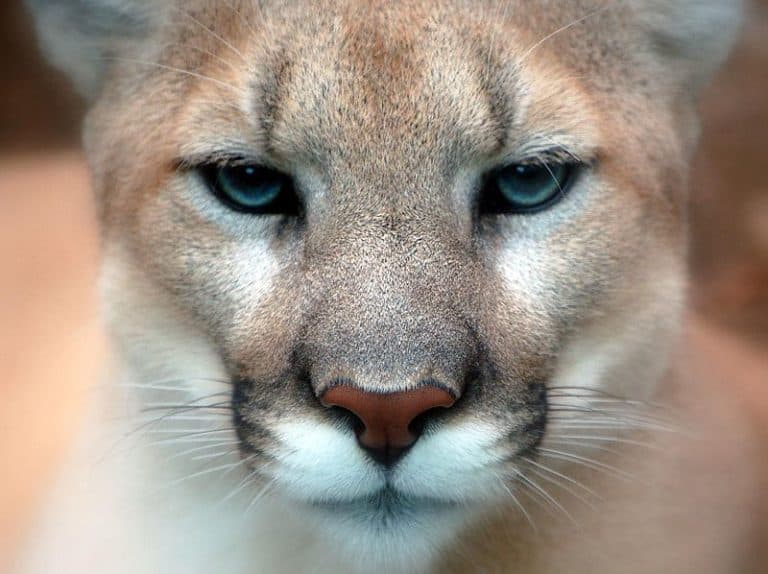
One cat. Two continents.

Sure-footed partner of people

Webbed feet, world travelers.
Built to soar, born to strike
Spines, eggs, and ant-eating mastery
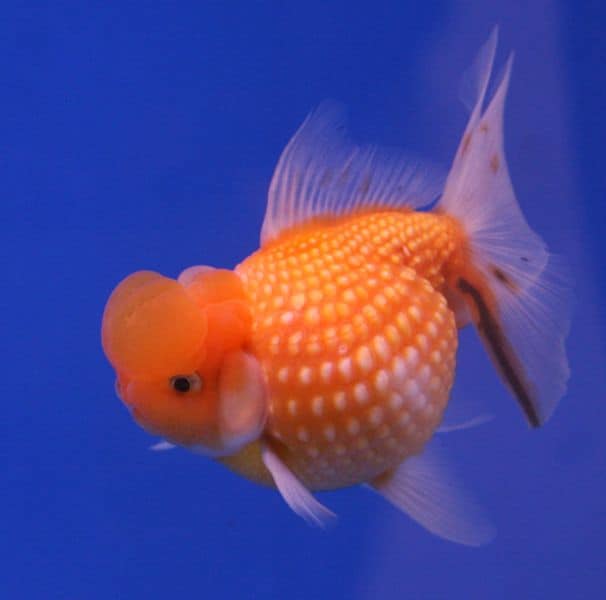
Bony rays, endless ways.
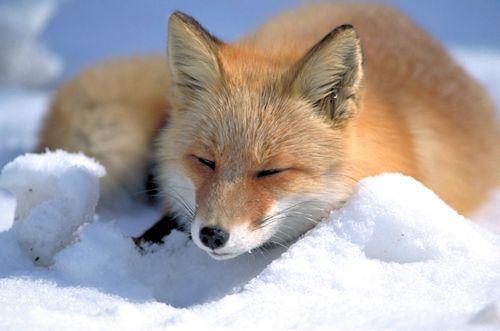
From dunes to tundra-fox smart.
Tailless jumpers, masters of change
Webbed feet, sky roads, wetland lives
Goats: nimble browsers, global helpers
Pouches, burrows, and big impacts
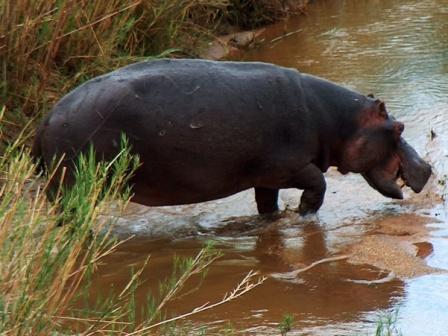
Big river grazer, bigger attitude
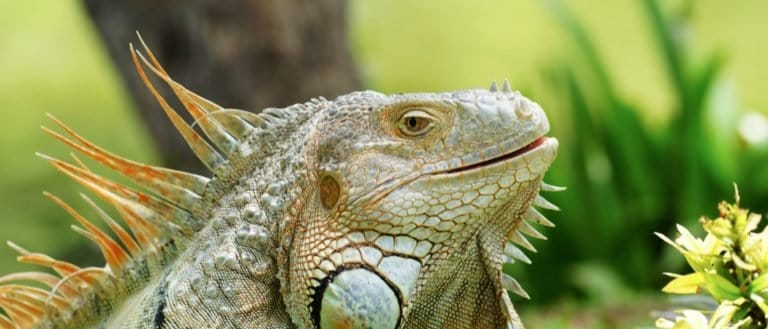
Sun-powered lizards of the Americas
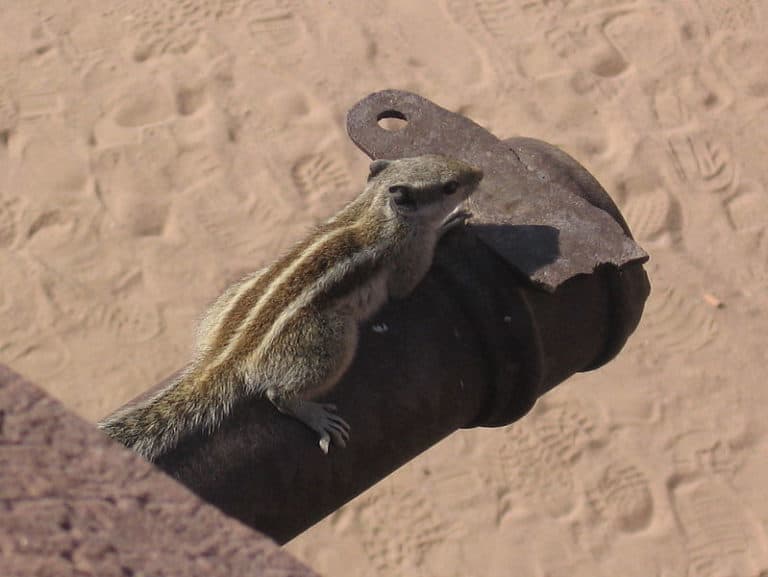
Three stripes. Big city attitude.
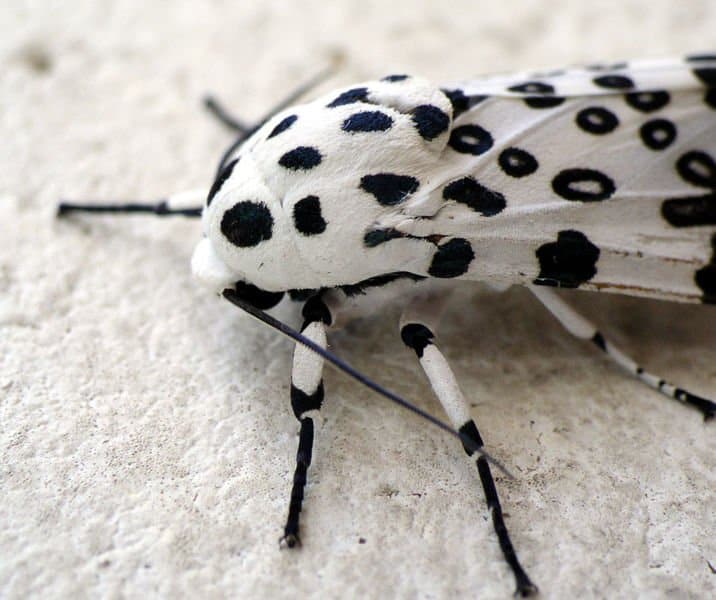
Six legs, endless lives.
Small canids, big survival skills
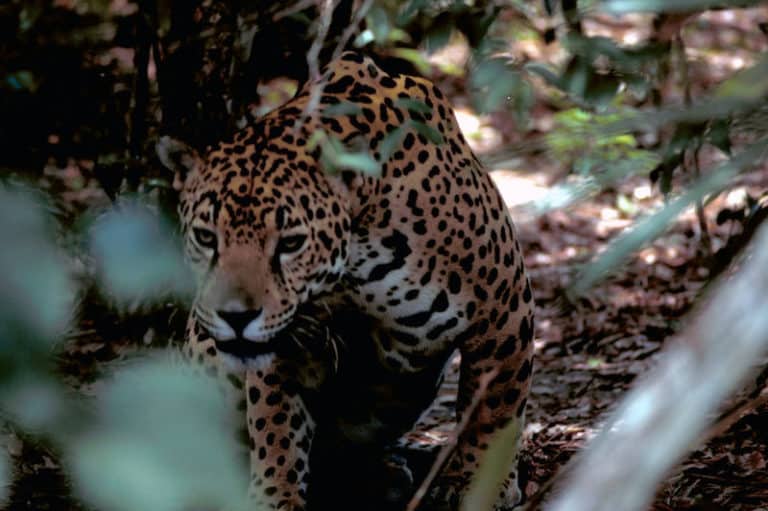
Power of the Americas' apex cat

Big hops, big pouches, big variety
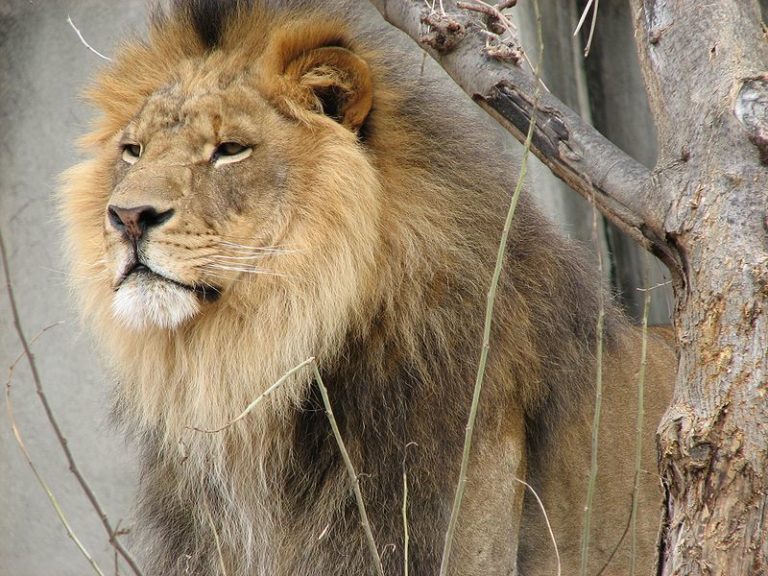
Built for prides, born for the hunt
Thank you for reading! Have some feedback for us?
We appreciate your help in improving our content.
Our editorial team will review your suggestions and make any necessary updates.
There was an error submitting your feedback. Please try again.