Maned Wolf
Cerrado's long-legged fruit-eating canid

Brazil's Federal District is an inland highland refuge of the Cerrado, the vast tropical savanna that is one of South America's most biodiverse and threatened biomes. Even with the planned capital city Brasilia, the district still holds a patchwork of protected areas, ecological stations, and reserves near the city. This mix of city and native savanna shapes wildlife of open-country species and strong seasonal rhythms (dry winters, rainy summers), with a focus on conservation and watershed protection. Main ecosystems are Cerrado grasslands, shrub savanna, and woodland cerrado. Along streams, gallery forests form green corridors for forest birds, monkeys, and frogs, while palm swamp valleys with moriche palms give wet-season refuge. The district sits on the Cerrado plateau that feeds major river basins, so protecting headwaters and river edges (riparian zones) helps regional biodiversity and water supply. Close to Brasilia, parks and trails make wildlife easy to see and study.
The Federal District (DF) sits on the high Central Plateau of the Brazilian savanna, with grassland to wooded savanna, rocky outcrops, and moist gallery forests along streams. Plateau height and watersheds make headwaters and stream corridors that concentrate biodiversity and allow movement across seasonally dry land, while reservoirs and Brasilia's urban area fragment habitats and create edge effects.
Approximately 600 to 1,350 m (plateau landscapes with lower river valleys and higher ridge tops)
Brazil's Federal District on the Central Brazilian plateau protects headwaters, gallery forests and savanna mosaics that feed Brasilia's water and wildlife. Protection includes strict federal units (national park, biological reserve), a local ecological station, large environmental protection areas, district parks and long-term research reserves. It shelters maned wolf, giant anteater, spring-fed wetlands and palm-swamp corridors that act like sponges.
About 40-50% under some form of protection (dominated by large environmental protection areas and other buffer categories; strictly protected core areas are a smaller fraction).
The Federal District's flagship national park and one of the best places near a major capital to see Brazilian savanna wildlife. It protects extensive savanna vegetation, patches of gallery forest, and important springs; large mammals persist surprisingly close to the city.
An ecological park in the Gama area of Brazils Federal District that protects native Brazilian savanna vegetation and riparian habitats, serving as an urban-adjacent refuge for wildlife.
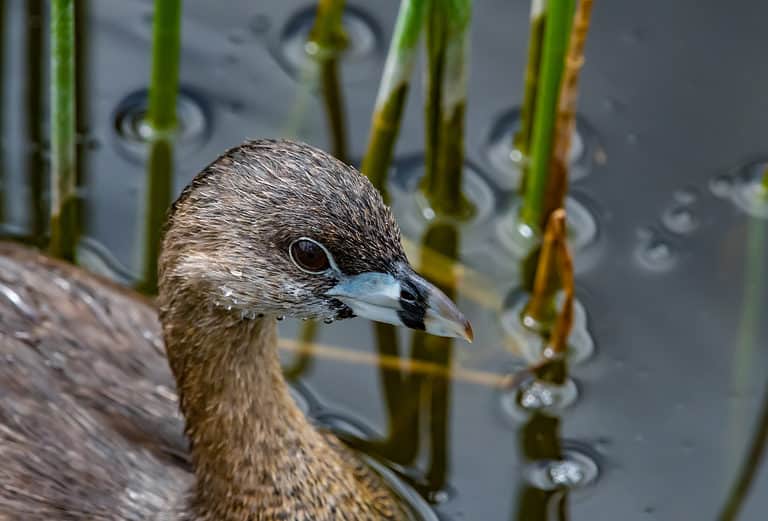
An ecological park on the shore of Lake Paranoa in Brazils Federal District that protects native vegetation and provides habitat for urban-adjacent wildlife, especially birds associated with lakeshore and savanna environments.
An ecological park in the Aguas Claras area of Brazils Federal District that preserves a fragment of native Brazilian savanna vegetation and functions as a local wildlife refuge within a highly urbanized zone.
Brazil's Federal District (DF) sits on the high Cerrado (Brazilian savanna) plateau around Brasilia, where open grasslands and grassy savannas, shrublands, woodland savanna, gallery forests, marshes and palm swamps, and man-made lakes (notably Lake Paranoa) create a compact but very species-rich mosaic. Wildlife here is strongly Cerrado in character: large, wide-ranging mammals adapted to fire-prone grasslands, plus a high diversity of birds-especially savanna specialists and gallery-forest species-often within easy reach of the capital's parks and reserves.
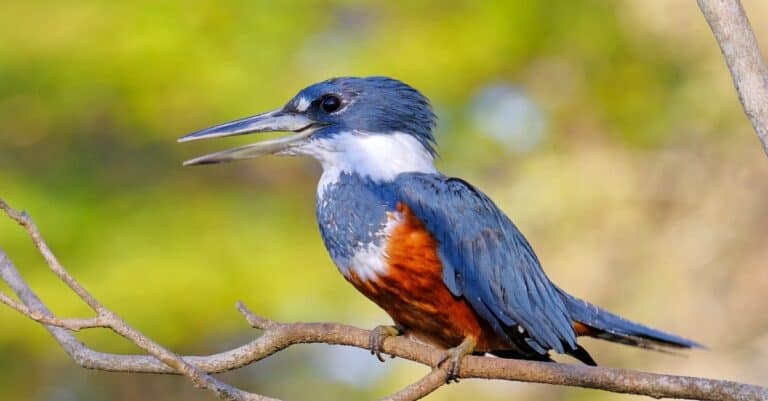
The Federal District is an inland high plateau of Brazilian savanna around Brasilia. Wildlife viewing focuses on grasslands, gallery forests by streams, rocky outcrops, and wetland edges like Lake Paranoa and protected areas. Expect birding (macaws, toucans, seriemas, raptors), shy mammals (maned wolf, giant anteater), and night or roadside sightings from dawn walks, sunset views, and guided night drives.
Peak visibility and comfort: clearer skies, lower humidity, easier trails, and wildlife concentrating near water. Excellent for dawn birding, raptor watching, and mammal spotting at reserve edges and along dirt roads. Fires can occur late in the dry season (Aug-Sep), so check air quality and temporary closures.
Cerrado comes alive: first rains trigger flowering, insect booms, and a surge in bird activity (song, nesting, mixed flocks). Great for photography with greener landscapes; afternoons can bring thunderstorms-plan wildlife outings for early morning and late afternoon.
Lush and noisy with frogs, insects, and breeding birds; dramatic cloudscapes and greener backdrops. Some trails can be muddy and harder for spotting (taller grass/denser foliage), but you'll gain amphibian-rich night walks and active forest edges after rain.
A practical sweet spot: rain tapers, vegetation remains green, and access improves. Strong general wildlife watching and comfortable temperatures; good time for longer hikes in parks and reserves before the driest months.
The Federal District (Brazil) sits on the Central Brazilian Plateau in the Brazilian savanna biome. Though small and urban Brasília, it still has savanna vegetation (open grasslands to wooded savannas), riparian and gallery forests, and wetlands like palm swamps near headwaters. Strong wet and dry seasons, fires, and many small drainage basins shape its plants and animals.
The Federal District is almost entirely in the savanna biome (Cerrado), a patchwork of open grassland to wooded savanna shaped by dry seasons and regular fires. Many patches are protected; narrow forest strips along rivers.
Biome classification: ~100% savanna biome within the Federal District; savanna formations dominate native cover, with smaller areas of river- and stream-side forest and wetlands.
Seasonal and semi-deciduous forests, often as gallery forests along streams and rivers and as drier patches on fertile soils and protected valleys. They stay greener in the dry season and form key wildlife corridors.
~5-15%, mainly as narrow linear strips along waterways and small forest patches.
Headwater streams, small rivers, and reservoirs/lakes that support aquatic communities and provide water for the metropolitan area. Lake Paranoa is the most prominent artificial lake; multiple small catchments drain toward larger regional basins.
Small areal extent (<2-3%), but widespread as a dense network of streams plus reservoirs.
Wetlands occur mainly as palm swamps dominated by the moriche palm (Mauritia flexuosa), seepage wetlands, and seasonally waterlogged valley bottoms associated with headwaters; they are critical for dry-season water maintenance and specialized species.
Patchy and localized (~1-5%), concentrated in valley bottoms, springs, and seepage zones.
Typical Brazilian savanna and dense wooded savanna mosaics in protected areas (e.g., Brasilia National Park and other conservation units), with fire-adapted trees, shrubs, and a grassy understory.
Open grassland and shrubby grassland formations on plateaus and gentle slopes, with high herbaceous diversity and strong seasonal dynamics; often sensitive to conversion and altered fire regimes.
Shrub-rich savanna transitions (including rocky or nutrient-poor sites) where woody shrubs dominate above a grassy layer, providing structural habitat for birds and small mammals.
Wooded savanna (savanna woodland) with relatively dense tree and shrub cover forming a partial canopy over a grassy understory; the canopy and leaf-litter layer provide important microhabitats.
Gallery/riparian forests along streams and rivers, forming linear corridors with higher humidity, taller trees, and high faunal connectivity across the landscape.
Numerous small headwater streams and creeks feeding regional basins; riparian zones are key for water quality and biodiversity.
Reservoirs and impoundments, especially Lake Paranoa, supporting urban-adjacent aquatic habitats (shorelines, submerged vegetation, and open-water zones).
Small farm dams, seasonal pools, and constructed ponds that can provide breeding habitat for amphibians and aquatic invertebrates, though often impacted by eutrophication or introduced species.
Palm swamps and seepage wetlands with permanently or seasonally saturated soils; important refuges during the dry season and for groundwater recharge/discharge dynamics.
Localized marshy margins along slow-flowing reaches, reservoirs, and wet valley bottoms, with emergent vegetation and strong seasonal water-level changes.
A matrix of croplands and pastures in peri-urban and rural zones, contributing to habitat fragmentation and affecting fire, water, and invasive species dynamics.
Brasília's planned urban core and dense built-up areas, with strong heat-island effects and high pressure on surrounding protected Cerrado remnants.
Expanding satellite cities and low-to-mid density development around Brasília, often adjacent to natural fragments, increasing edge effects, road mortality, and wildfire ignition risk.
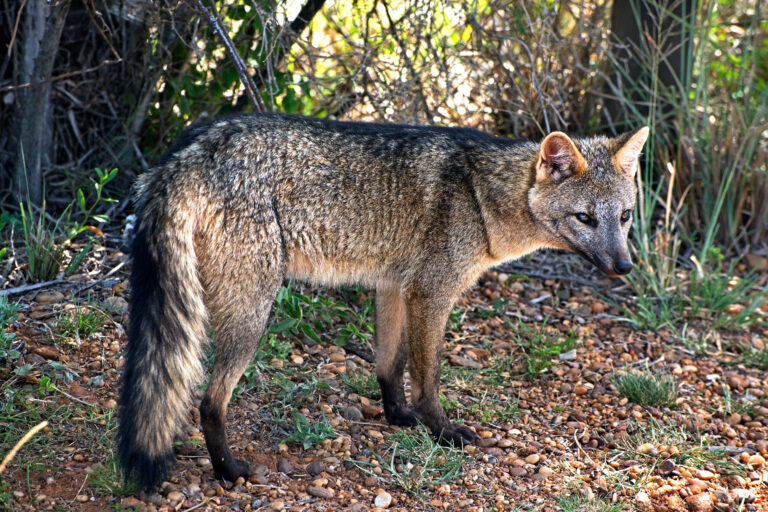
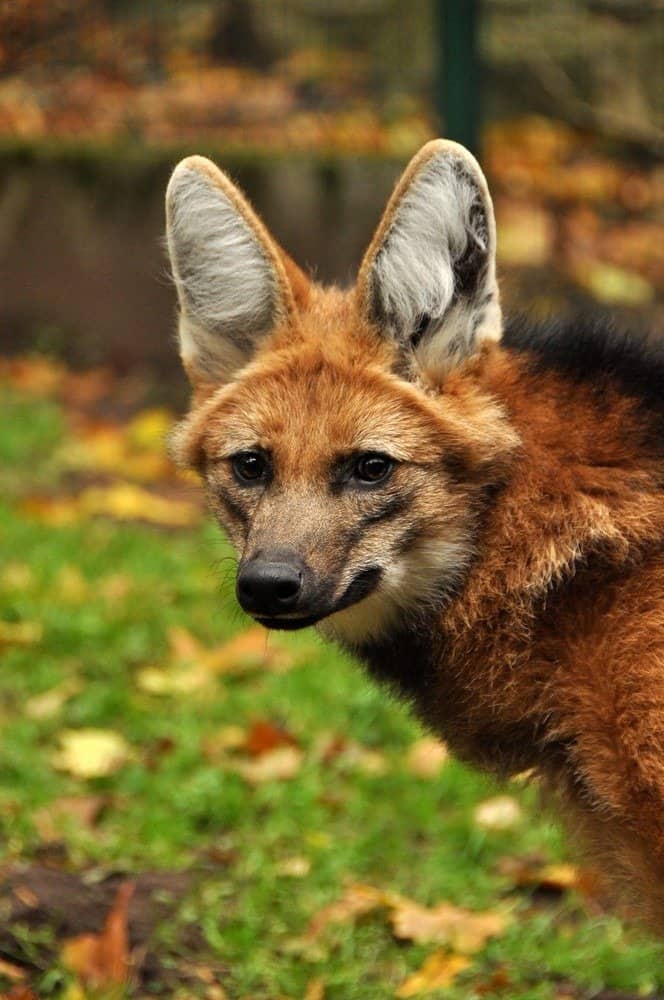
Despite its name, the **maned wolf isn't very "wolf-like" in diet**: in the Federal District's Cerrado it commonly eats fruit-especially the **wolf apple (Solanum lycocarpum)**-and helps disperse its seeds across the savanna.
You can spot true Cerrado wildlife inside the capital's footprint: **burrowing owls (Athene cunicularia)** frequently nest in **ground burrows on lawns, road margins, and open lots** around Brasília-an unusually urban lifestyle for a wild raptor.
Brasília's wildlife isn't confined to distant reserves: the city's large artificial lake, **Lago Paranoá**, has become a reliable place to see **capybaras** living in close proximity to dense human development along the shoreline.
Many Federal District grasslands are made by insects: dense termite-mound fields form dry islands in wet seasons. These mounds hold prey and shelter, attracting lizards, snakes, and anteaters that raid termites.
In the Federal District's Cerrado, fire is natural. Many species time feeding and movement to post-burn regrowth, when fresh shoots and exposed insects make finding food very productive, causing debate over fire management.
The Cerrado biome that dominates Brazil's Federal District is widely described as the **most biodiverse savanna on Earth**-and Brasília sits right on this high-plateau heartland of the biome.
The **maned wolf (Chrysocyon brachyurus)**-regularly recorded in protected areas of the Federal District such as **Brasilia National Park** and the **Aguas Emendadas Ecological Station**-is the **tallest wild canid in the world** (and the largest canid native to South America).
The **giant anteater (Myrmecophaga tridactyla)**, found in the Federal District's Cerrado reserves, is the **largest living anteater in the world**, built to consume tens of thousands of ants/termites in a day.
The **greater rhea (Rhea americana)**, which occurs in open Cerrado landscapes in and around the Federal District, is the **largest native bird in the Americas** (a full-grown adult can stand roughly as tall as many humans' shoulders).
6 species documented in our encyclopedia
Thank you for reading! Have some feedback for us?
We appreciate your help in improving our content.
Our editorial team will review your suggestions and make any necessary updates.
There was an error submitting your feedback. Please try again.