N S W E
Wildlife Expeditions

Wildlife of
Sergipe

Brazil's smallest state packs a big punch-Sergipe blends a mangrove-rich Atlantic coast with an inland semi-arid thorn scrub and dry forest zone, creating a compact hotspot for birds and coastal wildlife.
7 Species
21,915 km² Land Area
Overview

About Sergipe

Sergipe's wildlife shows strong changes over short distances: salt Atlantic shorelines and estuaries quickly give way to drier interior lands where semi-arid, drought-ready species live. This small crossroads of habitats supports many birds, rich estuary life, and a mix of Atlantic coastal specialists and semi-arid animals — a small picture of Northeast Brazil's nature. Along the coast, mangroves and estuaries are nurseries for fish and crustaceans and key feeding and roosting places for herons, egrets, and other waterbirds. Beaches, dunes, and coastal scrub add hardy plants and open, windy spots that help different bird groups, including migrants. Inland, semi-arid thorn scrublands and dry forests house reptiles, small mammals, and birds adapted to heat and wet-dry seasons. You can birdwatch mangroves at dawn and the semi-arid interior by afternoon, so wildlife viewing is varied and easy.

Physical Features

Geography

Sergipe's small area has a strong west-to-east change that shapes where animals live: humid Atlantic coast habitats (beaches, dunes, restinga scrub, estuaries, mangroves) give way inland to drier seasonal forests and Caatinga shrublands. Rivers, especially the São Francisco, create wetlands and river edges that gather birds, fish, reptiles, and mammals.

21,915 km² Land Area
Smallest state in Brazil (by area) Size Rank
Brazil Country
State Type
Elevation Range

Sea level to ~700 m (interior uplands), creating coastal lowland-semi-arid interior habitat gradients

Coastline

Atlantic Ocean coastline with beaches, estuaries and mangrove systems

Key Landscapes

Atlantic coastline with beaches, barrier features, dunes and sandy plains Mangrove-fringed estuaries and tidal channels (notably around the Sergipe River and coastal lagoons/estuaries) Restinga vegetation (coastal sandy scrub/woodland) and coastal wetlands São Francisco River along the northern boundary, including riparian zones, floodplain environments, and estuarine habitats near the river mouth Vaza-Barris, Sergipe and Real river basins forming riparian corridors from interior to coast Inland Caatinga and transitional dry seasonal vegetation in the west (semi-arid habitats) interspersed with agriculture and pasture mosaics
Parks & Reserves

Protected Areas

Sergipe's protected areas are small but cover key ecosystems: Atlantic coastal beaches and dunes, sandplain shrublands, mangrove estuaries (key for sea turtles, shorebirds and fisheries), and inland thorn scrublands plus Northeast Atlantic Forest (home to threatened forest species and dryland birds). Most land is in sustainable-use (Environmental Protection Areas, Extractive Reserves) allowing traditional use; strict sites are fewer but vital.

Protected Coverage

Approximately 15% of Sergipe's land area is within some form of protected area when broad sustainable-use units (Environmental Protection Areas and Extractive Reserves) are included; strict-protection coverage is much smaller (roughly under 2%).

National Parks & Preserves

Serra de Itabaiana National Park (PARNASI)

~7,900 ha (≈79 km²)

Sergipe's flagship federal park protecting a mosaic of rocky outcrops, forest patches, and open habitats that form an important wildlife refuge and birdwatching area in an otherwise heavily modified landscape.

Tamandua (Tamandua tetradactyla) Collared peccary (Pecari tajacu) Common marmoset (Callithrix jacchus) Red-legged seriema (Cariama cristata) Boa constrictor (Boa constrictor)

Santa Isabel Biological Reserve (REBIO Santa Isabel)

~5,500-6,000 ha (≈55-60 km²)

Highly important coastal strict-protection unit safeguarding dunes, coastal sandplain shrublands, lagoons and nesting beaches-one of Sergipe's most significant areas for sea turtle conservation and coastal birdlife.

Loggerhead turtle (Caretta caretta) Hawksbill turtle (Eretmochelys imbricata) Green turtle (Chelonia mydas) Guiana dolphin (Sotalia guianensis) West Indian manatee (Trichechus manatus)

Reserva Extrativista Marinha do Litoral Sul de Sergipe (RESEX Marinha)

~10,000-15,000 ha (order of magnitude; boundaries include extensive estuaries/mangroves)

Large mangrove-estuary complex managed for traditional fisheries; notable for manatee/dolphin presence, nursery habitat for fish/crustaceans, and concentrations of wading birds and migratory shorebirds.

West Indian manatee (Trichechus manatus) Guiana dolphin (Sotalia guianensis) Mangrove crab (Ucides cordatus) Roseate spoonbill (Platalea ajaja) Semipalmated sandpiper (Calidris pusilla)

Serra de Itabaiana National Park

7,966 ha

Federal national park in Sergipe protecting the Serra de Itabaiana massif and surrounding habitats (a mosaic influenced by Atlantic Forest and drier interior formations). It is managed by ICMBio and is important for regional biodiversity conservation and watershed/headwater protection.

State & Provincial Parks

Grota do Angico Natural Monument (Sergipe)

~2,100 ha (≈21 km²)

Semi-arid canyon landscape along the Sao Francisco region with rocky cliffs, dry-forest vegetation, and strong dryland bird diversity-one of the best places in Sergipe for semi-arid wildlife viewing.

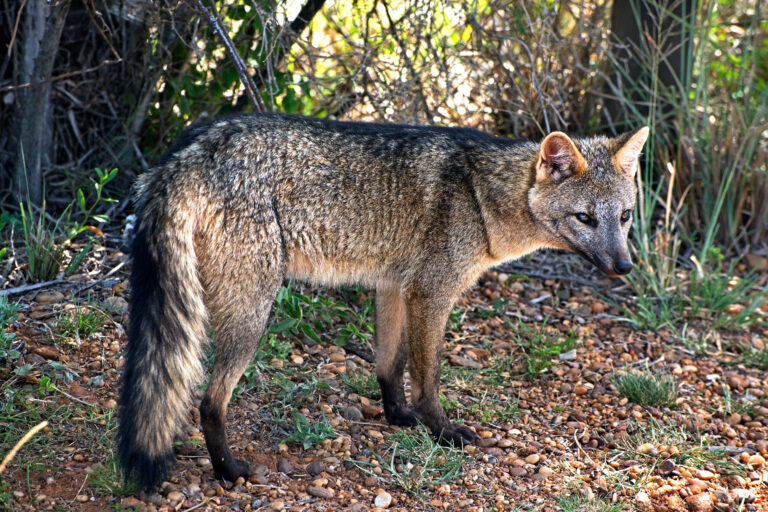
Caatinga parakeet (Eupsittula cactorum) Red-cowled cardinal (Paroaria dominicana) Rock cavy (Kerodon rupestris) Crab-eating fox (Cerdocyon thous) Boa constrictor (Boa constrictor)

Northern Sergipe Coast Environmental Protection Area (APA)

~54,000 ha (area listed in Brazil's National Registry of Conservation Units; rounded)

Broad coastal protected landscape covering dunes, coastal sandplain shrublands, mangroves, and lagoons; important for roosting and feeding shorebirds and maintaining ecological connectivity around sea turtle nesting beaches.

Loggerhead turtle (Caretta caretta) Hawksbill turtle (Eretmochelys imbricata) Scarlet ibis (Eudocimus ruber) Neotropical otter (Lontra longicaudis) Black skimmer (Rynchops niger)

Southern Sergipe Coast Environmental Protection Area (APA)

~30,000-50,000 ha (large multi-use coastal environmental protection area; approximate)

Protects estuaries, mangroves and coastal sandplain shrublands south of Aracaju; key for fish and crab nurseries, waterbirds, and manatee and dolphin movements along the coast.

West Indian manatee (Trichechus manatus) Guiana dolphin (Sotalia guianensis) Mangrove crab (Ucides cordatus) Roseate spoonbill (Platalea ajaja) Whimbrel (Numenius phaeopus)

Wildlife Refuges

Mata do Junco Wildlife Refuge

894.65 ha (about 8.95 km²)

A protected remnant of Northeast Brazil's Atlantic Forest in Sergipe, designated as a wildlife refuge and managed for biodiversity protection in one of the state's most important forest fragments.

Blond capuchin (Sapajus flavius) Red-handed howler monkey (Alouatta belzebul)

Santa Isabel Biological Reserve (Reserva Biológica de Santa Isabel, REBIO Santa Isabel)

5,547 ha (≈55.47 km²)

Strict-protection coastal reserve in Sergipe created to protect restinga and dune ecosystems and important sea turtle nesting beaches; it also includes coastal lagoons that support waterbirds and other coastal wildlife.

Loggerhead turtle (Caretta caretta) Hawksbill turtle (Eretmochelys imbricata) Green turtle (Chelonia mydas)

Mata do Junco Wildlife Refuge

~1,520 ha

State-level protected area in Sergipe that conserves a remnant of Atlantic Forest habitat, created to protect threatened wildlife, especially endemic and endangered primates.

Coimbra-Filho's titi monkey (Callicebus coimbrai)

Sao Francisco River Mouth Environmental Protection Area (APA)

~20,000-30,000 ha (approximate; multi-use environmental protection area)

Estuary and delta complex at the Sao Francisco River mouth (shared coastal dynamics at the Sergipe-Alagoas boundary). Notable for migratory shorebirds, sandbar and lagoon habitats, and coastal fish productivity.

Guiana dolphin (Sotalia guianensis) Green turtle (Chelonia mydas) Royal tern (Thalasseus maximus) Whimbrel (Numenius phaeopus) Neotropical cormorant (Nannopterum brasilianum)

Wilderness Areas

  • Serra de Itabaiana National Park (a large, mostly roadless mountainous protected area in Sergipe).
  • Santa Isabel Biological Reserve (restricted-access coastal dunes and coastal scrub habitats in Pirambu, Sergipe).
  • Grota do Angico Natural Monument (semi-arid canyon and dry-forest landscapes in the upper Sao Francisco region of Sergipe, around Poco Redondo).
Animals

Wildlife

Sergipe, Brazil's smallest state, packs a high wildlife payoff because it spans multiple biomes and coastal ecosystems in a short distance. Along the Atlantic coast, beaches, dunes and restinga scrub, mangroves, and estuaries support sea turtles, dolphins, manatees, and rich birdlife (including herons, ibis, and migratory shorebirds). Inland, drier Caatinga habitats add a distinct set of reptiles, open-country birds, and drought-adapted mammals. The remaining Atlantic Forest fragments-though heavily reduced-still hold some of the state's most conservation-significant primates, birds, and amphibians.
~100-140 species (mix of Caatinga, Atlantic Forest remnants, and coastal/estuarine mammals) Mammals
~430-520 species (very high for the state's size; strong coastal and wetland component plus Caatinga endemics) Birds
~100-140 species (including coastal dune/restinga specialists and Caatinga lizards/snakes) Reptiles
~40-70 species (highest diversity in wetter forest fragments and river systems; lower in drier Caatinga) Amphibians
Freshwater ~150-250 species in rivers/estuaries; marine diversity is much higher offshore and not well summarized at state scale Fish
Examples

Iconic Species

West Indian manatee A flagship coastal mammal of Northeast Brazil; Sergipe's estuaries and sheltered nearshore waters can host manatees, making boat-based sightings a major draw where conditions and protections allow.
Hawksbill sea turtle Sergipe's coastline includes important nesting and nearshore habitat for this coral-reef-associated turtle; conservation monitoring on nesting beaches has made it one of the state's signature wildlife experiences.
Loggerhead sea turtle Regular nesting along the Sergipe coast; hatchling seasons and protected beach areas are a hallmark of coastal nature tourism and conservation in the state.
Guiana dolphin A characteristic small dolphin of Brazil's tropical Atlantic coast, frequently associated with bays and estuaries-exactly the habitats Sergipe has in abundance.
Scarlet ibis A quintessential mangrove and estuary species whose bright red flocks define the 'look and feel' of healthy coastal wetlands in Northeast Brazil, including Sergipe's mangrove systems.
Coimbra-Filho's titi monkey One of Sergipe's most distinctive primates, tied to remaining Atlantic Forest fragments; a prime target species for wildlife-focused visitors and researchers.
Red-handed howler monkey A loud, charismatic canopy primate of Northeast Atlantic Forest; where forest persists, its vocalizations are part of the classic forest experience.
Brazilian three-banded armadillo A Caatinga-adapted icon famous for rolling into a ball; it represents Sergipe's inland semi-arid wildlife and is a conservation symbol for the region.
Capybara
Capybara Common around rivers, lagoons, and wetlands; often the most visible large mammal in accessible lowland and riparian areas.

Endemic & Rare Species

Coimbra-Filho's titi monkey

Plecturocebus coimbrai

Endemic to Northeast Brazil (restricted range; locally threatened by forest loss and fragmentation)

Sergipe is within the core of this species' natural range; conserving Atlantic Forest remnants here is critical for its long-term survival.

West Indian manatee

Trichechus manatus

Vulnerable globally (IUCN); regionally threatened along Brazil's northeast coast

Dependent on calm coastal/estuarine habitats that are sensitive to boat traffic, entanglement, and habitat alteration; Sergipe's estuaries can be important refuges and movement corridors.

Hawksbill sea turtle

Eretmochelys imbricata

Critically Endangered (IUCN)

Nesting activity on Northeast Brazilian beaches gives Sergipe outsized importance for a globally imperiled species; protection of nesting beaches and nearshore foraging areas is key.

Loggerhead sea turtle

Caretta caretta

Vulnerable (IUCN)

Nesting beaches in Sergipe contribute to Brazil's nationally important loggerhead reproductive output; threats include coastal lighting, fisheries bycatch, and beach development.

Brazilian three-banded armadillo

Tolypeutes tricinctus

Vulnerable (IUCN)

A Caatinga specialty with patchy distribution; persistence in Sergipe depends on maintaining native dry habitats and limiting hunting and land conversion.

Restinga lava lizard

Tropidurus hygomi

Range-restricted coastal specialist (restinga/dune habitats; vulnerable to habitat loss)

Strongly tied to sandy coastal vegetation and dunes found along parts of the Sergipe coast; it highlights the conservation value of restinga landscapes.

Yellow-faced siskin

Spinus yarrellii

Endangered (IUCN)

A Northeast Brazil endemic songbird impacted by trapping and habitat change; any remaining or seasonal populations in Sergipe are conservation-relevant and closely watched by birders.

Notable Populations

  • Nationally important sea turtle nesting beaches (hawksbill and loggerhead) along the Sergipe coast, monitored through long-running conservation programs in Northeast Brazil.
  • Mangrove and estuary bird communities (ibis, herons, egrets, shorebirds) that serve as key feeding/roosting habitat for resident and migratory species.
  • Atlantic Forest fragment primate populations (notably Coimbra-Filho's titi monkey and red-handed howler monkey), representing some of the most conservation-significant terrestrial wildlife in the state.
  • Estuarine/coastal populations of Guiana dolphin associated with sheltered bays and river mouths.

Recent Changes

  • Sea turtle nesting success has generally improved at protected/monitored beaches over recent decades, though coastal lighting, urban growth, and fisheries bycatch remain chronic pressures.
  • Ongoing loss and fragmentation of Atlantic Forest remnants continue to reduce and isolate populations of forest-dependent mammals (including primates) and some amphibians.
  • Coastal development and mangrove alteration in some areas have increased disturbance to estuarine wildlife (boat traffic, noise, habitat conversion), affecting manatees, dolphins, and roosting birds.
  • Inland Caatinga habitats face intensifying pressure from land conversion, wood extraction, and drought extremes, which can drive local declines of larger, slower-reproducing fauna (e.g., armadillos) and simplify reptile/bird communities.
  • Rehabilitation and release efforts for stranded or injured marine megafauna (notably manatees and sea turtles) occur along Northeast Brazil's coast, supporting gradual local recoveries where habitat and enforcement are adequate.
Visit

Wildlife Viewing

Sergipe is Brazil's smallest state but has many wildlife habitats: Atlantic beaches, dunes, restinga scrub, mangroves, estuaries, and semi-arid Caatinga. It is great for birding (shorebirds, herons, raptors, Caatinga endemics), boat trips in mangroves and rivers, and seasonal sea turtle nesting. Easy coastal day trips from Aracaju plus short trips inland.

Best Seasons

Dec-Mar (summer / hotter, generally drier)

Hotter temperatures and typically lower rainfall than the April-August wet season; great for beaches, dunes/restinga walks, and tide-timed estuary/mangrove boat trips. Early mornings and late afternoons are best for birds and comfort. Sea turtle nesting activity can occur in warmer months on protected beaches, but timing varies by species and site-go only with authorized programs.

Apr-Jun (rainy season / greener landscapes)

Part of Sergipe's main rainy season, bringing lusher vegetation and higher water levels in wetlands, estuaries, and mangroves. Bird activity can be strong, but expect more frequent rain and plan flexible schedules with early starts and tide-aware coastal outings.

Jul-Aug (cooler; still relatively rainy)

Generally cooler temperatures, but still within the wetter part of the year on the coast. Good for forested/park hikes when weather windows cooperate and for mangrove/river scenery, but be prepared for rain disruptions and prioritize shorter, flexible outings.

Sep-Nov (drier season returns; high-visibility birding)

Typically drier weather returns, improving visibility and making it easier to combine beaches/estuaries with interior trips. A strong period for shorebird scanning on sandbars and river mouths and for reaching inland Caatinga areas with fewer rain-related access issues.

Top Wildlife Experiences

  • Boat safari in the mangroves and sandbanks of the Rio Vaza-Barris estuary near Aracaju. Visit at low tide to scan mudflats for herons, egrets, sandpipers, and other shorebirds; high tide to explore mangrove channels.
  • Visit the protected coastal dune-and-restinga landscapes around the Abaís area (Estância region): walk early for bird activity across scrub, dunes, and lagoons; look for raptors, hummingbirds, and mixed flocks in restinga vegetation.
  • Sea turtle-focused beach night (where permitted) with a conservation program on Sergipe's protected coast: join an authorized monitoring walk to learn about nesting ecology and observe responsible nest protection activities (no flash, minimal disturbance).
  • Birding day trip to Caatinga habitats in the interior (toward the Sertão/Agreste zones): seek Caatinga-specialist birds, watch waterholes for busy morning activity, and combine with local guides who know seasonal hotspots.
  • Sunrise shorebird circuit on wide beaches and river mouths (e.g., around Pirambu and other north-coast stretches): scan the surf line and sandbars for terns, gulls, plovers, and migrating/overwintering shorebirds; best with a scope and a tide table.
  • Kayak or small-boat wildlife viewing in calm backwaters near mangrove edges: quieter than larger boats and ideal for close, low-impact observation of crabs, fish activity, kingfishers, and roosting birds.
  • Mix culture and nature at the São Francisco River (Cânion do Xingó, Sergipe–Alagoas border): boat through dramatic canyon scenery to watch raptors and waterbirds on cliffs and coves, plus a short hike for dry-forest wildlife and views.

Wildlife Watching Types

Mangrove and estuary wildlife cruises (birds, mangrove ecology, crabs, fish activity) Beach and sandbar shorebird watching (plovers, sandpipers, terns; best with tides) Sea turtle nesting and hatchling conservation viewing (only with authorized programs and seasonal timing) Restinga and dune birding walks (scrub-adapted birds, raptors, mixed flocks) Caatinga interior birding (semi-arid specialists; waterhole watching in drier months) River and canyon scenery tours with raptor/waterbird spotting (São Francisco / Xingó area) Night wildlife listening walks in suitable areas (owls, nightjars-site-dependent and best guided)

Guided Options

  • Projeto TAMAR (sea turtle conservation) - look for official visitor activities/authorized night walks on Sergipe's turtle-nesting beaches (programs vary by site and season).
  • ICMBio/Parque Nacional Serra de Itabaiana - use accredited local guides for trails and birding-focused hikes; good for combining forest fragments, rocky outcrops, and varied birdlife.
  • Licensed mangrove/estuary boat operators based in Aracaju and nearby coastal communities - book tide-timed wildlife and photography-oriented departures (ask specifically for bird/eco interpretation rather than a speedboat 'sightseeing' run).
  • Cânion do Xingó / São Francisco River boat operators - choose tours that include slower wildlife-spotting segments and optional short guided walks.
  • Local birding guides based in Aracaju/Estância/Propriá regions - request custom itineraries that pair coastal shorebird sites with a Caatinga day to maximize species diversity.
  • Community-based ecotourism initiatives in coastal fishing villages - often offer low-impact canoe/kayak outings in mangroves and lagoons with strong local natural history knowledge.
Habitats

Ecosystems

Sergipe, Brazil's smallest state, packs a big change from wet to dry habitats into a short distance: humid Atlantic coast habitats (beaches, dunes and coastal scrub, estuaries, mangroves) change inland into drier transitional mosaics and semi-arid Caatinga. This makes many habitats for birds, reptiles and coastal and estuary animals, but native plants are broken up by farming and towns.

Biomes

Tropical Rainforest

Appears as remnants of the Atlantic Forest domain along the coastal strip and moist riverine areas, including semi-evergreen forests on more humid sites and taller forests in better-preserved fragments.

Patchy and fragmented; concentrated near the coast and in protected/private fragments (roughly a minority of the state, with most original cover converted).

Tropical Dry Forest

Represented by Caatinga vegetation inland (sertão), ranging from thorny deciduous shrub-woodlands to more open, seasonally dry formations adapted to drought and poor soils.

Dominant inland biome; widespread across the interior (a large share of Sergipe's area).

Freshwater

Major river systems (notably the Sao Francisco on the northern boundary, plus the Sergipe, Vaza-Barris, Piaui, and Real rivers) support riparian corridors, floodplains, reservoirs, and freshwater fisheries.

Linear networks statewide; strongest along major rivers and reservoirs.

Wetland

Estuarine wetlands and tidal flats, mangrove-fringed lagoons/river mouths, and seasonally flooded lowlands occur primarily along the coast and lower river courses.

Localized but ecologically important; concentrated at river mouths and coastal lowlands.

Marine

The Atlantic coastal zone includes nearshore waters, sandy and muddy seabeds, and coastal fisheries; marine influence is strongest around estuaries and along the open coast.

Along the entire shoreline and adjoining continental shelf waters.

Habitats

Rainforest

Atlantic Forest remnants in coastal Sergipe and moist valleys; high canopy where preserved, but commonly reduced to small fragments.

Forest

Secondary forests and mixed native fragments, including riparian forest strips that provide connectivity for wildlife.

Woodland

Caatinga woodland forms inland, with drought-deciduous trees and shrubs; structure varies with rainfall and land use.

Shrubland

Thorny, low-stature Caatinga shrublands on drier sites and degraded lands; often interspersed with pasture and cropland.

Grassland

Open grassy areas and anthropogenic pastures, plus naturally more open Caatinga physiognomies in the interior transition zones.

River/Stream

São Francisco River margins and other basins (Sergipe, Vaza-Barris, Piauí, Real) with riparian habitats, sandbars, and floodplain edges.

Wetland

Seasonally flooded areas and coastal lowland wetlands supporting waterbirds and nursery habitat for fish and crustaceans.

Marsh

Fresh to brackish marshes near lagoons and lower river plains, especially close to estuaries and behind dune/restinga systems.

Mangrove

Mangrove forests in estuaries and river mouths (notably around the Sergipe River estuary and other coastal drainages), important for coastal protection and fisheries nurseries.

Estuary

Mixing zones at river mouths with mudflats, channels, and mangrove-lined margins; key for migratory/coastal birds and juvenile fish.

Coastal

Coastal plains with dunes, coastal scrub, lagoons, and human-modified shorelines, forming a dynamic land-sea interface.

Beach

Extensive sandy beaches and dune-backed shores; used by shorebirds and influenced by seasonal erosion/accretion.

Rocky Shore

Limited rocky/reef-like outcrops compared with sandy coastlines, occurring locally where geology allows and creating small, distinct intertidal habitats.

Open Ocean

Nearshore Atlantic waters supporting pelagic fish movements and artisanal/commercial fishing activity.

Seabed/Benthic

Predominantly sandy to muddy continental-shelf substrates, with benthic communities influenced by river sediment plumes and coastal currents.

Agricultural/Farmland

Widespread croplands and pasture (including sugarcane and mixed farming), especially in the coastal/agreste zones, driving fragmentation of native vegetation.

Plantation

Localized plantation landscapes (notably sugarcane and some silviculture) concentrated in more accessible coastal/lowland areas.

Urban

Urban and peri-urban coastal growth (e.g., around Aracaju) and inland towns, with associated habitat conversion and pollution pressures.

Ecoregions

Caatinga Bahia Coastal Forests Northeastern Brazil mangroves
Protection

Conservation

Primary Threats

  • Conversion and fragmentation of coastal sandy-plain vegetation, dunes and mangroves for coastal development (housing, tourism infrastructure) and shrimp aquaculture; inland, Caatinga and transitional forests are converted to pasture and crops, leaving small, isolated habitat patches with reduced wildlife carrying capacity.
  • Expansion/intensification of pasture and commodity crops (including sugarcane in parts of the coastal plain) increases edge effects, pesticide/fertilizer runoff into estuaries, and pressure on remaining native vegetation-especially in the São Francisco and Sergipe river basins' landscapes.
  • Growth of the Aracaju metropolitan area and coastal municipalities increases land reclamation and sand-dune and coastal sandy-plain vegetation removal, raises demand for water and sanitation, and increases artificial lighting and beach traffic that disrupt sea-turtle nesting.
  • Untreated/insufficiently treated sewage, solid waste and plastics accumulate in rivers and estuaries (notably near urban centers), degrading mangroves and impacting coastal fauna; agricultural runoff contributes to eutrophication, while coastal industrial activity elevates spill/contamination risk.
  • High fishing pressure in nearshore waters and estuaries reduces stocks of key species and increases bycatch risk for threatened megafauna; juvenile fish nursery function of mangroves is weakened where habitats are degraded.
  • Off-road vehicles on beaches, unmanaged tourism, noise and artificial lighting reduce nesting success for sea turtles along key nesting stretches; boat traffic in estuaries increases collision and disturbance risks for aquatic fauna.
  • Roads and transmission lines increase fragmentation (especially around remaining forest/transition habitats), while coastal/port logistics and energy projects (including wind infrastructure in coastal zones) can add collision risk for birds and expand access into previously less-disturbed areas.
  • Fuelwood/charcoal extraction and unsustainable harvesting of mangrove resources (e.g., crabs, wood) can simplify habitats and reduce regeneration; in Caatinga, chronic wood removal lowers structural complexity needed by native fauna.
  • Mostly small-scale and often illegal cutting of native trees for local use (fuelwood, fencing) persists in Caatinga and remaining forest patches, compounding fragmentation and undermining natural regeneration.
  • Sand extraction from dunes/riverbeds and clay/rock extraction for construction materials can destabilize coastal dune systems and riparian zones, increasing erosion and sedimentation in waterways and estuaries.
  • Capture and trade of songbirds and other small fauna occurs in the Northeast region; in Sergipe this pressure is most acute around accessible rural-urban interfaces and road corridors, reducing local populations in already fragmented habitats.
  • Opportunistic hunting in Caatinga and rural mosaics (for bushmeat or retaliation) reduces medium-sized mammals and ground birds, with outsized effects because populations are small and fragmented.
  • Exotic fishes (e.g., tilapia) in freshwater systems can outcompete natives; invasive plants in Caatinga landscapes can alter fire regimes and grazing dynamics, reducing habitat quality for native wildlife.
  • Altered river flow/sediment regimes (from upstream water regulation and channel modifications) affect estuarine salinity and mangrove health; coastal hardening (seawalls, dredging) reshapes beaches and dunes used for nesting.
  • Sea-level rise and stronger coastal erosion threaten beaches/dunes and low-lying mangroves; warming sands can skew sea-turtle hatchling sex ratios; inland, more intense drought and heat stress Caatinga ecosystems and increase fire risk.
  • Perceived predation on small livestock or poultry can trigger retaliation against native carnivores; on the coast/estuaries, conflicts also arise from fishing interactions and occasional entanglement/boat-strike risks for aquatic megafauna.
  • Habitat stress and polluted waterways can elevate disease risk (e.g., in coastal fauna exposed to contaminants and pathogens); small, isolated wildlife populations are more vulnerable to outbreaks due to reduced resilience.
  • Severe fragmentation of Atlantic Forest and transitional habitats in Sergipe isolates populations (notably forest-dependent mammals), increasing inbreeding risk and reducing adaptive potential-especially where patches are too small to sustain viable metapopulations.
Fun Facts

Did You Know?

Olive ridleys usually mass-nest worldwide, but on Sergipe's coast they nest in small, spread-out groups. Yet Sergipe is Brazil's top olive ridley nesting area — many nests overall.

Santa Isabel Biological Reserve is a strict, no-take conservation unit in Sergipe. It was created mainly because of sea turtle nesting — one wildlife event that led to a major protected area.

Urban nature moment: in Aracaju, mangroves in the Sergipe River estuary can put classic mangrove wildlife (e.g., herons/egrets and other estuary birds) surprisingly close to dense city neighborhoods-one of Brazil's clearer cases of "mangrove biodiversity at the city's edge."

On Sergipe's north coast, turtle-nesting beaches and coastal scrub dunes sit near inland semi-arid lands. Plants and animals used to salty winds and shifting sand live close to drought-tolerant dry-forest species.

The beaches around Pirambu and Pacatuba on Sergipe's north coast are Brazil's largest olive ridley (Lepidochelys olivacea) nesting area, monitored by the TAMAR Project and Chico Mendes Institute (ICMBio).

A 45 km protected turtle-nesting beach corridor: the Santa Isabel Biological Reserve (Pirambu) was created specifically to safeguard sea turtle reproduction and protects roughly 45 km of nesting shoreline-an unusually long, continuous federally protected nesting-beach stretch in northeastern Brazil.

Sergipe is one of Brazil's main nesting areas for the hawksbill turtle (Eretmochelys imbricata; IUCN: Critically Endangered), with regular nests on north-coast beaches, especially near Santa Isabel Biological Reserve.

Although Brazil's smallest state, Sergipe has two biomes: coastal Atlantic Forest with mangroves, dunes and wetland wildlife such as crabs and wading birds, and inland semi-arid scrublands with heat- and drought-tolerant animals.

Thank you for reading! Have some feedback for us?