


M
Species Profile

Mastiff Mix

Canis lupus familiaris

Big heart. Big dog. Big responsibility.
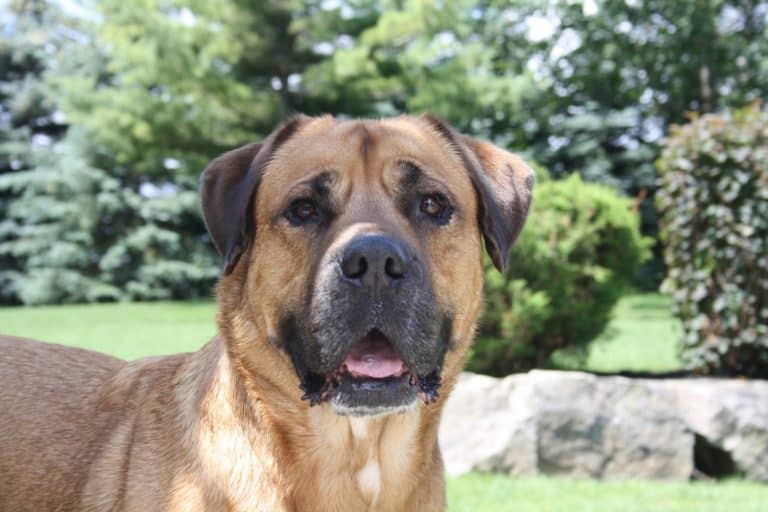
Lisa Postma/Shutterstock.com

Mastiff Mix Distribution

Domesticated Species

Found Worldwide

Size Comparison

Human 5'8"
Mastiff Mix 2 ft 4 in

Mastiff Mix stands at 41% of average human height.

Boxmas isolated

At a Glance

Domesticated
Also Known As Mastiff cross, Mastiff crossbreed, Mastiff-type dog, Mastiff mutt, Mastiff hybrid, Mastiff-lineage dog
Diet Omnivore
Activity Diurnal+
Lifespan 5 years
Weight 80 lbs
Status Not Evaluated
Did You Know?

"Mastiff mix" isn't a standardized breed-two dogs with the label can look and behave very differently depending on the non-mastiff parentage.

Scientific Classification

A “Mastiff mix” is a domestic dog of mixed ancestry that includes one or more mastiff-type breeds (large, muscular, broad-headed dogs historically used for guarding and working roles). Because it’s not a standardized breed, appearance and temperament vary widely depending on the other breed(s) in the mix.

Kingdom
Animalia
Phylum
Chordata
Class
Mammalia
Order
Carnivora
Family
Canidae
Genus
Canis
Species
lupus

Distinguishing Features

  • Often large-bodied with a broad skull and relatively short-to-moderate muzzle (varies by mix)
  • Deep chest, heavy bone, and strong musculature common in mastiff-type lineage
  • Guard/alert tendencies and strong attachment to family are frequent (but highly variable)
  • Coat and coloration are highly variable due to mixed ancestry

Physical Measurements

Males and females differ in size

Height
2 ft 4 in (1 ft 12 in – 2 ft 7 in)
2 ft 2 in (1 ft 10 in – 2 ft 6 in)
Length
4 ft 6 in (3 ft 7 in – 5 ft 5 in)
Weight
143 lbs (99 lbs – 198 lbs)
110 lbs (66 lbs – 154 lbs)
Tail Length
1 ft 5 in (12 in – 1 ft 10 in)
1 ft 2 in (11 in – 1 ft 6 in)
Top Speed
25 mph
running

Appearance

Primary Colors
Secondary Colors
Skin Type Thick canine skin with short-to-medium coat; often loose neck skin/dewlap; single coat common, but double coat possible depending on the other breed(s) in the mix.
Distinctive Features
  • Not a standardized breed: appearance and temperament vary widely with the other breed(s) in the mix (e.g., English Mastiff, Bullmastiff, Cane Corso).
  • Compared with wild Canis lupus, typically broader skull, shorter muzzle, heavier bone, and more pronounced jowls; overall body often more massive and less cursorial.
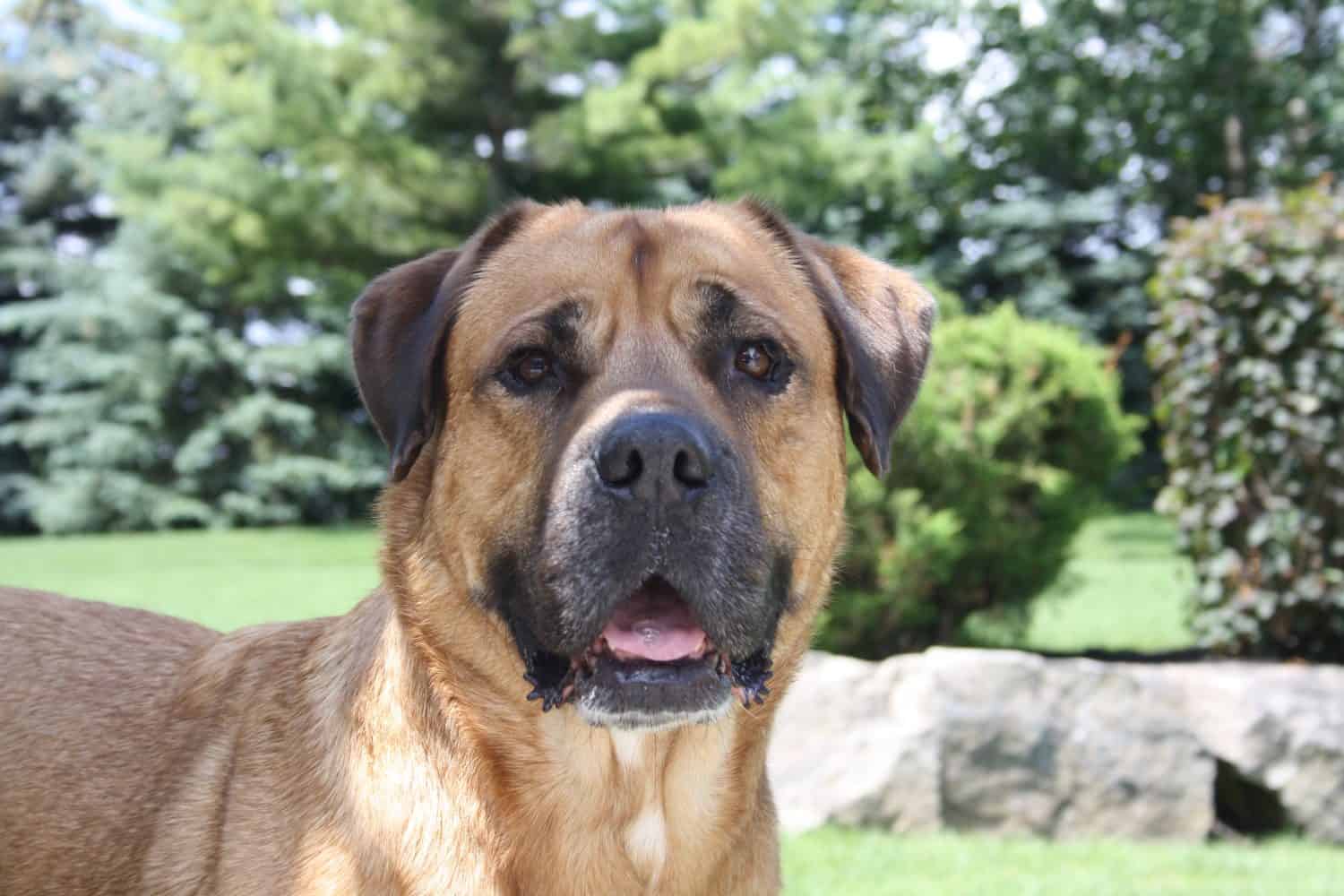
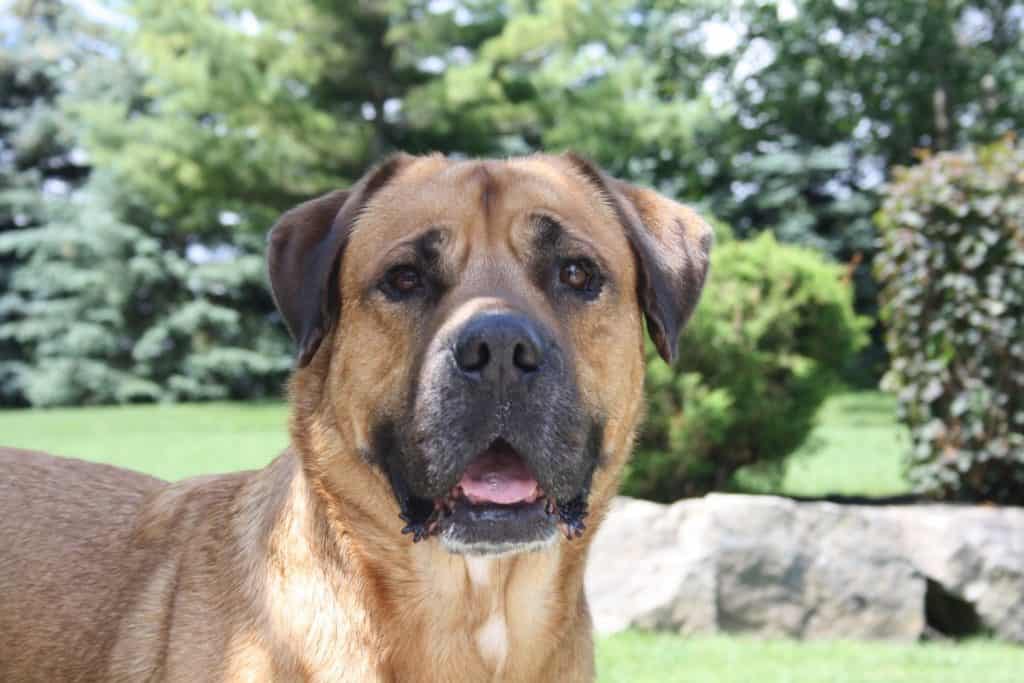
  • Large, muscular frame with deep chest; head tends to be blocky with strong jaw and thick neck.
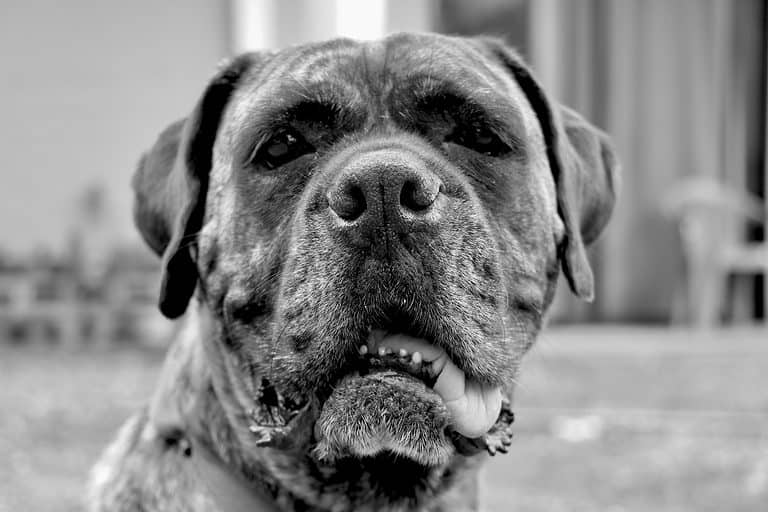
  • Facial features may include droopy lips/flews, pronounced stop, and a dark mask; moderate to heavy drooling is common in jowlier individuals.
  • Ears usually drop or semi-drop; tail thickness and carriage vary from low set to saber-like.
  • Health concerns (vary by mix): hip/elbow dysplasia, cruciate ligament injury, bloat (GDV) risk in deep-chested dogs, obesity, cardiac issues (e.g., dilated cardiomyopathy), and skin fold/ear infections in loose-skinned dogs.
  • Care requirements: early socialization and reward-based training; size and strength require leash manners and controlled greetings.
  • Care requirements: joint-friendly exercise (avoid excessive impact in growth), weight management, and veterinary screening for orthopedic/heart issues; consider gastropexy discussion for high-risk deep-chested individuals.
  • Grooming: typically low-to-moderate shedding; short coats need weekly brushing, longer/double coats need more; clean and dry skin folds/ears if present.

Sexual Dimorphism

Males are typically larger and heavier-boned with broader heads and thicker necks, while females are usually smaller and more refined. Degree of dimorphism varies with the non-mastiff breeds in the mix.

  • Greater overall mass and height; more pronounced musculature.
  • Broader skull with thicker neck and chest; often heavier jowls/flews.
  • May show more territorial/guarding tendencies, depending on ancestry and training.
  • Smaller frame with slightly narrower head and lighter bone.
  • Often less pronounced dewlap/jowls, though still possible.
  • May mature earlier and maintain a more streamlined outline.

Did You Know?

"Mastiff mix" isn't a standardized breed-two dogs with the label can look and behave very differently depending on the non-mastiff parentage.

Common mastiff-type contributors include English Mastiff, Bullmastiff, Cane Corso, Neapolitan Mastiff, Dogue de Bordeaux, and Tibetan Mastiff lineages (often via modern mixes).

Many mastiff-type dogs were historically selected for guarding, estate protection, and big-game "holding" work-traits that can influence a mix's confidence and watchfulness.

Because of their potential size, mastiff mixes may reach maturity slowly; large dogs' bones and joints develop over a longer period than small breeds.

Drool and snoring can be part of the "mastiff package," especially in mixes inheriting loose lips/jowls and a broad skull.

Their calm "couch guardian" reputation is common, but mixes with higher-drive breeds (e.g., herding or terrier types) can be much more active and intense.

Unique Adaptations

  • Mass and muscle for deterrence: compared with the base species context (Canis lupus familiaris), mastiff-type ancestry often emphasizes heavier build, broad chest, and powerful jaw/neck musculature suited to guarding/holding tasks.
  • Broad head and shorter muzzle in some mixes: can increase risk of obstructive breathing, heat intolerance, and snoring-especially if mixed with brachycephalic lines; others inherit longer muzzles and breathe more efficiently.
  • Thick skin/looser facial tissue in some lineages: can contribute to characteristic jowls/drool and offers minor protection in historical guarding roles.
  • Calm energy budgeting: many mastiff mixes tend toward short bursts of activity with long rest periods, reflecting selection for steady guardians rather than endurance runners.
  • Deep vocalizations: larger body and airway size often produce a lower-frequency bark that carries farther-useful for alerting and deterrence.

Interesting Behaviors

  • "Body blocking" or leaning: many mastiff-type dogs use their mass to gently nudge, lean on, or place themselves between you and a visitor-an instinctive guarding posture.
  • Territorial watchfulness: quiet observation, then a deep, low bark when something changes in their environment (doorways, fences, cars).
  • Selective socializing: may be neutral with strangers but deeply bonded to family; early, positive exposure often determines adult confidence.
  • Mouthing and "grab-and-hold" play: some inherit holding-type play (taking toys and bracing) rather than chase-and-fetch patterns.
  • Heat-seeking resting: choosing cool floors or shaded spots; many large mastiff mixes manage body heat by sprawling out to increase surface cooling.
  • Slow-to-show stress: some appear calm but can become overwhelmed if pushed; reading subtle signals (stiffness, hard stare, closed mouth) is important during greetings and training.

Cultural Significance

Mastiff mix (Canis lupus familiaris) stand for guarding and strength. Across Europe and Asia "mastiff" meant a type of large estate and livestock dog. Today they show up in shelters, called "gentle giants", needing firm training and care for their size.

Myths & Legends

Molossian war-dog lore (Ancient Greece/Epirus): classical writers described the famed Molossian dogs-large guardian types associated with Epirus-as prized protectors and companions of soldiers and nobles, a foundational legend-stream often cited in mastiff origin traditions.

British and European 'lion-fighting' mastiff stories said mastiff-like dogs faced lions or bears in arenas. Mixed with real shows and tall tales, these stories made mastiffs seem fearless and very strong.

St. Guinefort (medieval France): a folk saint legend of a dog honored after saving a child from danger. Not only about mastiffs but shows guardian and protector roles linked to mastiff-type dogs.

In British Isles tales, a massive yard dog (mastiff mix, Canis lupus familiaris) was said to sense bad intent and 'read' strangers at the gate, keeping wrongdoers from entering the estate.

Roman 'pugnaces' anecdotes (classical accounts): Roman-era references to powerful dogs used for guarding and war contributed to a long-running cultural narrative linking mastiff-type dogs with martial courage and household protection.

Conservation Status

NE Not Evaluated

Has not yet been evaluated against the criteria.

Population Stable

Life Cycle

Birth 7 pups
Lifespan 5 years

Lifespan

In the Wild
2–10 years
In Captivity
6–12 years

Reproduction

Mating System Promiscuity
Social Structure Managed Domestic
Breeding Pattern Transient
Fertilization Managed Selective
Birth Type Internal_fertilization

Mastiff mixes are large, guardian-leaning dogs; compared with typical dogs they're often heavier-boned, with higher risks of hip/elbow dysplasia and bloat, needing weight control and moderate exercise. Reproduction is internal; mating is usually human-managed, with no stable pair bond.

Behavior & Ecology

Social Pack Group: 3
Activity Diurnal, Crepuscular, Cathemeral
Diet Omnivore Meat-forward foods (especially beef or chicken) and high-protein, energy-dense formulated dog diets; many mastiff mixes strongly prefer meaty aromas and textures.

Temperament

Species context: domestic dogs are human-social specialists, unlike wolves that avoid humans and hunt cooperatively.
Mastiff-ancestry trend: calm, steady demeanor; lower frenetic drive than many working/herding mixes.
Guarding inclination: territorial alertness and suspicion of strangers; early socialization strongly shapes outcomes.
Attachment style: loyal, people-oriented, often "velcro"; may lean or body-block when protective.
Trainability: responds best to consistent, reward-based handling; harsh corrections can increase defensiveness.
Dog sociability varies widely by mix; some are tolerant, others same-sex selective or reactive.
Energy needs: moderate daily exercise plus enrichment; overexertion risky during growth due to joint stress.
Care needs: large-body management (controlled calories, slow growth diet, joint support, non-slip flooring).
Heat sensitivity common in heavy-bodied/short-muzzled lines; prioritize cooling, shade, and shorter sessions.
Common health risks (mastiff-type): hip/elbow dysplasia, cranial cruciate injury, obesity, cardiac disease.
Bloat/GDV risk increased in deep-chested types; use slow feeding, avoid hard exercise after meals.
Drooling, snoring, and skin-fold irritation may occur depending on head/face structure; grooming varies.

Communication

deep alarm bark
alert barking bursts
low growl
whine
grunt/sigh
howl Occasional
blocking/standing between handler and stranger
leaning body contact for reassurance or control
stiff posture, raised hackles, and hard stare when uncertain
tail carriage changes Low tucked to high flagged
lip licking, yawning, head turns as calming signals
play bows and loose wiggly gait when affiliative
scent marking and ground sniffing to assess territory
pawing, nudging, and chin-resting to solicit attention

Habitat

Biomes:
Temperate Forest Temperate Grassland Mediterranean Boreal Forest (Taiga) Tundra Alpine Desert Hot Desert Cold Savanna Tropical Dry Forest Tropical Rainforest Freshwater Wetland +7
Terrain:
Mountainous Hilly Plateau Plains Valley Coastal Island Riverine Volcanic Karst Rocky Sandy Muddy +7
Elevation: Up to 14763 ft 9 in

Ecological Role

Human-associated commensal omnivore and scavenger; primarily a companion/guardian animal rather than a wild predator, with occasional opportunistic predation if free-roaming.

Companionship and working roles (guarding/property protection typical of mastiff-type ancestry) Deterrence of some wildlife and pest species around human dwellings Consumption of human-provided food waste (scavenging) which can reduce exposed refuse in some contexts Potential negative ecological impact if roaming: disturbance/predation on wildlife and competition with native carnivores

Diet Details

Main Prey:
Domestic livestock meat Small mammals Birds and bird eggs Carrion/food waste
Other Foods:
Cooked grains and starches Vegetables Fruits Grasses and plant matter

Human Interaction

Domestication Status

Domesticated

Mastiff mix (Canis lupus familiaris) is a mixed-breed domesticated dog with mastiff-type ancestors (e.g., English Mastiff, Bullmastiff, Cane Corso). They are often very large, heavy-boned, and may have broad skulls, guarding instincts, slow growth, and higher risk of bone, joint, and heart problems. Roles include pet, guard, therapy, sport, or rescue.

Danger Level

Moderate
  • Size/strength-related injury risk: even friendly individuals can knock down children or older adults.
  • Bite risk exists like any dog, but potential severity can be higher due to jaw strength and body mass; risk rises with poor socialization, inadequate supervision, pain/medical issues, or coercive handling.
  • Territorial/guarding behavior: may escalate toward strangers at the home or when resources (owner/space) are perceived as threatened; early socialization and structured training reduce risk.
  • Dog-dog conflict risk can be elevated in some mastiff-lineages; preventable with management, training, and appropriate introductions.
  • Health-related emergencies can indirectly endanger handlers (e.g., during painful injury) and may require safe handling tools (basket muzzle training, cooperative care).

As a Pet

Suitable as Pet

Legality: Mastiff mixes are usually legal pets in most US areas, but local BSL/dangerous-dog laws, landlord/HOA rules, and insurance breed/size limits can bar ownership. Check city/county, housing, and insurance rules, especially if dog looks like a Cane Corso or Presa.

Care Level: Experienced

Purchase Cost: Up to $1,500
Lifetime Cost: $20,000 - $70,000

Economic Value

Uses:
Companion animal/pet ownership Breeding (limited/variable; not a standardized breed) Animal sheltering and rescue services Veterinary services (preventive and chronic care) Training/behavior services Security/deterrence work (informal/property guarding) Pet products market (large-breed gear, food)
Products:
  • adoption fees or private rehoming transactions
  • professional training packages (obedience, impulse control, reactivity management)
  • veterinary expenditures (vaccines, parasite control, dentistry, spay/neuter)
  • management of large-breed conditions (orthopedic care, joint supplements, imaging, surgery such as CCL repair; cardiac workups; management of bloat risk)
  • large-breed supplies (crates, beds, harnesses, heavy-duty leashes, muzzles where appropriate)
  • higher-volume food consumption and large-breed formulations

Relationships

Ecological Equivalents 7

Animals that fill a similar ecological role in their ecosystem

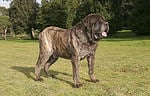
Mastiff-type domestic dog Canis lupus familiaris A mastiff mix (Canis lupus familiaris) has mastiff heritage: a very large body, strong guarding instincts, and variable traits. Requires early socialization, gentle exercise, weight control, and leash training. Monitor for joint disease (hip and elbow), bloat, heart, skin, and heat-related problems.
English Mastiff
English Mastiff Canis lupus familiaris Very large, heavy-boned guardian type. Shares a calm-but-protective temperament and elevated risk profiles for joint problems and bloat (gastric dilatation-volvulus) often seen in mastiff-influenced mixes.
Cane Corso
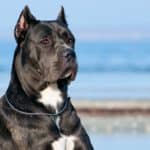
Cane Corso Canis lupus familiaris Mastiff-type working guardian. Similar need for early socialization, training, and managed exercise. Comparable orthopedic and behavioral management considerations due to size and guarding drive.
Bullmastiff
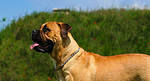
Bullmastiff Canis lupus familiaris Guardian/estate dog niche. Similar tendencies toward strength, protective behavior, and heat intolerance. Common overlap in orthopedic and dermatologic concerns.
Rottweiler
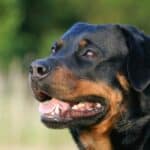
Rottweiler Canis lupus familiaris Large working guardian. Similar handling and training needs due to power and protective instincts. There are overlapping joint and cardiac considerations in some lines.
Anatolian Shepherd Dog
Anatolian Shepherd Dog Canis lupus familiaris Livestock guardian niche; similar independent decision‑making, territoriality, and requirement for consistent management and secure fencing—traits that may be present depending on the mix.
Gray wolf
Gray wolf Canis lupus Large canid with social, territorial behavior. Ecologically analogous in body plan and carnivoran physiology, though domestic mixes are human-associated and have been behaviorally selected for tractability.

Mastiffs are gigantic, dependable dogs, but when mixed with another breed, they can be even better. Additionally, their puppies are often larger than typical hybrids and could fall into the giant breed category. However, when combining two breeds, you never know what will happen or which traits it will inherit. Some mastiff mixes don’t even look like mastiffs, but they might share some characteristics.

This article will concentrate on the boxmas, a cross between a boxer and a mastiff. But first, have a look at a few other popular mastiff hybrids.

Types of Mastiff Mixes

The mastiff has a massive presence, but mixing them with other breeds can create something even better. Here are three of the most popular mastiff mixes:

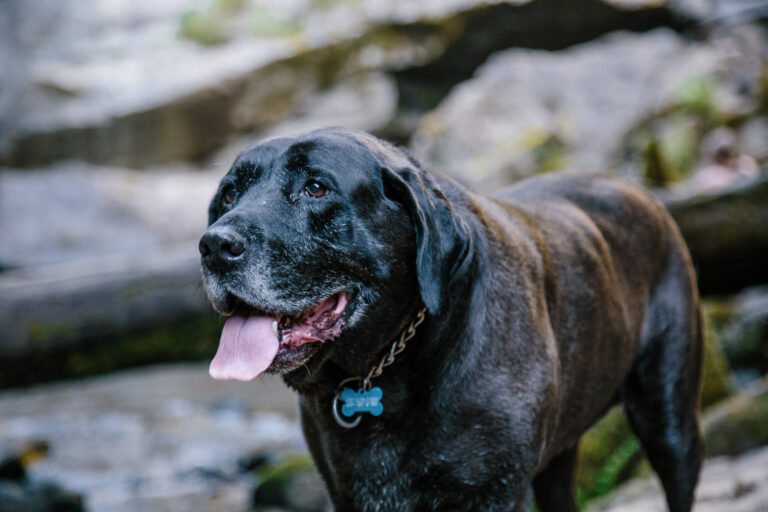
Mastador (Mastiff and Labrador Retriever Mix)
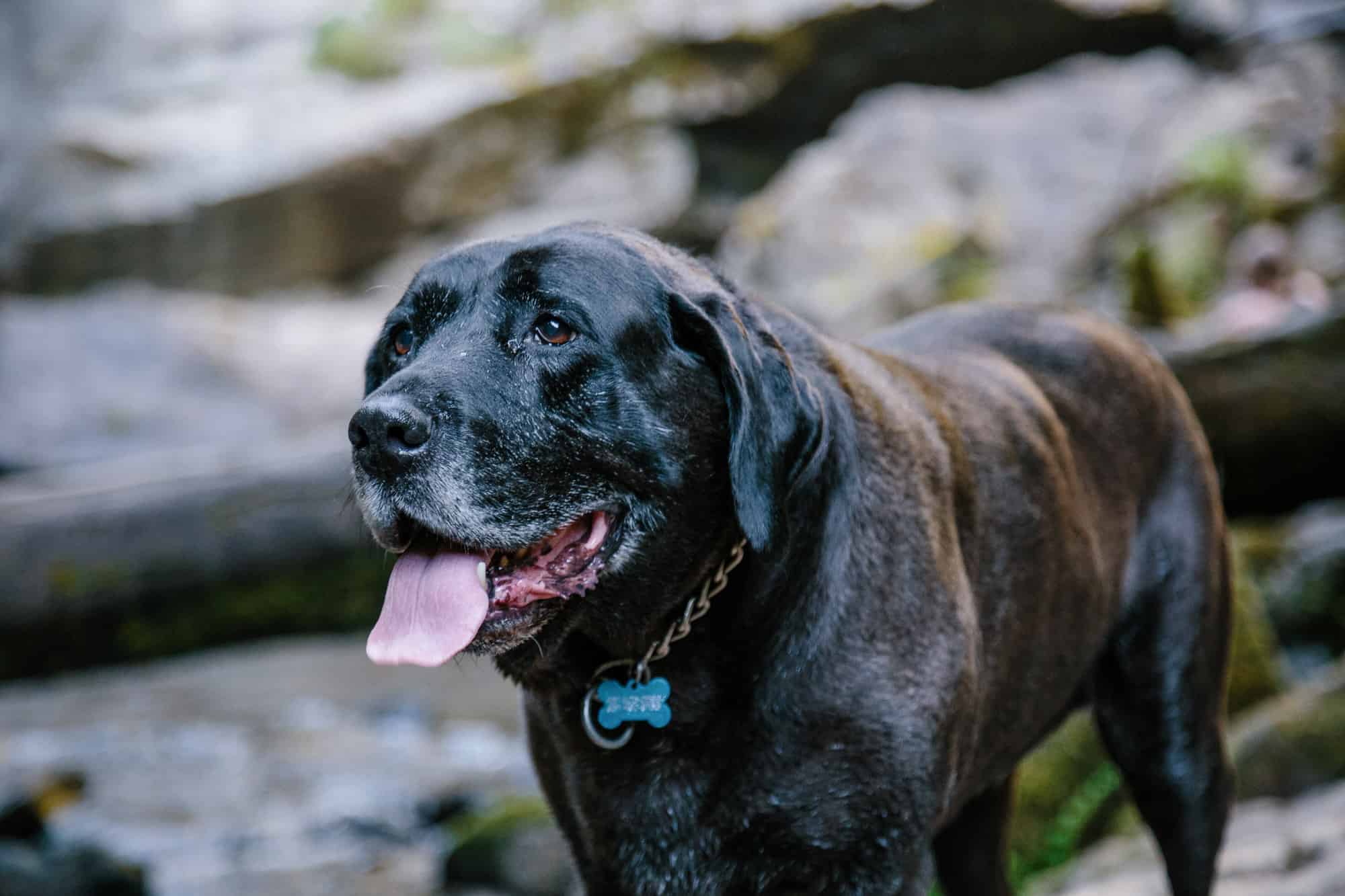
Mastador standing in a field ATTRIBUTION NOT FOUND

Mastadors are generally friendly and gentle dogs.

The mastador is the result of crossbreeding a mastiff and a Labrador retriever. It can take after either parent breed, so this dog may be incredibly friendly or distant and aloof. It can be tough to predict a dog’s temperament until they mature, so there really is no telling what the mastador will be like until it gets older. However, the Labrador’s gentle and friendly nature usually overpowers the mastiff’s protective and aloof demeanor.

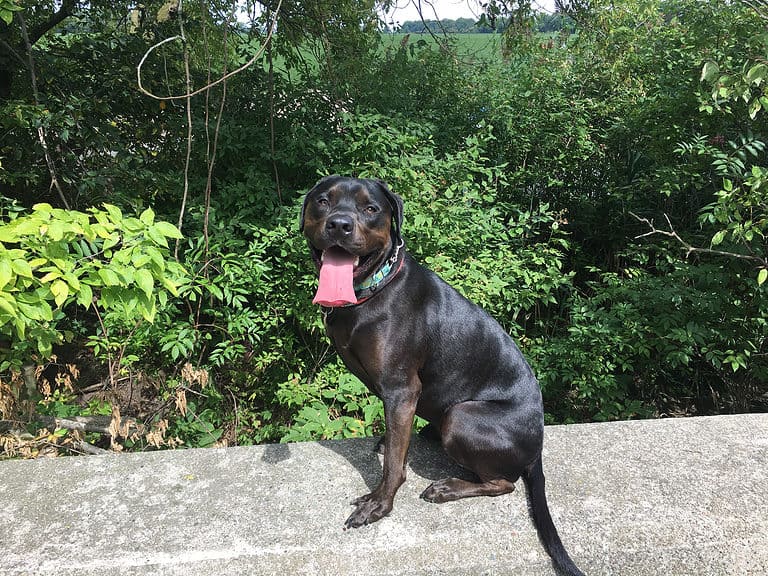
Mastweiler ( Mastiff and Rottweiler Mix)
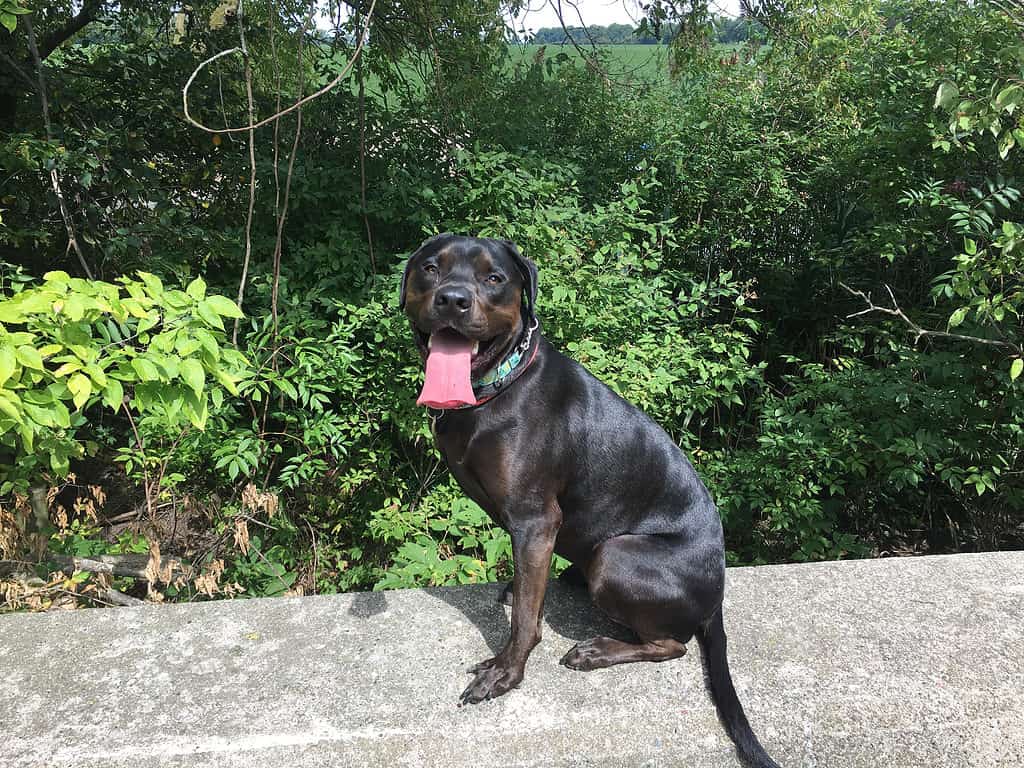
Mastweiler amongst the trees

Mastweilers are not the best breed for novice dog owners.

If you want an intimidating guard dog, then the mastweiler is a perfect choice. Since both parents were bred specifically to protect, this mastiff mix has strong guard dog instincts. These hybrids are not for the faint-hearted; they need an experienced owner with firm training skills. Getting them socialized and trained as soon as possible is essential because of their large size and protective nature. But luckily, mastweilers are easy to train and don’t seem to have stubborn streaks.

This mastiff mix can grow really large, up to 160 pounds! Their massive size means they need a lot of space. While they aren’t that active, they need room to maneuver. These hybrids are definitely not suited to apartment living. They would knock everything over every time they tried to turn around.

The mastweiler may look intimidating to others, but they are friendly, lovable goofs with their owners. In fact, these dogs can become quite laid-back around their loved ones.

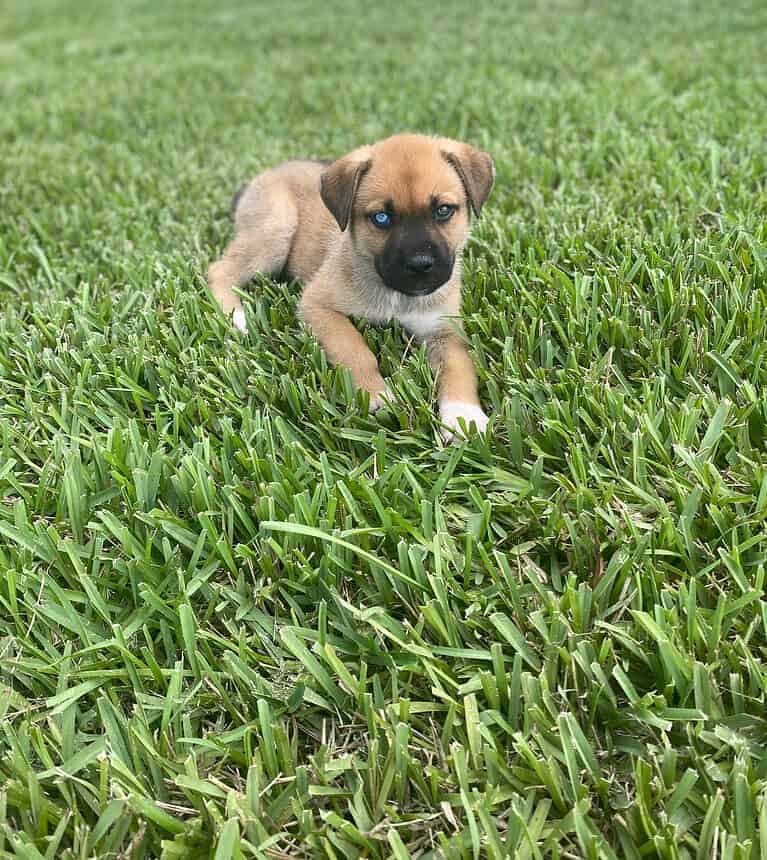
Bullsky (Mastiff and Husky Mix)
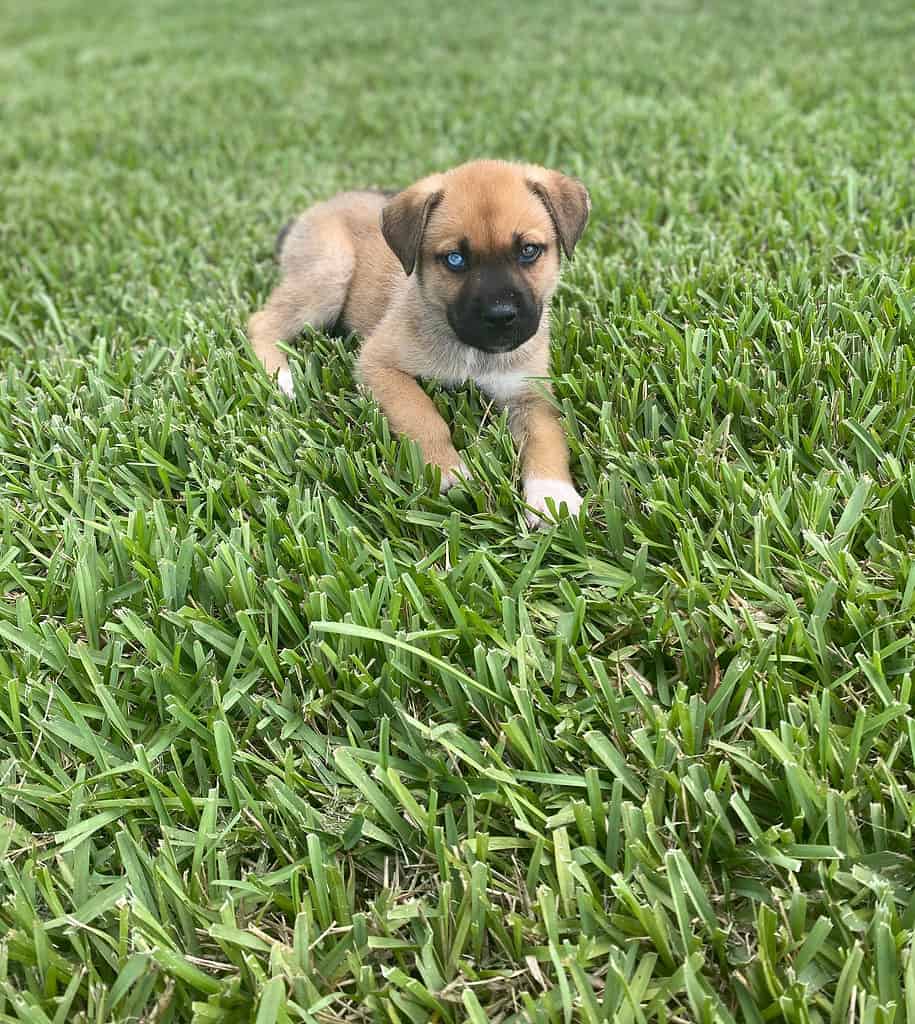
Bullsky pup on the grass

Bullskies are one of the most breathtaking hybrid dog breeds.

There are plenty of differences between the mastiff and husky, so combining the two breeds was risky. However, the result is a gorgeous designer breed. They perfectly combine the mastiff’s laid-back personality and the husky’s energetic nature. But their activity levels will come in waves; they will have a burst of energy and then sleep for a few hours. Therefore, this mastiff mix is the perfect exercise companion. However, due to their large size, they shouldn’t overexert themselves; it could lead to injury, arthritis, or joint issues.

While bullskies are intelligent dogs, they don’t apply this trait to training due to their stubborn streak. Additionally, they commonly obey commands in a training class but rebel once at home. So, this hybrid is not ideal for first-time dog owners. Instead, they need a seasoned owner who knows how to train stubborn breeds.

Pros and Cons of Owning a Boxmas

ProsCons
Excellent guard dogs because of their protective nature and intimidating sizeThey are not the ideal breed for families with small children due to their large size
They are highly intelligent, making them easy to trainIncredibly protective, which could be problematic if not trained properly
Low grooming requirements thanks to their short, waterproof coatsThere is no way of telling how fast they will grow or how big they will get.

The Best Dog Food for a Mastiff Mix

The best food choice would be brands rich in protein for proper muscle building and repair. Your boxmas can obtain protein from dog food, or you can add supplements to their diets. However, you can also add chicken, beef, fish, and lamb to their meals to ensure they get enough protein. Additionally, fats help eye and brain development, so foods like chicken and fish oil with Omega-3 fatty acids are good choices.

Avoid dog food with high amounts of common allergens like dairy, wheat, corn, soy, and starch. If you are unsure what dog food to buy, check the ingredient label, and if meat is not the first thing on the list, put the bag down.

Mastiff Mix Size and Weight

The male boxmas can weigh between 160 to 230 pounds, while females are smaller, weighing approximately 120 to 170 pounds. These hybrids may fall into the giant dog category as they can measure up to 36  inches tall.
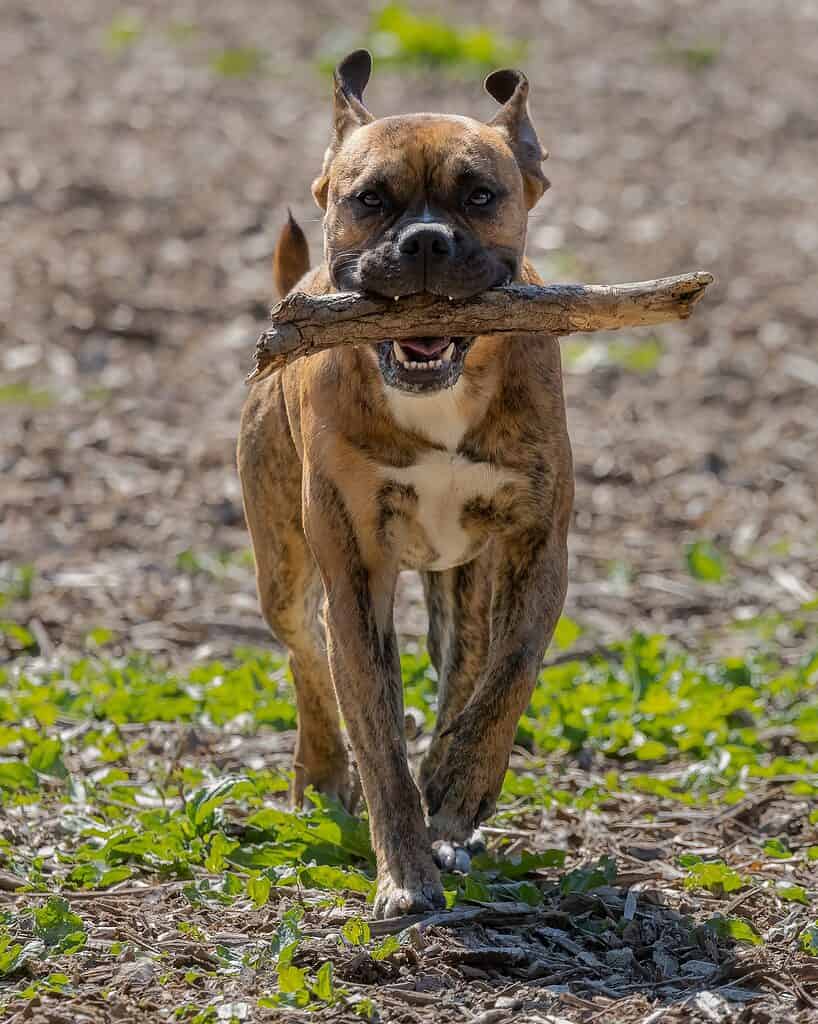
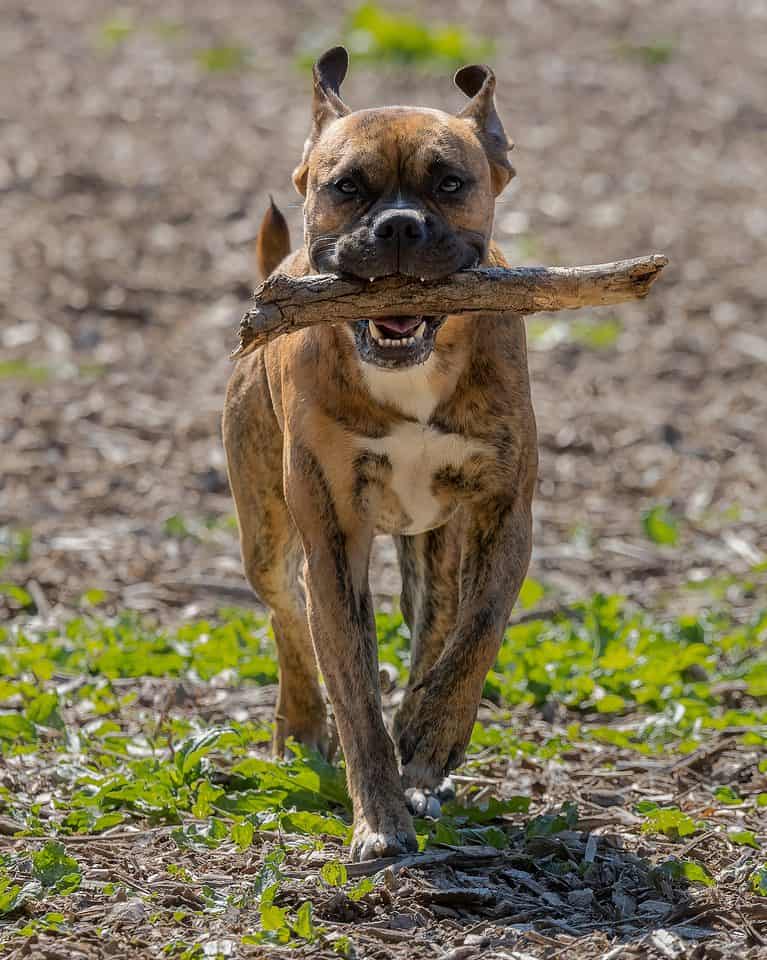
A boxmas playing fetch

The boxmas has high energy levels and will need at least an hour of physical activity daily.

Mastiff Mix Common Health Issues

While hybrids generally inherit mostly good traits from their parent breeds, it doesn’t mean they can’t inherit bad ones too. When it comes to this mastiff mix, there are a few health conditions to look out for:

  • Hip dysplasia — a terrible disease that causes the hip socket to form abnormally, causing the dog immense pain, resulting in arthritis if left untreated.
  • Ectropion — mastiffs are generally plagued by this condition. Due to an abnormality, the lower eyelids appear droopy, which can lead to conjunctivitis or keratitis.
  • Gastric torsion — the boxmas is a glutinous dog, so gastric torsion occurs when their stomachs fill with gas, fluid, and foam and start to twist, which causes extreme pain when they move. Other names for this condition are bloat, gastric dilation, or gastric dilation-volvulus.

Life Expectancy

This mastiff mix has a long lifespan, considering it is so large. These gigantic dogs can live for around 10 to 12 years.

Mastiff Mix Temperament

Don’t let the boxmas’s intimidating appearance and size fool you; they are actually gentle giants with even temperaments. This mastiff mix is becoming more popular among families with older children because they are gentle and loving, but will protect their families with all they’ve got. However, starting training and socialization from a young age is best. If the boxmas is not socialized correctly, its protective nature can make it wary of strangers or new friends, which can be awkward in social settings.

Lastly, the boxmas dislikes being left alone, as they suffer from separation anxiety. Unfortunately, if they do not get the attention they need, these dogs will act out in destructive ways like chewing, digging, and barking.

How to Take Care of a Mastiff Mix

Taking care of the boxmas is not that tough. They have minimal grooming requirements, are easy to train, and are typically healthy. However, these hybrids do require some care, which includes:

Grooming

The boxmas is a heavy shedder but easy to groom, which makes it controllable. By brushing them daily, you can significantly decrease the amount they shed and keep their coat healthy. Additionally, only bathe this breed when dirty, as bathing them too frequently can cause an overproduction of natural oils and dry skin. Furthermore, brushing their teeth at least three times a week is essential for their oral health; just ensure to use dog-friendly toothpaste. Lastly, don’t forget to check their ears regularly for any dirt accumulation, which could cause infection, and trim their nails once every three months or when they start to touch the ground.

Training

Training the boxmas is relatively easy. They are highly intelligent dogs and like to learn new skills. However, their energetic nature means they are distracted easily, so they will need a patient trainer. Boxers take quickly to lead training, but mastiffs are fast learners too. However, the latter is capable of play-biting, which is hard to shake. So, if your hybrid inherits more traits from its mastiff parent, it will require more rigorous training to control its protective nature.

Exercise

Your boxmas’s exercise routine will depend on which parent they take after. For example, the mastiff has moderate energy, while the boxer has high energy. Therefore, on average, the boxmas needs around 60 minutes of intense physical activity daily, including walking, running, jogging, fetch, or obedience training. But, regardless of which traits they inherit, this mix will need a large yard to guard and protect. So, if you plan to keep one of these gigantic dogs in a condo or apartment, think again! If the mastiff mix doesn’t get the mental and physical stimulation they need, it will turn your house upside down with its destructive behavior.

Puppies

The female boxmas can have 5 to 7 puppies in a litter. These pups will be full of energy and mischief! So, someone should always be home to keep an eye on them at first. Never buy a boxmas from a pet store or backyard breeder, as they only care about the bottom line and don’t care about the breeds’ health. They will not screen for genetic health conditions, and you might end up with a hybrid that is always sick.

Mastiff Mix and Children

While the boxmas is excellent with children, their sheer size and clumsy nature mean they could accidentally knock over a small child in excitement and cause serious injury. So, if you want this breed to interact with children, they must first be properly trained and socialized. However, they are a great companion for older children as they are fun, active, loyal, and protective.

Mastiff Mix Cost

A boxmas puppy can set you back $800, but the price will vary depending on the breeder, location, and pedigree.

Finding one of these hybrids in a shelter might be tough, but it’s not impossible. You can ask them to contact you if they happen to come across one.

Famous Mastiffs

Celebrities who own mastiffs include:

  • Christina Aguilera
  • Flea
  • Bob Dylan
  • Jon Bon Jovi
  • Gayle King
View all 329 animals that start with M

Sources

  1. Alpha Paw / Accessed January 11, 2023
  2. Bubbly Pet / Accessed January 11, 2023
  3. Your Dog Advisor / Accessed January 11, 2023
Chanel Coetzee

About the Author

Chanel Coetzee

Chanel Coetzee is a writer at A-Z Animals, primarily focusing on big cats, dogs, and travel. Chanel has been writing and researching about animals for over 10 years. She has also worked closely with big cats like lions, cheetahs, leopards, and tigers at a rescue and rehabilitation center in South Africa since 2009. As a resident of Cape Town, South Africa, Chanel enjoys beach walks with her Stafford bull terrier and traveling off the beaten path.
Connect:

Thank you for reading! Have some feedback for us?


Mastiff Mix FAQs (Frequently Asked Questions)

Don’t let the boxmas’s intimidating appearance and size fool you; they are actually gentle giants with even temperaments. This mastiff mix is becoming more popular amongst families with older children because they are gentle and loving but will protect their families with all they’ve got. However, starting training and socialization from a young age is best.