









C
Species Profile

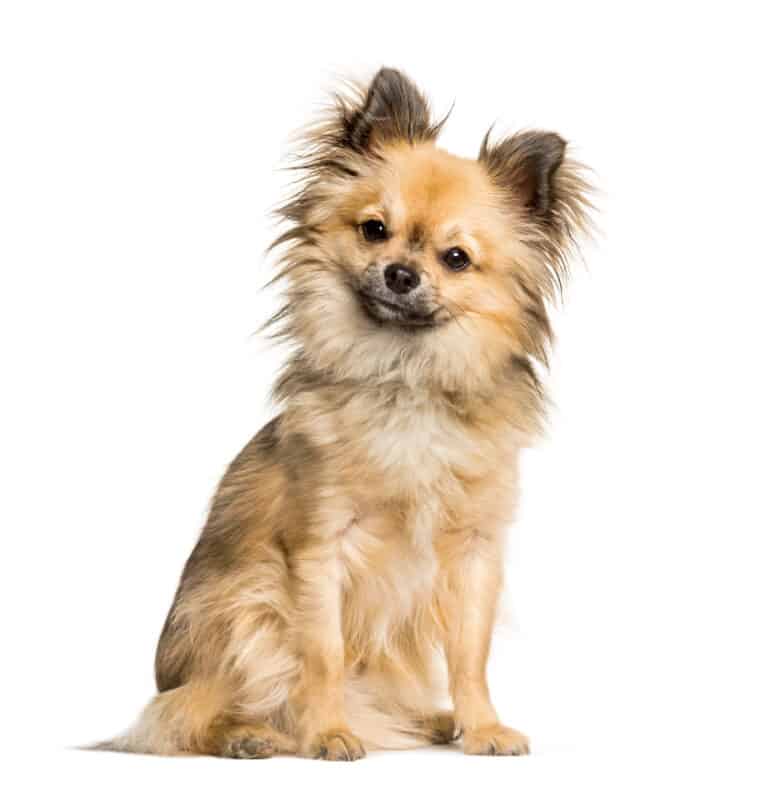
Chihuahua Mix

Canis lupus familiaris

Tiny mix, huge presence.
iStock.com/EmilyBobPhoto

Chihuahua Mix Distribution

Click a location to explore more animals from that region

Origin Location

This map shows the native origin of the Chihuahua Mix. As a domesticated species, they are now found worldwide.

Loading map...

Found in 1 country

Size Comparison

Human 5'8"
Chihuahua Mix 9 in

Chihuahua Mix stands at 14% of average human height.

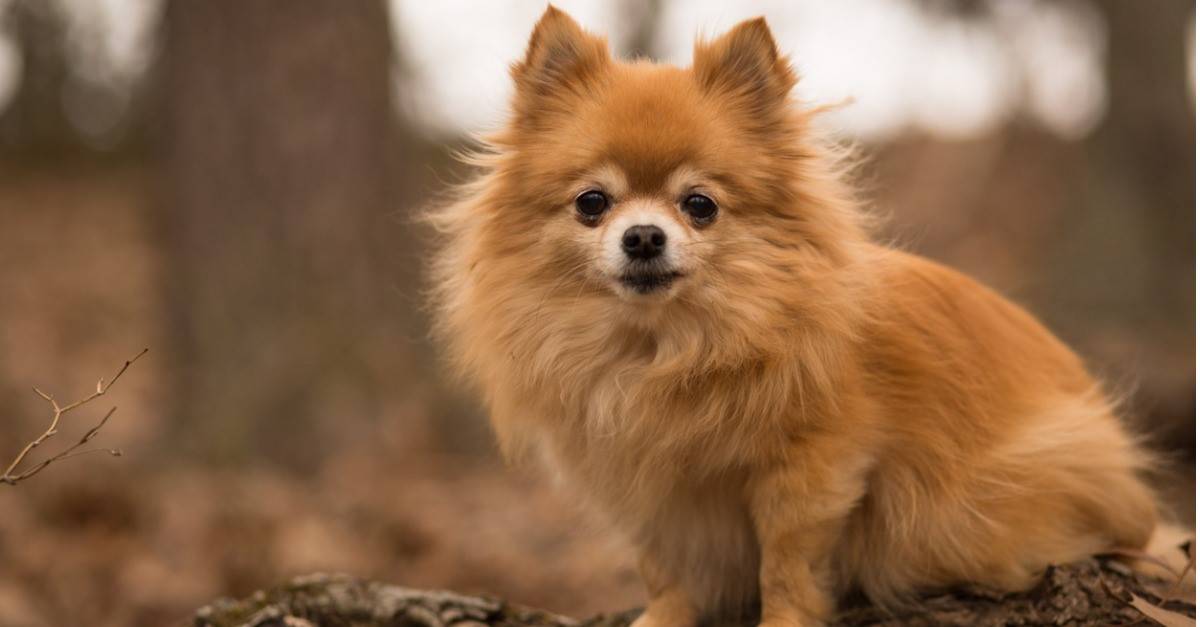
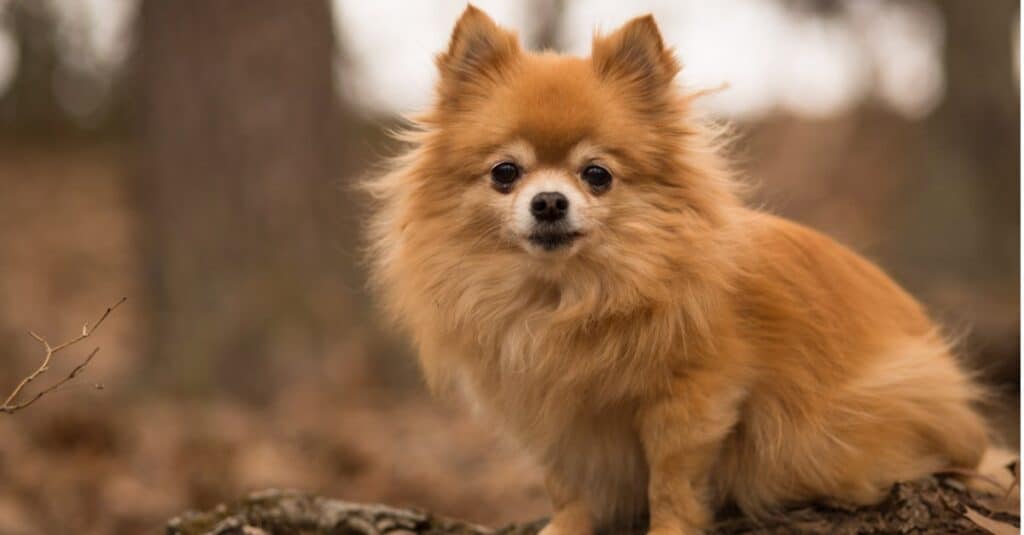
Pomchi sitting in the garden.

At a Glance

Domesticated
Also Known As Chi, Chiwawa, Chi-Chi, Chihuahueño
Diet Omnivore
Activity Diurnal+
Lifespan 5 years
Weight 7 lbs
Status Not Evaluated
Did You Know?

"Chihuahua mix" isn't a standardized breed-dogs can vary widely in coat, size, and temperament depending on the other lineage.

Scientific Classification

A domestic dog of mixed ancestry in which Chihuahua heritage is prominent or suspected. “Chihuahua mix” is a non-standardized label used by shelters/breeders and does not denote a single uniform breed type.

Kingdom
Animalia
Phylum
Chordata
Class
Mammalia
Order
Carnivora
Family
Canidae
Genus
Canis
Species
Canis lupus

Distinguishing Features

  • Very small body size is common but variable depending on the other parent breeds
  • Often has a relatively large, rounded skull and prominent eyes (typical Chihuahua influence), but head/ear shape varies widely
  • Coat length and color are highly variable (smooth to long-haired), reflecting mixed ancestry
  • Temperament can range from bold/alert to shy; behavior is strongly influenced by socialization and the non-Chihuahua ancestry

Physical Measurements

Males and females differ in size

Height
9 in (6 in – 12 in)
8 in (6 in – 10 in)
Length
1 ft 8 in (1 ft 2 in – 2 ft 4 in)
1 ft 6 in (1 ft 2 in – 1 ft 10 in)
Weight
10 lbs (6 lbs – 17 lbs)
7 lbs (3 lbs – 12 lbs)
Tail Length
7 in (4 in – 10 in)
6 in (4 in – 8 in)
Top Speed
19 mph
Short sprints, lower top speed

Appearance

Primary Colors
Secondary Colors
Skin Type Chihuahua-mix skin is often thin, with a fine coat and low body fat in toy sizes. Coat may be short or longer with feathering. Skin can get dry, irritated, cold, or chafe from collars.
Distinctive Features
  • Domestic dog (Canis lupus familiaris) of mixed ancestry with prominent/suspected Chihuahua influence; not a registry-standardized, uniform breed type-appearance and temperament can vary substantially.
  • Distinguishing from the base species (gray wolf): extreme toy-to-small size, neotenous/rounded head and large eyes, shorter muzzle, lighter bone and muscle mass, and strongly human-directed companion traits rather than wild-adapted morphology.
  • Head often shows Chihuahua-typical features: "apple" or rounded skull, pronounced stop, large round eyes; muzzle length varies with outcross breeds (may be longer/foxier or slightly broader).
  • Ears commonly large relative to head and may stand erect; some mixes have semi-erect or floppy ears depending on ancestry.
  • Body typically compact with fine legs and small paws; gait can look quick/dainty. Tail may be carried high and curved or loosely curled over the back; carriage varies by mix.
  • Coat type is variable: smooth/short coats are common in Chihuahua-influenced mixes, but long/feathered coats also occur; undercoat may be sparse, contributing to chill sensitivity.
  • Thermoregulation/cold sensitivity is common in toy-sized Chihuahua-type dogs (shivering/trembling may occur from cold, excitement, or stress); often benefits from sweaters in cold weather and warm resting areas.
  • Dental crowding and periodontal disease risk are elevated in small/toy dogs; routine tooth brushing, dental chews (vet-approved), and professional cleanings are important care requirements.
  • Orthopedic concerns common in small breeds may apply: patellar luxation and general joint fragility; maintain lean body condition, avoid repetitive high jumps, and use ramps/steps for furniture when needed.
  • Airway concerns can occur in small dogs: tracheal collapse risk (especially with pulling); prefer a well-fitted harness over neck collars and train leash manners.
  • Metabolic risk in very small individuals: hypoglycemia can occur (especially in puppies or very tiny adults); consistent feeding schedules and monitoring during illness/stress are important.
  • Eye issues may be more noticeable due to prominent eyes (dryness/irritation or injury risk); keep hair out of eyes in longer-coated mixes and seek veterinary care for squinting/discharge.
  • Coat type matters: smooth Chihuahuas (Canis lupus familiaris) need light brushing and occasional baths; long coats need regular brushing to stop mats, especially behind ears, chest, and tail. Trim nails often.
  • Behavior/handling considerations tied to size: can be easily injured by rough play or falls; supervise around young children and larger dogs; focus on gentle socialization and positive-reinforcement training to reduce fear-based reactivity.

Sexual Dimorphism

Sex differences are small in Chihuahua-mixed dogs; individual factors (nutrition, neuter status, ancestry) matter more. Males may be a bit heavier with broader heads and necks; females often finer-boned. Coat and color don't usually differ by sex.

  • May be slightly larger/heavier on average with a somewhat broader skull/neck depending on mix ancestry.
  • Intact males may show more pronounced musculature and a more robust ruff in longer-coated individuals.
  • Often slightly smaller and finer-boned on average; differences are modest and variable.
  • Mammary development may be visible in intact or previously pregnant females; spay status can affect body condition and coat texture.

Did You Know?

"Chihuahua mix" isn't a standardized breed-dogs can vary widely in coat, size, and temperament depending on the other lineage.

Many Chihuahua-type mixes keep a "big dog in a small body" attitude: boldness, alertness, and strong attachment to one person.

Toy-sized mixes lose body heat quickly; many seek warm laps, blankets, or sun patches more than larger dogs.

Because of their small mouths, Chihuahua-influenced mixes are especially prone to dental tartar and may need more frequent tooth care than bigger dogs.

A surprising number are strong watchdogs-quick to notice sounds and movements and to announce visitors.

Their exercise needs are often modest, but their mental stimulation needs can be high (training, puzzle toys, scent games).

Unique Adaptations

  • Toy-dog scaling: small body size can suit compact living spaces, but increases vulnerability to cold and rough handling.
  • Efficient heat-seeking strategies: preference for warm microclimates (laps, sweaters, heated beds) reflects small-dog thermoregulation needs.
  • Enhanced vigilance: Chihuahua-influenced alertness can function as an effective early-warning system in the home.
  • Mixed-breed variability: hybrid ancestry can produce a wider range of immune/health profiles than a closed purebred population, though not a guarantee.
  • Small jaw/teeth crowding: common in Chihuahua lines; requires targeted dental care and can shape diet choices (kibble size, dental chews).

Interesting Behaviors

  • "Velcro dog" bonding: follows a favorite person closely, seeks lap time, and may choose one primary attachment figure.
  • High alert barking: quick vocal responses to door noises, footsteps, or unfamiliar movement-often intensified by under-socialization.
  • Burrowing and nesting: digging into blankets or clothing piles to conserve warmth and feel secure.
  • Defensive handling responses: may startle or snap if grabbed suddenly; gentle, predictable handling and consent-based training help.
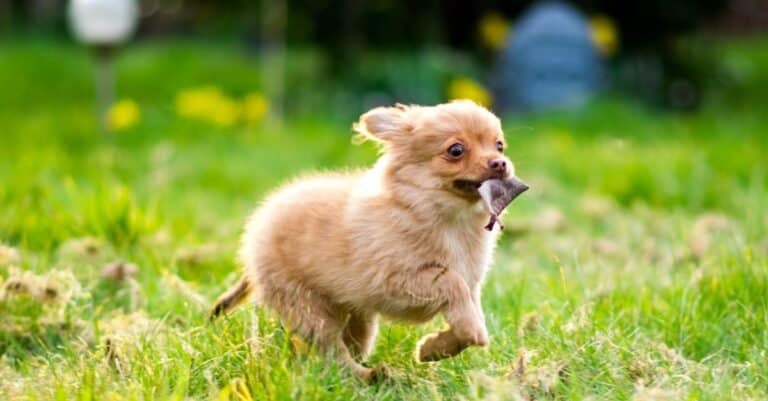
  • Fast, busy movement: rapid darting, spinning, or "zoomies" in short bursts rather than long endurance running.
  • Resource guarding tendencies can appear (lap, bed, toys); early training and trading games reduce conflicts.
  • Terrier-like "bold investigate" behavior in some mixes (depending on ancestry), including chasing small moving objects.

Cultural Significance

Chihuahua-type dogs (Canis lupus familiaris) are famous toy companions linked to Mexico. Chihuahua mixes are common in shelters worldwide, showing city pet keeping, crossbreeding, and adoption. Media often show them as small, brave, apartment-friendly pets and show people-made diversity from wild wolves.

Myths & Legends

In Mexican tradition, small companion dogs, often tied to the ancient Techichi, were said to guide or join souls on their trip to the afterlife—an idea people link to Chihuahua origins.

Folklore surrounding the Techichi describes them as cherished household dogs in ancient Mesoamerica; later retellings connect this lineage to the modern Chihuahua's homeland and identity, even when individual modern dogs (including mixes) have varied ancestry.

A common origin story says travelers and traders from northern Mexico carried tiny companion dogs from Chihuahua (Canis lupus familiaris) in the 1800s, helping this local type of dog become an international fascination.

Traditional "small guardian" superstition in many cultures is that an alert little dog's barking can ward off misfortune or unwanted visitors-an idea often attached to Chihuahua-type dogs because of their vigilant nature.

Naming lore ties the Chihuahua's identity to the Mexican state of Chihuahua, reinforcing a cultural narrative that these tiny dogs are 'from Chihuahua,' even though today's Chihuahua mixes may blend many lineages.

Conservation Status

NE Not Evaluated

Has not yet been evaluated against the criteria.

Population Stable

Life Cycle

Birth 3 pups
Lifespan 5 years

Lifespan

In the Wild
1–12 years
In Captivity
14–16 years

Reproduction

Mating System Polygynandry
Social Structure Managed Domestic
Breeding Pattern Serial
Fertilization Managed Selective
Birth Type Internal_fertilization

Dogs (Canis lupus familiaris) show polygynandry—multiple mates—but Chihuahua mixes’ breeding is usually managed_domestic: owners control mating by confinement, spay/neuter, or planned pairings. Fertilization is internal; females cycle; gestation ~63 days; no true cooperative care.

Behavior & Ecology

Social Pack Group: 3
Activity Diurnal, Crepuscular, Cathemeral
Diet Omnivore High-quality small-breed dog kibble or a cooked, lean poultry-based diet (properly portioned).

Temperament

Species context (Canis lupus familiaris): highly social, cooperative, and responsive to human cues; thrives on routine, training, and social contact.
Chihuahua-heritage distinguishing tendencies: alert companion orientation, frequent watchdog-style reactivity (quick to bark at novel sights/sounds), and strong person-bonding; can be reserved with strangers without intentional socialization.
Common across Chihuahua-mix populations: big personality in a small body; higher likelihood of handling sensitivity (especially around face/paws) and startle responses; variation ranges from bold/outgoing to cautious/fearful depending on genetics and early environment.
Trainability: typically food- and attention-motivated; benefits from short, frequent sessions. House-training may take longer than in some larger breeds; consistency and management are key.
Dog-dog social behavior: may prefer a small circle of familiar dogs; can show selective sociability. Early, positive dog exposure reduces fear-based snapping and excessive vocalizing.
Health issues in Chihuahuas — dental disease, patellar luxation or hip/leg pain, tracheal sensitivity, and hypoglycemia in very small dogs — can make them irritable, less able to play or be handled, cough, shake, or be tired.
Start early socialization with people, dogs, and sounds. Teach gentle handling and grooming. Use a well-fit harness (not a collar) to protect the windpipe. Keep warm, brush teeth, give light exercise and sniffing games.

Communication

High-pitched barking/"yapping" used as alarm and attention-seeking; often more frequent than many larger-breed mixes.
Growls and sharp barks during resource guarding or when uncomfortable with handling; may 'talk' with grumbles during play.
Whines/whimpers to solicit contact, food, or access to lap/bed; can intensify with separation distress.
Occasional howls in response to sirens/other dogs Less common, variable by mix
Body language: stiffening, head turns, lip licks, yawns, and 'freeze' moments are common early stress signals; important to respect due to small size and handling frequency.
Ear and tail signaling: rapid shifts from alert-forward ears to pinned-back; tail carriage may be high when aroused/guarding and tucked when fearful.
Proximity/affiliative signals: climbing onto laps, leaning, pawing, licking face/hands; sleeping pressed against preferred person.
Scent marking: urine marking can occur in intact or anxious individuals; management includes routine, neuter/spay when appropriate, and reinforcement for outdoor elimination.
Touch avoidance/defensive snapping: can appear when pain (dental/orthopedic) or fear is present; best addressed with veterinary evaluation plus force-free behavior modification.

Habitat

Biomes:
Temperate Forest Temperate Grassland Mediterranean Desert Hot Desert Cold Boreal Forest (Taiga) Tundra Alpine Savanna Tropical Dry Forest Tropical Rainforest Freshwater Wetland Marine +8
Terrain:
Plains Hilly Valley Coastal Island Mountainous
Elevation: Up to 16404 ft 3 in

Ecological Role

Domestic companion omnivore within human-managed ecosystems; minor mesopredator/scavenger at local scale.

companionship and social support for humans alerting/guard-like alarm barking in home environments incidental rodent deterrence/predation in yards and buildings nutrient cycling via consumption of human-provided foods and production of waste (managed via sanitation)

Diet Details

Main Prey:
Small rodents Small birds and eggs Small reptiles Large insects and other invertebrates Carrion and meat scraps
Other Foods:
Grasses Berries and soft fruits Vegetables Starches and grains Fungi and plant debris

Human Interaction

Domestication Status

Domesticated

Domestic dogs (Canis lupus familiaris) come from gray wolves and were shaped by thousands of years of people selecting them for work and companionship. A Chihuahua mix is not a breed but a dog with Chihuahua ancestry. Its traits blend small companion dog features and other breeds, often small size, strong bonds with people, and sensitivity to cold and handling.

Danger Level

Low
  • defensive/fear-based biting (often linked to poor socialization, rough handling, or resource guarding)
  • nips during restraint (nail trims, grooming, veterinary handling)
  • disease risk is low with routine vaccination/parasite control; bite wounds can still become infected

As a Pet

Suitable as Pet

Legality: Chihuahuas and Chihuahua mixes are usually legal as pets. Local rules like dog licenses, leashes, shots (e.g., rabies), housing or insurance limits may apply. If mixed with banned breeds, extra restrictions might apply.

Care Level: Moderate

Purchase Cost: Up to $1,200
Lifetime Cost: $12,000 - $35,000

Economic Value

Uses:
Companion animal industry Veterinary services Pet supplies (food, grooming, apparel) Training/behavior services Shelter/rescue adoption and fostering
Products:
  • companionship and emotional support (non-clinical)
  • pet adoption fees or private-sale purchase
  • microchipping, vaccination, preventive care
  • small-breed-specific products (harnesses, coats, dental chews, ramps/steps)
  • training classes (socialization, reactivity management)

Relationships

Predators 6

Quick Take

  • Achieving a 6-pound weight requires possessing strength levels that far exceed their small physical frame.
  • The 1-cup dietary requirement highlights a sensitive stomach issue that frequently leads to chronic obesity.
  • Ironically, possessing high intelligence is the exact reason these small breeds remain notoriously difficult to train.
  • Completing the socialization process during the vulnerable stage is necessary to prevent future behavioral aggression.

The Chihuahua mix breed was created by crossbreeding a Chihuahua with another purebred dog breed. Therefore, making the cute and cuddly Chihuahua mix dogs, we know today. Chihuahua mix breed dogs can inherit features that display round apple-shaped heads, huge ears, round button eyes, a dark, triangular nose, square legs, and a level back, frequently with their tails docked. Although small to medium in size, these dogs are much stronger than they appear.

Some of the more popular Chihuahua mixes include the Chiweenie, the Jack Chi, the Min Chin, and the Chorkie.

A green and white infographic about Chihuahua mix dogs featuring anatomical diagrams, health icons, and care instructions.
Don't let the lap dog label fool you—high IQ and a stubborn streak create a unique training challenge. Discover the high-stakes reality of managing these tiny but powerful crossbreeds. © A-Z Animals

Chihuahua Mix Fun Facts

  • Chihuahua mix breeds became popular to get the best of both worlds of the Chihuahua and other purebred dogs.
  • The coat texture of the Chihuahua mix can be fine or wiry, and their hair length can vary from short to medium.
  • Their fur comes in many colors: black, white, brown, tan, red, and cream.
  • Chihuahua mixes are referred to as lap dogs because they enjoy affection.

Three Pros and Cons of Owning a Chihuahua Mix

ProsCons
Low grooming needs: The great thing about these dogs is that not much work is needed in the grooming department. It is essential to bathe and trim their nails once a month. Certain Chihuahua mix dogs require the fur around the mouth and eye area to be shaped to keep their faces neat. Teeth need brushing once a week to prevent plaque build-up.Health concerns: Health conditions from the Chihuahua mix and their parent breeds are sure to be passed down. Routine vet visits are essential to keep your dog healthy and monitor any inherited health conditions that may manifest.
Active and energetic: These dogs are far from lazy. They are ready for adventure and always want to play. So if you enjoy the outdoors, this adorable dog is meant for you.Bark often: Chihuahua mix dogs are constantly on the lookout and bark at any noise or disturbance they hear. They also will often bark when bored or not getting enough attention.
Small in size: Due to their small to medium size, these dogs are easy to transport and travel with because they don’t take up much room. Additionally, these dogs will adapt quickly to apartment living as long as they receive their daily exercise.Difficult to train: Due to their constant desire to play and have fun, these dogs can be challenging to train because they are easily distracted. Consistent training will assist with commands.

Best Dog Food for Chihuahua mixes

A well-balanced diet is essential to your pet’s overall health and well-being. They can become obese, resulting in unnecessary health issues. The Chihuahua mix has a smaller stomach, so they don’t require large food portions. Generally, this breed requires about ½ to 1 cup of high-quality food for easy digestion, depending on the size and age of the dog.

However, the Chihuahua mix has a sensitive stomach and can sometimes experience digestive problems. If you are unsure what dog food to provide your canine, contact your veterinarian and ask for some guidance on what dog food best suits your dog.

Size and Weight
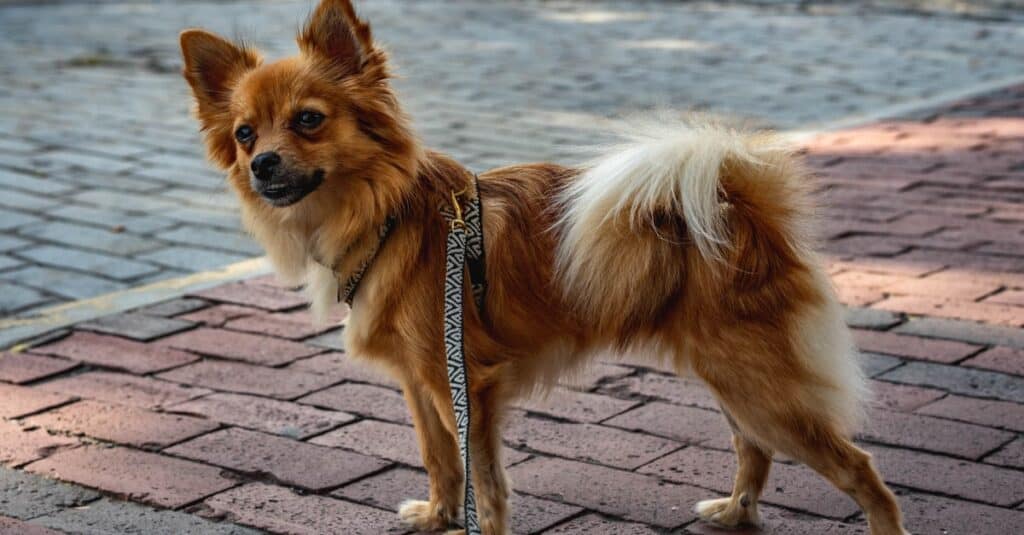
Pomeranian Chihuahua Mix, <a href=

Pomeranian Chihuahua Mix, Pomchi, standing on brick sidewalk.

The Chihuahua mixes can vary in weight and size, as each mixed breed is different. For example, a Chihuahua dog can weigh between 2 and 6 pounds and be 5 inches in height.

Common Health Issues

Chihuahua mixes are susceptible to some health issues, which include:

  • Cataracts
  • Arthritis
  • Skin disease
  • Kidney and liver problems

Cataracts

These dogs can develop cataracts when the eye’s lens becomes cloudy, brought on by protein changes in the lens. The lens becomes cloudy because light can’t reach the retina, causing long-term blindness.

Arthritis

A dog’s bones join together with joints that contain cartilage, which softens the impact of their movements on the bones. Unfortunately, as your dog ages, the cartilage may deteriorate and become weaker, which may cause pain and inflammation that leads to arthritis.

Skin disease

Chihuahua mix dogs have delicate skin that is prone to itchiness and infections. To avoid these skin infections from developing, keep their coat well-groomed and their skin clean.

Kidney and Liver problems

Kidney problems develop when the kidneys have difficulty excreting phosphorus from the body, and diabetes contributes to fatty tissue building up in the liver, causing liver disease.

A blood test and a urine analysis are necessary to check the levels of enzymes, proteins, and other substances the liver produces. Both of these exams can help detect or exclude underlying diseases.

Temperament

The Chihuahua mix exhibits an outstanding balance of personality traits and temperament in many ways. These dogs can be bold and confident, with a dash of stubbornness. However, this breed is fun to be around as they are affectionate, devoted, and playful.

These dogs can make great pets for single owners and families with or without children. Although it is vital that when you want to adopt this dog and have younger children around, socializing and training your dog may be critical, as these dogs can become snappy if feeling bothered. Training and socializing will create solid groundwork for their later years.

Chiweenie, a chihuahua and dachshund mix dog outdoors amongst the grass and dandelions during spring

Chiweenie, a chihuahua and dachshund mix dog outdoors amongst the grass and dandelions during spring.

How to Take Care of your Chihuahua mix

To keep your dog healthy and content, provide your Chihuahua mix with high-quality food, clean water, plenty of exercise, routine checkups at the veterinarian, and necessary grooming.

Maintenance and Grooming

The Chihuahua mix breed is regarded as a moderate to low shedder and requires brushing two to three times per week. A brushing routine will reduce hair accumulation and keep their coats knot-free. Your pet can also benefit from an occasional trip to the groomer because a clean and trimmed coat will shield them from skin conditions.

Certain Chihuahua mix breeds may have extra hair in their ears, including the area by the mustache and the eyebrows. To avoid ear infections, make sure to trim these regularly. In addition, nails need a nail trim once a month; also, be diligent about brushing your dog’s teeth to prevent dental decay and unpleasant, smelly breath.

Training

Despite having a high level of intelligence, the Chihuahua mix is notoriously challenging to train because of its stubbornness. However, training and socializing from a young age are essential to prevent behavioral issues and reduce some of their aggression.

Exercise

These energetic canines are always on the go and looking for new adventures. They will require a lot of space to exercise, so practice daily walks and let them interact with other dogs at the park. There might even be some park games they can partake in. Additionally, ensure your home has a big enough open space for your dog to play and burn off that extra energy.

Puppies

The female Chihuahua mix breed has an average litter size of three to five puppies, most of whom have distinctive looks. After these pups are born, avoid exposing them to large crowds when they are young because they are relatively fragile. However, as soon as they pass that vulnerable stage, you should begin socializing them. Creating a well-socialized canine will make the transition phase easier when introducing them to dogs, strangers, and kids.

Chihuahua mixes and Children

The best time to introduce your puppy is when your child is still young because growing up together will allow them to form stronger bonds as they get to know one another’s personalities. These dogs have a very loving nature, but if patronized, they can become irritable and snap at your child. So, keep a close eye on your kids and never leave them alone with this dog.

View all 392 animals that start with C

Sources

  1. Dog Time / Accessed January 5, 2023
  2. Alpha Paw / Accessed January 5, 2023
  3. The Farmers Dog / Accessed December 15, 2022
Kayeleen Parsons

About the Author

Kayeleen Parsons

Kayeleen Parsons is a writer at A-Z Animals that thoroughly enjoys writing about animals of all types. She has a love for many animals, but her Cocker Spaniel dog holds a special place in her heart. In addition to being a writer, she's also an English teacher, sharing her knowledge to help her students become excellent in the language and literature. When she's not busy writing, Kayeleen enjoys reading and spending quality time with her family in her homeland of Cape Town.

Thank you for reading! Have some feedback for us?


Chihuahua Mix FAQs (Frequently Asked Questions)

These dogs can be bold and confident, with a dash of stubbornness. However, this breed is fun to be around as they are affectionate, devoted, and playful.