N S W E
Wildlife Expeditions

Wildlife of
Virgin Islands

Where coral reefs meet mangroves and dry forests, the USVI offers standout Caribbean marine life, nesting sea turtles, and vibrant birdlife in protected island parks.
6 Species
346 km² Land Area
Overview

About Virgin Islands

The United States Virgin Islands (Saint Croix, Saint John, and Saint Thomas) hold rich wildlife in a small area shaped by warm Caribbean water and steep hills. Land and sea are linked: seabirds and shorebirds use coastal wetlands and cays, while reptiles and bats live in dry forests and rocky slopes. Much life is offshore on coral reefs and seagrass beds. Protections in national parks and marine protected areas help keep habitats intact.

Key ecosystems include coral and patch reefs, seagrass meadows, mangrove lagoons, and tropical dry forest. Reefs and seagrass are nurseries for reef fish and many invertebrates and are feeding grounds for green sea turtles. Mangroves shelter young fish and coastal birds and protect shorelines. Dry forests support plants found only here and island-adapted birds and reptiles. Snorkel-ready reefs, turtle feeding spots, and bird-rich bays are often a few minutes from roads and beaches.

Physical Features

Geography

The United States Virgin Islands are small, steep Caribbean islands where short runs from ridge to sea make habitats. Elevation, rainfall, and trade winds shape dry forest, thorn scrub, and wetter uplands. Shorelines hold beaches, rocky coasts, mangroves, salt ponds, seagrass beds, and coral reefs. Saint Croix, Saint John, and Saint Thomas host wildlife tied to wetlands and nearby waters.

346 km² Land Area
Smaller than any U.S. state; larger than Washington, D.C. and American Samoa; smaller than Guam and the Northern Mariana Islands. Size Rank
Territory Type
Elevation Range

Sea level to ~474 m (Crown Mountain, Saint Thomas)

Coastline

Caribbean Sea and Atlantic Ocean; highly indented island coastline with numerous bays, cays, and reef-lined shores supporting mangroves, seagrass beds, and fringing coral reefs.

Key Landscapes

Hilly volcanic ridges and steep watersheds on Saint Thomas and Saint John (creating sharp moisture and vegetation gradients) Lower, broader terrain on Saint Croix with coastal plains and limestone/reef-derived landscapes (important for dry-forest and coastal habitats) Mangrove forests and coastal lagoons (notably in protected bays), key nurseries for fish and habitat for birds Salt ponds, seasonal wetlands, and coastal flats (critical for shorebirds and waterbirds, especially during migration) Beaches, dunes, and rocky shorelines (nesting/foraging areas and coastal connectivity corridors) Seagrass meadows and nearshore soft-bottom habitats (feeding grounds for turtles and many reef-associated species' juvenile stages)
State Symbols

Official Wildlife Symbols

bird

Bananaquit

wildflower

Yellow cedar (yellow elder)

tree

Bay rum tree

Parks & Reserves

Protected Areas

Protected areas in the United States Virgin Islands (USVI) center on National Park Service lands on St. John, with marine protection, and important coral-reef and coastal habitats around St. Croix. U.S. Fish & Wildlife Service refuges protect sea turtle nesting beaches and offshore cays, while territorial parks guard bays, mangroves, seagrass, and marine corridors.

Protected Coverage

≈15-20% of land area (higher if marine protected areas are included)

National Parks & Preserves

Virgin Islands National Park (St. John)

≈7,000 acres of land plus ≈5,600 acres of submerged lands (≈14,000+ acres total)

Protects one of the Caribbean's best-connected mosaics of dry forest, mangroves, beaches, seagrass beds, and fringing coral reefs-excellent for snorkeling-based wildlife viewing and for conserving sea turtle foraging habitat and reef biodiversity.

Hawksbill sea turtle Green sea turtle Queen conch Brown pelican Reef-building corals (e.g., elkhorn coral)

Buck Island Reef National Monument (St. Croix)

≈19,000 acres (overwhelmingly marine; includes Buck Island and surrounding reef/lagoon)

A globally important protected coral reef and lagoon system with high visibility snorkeling and strong conservation value for reef fish, corals, and sea turtles; includes one of the best-managed reef areas in the region.

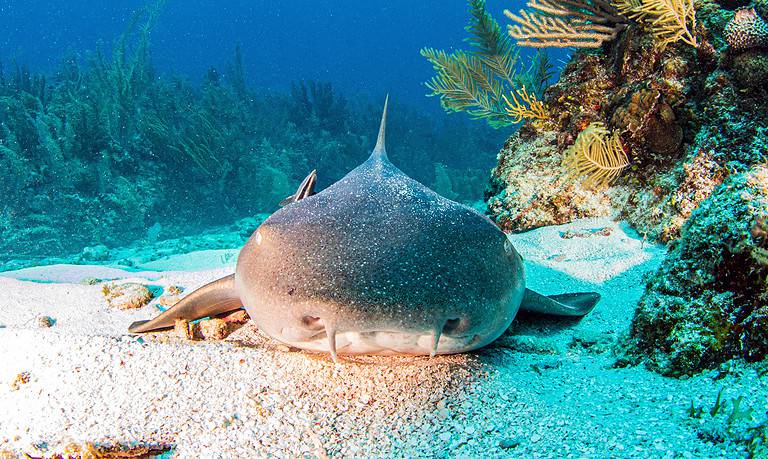
Elkhorn coral Staghorn coral Green sea turtle Hawksbill sea turtle Nurse shark

Virgin Islands Coral Reef National Monument (off St. John)

≈12,700 acres (marine)

A marine-only NPS unit protecting coral reefs and benthic habitats adjacent to Virgin Islands National Park-important for coral conservation, reef fish spawning/foraging areas, and turtle movement corridors.

Elkhorn coral Staghorn coral Parrotfishes Hawksbill sea turtle Spiny lobster

Salt River Bay National Historical Park and Ecological Preserve (St. Croix)

≈1,000 acres (includes terrestrial and coastal/marine components)

Notable for intact mangroves, estuary/lagoon habitats, and nearshore reefs that function as nurseries for fish and invertebrates; a strong site for birding and paddling-based wildlife viewing.

Great egret Yellow-crowned night heron Tarpon Mangrove-associated juvenile reef fish West Indian manatee (rare/occasional visitor)

State & Provincial Parks

Magens Bay Park (St. Thomas) (USVI Territorial Park)

≈300+ acres (park and watershed lands; bay is a focal habitat)

A sheltered bay backed by coastal vegetation that supports shorebirds and seabirds, with frequent sea turtle sightings in adjacent waters; also serves as a highly accessible public wildlife-viewing beach and nearshore habitat.

Green sea turtle Hawksbill sea turtle Brown pelican Magnificent frigatebird Spotted eagle ray

St. Croix East End Marine Park (USVI Territorial Marine Protected Area)

≈60 square miles (≈38,400 acres; mostly marine)

Protects extensive coral reefs, seagrass beds, and coastal habitats around St. Croix's East End-important for fisheries nurseries, coral conservation, and consistent snorkeling/boating wildlife encounters.

Hawksbill sea turtle Green sea turtle Queen conch Parrotfishes Southern stingray

St. Thomas East End Reserves (including Cas Cay/Mangrove Lagoon areas) (USVI Territorial Marine/Coastal Reserves)

≈10,000+ acres (predominantly marine/coastal reserve network)

A network of marine and coastal reserves protecting mangroves, seagrass, and reefs-high value for juvenile fish habitat, waterbird foraging, and biodiversity close to a major population center.

Yellow-crowned night heron Great blue heron Juvenile reef fish (nursery assemblages) Green sea turtle Spiny lobster

Wildlife Refuges

Sandy Point National Wildlife Refuge (St. Croix)

≈380 acres (coastal beach/dune habitat)

One of the most important sea turtle nesting beaches in the U.S. Caribbean, managed to minimize disturbance and protect nesting success; also supports shorebirds and dune/coastal strand habitats.

Leatherback sea turtle Green sea turtle Hawksbill sea turtle Least tern Wilson's plover

Green Cay National Wildlife Refuge (St. Croix) (part of Caribbean Islands National Wildlife Refuge complex)

≈14 acres (small offshore cay; surrounding waters provide additional habitat value)

A small, predator-sensitive offshore cay protected primarily for seabird conservation and as an undisturbed coastal habitat; best viewed from the water to avoid disturbance.

Brown pelican Laughing gull Royal tern Noddies/terns (seasonal use) Reef fish (nearshore waters)

Caribbean Islands National Wildlife Refuge (USVI components and offshore cays)

Multiple small units; sizes vary by component (USVI units are generally small, cay-focused)

A broader USFWS refuge complex (spanning Puerto Rico and USVI) that, in the USVI context, emphasizes protection of small islands/cays and associated nearshore habitats used by seabirds and marine life.

Brown pelican Magnificent frigatebird Seabird nesting terns Hawksbill sea turtle (nearshore) Reef fish assemblages

Wilderness Areas

  • Virgin Islands Wilderness (Virgin Islands National Park, St. John) - federally designated wilderness area
Animals

Wildlife

The United States Virgin Islands (St. Croix, St. John, and St. Thomas) have rich Caribbean wildlife in a small area because most life is coastal and marine. Coral reefs, seagrass beds, sandy beaches, and mangrove lagoons sit next to dry tropical forest and shrubland. There are few land mammals (mostly bats and introduced species); birds, reptiles, especially sea turtles, and reef fish are common. Protected places like Virgin Islands National Park, Buck Island Reef National Monument, and Sandy Point National Wildlife Refuge are important for nesting turtles, seabirds, and reef communities.
≈25-35 species (mostly bats; plus regularly occurring marine mammals such as dolphins and seasonal whales) Mammals
≈200-250 recorded (≈70-90 regular breeders/residents; many migrants and seabirds) Birds
≈25-35 (lizards, snakes, and 3-5 nesting/foraging sea turtle species) Reptiles
≈3-6 (a small set of frogs/toads; some islands have very limited native amphibian diversity) Amphibians
≈500-700 marine fish species associated with reefs, seagrass, and nearshore waters Fish
Examples

Iconic Species

Hawksbill Sea Turtle A flagship reef-associated sea turtle in the USVI; frequently encountered while snorkeling/diving and an important nester on protected beaches.
Green Sea Turtle Commonly seen grazing in seagrass beds and along reef edges; a signature species for nearshore waters and turtle-watching.
Leatherback Sea Turtle
Leatherback Sea Turtle The largest sea turtle; Sandy Point (St. Croix) is one of the best-known nesting beaches in the region, drawing visitors during nesting season.
Brown Pelican A classic Caribbean coastal bird, often seen plunge-diving in bays and harbors; highly visible around beaches and mangroves.
Magnificent Frigatebird An aerial seabird often soaring over cays and coastlines; males' red throat pouch and kleptoparasitic behavior make it a standout.
Bananaquit A ubiquitous, energetic backyard and forest-edge bird-one of the most frequently seen land birds by visitors.
Bottlenose Dolphin
Bottlenose Dolphin Regularly encountered in nearshore waters and around channels between islands; a hallmark marine mammal for boat trips.
Queen Conch An iconic Caribbean invertebrate tied to seagrass ecosystems and local culture; populations are closely managed due to fishing pressure.
Caribbean Spiny Lobster A well-known reef and hard-bottom species important to fisheries; often spotted by divers in crevices and under ledges.

Endemic & Rare Species

St. Croix Ground Lizard

Pholidoscelis polops

Critically Endangered; historically extirpated from St. Croix's main island and maintained via reintroductions on predator-free/island refuges

One of the USVI's most conservation-significant reptiles; intensive management and reintroductions make it a key local success-and-challenge story.

Virgin Islands Tree Boa

Chilabothrus granti

Regionally rare and localized (Puerto Rico Bank endemic); threatened primarily by habitat loss and invasive predators

A secretive native snake strongly associated with remaining natural habitats; emblematic of the territory's unique island-bank herpetofauna.

St. Croix Anole

Anolis acutus

Endemic to St. Croix (single-island endemic); locally common in suitable habitat but vulnerable to habitat change and invasives

A true St. Croix specialty that typifies island endemism; often seen in dry forest/shrub habitats and around gardens.

West Indian Manatee

Trichechus manatus

Threatened (U.S. listing); uncommon/irregular in the USVI

A rare visitor to seagrass and sheltered bays; sightings are notable and highlight the importance of protecting nearshore habitats.

Piping Plover

Charadrius melodus

Threatened (U.S. listing); primarily a wintering migrant in the USVI

A high-profile beach-dependent shorebird that depends on quiet, undisturbed sandy habitat during migration and winter.

Elkhorn Coral

Acropora palmata

Threatened (U.S. listing); severely reduced across the Caribbean

A habitat-forming coral that historically built much of the shallow reef structure; its condition strongly influences fish and invertebrate diversity.

Notable Populations

  • Leatherback sea turtle nesting at Sandy Point National Wildlife Refuge (St. Croix), one of the most prominent nesting sites in the U.S. Caribbean.
  • Regionally important hawksbill and green sea turtle nesting/foraging across protected beaches and nearshore seagrass/reef habitats (including waters around St. John and St. Croix).
  • High-value reef fish and invertebrate communities supported by protected areas such as Buck Island Reef National Monument and Virgin Islands National Park (strong contributors to local biodiversity and tourism).
  • Seasonal presence of migrating humpback whales in the wider northeastern Caribbean (sightings occur in and around USVI waters in winter/spring).

Recent Changes

  • Sea turtle recovery trends in many parts of the U.S. Caribbean (including the USVI) due to long-term nest protection, fishery regulation, and reduced harvest-though climate and beach impacts remain concerns.
  • St. Croix ground lizard conservation actions (captive management, translocations/reintroductions, and invasive predator control) have been central to preventing extinction and rebuilding populations on suitable refuges.
  • Invasive lionfish (Pterois spp.) have reshaped reef food webs; removals/derbies and targeted control are ongoing but eradication is not feasible.
  • Coral reef declines from warming-driven bleaching and diseases (including stony coral tissue loss disease in the region) have reduced live coral cover in many places, altering fish habitat and reef resilience.
  • Increasing frequency/intensity of marine heatwaves and heavier Sargassum influx years have periodically stressed seagrass and nearshore ecosystems, with knock-on effects for turtles, fish, and water quality.
Visit

Wildlife Viewing

The U.S. Virgin Islands offer easy, close-to-shore wildlife viewing on coral reefs, seagrass beds, mangroves, and turtle nesting beaches. Snorkelers often see green and hawksbill turtles, reef fish, and rays. Pelicans and shorebirds use coasts and salt ponds; humpback whales pass in winter. Top spots: Virgin Islands National Park; Buck Island Reef National Monument; St. Croix East End Marine Park.

Best Seasons

Winter (Dec-Mar)

Peak season for humpback whale viewing in the wider region; breezier trade winds and clearer days can improve visibility from boats and coastal lookouts. Excellent overall conditions for snorkeling and hiking, with active seabirds and reliable sea turtle sightings on reefs year-round.

Spring (Apr-May)

Calmer seas typically return, creating some of the best snorkeling and kayaking conditions-especially in bays and behind reefs. Great for underwater photography, eagle rays and reef fish activity, and comfortable birding around salt ponds and mangroves.

Summer (Jun-Aug)

Warmest water and generally calmer mornings; strong potential for sea turtle nesting activity on select beaches (nesting varies by beach and year). Mangroves and lagoons are productive for juvenile fish and birdlife; plan early starts to avoid midday heat.

Fall (Sep-Nov)

Quieter travel period with warm water and good shoulder-season snorkeling windows between systems. Birding can be rewarding around wetlands; expect more variable weather and occasional reduced water clarity after heavy rains or storms.

Top Wildlife Experiences

  • Snorkel with sea turtles in Maho Bay (St. John) over seagrass beds; go early for calmer water and better turtle viewing.
  • Take a guided reef snorkel or glass-bottom-style tour at Buck Island Reef National Monument (St. Croix) to see elkhorn coral habitat, reef fish schools, and rays along the marked underwater trail.
  • Kayak or paddleboard the Mangrove Lagoon (St. Thomas) with a naturalist to spot juvenile fish, herons/egrets, pelicans, and mangrove-root nursery habitats.
  • Join a humpback whale-watching boat trip from St. Thomas or St. John in winter (typically Jan-Mar for best odds) for breaches, tail slaps, and mother-calf pairs passing through the region.
  • Hike and snorkel combo day in Virgin Islands National Park (St. John): trail to an overlook (for seabirds and coastal views) followed by snorkeling at Trunk Bay's underwater snorkel trail.
  • Visit Sandy Point National Wildlife Refuge (St. Croix) in season (access is managed/limited) for world-class sea turtle conservation viewing opportunities and the chance to learn about nesting leatherbacks and other species from refuge programs.
  • Birdwatch at wetlands and salt ponds-especially the Southgate Coastal Reserve / Salt River area (St. Croix) or coastal ponds on St. John-for shorebirds, waders, and seasonal migrants.
  • Nighttime "bioluminescent bay" kayaking (when conditions align) in sheltered lagoons to experience glowing plankton trails and learn about coastal ecosystems (availability varies by island and moon phase).

Wildlife Watching Types

Reef snorkeling and scuba diving (coral reef fish, rays, octopus, eels) Sea turtle viewing (snorkeling over seagrass beds; nesting beach programs when available) Whale watching (seasonal winter humpback migration; boat-based and occasional shore-based sightings) Birding hotspots (salt ponds, mangroves, coastal headlands for pelicans, herons, shorebirds, raptors) Mangrove and lagoon kayaking (nursery habitat wildlife, wading birds, juvenile fish) Marine park / reef monument interpretation (underwater trails, ranger- or naturalist-led ecology) Night wildlife experiences (bioluminescence paddles when conditions permit)

Guided Options

  • National Park Service programs in Virgin Islands National Park (St. John): ranger-led walks/talks and interpretive activities (seasonal schedules).
  • Buck Island Reef National Monument (St. Croix): authorized concessioner snorkel trips and guided underwater trail visits (check operator permits).
  • U.S. Fish & Wildlife Service: Sandy Point National Wildlife Refuge (St. Croix) sea turtle nesting programs and managed access days (seasonal; reservations/closures possible).
  • St. Croix East End Marine Park: education/outreach events and guidance on best practices for responsible snorkeling and boating in protected waters.
  • Local naturalist-led mangrove lagoon kayak tours (St. Thomas) focused on mangrove ecology, birds, and marine nursery habitats.
  • Seasonal whale-watching charters from St. Thomas/St. John (winter): marine-mammal-focused outings with emphasis on responsible viewing distances and interpretation.
  • Sea turtle-focused snorkel excursions with responsible wildlife viewing guidelines (operators vary by island; choose those that emphasize no-touch/no-chase practices).
Habitats

Ecosystems

United States Virgin Islands (St. Croix, St. John, St. Thomas) host a varied tropical ecosystem shaped by steep hills, trade winds, seasonal drought, and coastlines. Land habitats include dry coastal scrub, seasonal dry forest, and wetter uplands. Nearshore waters include seagrass beds, reefs, mangroves, beaches, and rocky shores. Fresh water is scarce and seasonal; wetlands and ponds (ghuts) are vital.

Biomes

Tropical Dry Forest

Seasonally dry forests and thorny scrub/woodland dominate many lowlands and leeward slopes; vegetation is adapted to drought, thin soils, and salt spray.

Widespread at lower elevations and drier exposures across all three main islands; especially prominent on Saint Croix and coastal/leeward areas.

Tropical Rainforest

Moist evergreen to semi-evergreen forest occurs in higher, more humid, and windward settings; includes gallery-like moist forests in sheltered valleys and ridges.

Patchy and localized, mainly in uplands (notably on Saint John and Saint Thomas); limited area overall.

Wetland

Coastal wetlands include mangrove-fringed ponds, lagoons, salt ponds, and intermittently flooded flats; critical nursery habitat and waterbird areas.

Scattered pockets along sheltered bays and low-lying coastal areas; small in area but ecologically significant.

Freshwater

Freshwater habitats are scarce and often ephemeral: short "ghuts" (seasonal streams), small ponds, and man-made reservoirs; important for amphibians, birds, and invertebrates.

Very limited and discontinuous; mostly small catchments and isolated waterbodies.

Marine

Warm, clear tropical marine waters with coral reefs, seagrass meadows, sandy bottoms, and deeper shelf/slope habitats; supports high Caribbean fish and invertebrate diversity.

Extensive around all islands; nearshore habitats are a defining feature of USVI biodiversity.

Habitats

Forest

Tropical island forests ranging from dry deciduous/evergreen mixtures to moister upland stands; much is secondary forest recovering from historical land use.

Rainforest

Small patches of wetter, more closed-canopy forest in higher elevations and sheltered ravines, with greater epiphyte and fern presence than surrounding dry zones.

Woodland

Open-canopy dry woodland with drought-tolerant trees and cacti on ridges and leeward slopes; often grades into scrub.

Shrubland

Coastal and dry scrub with thorny shrubs, succulents, and salt-tolerant plants; common on exposed headlands and dry lowlands.

Wetland

Salt ponds, coastal ponds, and intermittently flooded basins used by wading birds and shorebirds; often bordered by mangroves or salt-tolerant marsh vegetation.

Mangrove

Red/black/white mangrove fringes around sheltered bays, lagoons, and pond margins; essential fish nursery and shoreline stabilization habitat.

Estuary

Brackish transition zones where runoff enters bays/ponds; typically small and episodic but important for nutrient exchange and juvenile fish habitat.

Coastal

Highly indented coastlines with bays, coves, and headlands supporting sea turtle nesting areas, seabird use, and coastal strand vegetation.

Beach

Sandy beaches and dune/strand systems, including turtle nesting beaches and dynamic storm-shaped shorelines.

Rocky Shore

Rocky headlands and intertidal benches with tidepools; exposed areas experience strong wave action and salt spray.

Coral Reef

Fringing and patch reefs with associated reef flats and spur-and-groove features; biodiversity hotspots sensitive to warming, storms, and water quality.

Seabed/Benthic

Nearshore sand/rubble bottoms and hardbottom areas, often interspersed with seagrass and patch reefs; key habitat for benthic invertebrates and demersal fish.

Open Ocean

Pelagic waters surrounding the islands used by migratory fish, marine mammals, and seabirds.

Deep Sea

Off-shelf slope and deeper basins beyond nearshore reefs; supports deepwater communities (less visible but ecologically important).

River/Stream

No large permanent rivers; short, steep ghuts can flow after heavy rains, moving sediments/nutrients to coastal waters.

Pond

Small natural and artificial ponds (including coastal ponds and inland impoundments) provide limited but important freshwater habitat.

Urban

Developed coastal towns/ports and associated infrastructure, concentrated on Saint Thomas and parts of Saint Croix; influences runoff and coastal water quality.

Agricultural/Farmland

Active and fallow farmland/pasture (more common on Saint Croix) interspersed with secondary vegetation; contributes to habitat fragmentation and runoff patterns.

Plantation

Historic plantation landscapes (notably sugar-era on Saint Croix) now largely converted to mixed development, pasture, and regenerating dry forest/woodland.

Ecoregions

Puerto Rican dry forests (WWF NT0205) Puerto Rican moist forests (WWF NT0121) Greater Antilles mangroves (WWF NT1401) Virgin Islands (Marine Ecoregions of the World/MEOW ecoregion; Tropical Northwestern Atlantic realm, Greater Antilles province)
Protection

Conservation

Primary Threats

  • Rising sea temperatures cause coral bleaching and death on USVI reefs, and ocean acidification slows reef growth. Stronger hurricanes bring runoff, damage reefs, and erode leatherback and hawksbill nesting beaches (especially St. Croix). Sea-level rise squeezes mangroves and beaches against built shores, reducing nursery habitat.
  • Land-based sources of pollution-stormwater runoff, eroding unpaved roads, construction sediment, and wastewater/septic leakage-deliver nutrients, pathogens, and fine sediments to bays and reef shelves, promoting algal overgrowth and lowering water clarity. Marine debris and lost fishing gear entangle turtles and damage corals in popular boating and fishing areas.
  • Coastal habitat is limited and heavily competed for by housing, tourism facilities, and roads. Beach lighting and shoreline alteration reduce suitability for nesting turtles, while mangrove clearing/filling and nearshore dredging remove fish nursery habitat and degrade adjacent seagrass and coral communities.
  • Invasive mammals (rats, cats, and mongooses on some islands) prey on native reptiles and seabirds and can impact turtle nests. In the marine environment, invasive lionfish reduce recruitment of native reef fish, undermining reef resilience and fisheries.
  • Fishing nearshore reefs and shelf habitats close to towns removes herbivorous fish and key predators like groupers. This lets algae overgrow corals and changes reef food webs. Illegal or unreported fishing, even in protected areas, is hard to control due to limited enforcement.
  • High tourism and recreational boating increase anchor and propeller scarring on seagrass and reefs, trampling in shallow coral areas, and disturbance of turtle nesting beaches (nighttime beach use, lights, and noise). Heavy visitation can also elevate wildlife-vehicle interactions and trail erosion in sensitive dry forest habitats.
  • Ports, marinas, shoreline armoring, and road networks increase hardening of the coast, fragment habitats, and can require dredging that resuspends sediments over adjacent reefs and seagrass. Post-hurricane rebuilding surges can intensify construction impacts if erosion controls are inadequate.
  • Channelization and altered drainage from hillside development accelerate flashy runoff and chronic sediment delivery to bays. Shoreline armoring and beach grooming modify natural sand movement and can reduce the formation of suitable nesting habitat and dune vegetation.
  • Coral diseases, including stony coral tissue loss disease (SCTLD) reported regionally and other bleaching-associated syndromes, can rapidly reduce remaining coral cover. Sea turtles can be affected by fibropapillomatosis and other health stressors that may be exacerbated by degraded water quality.
  • While large-scale wildlife trade is not dominant, illegal take and sale of protected species/products (e.g., sea turtle meat/eggs, certain reef organisms) can occur and is difficult to monitor across multiple islands and busy marine traffic corridors.
  • Population and tourism-related growth concentrates along coasts, increasing impervious surfaces, light pollution near beaches, and demand for limited freshwater and wastewater infrastructure-cascading into runoff and nearshore impacts.
  • Limited freshwater resources and watershed degradation can increase reliance on altered drainage and exacerbate erosion; sediment and nutrient loading from watersheds directly reduces reef resilience. Depletion of nearshore fish stocks also reduces ecosystem services (grazing, predation) that keep reefs stable.
Fun Facts

Did You Know?

Despite the lush look of St. John, it has no permanent rivers; most freshwater flows through short-lived storm channels locally called "guts," which shapes where amphibians and freshwater-dependent wildlife can survive.

The upside-down jellyfish (Cassiopea spp.) in sheltered mangrove waters like Mangrove Lagoon, St. Thomas, rest bell-down on the bottom. They use sunlight to feed algae that live with them, acting like living solar panels.

Salt River Bay (St. Croix) can glow at night: bioluminescent dinoflagellates in the water emit flashes when disturbed by paddles, fish, or swimmers-turning wake trails into brief streaks of light.

On many USVI beaches, sea turtle tracks seen at dawn come from a female that nested at night and left. Trained monitors can tell hawksbill from leatherback by the track pattern alone.

USVI reefs and bays include nurseries where juvenile reef fish and invertebrates shelter in mangrove roots and seagrass-meaning some of the most "reef-dependent" species spend early life stages far from the reef crest, hidden in shallow coastal wetlands.

Buck Island Reef National Monument (off St. Croix) was designated in 1961-widely cited as the first U.S. "underwater national monument," created specifically to protect a coral reef ecosystem.

Virgin Islands National Park protects roughly 60% of the island of St. John-an unusually high share of an inhabited Caribbean island preserved within a single U.S. national park unit (and it also includes thousands of acres of submerged marine habitat).

Sandy Point National Wildlife Refuge (St. Croix) is the U.S. Virgin Islands' premier leatherback sea turtle (Dermochelys coriacea) nesting beach, hosting the territory's largest nesting concentration and ranking as one of the most important leatherback rookeries in the U.S. Caribbean.

The St. Croix ground lizard (Ameiva polops) is one of the world's rarest lizards. It was pushed into tiny refuge groups on small offshore cays and has needed intense recovery because its global range is tiny.

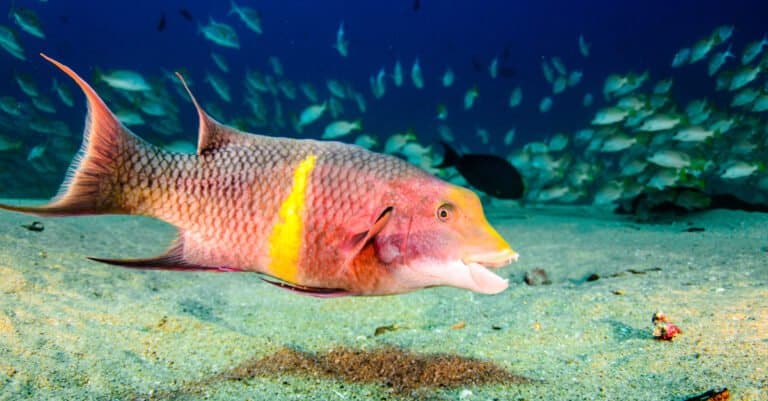
Grammanik Bank, south of St. Thomas, is famous for a large seasonal spawning grouping of red hind grouper (Epinephelus guttatus). It is one of the region’s best-documented fish gatherings and has seasonal protections.

Thank you for reading! Have some feedback for us?