N S W E
Wildlife Expeditions

Wildlife of
American Samoa

A compact U.S. Pacific territory where volcanic rainforests meet world-class coral reefs-home to endemic island species and key sea turtle and seabird habitats.
1 Species
199 km² Land Area
Overview

About American Samoa

American Samoa is a small, isolated group of islands of steep volcanic ridges and warm tropical seas. It supports many endemic forest birds and plants, and rich marine life on coral reefs and in deep waters. Traditional village care and protected areas help keep its strong natural and cultural heritage. Key habitats include fringing coral reefs, lagoons, outer reef slopes, mangroves, coastal strand, and upland rainforests on cloud-topped ridges. Reefs act as nurseries for reef fish and invertebrates; beaches and nearshore waters support sea turtles. Inland rainforests and mountain areas shelter island-adapted birds, fruit bats, and many native plants, and healthy watersheds help keep reefs healthy. The island’s close "ridge-to-reef" links let you move from forest trails to bright coral gardens in a day. As an unincorporated U.S. territory with National Park protection of land and sea, it blends Polynesian ecology and U.S. conservation, and is often less crowded.

Physical Features

Geography

American Samoa's small land area is split among steep volcanic islands and low-lying atolls, creating sharp habitat changes over short distances. Rugged interior mountains hold tropical rainforest and ridge and upper-slope forests that shelter many native and endemic species. Narrow coastal flats, wetlands, stream valleys, fringing reefs and lagoons support distinct lowland, freshwater and marine life.

199 km² Land Area
Smallest U.S. territorial subdivision by land area Size Rank
Territory Type
Elevation Range

Sea level to ~966 m (Lata Mountain, Ta'u)

Coastline

South Pacific Ocean; highly indented volcanic coasts with bays and sea cliffs, plus extensive fringing coral reefs and lagoons (including Rose Atoll and Swains Island's atoll environment) that provide major marine and coastal habitats

Key Landscapes

Steep volcanic islands (notably Tutuila, Ofu-Olosega, and Ta'u) with rugged ridgelines and deeply cut valleys High interior peaks and montane ridges (e.g., Mt. Matafao) supporting upland rainforest and ridge-top forest Lowland tropical forest and secondary growth around settlements and agricultural areas Short, flashy streams and riparian corridors draining to the coast (important freshwater/brackish habitat where they meet the sea) Narrow coastal plains, pocket beaches, and sheltered bays/harbors (e.g., Pago Pago Harbor) creating localized coastal habitats Mangroves and coastal wetlands (limited in extent but important for birds and juvenile marine life where present, especially in sheltered embayments/estuaries)
Parks & Reserves

Protected Areas

American Samoa's protected areas include the National Park of American Samoa, other federal marine protections, and village and community conservation areas. Most land is communally owned, so long-term protection uses leases and cooperation with villages. Protection focuses on coral reefs, seabird colonies, sea turtle habitat, and remaining native rainforest in steep volcanic interiors.

Protected Coverage

≈15% of land (rough estimate; dominated by National Park lands plus smaller territorial/community forest and coastal conservation areas).

National Parks & Preserves

National Park of American Samoa

~13,500 acres total (land + marine; size varies by reporting, with a substantial marine component)

The only U.S. National Park in the Southern Hemisphere, protecting tropical rainforest, volcanic ridgelines, and coral reefs across park units on Tutuila, Ofu, and Tau.

Samoan flying fox (Pteropus samoensis) White-tailed tropicbird (Phaethon lepturus) Red-footed booby (Sula sula) Green sea turtle (Chelonia mydas) Hawksbill sea turtle (Eretmochelys imbricata)

State & Provincial Parks

Pala Lagoon (Aua) - Coastal/Mangrove Park Area

Small lagoon/coastal park area (tens to low hundreds of acres; local management footprint varies)

A brackish lagoon and mangrove-edge habitat that supports resident and migratory shorebirds and provides nursery habitat for fish and invertebrates; one of the most accessible wetland wildlife-viewing areas on Tutuila.

Pacific reef heron (Egretta sacra) Wandering tattler (Tringa incana) Pacific golden plover (Pluvialis fulva) Pacific black duck (Anas superciliosa) Mangrove-associated crabs and juvenile reef fish

Aunu'u Island Pala Lagoon - Wetland/Natural Area

Small island wetland complex (site scale; typically managed locally/community supported)

Freshwater-to-brackish wetland habitat on Aunu'u that is important for waterbirds and provides a rare lowland wetland complement to the territory's mostly steep, forested terrain.

Pacific black duck (Anas superciliosa) Pacific reef heron (Egretta sacra) Pacific golden plover (Pluvialis fulva) Wandering tattler (Tringa incana) White-collared kingfisher (Todiramphus chloris)

Wildlife Refuges

Rose Atoll National Wildlife Refuge

Refuge spans the Rose Atoll system (tiny emergent land with extensive surrounding reef/lagoon waters)

One of the most intact coral atoll ecosystems under U.S. jurisdiction, critical for seabird nesting colonies and sea turtle habitat, with exceptionally high-value reef and lagoon ecosystems.

Red-footed booby (Sula sula) Sooty tern (Onychoprion fuscatus) Green sea turtle (Chelonia mydas) Hawksbill sea turtle (Eretmochelys imbricata) Giant clams (Tridacna spp.)

Wilderness Areas

  • Rugged, roadless upper-ridge interiors of Tutuila (including high, steep rainforest watersheds above the main coastal road)
  • Remote rainforest and upper-elevation slopes of Ta'ū Island (including the Mount Lata highlands)
  • Roadless coastal cliffs and headlands within the National Park's Tutuila unit (important seabird nesting/roosting habitat)
  • Remote reef flats and outer reef slopes around Ofu-Olosega (access-limited shoreline stretches with minimal development)
Animals

Wildlife

American Samoa's wildlife experience is defined by steep volcanic rainforests, offshore islets packed with seabirds, and exceptionally productive coral reefs and lagoons. Native land fauna is relatively limited (typical of remote Pacific islands) but includes important flying-fox populations and a distinctive Samoan-archipelago bird community. In contrast, marine biodiversity is very high: coral reef fish, sea turtles, reef sharks, and seasonal humpback whales dominate what most visitors come to see. Conservation challenges include invasive predators, hunting pressure on bats, and climate-driven coral bleaching and storm impacts.
Terrestrial: ~2-3 native species (primarily flying foxes) plus introduced mammals; Marine: ~20-30 species of whales and dolphins recorded in surrounding waters Mammals
~80-120 species recorded overall (a mix of resident land birds, seabirds, and migrants); ~25-40 are common/resident breeders Birds
~15-30 species (geckos/skinks plus sea turtles; no native terrestrial snakes) Reptiles
0 native; ~1-2 introduced species (e.g., cane toad) in some areas Amphibians
~800-1,200 marine fish species recorded in the broader American Samoa region (reef + pelagic); reef fish diversity is especially high Fish
Examples

Iconic Species

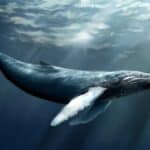
Humpback Whale
Humpback Whale Seasonal breeding and calving occur in the region, making winter whale-watching a signature experience in American Samoa's waters.
Green Sea Turtle Seen on reefs and in lagoons; American Samoa supports important foraging areas and occasional nesting on suitable beaches.
Hawksbill Sea Turtle A high-value reef specialist often encountered around coral heads; culturally significant and a flagship for reef conservation.
Reef Manta Ray A sought-after sight for divers and snorkelers when mantas visit cleaning stations and productive reef edges.
Reef Shark (primarily Whitetip Reef Shark) Commonly encountered resting under ledges and patrolling reef slopes; emblematic of healthy reef ecosystems.
Samoan Flying Fox A large native fruit bat seen flying over forest ridges and valleys; an iconic rainforest species and key pollinator/seed disperser.
Pacific Flying Fox Often forms conspicuous daytime roosts and evening fly-outs; among the most visible native land mammals to visitors.
Red-footed Booby A hallmark tropical seabird nesting on offshore islets and coastal forest; frequently seen flying and plunge-diving offshore.
White-tailed Tropicbird Striking streamer-tailed seabird that breeds on rugged coastal cliffs and offshore rocks-highly memorable around dramatic shorelines.

Endemic & Rare Species

Samoan Fruit Dove

Ptilinopus perousii

Endemic to the Samoan Archipelago; locally sensitive to habitat loss and hunting

A signature rainforest pigeon whose presence reflects intact native forest; valued for the archipelago's distinct avifauna.

Samoan Starling

Aplonis atrifusca

Endemic to the Samoan Archipelago; reliant on forest and mature trees for nesting

One of the characteristic resident forest birds of Tutuila and nearby islands, helping define the 'Samoan' bird community.

Samoan Flying Fox

Pteropus samoensis

Near Threatened (IUCN); vulnerable to cyclones and hunting pressure

A keystone pollinator and seed disperser in native forests; population fluctuations strongly affect forest regeneration.

Hawksbill Sea Turtle

Eretmochelys imbricata

Critically Endangered (IUCN)

American Samoa's reefs and any nesting activity are conservation-relevant because hawksbills are globally depleted and slow to recover.

Blue Humphead Wrasse (Napoleon Wrasse)

Cheilinus undulatus

Endangered (IUCN); threatened by overfishing and slow life history

A reef 'celebrity' species that indicates healthy, well-managed reefs; especially important where fishing pressure is high.

Samoan Butterflyfish

Chaetodon samoensis

Regional endemic (central Pacific/Samoan region); habitat-dependent on coral-rich reefs

A distinctive reef fish strongly associated with coral habitat, useful as a visible indicator of reef condition.

Samoan Skink

Emoia samoensis

Regional endemic (Samoan archipelago); susceptible to invasive predators and habitat change

One of the characteristic native reptiles of forest edges and coastal vegetation, representing island endemism on land.

Notable Populations

  • Seasonal humpback whale use of local waters for breeding/calving in the South Pacific winter
  • Regionally important sea turtle foraging habitat (green and hawksbill turtles) associated with reef and lagoon systems
  • Large, visible flying-fox roosting and fly-out aggregations that can be among the most prominent native land-mammal spectacles in the U.S. Pacific
  • Seabird breeding colonies on offshore islets (notably boobies, tropicbirds, terns), dependent on predator-free nesting areas
  • High coral-reef fish diversity relative to the small land area, making marine life the dominant component of overall biodiversity

Recent Changes

  • Humpback whales have generally rebounded across much of the Pacific since commercial whaling, improving encounter rates in many island breeding areas
  • Flying fox populations can show sharp declines after major cyclones and during periods of elevated hunting pressure, with slow recovery due to low reproductive rates
  • Coral bleaching during marine heatwaves and damage from severe storms have periodically reduced live coral cover in some locations, with variable recovery by site
  • Ongoing management actions (including marine protected areas and fishing regulations) have aimed to support reef fish biomass and reduce overharvest of vulnerable species (e.g., humphead wrasse)
  • Invasive species (notably rats/cats in some areas) continue to pressure ground- and tree-nesting birds and reptiles; predator control and biosecurity remain key conservation priorities
Visit

Wildlife Viewing

American Samoa offers quiet, close-up wildlife viewing across lush volcanic islands, the National Park of American Samoa, and colorful coral reefs. Visitors can take rainforest hikes to see flying foxes and endemic birds, snorkel and dive on reefs, and do seasonal offshore whale watching near Tutuila, Aunu'u, and the Manu'a Islands (Ofu, Olosega, Ta'ū).

Best Seasons

Dry season (May-October)

Generally calmer weather and better visibility for snorkeling/diving; prime time for hikes and ridge-to-coast wildlife spotting in the National Park. Humpback whales are typically present in winter months within this window, making it the best all-around season to pair reefs + whales + rainforest wildlife.

Whale season peak (July-October)

Best chance to see humpback whales on offshore boat trips; occasional breaches and mother-calf pairs possible. Conditions often favorable for boating and underwater clarity, so you can plan a "double day" of whale watching plus reef time.

Shoulder season (April & November)

Fewer visitors, warm water, and often good snorkeling/dive conditions between weather patterns. Expect some mixed days; keep plans flexible and aim for sheltered bays/leeward coasts for reefs.

Wet/cyclone season (December-March)

Lush landscapes, strong waterfall flow, and active rainforest wildlife after rains. Seas can be rough and visibility variable; prioritize protected lagoons/reefs on calmer days and focus on cultural sites + short forest walks when weather is unsettled.

Top Wildlife Experiences

  • Snorkel the coral gardens of the National Park of American Samoa (Tutuila unit)-look for reef fish schools, giant clams, turtles, and coral bommies in clear, protected waters.
  • Day-trip to Aunu'u Island for lagoon and reef-edge wildlife viewing: snorkel for reef fish and turtles, then do an easy walk for coastal birdlife and panoramic shoreline views.
  • Plan a dedicated humpback whale-watching trip (best July-October) from Tutuila waters-bring polarized sunglasses and a wind layer; choose operators that follow respectful approach distances.
  • Make the pilgrimage to the Manu'a Islands for the Ofu area (National Park unit): snorkel/shore-entry swim along the fringing reef and watch for turtles, rays, and dense reef fish activity.
  • Rainforest hike in the National Park (Tutuila ridges and valleys): at dawn or late afternoon, listen and look for island birds and Samoan flying foxes (fruit bats) gliding between forest canopies.
  • Tidepool and intertidal exploration on rocky shorelines (with care for waves and slippery rock): observe small crabs, juvenile fish, sea cucumbers, and reef life in natural 'micro-aquariums.'
  • Evening village-edge bat watching: position near flowering/fruiting trees to see flying foxes emerge-excellent for photography with fast shutter settings and respectful distance.
  • Scuba dive or snorkel outside peak midday hours to increase chances of turtle and ray activity; ask local guides about current visibility and best sheltered sites for the day's conditions.

Wildlife Watching Types

Reef snorkeling (fringing reefs, lagoons, coral gardens) Scuba diving (reef walls, coral slopes, fish aggregation areas) Whale watching (seasonal humpback sightings offshore) Sea turtle spotting (snorkel/dive; occasional shore observations) Birding (island forest and coastal species; best early morning) Flying fox (fruit bat) viewing at dusk/dawn Tidepooling and intertidal wildlife observation Night nature walks in village/forest-edge areas with local guidance (insects, geckos, nocturnal sounds)

Guided Options

  • National Park of American Samoa ranger/visitor programs and locally coordinated interpretive activities (check current schedules and sites by island unit).
  • Local boat-charter operators offering seasonal humpback whale-watching trips from Tutuila (ask about wildlife-viewing protocols and trip length).
  • Local dive shops and PADI-affiliated operators for guided scuba dives and snorkel guiding on Tutuila and (where available) Manu'a-ideal for first-time reef visitors and for current-dependent sites.
  • Community-based guides for National Park hikes on Tutuila and Manu'a (helpful for route-finding, safety, and spotting birds/flying foxes).
  • Village-led eco-cultural tours that combine coastal walks, reef etiquette, and traditional ecological knowledge (availability varies by village and season).
Habitats

Ecosystems

American Samoa is a small ocean territory of steep volcanic islands (Tutuila, Manu'a group) and low coral atolls (Rose Atoll, Swains Island). Sharp changes in height and rain, rough ridges and fringing reefs create diverse ecosystems: tropical moist forests with cloud-like summits, coastal plants, wetlands, and rich marine areas (coral reefs, lagoons, deep waters) supporting fisheries and protecting coasts.

Biomes

Tropical Rainforest

Moist tropical forest dominates the volcanic high islands, ranging from lowland evergreen forest to wetter ridge/summit forests with abundant epiphytes and tree ferns; includes native-dominated patches and secondary forest after past clearing/cyclones.

Common across uplands and many interior slopes of the high islands; the primary terrestrial matrix outside villages and agriculture.

Tropical Dry Forest

Drier coastal-lee and disturbed areas support more drought-tolerant woodland/forest and scrubby secondary growth, often intergrading with coastal strand vegetation.

Localized-mainly in rain-shadow/lee exposures and heavily disturbed coastal zones.

Freshwater

Short, steep streams and small riparian corridors occur on high islands; standing freshwater is limited, with few small ponds/reservoirs and intermittent pools.

Limited and linear-mostly stream networks and small catchments on volcanic islands.

Wetland

Coastal wetlands include mangrove-fringed flats, marshy valley bottoms, and estuarine areas where streams meet the sea; important for water quality and nursery habitat.

Patchy and small-restricted to low-lying coastal embayments/valley bottoms.

Marine

Extensive tropical marine ecosystems: fringing and patch reefs, reef flats, lagoons (notably at Rose Atoll), nearshore seagrass/algal beds in places, and adjacent open-ocean pelagic waters dropping quickly to deep sea.

Dominant by area-surrounding waters greatly exceed land area; reefs ring many islands and atolls with deep ocean immediately offshore.

Habitats

Rainforest

Evergreen broadleaf forest on Tutuila and the Manu'a islands, including wetter ridge/summit forests; high endemism and cyclone-adapted vegetation structure.

Forest

Mixed native/secondary forests on slopes and ridgelines; includes areas recovering from historical agriculture and storm disturbance.

Mountain

Steep volcanic ridges and peaks create strong microclimates, landslide-prone slopes, and elevational habitat turnover over short distances.

Cliff/Rocky Outcrop

Basalt sea cliffs and steep inland escarpments provide nesting/roosting sites and specialized cliff vegetation; prominent along parts of Tutuila and Manu'a.

River/Stream

Short, flashy streams with small watersheds; riparian corridors are important for freshwater biota and sediment control to reefs.

Pond

Small impoundments or natural depressions are uncommon but provide localized freshwater habitat where present.

Wetland

Valley-bottom and coastal wet areas with sedges, reeds, and swampy ground; key for flood buffering and filtering runoff.

Mangrove

Mangrove stands occur in sheltered coastal flats and embayments, providing fish/crustacean nursery habitat and shoreline stabilization.

Estuary

Stream mouths and brackish mixing zones in sheltered bays; important nutrient-processing and juvenile fish habitat.

Coastal

Coastal strand vegetation and nearshore zones influenced by salt spray and storm surge; transitions quickly into reef flats.

Beach

Sandy beaches and pocket beaches (limited by steep terrain) that can serve as turtle nesting habitat where conditions allow.

Rocky Shore

Basalt and limestone shorelines with tidepools and wave-cut platforms; high exposure gradients support diverse intertidal communities.

Coral Reef

Fringing reefs, reef flats, patch reefs, and atoll reef complexes (e.g., Rose Atoll) with high coral and reef-fish diversity; sensitive to bleaching, cyclones, and sedimentation.

Seabed/Benthic

Nearshore benthic habitats from sand flats to hard-bottom; transitions rapidly to deeper slopes off volcanic islands.

Open Ocean

Pelagic tropical waters surrounding the islands support tunas, billfishes, and migratory species; productivity influenced by currents and upwelling variability.

Deep Sea

Very deep waters occur close offshore due to steep island slopes; includes mesophotic to abyssal environments adjacent to reefs.

Urban

Built areas concentrated around Pago Pago Harbor and other villages; creates localized habitat fragmentation and runoff pressures.

Suburban

Low-density village settlement patterns along coasts/valleys, interspersed with secondary vegetation and small gardens.

Agricultural/Farmland

Small-scale mixed agriculture (e.g., taro and other crops) in valleys and near villages; often a mosaic with secondary forest.

Plantation

Localized plantation-style plantings (e.g., coconut and other introduced crops) in some lowland areas; generally small compared to forest cover.

Ecoregions

Samoan tropical moist forests
Protection

Conservation

Primary Threats

  • Warming seas drive coral bleaching and reduced reef resilience, while ocean acidification lowers calcification for corals and other reef builders. Sea-level rise and more damaging swell/storm events accelerate beach loss at turtle nesting areas and increase coastal flooding, particularly around low-lying coastal villages and harbor infrastructure on Tutuila.
  • Land-based runoff (sediment, nutrients, and contaminants) enters nearshore reefs quickly due to steep watersheds and short streams, especially after heavy rains. Wastewater issues (aging systems, septic leakage) and marine debris (including abandoned fishing gear and plastics transported by currents) degrade reef and shoreline habitats.
  • Most development is coastal, concentrating impacts on mangroves, wetlands, and nearshore reef flats through fill, shoreline armoring, and loss of coastal vegetation. Upland forest fragmentation can occur around road corridors and settlements, reducing roosting/foraging habitat for native bats and nesting habitat for forest birds.
  • Road building and maintenance on steep terrain increases landslide risk and chronic erosion; poorly managed drainage channels deliver sediment directly to coral reefs. Harbor/port activities and coastal protection projects can also disturb nearshore habitats if not carefully mitigated.
  • Nearshore subsistence and small-scale commercial fishing can deplete reef fish (including herbivores important for algae control) and invertebrates (e.g., sea cucumbers, trochus), reducing reef resilience. Targeting of spawning aggregations and localized pressure near population centers can create sharp village-to-village differences in stock status.
  • Anchoring, trampling in shallow reef flats, vessel traffic, and shoreline recreation can damage corals and seagrass/algal habitats. Disturbance at nesting beaches can lower hatchling success for sea turtles, especially where artificial lighting and night activity increase.
  • Fruit bats (flying foxes) have historically been hunted for food and cultural use; even where regulated, episodic high harvest can affect small island populations with slow reproduction. Enforcement and consistent reporting can be challenging across dispersed islands and customary settings.
  • Illegal take/possession of sea turtles and turtle products (e.g., shell/curios) remains a risk in the broader Pacific region; even low levels of local demand can be significant for long-lived, late-maturing species. Trade also includes informal movement of wildlife or parts between islands, complicating oversight.
  • Coral disease and thermal stress-related mortality are increasing concerns as warming events become more frequent. Wildlife health threats also include introduced pathogens and parasites affecting birds and bats, which can spread via invasive mosquitoes or through inter-island movement.
  • Alteration of streams, drainage, and coastal wetlands changes sediment and freshwater delivery to reefs and lagoons, affecting coral and fish assemblages. In some areas, shoreline hardening and modification of natural coastal processes reduce beach dynamics important for turtle nesting and coastal habitat renewal.
Fun Facts

Did You Know?

Some of American Samoa's most noticeable "forest mammals" are bats: there are no native non-flying land mammals-species like pigs, rats, cats, and dogs arrived with people-so flying foxes fill roles (seed dispersal/pollination) that monkeys or squirrels occupy elsewhere.

Unlike most bats, the Samoan flying fox is often active in daylight, so visitors can watch it commuting and feeding over ridgelines and coastal forests without going out at night.

After ocean heat events that bleached reefs across the Pacific, reefs in parts of the Samoan archipelago, especially around Tau and Ofu, showed a surprising ability to bounce back quickly.

Rose Atoll's wildlife is tightly connected across ecosystems: seabird colonies fertilize the land with guano, and rain washes nutrients into the lagoon-fueling productivity that can support dense reef communities despite the atoll's tiny land area.

American Samoa's reefs host both tropical reef specialists and large open-ocean visitors; it's possible (seasonally) to have humpback whales offshore while dense coral reef fish assemblages thrive just a short distance from steep volcanic shorelines.

Rose Atoll-part of the National Marine Sanctuary of American Samoa and the Rose Atoll National Wildlife Refuge-is the southernmost coral atoll under U.S. jurisdiction, making its seabird colonies and green sea turtle nesting beaches the southernmost U.S.-protected rookery sites.

American Samoa lies south of the equator and has large U.S.-managed coral reefs, but the U.S. also manages reefs just south of the equator at Jarvis Island National Wildlife Refuge.

The Samoan flying fox (Pteropus samoensis), native to American Samoa, is among the world's largest bats; individuals can approach about a 1-meter wingspan, and they're conspicuous canopy animals rather than tiny cave bats.

Rose Atoll is widely cited by NOAA and USFWS as one of the most pristine coral-reef systems in U.S. waters, with exceptionally intact reef structure and strong seabird-and-turtle-driven nutrient links between land and sea.

Humpback whales (Megaptera novaeangliae) migrate to breed and calve in Samoan waters; this is one of the longest "U.S.-to-U.S." animal migrations, linking high-latitude feeding grounds in Alaska to tropical breeding areas around American Samoa.

Thank you for reading! Have some feedback for us?