N S W E
Wildlife Expeditions

Wildlife of
Idaho

Idaho's mix of alpine Rockies, vast conifer forests, and sagebrush basins-cut by the Snake River-packs exceptional wildlife diversity into one rugged state.
166 Species
214,045 km² Land Area
Overview

About Idaho

Idaho's wildlife is shaped by big elevation changes and large wild lands where the Northern Rockies meet the inland Pacific Northwest. From glacier‑carved peaks and dark conifer forests to sagebrush steppe and lava plains, it provides homes for wide‑ranging mammals and many birds and fishes. This heritage rests on extensive public lands and low human density across the interior, keeping migration routes and backcountry systems intact. Key places include central Idaho's mountains and wilderness—vital for large carnivores, mountain ungulates, and forest biodiversity—and the Snake River Plain's high desert basins and shrub‑steppe, which support pronghorn, sagebrush birds, and winter raptors. The Snake, Salmon, and Clearwater rivers and freestone streams form corridors for riparian life and anadromous fish runs. Wetlands, floodplains, and reservoirs serve as stopovers for waterfowl on the Pacific Flyway. You can see elk and wolves, pronghorn and grouse, and otters, beavers, and winter bald eagles—often with fewer crowds.

Physical Features

Geography

Idaho's wildlife is shaped by steep elevation changes and different moisture levels: wet, forested mountains in the north and central highlands, and dry sagebrush basins and canyonlands in the south. Major rivers, especially the Snake River, link habitats, make riparian wetlands, and provide migration routes. Conifer forests, alpine zones, and high-desert steppe support different wildlife nearby.

214,045 km² (land area) Land Area
14th largest U.S. state Size Rank
State Type
Elevation Range

≈216 m (Snake River at Lewiston) to 3,859 m (Borah Peak)

Coastline

No ocean coastline; major inland waters include Lake Coeur d'Alene, Lake Pend Oreille, and large reservoirs along the Snake River (e.g., American Falls Reservoir).

Key Landscapes

Northern Rocky Mountains and Bitterroot Range (large blocks of conifer forest and rugged wilderness) Sawtooth Range and central Idaho mountains (alpine to subalpine habitats, high-elevation lakes) Salmon River Mountains and deep river canyons (remote backcountry, riparian corridors) Snake River Plain (broad basalt plain with agriculture/grassland mosaics and migratory corridors) Snake River and Hells Canyon (major canyon ecosystem, cliffs, shrub-steppe, and riverine habitat) Sagebrush steppe and high desert basins of southern Idaho (big-game winter range and shrubland specialists)
State Symbols

Official Wildlife Symbols

bird

Mountain bluebird

Designated 1931

wildflower

Syringa (mock orange)

Designated 1931

tree

Western white pine

Designated 1935

animal

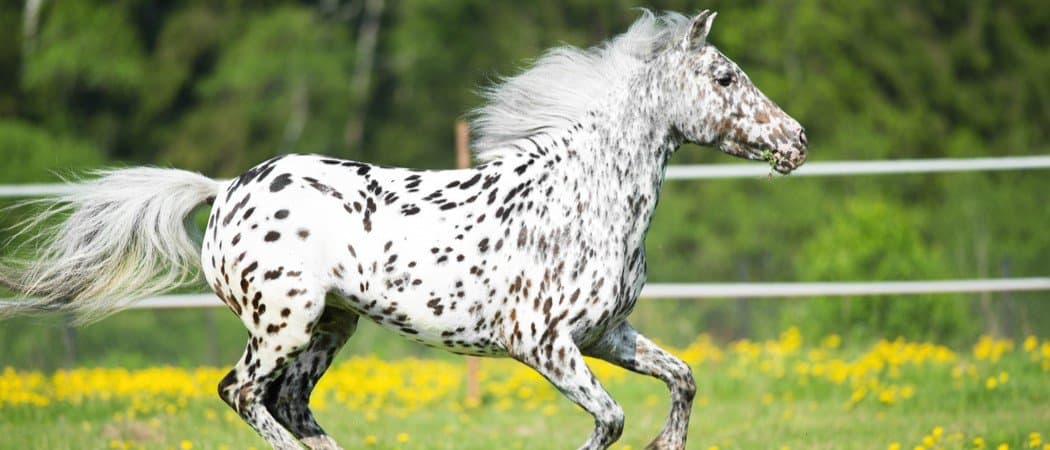
Appaloosa (state horse)

Designated 1975

fish

Cutthroat trout

Designated 1990

insect

Monarch butterfly

Designated 1992

Parks & Reserves

Protected Areas

Idaho's protected areas are mostly large federal lands—national forests, BLM lands, set-aside wilderness, and some National Park Service units—plus state parks and national wildlife refuges. Key priorities are central Idaho wilderness, the Snake, Salmon and Clearwater rivers, sagebrush steppe, high desert basins, and wetlands that support wolves, mountain lions, wolverines, elk, moose, pronghorn, raptors, and waterfowl.

Protected Coverage

Approximately 35-40% of Idaho is in conservation-focused public lands and designated protected areas (wilderness, parks, refuges, conservation areas, and recreation areas); over 60% of the state is public land overall, though not all is strictly protected.

National Parks & Preserves

Craters of the Moon National Monument and Preserve

~753,000 acres (monument + preserve combined)

A vast volcanic landscape of lava flows, cinder cones, and sagebrush-steppe that supports hardy desert and shrubland wildlife; notable for raptors, pronghorn use of surrounding steppe, and dark-sky conditions that benefit nocturnal species.

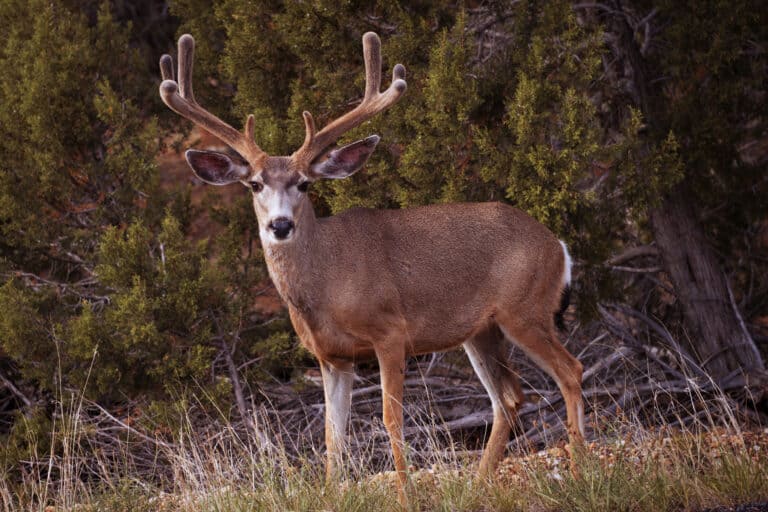
Pronghorn Mule deer Golden eagle Prairie falcon Great horned owl

Yellowstone National Park (Idaho portion)

Yellowstone total ~2.2 million acres (Idaho contains a very small fraction of the park)

Idaho contains a small but ecologically important corner of Yellowstone's Greater Yellowstone Ecosystem, used by wide-ranging mammals moving across the plateau and river drainages; excellent for large mammal conservation connectivity.

Gray wolf Grizzly bear Elk Moose Bison

Hells Canyon National Recreation Area (U.S. Forest Service)

~652,000 acres

Deep canyon and riverine ecosystems along the Snake River with grasslands, shrub-steppe, and rugged cliffs; notable for bighorn sheep restoration areas, raptors, and diverse elevational habitats in a compact region.

Bighorn sheep Mule deer Golden eagle Peregrine falcon River otter

Hagerman Fossil Beds National Monument

~3,400 acres

A Snake River corridor refuge of riparian, wetland, and canyon habitats that concentrates birds and supports semi-aquatic mammals; important stopover and breeding habitat in an otherwise arid region.

Bald eagle Osprey Great blue heron River otter Mule deer

State & Provincial Parks

Ponderosa State Park

~1,500 acres

Peninsula and shoreline habitats on Payette Lake with mixed conifer forest and wetlands; strong for birds, deer, and seasonal wildlife viewing along water edges.

Bald eagle Osprey Mule deer American beaver Ruffed grouse

Farragut State Park

~4,000 acres

Large Panhandle park on Lake Pend Oreille with extensive forest, wetlands, and shoreline that support high bird diversity and frequent mammal sightings.

Bald eagle Osprey White-tailed deer Black bear Pileated woodpecker

Bruneau Dunes State Park

~4,800 acres

Unique dune-and-desert-lake system with a mix of sand, shrub-steppe, and wetland edges; good for reptiles, owls, and desert-adapted mammals.

Great horned owl Long-eared owl Mule deer Pronghorn Gopher snake

Priest Lake State Park

~500 acres (multiple units combined)

Old-growth-influenced mixed conifer forests and lake shoreline in the far north, offering excellent habitat for forest birds and large mammals in the Selkirk ecosystem.

Bald eagle Moose White-tailed deer Black bear Common loon

Wildlife Refuges

Camas National Wildlife Refuge

~10,800 acres

High-elevation wetland complex crucial for migratory waterfowl and marsh birds; one of Idaho's premier spring and fall birding areas.

Tundra swan Sandhill crane Northern pintail Redhead (duck) Bald eagle

Minidoka National Wildlife Refuge

~21,000 acres

Reservoir, islands, and shoreline habitats on the Snake River that support colonial nesting birds, migrating waterfowl, and raptor foraging.

American white pelican Double-crested cormorant Bald eagle Osprey Great blue heron

Kootenai National Wildlife Refuge

~2,800 acres

Floodplain wetlands and riparian habitats along the Kootenai River-important for waterfowl, songbirds, and mammals in the Idaho Panhandle.

Trumpeter swan Bald eagle Moose River otter Yellow warbler

Grays Lake National Wildlife Refuge

~20,500 acres

Large montane wetland and meadow system in eastern Idaho that supports nesting and staging waterfowl and cranes, with excellent viewing during migration.

Sandhill crane Trumpeter swan Red-necked grebe Northern harrier Moose

Wilderness Areas

  • Frank Church-River of No Return Wilderness (one of the largest wilderness areas in the Lower 48)
  • Selway-Bitterroot Wilderness
  • Sawtooth Wilderness
  • Hells Canyon Wilderness
  • Gospel Hump Wilderness
  • Jim McClure-Jerry Peak Wilderness
  • Hemingway-Boulders Wilderness
  • Cecil D. Andrus-White Clouds Wilderness
  • Boulder-White Clouds core roadless backcountry (within/adjacent to wilderness designations)
Animals

Wildlife

Idaho's wildlife character is shaped by steep elevational gradients-from sagebrush steppe and high desert basins to vast conifer forests, alpine cirques, and big river corridors (Snake, Salmon, Clearwater). This mix supports a classic Northern Rockies fauna (large ungulates and carnivores), one of North America's best raptor landscapes along the Snake River plain, and a nationally important suite of coldwater fishes (trout/char) plus anadromous salmon and steelhead where ocean-going runs persist.

≈115 species Mammals
≈430-450 species Birds
≈20-25 species Reptiles
≈15-18 species Amphibians
≈90-110 species (native + introduced) Fish
Examples

Iconic Species

Gray Wolf
Gray Wolf A defining Northern Rockies predator; packs in central Idaho wilderness and the Greater Yellowstone ecosystem make Idaho one of the best states for wolf ecology and (limited) viewing opportunities.
American Elk
American Elk Large, widespread herds use mountain forests, meadows, and migration corridors; elk are a cornerstone of Idaho's wildlife experience and predator-prey dynamics.
Moose
Moose Common in northern forests and wetland/riparian complexes; frequently encountered in Panhandle lake-country and mountain valleys.
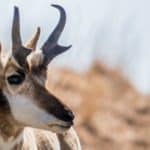
Pronghorn
Pronghorn An emblem of Idaho's sagebrush steppe and high desert basins, especially in the south and east; notable for speed and open-country visibility.
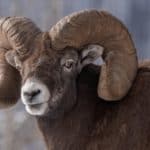
Bighorn Sheep
Bighorn Sheep Iconic on rugged canyon country (notably Hells Canyon) and select mountain ranges; a flagship species for Idaho's dramatic river breaks.
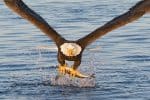
Bald Eagle
Bald Eagle Regular along major lakes and rivers; wintering and migration concentrations occur where open water and fish are available.
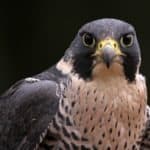
Peregrine Falcon
Peregrine Falcon Cliff-nesting raptor strongly associated with Idaho's canyons and river corridors; a major draw for raptor enthusiasts.
Greater Sage-Grouse Signature bird of sagebrush ecosystems; lekking displays define spring wildlife viewing in intact steppe landscapes.
Cutthroat Trout (Yellowstone & Westslope forms present) A flagship coldwater fish across Idaho's mountain streams and lakes; central to angling culture and native aquatic conservation.
Chinook Salmon
Chinook Salmon Where runs persist, Idaho represents the far-inland extreme of Pacific salmon migration; the Salmon River system is especially emblematic.

Endemic & Rare Species

Idaho Giant Salamander

Dicamptodon aterrimus

Regional endemic (restricted range)

A large, stream-associated salamander largely limited to the Idaho Panhandle and nearby areas; a hallmark of cool, wet forest headwaters.

Northern Idaho Ground Squirrel

Urocitellus brunneus

Federally Threatened (U.S.)

Endemic to west-central Idaho; dependent on meadow-forest mosaics and sensitive to habitat loss and fragmentation.

Pygmy Rabbit

Brachylagus idahoensis

Range-wide conservation concern; locally vulnerable in fragmented sagebrush

The smallest North American rabbit, tightly tied to dense, tall sagebrush; an indicator of intact sagebrush-steppe habitat.

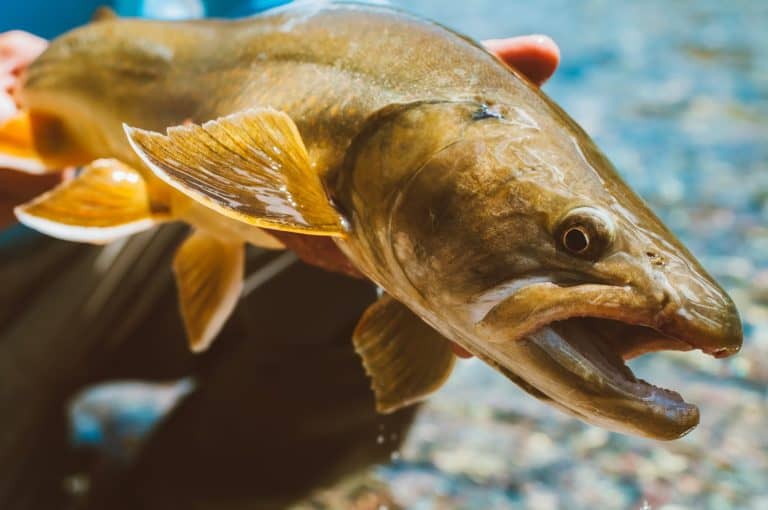
Bull Trout

Salvelinus confluentus

Federally Threatened (U.S.)

A coldwater char requiring connected, very cold river networks; Idaho contains key strongholds in relatively intact mountain watersheds.

Snake River Sockeye Salmon (Redfish Lake run)

Oncorhynchus nerka

Federally Endangered (U.S.)

One of the most imperiled and celebrated salmon populations in North America; Idaho's Sawtooth Basin is central to recovery efforts.

Shoshone Sculpin

Cottus greenei

Highly range-restricted (endemic to Snake River spring systems)

A small, bottom-dwelling fish with an extremely limited distribution in the Snake River basin; important for spring-ecosystem conservation.

Yellow-billed Cuckoo (Western DPS)

Coccyzus americanus

Federally Threatened (U.S., Western DPS)

A rare riparian woodland bird in the interior West; Idaho's large river corridors and cottonwood stands can provide scarce habitat.

Notable Populations

  • World-renowned raptor nesting density in the Morley Nelson Snake River Birds of Prey National Conservation Area (southwestern Idaho), with exceptional concentrations of nesting hawks, falcons, and eagles.
  • Major Northern Rockies ungulate assemblages (elk, mule deer, moose, pronghorn) supporting large-carnivore ecosystems across central Idaho wilderness and the Greater Yellowstone edge in eastern Idaho.
  • Nationally important coldwater strongholds for native trout/char in intact mountain watersheds (e.g., parts of the Salmon, Clearwater, and upper Snake sub-basins).
  • One of the most far-inland remaining landscapes for anadromous fish runs in North America (Chinook salmon and steelhead reaching Idaho via the Snake-Columbia system, where runs persist).

Recent Changes

  • Gray wolves were reintroduced to central Idaho in the mid-1990s and have since re-established a broad statewide presence, reshaping predator-prey dynamics.
  • Grizzly bears have increased and expanded in and around the Greater Yellowstone ecosystem, with occasional movements into eastern Idaho; recovery remains closely managed and contentious.
  • Ongoing declines and high variability in Snake River basin anadromous fish (Chinook salmon and steelhead) have driven continued hatchery supplementation, habitat restoration, and passage/flow management debates.
  • Greater sage-grouse and other sagebrush-dependent wildlife continue to face pressure from habitat fragmentation, fire/invasive grasses, and development; local trends vary by landscape.
  • Bighorn sheep populations have seen targeted translocations and management in some areas, while disease risks associated with contact with domestic sheep/goats remain a persistent challenge.
  • Warming temperatures, wildfire, and drought are increasingly affecting coldwater habitats, contributing to heightened conservation focus for bull trout and native trout strongholds.
Visit

Wildlife Viewing

Idaho has inland wildlife viewing across alpine peaks, conifer forests, sagebrush steppe, and big river corridors. Look for elk, moose, mule deer, pronghorn, and black bears; wolves and mountain lions are present but shy. See raptors along the Snake River Plain and salmon/steelhead runs. Best sightings happen at dawn and dusk from drives, float trips, pullouts, refuges, and canyon rims.

Best Seasons

Spring (Mar-May)

Migration and new life: peak waterfowl and shorebirds at Bear Lake and along the Snake River corridor; raptor activity ramps up; elk and deer move to lower elevations; moose and bears become more active as snow retreats. Rivers rise-excellent for birding on riparian edges and for spotting beavers/otters in calmer stretches.

Summer (Jun-Aug)

High-country access: alpine and montane areas open up for wildflower hikes with chances for mountain goats (where present), bighorn sheep (select areas), marmots, pikas, and nesting songbirds. Great time for guided float trips for eagles, osprey, and river mammals. Warm, clear mornings are best; midday heat in the Snake River Plain can slow wildlife activity.

Fall (Sep-Nov)

Rut and movement: elk bugling in forested mountains; mule deer and moose become more visible; pronghorn gather on the steppe; raptor migration continues. Salmon/steelhead runs draw eagles and other scavengers along river corridors. Cooler temps make long viewing drives comfortable; dawn/dusk is prime.

Winter (Dec-Feb)

Concentrated wildlife and big skies: animals drop into valleys and south-facing slopes; excellent bald eagle and waterfowl viewing where water stays open; pronghorn and mule deer are easier to spot against snow. Look for wintering raptors and track-based wildlife watching (fresh sign) on snowshoe or ski outings (with appropriate distance and ethics).

Top Wildlife Experiences

  • Watch hawks, eagles, and falcons at the Snake River Birds of Prey National Conservation Area (near Boise/Mountain Home). Drive scenic routes and use overlooks in fall to spring; visit the Morley Nelson NCA center.
  • Sandhill cranes and spring waterfowl at Bear Lake National Wildlife Refuge (near Montpelier): morning refuge loop driving and dike walks for cranes, tundra swans (seasonal), ducks, and raptors; bring a spotting scope for distant birds.
  • Float the Snake River in Hells Canyon or calmer stretches near Swan Falls and the Boise River confluence. Watch for bighorn sheep on canyon walls, bald eagles, osprey, river otters, and beavers. Go early for calm water and best light.
  • Elk rut listening and glassing in the Clearwater and Panhandle forests (e.g., near Elk River / Clearwater National Forest areas): hike short dawn trails to meadows and edges; use bugling to locate herds and observe from a respectful distance.
  • Moose and wetland wildlife in northern Idaho's lake country (e.g., Priest Lake and surrounding wetlands/meadows): dawn drives and quiet paddles for moose, loons, osprey, and beaver sign; keep distance-moose can be aggressive.
  • Pronghorn scanning on the sagebrush steppe of southern Idaho (e.g., Craters of the Moon area and surrounding BLM/grassland basins): pull off safely and glass wide open flats at sunrise/sunset; look for pronghorn groups and hunting raptors over lava/sage mosaics.
  • See Bighorn sheep in Hells Canyon National Recreation Area from overlooks, trailheads, or river trips. Use binoculars at canyon rims or on guided jet boat/raft trips. Best in cooler months on open slopes.

Wildlife Watching Types

Raptor watching (hawks, eagles, falcons) along canyon rims and open desert-steppe habitats Birding hotspots at national wildlife refuges, wetlands, and major river corridors (waterfowl, cranes, shorebirds, songbirds) Big game viewing (elk, mule deer, white-tailed deer, moose, pronghorn) via dawn/dusk drives and meadow-edge hikes River wildlife watching by float/boat (bald eagles, osprey, beaver, otter, bighorn sheep in select canyon areas) High-elevation/alpine wildlife and marmot/pika watching on summer hikes Winter wildlife tracking (identifying tracks and sign) on snowshoe/ski outings Salmon/steelhead run-associated wildlife viewing along river corridors (eagles and other scavengers where fish are present)

Guided Options

  • U.S. Fish & Wildlife Service programs at Bear Lake National Wildlife Refuge (seasonal wildlife drives, interpretive events, and birding education when scheduled)
  • Snake River Birds of Prey National Conservation Area (BLM) interpretive/education opportunities and guided events (seasonal; check BLM schedule)
  • Guided Snake River float trips and Hells Canyon jet boat/rafting tours that emphasize wildlife viewing (operators vary by season and river section)
  • Idaho Fish and Game wildlife education and viewing resources (regional viewing site tips and seasonal updates; occasional workshops/events)
  • Local Audubon chapters and birding groups (Boise, Idaho Falls, Coeur d'Alene areas) offering field trips during migration seasons
  • Naturalist-led trips through regional outfitters around McCall, Stanley, and the Panhandle that combine hiking with wildlife spotting and tracking (availability varies by season)
Habitats

Ecosystems

Idaho ranges from wet, forested Panhandle and rugged Northern and Central Rockies to drier Snake River Plain and Owyhee uplands. This makes a patchwork of small inland temperate rainforest patches, mountain conifer forests, high alpine zones, and sagebrush steppe and cold-desert basins. Big rivers (Snake, Salmon, Clearwater, Kootenai) plus thousands of lakes and wetlands support freshwater and riparian habitats.

Biomes

Temperate Forest

Widespread montane and foothill forests dominated by conifers (Douglas-fir, ponderosa pine, lodgepole pine, grand fir), with mixed forests and aspen stands; strong fire and snowpack influence.

Largest biome statewide; extensive across the Panhandle, Central Idaho mountains, and much of eastern Idaho.

Temperate Rainforest

Inland temperate rainforest communities in the Idaho Panhandle with very high biomass and moisture (western redcedar-western hemlock, lush understory, abundant epiphytes and mosses).

Localized to the northern Panhandle (around the Selkirk/Cabinet and Clearwater basins); small proportion of the state but regionally significant.

Cold Desert

Cold-desert and semi-arid basins dominated by sagebrush steppe, salt-desert shrub, and volcanic plain vegetation; high climatic variability with cold winters and hot, dry summers.

Broad in southern and southwestern Idaho (Snake River Plain, Owyhee and adjacent basins).

Temperate Grassland

Bunchgrass and mixed grasslands (often intergrading with sagebrush steppe) on plains, benches, and valley bottoms; many areas converted to cropland or pasture.

Patchy but widespread, especially on the Snake River Plain margins, Palouse fringe, and intermountain valleys.

Alpine

High-elevation alpine/subalpine zones above treeline with rock, talus, alpine meadows, persistent snowfields, and short growing seasons.

Discontinuous at high elevations in the Bitterroot, Salmon River, Sawtooth, Lost River, and Teton ranges.

Boreal Forest (Taiga)

Cold, high-elevation conifer forests resembling boreal conditions (spruce-fir, lodgepole pine) with long winters and short summers; important for snowpack and headwaters.

Patchy at mid-to-high elevations in central and eastern mountains; not continuous statewide.

Freshwater

Large river corridors (Snake, Salmon, Clearwater, Kootenai), glacial and tectonic lakes (e.g., Pend Oreille, Coeur d'Alene), reservoirs, and cold headwater streams supporting salmonids and other native fishes.

Statewide along major drainages and in mountain lake districts; density highest in northern/central mountains.

Wetland

Marshes, wet meadows, riparian wetlands, fens, and peatlands (including rare northern bog/fen complexes) that support waterfowl, amphibians, and unique plant communities.

Scattered statewide; concentrated in river floodplains, mountain valleys, and the northern Panhandle (peatlands).

Habitats

Coniferous Forest

Extensive Douglas-fir, ponderosa pine, lodgepole pine, grand fir, spruce-fir, and cedar-hemlock forests; major habitat for elk, moose, wolves, and forest raptors.

Deciduous Forest

Riparian cottonwood stands and quaking aspen groves in mountain valleys and foothills; important for songbirds and beavers.

Woodland

Open ponderosa pine woodlands and juniper-dominated woodlands in drier foothills and canyonlands, often grading into shrub-steppe.

Shrubland

Sagebrush steppe and bitterbrush communities (plus salt-desert shrub in the driest areas); key habitat for sagebrush-associated wildlife and winter ranges for ungulates.

Steppe

Bunchgrass-dominated steppe (bluebunch wheatgrass, Idaho fescue), frequently interspersed with sagebrush; many remnants occur on benches and upland slopes.

Grassland

Valley and prairie-like grasslands (including Palouse-influenced areas in the north) used by ground-nesting birds and pollinators; often fragmented by agriculture.

Desert

Cold-desert landscapes on the Snake River Plain and Owyhee region, including basalt flows, sandy soils, and salt-influenced flats with sparse shrub/grass cover.

Mountain

Large contiguous mountain habitats (Bitterroots, Salmon River Mountains, Sawtooths, Lost River Range) supporting wide-ranging carnivores and intact headwaters.

Alpine Meadow

High-elevation meadows and parklands with short-season wildflowers, wet seeps, and grazing-sensitive soils; important for pikas, marmots, and alpine pollinators.

Cliff/Rocky Outcrop

Basalt and limestone cliffs and canyon walls (e.g., Snake River canyons, central Idaho ranges) used by nesting raptors and cliff-dwelling plants.

Cave

Lava tubes and limestone caves (notably on and near the Snake River Plain) supporting bats and specialized cave invertebrates.

River/Stream

Major free-flowing and regulated rivers, including iconic wild reaches of the Salmon and Clearwater; critical migration/spawning corridors for salmonids where accessible.

Lake

Large natural lakes in the north (Pend Oreille, Coeur d'Alene, Priest) and many glacial lakes in mountain basins; important for fish, waterbirds, and recreation pressure.

Pond

Beaver ponds, stock ponds, and small montane tarns that provide breeding habitat for amphibians and waterfowl.

Wetland

Wet meadows, riparian backwaters, and spring-fed wetlands across valleys and floodplains; important for nutrient cycling and flood attenuation.

Marsh

Cattail/bulrush marshes in floodplains and around lake margins (including portions of the Snake River system and northern lake complexes).

Bog

Peat-forming wetlands and fen/bog complexes in the Idaho Panhandle and select mountain valleys; regionally rare habitat with specialized flora.

Agricultural/Farmland

Irrigated cropland and pasture concentrated on the Snake River Plain and major valleys (e.g., potatoes, alfalfa, grains), interspersed with drainage canals and field-edge habitats.

Urban

Urban centers (e.g., Boise-Treasure Valley, Idaho Falls, Coeur d'Alene) with fragmented habitats and urban riparian corridors.

Suburban

Rapidly expanding suburban and exurban development, especially in the Treasure Valley and resort valleys, increasing wildland-urban interface and habitat fragmentation.

Ecoregions

EPA Level III: Northern Rockies EPA Level III: Idaho Batholith EPA Level III: Middle Rockies EPA Level III: Snake River Plain EPA Level III: Owyhee Uplands EPA Level III: Blue Mountains EPA Level III: Columbia Plateau (small portion in north/central west) EPA Level III: Wyoming Basin (southeastern Idaho) WWF: Northern Rockies conifer forests WWF: Idaho Batholith forests WWF: Snake River Plain shrublands
Protection

Conservation

Primary Threats

  • Conversion and fragmentation of sagebrush steppe and riparian corridors in the Snake River Plain (cropland, ranchettes, and energy corridors) reduces lek connectivity for greater sage-grouse and pronghorn movement; valley-bottom development compresses winter range for mule deer and elk, especially near Boise, McCall, and Coeur d'Alene.
  • Warmer, drier summers increase large wildfire frequency in sagebrush and dry forests, accelerate snowpack loss that cools headwater streams, and intensify late-summer low flows-raising thermal stress for bull trout and ESA-listed salmon/steelhead and increasing the likelihood of fish passage barriers at low flows.
  • Legacy mining contamination in the Coeur d'Alene Basin (metals in sediments and floodplains) continues to affect aquatic food webs and waterfowl exposure risks; nutrient/sediment runoff from agriculture and rapidly urbanizing valleys (Treasure Valley) degrades warmwater/riparian habitats and exacerbates algal growth in some reservoirs and river reaches.
  • Cheatgrass and other invasive annuals expand after fire in southern Idaho, driving a grass-fire cycle that converts sagebrush to annual grasslands; aquatic invaders such as New Zealand mudsnail and invasive plants in riparian zones, plus nonnative fishes (e.g., brook trout) compete with or hybridize with native trout in coldwater systems.
  • Chronic wasting disease (CWD) presence in Idaho elevates long-term risk for deer and elk population health and hunting-based conservation funding; whirling disease and other pathogens can reduce recruitment in trout streams; white-nose syndrome remains a concern for cave/roosting bat populations where conditions allow spread.
  • While hunting is generally well-regulated, localized overharvest risk can occur for small or recovering populations (e.g., limited-entry big game units); illegal take and boundary-area disputes can complicate recovery and social tolerance for predators such as wolves and grizzly bears.
  • Harvest is tightly managed, but depressed anadromous stocks in the Snake River basin remain vulnerable to cumulative impacts across their life cycle; mixed-stock fisheries and ocean conditions can still influence returns, keeping ESA populations reliant on conservative harvest and hatchery supplementation.
  • Rapid growth in backcountry recreation (ATVs/UTVs, dispersed camping, high-use trail systems) increases disturbance on winter ranges and near sensitive habitats (sage-grouse leks; raptor nests), and can spread invasives via vehicles and gear across southern Idaho's sagebrush landscapes.
  • Livestock depredation and competition concerns drive conflict with wolves and, regionally, grizzly bears; expanding exurban development increases bear attractant issues (garbage/fruit trees), raises vehicle collisions with deer/elk, and complicates connectivity between mountain ranges and valley bottoms.
  • Small, isolated populations-such as endemic springsnails and fragmented northern Idaho ground squirrel colonies-face inbreeding and low adaptive capacity; in fishes, hatchery supplementation and fragmented habitats can reduce local adaptation if not carefully managed alongside wild brood conservation.
  • Surface-water diversions and groundwater pumping in the Eastern Snake Plain Aquifer and tributary basins reduce spring flows and cool-water refugia, directly threatening spring-dependent endemics (springsnails) and limiting summer habitat for salmonids in drought years.
  • Hydropower dams and associated reservoirs in the Snake River system alter flow timing and temperature, delay/impede migration, and increase juvenile mortality for salmon/steelhead; roads and expanding utility corridors fragment habitat, increase sediment delivery, and raise wildlife-vehicle collisions.
  • Flow regulation, channel simplification, levees, and riparian clearing reduce floodplain function and native cottonwood/willow regeneration along the Snake and tributaries; fire suppression in some forest types shifts structure toward denser stands, changing habitat for species tied to open forests and increasing severe-fire risk.
  • Irrigated agriculture in the Snake River Plain converts or degrades sagebrush and wetlands, increases demand for water during peak ecological stress periods, and reduces riparian buffers that support songbirds, amphibians, and water quality.
  • Boise-Treasure Valley growth and northern Idaho lake-country development expand impervious surfaces, shoreline hardening, and recreational pressure, fragmenting foothill winter ranges, constraining migration corridors, and increasing nutrient/stormwater inputs to rivers and lakes.
  • Timber harvest and associated road networks in parts of the Panhandle and central Idaho can fragment older forest structure and increase sediment in spawning tributaries; where not balanced with restoration, it can affect habitat for species needing complex, cool, high-canopy forests (e.g., Canada lynx in boreal-like high-elevation mosaics).
  • Hardrock and phosphate mining (notably in southeastern Idaho) can affect water quality (including selenium risk), increase traffic and fragmentation, and create long-term reclamation liabilities; legacy mine sites in northern Idaho remain a major driver of watershed-scale contamination and habitat impairment.
Fun Facts

Did You Know?

Idaho's "raptor capital" isn't a forest: some of the state's most concentrated eagle, hawk, falcon, and owl nesting occurs in a semi-arid canyon landscape along the Snake River, where volcanic cliffs and open shrub-steppe make hunting unusually efficient.

The pygmy rabbit (Brachylagus idahoensis)-named for Idaho-is the only rabbit in North America that digs its own burrows, and it's tightly tied to intact big sagebrush steppe (the same habitat often dismissed as "empty desert").

For decades, the only native caribou remaining in the Lower 48 lived in Idaho's Selkirk Mountains-an animal most people associate with Alaska/Canada surviving (until very recently) in the Pacific Northwest.

In Idaho you can see alpine and high-desert wildlife in one day: mountain goats and pika on high crags, and pronghorn and sage-grouse in low dry basins. Big elevation changes create stacked ecosystems.

Snake River Birds of Prey National Conservation Area (southwest Idaho) is famous for one of the highest known densities of nesting raptors-peak years have documented 700+ nesting pairs across a mosaic of desert, cliffs, and riparian habitat.

The Frank Church-River of No Return Wilderness is the largest federally designated wilderness in the contiguous United States (~2.37 million acres), big enough to support wide-ranging wildlife like gray wolves, wolverines, and mountain lions with minimal road fragmentation.

Idaho's Salmon River is one of the longest free-flowing rivers in the contiguous U.S. with no dams on its main stem-an unusually intact migration corridor for anadromous fish (salmon and steelhead) once they reach Idaho from the Columbia-Snake system.

Sockeye salmon that reach Idaho's Sawtooth Valley (Redfish Lake at ~6,500 ft elevation) complete one of the highest-elevation, longest inland salmon migrations on Earth-roughly ~900 river miles from the Pacific and past eight major dams on the way.

Idaho, in the United States, has forests, mountains, marshes, farmlands, and rivers in its landscape. So, it’s no surprise that the state is home to a diverse wildlife population. There are more than 300 animal species living in Idaho forests. In addition, there are around 100 species of fish living in the Idaho rivers and streams.

Just a few of the most well-known wild animals living in Idaho include grizzly bears, bighorn sheep, wolverines, wildcats, Cooper’s hawks, native white sturgeons, and prairie rattlesnakes.

The Official Animal of Idaho

With its large collection of wildlife, Idaho has more than one animal representing the Gem State.

Official State Bird of Idaho: Mountain Bluebird

The mountain bluebird (Sialia currucoides) was made the official state bird of Idaho back in 1931. This bird can’t help but stand out with a layer of sky-blue feathers on its back and light blue feathers on its breast. These birds are able to endure cold (but not freezing) temperatures. Many of them live in tree hollows in forests located in the Idaho mountains. If they can’t find a tree hollow to serve as their nest, these birds can live inside holes located in cliffs or hillsides.

Official Fish of Idaho: Cutthroat Trout

In 1990, the cutthroat trout (Oncorhynchus clarki) became the official state fish of Idaho. These notable fish are named for the slash of reddish/orange scales beneath their mouth. There are two species of cutthroat trout living in Idaho. One is the Westslope cutthroat trout and the other is the Yellowstone cutthroat. They live in many of the state’s clean, cold streams.

Official Domestic Mammal of Idaho: Appaloosa Horse

The Appaloosa horse became the state domestic mammal in 1975. These horses are known for their patterns of brown, white, silver, and black spots. They were first seen hundreds of years ago in Idaho near the Palouse River. At that time, they were known as Palouse horses. But, over time, the word Palouse slowly transformed into Appaloosa.

Official State Raptor of Idaho: Peregrine Falcon

The Peregrine falcon (Falco peregrinus) became the state raptor of Idaho in 2004. This majestic bird can be seen soaring above Idaho fields and forests. It claims the title as one of the fastest birds in the world. They live along rivers, in the mountains and sometimes can be seen nesting on buildings in urban areas. Their conservation status is Least Concern.

Where to Find the Top Wild Animals in Idaho

Idaho has a variety of habitats where visitors can see animals from the most common types to strange and unique ones.

The mountains in Idaho are home to a lot of large mammals including grizzly bears, bighorn sheep, wildcats (mountain lions), and caribou. Coyotes, wolverines, and pygmy rabbits are other inhabitants of the mountains in Idaho. Don’t forget the colorful mountain bluebird!

The prairies and rocky areas of Idaho serve as habitats for many of the state’s snakes and reptiles. The western rattlesnake, North American racer, and gopher snake can be seen on the prairies. The desert horned lizard and the Great Basin collared lizard are other reptiles living in rocky areas on the prairie.

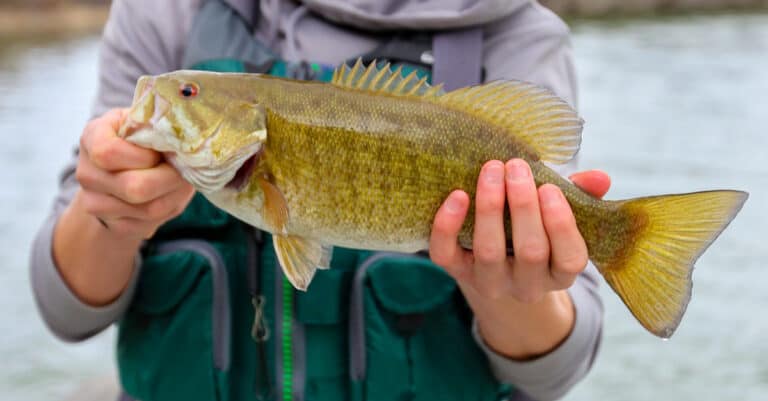
The rivers of Idaho are home to a variety of fish species such as the cutthroat trout, smallmouth bass, rainbow trout, and the native white sturgeon. Snapping turtles, partridges, blue grouse, and painted turtles are other wild animals living on the shores of rivers in Idaho.

Recommended locations for observing wildlife include:

Locations of Zoos in Idaho

Visiting a zoo or an aquarium in Idaho is a great way to learn about native wildlife as well as animals from other countries. Some recommendations for zoos include:

The Most Dangerous Animals in Idaho Today

Most states have some animals that could be considered dangerous. Idaho has a few of its own. Keep in mind that many animals have the potential to become dangerous if they feel threatened or if they feel their young are being threatened. Consider some of the most dangerous animals in Idaho.

  • Grizzly bears are well-known predators and some of the most dangerous animals in this state. An adult grizzly bear can grow to a height of five to eight feet tall and weigh up to 800 pounds! They are incredibly strong mammals and have been known to turn aggressive especially when their cubs are being threatened. Fortunately, grizzly bear attacks on humans are rare. There have been only 18 reported deadly attacks of people by grizzly bears in and around Yellowstone Park over the last 130 years.
  • The Great Basin rattlesnake is another dangerous animal in Idaho. This is a venomous snake that can be seen sunning itself on rocks and near roads. Adult Great Basin rattlesnakes can grow to be more than five feet long. These snakes have a rattle on their tail that serves as a signal to humans and animal predators to stay away. This snake would rather avoid conflict and go about the business of hunting shrews, pocket gophers and other common rodents. If a person is bitten, medical attention is necessary. However, death is the rarest outcome of a Great Basin rattlesnake bite. In fact, only one in 500 people die from the bite of a rattlesnake.
  • Bison also make the list of dangerous animals in Idaho. This makes sense considering the sheer size of these mammals. Male bison can weigh around 2,000 pounds and grow to a height of six or seven feet. These animals can be territorial so a person wandering through their habitat is at risk for injury or death. These mammals are unpredictable and can charge at speeds of up to 35 mph. Though there have been many attacks resulting in injuries (to the human), there have been just two deaths in Yellowstone over the past 20 years.
  • The gopher snake is another dangerous animal in Idaho. Though these are not venomous snakes like the Great Basin rattlesnake, their bite is known to be very painful. These snakes are classified as constrictors, so they squeeze prey including amphibians and rodents instead of biting them. Adult gopher snakes can grow to a length of three to four feet. They can sometimes be mistaken for rattlesnakes because they shake their tail in a similar way. They can also flatten their head in a strange way making their head appear triangular like a rattlesnake’s!
  • Black widow spiders are also dangerous animals living in Idaho. Females are black with a bright red hourglass design on their abdomen. They are venomous spiders, but only cause death in the rarest circumstances. Normally, these spiders bite when a person mistakenly reaches into an area where the spider has made a web. The person may not even know the web is there. The spider bites to defend itself against predators. Approximately, 4 to 8 people die each year from this spider’s bite, but other health issues may be involved in those deaths. Medical attention is needed for a black widow’s bite because it can cause a person to become ill. Nausea, sweating, abdominal pain, headache and swelling of the bite area are all symptoms of a black widow bite.

Endangered Animals in Idaho

Endangered (or Vulnerable) animals in Idaho include:

  • Northern Idaho ground squirrel – These squirrels have a population of approximately 1,000 mature individuals. They are experiencing loss of habitat due to expansion of farmland. Also, they must compete for food with other species of ground squirrel in their region.
  • Kootenai River white sturgeon -The population of this native fish has been at risk since 1969. They are Endangered due to habitat loss. Through the decades dam and dike construction have caused the Kootenai River’s water level to drop. A lower water level affects the egg laying activities of this fish.
  • Woodland caribou – This mammal has a conservation status of Vulnerable with a decreasing population. They are at risk due to changes in their mountain habitat. These changes include road construction and other land development that affects their natural migratory habits.
  • Columbia River tiger beetle – This beetle is one of the rarest sights in Idaho and its population is unknown. Changing water levels in the Columbia River are responsible for the decline in its population. The water level changes that are occurring naturally affect the egg-laying habits of this beetle.
  • Pinyon Jay – The estimated population of this bird is 500,000 to 999,999 mature individuals. However, biologists believe their population is decreasing. Loss of their habitat via deforestation is the reason these birds are Endangered.

Native Plants in Idaho

With syringa as the state flower of Idaho, the state has the right environment for different plants to grow. From shrubs to tall trees, The Gem State has a diverse array of flora to boast of. Native plants in Idaho have advantages that should be discovered.

The Idaho State Flag

The state flag of Idaho is a rich blue color with the state seal at the center and “Idaho” underneath. Adopted in 1907, the flag’s design honors the First Idaho Infantry via the their battle flag. Learn more about this stellar state flag here.

Read about:

  • extinct animals that lived in Idaho.
  • the coldest place in Idaho.
  • the longest biking trail in Idaho.
  • the best national parks in Idaho.
  • the two types of rattlesnakes in Idaho.
  • the largest pronghorn ever caught in Idaho.
  • the largest grizzly bear ever caught in Idaho.
  • the best fish to catch in Idaho in the summer.
  • the largest whitetail deer ever caught in Idaho.
  • the largest moose ever caught in Idaho
  • the flag of Idaho

Animals Found in Idaho

166 species documented in our encyclopedia

Thank you for reading! Have some feedback for us?