N S W E
Wildlife Expeditions

Wildlife of
Indiana

From Lake Michigan's dunes to the Ohio River's bottomlands, Indiana packs surprising habitat variety and migrant-rich wildlife into a Midwestern crossroads.
218 Species
Overview

About Indiana

Indiana's wildlife is full of contrasts. Plains left by glaciers and large farms give way to hardwood forests, wide river corridors, and an important dune and wetland area along Lake Michigan. The state sits where eastern forests, prairies, and major bird migration routes meet, so bird life can be special in spring and fall as migrants gather along the lakeshore and river valleys. Key places hold this diversity. The Lake Michigan shore has dunes, wetlands, and marshes that host waterfowl, shorebirds, and migrating songbirds. The Kankakee and other northern wetlands are important for breeding and rest stops. In the south, the Ohio River valley and floodplain forests support many amphibians, reptiles, and bottomland birds. Oak-hickory uplands provide nuts and seeds that feed deer, turkeys, and forest raptors. Close mixing of lake shores, big rivers, and farm lands creates a unique wildlife mix.

State Symbols

Official Wildlife Symbols

bird

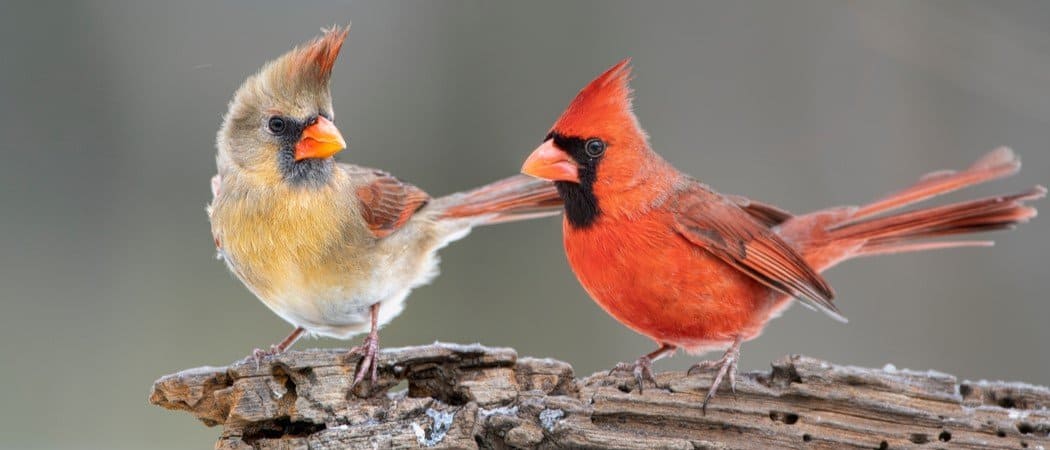
Northern Cardinal

Designated 1933

insect

Say's Firefly

Designated 2018

tree

Tulip Tree

Designated 1931

wildflower

Peony

Designated 1957

Parks & Reserves

Protected Areas

Indiana's protected areas are small because of long farming and city use. Conservation centers on northwest Lake Michigan dunes and wetlands for migratory birds; southern hardwoods, karst, and bat habitat; and river floodplains like the Wabash, White, and Ohio. Federal and state agencies manage with land trusts. Many sites restore wetlands and protect grassland and migratory birds and listed bats.

Protected Coverage

≈6% of Indiana's land is in public protected lands (state + federal), with additional smaller areas protected via local parks and private conservation easements.

National Parks & Preserves

Indiana Dunes National Park

≈15,000 acres

A globally significant mosaic of dunes, interdunal wetlands, oak savannas, and Great Marsh habitats along Lake Michigan-one of the Midwest's best places for bird migration viewing and rare dune-and-wetland wildlife.

Piping plover Blanding's turtle Bald eagle Peregrine falcon White-tailed deer

State & Provincial Parks

Brown County State Park

≈16,000 acres

Large, rugged hardwood forest landscape in south-central Indiana; excellent for forest birding, spring/fall migration, and mammals typical of mature Midwestern woodlands.

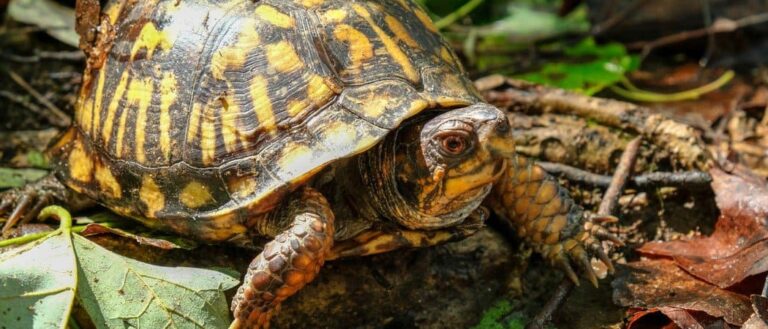
White-tailed deer Wild turkey Scarlet tanager Barred owl Eastern box turtle

Turkey Run State Park

≈2,400 acres

Sandstone ravines and the Sugar Creek corridor create high habitat diversity-great for woodland birds, riparian species, and amphibians in shaded canyon microclimates.

Pileated woodpecker Great blue heron Belted kingfisher Raccoon Northern dusky salamander

Chain O'Lakes State Park

≈2,700 acres

A wetland-and-lake complex in northeast Indiana that is strong for waterfowl, wading birds, turtles, and marsh mammals; notable for paddling-based wildlife viewing.

Bald eagle Osprey Great egret Painted turtle Muskrat

O'Bannon Woods State Park

≈2,400 acres

Hardwood forests and karst/cave features near the Ohio River region provide habitat connectivity and potential roosting/foraging areas for sensitive bat species and forest birds.

Indiana bat Wood thrush Wild turkey Red-shouldered hawk White-tailed deer

Wildlife Refuges

Muscatatuck National Wildlife Refuge

≈7,700 acres

A premier wetland refuge in southern Indiana with managed marshes, impoundments, and riparian habitat that supports major waterfowl concentrations, cranes, and diverse marsh birds.

Sandhill crane Bald eagle Wood duck River otter Great blue heron

Patoka River National Wildlife Refuge and Management Area

≈26,000+ acres (refuge and associated management lands)

Large bottomland forest, wetland restorations, and riverine habitat along the Patoka/White River system; an important landscape for marsh birds, waterfowl, and floodplain wildlife, with notable conservation and restoration work.

Whooping crane Bald eagle Prothonotary warbler Beaver Great egret

Big Oaks National Wildlife Refuge

≈50,000 acres

A large, mostly closed-to-general-public refuge (former military testing grounds) that functions as a de facto wildlife sanctuary with extensive grasslands, old fields, and woodlands supporting sensitive grassland birds and wide-ranging mammals.

Henslow's sparrow Bobcat White-tailed deer Wild turkey Bald eagle

Wilderness Areas

  • Charles C. Deam Wilderness (Hoosier National Forest) - Indiana's only federally designated wilderness; large, roadless hardwood forest core with backcountry wildlife viewing.
Animals

Wildlife

Indiana's wildlife is classic Midwestern-shaped by a north-south gradient from Lake Michigan dunes, wetlands, and nearshore waters to central agricultural plains with remnant woodlots, and finally to the forested hills, caves, and river valleys of the Ohio River region. This mix supports strong populations of adaptable generalists (deer, turkey, coyotes), major migratory bird movements along the Great Lakes and river corridors, and pockets of high conservation value in dunes, fens, bottomland forests, and karst/cave systems (important for bats).

~60-70 species (about mid-60s recorded) Mammals
~410-430 species recorded (large seasonal migration component) Birds
~30-35 species Reptiles
~40-45 species Amphibians
~230+ species recorded (including Great Lakes and large-river fauna) Fish
Examples

Iconic Species

Bald Eagle
Bald Eagle A major conservation success story in Indiana; now regularly seen along larger rivers, reservoirs, and Lake Michigan shoreline, especially in winter and early spring.
Sandhill Crane
Sandhill Crane One of Indiana's signature wildlife spectacles-large fall staging flocks draw visitors to areas like Jasper-Pulaski Fish & Wildlife Area.
White-tailed Deer
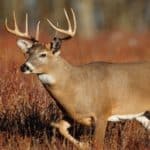
White-tailed Deer The most commonly encountered large mammal statewide; visible in farm country edges, suburban greenways, and forests, defining much of the everyday wildlife experience.
Wild Turkey
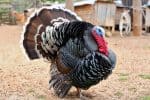
Wild Turkey A widespread, charismatic forest and edge species whose recovery and abundance make it a frequent sight in southern and central Indiana.
River Otter
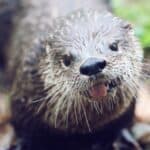
River Otter Reintroduced and now expanding; seen along healthy rivers, wetlands, and reservoirs-an exciting sign of improving aquatic habitat and water quality in many areas.
American Beaver A highly influential "ecosystem engineer" common in wetlands and slow streams; its dams and canals create visible habitat changes that support birds, amphibians, and fish.
Great Blue Heron
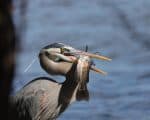
Great Blue Heron A conspicuous wader of rivers, lakes, and marshes, often seen hunting in shallow water across the state, including urban-adjacent wetlands.
Trumpeter Swan Large, attention-grabbing swans now breed and winter in parts of Indiana; frequently observed on lakes, marshes, and reclaimed wetland complexes.
Chinook Salmon
Chinook Salmon An introduced Great Lakes sportfish that defines a portion of the Lake Michigan nearshore fishing experience, with seasonal runs attracting anglers and wildlife watchers.

Endemic & Rare Species

Indiana Bat

Myotis sodalis

Federally Endangered

A flagship cave-hibernating bat for the region; Indiana's southern caves and surrounding forests are crucial seasonal habitat, and the species is a focus of conservation and monitoring.

Northern Long-eared Bat

Myotis septentrionalis

Federally Endangered (listed due to white-nose syndrome impacts)

Historically widespread in forested areas; steep declines tied to white-nose syndrome make remaining populations in Indiana's forests and hibernation sites highly important.

Eastern Massasauga

Sistrurus catenatus

State-listed (rare); Federally Threatened

A wetland-associated rattlesnake now very localized due to habitat loss; remaining populations are conservation priorities, especially in high-quality wetland complexes.

Hellbender

Cryptobranchus alleganiensis

State Endangered (and imperiled across much of its range)

A large, fully aquatic salamander dependent on clean, rocky streams; its presence indicates high water quality, and its decline highlights sedimentation and habitat degradation issues.

Blanding's Turtle

Emydoidea blandingii

State Endangered (rare in Indiana)

A long-lived wetland turtle most associated with northern Indiana's marshes and wet prairies; vulnerable to road mortality and wetland loss, making habitat protection critical.

Lake Sturgeon

Acipenser fulvescens

State Endangered / recovering via restoration

A Great Lakes and large-river 'living fossil' that was heavily reduced historically; restoration and occasional sightings in connected waters symbolize long-term recovery efforts.

Karner Blue Butterfly

Lycaeides melissa samuelis

Federally Endangered

Tied to wild lupine in oak savanna and dune systems; Indiana Dunes-region habitat is part of the conservation story for this globally imperiled Great Lakes insect.

Notable Populations

  • Sandhill crane fall staging concentrations at Jasper-Pulaski Fish & Wildlife Area (one of the best-known crane-viewing events in the Midwest).
  • Globally significant Great Lakes dune, swale, wetland, and oak savanna habitats at Indiana Dunes support high migratory bird diversity and rare specialists (including habitats linked to Karner blue recovery efforts).
  • Large seasonal bald eagle concentrations along major rivers and reservoirs, with especially notable winter use near open water and fish concentrations.
  • Regionally important bat hibernacula in southern Indiana's karst/cave systems (key for Indiana bat and other cave bats).
  • Major waterfowl and shorebird use of managed wetlands and reclaimed mining/wetland complexes (e.g., Goose Pond Fish & Wildlife Area and other large wetland restorations).

Recent Changes

  • Bald eagle populations have rebounded dramatically over recent decades, shifting from rarity to a widely observed top predator along waterways.
  • River otters were reintroduced and have expanded in distribution, with increasing sightings and evidence of breeding in multiple watersheds.
  • Wild turkeys recovered through restoration and management and are now common in suitable forest/edge habitats statewide.
  • Cave-hibernating bats (including Indiana bat and northern long-eared bat) have experienced severe declines due to white-nose syndrome, changing the state's bat community and prompting intensive monitoring and management.
  • Sandhill crane numbers and visibility have increased in many areas, with growing public interest and seasonal wildlife tourism tied to staging events.
  • Some grassland and farmland birds (e.g., bobolink, meadowlarks, quail) have continued long-term declines as habitat structure and land use change.
  • Ongoing fish community pressures include invasive species (notably invasive carp in some river systems) and warming/water-quality stressors, while lake sturgeon restoration/stocking has improved prospects in select waters.
  • Occasional black bear dispersers now appear more frequently than in past decades (typically transient individuals), reflecting regional range dynamics rather than established statewide populations.
Visit

Wildlife Viewing

Indiana offers varied wildlife viewing: dunes and wetlands on Lake Michigan, hardwood forests and prairies inland, and river habitats along the Wabash and Ohio. See migratory songbirds and shorebirds in spring and fall, waterfowl in marshes and reservoirs, bald eagles in winter, and mammals like white-tailed deer, beaver, and river otter year-round.

Best Seasons

Spring (March-May)

Peak migration: warblers, thrushes, raptors, shorebirds, and early waterfowl moves. Great for birding at Indiana Dunes, Goose Pond FWA, and along rivers as ice-out concentrates bald eagles and waterbirds. Amphibians call in wetlands; wildflowers bring pollinators.

Summer (June-August)

Breeding season: herons/egrets, grassland birds, and woodland songbirds. Dawn/evening is best for mammals (deer, beaver) and for bats and night sounds. Excellent for wetland boardwalks, paddling quiet rivers for turtles and kingfishers, and observing prairie insects (dragonflies, butterflies).

Fall (September-November)

Second major migration: hawks, songbirds, and large movements of ducks/geese. Shorebirds can linger at managed wetlands; cranes and large mixed flocks are possible in open-country areas. Crisp temperatures improve hiking visibility; rutting deer activity increases in late fall.

Winter (December-February)

Best season for bald eagles and waterfowl where open water persists (rivers, power-plant outflows, large reservoirs). Snow can make mammal tracks obvious. Quiet parks offer strong chances for owls and winter finches during irruption years.

Top Wildlife Experiences

  • Bird the dunes-and-wetlands mosaic at Indiana Dunes National Park/State Park (Portage-Chesterton): work the Great Marsh boardwalks, Miller Woods, and lakefront for spring/fall migrants, shorebirds, and raptors.
  • Waterfowl and marsh bird day at Goose Pond Fish & Wildlife Area (near Linton): drive the auto-tour routes and scan pools for ducks, geese, rails, and shorebirds during spring/fall drawdowns.
  • Prairie and bison viewing at Kankakee Sands (The Nature Conservancy, near Morocco): visit for grassland birds (Henslow's/grasshopper sparrow possibilities), butterflies/dragonflies, and the bison herd from designated viewing areas.
  • Raptor and eagle scanning along the Wabash River corridor: target winter eagles and late-fall hawks from river overlooks/bridges and public access points near Lafayette-Terre Haute stretches.
  • Wetland boardwalk wildlife walk at Limberlost State Historic Site/nearby wetlands (near Geneva, Adams County) or other northern marshes: look for frogs, turtles, dragonflies, and breeding songbirds in summer; migrants in spring.
  • Night-sky-and-sounds outing at a dark-sky-friendly park such as Chain O'Lakes State Park (Albion): listen for owls, watch for bats at dusk, and spotlight-safe (red light) mammal watching on open trails where permitted.
  • Cave-and-forest biodiversity trip in southern Indiana: hike Spring Mill State Park or Hoosier National Forest areas for salamanders, woodpeckers, and rich hardwood biodiversity; add an evening for whip-poor-will and owl listening in season.
  • Lake Michigan shoreline scan: from dunes beaches and jetties, look for scoters, loons, grebes during migration and winter; add gull identification practice in colder months.

Wildlife Watching Types

Birding hotspots (migration watchpoints, marshes, grasslands, lakefront) Raptor watching (hawk migration, winter eagle viewing) Waterfowl and shorebird viewing (managed wetlands, reservoirs, lakefront) Mammal watching (white-tailed deer, beaver; occasional river otter; fox/coyote at distance) Reptile and amphibian spotting (turtles, frogs, salamanders in wetlands/forests) Butterfly, dragonfly, and pollinator watching (prairies and meadows in summer) Night wildlife listening/spotting (owls, bats, nocturnal mammals) Lakewatching for Great Lakes birds (loons/grebes/scoters in migration and winter)

Guided Options

  • Indiana Dunes National Park ranger-led hikes and seasonal bird programs (check NPS event calendar for migration walks and beach/dune ecology tours).
  • Indiana Department of Natural Resources (DNR) property programs at Fish & Wildlife Areas and state parks (naturalist-led hikes, bird walks, interpretive programs; varies by site/season).
  • The Nature Conservancy Indiana guided events/field trips (including prairie restoration sites like Kankakee Sands; offerings are seasonal and may require registration).
  • Local Audubon chapters and birding clubs (e.g., Indiana Audubon and regional groups) that host public bird walks, Christmas Bird Counts, and spring migration outings.
  • Indiana Master Naturalist (IMN) public education events and partner-led nature walks (opportunities vary statewide; great for learning habitats and ID skills).
  • Canoe/kayak outfitters on rivers and reservoirs offering guided paddles where wildlife viewing is a focus (best for turtles, herons, beaver-confirm trip themes and permits).
Habitats

Ecosystems

Indiana sits where the eastern temperate forest meets the old tallgrass prairie, making a patchwork of hardwood forests, farmed plains, and rich rivers and wetlands. Northern Indiana has Great Lakes shore habitats (dunes, swales, marshes) by Lake Michigan, while the south is hillier, more forested, with karst (caves, sinkholes) and Ohio and Wabash river valleys.

Biomes

Temperate Forest

Eastern deciduous forest matrix (oak-hickory, beech-maple) with mixed hardwood ravines and second-growth woodlots; most extensive in southern and east-central Indiana and along major river corridors.

Moderate overall; highest in southern Indiana and in riparian/wooded corridors statewide, but fragmented by agriculture.

Temperate Grassland

Historically tallgrass prairie and oak savanna on glacial outwash and prairie plains; today mostly converted to cropland with small remnants in preserves, rights-of-way, and some restored prairies.

Low as intact native habitat; historically widespread across central/northern Indiana.

Freshwater

Dense network of rivers (Wabash, White, Ohio tributaries), streams, natural lakes in the north, reservoirs, and floodplain waters supporting fish, mussels, waterfowl, and amphibians.

Widespread as linear and patch habitats statewide; most lake-rich in northern Indiana.

Wetland

Great Lakes coastal wetlands and interdunal swales near Lake Michigan; inland marshes, wet meadows, forested wetlands, floodplain wetlands, and peatland pockets in glaciated regions.

Patchy and reduced from historic extent; concentrated in northern Indiana (Lake Michigan region and glaciated lowlands) and along major river floodplains.

Habitats

Deciduous Forest

Oak-hickory uplands and beech-maple stands; prominent in Brown County and Hoosier National Forest areas, plus many smaller woodlots and state forests.

Forest

Mixed hardwood forest landscapes in the south and along river valleys; often interspersed with fields and suburban development.

Woodland

Open-canopy oak woodlands and oak openings, sometimes maintained with fire; occurs as remnants and restoration sites, especially in ecotones with former prairie/savanna.

Grassland

Old fields, restored grasslands, and prairie reconstructions; important for grassland birds where large enough blocks exist.

Prairie

Remnant tallgrass prairie patches (often small) on suitable soils; includes conservation areas and scattered remnants in northern/central Indiana.

Shrubland

Early-successional thickets and edge habitats (often from abandoned fields or disturbed sites), including sand shrub communities near dunes.

Wetland

Floodplain wetlands, wet meadows, and Great Lakes-associated wetlands; key for migratory birds, amphibians, and water filtration.

Marsh

Cattail/bulrush marshes in glacial depressions, lake margins, and floodplains; notable in northern lake country and Kankakee-associated lowlands.

Swamp

Forested wetlands (e.g., bottomland hardwood swamps) in floodplains and poorly drained basins; more common along major rivers.

Bog

Localized peatlands/acidic wetlands in northern Indiana (rare and conservation-significant).

River/Stream

Large river systems (Wabash, White, Ohio) and tributaries with riffle-pool streams, sand/gravel bars, and mussel-rich reaches.

Lake

Natural lakes are most common in the glaciated north; important for recreation and aquatic biodiversity.

Pond

Farm ponds and small natural depressional waters are widespread and provide amphibian and waterfowl habitat (variable quality).

Coastal

Great Lakes shoreline environments along southern Lake Michigan, including coastal wetlands and nearshore interfaces.

Beach

Sandy shorelines on Lake Michigan, often adjacent to dune systems (e.g., Indiana Dunes area).

Cliff/Rocky Outcrop

Rocky bluffs and steep ravines in the south (Ohio River valley and unglaciated/less-glaciated hill country).

Cave

Karst caves and sinkhole systems in south-central Indiana; important for bats and specialized cave fauna.

Agricultural/Farmland

Row-crop dominance (corn/soybean) across much of the state; major driver of habitat fragmentation and water-quality pressures.

Urban

Urban ecosystems centered around Indianapolis, Fort Wayne, Evansville, South Bend, and Gary/Hammond; includes greenways and riparian restoration sites.

Suburban

Expanding suburban matrices around major metros; includes fragmented woodlots, stormwater ponds, and managed parks.

Ecoregions

EPA Level III: Eastern Corn Belt Plains EPA Level III: Southern Michigan / Northern Indiana Drift Plains EPA Level III: Huron/Erie Lake Plains (small area in NE Indiana) EPA Level III: Interior Plateau (southern Indiana) EPA Level III: Interior River Valleys and Hills (southwestern Indiana) WWF: Central U.S. Hardwood Forests WWF: Central forest-grassland transition (prairie-forest ecotone) WWF: Eastern Great Lakes lowland forests (Lake Michigan/Great Lakes influence in the north)
Protection

Conservation

Primary Threats

  • Historic wetland drainage and conversion of prairies/savannas to row crops left many native communities as small, isolated remnants. Remaining forests are often fragmented by roads and development, reducing interior forest habitat needed by sensitive species and disrupting connectivity among state parks, nature preserves, and river corridors.
  • Dominant corn/soy landscapes drive continuing loss of marginal habitats and fencerows, while subsurface tile drainage and ditch maintenance rapidly move water off fields, reducing wetland hydroperiods and destabilizing stream flows that many mussels and fish depend on.
  • Nutrient and sediment runoff from agriculture elevates nitrogen/phosphorus in streams and reservoirs, contributing to algal blooms and degraded aquatic habitat; pesticides and emerging contaminants affect invertebrates and amphibians. In Northwest Indiana, legacy and ongoing industrial impacts around the Lake Michigan shoreline add localized contamination and shoreline water-quality stress.
  • Aquatic invasives (e.g., zebra/quagga mussels in Lake Michigan; invasive carps threatening river systems) alter food webs and compete with natives. Terrestrial invasives such as bush honeysuckle, garlic mustard, and Phragmites outcompete native understory and wetland plants, complicating dune, wetland, and woodland restoration.
  • White-nose syndrome has severely reduced hibernating bat populations, directly affecting Indiana's cave-hibernating species (including Indiana bat). Additional disease risks include ranavirus/chytrid threats to amphibians and chronic disease pressures on wildlife health monitoring.
  • Road networks fragment habitats and cause mortality (notably for turtles and amphibians), while bridges, culverts, and channel armoring impede aquatic connectivity. Wind-energy and transmission siting can create collision or displacement risks for bats and migratory birds if poorly located.
  • Dams, impoundments, channelization, and intensive ditch maintenance alter natural flow regimes in the Wabash/White and many smaller streams, degrading habitat for freshwater mussels and spawning fish. Fire suppression has reduced oak savanna and prairie structure, requiring prescribed burning to restore these systems.
  • Growth around Indianapolis and Northwest Indiana increases land conversion, stormwater runoff, and habitat fragmentation; shoreline development and hardened coasts near Lake Michigan can reduce dune, wetland, and nearshore habitat quality.
  • Heavy recreation pressure in dune and beach systems (especially in and around Indiana Dunes) can trample sensitive vegetation, disturb nesting shorebirds, and compact dunes; boating and angling concentrated in river and lake access sites can disturb riparian and shallow-water habitats.
  • More frequent heavy rainfall events increase erosion and nutrient pulses into rivers and Lake Michigan, while warmer temperatures and altered winter conditions affect bat hibernation dynamics, fish distributions, and wetland hydroperiods. Variable Great Lakes water levels and storm intensity can accelerate dune and shoreline erosion.
  • Sand mining historically reduced and fragmented dune habitats in Northwest Indiana; while much is now restricted, legacy impacts persist. In southwestern Indiana, coal mining and associated land disturbance can affect water quality and headwater habitats if not well managed and restored.
  • Hardwood timber harvest, when poorly timed or too intensive, can simplify forest structure and reduce cavity trees and coarse woody debris important for bats, forest birds, and amphibians; cumulative effects are magnified where forests are already highly fragmented.
Fun Facts

Did You Know?

Indiana has "desert-style" plants on the Lake Michigan shore: eastern prickly pear cactus grows naturally on sun-baked dunes in northwest Indiana.

You can find carnivorous plants in Indiana. Northern bogs and fens (including the Indiana Dunes region) support insect-eaters like sundews and purple pitcher plants-plants more people associate with coastal bogs than the Midwest.

A rare boreal wetland survives just inland from the dunes: Pinhook Bog is a peat-forming bog ecosystem in Indiana, where acidic, nutrient-poor conditions create a very un-Indiana mix of plant life.

River otters are a modern comeback story in Indiana: after disappearing from much of the state, reintroductions and improved water quality helped rebuild populations-today otters are again documented across many Indiana watersheds.

Indiana Dunes National Park packs extraordinary plant diversity into a small footprint: 1,100+ native plant species (and 1,400+ total vascular plant taxa) in ~15,000 acres-often cited as one of the highest plant-species densities in the U.S. National Park System.

The Indiana Dunes/Lake Michigan shoreline is Indiana's bird-species heavyweight: more than 370 bird species have been recorded there, making it the state's top single hotspot for bird diversity and migration spectacles.

The Binkley Cave System (Harrison County) is the longest surveyed cave system in Indiana at 44+ miles, making it the state's largest subterranean habitat complex for cave-adapted wildlife and bats.

Wyandotte Cave (Crawford County) is so important to bat biology that it's the type locality for the federally endangered Indiana bat-one of the most studied cave-hibernating mammals in North America.

Indiana, known as the “Hoosier State,” is a midwestern state that is part of the Great Lakes Region. It borders Michigan to the north, Ohio to the east, Illinois to the west, and Kentucky to the South. Its major rivers are the Ohio River, Whitewater River, and Wabash River, which is the longest river east of the Mississippi.

Indiana has a varied topography that includes dense forests, grassland prairies, riverbanks, lakeshores, and rocky hills. Most of the land in Indiana is dedicated to farming. The principal crops are corn, soybeans, wheat, and dairy products. Indiana also has major population centers and many manufacturing industries are based there. It still has wild places, however, and they are home to a healthy population of native wildlife.
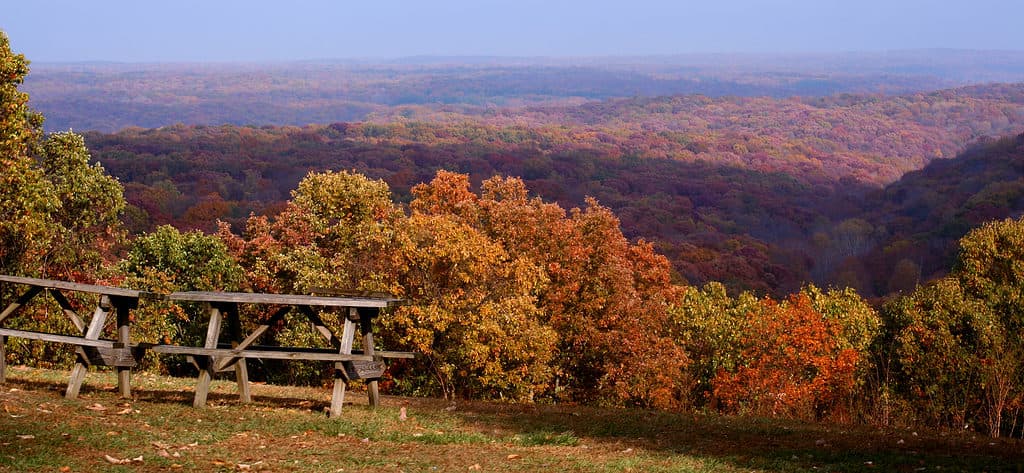
Hoosier National Park in autumn

The Hoosier National Forest is located in the hills of southern Indiana.

Wild Animals in Indiana

Indiana’s forest areas, rivers, and location on the Great Lakes have given it a wide variety of wildlife. It is home to common forest animals such as black bears, coyotes, badgers, beavers, and cottontail rabbits. Its rodents include fox squirrels, gray squirrels, and groundhogs. Bison and white-tail deer roam the grasslands, and black bears have a small but stable population in the state.

Indiana’s chief predators are gray foxes, red foxes, bobcats, and coyotes.

It has 13 native bat species, including some of the rarest species like Rafineque’s big-eared bat (Corynorhinus rafinesquii), red bat (Lasiurus borealis), silver-haired bat (Lasionycteris noctivagans) and Indiana myotis (Myotis sodalis).

The state has its own native species, including the Allegheny woodrat and the eastern mole. Its unique reptiles and amphibians include the alligator snapping turtle, Blanding’s turtle, and eastern hog-nosed snake.

In the forests and wetlands, it is common to spot herons, turtles, ducks, geese, and other waterfowl. You will also hear the western chorus frog and the spring peeper, two frog species known for their charming springtime calls. Among its small mammals are the muskrat, opossum, and raccoon.

Birds native to Indiana include the ruffed grouse, wild turkey, bobwhite quail, and numerous songbirds. It also has one of the country’s rarest kingfishers, the belted kingfisher (Megaceryle alcyon), which is the only kingfisher found in the state.

Indiana’s rivers and streams teem with northern pike, striped bass, muskie, gar, and walleye. It is home to the eastern hellbender, a salamander that is one of the rarest amphibians in the world. This salamander with a strange name is also the largest salamander species in North America.

Some species of ticks can also be found in Indiana.
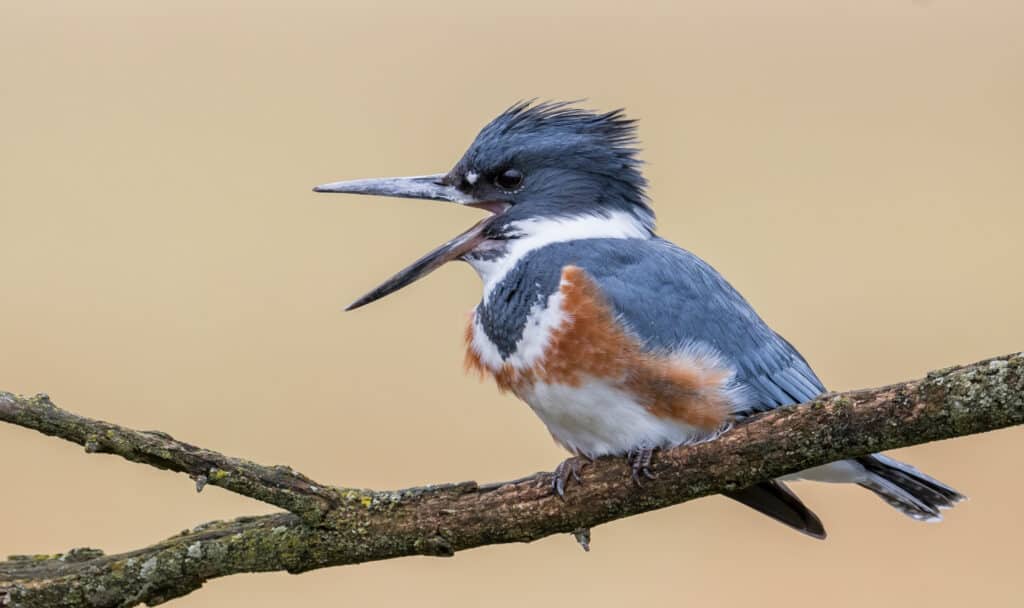
Belted kingfisher

Indiana is home to one of the country’s rarest kingfishers, the belted kingfisher.

The Official Animal of Indiana

It’s common for states to choose mammals as their official animals, but Indiana chose a bird. In 1933, Indiana adopted the cardinal as its state bird. Native to Indiana, the cardinal lives in the state year-round. This bright red songbird is also the state bird of Virginia and North Carolina.

Indiana designated the Say’s firefly, one of Indiana’s 43 species of Lampyridae, as the state insect in 2018. This was only after four years of lobbying by the students of Cumberland Elementary in West Lafayette that began when second grader Kayla Xu discovered Indiana was one of only a few states that did not have a state insect. The class decided the best insect to represent the state would be Say’s firefly, named by Indiana naturalist Thomas Say in 1824 and which was also nominated by Purdue University entomologist Tom Turpin for state insect in 1998.

They embarked on an extensive letter writing campaign that led to a bill being created but never put to a vote, however when the students wrote directly to Indiana Governor Eric Holcomb in 2017, he encouraged them to send letters of support to his office so he could share them with the General Assembly. Assisted by letter writing from students around Indiana, the students’ efforts were successful when the bill cleared the General Assembly with near-unanimous support and Gov. Holcomb honored them by having the signing ceremony at their school on March 23, 2018.
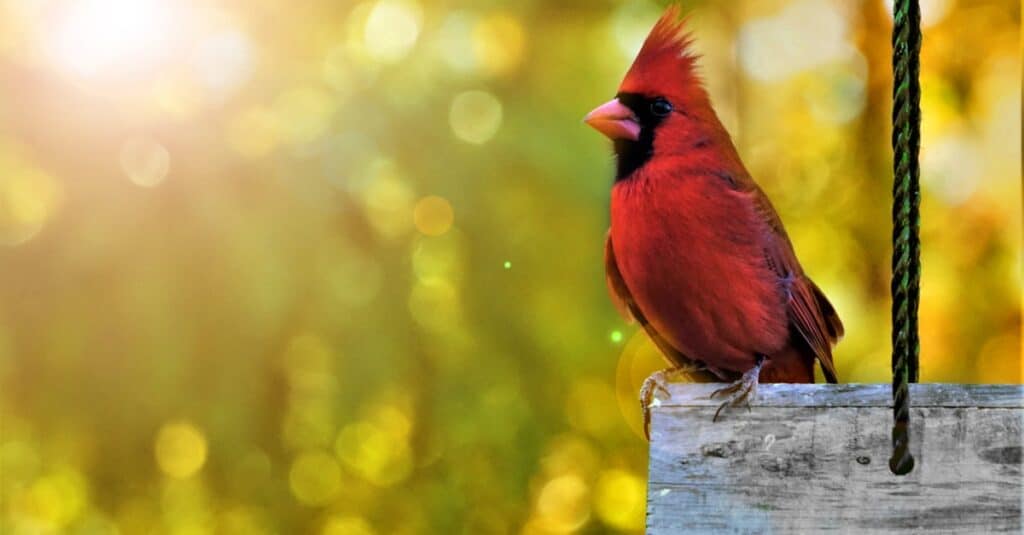
cardinal lifespan

Indiana designated the native cardinal as its state bird in 1933.

Where to Find the Top Wild Animals in Indiana

Although it has a lot of farmland and large industrial cities, Indiana has many national and state parks and protected areas where its native wildlife thrives.

  • Indiana Dunes State Park is a protected stretch of beach along the coast of Lake Michigan. The beach features sand dunes that soar as high as 200 feet. It is an excellent place to see shorebirds and native flowers that include many native orchid varieties.
  • Prophetstown State Park is a wetlands and forest preserve on the shoreline of the Rock River. You are likely to see a muskrat, otter or beaver here. White-tail deer, rabbits and ducks also frequent the park.
  • Oubache State Park, located along the Wabash River, is a camping area where you can see many animals, including a resident herd of bison in a protected enclosure.
  • Tippecanoe River State Park is ideal for nature lovers. Bordering seven scenic miles of the Tippecanoe River, this park allows you to see frogs, newts, squirrels, raccoons, beavers and an enormous variety of waterfowl. Some of the rarest birds have been spotted here, including the swamp sparrow.
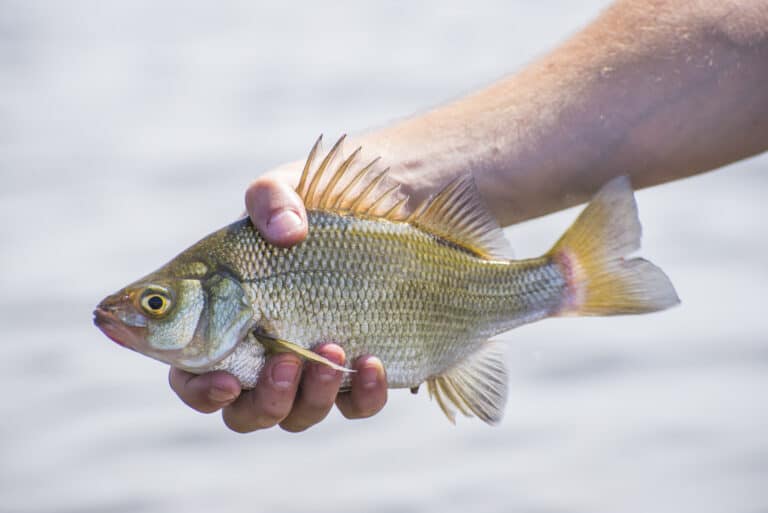
  • Chain of Lakes State Park is home to nine large lakes and 25 miles of forested trails. It is a wonderful place to fish for Indiana’s native fish species like catfish, white bass and northern pike. You will also see amphibians, reptiles, white-tail deer, bobcats and many small rodents.
  • Hovey Lake Fish and Wildlife Area lies between the Ohio and Wabash rivers in southwest Indiana. It is a 7,500-acre park with a lake, swampland and forested areas. It is a good place to see birds and fish. Muskrat dens and beaver dams dot the lakes, and many small mammals and rodents visit the streams to fish and get water.
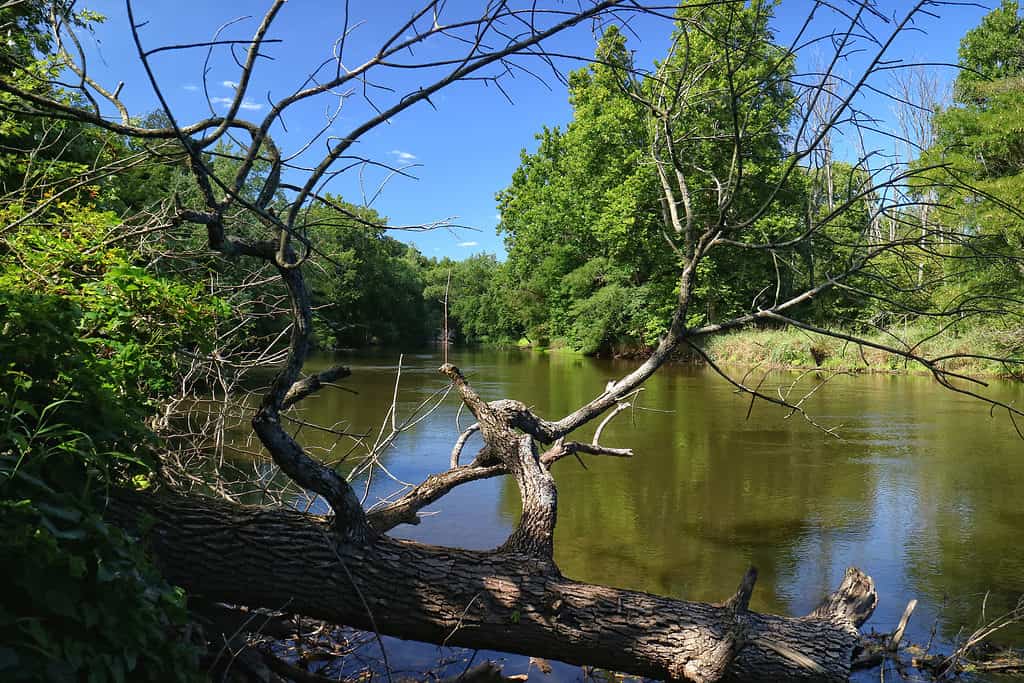
Tippacanoe River

Tippecanoe River State Park is one of Indiana’s top parks for nature lovers.

Largest Animals in Indiana

Among the diverse range of animals found in Indiana there are some species that are a little, or a lot, larger than others.

The biggest in the state is the bison. It’s the largest land animal in North America, and a male can weigh up to 2,500 pounds and grow to 6 feet tall, while a female on average can weigh 1,000 pounds and reach 5 feet tall. Bison were hunted to extinction in the state in the 1830s, however a herd of 23 bison were reintroduced to Indiana by the Nature Conservancy in 2016. These bison can now be seen roaming wild at the Kankakee Sands Nature Preserve and their population is gradually increasing.

The longest snake in Indiana is the eastern rat snake, which frequently grows to lengths of up to 6 feet. The longest of this non-venomous species ever recorded was 7ft 6in long.

The largest bird in the state is the bald eagle. Females are typically about 25% larger than males, with the male’s wingspan on average 6 feet at most, while a female’s wingspan can hit 8 feet. Females are usually 5-10 pounds heavier than males.

One of the biggest species in Indiana is the blue catfish. It can weigh up to 150 pounds and reach close to 4 feet in length. The largest blue catfish ever recorded in Indiana weighed 104 pounds and was netted in the Ohio River. These fish are primarily only found in the state’s lakes, rivers, and large streams.
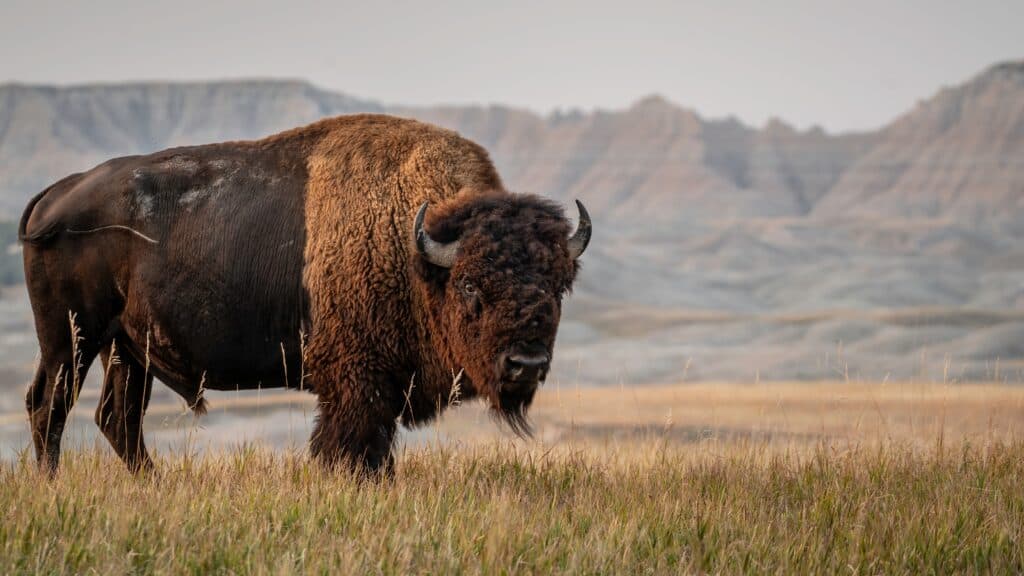
bison

The bison is the largest animal in Indiana and biggest land animal in North America.

The Most Dangerous Animals in Indiana Today

Most of Indiana’s animals are not dangerous, however there are some that can harm humans in painful if not fatal ways.

Any state with a high population of deer is likely to report many accidents involving deer and drivers and in Indiana more than 14,000 deer-related crashes are reported per year. Despite the presence of black bears, bobcats, and coyotes, there have been no recorded attacks of these animals on humans.

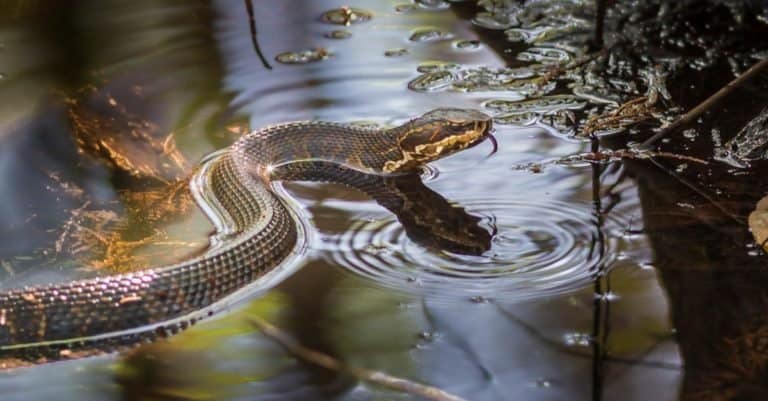
Indiana has several snake species, but most of them are harmless to humans. The snakes that are venomous are the timber rattlesnake, copperhead, and cottonmouth — and these are the most dangerous animals in the state.

The timber rattlesnake has large, long fangs and when it bites a person its venom will instantly cause pain, swelling, excessive bleeding, and various neurological symptoms. The presence of hemotoxins in its venom prevents blood from coagulating and means a wound cannot properly close, so there is a chance that a person could bleed out and die if medical treatment is not given immediately. While copperheads’ venom contains hemotoxins, the effect is relatively localized and although a bite may be painful it is generally only mildly dangerous to most people.

Cottonmouths have very potent venom that can destroy human tissue and leave permanent scarring but is almost never fatal. Its venom is less powerful than the rattlesnake’s venom but typically more powerful than the copperhead’s venom. When biting to defend themselves, cottonmouths release less venom than if biting to injure and kill prey.

One spider to watch out for is the black widow spider. It has a potent neurotoxic venom that can cause muscle aches, chest pain, nausea, muscle tightness, cramping, difficulty breathing, and diaphragm paralysis. Another is the brown recluse. Approximately 10% of bites from brown recluses are dangerous and may even be fatal in some cases.

With two-thirds of the state dedicated to farmland, it’s possible that farm animals can pose a threat to people in Indiana. Farming accidents involving animals, particularly with larger animals like horses and pigs (which can grow 3-6 feet long and weigh up to 770 pounds), can occur. There are about 22 fatalities related to cow incidences each year according to the CDC. Dairy cows are easily startled and considering they can reach 5.5 feet tall and weigh 1,400-2,000 pounds there is a risk of being trampled, especially by the more aggressive bulls. Ducks and turkeys can carry infectious diseases such as psittacosis that can be transmitted to humans by inhaling dust from feathers, secretions and droppings.
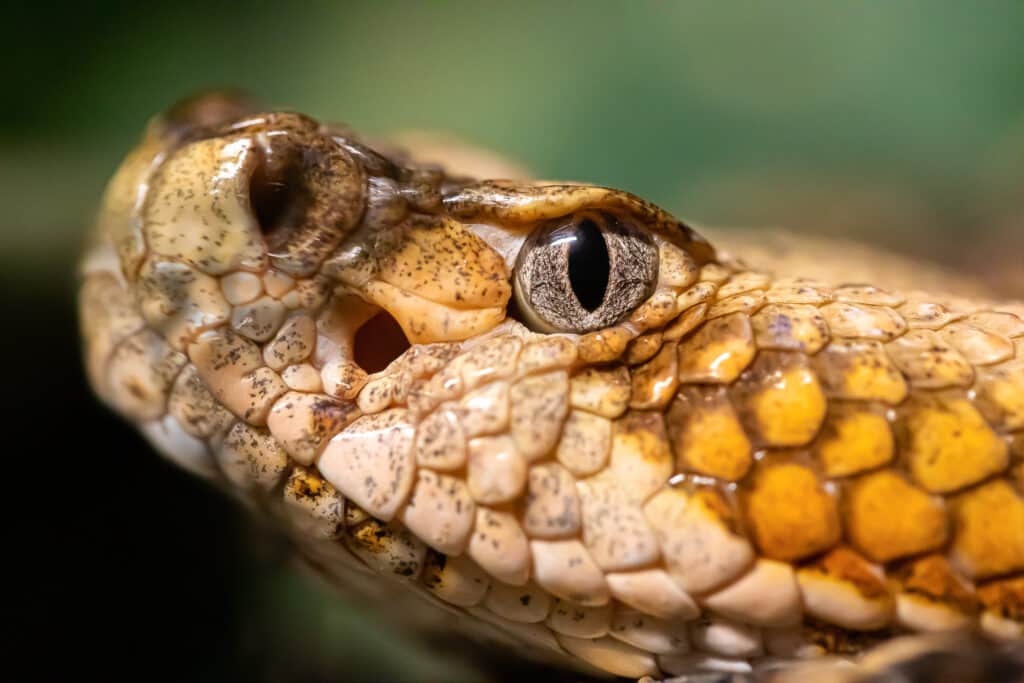
Rattlesnake

The timber rattlesnake’s venom will instantly cause pain, swelling, and excessive bleeding.

Endangered Animals in Indiana

Indiana has more than 150 species on its Species of Greatest Conservation Need list.

The list includes the following animals:

  • Barn owl (Tyto alba)
  • Allegheny woodrat (Neotoma magister)
  • Eastern hellbender (Cryptobranchus alleganiensis)
  • Eastern mud turtle (Kinosternon subrubrum)
  • Plains pocket gopher (Geomys bursarius)
  • Swamp rabbit (Sylvilagus aquaticus)
  • Badger (Taxidea taxus).

As part of its Wildlife Action Plan, the state established the Indiana Nongame Wildlife Fund. Although it is managed by the state’s Department of Natural Resources (DNR), the fund does not get government money and relies on private donations.

According to the DNR, Indiana citizens have donated more than $13 million to help preserve the state’s endangered animals. The state also receives funding from the U.S. Fish and Wildlife Service to help preserve its most endangered species.

Indiana, like many other states, has taken steps to conserve its natural resources. According to a survey by the Nature Conservancy, 90% of Hoosiers of all political parties want the government to take more steps to preserve natural spaces, and 74% support the use of alternative energy sources.

The osprey is one species that can be considered an Indiana conversation success story. The bird of prey was previously classified as endangered but due to the increased number of nests built, with 126 reported to be active in 2020, the DNR has remove it from the endangered list.
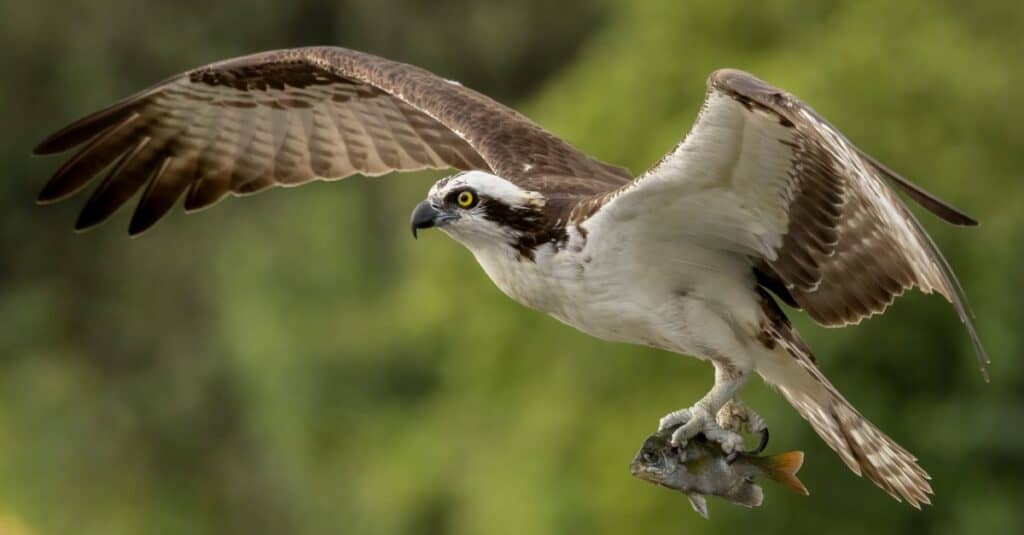
Birds that eat fish: Osprey

Previously considered endangered in Indiana, the osprey is no longer on the endangered species list.

Rare Animals of Indiana

In addition to endangered and rare species such as the country’s rarest kingfisher, the belted kingfisher, and the eastern hellbender, one of the rarest amphibians in the world, Indiana is home to some animals that are becoming increasingly rare to locate and see, mostly due to declining populations from habitat loss.

The Indiana bat was on the first list of endangered species created in the U.S. in 1967 and is one of Indiana’s longest listed endangered species. These bats named for the state are at threat from humans interrupting their hibernation during the winter, pesticides and habitat loss from clear cutting forests. This species also suffers from by white-nose syndrome, a fungal disease that infects hibernating bats and ultimately causes bats to starve and die. Since observed in 2006, the disease has killed millions of bats across the country.

Other species that are rare in Indiana include:

  • Ottoe skipper: This small butterfly with a wingspan under 40 milimeters is very rare and there have been few sightings in recent times. It’s endangered, with urbanization causing habitat loss.
  • Poweshiek skipperling: Once found in Southern Canada down through Indiana, this butterfly suffered a devastating decline in population due to habitat loss and since 2005 has become extremely rare.
  • White warty-back pearly mussel: This endangered mollusk was once a common creature found where major rivers meet. It’s thought they still live somewhere in Indiana, but sightings are incredibly rare. The level of concern about this species is high as there are none in captivity.
  • Rusty patched bumble bee: The population of these bees has decreased by nearly 90% in the past two decades due to their habitats becoming farming grounds and being exposed to pesticides.
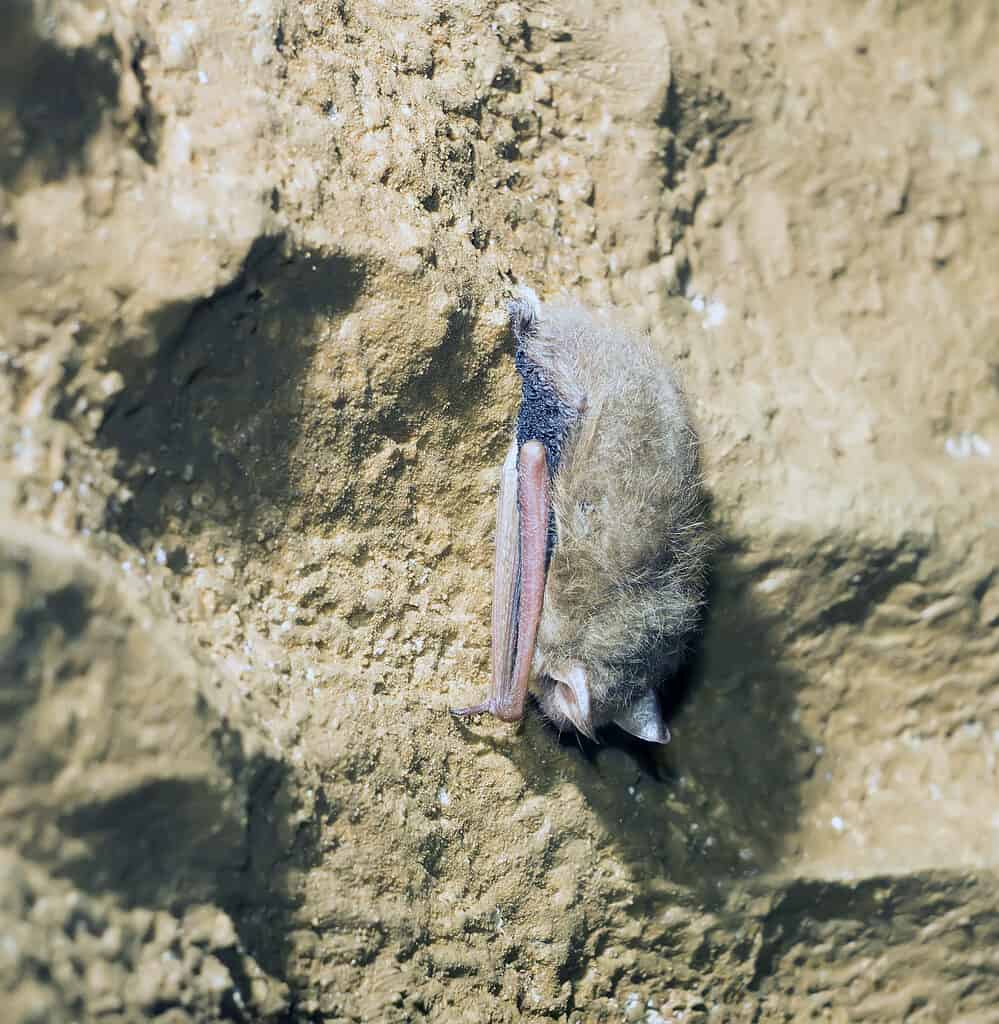
Indianna bat

The Indiana bat is one of the state’s longest listed endangered species.

The Official State Animals of Indiana

The official state animals of Indiana are iconic symbols that represent the state’s vibrant, natural beauty. As of 2023, the state animals included species like the northern cardinal, known for its bright red feathers and melodic song, and Say’s firefly, a favorite of dark summer nights.

The Flag of Indiana

Indiana’s flag was officially adopted by the Indiana General Assembly on May 31, 1917 as part of the celebration of the state’s 1916 centennial. The design, by artist Paul Hadley of Mooresville, was the winner of a contest sponsored by the Indiana Society of the Daughters of the American Revolution. There was a $100 cash prize for the winner and the contest attracted 200 entries.

The design consists of a blue field with a torch surrounded by 19 stars: 13 in an outer circle, five in an inner semi-circle, and a large star above the torch. The 13 stars represent the original states of the U.S., the five symbolize the states admitted before Indiana, and the single star is the embodiment of Indiana. The torch is representative of liberty and enlightenment and the rays depict their influence.

The General Assembly made an addition to Hadley’s design by including the word “Indiana” written above the torch. It was originally technically the state banner but later became the state flag in 1955 when Indiana standardized the flag dimensions.
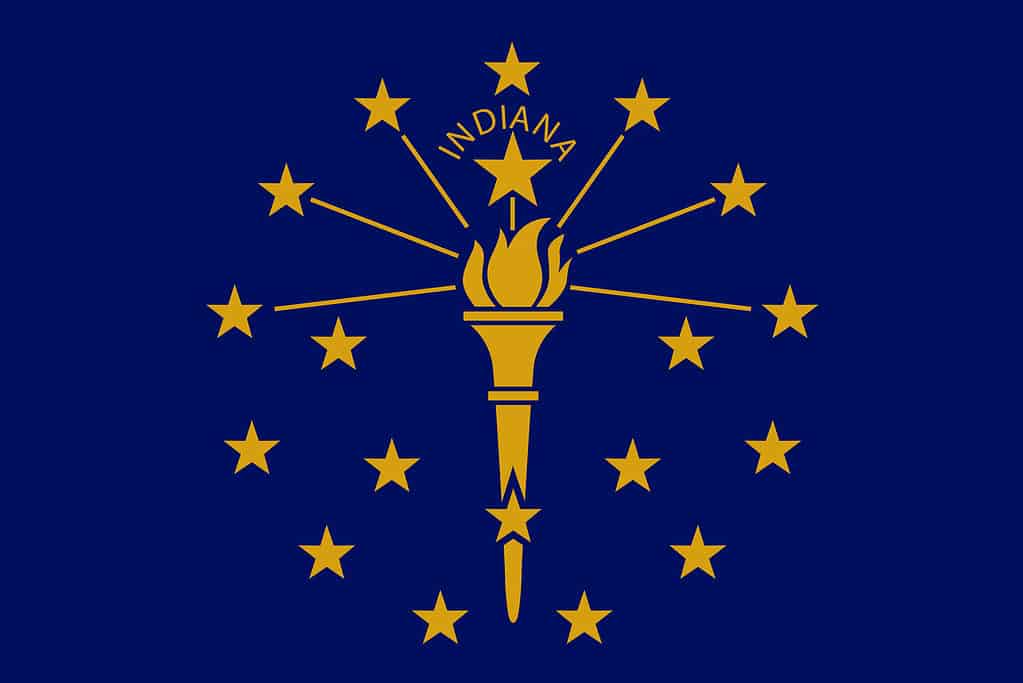
Indiana’s flag features a torch surrounded by 19 stars, which represent states in the U.S.

Indiana State Seal

The Indiana state seal has a long history that goes all the way back to the year 1787. The seal features a man chopping a tree while a buffalo jumps over a log and the sun rises over the mountains.

Read about:

  • extinct animals that lived in Indiana.
  • the beautiful waterfalls in Indiana.
  • the coldest place in Indiana.
  • the types of hawks in Indiana.
  • the best aquarium in Indiana.
  • the types of rattlesnakes in Indiana.
  • the best dog parks in Fort Wayne, Indiana.
  • discover the largest whitetail deer ever caught in Indiana
  • the best fish to catch in Indiana in the summer.
  • the best places to camp in Indiana this summer.
  • Deer Season In Indiana: Everything You Need To Know To Be Prepared
  • 9 Must-See Birds in Indiana
  • Discover the Largest Forest in Indiana (And What Lives Within It)
  • Discover the Largest Channel Catfish Ever Caught in Indiana

Animals Found in Indiana

218 species documented in our encyclopedia

Thank you for reading! Have some feedback for us?