N S W E
Wildlife Expeditions

Wildlife of
Puerto Rico

A Caribbean biodiversity hotspot where endemic birds, bioluminescent bays, coral reefs, and cloud forests converge on one compact island.
35 Species
8,959 km² Land Area
Overview

About Puerto Rico

Puerto Rico's wildlife is shaped by many endemic species, steep habitat changes, and natural history that mixes Caribbean lineages with North American migrants. The islands support wide range of life—from endemic birds like the Puerto Rican parrot to coquí frogs whose calls are part of the island's sound. Seasonal migration brings shorebirds and warblers that stop or spend winter here. Habitats change quickly from coast to mountain. Coastal mangroves and seagrass beds shelter young fish, manatees, and nesting seabirds and protect shores. Offshore coral reefs and waters near the Puerto Rico Trench host reef fish, sea turtles, and visiting marine mammals. Inland, the Cordillera Central and El Yunque offer cool, wet forests with high plant and amphibian diversity, while Guánica's subtropical dry forest supports drought-adapted life. The sharp "reef-to-cloud-forest" transition, bioluminescent bays (driven by dinoflagellates), and protected sites give birders, herpers, and marine-life fans much to see.

Physical Features

Geography

Puerto Rico’s wildlife is shaped by a central mountain spine, a wet-to-dry rainfall gradient (wetter north/east, drier south/southwest), coastal wetlands, and marine habitats. Rapid rise to cloud forest creates mangroves, karst forests, montane rainforest, and dry forest, supporting high endemism and many Atlantic migratory birds. Offshore islands and reefs support seabirds and sea turtles.

8,959 km² Land Area
If Puerto Rico were a U.S. state, it would rank 49th by land area (larger than Delaware and Rhode Island; smaller than Connecticut). Size Rank
Territory Type
Elevation Range

Sea level to 1,338 m (Cerro de Punta).

Coastline

Coastline on both the Atlantic Ocean (north) and the Caribbean Sea (south), with extensive beaches, rocky headlands, estuaries, mangrove-fringed bays, seagrass beds, and coral reef systems; includes surrounding islands (Vieques, Culebra, Mona) that add important seabird and marine turtle habitat.

Key Landscapes

Cordillera Central (central mountain range; headwaters and montane forests) Sierra de Luquillo / El Yunque (humid rainforest and cloud-forest habitats) Northern Karst / mogotes belt (limestone hills, caves, sinkholes; specialized karst forests and bat habitat) Coastal plains and alluvial valleys (agriculture/secondary habitats; riparian corridors) Major river systems (e.g., Río Grande de Loíza, Río de la Plata, Río Grande de Arecibo; support freshwater/estuarine transitions and migration corridors) Coastal wetlands and mangroves (e.g., San Juan Bay estuary, Jobos Bay; nursery habitat for fish, birds, and invertebrates; includes lagoons such as Laguna Tortuguero)
State Symbols

Official Wildlife Symbols

bird

Puerto Rican spindalis

Designated 1970

wildflower

Maga flower

Designated 1934

tree

Ceiba (kapok tree)

Designated 2003

Parks & Reserves

Protected Areas

Puerto Rico's protected areas include U.S. federal lands and waters and many DNER state forests, reserves, and coastal/marine sites. They protect many tropical habitats—montane rainforest and cloud forest, karst caves and sinkholes, dry forest, mangroves, seagrass beds, coral reefs, and offshore cays—and support native birds, reptiles, amphibians, and migratory shorebirds and waterfowl.

Protected Coverage

≈16-20% of land area under some form of protection or conservation management (varies by definition; marine protections add additional coverage offshore).

National Parks & Preserves

El Yunque National Forest (U.S. Forest Service)

≈28,000 acres (≈113 km²)

The only tropical rainforest in the U.S. National Forest system; a biodiversity stronghold for Puerto Rico's endemic birds, amphibians, and reptiles, with steep elevational gradients that create many microhabitats and excellent wildlife-viewing opportunities along trails and rivers.

Puerto Rican parrot (Amazona vittata) Puerto Rican tody (Todus mexicanus) Puerto Rican boa (Chilabothrus inornatus) Coquí frogs (Eleutherodactylus spp.) Antillean fruit-eating bat (Brachyphylla cavernarum)

Jobos Bay National Estuarine Research Reserve (NOAA / Puerto Rico DNER co-management)

≈2,800 acres (≈11 km²) of reserve lands/waters (plus surrounding managed watershed context)

One of Puerto Rico's most important estuaries, protecting mangroves, seagrass beds, and coastal lagoons that function as fish nurseries and a major hub for waterbirds and migratory shorebirds.

West Indian manatee (Trichechus manatus) Brown pelican (Pelecanus occidentalis) White-cheeked pintail (Anas bahamensis) Mangrove cuckoo (Coccyzus minor) Hawksbill sea turtle (Eretmochelys imbricata)

San Juan National Historic Site (National Park Service)

≈75 acres (≈0.3 km²)

Primarily a cultural site, but its coastal fortifications and adjacent shoreline/nearshore habitats provide pockets of urban biodiversity and seasonal bird use (especially during migration) with easy access for casual wildlife observation in the capital area.

Brown pelican (Pelecanus occidentalis) Magnificent frigatebird (Fregata magnificens) Gray kingbird (Tyrannus dominicensis) Bananaquit (Coereba flaveola) Antillean crested hummingbird (Orthorhyncus cristatus)

State & Provincial Parks

Guanica State Forest (Guanica Dry Forest Reserve)

≈9,970 acres (≈40 km²)

A globally important subtropical dry forest with high endemism and some of the best birding in Puerto Rico; key for conserving dry-forest specialists and supporting migratory songbirds during the non-breeding season.

Puerto Rican nightjar (Antrostomus noctitherus) Adelaide's warbler (Setophaga adelaidae) Puerto Rican lizard-cuckoo (Coccyzus vieilloti) Puerto Rican woodpecker (Melanerpes portoricensis) Antillean mango (Anthracothorax dominicus)

Maricao State Forest

≈10,000 acres (≈40 km²)

A cooler, wetter montane forest complex (with cloud-forest elements) that is a centerpiece for conserving Puerto Rico's endemic forest birds; excellent for viewing specialized high-elevation species.

Puerto Rican tanager (Nesospingus speculiferus) Elfin-woods warbler (Setophaga angelae) Puerto Rican emerald (Chlorostilbon maugaeus) Puerto Rican spindalis (Spindalis portoricensis) Broad-winged hawk (Buteo platypterus brunnescens)

Rio Abajo State Forest

≈5,000-6,000 acres (≈20-24 km²)

A premier karst (limestone) forest protecting caves, sinkholes, and rugged hill country; important for threatened/endemic wildlife, including parrot conservation efforts and cave-associated fauna.

Puerto Rican parrot (Amazona vittata) Puerto Rican boa (Chilabothrus inornatus) Puerto Rican screech-owl (Megascops nudipes) Puerto Rican woodpecker (Melanerpes portoricensis) Antillean fruit-eating bat (Brachyphylla cavernarum)

Toro Negro State Forest

≈6,000-7,000 acres (≈24-28 km²)

High-elevation ridges and headwater forests in the Cordillera Central; valuable for watershed protection and for endemic birds that favor cooler uplands and dense interior forest.

Elfin-woods warbler (Setophaga angelae) Puerto Rican bullfinch (Melopyrrha portoricensis) Puerto Rican spindalis (Spindalis portoricensis) Puerto Rican tody (Todus mexicanus) Green mango (Anthracothorax viridis)

Wildlife Refuges

Vieques National Wildlife Refuge (U.S. Fish & Wildlife Service)

≈18,000 acres (≈73 km²) terrestrial (plus additional adjacent coastal waters in management footprint)

Large coastal refuge spanning beaches, lagoons, dry forest, and nearshore habitats; critical for nesting sea turtles and for migratory/wintering shorebirds and waterbirds across multiple lagoon systems.

Leatherback sea turtle (Dermochelys coriacea) Hawksbill sea turtle (Eretmochelys imbricata) Green sea turtle (Chelonia mydas) Wilson's plover (Charadrius wilsonia) West Indian whistling-duck (Dendrocygna arborea)

Culebra National Wildlife Refuge (U.S. Fish & Wildlife Service)

≈1,500 acres (≈6 km²) of refuge lands (plus surrounding marine waters/habitats of high conservation value)

Protects a mosaic of small cays, beaches, coastal scrub, and important marine habitats; notable for seabirds, nesting sea turtles, and reef-associated wildlife around Culebra and adjacent islets.

Hawksbill sea turtle (Eretmochelys imbricata) Green sea turtle (Chelonia mydas) Brown booby (Sula leucogaster) Magnificent frigatebird (Fregata magnificens) Least tern (Sternula antillarum)

Cabo Rojo National Wildlife Refuge (U.S. Fish & Wildlife Service)

≈1,800 acres (≈7 km²)

One of Puerto Rico's best sites for shorebird and waterbird viewing, centered on salt flats, lagoons, and coastal habitats that support large migratory concentrations and locally nesting species.

Snowy plover (Charadrius nivosus) Black-necked stilt (Himantopus mexicanus) Stilt sandpiper (Calidris himantopus) Tricolored heron (Egretta tricolor) Osprey (Pandion haliaetus)

Desecheo National Wildlife Refuge (U.S. Fish & Wildlife Service)

≈356 acres (≈1.4 km²)

A remote offshore island reserve important for seabirds and native island wildlife; its isolation makes it a valuable reference site for conservation and restoration in the Mona Passage region.

Brown booby (Sula leucogaster) Red-footed booby (Sula sula) Magnificent frigatebird (Fregata magnificens) Bridled tern (Onychoprion anaethetus) Hawksbill sea turtle (Eretmochelys imbricata)

Wilderness Areas

  • El Toro Wilderness (El Yunque National Forest)
Animals

Wildlife

Puerto Rico's wildlife is defined by a high rate of island endemism, sharp habitat gradients (mangroves, dry forests, karst, cloud-forest remnants, rivers, seagrass beds, and coral reefs), and its position on major Atlantic flyways. Terrestrial native mammals are few (mostly bats), while reptiles, amphibians (notably coquí frogs), and especially marine life (reef fishes, turtles, whales) are prominent. The archipelago's offshore cays and islands (e.g., Mona, Desecheo, Vieques, Culebra) are critical for seabirds and nesting sea turtles.
~50-60 total recorded (few native terrestrial; ~13+ bat species; plus multiple marine mammals such as dolphins and whales) Mammals
~300-360 recorded (including residents and many migrants) Birds
~50-70 (lizards, snakes, turtles; includes many endemics and island-restricted taxa) Reptiles
~15-20 (dominated by Eleutherodactylus coquí frogs; several endemics) Amphibians
~700-1,000+ marine fish species regionally recorded around Puerto Rico; relatively few freshwater natives Fish
Examples

Iconic Species

Puerto Rican Parrot Puerto Rico's flagship endemic bird-once near-extinct-now the focus of high-profile recovery efforts; best known from forest reserves such as El Yunque and Río Abajo (with careful, ethical viewing).
Common Coquí The island's most famous soundscape-its loud "co-quí" call defines nighttime in forests and gardens; emblematic of Puerto Rican identity.
Antillean Manatee A charismatic coastal mammal seen in protected bays, lagoons, and seagrass areas; a major conservation success story locally, though still threatened by boats and habitat loss.
Green Sea Turtle Frequently encountered in seagrass and reef habitats; Puerto Rico supports important foraging areas and nesting beaches, especially on protected coastlines and offshore islands.
Leatherback Sea Turtle
Leatherback Sea Turtle The largest sea turtle, nesting on select Puerto Rican beaches; a major draw for responsible, permitted night-watching programs where available.
Humpback Whale
Humpback Whale Seasonal winter presence in the northeastern Caribbean; whales migrate through and breed/calve in the broader region, making Puerto Rico a notable whale-watching hub at the right time of year.
Elfin-woods Warbler A sought-after endemic songbird for birders, associated with high-elevation wet forests and mature montane habitats.
Puerto Rican Tody A brilliantly colored endemic forest bird, often seen perched quietly along trails-one of the island's most beloved and photogenic species.
Brown Pelican Highly visible along coasts, mangroves, and bays; a classic Caribbean shoreline species with dramatic plunge-diving behavior.

Endemic & Rare Species

Puerto Rican Parrot

Amazona vittata

Critically Endangered (IUCN); endemic to Puerto Rico

One of the rarest Amazon parrots; long-term captive breeding, releases, and predator control have prevented extinction and slowly rebuilt wild populations.

Puerto Rican Crested Toad

Peltophryne lemur

Endangered (IUCN); endemic (Puerto Rico and Virgin Islands, with Puerto Rico central to recovery)

A highly imperiled amphibian of coastal and dry habitats; conservation programs use head-starting and reintroductions to restore populations to historic sites.

Puerto Rican Boa

Chilabothrus inornatus

Vulnerable (IUCN); endemic to Puerto Rico

A top native predator in forests and karst regions; threatened by habitat fragmentation and past persecution, and important for controlling rodent populations.

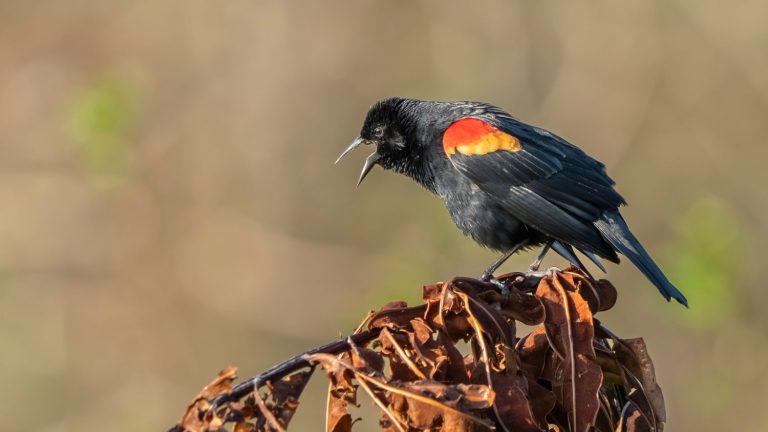
Yellow-shouldered Blackbird

Agelaius xanthomus

Endangered (IUCN); endemic to Puerto Rico

A striking coastal/endemic songbird strongly affected by nest parasitism and habitat change; key conservation actions focus on nesting success and predator management.

Elfin-woods Warbler

Setophaga angelae

Near Threatened (IUCN); endemic to Puerto Rico

A Puerto Rican specialty tied to mature montane forests; vulnerable to habitat loss and storm impacts that reduce suitable high-elevation forest structure.

Mona Ground Iguana

Cyclura stejnegeri

Vulnerable (IUCN); endemic to Mona Island (Puerto Rico)

A large, island-restricted iguana and a conservation symbol for Puerto Rico's offshore islands; threatened by invasive predators and limited range.

Cook's Robber Frog

Eleutherodactylus cooki

Vulnerable (IUCN); endemic to Puerto Rico

A cave/rock-crevice specialist of karst landscapes; sensitive to disturbance of its specific microhabitats and changing moisture conditions.

Hawksbill Sea Turtle

Eretmochelys imbricata

Critically Endangered (IUCN)

Puerto Rico provides important nesting and foraging habitat (reefs and coastal areas); globally significant due to the species' steep historical declines and ongoing threats.

Notable Populations

  • One of the world's most intensively managed and monitored wild populations of Puerto Rican Parrot, supported by captive breeding and releases.
  • Regionally important sea turtle nesting and foraging areas (notably for Leatherback, Green, and Hawksbill sea turtles) across main-island beaches and offshore islands/cays.
  • Important Antillean Manatee stronghold in the northeastern Caribbean, with key habitat in protected bays, lagoons, and seagrass beds.
  • Internationally significant migratory bird habitat: coastal wetlands, mangroves, and salt flats support wintering shorebirds and waterbirds along Atlantic flyways.
  • Notable seabird and coastal bird colonies on offshore islands and protected cays (species assemblages vary by island and management status).

Recent Changes

  • Puerto Rican Parrot recovery: continued captive breeding and releases, with reintroduction/augmentation efforts in multiple forest reserves; hurricanes have periodically set back gains but long-term trend is cautious improvement under management.
  • Puerto Rican Crested Toad conservation: head-starting and reintroductions to restored/managed coastal breeding sites have rebuilt some local breeding activity, though drought and habitat loss remain limiting.
  • Sea turtle nesting in some areas has increased with protection, nest monitoring, and reduced harvest; however, coastal development, lighting, and erosion still cause localized declines.
  • Coral reef health declines after major hurricanes/heatwaves and outbreaks of coral disease (including stony coral tissue loss disease in the region) have reduced reef complexity, impacting fish and invertebrate communities.
  • Spread of invasive species (notably green iguanas, cats, rats, and mongooses) continues to pressure native reptiles, birds, and nesting turtles; management is ongoing but impacts persist.
  • Amphibian stressors (warming/drying trends, disease risk, and habitat shifts) have contributed to localized declines in some coquí and high-elevation amphibian populations, especially after extreme weather events.
Visit

Wildlife Viewing

Puerto Rico offers wildlife on its island and nearby cays (Culebra, Vieques, Mona Island — permit). See coral reefs and seagrass with sea turtles, reef fish; bioluminescent bays; mangrove lagoons of birds; karst caves with bats; and mountain forests with endemic species like the Puerto Rican parrot and tody. Great for snorkeling, diving, birding, night walks and boat tours.

Best Seasons

Winter (Dec-Feb)

Peak comfort season (drier, cooler) and prime time for migratory birds across wetlands, mangroves, and coastal reserves. Great visibility for snorkeling/diving on calmer days. Humpback whales can be seen in Puerto Rico waters in winter (best with dedicated whale-watching excursions and favorable sea conditions).

Spring (Mar-May)

Excellent all-around wildlife season: lingering winter migrants plus spring movement, active breeding behavior for many resident birds, and generally good ocean conditions. Strong time for snorkeling and turtle encounters around reefs and seagrass beds. Bioluminescent bays can be bright around new moon nights year-round, and spring often has good conditions.

Summer (Jun-Aug)

Warmest weather and higher humidity; great for marine life-snorkeling, diving, and reef fish diversity. Sea turtle activity can be high at appropriate beaches (view responsibly and follow local rules). Afternoon showers are common; plan wildlife outings early morning and evenings. Night kayaking in biobays can be fantastic (avoid bright-moon windows if possible).

Fall (Sep-Nov)

Quieter travel period with strong bird migration pulses (especially shorebirds and passerines in coastal habitats). It's also peak Atlantic hurricane season-build flexibility into your itinerary, watch forecasts, and consider inland forest birding on calmer days. Post-storm conditions can concentrate birds in sheltered wetlands and mangroves.

Top Wildlife Experiences

  • Bioluminescent bay night paddle: Join a guided kayak tour in Laguna Grande (Fajardo), Mosquito Bay (Vieques), or La Parguera (southwest) for glowing dinoflagellates-plan near the new moon for darkest skies.
  • Sea turtle + reef snorkeling: Snorkel Culebra's Flamenco Beach and Tamarindo area (often green turtles), or Vieques' reef sites with a reputable guide; focus on seagrass edges and calm coves for the best turtle sightings.
  • Birding the mangroves and lagoons: Explore the Piñones/Loíza mangroves (near San Juan) or the Humacao Nature Reserve (Reserva Natural de Humacao) for herons, egrets, shorebirds, and seasonal migrants-go at sunrise for peak activity.
  • Endemic-bird hunt in the mountains: Visit El Yunque National Forest trails and viewpoints for Puerto Rican tody, Puerto Rican woodpecker, and other forest specialties; pair with a stop in Carite or Toro Negro for elevation variety.
  • Dry-forest wildlife in Guánica: Walk the Guánica State Forest (Bosque Estatal de Guánica), a globally significant subtropical dry forest, for unique plant communities, lizards, and excellent birding-early morning is best for heat and activity.
  • Go on a guided trip in the northern karst (for example, Río Camuy Cave Park when open, or other allowed caves) to learn about rock formations and bat life; at dusk you can often watch bats emerge.
  • Humpback whale watching from the west: Book a winter whale-watching trip departing the Rincón/Mayagüez area; bring binoculars and a windbreaker-mornings often have calmer seas and better visibility.

Wildlife Watching Types

Whale watching (seasonal humpback presence in winter; best via west-coast operators) Dolphin spotting (opportunistic from boats and some coastal lookouts) Sea turtle viewing (snorkeling-focused; nesting-beach viewing only where permitted and guided) Snorkeling and scuba for reef fish, rays, and coral ecosystems Bioluminescence night kayaking (biobays/lagoon ecosystems) Birding hotspots: mangroves, coastal lagoons, salt flats, and montane forest Endemic-forest birding (El Yunque, Maricao, Carite, Toro Negro) Cave and karst wildlife (bats, cave invertebrates; geology + ecology interpretation) Mangrove/wetland paddling (canoe/kayak) for birds and coastal ecology Reptile/amphibian night walks (coquí frogs; guided forest outings)

Guided Options

  • Biobay kayak operators in Fajardo (Laguna Grande), Vieques (Mosquito Bay), and La Parguera-choose eco-certified guides that enforce no-swim/no-sunscreen-in-water rules where applicable and time tours around moon phases.
  • West-coast whale-watching charters (Rincón/Mayagüez area) running winter trips when conditions allow-look for operators emphasizing safe approach distances and naturalist narration.
  • Puerto Rico Department of Natural and Environmental Resources (DRNA/DNER) programs and permit systems for protected areas, sensitive beaches, and certain offshore islands-check current access rules before planning turtle or island trips.
  • El Yunque National Forest ranger-led activities and interpretive programs (when scheduled), plus local naturalist-led hikes focused on endemic birds, coquí ecology, and rainforest botany.
  • Local birding guides and small-group birding tours (islandwide) that target endemics (e.g., parrot observation areas where appropriate), seasonal migrants, and specialty habitats like Guánica dry forest and Maricao montane forest.
  • Dive and snorkel shops on Culebra, Vieques, Fajardo, and the southwest coast offering guided reef trips with briefings on coral-safe practices and wildlife etiquette (no touching corals/turtles, maintain distance).
Habitats

Ecosystems

Puerto Rico has small, diverse tropical ecosystems shaped by steep mountains, trade-wind rain, and coastline. Windward mountains have moist forests and rainforests, including cloud forests. Leeward lowlands and islands have dry forest and thorny scrub. Rivers, karst caves, mangroves, lagoons, seagrass beds, and coral reefs link land and sea. Many unique island species and migrant routes make conservation important.

Biomes

Tropical Rainforest

Occurs mainly in the Luquillo Mountains (El Yunque area) and other very wet windward/montane zones, with evergreen broadleaf forest, abundant epiphytes, and high year-round humidity; includes montane rain forest and very wet forest types.

Localized but prominent in the northeast and higher elevations; small proportion of the island overall (pockets in wettest mountains).

Tropical Dry Forest

Seasonally dry forests and xeric scrub on the leeward (southern/southwestern) coastal plain and on smaller islands (e.g., Mona, parts of Vieques/Culebra), with drought-adapted trees, thorny shrubs, and strong seasonality.

Concentrated in the southwest and on offshore islands; patchy along drier coasts.

Savanna

Open grassy areas with scattered trees/shrubs occur mostly as secondary/disturbance landscapes (historic clearing, grazing, fire, and droughty soils), plus naturally open coastal and serpentine/rocky sites in places.

Scattered and mostly human-influenced; limited natural extent.

Freshwater

Short, steep rivers and streams radiate from the central mountains; reservoirs and small freshwater wetlands support fish, amphibians, and migratory birds despite relatively small standing-water area.

Island-wide as networks of rivers/streams; lakes are few and largely artificial (reservoirs).

Wetland

Coastal mangroves, brackish lagoons, freshwater marshes, riparian wetlands, and karst wetlands provide nursery habitat for fish/crustaceans and key stopover/wintering habitat for waterbirds.

Most extensive along coastal lowlands (north and south coasts) and around estuaries/lagoons; locally significant but limited in total area.

Marine

Warm Caribbean marine ecosystems include fringing and patch reefs, seagrass meadows, sandy and rocky bottoms, shelf waters, and deep offshore habitats that support reef fish, sea turtles, marine mammals, and fisheries.

Surrounds the archipelago; reefs and seagrass are concentrated on the insular shelf (notably east/southeast and around offshore islands).

Habitats

Rainforest

El Yunque (Luquillo Experimental Forest) and other wet upland tracts with dense evergreen canopy, tree ferns, and epiphytes.

Forest

Broad suite of moist-to-wet evergreen forests across uplands and foothills; includes mature stands and widespread secondary forest regrowth.

Woodland

Dry coastal woodlands and scrubby low forests in leeward areas and on offshore islands, often on limestone or thin soils.

Shrubland

Xeric scrub in the southwest and on arid coastal terraces/limestone, including thorny and salt-tolerant shrub communities.

Grassland

Open fields and pasture-derived grasslands common in lowlands and interior valleys; some areas maintained by mowing/grazing.

Mountain

Cordillera Central and Luquillo Mountains create sharp elevation-driven habitat shifts, including very wet montane forests and ridge-top communities.

Cave

Extensive karst cave systems (notably in the northern karst belt, e.g., Rio Camuy area) supporting bats and specialized cave fauna.

Cliff/Rocky Outcrop

Karst escarpments and coastal cliffs provide nesting/roosting sites and specialized plant communities on exposed limestone and headlands.

River/Stream

Numerous short, flashy rivers (e.g., Rio Grande de Loiza, Rio La Plata) with riparian corridors linking mountains to estuaries.

Wetland

Freshwater and brackish wetlands around coastal lagoons and river mouths (e.g., Torrecilla-Pinones systems) important for birds.

Marsh

Fresh to brackish marshes in coastal lowlands and around lagoons/estuaries, often dominated by emergent vegetation.

Mangrove

Red/black/white mangrove forests and associated mudflats in sheltered bays and estuaries (e.g., San Juan Bay Estuary, Jobos Bay).

Estuary

Mixing zones at river mouths and enclosed bays (e.g., Jobos Bay) with high productivity and nursery function.

Coastal

A continuous coastal zone of dunes, lagoons, wetlands, and nearshore waters supporting fisheries and migratory species.

Beach

Sandy beaches and dune systems used by nesting sea turtles and shorebirds; highly variable from urbanized to protected stretches.

Rocky Shore

Wave-exposed headlands and rocky intertidal areas around the main island and offshore cays with tidepool communities.

Coral Reef

Fringing and patch reefs and reef banks (notably around Vieques, Culebra, La Parguera, and shelf edges) with high biodiversity.

Open Ocean

Pelagic waters surrounding the shelf support migratory fishes, seabirds, and marine mammals; influenced by regional Caribbean currents.

Deep Sea

Beyond the insular shelf, deep habitats include slopes and basins (with the Puerto Rico Trench region nearby) supporting deepwater communities.

Seabed/Benthic

Benthic habitats spanning sand flats, seagrass-associated sediments, hardbottom, and deeper soft-bottom areas.

Urban

Dense urban/coastal development (e.g., San Juan metro) creates fragmented habitats and strong land-sea runoff pressures.

Suburban

Peri-urban mosaics of housing, roads, and remnant green space; important for some generalist wildlife and urban wetlands.

Agricultural/Farmland

Lowland and valley agriculture (historically sugarcane; now mixed crops and pasture) interspersed with secondary forest.

Plantation

Legacy and remaining plantation landscapes (notably coffee in uplands and other managed tree/crop systems) forming semi-managed habitat mosaics.

Ecoregions

Puerto Rican moist forests (WWF terrestrial ecoregion) Puerto Rican dry forests (WWF terrestrial ecoregion) Greater Antilles mangroves (WWF terrestrial ecoregion) Puerto Rico and the Virgin Islands (WWF MEOW marine ecoregion) Eastern Caribbean (WWF MEOW marine province) Tropical Atlantic (WWF MEOW marine realm)
Protection

Conservation

Primary Threats

  • Coastal wetlands, dunes, and mangroves are reduced or fragmented by shoreline hardening, tourism-oriented development, and conversion around urban estuaries (e.g., San Juan Bay). In uplands, habitat quality can be degraded by secondary forest conversion, quarrying, and edge effects that increase predation pressure on endemic birds.
  • Warming seas cause mass coral bleaching and more coral disease. Sea-level rise and stronger storm surge eat away sea turtle nesting beaches. Stronger storms and heavy rain raise landslide risk in mountains, hurting forests like El Yunque National Forest and stressing small isolated populations.
  • Nutrient and pathogen loading from sewage overflows and failing septic systems, plus stormwater runoff from dense urban areas, degrades estuaries and nearshore reefs. Sedimentation from construction and disturbed soils reduces water clarity, smothers corals and seagrass, and lowers reef resilience; marine debris and plastics affect turtles and seabirds.
  • Introduced predators (mongooses, rats, feral cats) eat eggs, chicks, and adult ground- and cavity-nesting birds. Invasive green iguana and plants harm native species and habitats, and invasive lionfish cut reef fish numbers and young fish survival.
  • Coral diseases (including regionally significant stony coral tissue loss disease risk and other syndromes) compound bleaching stress on reefs. Amphibians face pathogen risks (e.g., chytrid fungus) that are especially consequential for range-restricted endemic coquí species in wetland or montane microhabitats.
  • Illegal take or harassment can affect seabirds and other wildlife, while egg poaching and disturbance can occur on some turtle nesting beaches. Enforcement is challenging on remote shorelines and smaller islands where access is difficult to monitor consistently.
  • Illegal capture/keeping of native birds (historically including parrots) and the pet trade in reptiles can remove individuals from already small populations. Trade pathways also increase introduction risk for nonnative species that become invasive in Puerto Rico's favorable tropical climate.
  • Nearshore reef fisheries can be locally overexploited, reducing key herbivores that help control algae and support coral recovery. Fishing pressure around accessible reefs and seagrass beds can also alter food webs that support threatened species and reduce ecosystem resilience to bleaching and storms.
  • High recreational use of beaches and coastal waters (night lighting, off-trail traffic, noise, dogs) disrupts turtle nesting and seabird roosting, and anchors can damage seagrass and corals. Cave visitation and vandalism can disturb sensitive bat roosts and other cave-dependent fauna.
  • Boat strikes and entanglement risks affect West Indian manatees in shallow coastal waters and channels. Conflicts with invasive green iguanas in urban/coastal settings drive ad-hoc control efforts that can be inconsistent and sometimes impact non-target wildlife if not well managed.
  • Several endemics persist as small, fragmented populations (e.g., Puerto Rican parrot; some amphibians), increasing inbreeding risk and reducing adaptive capacity after hurricanes or disease outbreaks. Captive breeding and translocations help, but maintaining genetic diversity remains a continual management need.
  • Roads and expanding energy/telecom corridors fragment habitat and increase mortality risks (vehicle strikes, collision risk for birds). Post-hurricane rebuilding and grid hardening can accelerate development in sensitive areas unless environmental safeguards are enforced.
  • Hydrologic alteration (channelization, dredging, dam/impoundment effects) changes estuarine salinity and sediment dynamics that mangroves and fisheries depend on. Fire regime changes in dry forests and coastal scrub-often tied to invasive grasses and human ignition sources-can convert native habitats to more fire-prone states.
  • Limestone and aggregate quarrying in karst and foothill regions can directly remove habitat, alter groundwater flow, and increase sediment delivery to streams that connect to coastal ecosystems. Access roads and spoil areas further fragment habitats used by endemic birds and reptiles.
Fun Facts

Did You Know?

Coqui frogs don't have a tadpole stage: they lay eggs on land, and fully formed froglets hatch out (a life cycle called "direct development"), with males often guarding the clutch.

A coqui's call is famously loud for such a small animal-recorded around the 80-90 dB range at close distance-so a chorus can sound like an alarm system embedded in the forest.

Puerto Rico has no native non-flying terrestrial mammals; on land, bats are the only native mammals, while the rest of the native mammal fauna is marine (manatees, dolphins, whales).

Urban Puerto Rico has become a real-time evolution lab: studies on local anole lizards (e.g., *Anolis cristatellus*) show city populations evolving traits like larger toe pads/limb changes that improve climbing on smoother, human-made surfaces.

Bioluminescent bays aren't "always on": the glow is strongest on dark, calm nights and can noticeably dim with heavy boat traffic, sediment runoff, or bright shoreline lighting-so the "world-class light show" is tied to careful habitat conditions.

Vieques' Mosquito Bay is widely documented as the brightest bioluminescent bay on Earth, with nighttime "spark" produced by dense blooms of the dinoflagellate *Pyrodinium bahamense* that flash blue-green when the water is disturbed.

El Yunque National Forest is the only tropical rainforest in the U.S. National Forest System-an outsized biodiversity stronghold for Puerto Rico's endemics (including species found nowhere else on the planet).

The Puerto Rican parrot (Amazona vittata) is the only native parrot in the United States and its territories. It is one of the world's most endangered parrots; only 13 were left in the wild in 1975.

In Puerto Rico's Luquillo Mountains, coqui frogs can reach extremely high local densities-field studies have reported on the order of tens of thousands per hectare-making them one of the dominant vertebrate biomasses in some forest patches.

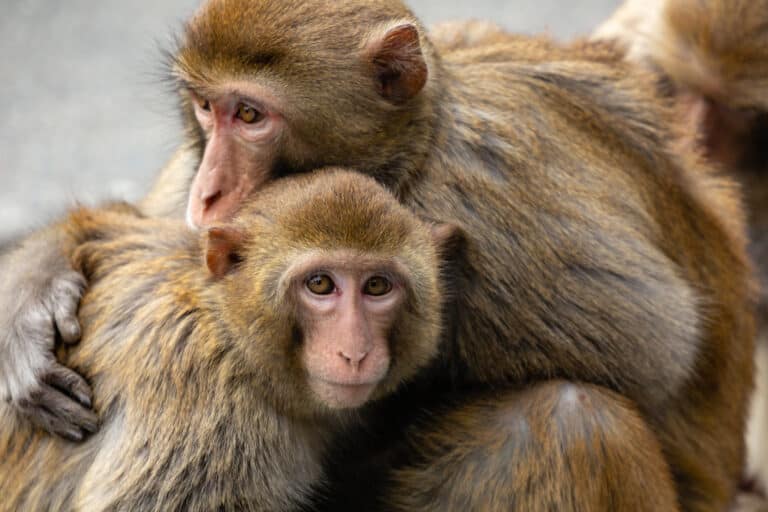
Cayo Santiago (off eastern Puerto Rico) hosts one of the world's longest-running free-ranging primate research populations: rhesus macaques introduced in 1938 that have been continuously studied for decades.

Thank you for reading! Have some feedback for us?