N S W E
Wildlife Expeditions

Wildlife of
South Dakota

From vast mixed-grass prairies to the pine-clad Black Hills, South Dakota delivers iconic Great Plains wildlife-bison, prairie dogs, pronghorn, and spectacular bird migrations.
171 Species
196,350 km² Land Area
Overview

About South Dakota

South Dakota's wildlife comes from wide skies and strong contrasts: mixed-grass prairie, the Missouri River corridor with wetlands and riverside habitat, and the Black Hills, a mountain “island” of forests and rock canyons. These places support prairie specialists like prairie dogs, swift fox, and upland birds, and forest and cliff animals like wild turkey, raptors, and bighorn sheep. Key habitats include the Missouri River and its reservoirs, which give stopover and nesting sites for waterfowl and shorebirds, and grassland mosaics—native prairie, badlands, and working rangeland—that hold pronghorn, mule deer, bison, and many birds. The Black Hills add ponderosa pine, mountain meadows, and steep rock cliffs. Prairie, badlands, and forested hills sit close together with public lands, so you can see many iconic species on one trip.

Physical Features

Geography

South Dakota has a strong east–west change in moisture and sharp habitat splits between prairie Great Plains and forested Black Hills. Mixed- and shortgrass prairies support grazers and grassland birds. The Missouri River and reservoirs create wetland migration routes. The Badlands are rough, sparse land, and the glaciated northeast has prairie potholes and lakes for waterfowl and amphibians.

196,350 km² (land area) Land Area
17th largest U.S. state by land area Size Rank
State Type
Elevation Range

~294 m to 2,207 m (Big Stone Lake to Black Elk Peak, Black Hills)

Coastline

No ocean coastline; extensive shoreline occurs along major rivers and reservoirs (notably the Missouri River reservoirs) and numerous glacial lakes in the northeast.

Key Landscapes

Great Plains prairies (mixed-grass in the east/central; shortgrass and more arid prairie toward the west) Missouri River system (mainstem river plus large reservoirs such as Lake Oahe, Lake Sharpe, and Lewis and Clark Lake) Riparian cottonwood/willow corridors and floodplain wetlands along major rivers (Missouri, Cheyenne, James, White, Big Sioux) Black Hills (montane conifer and mixed forests, granite peaks, canyons, and high-elevation meadows) Badlands and White River breaks (eroded buttes, clay formations, sparse shrub/grass habitats) Glaciated Prairie Coteau and 'prairie pothole' wetland complexes in the northeast (high-density small wetlands and lake basins)
State Symbols

Official Wildlife Symbols

wildflower

Pasque flower

Designated 1903

bird

Ring-necked pheasant

Designated 1943

tree

Black Hills spruce

Designated 1947

animal

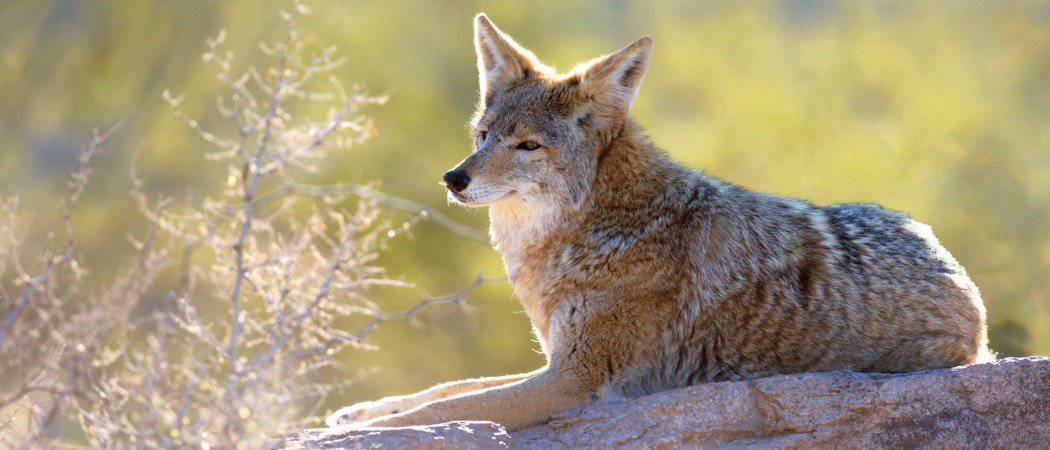
Coyote

Designated 1949

insect

Honey bee

Designated 1978

fish

Walleye

Designated 1982

Parks & Reserves

Protected Areas

South Dakota's protected areas include mixed-grass prairie, Missouri River breaks, prairie pothole wetlands, and forested Black Hills. They include National Park Service units (Badlands, Wind Cave, Missouri National Recreational River), Buffalo Gap and Fort Pierre National Grasslands, Black Hills National Forest, Fish & Wildlife refuges, and state parks that protect bison, grassland wildlife, and migratory birds on the Central Flyway.

Protected Coverage

~10% (approx.; varies by definition and whether multiple-use federal lands and conservation easements are included)

National Parks & Preserves

Badlands National Park

~243,000 acres (~380 sq mi)

Mixed-grass prairie and rugged badlands with large grazing mammals, prairie dog towns, and important habitat for grassland raptors.

American bison Bighorn sheep Black-tailed prairie dog Pronghorn

Wind Cave National Park

~34,000 acres (~53 sq mi)

One of the best remaining mixed-grass prairie ecosystems in the region, with free-ranging ungulates and prairie-ponderosa pine edge habitat.

American bison Elk Pronghorn Black-tailed prairie dog Coyote

Jewel Cave National Monument

~1,270 acres (~2 sq mi)

Ponderosa pine and mixed-woodland habitat in the Black Hills; cave and surrounding forest support a variety of mammals and birds, including bat use associated with cave environments.

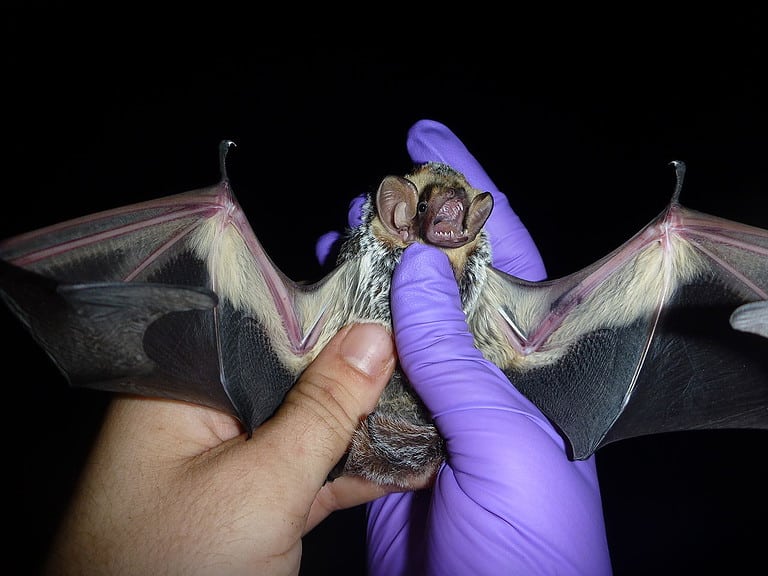
Mule deer White-tailed deer Wild turkey Black bear Bats (multiple species)

Missouri National Recreational River (National Park Service)

~98 river miles; land/water area varies by segment

Free-flowing Missouri River segments and riparian corridors that support migratory birds, nesting shorebirds, and native river fish.

Bald eagle Piping plover Least tern Pallid sturgeon

Mount Rushmore National Memorial

~1,278 acres (~2 sq mi)

Black Hills forest-and-granite landscape with ponderosa pine woodland wildlife and common forest-edge mammals and birds.

Mule deer White-tailed deer Wild turkey Red fox

Minuteman Missile National Historic Site

Dispersed sites; not typically represented as a single contiguous park acreage

Dispersed shortgrass/mixed-grass prairie and roadside habitat around historic facilities in western South Dakota; wildlife viewing is typical of surrounding prairie ecosystems.

Pronghorn Mule deer Coyote Raptors (multiple species)

State & Provincial Parks

Custer State Park

~71,000 acres (~111 sq mi)

Premier wildlife-viewing destination in the Black Hills featuring one of the largest publicly managed bison herds, extensive prairie/parkland habitats, and strong opportunities to see big game year-round.

American bison Elk Bighorn sheep Pronghorn Wild burro

Newton Hills State Park

~1,000+ acres (approx.)

Hardwood draws and oak woodland in southeastern South Dakota create a biodiversity hotspot relative to surrounding farmland, with excellent songbird migration and woodland wildlife.

White-tailed deer Wild turkey Red fox Barred owl Woodpeckers (multiple species)

Oakwood Lakes State Park

~1,200 acres (approx.)

Prairie lake and wetland habitats that draw breeding and migrating waterfowl; good for birding and viewing marsh wildlife in northeastern South Dakota.

Canada goose Blue-winged teal Mallard American white pelican (seasonal/regionally) Muskrat

Palisades State Park

~160 acres (approx.)

Split Rock Creek corridor with riparian woodland and cliff habitats that concentrate birds and mammals; notable for raptors and river-associated wildlife.

Bald eagle (seasonal) Red-tailed hawk Great horned owl White-tailed deer Beaver

Wildlife Refuges

Sand Lake National Wildlife Refuge

~21,000+ acres

Major wetland complex and one of the state's top migratory bird stopovers; renowned for spring/fall waterfowl concentrations and marsh nesting habitat.

Snow goose Tundra swan Sandhill crane Northern pintail Bald eagle

Lacreek National Wildlife Refuge

~16,000+ acres

Nebraska Sandhills-edge wetlands and prairie that support nesting waterfowl, shorebirds, and big-game use; strong birding with frequent raptor activity.

Trumpeter swan Canada goose White-tailed deer Mule deer Bald eagle

Lake Andes National Wildlife Refuge

~2,500-3,000 acres (refuge lands; larger conservation footprint via surrounding management/easements)

Prairie wetland and riparian habitats important for waterfowl production and migration along the Missouri basin; also supports grassland birds and raptors.

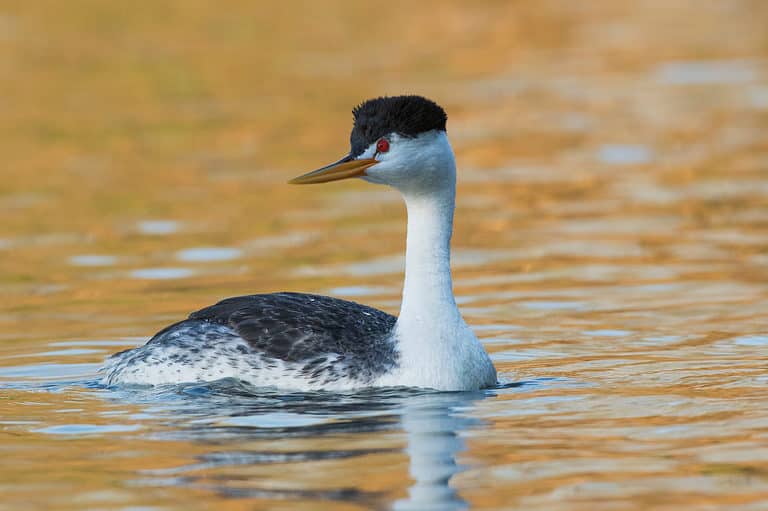
American white pelican Western grebe Blue-winged teal Northern shoveler Bald eagle

Waubay National Wildlife Refuge (Waubay Wetland Management District area)

~several thousand acres (refuge lands; district-wide protected wetlands/grasslands extend much larger via easements)

Prairie pothole lakes and wetlands in the Coteau des Prairies-excellent for breeding ducks, shorebirds, and marsh birds; a key conservation landscape for wetland-dependent wildlife.

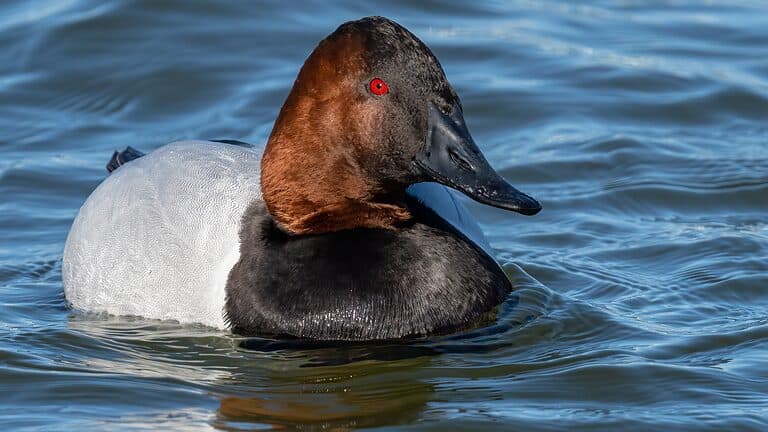
Redhead duck Canvasback Wilson's phalarope American avocet Marsh wren

Wilderness Areas

  • Badlands Wilderness (Badlands National Park)
  • Black Elk Wilderness (Black Hills National Forest)
  • Lake Andes Wilderness (Lake Andes National Wildlife Refuge)
  • Sand Lake Wilderness (Sand Lake National Wildlife Refuge)
Animals

Wildlife

South Dakota's wildlife is shaped by the Great Plains: mixed- and shortgrass prairies, wetlands and potholes in the east, the Missouri River as a route for migrating birds and fish, and the pine Black Hills, an island of mountain habitat in the west. This mix supports prairie animals like bison and pronghorn, gamebirds and waterfowl, prairie dogs and predators, and a Black Hills group of elk, bighorn sheep and mountain lion. The state also supports threatened prairie and river species tied to native grasslands and Missouri sandbars and channels.

~80-90 species Mammals
~400-430 species (regular + migrant records) Birds
~25-30 species Reptiles
~10-15 species Amphibians
~95-120 species Fish
Examples

Iconic Species

American Bison
American Bison A flagship prairie grazer and one of the state's most sought-after wildlife viewing species, especially in Custer State Park and other managed herds that showcase Great Plains ecology.
Pronghorn
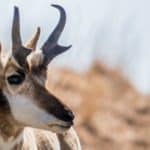
Pronghorn Iconic open-country speedster of western South Dakota's prairies and Badlands, often seen in wide, treeless landscapes that define the state's western wildlife experience.
Black-tailed Prairie Dog A signature prairie colony-builder; South Dakota hosts major complexes (notably around the Badlands), supporting a whole food web of predators and grassland specialists.
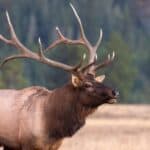
Rocky Mountain Elk
Rocky Mountain Elk A premier big-game and viewing animal of the Black Hills, where forested habitat contrasts strongly with surrounding prairie and draws visitors for rut-time bugling and winter herds.
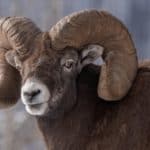
Bighorn Sheep
Bighorn Sheep A dramatic Badlands and Black Hills species frequently highlighted in park viewing; populations benefit from translocations and targeted management in rugged terrain.
Ring-necked Pheasant South Dakota is nationally famous for pheasant hunting; the species is central to the state's fall wildlife culture in agricultural-prairie mosaics.
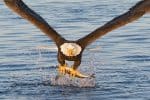
Bald Eagle
Bald Eagle Commonly seen along major rivers and reservoirs, with notable winter concentrations where open water persists; a marquee raptor for river-country birding.
Greater Prairie-Chicken
Greater Prairie-Chicken A defining grassland grouse of eastern prairies; spring lekking displays are a classic Great Plains wildlife spectacle and a key grassland indicator.
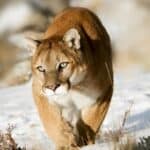
Mountain Lion
Mountain Lion A high-interest predator associated with the Black Hills; sightings and sign draw attention as the species re-established a breeding presence in the region.

Endemic & Rare Species

Black-footed Ferret

Mustela nigripes

Endangered (U.S.); reintroduced and intensively managed

One of North America's rarest mammals; South Dakota's reintroduction sites in prairie dog ecosystems (e.g., areas near the Badlands) are important to species recovery.

Whooping Crane

Grus americana

Endangered; rare migrant/stopover

Uses wetlands and riverine habitats during migration; sightings are notable events and reflect the importance of prairie wetlands and the Missouri flyway.

Pallid Sturgeon

Scaphirhynchus albus

Endangered (U.S.)

A big-river specialist of the Missouri; South Dakota's Missouri River reaches and reservoirs are central to recovery actions and monitoring.

Piping Plover

Charadrius melodus

Threatened (U.S.)

Nests on sparsely vegetated sandbars and shorelines, including along the Missouri system; water management and habitat availability strongly affect breeding success.

Interior Least Tern

Sternula antillarum

Delisted under the U.S. Endangered Species Act (recovered; 2021)

A Missouri River sandbar nester; South Dakota's riverine habitat contributes to regional breeding efforts and requires careful flow/habitat management.

Dakota Skipper

Hesperia dacotae

Threatened (U.S.)

A prairie-dependent butterfly tied to high-quality native grasslands; its presence highlights the conservation value of remaining intact prairie in the region.

Topeka Shiner

Notropis topeka

Endangered (U.S.)

A small Great Plains fish with limited suitable habitat; populations in prairie streams and associated wetlands are conservation priorities where they occur.

Northern Long-eared Bat

Myotis septentrionalis

Endangered (U.S.; listed 2022, effective 2023) due to white-nose syndrome impacts

Forested and riparian habitats (including the Black Hills region) are important for roosting and foraging; disease-driven declines make remaining populations significant.

Notable Populations

  • Major black-tailed prairie dog complexes in western South Dakota that underpin grassland predator-prey communities and support recovery work for black-footed ferrets.
  • Nationally prominent ring-necked pheasant abundance and hunting tradition tied to eastern agricultural-grassland landscapes and habitat programs.
  • Regionally important Missouri River corridor for wintering and migrating Bald Eagles, waterfowl, and sandbar-nesting birds (where habitat is available).
  • Conservation-relevant populations of prairie grouse (especially Greater Prairie-Chicken) where large, connected grasslands persist.

Recent Changes

  • Black-footed ferret reintroductions and ongoing management (including plague mitigation and monitoring) in prairie dog habitats near the Badlands region.
  • Mountain lions re-established a breeding population in and around the Black Hills after long absence; occasional dispersers appear farther east.
  • Chronic wasting disease expanded/continued in deer (and concerns for other cervids), influencing management, surveillance, and hunter practices.
  • Grassland bird and grouse pressures persist: habitat fragmentation and changing agricultural/CRP patterns contribute to declines or volatility (e.g., Greater Prairie-Chicken and other prairie specialists).
  • Missouri River sandbar nesting habitat fluctuates with water management and weather extremes, affecting Piping Plovers and Interior Least Terns.
  • Invasive aquatic species and watershed changes (e.g., carp expansion in parts of the Missouri system and zebra mussels in some waters) increasingly influence fish communities and water recreation.
Visit

Wildlife Viewing

South Dakota offers classic Great Plains wildlife across mixed-grass prairies, prairie pothole wetlands, the Missouri River corridor, and Black Hills forests. You can see bison, pronghorn, prairie dogs, raptors, migrating waterfowl, bighorn sheep, and elk. Public lands—Badlands National Park, Custer State Park, wildlife refuges, and river reservoirs—make self-guided drives, birding, and paddling easy.

Best Seasons

Spring (March-May)

Peak bird migration along wetlands and the Missouri River (waterfowl, shorebirds, cranes, raptors). Prairie wildflowers begin; pronghorn and deer are active; bighorn sheep lambing season can boost odds in Badlands/Black Hills (view from distance). Expect variable weather and muddy roads in some grassland areas.

Summer (June-August)

Best overall accessibility for scenic drives and hiking. Excellent prairie wildlife in early/late day (bison, pronghorn, prairie dogs), plus reptiles and abundant songbirds. Water-based viewing on Missouri River reservoirs is strong. Midday heat can reduce animal activity; plan dawn/dusk outings.

Fall (September-November)

Spectacular raptor movement and late waterfowl migration; crisp weather improves hiking and photography. Bugling elk in/near the Black Hills can be a highlight in early fall, and bighorn sheep activity increases later in the season. Shorter days-plan for golden-hour drives.

Winter (December-February)

Quiet parks and striking snow landscapes. Great conditions for tracking and spotting bison, deer, and eagles (including bald eagles near open water on the Missouri). Waterfowl concentrate where water stays unfrozen. Dress for wind and cold; some backroads may be icy or closed.

Top Wildlife Experiences

  • Wildlife Loop Road at Custer State Park (Black Hills): drive at sunrise or sunset for bison herds, pronghorn, mule deer, prairie dogs, and wild turkeys; add short hikes around Sylvan Lake for birds and scenery.
  • Badlands National Park sunrise/sunset wildlife drive: scan grasslands and overlooks for bighorn sheep, pronghorn, mule deer, prairie dogs, and raptors; stop at pullouts and use a spotting scope for distant herds.
  • Prairie potholes birding circuit in northeast South Dakota (Waubay National Wildlife Refuge area): spring and fall birding for ducks, geese, swans, shorebirds, and marsh birds; bring waterproof footwear and plan multiple wetland stops.
  • Missouri River reservoirs eagle and waterfowl watching (around Oahe/Sharpe/Lewis & Clark Lake): winter and migration-season viewing from overlooks and shore access; excellent for bald eagles, diving ducks, and large rafts of geese.
  • Wind Cave National Park (southern Black Hills) prairie and ponderosa edges: morning/evening watching for bison, pronghorn, prairie dogs, coyotes, and raptors; combine with a cave tour for a full-day nature itinerary.
  • Bear Butte State Park (near Sturgis): hike for panoramic raptor viewing during migration and chances at deer and turkey; ideal for photography with wide vistas and changing light.
  • Fort Pierre National Grassland (central SD): seek grassland specialties-sharp-tailed grouse displays in spring (view responsibly), ferruginous hawks, prairie falcons, and pronghorn; best with a map and a high-clearance vehicle on some routes.
  • LaCreek National Wildlife Refuge (southwest SD, near Martin): a reliable stop for waterfowl, shorebirds, pelicans, and marsh wildlife in spring/summer/fall; use refuge roads and viewing areas for low-stress birding.

Wildlife Watching Types

Big game and prairie mammal viewing (bison, pronghorn, deer, elk, bighorn sheep) Birding hotspots (prairie potholes, Missouri River corridor, refuges and state parks) Raptor watching (migration lookouts, open grasslands, winter eagle concentrations) Waterfowl and shorebird migration viewing (spring/fall wetlands and reservoirs) Wildlife photography road trips (sunrise/sunset drives in parks and grasslands) Paddling-based wildlife viewing (canoe/kayak on the Missouri River and calmer reservoir coves) Night-sky + nocturnal wildlife listening (owls, coyotes; best in quieter parks/grasslands) Herpetology/reptile watching in warm months (lizards and snakes in prairie/badlands habitats-observe from a safe distance)

Guided Options

  • Custer State Park: naturalist programs and seasonal interpretive talks/walks (check park event calendar)
  • Badlands National Park: ranger-led programs (evening talks, guided walks, astronomy events when offered)
  • U.S. Fish & Wildlife Service National Wildlife Refuges (e.g., LaCreek, Waubay): refuge-hosted seasonal programs, birding events, and visitor center information where available
  • South Dakota Game, Fish and Parks: outdoor campus programs and seasonal wildlife/nature workshops (varies by year and location)
  • Local birding guides/outfitters in the Black Hills and prairie pothole region: private birding and wildlife photography tours (best for finding specialty grassland birds and migration hotspots)
Habitats

Ecosystems

South Dakota's land is mostly Great Plains grasslands, changing from taller, wetter prairie in the east to drier mixed and shortgrass and shrub/erosion areas in the west (Badlands). The Missouri River and reservoirs make a north–south freshwater corridor. Prairie pothole wetlands and riparian woodlands add habitat variety. The Black Hills are a montane forest island, cooler and wetter.

Biomes

Temperate Grassland

Mixed-grass prairie covers most of South Dakota, with drier shortgrass in the west and taller-grass patches in the east. It supports pronghorn, prairie dogs, grassland birds, and big grazing herds.

~70-85% statewide; dominant across central and western plains and much of the east outside intensively farmed areas.

Temperate Forest

Forests occur mainly as the conifer-dominated Black Hills montane forest "island," plus smaller riparian deciduous woodlands along major rivers and streams (cottonwood-willow, green ash/hackberry where present).

~5-10% statewide; concentrated in the Black Hills (west) and in narrow riparian corridors statewide.

Freshwater

Large rivers (Missouri, James, Big Sioux, Cheyenne, White, Bad) and major impoundments (e.g., Lake Oahe, Lake Sharpe, Lewis and Clark Lake) provide aquatic habitat, shoreline zones, and migratory bird stopovers.

Linear statewide distribution along river networks; major reservoir complexes along the Missouri dominate open-water extent.

Wetland

Prairie pothole wetlands and seasonal marshes are especially important in the glaciated northeast and east; floodplain wetlands occur along the Missouri and other rivers. These systems are critical for waterfowl breeding and migration.

Patchy; highest density in the Prairie Pothole-influenced northeast/east and along major floodplains statewide.

Habitats

Prairie

Mixed-grass prairie is the signature habitat; best remaining tracts occur in rangelands and protected areas (e.g., mixed-grass prairie of Badlands region and large prairie landscapes on public/tribal lands).

Grassland

Working rangelands and native/seeded grasslands support grassland birds and grazing-based food webs; composition shifts from taller grasses eastward to shorter, drought-tolerant grasses westward.

Steppe

Drier western plains and eroded landscapes support more open, sparsely vegetated grass-shrub mosaics, especially in and around the Badlands and along breaks above river valleys.

Shrubland

Sagebrush and other shrub components appear in drier western areas and on poor, eroded, or sandy soils, often intermixed with shortgrass prairie.

Coniferous Forest

Ponderosa pine forests dominate the Black Hills; important for species like elk, wild turkey, and forest-dependent birds; fire and beetle dynamics shape structure.

Deciduous Forest

Riparian cottonwood-willow galleries and mixed deciduous draws/river bottoms occur along the Missouri and other rivers; these narrow forests are biodiversity hotspots in a grassland matrix.

Woodland

Juniper/cedar draws, shelterbelts, and transitional wooded breaks occur locally, especially along ravines and escarpments where moisture and shelter increase.

Mountain

The Black Hills (including higher elevations around Harney Peak/Black Elk Peak area) create rugged topography, cooler microclimates, and elevational habitat gradients.

Cliff/Rocky Outcrop

Badlands and river-breaks exposures (buttes, escarpments, and erosional cliffs) provide nesting/roosting sites and specialized plant communities on exposed substrates.

Cave

Limestone cave systems in the Black Hills (e.g., Jewel Cave, Wind Cave) provide subterranean habitats for bats and specialized cave biota.

River/Stream

Missouri River system plus James and Big Sioux rivers support fish communities, riparian corridors, and sandbar/shoreline habitats; flow regulation and reservoirs strongly influence ecology.

Lake

Large Missouri River reservoirs and numerous natural/managed lakes (especially in the east) support fisheries, waterfowl, and recreational shorelines.

Pond

Farm ponds and small impoundments are widespread in agricultural and ranching landscapes, often serving as local amphibian and waterbird habitat.

Wetland

Prairie potholes, seasonal wetlands, and floodplain wetlands are key for waterfowl production and migration stopovers; many are embedded within agricultural landscapes.

Marsh

Emergent marsh vegetation (cattails, bulrush) is common in pothole basins and reservoir backwaters; important for nesting ducks and marsh birds.

Urban

Urban ecosystems centered around Sioux Falls, Rapid City, Aberdeen, and Pierre, with greenways and riverfront corridors providing urban wildlife habitat.

Suburban

Expanding suburban fringes around major cities increase fragmented habitats, with parks and riparian buffers acting as partial refuges.

Agricultural/Farmland

Row-crop agriculture (notably in the east) and extensive grazing lands elsewhere form a dominant human-shaped habitat matrix affecting wetlands, pollinators, and soil health.

Ecoregions

EPA Level III: Northwestern Great Plains EPA Level III: Northern Glaciated Plains EPA Level III: Western Corn Belt Plains EPA Level III: Black Hills WWF: Northern short grasslands WWF: Central mixed grasslands WWF: Black Hills montane forest
Protection

Conservation

Primary Threats

  • Conversion of native mixed-grass prairie to row crops (especially in eastern SD) and ongoing fragmentation of remaining rangelands reduce nesting and lek habitat for prairie grouse, grassland songbirds, and prairie-dependent mammals. Wetland drainage and shoreline development around lakes/reservoirs further reduce waterfowl and amphibian habitat.
  • Expansion/intensification of corn/soy and associated drainage, removal of grass buffers, and consolidation of fields simplify landscapes in eastern South Dakota, reducing plant diversity and increasing edge effects that raise nest predation rates for grassland birds.
  • Missouri River dams and reservoir operations alter natural flow regimes, sediment transport, and sandbar formation, affecting riverine fish and wildlife habitat; channelization/stream bank stabilization in tributaries reduces habitat complexity and floodplain connectivity.
  • More frequent and severe droughts, higher temperatures, and greater precipitation variability increase wildfire risk in the Black Hills, stress shallow wetlands used by waterfowl/amphibians, and shift grassland plant communities; warming also lengthens the season for some invasive plants and aquatic pests.
  • Nutrient and sediment runoff from cropland and feedlots contributes to algal blooms and reduced water clarity in lakes and Missouri River reservoirs; pesticide exposure can affect invertebrate prey bases for grassland birds and contaminate aquatic systems in intensively farmed regions.
  • Aquatic invasives (notably zebra mussels) threaten major reservoirs and connected waters via boating traffic; terrestrial invasives such as leafy spurge and other nonnative grasses/forbs degrade rangeland quality and reduce native forb diversity important for pollinators and prairie birds.
  • Chronic Wasting Disease (CWD) in deer and elk requires ongoing surveillance and management; avian diseases can impact waterfowl during wetland crowding in drought years; fish pathogens and parasite dynamics can worsen under warming and stressed water conditions.
  • Road networks, fencing, and energy/utility corridors fragment prairie and increase collision/electrocution risks for birds; reservoirs and associated shoreline infrastructure alter riparian zones, while new transmission lines can affect raptor movement and nesting areas.
  • High recreation pressure on the Missouri River reservoirs and in the Black Hills (boating, off-road use, hiking) can disturb nesting birds, sensitive bat roosts/caves, and shoreline habitats; disturbance can also spread AIS via watercraft and gear.
  • Conflicts include crop depredation by deer, elk, and waterfowl; predator-livestock conflicts in prairie/ranchlands; and tensions around prairie dog colonies due to forage competition perceptions and disease concerns.
  • Legacy and active mining in the Black Hills can fragment forest habitats and contribute to localized water-quality issues (sediment and metal runoff) if not well managed, with downstream effects on aquatic life and riparian habitats.
  • Black Hills forest management (including timber harvest and fuels treatments) can reduce older-forest structure important for some species if not balanced with retention; however, fuels reduction is also used to lower catastrophic wildfire risk, creating a management tradeoff.
Fun Facts

Did You Know?

South Dakota's signature "prairie" bird-the ring-necked pheasant-is not native to North America; it's an introduced Asian species that became a statewide icon largely because shelterbelts, grain agriculture, and mixed grasslands created ideal habitat mosaics.

Black-footed ferrets depend on prairie dog towns. Prairie dogs are most of their diet and their burrows give shelter. Protecting this endangered predator in South Dakota means saving a species many once saw as a pest.

The Missouri River's paddlefish is a true "living fossil" fish in South Dakota waters: it feeds by filtering tiny plankton and navigates partly by sensing weak electrical fields, rather than hunting with teeth like most large fish.

The Black Hills are a forest "island" in the prairie, so South Dakota has animals usually found farther west or north—those that live in ponderosa pine and spruce forests—near mixed-grass prairie species.

Prairie rattlesnakes in the Badlands region can share deep winter dens (hibernacula) year after year, with many individuals congregating in the same rocky crevices-behavior that makes populations vulnerable if den sites are disturbed.

Conata Basin (Buffalo Gap National Grassland) in southwestern South Dakota has been documented by U.S. Fish & Wildlife Service partners as the largest single wild population of endangered black-footed ferrets-one of the species' most important recovery strongholds anywhere.

The Mammoth Site in Hot Springs is widely cited as the world's largest in-situ mammoth excavation open to the public, with remains from 60+ Columbian mammoths recovered from a single ancient sinkhole trap.

Custer State Park manages a bison herd of roughly 1,300 animals-among the largest publicly owned bison herds in the U.S.-and its annual Buffalo Roundup is one of the biggest working bison roundups conducted in front of spectators.

South Dakota's ring-necked pheasant harvest is routinely the highest in the United States; in strong years, the state's Game, Fish and Parks harvest surveys have topped one million birds-an unmatched scale for a non-native gamebird.

The Missouri River reservoir system in South Dakota, especially Lake Oahe, is one of the largest inland-water habitats in the Great Plains, home to large cool-water sportfish (notably walleye) and heavy waterfowl migration on the Central Flyway.

The upper midwestern state of South Dakota is generally a temperate grassland with plenty of tree-filled hills, mountains, lakes, and rivers. Many different species of reptiles, fish, birds, rodents and other mammals exist in a geography that is divided between humid continental and semi-arid climates. Several National Park Service-protected sites, state parks, two national forests, three national grasslands, plus a lack of urban areas make the state especially habitable for a wide variety of wildlife. It is especially known for waterfowl, songbirds, game birds, and birds of prey.

The Official Animal of South Dakota

The official animal of South Dakota is the coyote, which competed against a state legislator’s recommendation of a bull. As the state mammal, it is most common in the Black Hills and the Missouri River, but it also exists throughout North America. Not only is it called the prairie wolf, but its howl is called the “song of the west.” The adaptable, intelligent, predatory mammal mates for life.

There is other official wildlife, too. The state fish is the walleye and the state bird is the Chinese ring-necked pheasant.

Where To Find The Top Wild Animals in South Dakota

The state is home to 400 species of birds, including 200 species that are native to the Badlands and Black Hills. It is extremely popular for bird watching. Some examples of birds you can find there are pheasants, owls, hawks, prairie falcons, turkey vultures, golden eagles, and bald eagles. The state is known for fishing, with people often fishing in small lakes and ponds.

Zoos in South Dakota

The Most Dangerous Wildlife In South Dakota Today

With so much wildlife and different terrains, there are sure to be some dangerous animals in South Dakota. Bison (buffalo) are by far the most dangerous, with their charges causing many more serious injuries than other large mammals. They see nearby human activities as threatening.

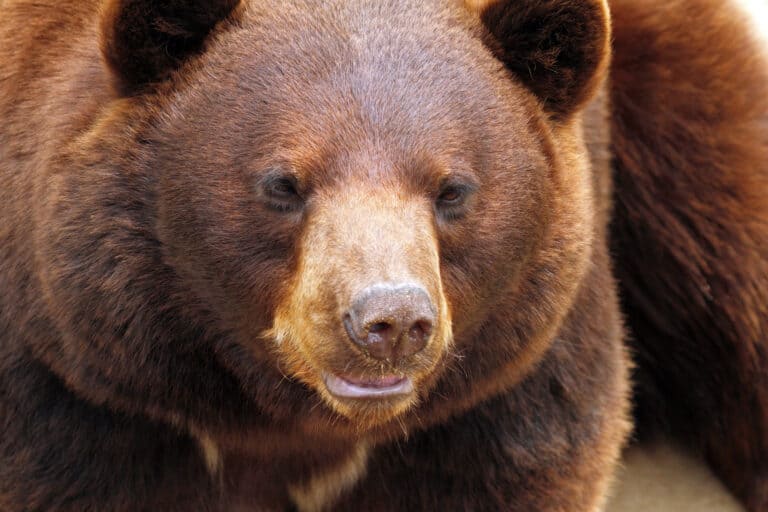
Mountain lion (cougars) sightings are common and usually from a distance, with 20% of mountain lion attacks being fatal. The prairie rattlesnake is the only venomous snake. It is small and so its bite rarely injects enough venom to be fatal. There are many spider species, including the Hobo, Yellow Garden, and several species of wolf spiders, but only the western black widow and the brown recluse are venomous. Death from either of their bites is extremely rare. Black bears and grizzly bears can be dangerous, but they are some of the rarest sightings around.

Endangered Wildlife In South Dakota

The rarest wildlife are either threatened or endangered at the federal or state level. 20 species of birds are endangered in South Dakota. Endangered predators are the black-footed ferret, gray wolf, and swift fox. Other endangered wildlife are:

Strange Wildlife in South Dakota

When it comes to owning strange animals, South Dakota’s laws for exotic animals say you can own a raccoon dog with a permit. A raccoon dog is a wild dog species native to Asian forests. Other strange animals are water fleas and scuds. Water fleas are microscopic crustaceans that move like fleas, and scuds (also called side-swimmers) are freshwater amphipods that resemble shrimplike or crayfish-like sowbugs.

Native Plants in South Dakota

Most of South Dakota is covered in grasses and crops. However, the state is home to many other types of plants – trees, shrubs, ferns, or vines! Cutleaf daisy, rosinweed, and nannyberry are some native plants in South Dakota.

Discover the Coldest Place in South Dakota

The coldest place in South Dakota is Aberdeen, with an average winter low of 32 degrees Fahrenheit. With a population (as of 2020) of 28,495, Aberdeen is the third most populated city in South Dakota.

Read about:

  • extinct animals that lived in South Dakota.
  • the best national parks in South Dakota.
  • the highest point in South Dakota.
  • the best waterfalls in South Dakota.
  • the ticks in South Dakota.
  • South Dakota’s only rattlesnake species.
  • the best places to camp in South Dakota.

Animals Found in South Dakota

171 species documented in our encyclopedia

Thank you for reading! Have some feedback for us?