N S W E
Wildlife Expeditions

Wildlife of
Wisconsin

Where Great Lakes shores meet northwoods, prairies, and 15,000+ lakes, Wisconsin delivers a rare blend of boreal-edge, wetland, and grassland wildlife in one state.
214 Species
140,268 km² Land Area
Overview

About Wisconsin

Wisconsin's wildlife is shaped by water and places where habitats meet. As a Great Lakes state, northern forests blend into the Central Sands and southern prairies and oak savannas. This mix, plus a long history of protecting nature, supports northern species near Lake Superior and grassland birds in the south. White-tailed deer and black bear live with recovering predators like gray wolves. Wetlands and waterways make the state strong for waterfowl. Great Lakes coasts are key migration routes and stopovers for raptors, songbirds, and waterbirds; reefs, dunes, and marshes add seasonal life. Northern hemlock-hardwood and pine forests, bogs, and peatlands hold northwoods specialists. Central Sands barrens and rivers help rare plants, reptiles, and coldwater fish. Southern prairies and wet meadows are vital for grassland birds and monarchs. The Great Lakes make places like the Apostle Islands and Door Peninsula, with peatlands, Driftless Area bluffs, prairie remnants, and freshwater fisheries.

Physical Features

Geography

Wisconsin lies between Lake Superior and Lake Michigan and shifts from cold, forested highlands in the north to warmer farm and prairie lands in the south. Glacial lakes and wetlands, conifer-hardwood forests, river corridors to the Mississippi basin, and remnant prairie, savanna, and oak woodlands support a mix of boreal-edge species, forest wildlife, wetland birds and amphibians, and grassland animals.

140,268 km² (land area) Land Area
23rd largest U.S. state (by total area) Size Rank
State Type
Elevation Range

~177 m (Lake Michigan surface) to 595 m (Timms Hill)

Coastline

Great Lakes shoreline on Lake Superior (north) and Lake Michigan/Green Bay (east), with extensive coastal wetlands and nearshore island habitats; no ocean coastline.

Key Landscapes

Great Lakes shorelines (Lake Superior and Lake Michigan), including coastal wetlands, dunes/bluffs, and nearshore island habitats (e.g., Apostles Islands, Door Peninsula) Northern Highlands (glaciated uplands with extensive conifer-hardwood forests, peatlands, and thousands of kettle lakes) Central Sand Plains / Central Plain (sandy outwash and pine barrens, oak savannas, and wetland complexes; fire- and water-driven habitat mosaics) Driftless Area (un-glaciated southwest with steep ridges, coulees, coldwater trout streams, and forested ravines) Prairie and oak-savanna landscapes of southern Wisconsin (now fragmented; important for grassland birds, pollinators, and edge species) Major river systems and corridors: Mississippi River (western border), Wisconsin River, St. Croix River, Fox-Wolf River system (linking inland wetlands to Green Bay), plus extensive riparian wetlands and floodplains (e.g., Lower Wisconsin Riverway)
State Symbols

Official Wildlife Symbols

animal

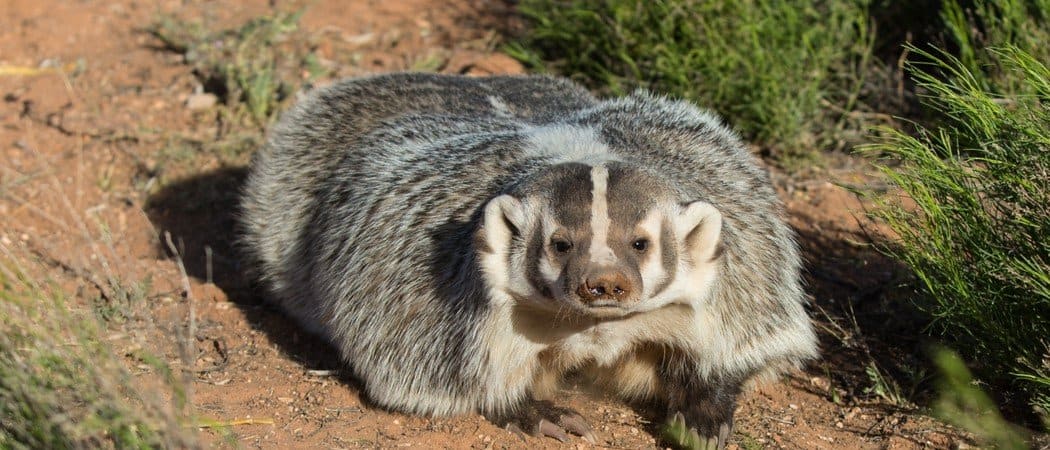
American badger

Designated 1957

bird

American robin

Designated 1949

fish

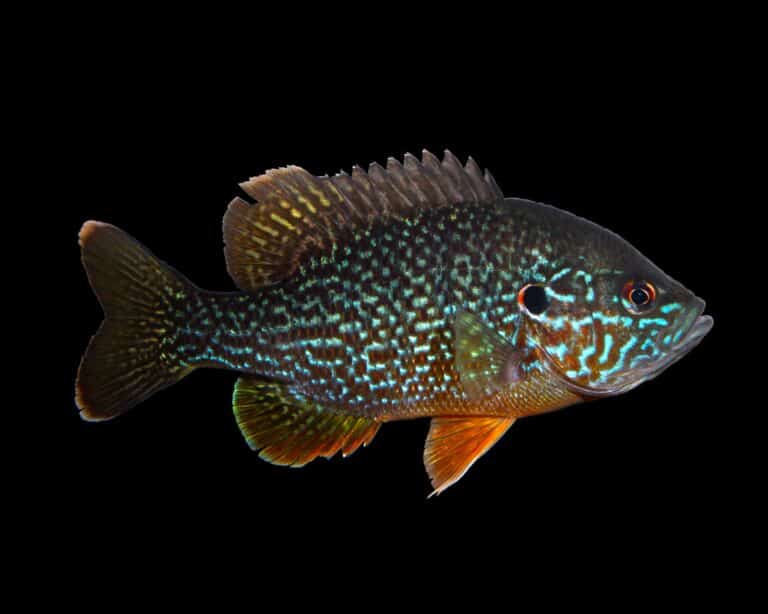
Muskellunge

Designated 1955

insect

Honey bee

Designated 1977

wildflower

Wood violet

Designated 1909

tree

Sugar maple

Designated 1949

Parks & Reserves

Protected Areas

Wisconsin's protected areas mix federal sites (NPS, U.S. Fish and Wildlife refuges, U.S. Forest Service lands) and a state network run by Wisconsin DNR (parks, forests, wildlife areas). County forests, especially in the north, add habitat for boreal-edge forests, lakes, and wetlands. Main goals are Great Lakes shores and islands, the Mississippi River flyway, peatlands, marshes, and remnant southern prairies.

Protected Coverage

~18% (approx.) of Wisconsin's land area is in public conservation ownership or similarly protected status (federal/state/county forests, parks, refuges, and wildlife areas).

National Parks & Preserves

Apostle Islands National Lakeshore

~69,000 acres (including land and waters) across 21 islands + mainland unit

A globally significant Great Lakes archipelago with protected islands, cliffs, coastal forests, and nearshore waters that support colonial nesting birds, migratory stopovers, and intact shoreline ecosystems.

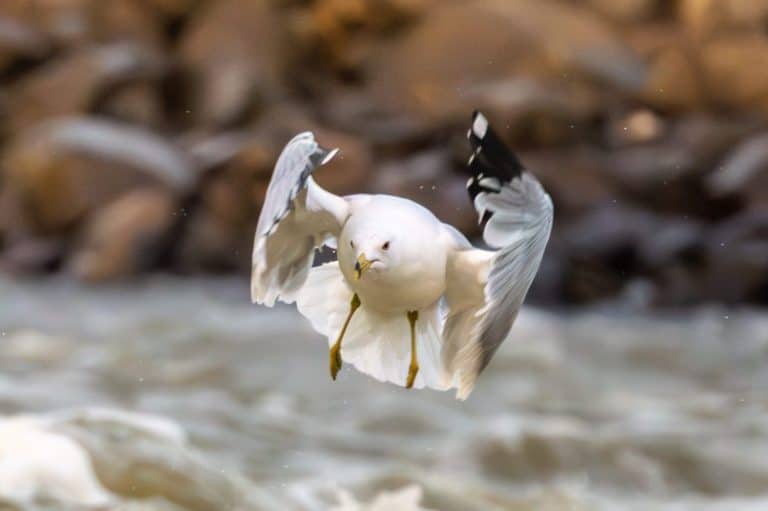
Piping plover (rare shorebird, Lake Superior coast) Bald eagle Black bear Common loon Colonial waterbirds (e.g., herring gulls, terns)

Saint Croix National Scenic Riverway

~255 miles of protected river corridor (St. Croix and Namekagon Rivers)

One of the last large, undeveloped river corridors in the Midwest; extensive riparian forests, sandbars, and backwaters provide high-quality habitat for mussels, fish, raptors, and migratory birds.

Bald eagle River otter Freshwater mussels (diverse assemblage) Smallmouth bass Wood turtle

Ice Age National Scenic Trail

~1,200 miles when complete (trail corridor and associated protected areas)

A 1,000+ mile corridor linking glacial landforms, kettle lakes, oak savannas, wetlands, and forests; valuable for landscape connectivity and wildlife-friendly recreation across multiple ecoregions.

White-tailed deer Wild turkey Sandhill crane Wood thrush Blanding's turtle

North Country National Scenic Trail (Wisconsin segment)

~4,800 miles total trail; hundreds of miles traverse Wisconsin (varies by route/segments)

A long-distance trail crossing northern forests and lake country; helps maintain and highlight large, relatively intact habitat blocks and riparian corridors important for wide-ranging wildlife.

Black bear Gray wolf (regionally present in northern WI) Beaver Ruffed grouse Bald eagle

State & Provincial Parks

Peninsula State Park

~3,776 acres

A Great Lakes shoreline park with mixed forests, bluffs, and coastal habitats that concentrate migrants and support diverse breeding birds and raptors.

White-tailed deer Bald eagle Osprey Migratory songbirds and warblers Red fox

Governor Dodge State Park

~5,270 acres

Large Driftless Area park with forests, prairie remnants, cliffs, and wetlands-strong habitat diversity for birds, amphibians, and reptiles.

Wild turkey Red-tailed hawk Barred owl Wood frog Five-lined skink

Kohler-Andrae State Park

~988 acres

One of Wisconsin's best-protected dune and beach systems on Lake Michigan; important for shorebirds, waterfowl, and coastal plant communities.

Piping plover (rare visitor/occasional) Sanderling and other shorebirds Redhead (diving duck) Northern harrier (nearby marshlands) Monarch butterfly

Willow River State Park

~2,891 acres

A western Wisconsin park centered on river and forest habitats with wetlands and a major waterfall; good for woodland birds and river-associated wildlife.

River otter Belted kingfisher Great blue heron White-tailed deer Wood duck

Wildlife Refuges

Horicon National Wildlife Refuge

~22,000 acres

One of the largest freshwater cattail marshes in the U.S. and a major Mississippi Flyway stopover; exceptional waterfowl and marsh bird viewing.

Canada goose Tundra swan (migration) Great egret Marsh wren Northern harrier

Necedah National Wildlife Refuge

~43,000 acres

Large wetland/peatland and grassland mosaic managed for rare birds and open-country wildlife; central to regional crane conservation and wetland restoration.

Whooping crane (reintroduction region) Sandhill crane Trumpeter swan Upland sandpiper Blanding's turtle

Trempealeau National Wildlife Refuge

~6,200 acres

Mississippi River backwaters, marshes, and forested floodplain that support huge migrations of waterfowl and canvasbacks, plus diverse fish and amphibians.

Canvasback Tundra swan (migration) American white pelican Bald eagle Northern pike

Wisconsin Islands National Wildlife Refuge

~1,000+ acres (scattered islands; varies by unit)

A network of Lake Michigan islands important for colonial nesting waterbirds and as relatively predator-limited breeding habitat.

Caspian tern Double-crested cormorant Herring gull Great black-backed gull (increasing regionally) Common tern

Wilderness Areas

  • Porcupine Lake Wilderness (Chequamegon-Nicolet National Forest)
  • Rainbow Lake Wilderness (Chequamegon-Nicolet National Forest)
  • Whisker Lake Wilderness (Chequamegon-Nicolet National Forest)
  • Round Lake Wilderness (Chequamegon-Nicolet National Forest)
  • Headwaters Wilderness (Chequamegon-Nicolet National Forest)
  • Blackjack Springs Wilderness (Chequamegon-Nicolet National Forest)
Animals

Wildlife

Wisconsin's wildlife diversity reflects its Great Lakes setting and strong habitat gradients-from boreal-edge conifer and mixed forests in the north, to oak savannas, prairies, and intensive agriculture in the south, plus vast wetland complexes and thousands of inland lakes and rivers. Lake Superior and Lake Michigan shorelines add migratory bird concentration areas and coolwater fisheries. The result is a classic Upper Midwest fauna: large mammals (deer, bear, wolf), iconic waterbirds (loons, eagles, cranes), and nationally important freshwater species (notably lake sturgeon).

~70 species Mammals
~430-450 species recorded (with ~200+ regular breeders) Birds
~25-30 species Reptiles
~15-20 species Amphibians
~150-170 freshwater species Fish
Examples

Iconic Species

Endemic & Rare Species

Whooping Crane

Grus americana

Endangered (federally); reintroduced population in the eastern U.S.

Wisconsin is central to ongoing efforts to establish and sustain populations in the region, with periodic presence tied to reintroduction and migration dynamics.

Piping Plover

Charadrius melodus

Endangered/Threatened depending on population; Great Lakes breeding population is highly imperiled

Rare Great Lakes shoreline breeder; Wisconsin's Lake Superior sand spits and beaches can be crucial habitat during the breeding season and migration.

Greater Prairie-Chicken

Tympanuchus cupido

Regionally rare; conservation-dependent in Wisconsin

A prairie and barrens specialist now limited by habitat loss and fragmentation; leks and managed grassland/barrens areas provide one of the state's most distinctive wildlife experiences.

Eastern Massasauga

Sistrurus catenatus

Threatened (federally, U.S.)

A wetland-associated rattlesnake with localized populations; conservation focuses on protecting marsh, sedge meadow, and open wetland mosaics.

American Marten

Martes americana

State-listed in parts of its range; uncommon and habitat-sensitive in Wisconsin

A forest carnivore associated with large, complex northern forests; its presence indicates higher-quality late-successional habitat and connectivity.

Rusty Patched Bumble Bee

Bombus affinis

Endangered (federally)

A rapidly declining native pollinator in the Upper Midwest; Wisconsin is within its remaining range, making habitat restoration (diverse native flowering plants) especially important.

Notable Populations

  • Lake sturgeon in the Lake Winnebago system: one of the best-known and most intensively managed sturgeon populations in North America, including famous spawning runs.
  • Gray wolves: among the most significant wolf populations in the contiguous U.S. outside neighboring Minnesota and Michigan.
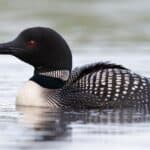
  • Common loons: Wisconsin is an important breeding stronghold near the southern edge of regular loon nesting range in the Upper Midwest.
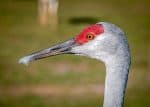
  • Sandhill cranes: widespread breeding and staging concentrations in wetland landscapes across much of the state.
  • Great Lakes shoreline stopover habitat: Lake Superior and Lake Michigan coasts concentrate migratory birds (raptors, waterfowl, shorebirds) during peak migration.

Recent Changes

  • Wolf recovery and management has been a major recent storyline, including shifting legal status and ongoing debate over population goals and harvest policies.
  • Elk reintroductions and expanding herds in northern Wisconsin have increased opportunities for viewing large ungulates outside deer/bear country.
  • Trumpeter swan restoration and protection efforts have boosted breeding numbers in many wetlands after historical declines.
  • White-nose syndrome has caused major declines in several bat species, reshaping nocturnal insectivore communities statewide.
  • Chronic wasting disease (CWD) has expanded in parts of the state, affecting deer management and raising concerns for long-term herd health.
  • Moose remain scarce and have struggled in the region, with warming temperatures, parasites, and disease pressures often cited as contributing factors.
  • Piping plover and other beach-nesting species continue to face pressure from shoreline disturbance and habitat constraints, prompting intensive monitoring and management on suitable beaches.
Visit

Wildlife Viewing

Wisconsin offers easy wildlife viewing on Great Lakes shores and across forests, prairies, wetlands, lakes, and rivers. See spring and fall bird migrations, boreal-edge species in northern bogs, and water birds in wetlands. Spot white-tailed deer, black bear (north), river otter, and the rare gray wolf. Top places include state parks, a national lakeshore, and Wisconsin and Mississippi rivers.

Best Seasons

Spring (Mar-May)

Peak bird migration-warblers, waterfowl, raptors, and shorebirds surge through Great Lakes shoreline parks and wetland refuges. Listen for returning frogs and rails in marshes. Early spring is great for raptor watching; late spring is prime for songbirds in forested parks and along the Kettle Moraine corridor.

Summer (Jun-Aug)

Best for nesting birds, butterflies, and wetland wildlife (herons, egrets, swans). Prairie wildflowers bring pollinators and grassland birds. Excellent paddling for beavers, otters, loons (north), and turtles. Dawn/dusk drives can produce deer and (in the far north) the chance of bear sightings.

Fall (Sep-Nov)

Another migration peak: hawk flights along ridgelines and lakeshore; huge movements of waterfowl on rivers and marshes. Salmon and trout runs on Great Lakes tributaries (spectacular viewing). Autumn colors plus rut activity for deer increases mammal visibility (observe from a distance).

Winter (Dec-Feb)

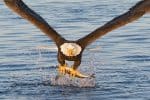
Quiet, dramatic wildlife season: bald eagles concentrate along open water on the Mississippi and below dams; winter finches and owls appear in irruption years; wolf tracks and other sign are easiest to detect in snow in the Northwoods. Great for wildlife photography, tracking, and eagle watching (dress for wind off the lakes).

Top Wildlife Experiences

  • Spring birding at Horicon Marsh National Wildlife Refuge & State Wildlife Area (near Mayville): drive the auto tour, walk boardwalks, and scan for marsh birds, cranes, and massive waterfowl concentrations.
  • Raptor migration watching at the Lake Michigan lakeshore-Harrington Beach State Park (Belgium) or Lion's Den Gorge Nature Preserve (Grafton): set up a scope in spring/fall for hawks, falcons, and migrating songbirds.
  • Cranes, shorebirds, and prairie wildlife at Crex Meadows Wildlife Area (near Grantsburg): explore the driving loop and viewing platforms; prime in spring/fall for waterfowl and sandhill cranes.
  • Mississippi River backwaters wildlife boat/paddle day-Upper Mississippi River National Wildlife and Fish Refuge (La Crosse area): look for bald eagles, pelicans, herons, turtles, and beaver/otter sign along quiet sloughs.
  • Northwoods canoe/kayak wildlife viewing in the Northern Highland-American Legion State Forest (Minocqua-Boulder Junction area): loons, beavers, otters, and abundant waterbirds on interconnected lakes and quiet bays.
  • Big-water cliffs and islands wildlife at Apostle Islands National Lakeshore (Bayfield): kayak/boat to see sea caves and scan for bald eagles, colonial nesting birds, and (seasonally) migrating waterfowl on Lake Superior.
  • Great Lakes fish run spectacle-Milwaukee-area tributaries (e.g., Milwaukee River/Estabrook area) or Door County streams: watch salmonids in fall; pair with lakeshore birding for a full day of migration action.
  • Prairie bird and pollinator walk at Chiwaukee Prairie State Natural Area (near Kenosha) or a Southern Wisconsin prairie reserve: in summer, expect butterflies, dragonflies, and grassland birds; visit early morning for best activity.

Wildlife Watching Types

Birding hotspots (Great Lakes shoreline migration, wetlands, prairies, boreal-edge forests) Raptor migration viewing (lakeshore and ridge corridors) Waterfowl and shorebird viewing (marshes, river floodplains, managed wildlife areas) Bald eagle watching (Mississippi River corridor, Lake Superior and Lake Michigan shorelines, winter open water) Mammal viewing (white-tailed deer statewide; black bear and occasional wolf sign in the north; beaver and river otter along waterways) Paddling-based wildlife watching (canoe/kayak in lakes, rivers, and backwaters) Amphibian/reptile watching (spring frog choruses; turtles and snakes near wetlands in warm months) Nature photography and wildlife tracking (winter tracks/sign; fall rut behavior at a distance) Great Lakes fish-run viewing (salmon/trout runs in fall on tributaries)

Guided Options

  • U.S. Fish & Wildlife Service programs at Horicon Marsh NWR (seasonal walks, interpretive programming, visitor center resources).
  • Wisconsin Department of Natural Resources (DNR) events and education programs at state parks, state natural areas, and wildlife areas (look for guided hikes, bird walks, and citizen-science events).
  • National Park Service ranger programs at Apostle Islands National Lakeshore (seasonal interpretive cruises/walks and visitor programming based in Bayfield).
  • Local Audubon chapter bird walks and festivals (often centered around spring/fall migration along Lake Michigan and major wetlands).
  • Mississippi River wildlife cruises and naturalist-led boat trips in the La Crosse area (seasonal operators; good for eagles, pelicans, and backwater ecology).
  • Door County nature centers and land trusts (guided hikes and birding walks at preserves and coastal sites).
Habitats

Ecosystems

Wisconsin spans boreal-influenced conifer-mixed forests and peatlands in the north to hardwood forests, oak savannas/woodlands, and prairie remnants in the south, all shaped by glaciation. It is very water-rich—Great Lakes shorelines, thousands of lakes, big rivers, and many wetlands (marshes, swamps, bogs)—creating diverse habitats for forest, grassland, wetland, and aquatic wildlife.

Biomes

Temperate Forest

Dominant terrestrial biome across most of Wisconsin, including mixed hardwood-conifer forests in the north and extensive deciduous forests (maple-basswood, oak-hickory) in central and southern regions.

Widespread statewide; especially extensive in northern and central Wisconsin.

Boreal Forest (Taiga)

Boreal-edge conditions occur in the Northwoods where colder climate and glacial soils support conifer-rich systems (spruce-fir elements, pine forests) and peatland complexes.

Primarily northern Wisconsin, strongest near Lake Superior and northern lake districts.

Temperate Grassland

Historic tallgrass prairie and oak savanna/grassland mosaics occurred mainly in the south and west; today persists largely as scattered remnants, restorations, and managed grasslands amid agriculture.

Patchy; concentrated in southern and western Wisconsin (prairie/savanna remnants and restorations).

Freshwater

A defining biome: Great Lakes nearshore waters, thousands of glacial lakes, and major rivers (e.g., Wisconsin, Mississippi border reaches, St. Croix) support diverse fish, mussels, and aquatic plants.

Statewide; densest lake districts in the north/central, plus extensive river networks and Great Lakes shoreline.

Wetland

Widespread wetlands including marshes, forested swamps, and peatlands (bogs/fens) that provide critical habitat for waterfowl, amphibians, and rare plants.

Statewide; large complexes in northern peatlands and major river/lake basins (e.g., central sands/wetlands, Great Lakes coastal wetlands).

Habitats

Forest

Large contiguous public and private forest blocks, especially in the Northwoods; strong mix of upland and lowland forest types.

Deciduous Forest

Maple-basswood and oak-dominated forests in central/southern Wisconsin, including mesic hardwood stands and oak-hickory ridges.

Coniferous Forest

Pine forests (jack/red/white pine), hemlock pockets, and lowland conifer stands; conifer presence increases northward and in wet lowlands.

Woodland

Oak woodlands and savanna-like structures maintained historically by fire; now present as fragments and restoration sites, especially in the south.

Grassland

Native prairie remnants, old fields, and conservation grasslands supporting grassland birds where sufficiently large/connected.

Prairie

Tallgrass prairie and wet-mesic prairie remnants/restorations, notably in southern and western parts of the state (often in preserves and rights-of-way).

Shrubland

Early-successional shrub habitats (e.g., alder thickets, regenerating cuts) important for certain songbirds and game species.

Lake

Thousands of glacial lakes ranging from clear, oligotrophic northern lakes to more productive southern systems; key for fisheries and recreation.

River/Stream

Major river corridors and floodplains (Wisconsin River, Fox, Chippewa, Black, St. Croix; Mississippi border) with backwaters and riparian forests.

Pond

Kettle ponds, beaver ponds, and small impoundments providing amphibian breeding habitat and waterfowl stopover sites.

Wetland

Broad wetland variety including sedge meadows, wet prairies, forested wetlands, and coastal wetlands along the Great Lakes.

Swamp

Forested wetlands such as cedar swamps, tamarack swamps, and hardwood swamps in low-lying areas and along river corridors.

Marsh

Emergent marshes around lakes and in river backwaters; important for waterfowl, muskrats, and marsh birds.

Bog

Peat-accumulating bogs and poor fens, especially in northern Wisconsin, with sphagnum mats and specialized flora.

Coastal

Great Lakes coastal habitats along Lake Superior and Lake Michigan, including dunes, coastal wetlands, and nearshore zones.

Beach

Sandy shorelines and dune-associated beaches along Lake Michigan and parts of Lake Superior.

Rocky Shore

Bedrock and cobble shores, sea caves/cliffs locally (notably along Lake Superior's Bayfield Peninsula/Apostle Islands area).

Urban

Urban ecosystems centered on Milwaukee, Madison, Green Bay, and other cities, with river/lake interfaces and green infrastructure corridors.

Suburban

Suburban matrix around major metros with fragmented woodlots, wetlands, and stormwater ponds that can support adaptable wildlife.

Agricultural/Farmland

Extensive cropland and pasture in southern and western Wisconsin; field edges, drainage ditches, and restored buffers add habitat value.

Ecoregions

EPA Level III: Northern Lakes and Forests EPA Level III: North Central Hardwood Forests EPA Level III: Driftless Area EPA Level III: Southeastern Wisconsin Till Plains EPA Level III: Central Corn Belt Plains (small portion) WWF (approx.): Great Lakes Forests / Western Great Lakes Forests WWF (approx.): Upper Midwest Forest-Savanna Transition
Protection

Conservation

Primary Threats

  • Conversion and fragmentation of southern Wisconsin's former prairie and oak savanna into row-crop agriculture and expanding exurban development; shoreline development around inland lakes reduces emergent vegetation and nearshore habitat used by fish, amphibians, and waterfowl; wetland filling/drainage in agricultural landscapes continues to simplify habitat and reduce flood storage.
  • Warming shortens lake ice and raises summer water temperatures, stressing coldwater fish like brook trout and cisco and helping warmwater competitors. Heavier rain sends more nutrients and sediment into lakes and bays (e.g., Green Bay) and overwhelms storm systems. Warmer winters change forest pests and hurt animals that need snow.
  • Phosphorus, nitrogen, and sediment runoff from farms and city stormwater cause algae overgrowth and harmful algal blooms in inland waters and Lake Michigan's Green Bay. Old PCBs and new contaminants harm food webs. Road salt chloride damages sensitive lakes and streams near cities.
  • Aquatic invasives (zebra and quagga mussels, spiny waterflea, Eurasian watermilfoil) change lake food webs and water clarity. Invasive carp threaten connected waters. Forest pests and invasives (emerald ash borer, buckthorn, garlic mustard) change understories and riparian forests and nearshore coastal wetlands.
  • Chronic wasting disease in white-tailed deer is established in parts of southern Wisconsin and complicates deer management and ecosystem impacts from high deer densities; bat populations are affected by white-nose syndrome, reducing insectivorous bat abundance; periodic fish and amphibian disease events can be exacerbated by warm water and degraded habitat.
  • Regulated hunting is usually used to manage wildlife, but too much hunting in local areas can harm sensitive groups if seasons or limits don't match recovery goals. Illegal killing can hurt recovering carnivores. Lead ammunition can poison scavengers.
  • Most fisheries are actively managed, but localized pressure on popular inland lakes can reduce age structure of game fish; Great Lakes fish community changes and harvest dynamics require adaptive management as invasive species and temperature shifts alter recruitment and prey availability.
  • Heavy recreational use of lakes, rivers, and Great Lakes beaches (boating, shoreline recreation, off-trail use) can disturb nesting shorebirds and waterbirds, degrade dunes and coastal wetlands, and increase spread of aquatic invasives via trailered boats; winter recreation and expanded trail networks can fragment quiet habitat in some northern forest areas.
  • Wolf-livestock conflicts occur in parts of northern and central Wisconsin, requiring depredation response and coexistence tools; high deer densities in suburban/edge habitats drive vehicle collisions and vegetation impacts; nuisance beaver and Canada goose issues in urban and agricultural settings lead to conflict-driven control actions.
  • Small, isolated populations of rare grassland and wetland species in southern Wisconsin can face reduced gene flow due to habitat fragmentation; some native fish and mussel populations in isolated watersheds are vulnerable to bottlenecks, especially where barriers limit movement.
  • Groundwater withdrawals for municipal use, irrigation, and industry can reduce coldwater spring flows and lower water levels in connected lakes/streams; sand/gravel extraction and intensive water use in some areas can alter hydrology and habitat quality.
  • Road networks and expanding development increase wildlife-vehicle collisions and fragment habitat; dams and perched culverts restrict fish movement, limit access to spawning grounds, and alter sediment/temperature regimes; coastal armoring and harbor infrastructure can reduce natural shoreline dynamics and habitat complexity.
  • Historic and ongoing hydrologic alterations (ditching, drainage, dams) change wetland function and river connectivity; fire suppression in savanna and prairie remnants encourages woody encroachment and loss of open-habitat biodiversity; intensive deer browse modifies forest regeneration and understory composition.
  • Row-crop dominance (including in areas that historically supported prairie/savanna) reduces habitat heterogeneity, increases nutrient runoff, and fragments remaining grasslands; concentrated livestock operations can elevate manure management challenges, with runoff risks to streams and lakes during heavy rain or improper application timing.
  • Growth around Madison, Milwaukee, the Fox Valley/Green Bay corridor, and smaller lake communities increases impervious surfaces and stormwater inputs; urban sprawl fragments habitat and increases light/noise impacts on sensitive species; infill along shorelines reduces riparian buffers.
  • Most forestry is regulated and often compatible with wildlife goals, but poorly timed or simplified harvest regimes can reduce structural diversity (snags, coarse woody debris) and affect interior forest species; conversion to even-aged stands in some areas can reduce late-successional habitat, while inadequate retention near streams can raise temperature/sediment impacts.
  • Metal mining proposals and legacy mining areas present risks of habitat disturbance and water quality impacts if not carefully managed; sand mining (including frac sand historically) can increase sedimentation risk and landscape disruption; shoreline/aggregate extraction can affect local aquatic habitats.
Fun Facts

Did You Know?

Wisconsin's "Driftless Area" in the southwest famously escaped the last glaciers-leaving steep river bluffs and spring-fed trout streams that can support wildlife assemblages more typical of rugged, unglaciated landscapes than the rest of the Upper Midwest.

In spring, enormous lake sturgeon (often 5+ feet long and capable of living for many decades) can be watched spawning in very shallow water in tributaries like the Wolf River-an unusual "big fish in ankle-deep water" spectacle.

Wisconsin sits at a range crossroads: northern forests and bogs can host boreal-edge species (for example, the state-threatened spruce grouse), while southern grasslands still support lekking displays of greater prairie-chickens at managed viewing areas.

Some Wisconsin lakes intermittently produce tiny freshwater jellyfish (Craspedacusta sowerbii) in late summer-harmless to swimmers, and a surprising reminder that "jellyfish" aren't strictly ocean animals.

Horicon Marsh (about 32,000 acres) is widely cited as the largest freshwater cattail marsh in the United States-an outsized waterfowl and marsh-bird stronghold in the Mississippi Flyway.

The Lake Winnebago-Wolf River system supports one of the largest, best-studied self-sustaining lake sturgeon populations in North America, with highly monitored annual spawning runs and harvest registration.

Baraboo's International Crane Foundation is the only place in the world associated with a living collection that has included all 15 crane species-making Wisconsin a global hub for crane conservation.

Central Wisconsin's Necedah National Wildlife Refuge was the launch site for the Eastern Migratory Population whooping crane project, bringing back the first migratory whooping crane flock in the eastern U.S. in over a century.

Woodlands, beaches, hills, rivers, wetlands, and lakes are all part of the landscape of Wisconsin in the United States. With all of these habitats, it’s no wonder there are close to 700 species of wildlife living in this northern-central state. Some of the most well-known animals in Wisconsin include white-tailed deer, red fox, moose, wolves, black bear, robins, and, of course, badgers.

Official Animal
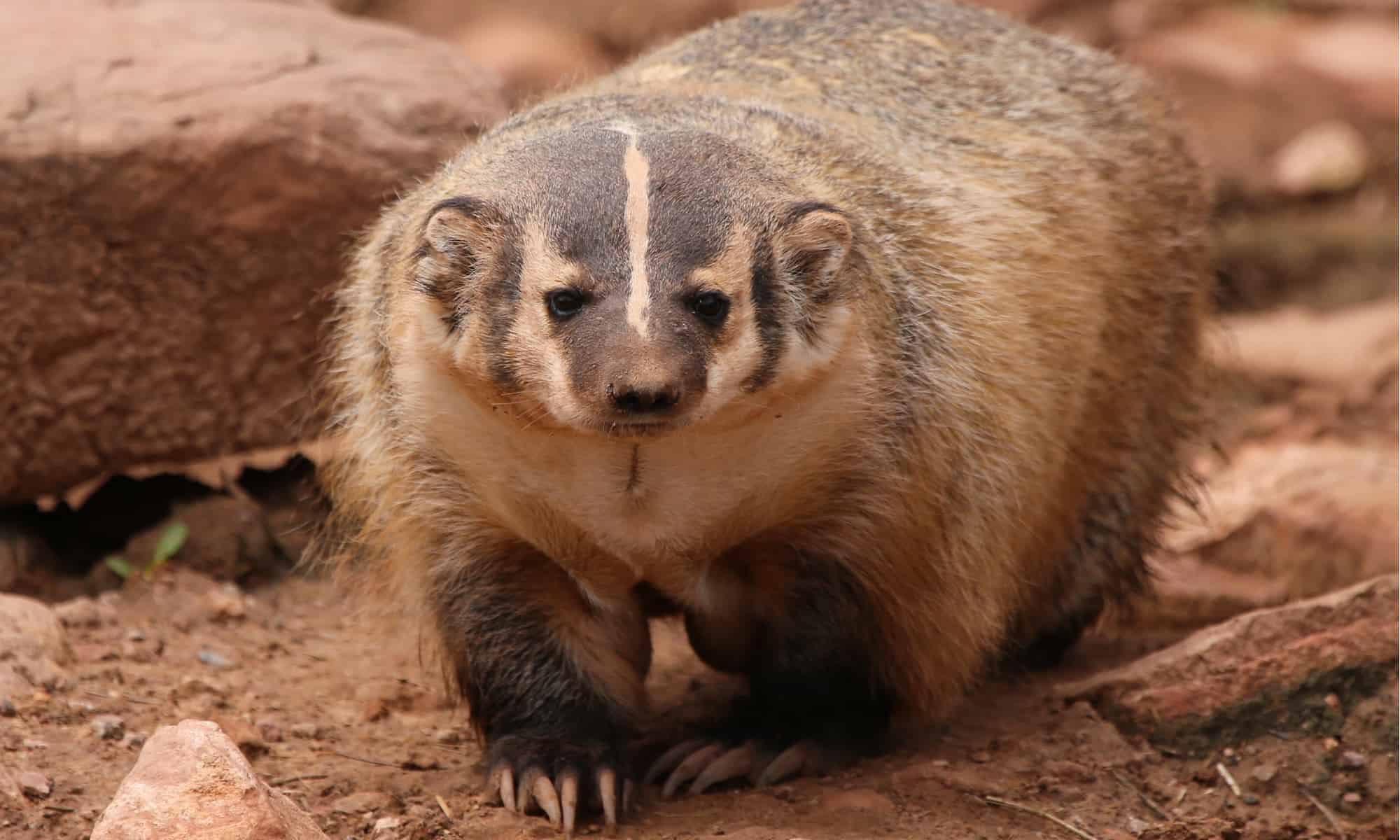
In 1957, the American badger was made the official animal of the state of Wisconsin. Though this mammal is small, it can be very dangerous when it feels threatened. This native of Wisconsin has a strong body and powerful muscles in its neck along with sharp teeth. These wild animals are known for their furry black head featuring bright white stripes. The American badger has an IUCN status of Least Concern.

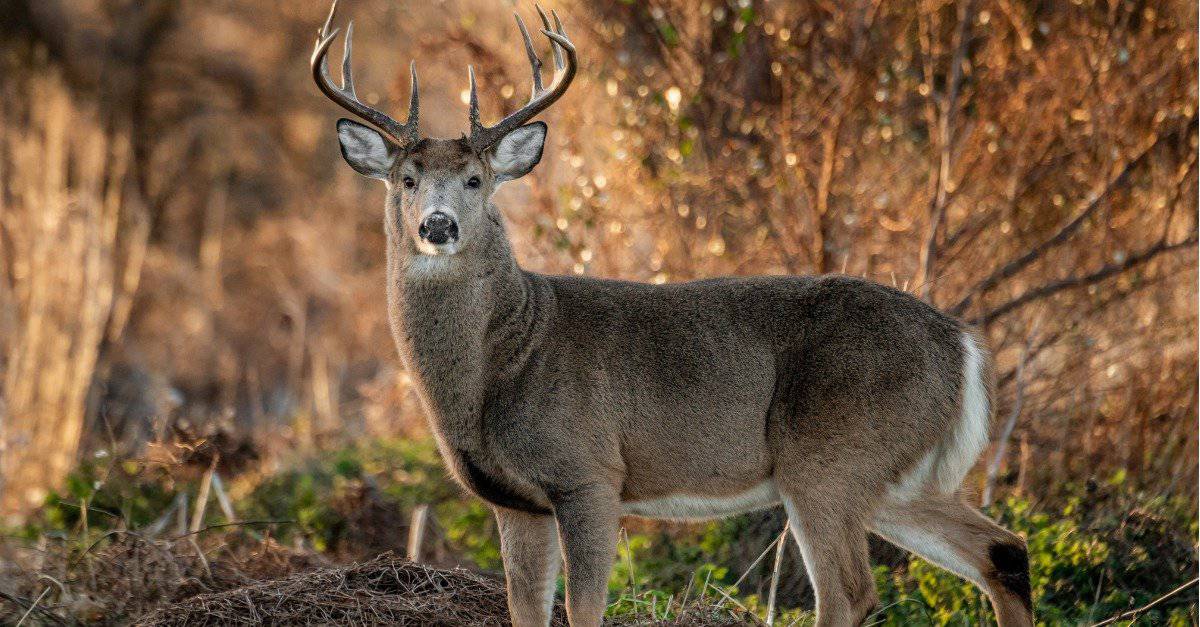
As a note, the white-tailed deer is known as the official wildlife animal of Wisconsin. Officials wanted to recognize this deer because it’s such a common sight around the state. Also, deer hunting plays an important part in the economy of Wisconsin.

Where to Find the Top Wild Animals
Wisconsin has a number of wildlife parks where visitors can see a variety of mammals, fish, birds, reptiles, and amphibians native to this northern central state.

The type of wildlife a visitor sees in Wisconsin depends on where they travel within the state. Traveling to the marshlands in Wisconsin gives visitors the chance to see red-backed salamanders, snapping turtles, mink frogs, American bullfrogs, five-lined skinks, river otters, beavers, American bitterns, and Sandhill cranes.

Checking out the woodland areas in the state gives visitors the opportunity to see countless mammals including red foxes, raccoons, white-tailed deer, striped skunks, gray squirrels, and cottontail rabbits. Birds including hawks, mallards, chestnut-sided warblers, pileated woodpeckers, and bobolinks can also be seen in the woodlands of this state.
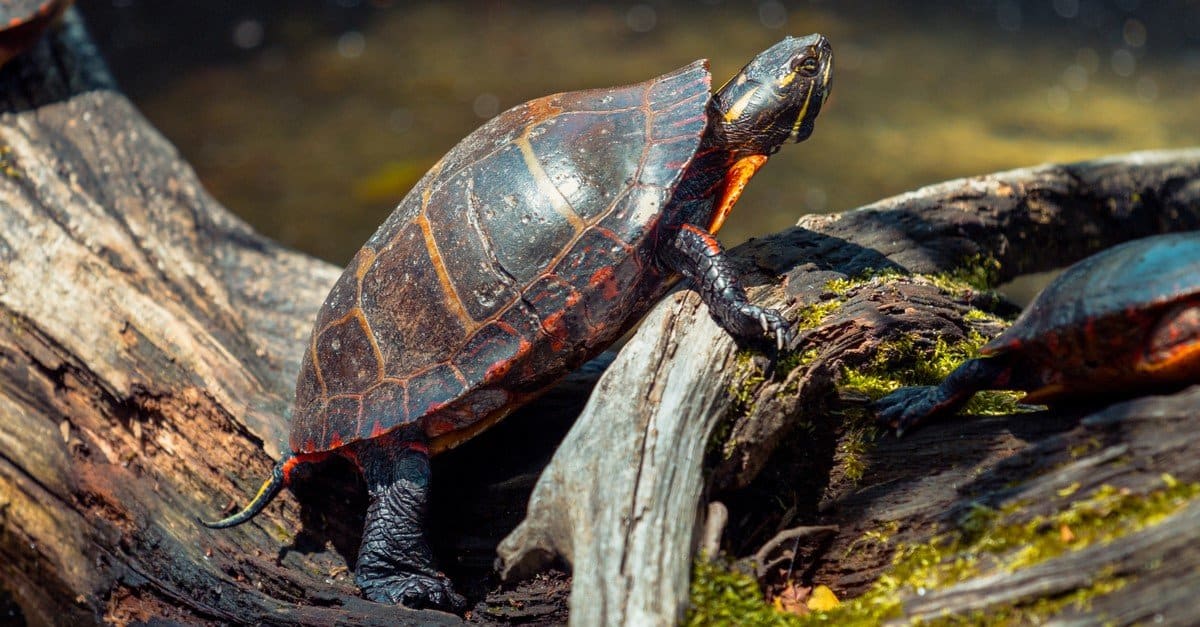
Lake Michigan borders Wisconsin and is home to many types of wildlife. Visitors may see trout, bass, walleye, and catfish. Painted turtles are also a common sight. Mammals such as black bears, gray and red foxes, woodchucks, and squirrels can be seen near the shoreline as well. Mountain lions might be found in Wisconsin too.

Recommended locations for wildlife observation include:

  • Wisconsin Deer Park – in the Wisconsin Dells, this park provides an opportunity to observe and feed over 100 deer and other wildlife in a hands-on, educational petting zoo.
  • Buffalo Overlook – operated by the Oneida nation, the overlook offers an eye catching view of their buffalo herd from a covered observation deck.
  • Trempealeau National Wildlife Refuge – established in 1936 along the eastern edge of the Mississippi River for the conservation, management and restoration of fish, wildlife, and plant resources and their habitats.
  • Schlitz Audubon Nature Center – Milwaukee’s nature center with six miles of trails leading to 185 acres of forests, wetlands, restored prairies, ravines, bluffs, and Lake Michigan shoreline.
  • Heckrodt Wetland Reserve – in Menasha, WI, this 91-acre urban nature reserve has forested wetland, cattail marsh, open water, created prairie, open field, and upland forest habitats.
  • Bay Beach Wildlife Sanctuary – a 600-acre refuge in the Green Bay area and home to the second largest wildlife rehabilitation program in Wisconsin

Zoos

Visiting a zoo is another way to learn more about wildlife native to Wisconsin and some non-native to the state. Some zoos in the state include:

In addition, if looking for aquariums in Wisconsin, make sure to check out Discovery World in Milwaukee or the Beaver Springs Fishing Park in Wiscon Dells.

Most Dangerous
Every state has some dangerous animals among their wildlife population and Wisconsin is no exception. Look at some of the most dangerous animals in the Badger state.

  • The first animal on the most dangerous list is surprising. It’s the white-tailed deer (Odocoileus virginianus). These mammals definitely aren’t fierce, aggressive or poisonous. But, when they try to cross roadways they often end up running or jumping in front of vehicles. Unfortunately, these accidents can cause injuries or even death. According to the State of Wisconsin’s Department of Transportation, there were 18,414 accidents reported involving a vehicle collision with a deer. Out of all of those accidents, 556 people sustained injuries and 9 people died.
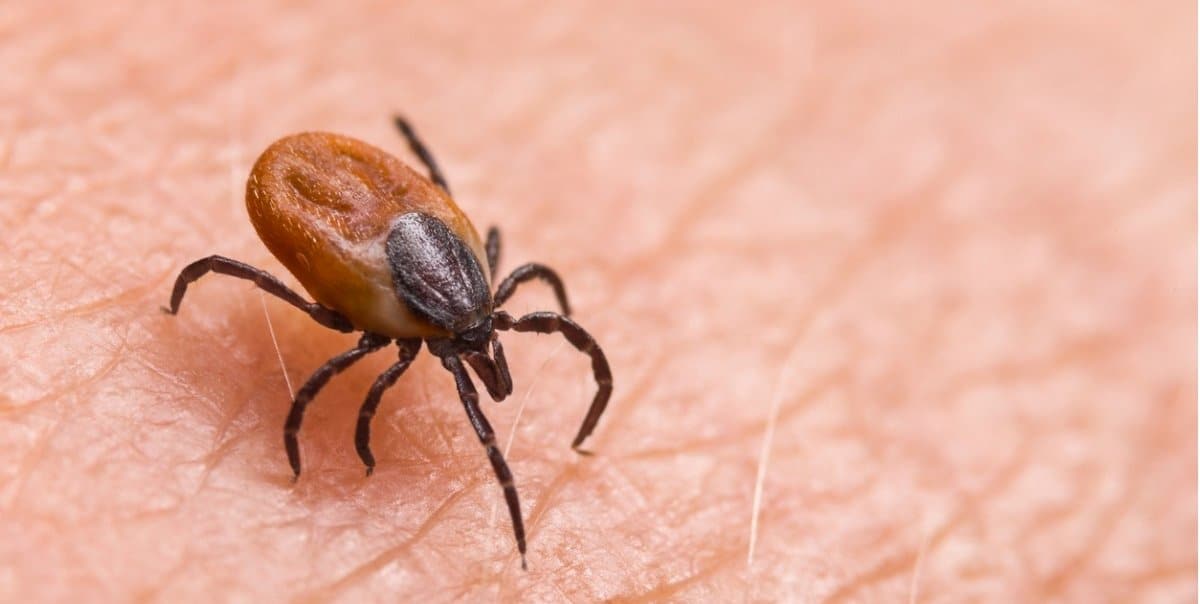
  • Another animal considered one of the most dangerous in Wisconsin is the deer tick (Ixodes scapularis). The thin black legs of this tick give it a weird, spider-like appearance. Though ticks usually attach themselves to dogs and cats, they can also bite humans. Unfortunately, their bite can pass along a life-threatening or chronic disease. Lyme disease is the most common sickness passed along by deer ticks in Wisconsin. From 2015 to 2018, at least ten people died in Wisconsin from diseases contracted from deer ticks.
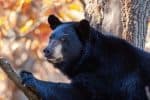
  • Black bears (Ursus americanus) also make the list of most dangerous wildlife in Wisconsin. Though they are rare predators of humans, these large, strong mammals can become aggressive if a person approaches their cubs. Many of the injuries people have received from black bears have come as a result of trying to break up an encounter between one of these bears and a pet dog.
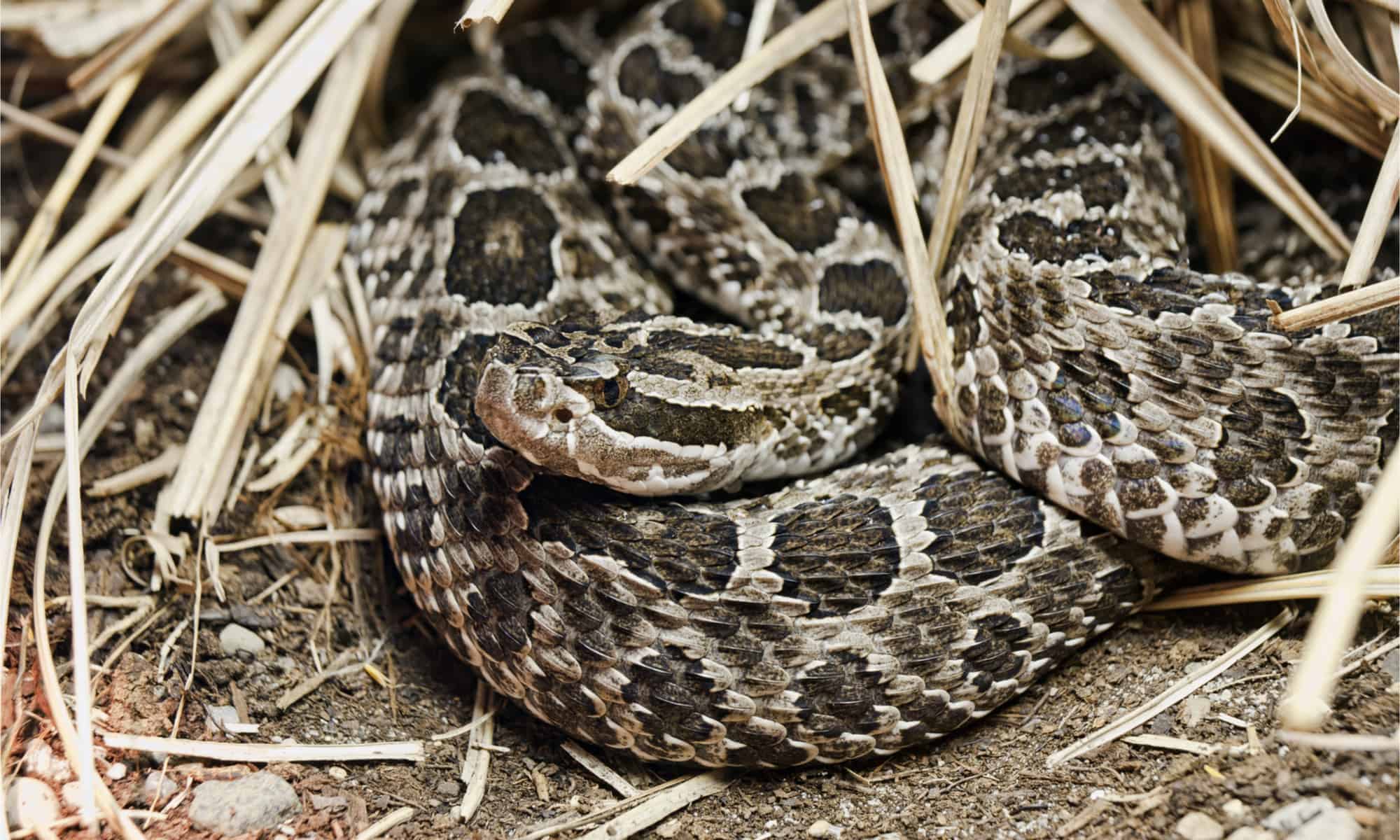
  • There are two rattlesnakes on Wisconsin’s most dangerous animals list. One is the timber rattlesnake (Crotalus horridus), and the other is the eastern massasauga aka ‘the swamp rattler.’ These are both venomous snakes but are rare predators of anything but rodents. The bite of the Eastern massasauga (Sistrurus catenatus) contains a small amount of venom that is not enough to kill a human. Of course, it is powerful enough to kill mice, voles, and other prey. But, while their bite is not deadly, it is painful! The Eastern massasauga is on the Endangered list. Alternatively, the timber rattlesnake’s venom can be powerful enough to kill a person. So, someone who is bitten must get medical treatment right away. There is one reported timber rattler bite every four years in Wisconsin. Fortunately, there hasn’t been a death as a result of this snake’s bite since 1900.
  • The gray wolf has made a comeback in Wisconsin, quadrupling its numbers in the past two decades. It is no longer on the endangered list. While these wolves normally don’t attack humans, it is wise to be careful around them.

Largest
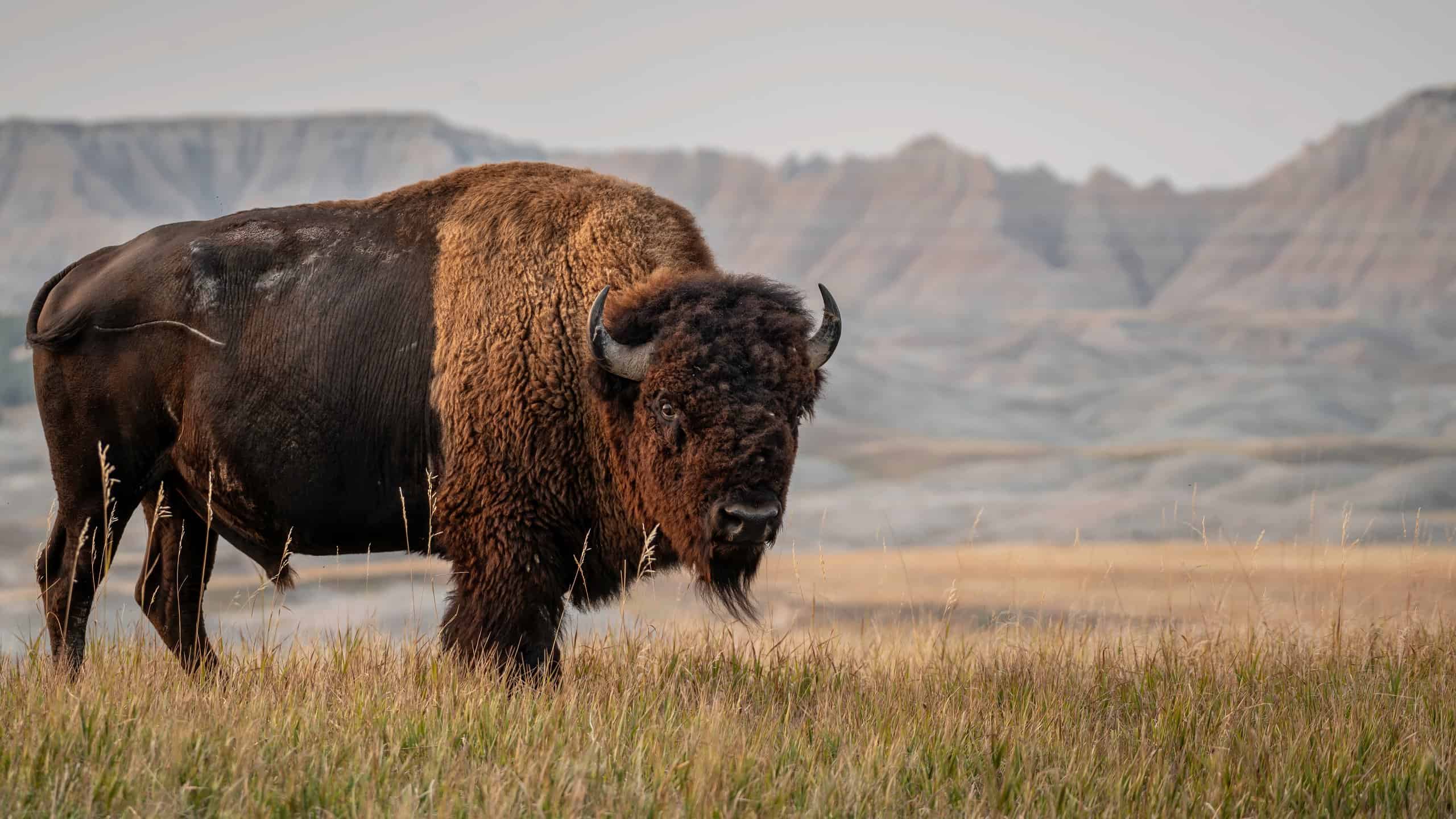
For full descriptions of the seven largest animals in Wisconsin, click here. The largest fish in Wisconsin is the Lake Sturgeon; largest bird is the sandhill crane; largest snake is the bullsnake; largest amphibian is the mudpuppy (a type of salamander); and the largest insect is the Carolina wolf spider. All of these are somewhat dwarfed by the largest mammal in the state: the American bison. With their gigantic heads, massive horns, and shaggy fur, the bison is also the largest animal in North America.

Endangered
Wisconsin’s endangered animals include:

  • Sheepnose – This animal with the weird name is a mussel that lives in freshwater rivers and streams. It’s on the endangered list due to habitat loss.
  • Karner Blue Butterfly – Although this strange and beautiful butterfly has been endangered since 1992, it’s not extinct. Some zoos are working to increase the population of this rare butterfly by breeding them in captivity and releasing them.
  • Eastern Massasauga – This endangered snake lives in the wetlands of Wisconsin. This snake was once at risk of becoming extinct because it was hunted as a pest. Now, though the population is increasing, it is still suffering from habitat loss.
  • Rusty Patched Bumble Bee – This bee is listed as Critically Endangered because its population has decreased by 87 percent over the last two decades. This decrease in population puts it at risk of becoming extinct. Pesticide usage and habitat loss are two reasons for the decreasing numbers.
  • Spectaclecase Mussel – Spectaclecases often grow larger than 9 inches in length and live in small clusters, distributed in freshwater rivers sporadically. While pollution is a huge cause for the decline of most spectaclecase populations, the invasive zebra mussel is also a primary concern.
  • Regal Fritillary – This butterfly has unique and distinct markings on its wings, with a row of spots along the base. It needs prairies and other tall grasslands to feed and reproduce, which is why the Midwest is the primary region it inhabits.

Rarest
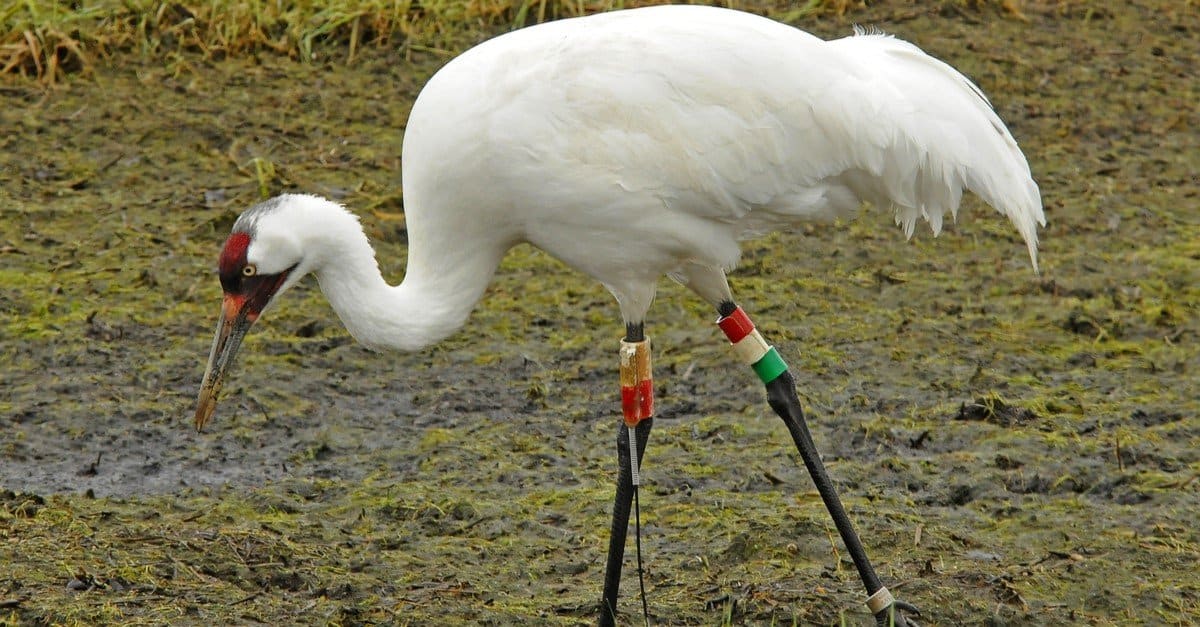
Whooping Crane – This endangered species disappeared from Wisconsin for several years. But young whooping cranes are now migrating to the state again along with groups of sandhill cranes. Biologists are seeing a slow increase in their population.

Officially declared endangered as early as 1967, whooping cranes are extremely rare in the wild. However, Wisconsin is a special place in that it is the first location where whooping cranes have nested naturally in over 100 years. This is largely credited to the Whooping Crane Eastern Partnership Reintroduction Project. This is a conservation effort dedicated to restoring the wild population of whooping cranes despite continued habitat loss and hunting that keep whooping crane populations at risk.

Flag
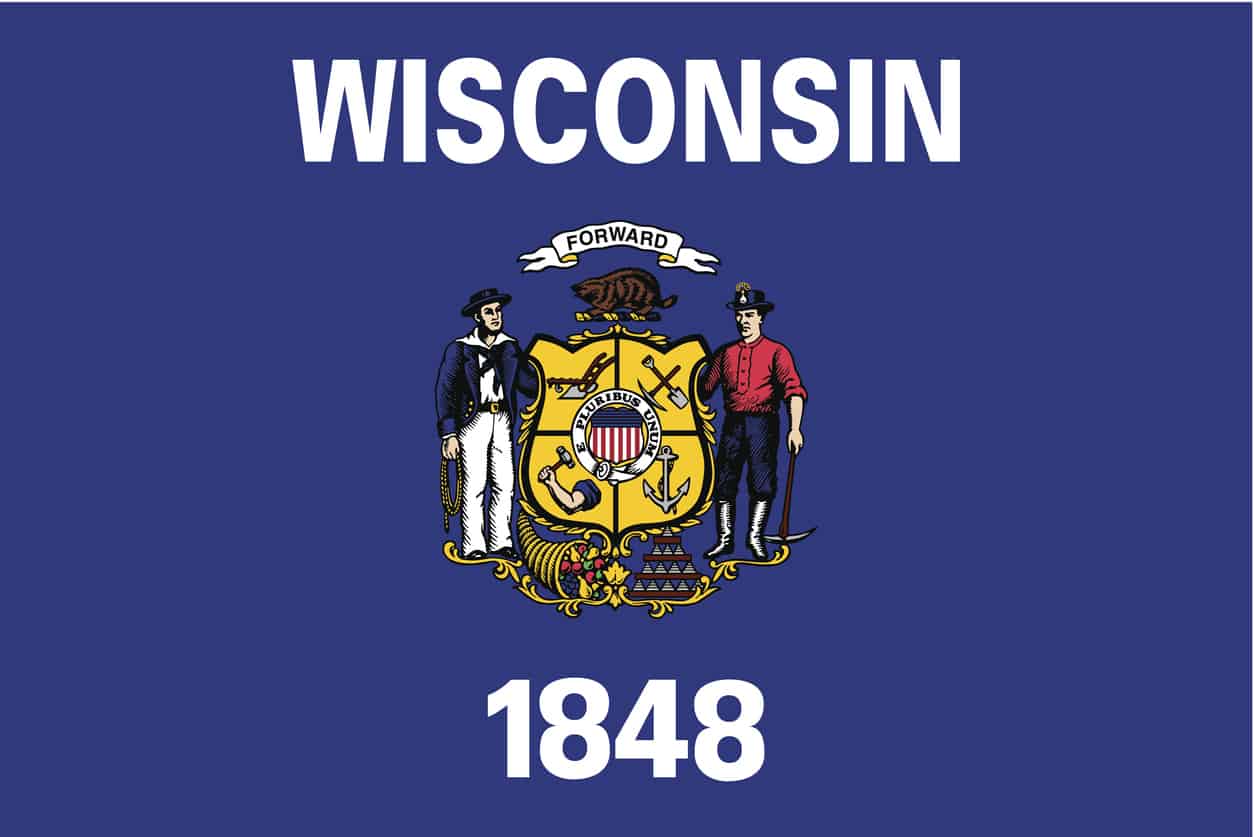
The flag of Wisconsin consists of a dark blue field with a central coat of arms, the name of the state, and the date it was admitted into the Union, 1848. At the center of the Coat of Arms is the US Coat of Arms, which symbolizes Wisconsin’s loyalty to the country.

There’s a sailor and a miner on the flag, both of whom represent the kind of work that existed back in 1863 when the state’s first flag was designed. Within the shield are symbols of the several trades that also existed back in the day: the plow for agriculture, the anchor for navigation, the pick and shovel for mining, and the arm and hammer for manufacturing. There’s a badger, the state animal, above the shield, and it symbolizes the nickname given to miners in those days because they lived in mine shafts that looked like badger holes.

Below the shield, on the left side, is a cornucopia, representing abundance and prosperity. A pyramid of 13 ingots on the right stands for the 13 original colonies and mineral wealth.

State Seal

The Wisconsin state seal was finalized in 1881 when Wisconsin officially became a state. It incorporates the state’s coat of arms and 13 stars to represent the 13 original American colonies. The seal appears on the official state flag as well.

More Articles Related to Wisconsin

Read about:

  • extinct animals that lived in Wisconsin.
  • the breathtaking waterfalls in Wisconsin.
  • the best Wisconsin lakes in Wisconsin.
  • the longest biking trail in Wisconsin.
  • the best national parks in Wisconsin.
  • the most common roaches in Wisconsin.
  • the best dog parks in Madison, Wisconsin.
  • Discover the Coldest Place in Wisconsin
  • Native trees to Wisconsin
  • Discover the Largest Forest in Wisconsin (And What Lives Within it)

Animals Found in Wisconsin

214 species documented in our encyclopedia

Thank you for reading! Have some feedback for us?