N S W E
Wildlife Expeditions

Wildlife of
Guam

Guam is a Micronesian wildlife crossroads where reef-rich seas meet limestone forests, shaped by island endemism and dramatic conservation challenges.
2 Species
544 km² Land Area
Overview

About Guam

Guam sits at the western edge of Micronesia, with tropical sea life and limestone forests. The island was long known for its unique native birds and bats. Today it is also known for conservation: habitat protection and species recovery help people see and learn about Guam’s nature. Main habitats include coral reefs and seagrass beds that support reef fish, sea turtles, and many invertebrates; mangrove-lined bays and estuaries that act as nurseries; and coastal cliffs and limestone (karst) forests that hold special plants and remaining native animals. Wetlands and coastal flats give resting and feeding sites to migratory shorebirds on the Pacific flyways, making seasonal birding important. Guam’s reefs and forests are easy to reach, and visitors can often see active restoration and biosecurity work. Because invasive species have changed much of the land life, wildlife encounters often show both loss and recovery.

Physical Features

Geography

Guam's north and south have different land types that make distinct wildlife homes: a northern uplifted limestone plateau with karst forests, caves, and cliffs, and southern volcanic uplands with more rain, ravines, and streams. Surrounding coral reefs, lagoons, and seagrass beds support rich marine life. Guam is a stopover for migratory and pelagic birds.

544 km² Land Area
2nd largest U.S. inhabited territory (after Puerto Rico) Size Rank
Territory Type
Elevation Range

Sea level to 406 m (Mount Lamlam)

Coastline

Entirely coastal island in the western Pacific (Philippine Sea); ~125.5 km of shoreline with extensive fringing reefs, lagoons, sandy beaches, and embayments (e.g., Apra Harbor).

Key Landscapes

Northern limestone plateau (karst) with limestone forest, sinkholes, and caves important for roosting and specialized flora/fauna Southern volcanic highlands and ridgelines (wetter, more topographically complex) supporting mixed forest and riparian corridors Coastal cliffs and headlands (especially along parts of the north and east coasts) providing nesting/roosting habitat for seabirds Short, steep watersheds and streams in the south (notably the Talofofo River system) creating riparian habitat and freshwater-to-estuary gradients Wetlands and marsh remnants (e.g., coastal lowland wetlands) supporting waterbirds and amphibious species where present Fringing coral reefs and reef flats that buffer shores and provide extensive habitat for reef fish and invertebrates
State Symbols

Official Wildlife Symbols

bird

Guam rail

wildflower

Bougainvillea

tree

Pacific teak

Parks & Reserves

Protected Areas

Guam's protected areas include federal sites (a National Park Service unit and U.S. military lands), a small National Wildlife Refuge, and territorial marine preserves and coastal parks managed by Guam. Protection focuses on coral reefs, seagrass beds, small limestone-forest patches, seabird nesting areas, and cultural coasts. Because of the brown tree snake, work also includes habitat protection, biosecurity, and restoration.

Protected Coverage

~15-25% of Guam's land area is under some form of formal protection or conservation-oriented management (federal/territorial parks, refuge, and designated conservation areas). Marine protected areas cover additional nearshore reef and lagoon habitats in multiple reserves; the protected share of coastal waters is significant but varies by definition and boundary source.

National Parks & Preserves

War in the Pacific National Historical Park (National Park Service)

2,054 acres (8.31 km²) across multiple units

A coastal, multi-unit NPS park protecting shoreline habitats, coastal strand, and adjacent waters that support seabirds, migratory shorebirds, and sea turtles, alongside historically significant WWII sites. Several units provide accessible wildlife viewing on reefs and beaches.

Green sea turtle (Chelonia mydas) Hawksbill sea turtle (Eretmochelys imbricata) Pacific reef heron (Egretta sacra) White tern (Gygis alba) Migratory shorebirds (e.g., Pacific golden plover)

State & Provincial Parks

Guam Territorial Seashore Park (multiple coastal units)

Multi-unit coastal park; combined acreage varies by unit definitions (approx.)

A territorial park system protecting beaches, coastal vegetation, and adjacent nearshore waters-important for seabirds, migrating shorebirds, and turtle use of coastal habitats. Some units overlap with or sit near marine preserves, improving habitat continuity along the coast.

White tern (Gygis alba) Pacific golden plover (Pluvialis fulva) Ruddy turnstone (Arenaria interpres) Green sea turtle (Chelonia mydas) Pacific reef heron (Egretta sacra)

Cocos Island Territorial Park (Cocos Lagoon area)

Small island park (tens of acres on land; lagoon/reef area adjacent; approx.)

A small offshore island/lagoon setting valued for seabird viewing and as a safer (predator-reduced) site used for conservation and species recovery efforts. Surrounding lagoon and reef habitat support diverse reef fish and invertebrates.

Guam rail (Hypotaenidia owstoni) - reintroduced population Brown noddy (Anous stolidus) White tern (Gygis alba) Green sea turtle (Chelonia mydas) Reef fish (parrotfishes, butterflyfishes)

Piti Bomb Holes Marine Preserve (Guam marine preserve)

Marine preserve (nearshore); exact boundary area varies by published source (approx.)

One of Guam's best-known nearshore snorkel/diving areas, protecting patch reefs, seagrass, and coral communities that support high fish biomass and nursery habitat. Excellent for wildlife viewing of reef fish and occasional turtles.

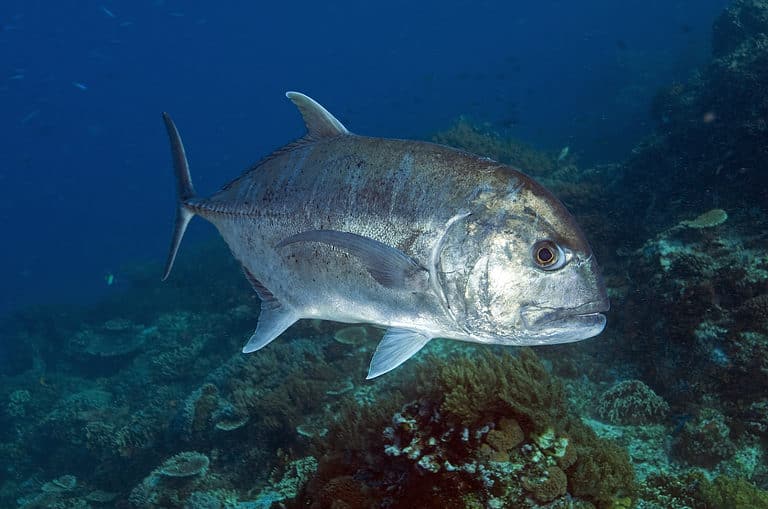
Bumphead parrotfish (Bolbometopon muricatum) Giant trevally (Caranx ignobilis) Reef sharks (occasional sightings) Green sea turtle (Chelonia mydas) Giant clams (Tridacna spp.)

Wildlife Refuges

Guam National Wildlife Refuge - Ritidian Unit (U.S. Fish & Wildlife Service)

About 1,100 acres (approx.)

A unit of the U.S. National Wildlife Refuge System on northern Guam that protects limestone forest, coastal cliffs, and beach habitat. It provides important habitat for Guam's remaining native wildlife and for migratory birds.

Mariana fruit bat (Pteropus mariannus) Mariana swiftlet (Aerodramus bartschi) Micronesian starling (Aplonis opaca) White-throated ground dove (Gallicolumba xanthonura) Migratory shorebirds (for example, Pacific golden plover)

Guam National Wildlife Refuge - Andersen Air Force Base Unit (U.S. Fish & Wildlife Service)

Approximately 21,000-22,000 acres (approx.; refuge lands within/associated with Andersen Air Force Base)

A second unit of the Guam National Wildlife Refuge System located within Andersen Air Force Base that protects large areas of northern Guam habitat managed for wildlife conservation in coordination with the Department of Defense.

Mariana fruit bat (Pteropus mariannus) Mariana swiftlet (Aerodramus bartschi) Micronesian starling (Aplonis opaca) White-throated ground dove (Gallicolumba xanthonura)

Wilderness Areas

  • No federally designated Wilderness Areas exist on Guam, but the most wilderness-like/roadless landscapes include:
  • Ritidian Point limestone-forest interior and coastal cliffs (far north Guam)
  • Northwest Field limestone forest blocks on Andersen AFB (relatively roadless tracts)
  • Haputo/Uruno coastal cliffs and adjacent undeveloped shoreline (northwest Guam)
  • Pagat limestone forest/cave area and surrounding undeveloped coastal parcels (northeast Guam; fragmented but locally roadless)
  • Steep southern uplands and ravines around Mount Lamlam-Bolanos ridge (pockets of rugged terrain with fewer roads)
Animals

Wildlife

Guam has very rich tropical marine life — coral reefs, seagrass, and pelagic visitors — but its land animals are much changed. Native limestone forests once had many endemic birds, but the invasive brown tree snake caused big losses and local extinctions, leaving quieter forests. Conservation focuses on marine protection and reef health and on strong invasive species control, fenced refuges, and reintroductions for native birds and bats. Guam is on major western Pacific flyways, so seasonal migrants and shorebirds add to birding.
~10-15 terrestrial species present (only a few native, mainly bats; many introduced such as deer, pigs, rats). Mammals
~120-170 species recorded overall (including migrants and seabirds); only a small subset are native breeders today. Birds
~25-40 (mix of native lizards/snakes plus introduced species; sea turtles are key nearshore reptiles). Reptiles
~1-3 (mostly introduced, e.g., cane toad). Amphibians
~800-1,200+ marine fish species recorded/expected around reefs and offshore waters (reef and pelagic). Fish
Examples

Iconic Species

Green Sea Turtle A flagship nearshore species; seen in lagoons and reef flats and nests on some Guam beaches, making it one of the most sought-after wildlife encounters for divers and beachgoers.
Hawksbill Sea Turtle A celebrated (and globally imperiled) reef-associated turtle; divers prize sightings along coral-rich reef slopes where it feeds and shelters.
Spinner Dolphin Frequently encountered in Guam's coastal waters; known for acrobatic spinning leaps and a classic 'tropical Pacific' marine-mammal experience.
Humpback Whale
Humpback Whale Seasonal visitor in winter/spring during migration and breeding movements in Micronesia; whale-watching opportunities occur in some years.
Mariana fruit bat Guam's most iconic native land mammal; a large flying fox that is culturally important and a key forest pollinator/seed disperser.
Coconut Crab
Coconut Crab The world's largest land arthropod; a nighttime 'bucket list' species on Guam and nearby islets, emblematic of intact coastal forest and limestone habitats.
Mariana Monitor Lizard A striking, top terrestrial predator in Guam's remaining forest and scrub habitats; sightings highlight the island's distinctive Micronesian reptile fauna.
Guam rail Guam's conservation symbol-often sought at managed sites because it represents one of the most dramatic island bird recovery efforts in the Pacific.

Endemic & Rare Species

Guam rail

Hypotaenidia owstoni

Endangered (ESA); endemic; extirpated from much of Guam historically, with reintroduced/managed populations

A Guam endemic driven to near-extinction largely by brown tree snake predation; recovery relies on predator control, captive breeding, and reintroductions on Guam and snake-free areas.

Micronesian kingfisher (Guam kingfisher)

Todiramphus cinnamominus

Extinct in the wild; maintained via captive breeding with planned/ongoing recovery actions

Once a defining forest bird on Guam; its loss is a hallmark of the brown tree snake's impact and it is central to high-profile restoration and reintroduction planning.

Mariana crow

Corvus kubaryi

Critically Endangered (IUCN) / Endangered (United States Endangered Species Act)

The Mariana crow is a native bird of the Mariana Islands. It used to live on Guam but was wiped out there; it now lives mainly on Rota and faces threats like the invasive brown tree snake and habitat loss.

Mariana Swiftlet

Aerodramus bartschi

Endangered (ESA)

A cave/forest-associated swiftlet with a restricted range; conservation focuses on protecting roosting/nesting sites and reducing predation pressures.

Hawksbill Sea Turtle

Eretmochelys imbricata

Critically Endangered (global)

Guam's reefs provide important foraging habitat; protecting reefs and reducing bycatch/disturbance support a species of very high global conservation concern.

Green Sea Turtle

Chelonia mydas

Endangered/Threatened (varies by population; globally threatened)

Guam supports nesting and foraging habitat; local beach protection and marine management contribute to regional recovery.

Notable Populations

  • Coral reef fish diversity around Guam is regionally notable in Micronesia, supporting high reef-fish richness and associated predator assemblages.
  • Regionally important foraging and (limited) nesting habitat for sea turtles (green and hawksbill) in the Mariana Islands context.
  • A strategic stopover and seasonal use area for migratory shorebirds and seabirds moving through western Pacific flyways (especially along coasts, wetlands, and offshore waters).
  • Remnant native forest bird populations (e.g., Mariana crow, Mariana swiftlet) represent some of the last surviving components of Guam's original avifauna.

Recent Changes

  • Major historical decline/extirpation of many native forest birds due to invasive brown tree snake predation; the snake remains a primary driver shaping terrestrial wildlife patterns.
  • Ongoing reintroduction and managed recovery efforts for Guam rail, including releases in controlled areas and continued captive breeding and monitoring.
  • Micronesian kingfisher remains extinct in the wild, but conservation programs have advanced toward reestablishing wild populations contingent on effective snake suppression and secure release sites.
  • Continued invasive-species pressures (snakes, rats, feral cats, introduced ungulates) and habitat degradation influence recovery of native wildlife and forest regeneration.
  • Marine ecosystems face periodic stress from warming-driven coral bleaching and storm impacts (typhoons), affecting reef condition and the species that depend on live coral habitat.
Visit

Wildlife Viewing

Guam has varied wildlife in coral reefs, seagrass beds, limestone forests, wetlands, and coastal cliffs. Best for visitors are snorkeling and diving with reef fish, turtles, rays and sometimes dolphins, plus coastal and wetland birding when they migrate. On land, native wildlife is limited by invasive species, but Micronesian forest birds can still be found in protected areas.

Best Seasons

Dec-Apr (Dry season / trade winds, peak visibility)

Best overall conditions for snorkeling and diving: clearer water and calmer seas on many leeward shores (conditions vary by coastline). Great time for shore-based turtle and reef-fish viewing, and comfortable hiking in limestone forest. Winter is also a strong window for migratory shorebirds and seabirds using Guam as a stopover.

May-Jun (Shoulder season)

Warm, generally good water visibility with fewer crowds. Productive time for reef life activity and comfortable conditions for combining boat trips (dolphin/reef cruises) with birding at wetlands. Afternoon heat rises-plan land wildlife walks early/late.

Jul-Nov (Wet season / typhoon risk)

Lush landscapes and active marine life, but expect heavier rain, rougher seas at times, and occasional storm closures. Visibility can drop after runoff; choose sheltered coves or days with calmer conditions. This period can still be rewarding for turtles, reef fish, and pelagic bird sightings from cliff lookouts between weather systems.

Year-round (Special notes)

Sea turtle encounters are possible year-round while snorkeling/diving (always observe from a respectful distance). Birding is year-round, with added diversity during migration; time your outings around cooler early mornings and tides for shorebirds.

Top Wildlife Experiences

  • Snorkel Piti Bomb Holes Marine Preserve: drift or fin over coral heads and sand patches to see dense reef fish schools, sea cucumbers, giant clams, and often turtles. Go at high tide for easier access.
  • Turtle-focused snorkel at Tumon Bay Marine Preserve (Tumon): look for green sea turtles cruising the reef edge and grazing areas; pair with a night shoreline walk (no lights on nesting beaches) to learn about turtle conservation etiquette and nesting-season rules.
  • Dolphin and reef-wildlife boat trip off Guam's west coast (departures commonly from Agat/Apra area): scan for spinner dolphins and flying fish en route, then snorkel on offshore reefs for higher fish diversity than many nearshore spots.
  • Birding loop at Guam National Wildlife Refuge - Ritidian Point (northern Guam): walk forest-to-coast trails for Micronesian forest birds, then scan the shoreline and cliffs for seabirds; time for early morning and bring binoculars for canopy viewing.
  • Wetland and shorebird watch at the Asan area and other accessible coastal flats (best on falling/low tides): look for migratory sandpipers, plovers, and herons/egrets; combine with a sunset scan for passing seabirds.
  • Scuba dive "blue water" drop-offs and reef walls (sites vary by operator; often accessed by boat): look for larger reef fish, rays, and seasonal pelagics; choose calmer-day windows and ask operators about sites with minimal surge.
  • Sunset seabird lookout from northern clifflines (near Ritidian and other safe viewpoints): bring a scope/binoculars to watch terns and other seabirds commuting to roost; excellent for photographers in golden light.

Wildlife Watching Types

Snorkeling and reef observation (marine preserves, lagoons, and reef flats) Scuba diving (reef walls, offshore reefs, and drop-offs) Sea turtle viewing (from shore, snorkel, or dive; potential nesting-beach education where permitted) Dolphin watching (boat-based, typically west-coast routes) Birding in limestone forest (native and endemic Micronesian birds in protected habitats) Shorebird and wetland birding (migratory stopover viewing; tide-timed) Seabird watching from coastal cliffs and headlands Night wildlife and nature walks (limited; best as guided interpretation focused on ecology and conservation)

Guided Options

  • NOAA Coral Reef Conservation Program / local partner outreach events: periodic reef-safe snorkeling education, coral-reef interpretation, and citizen-science style activities (availability varies).
  • Guam Department of Agriculture - Division of Aquatic and Wildlife Resources (DAWR): conservation updates, seasonal guidance, and occasional public programs related to native species and habitats.
  • Guam National Wildlife Refuge (U.S. Fish & Wildlife Service) - Ritidian Unit: ranger/interpretive resources and site rules; check for any guided walks, access updates, or seasonal restrictions.
  • Local dive operators (boat dives and snorkel excursions): request 'naturalist-style' briefings on reef species, turtles, and responsible wildlife interaction; many can tailor trips for photographers.
  • Dolphin-and-snorkel charter operators (west coast): combined wildlife cruise + reef snorkel; choose operators that follow responsible distance and no-chase practices.
  • Community conservation groups and university-linked initiatives (periodic): beach cleanups, reef monitoring, and educational hikes that can be a rewarding way to see wildlife while supporting stewardship.
Habitats

Ecosystems

Guam is a small volcanic-and-limestone island ringed by coral reefs and deep ocean. On land, limestone forests, ravine (riparian) forests, and fire-influenced savanna and grasslands form a patchwork shaped by soils, karst, typhoons, and human use. Coastal mangroves and estuaries are small but vital. Offshore are fringing reefs, seagrass areas, and deep pelagic waters.

Biomes

Tropical Rainforest

Moist evergreen forests persist mainly in sheltered ravines and wetter uplands, with dense canopy and high humidity; much is secondary or fragmented due to historical land use and invasive species.

Patchy and localized-most common in wetter ravines/valleys and upland pockets rather than continuous island-wide cover.

Tropical Dry Forest

Limestone (karst) forests and coastal strand-associated woodlands on the northern plateau and some leeward sites, with drought-tolerant native trees and thin soils over limestone.

Historically widespread on limestone areas; today fragmented remnants, especially across northern Guam and some coastal/leeward zones.

Savanna

Fire- and disturbance-maintained savanna/grassland and scrubby vegetation (often swordgrass/fern-dominated) on nutrient-poor or lateritic soils, especially in southern Guam; can represent degraded forest landscapes.

Notable across parts of southern Guam and other disturbed landscapes; extent varies with fire regime and land management.

Freshwater

Short streams and small watersheds with riparian corridors; lentic freshwater is largely represented by reservoirs (e.g., Fena Valley Reservoir) and small impoundments rather than natural lakes.

Limited area but distributed across drainage networks; most surface water features are small and seasonal/flashy.

Wetland

Mangroves, estuaries, freshwater marshy areas, and lowland wet depressions that provide nursery habitat and bird stopover resources; wetlands are scarce but highly valuable.

Very limited, mainly in a few coastal embayments/estuaries and low-lying floodplains.

Marine

Fringing coral reefs, reef flats, lagoons/reef-associated soft bottoms, and steep fore-reef slopes that quickly transition to deep pelagic waters around the island.

Extensive around the entire coastline and into surrounding waters; reef development varies with exposure and coastal geomorphology.

Habitats

Forest

Mixed native forest remnants and secondary forests, including limestone forest on the north plateau and mixed forest in the south; many stands are affected by invasive plants and altered disturbance regimes.

Rainforest

Moist evergreen/ravine forest pockets with dense understory and higher moisture availability, often along protected drainages.

Woodland

Open-canopy limestone woodland and coastal strand woodland elements on thin karst soils and wind-exposed sites.

Grassland

Open grass-dominated areas, including managed/abandoned fields and fire-influenced grasslands, especially in southern Guam.

Savanna

Swordgrass/fern savanna and scrubby savanna mosaics maintained by frequent fires and poor soils; important for certain bird and invertebrate assemblages but often represents anthropogenic conversion.

Shrubland

Coastal and disturbed shrub communities, including early-successional thickets and scrub on dry/exposed sites.

Mountain

Southern volcanic uplands and ridgelines (e.g., Mount Lamlam area) with steep slopes, thin soils, and strong typhoon exposure shaping vegetation structure.

Cliff/Rocky Outcrop

Limestone and volcanic sea cliffs and interior karst bluffs that provide nesting/roosting sites and specialized plant niches.

Cave

Limestone (karst) caves and rock shelters in the north; important microhabitats for bats/invertebrates and groundwater interactions where present.

River/Stream

Short, steep streams and riparian corridors (e.g., Ugum River system) that respond rapidly to heavy rain and typhoons.

Lake

Reservoir habitat (notably Fena Valley Reservoir) supporting freshwater communities and serving as a key water source.

Wetland

Small freshwater wet areas and riparian wetlands that expand/contract with rainfall; important for water quality and migratory birds.

Marsh

Localized freshwater marshy patches and wet grassy depressions, often near low-gradient reaches or impounded areas.

Mangrove

Small but ecologically significant mangrove stands in sheltered bays/estuaries (e.g., Apra Harbor-associated and other protected inlets), functioning as nurseries and shoreline buffers.

Estuary

Stream mouths and sheltered embayments with brackish mixing, supporting juvenile fishes and invertebrates and providing bird foraging habitat.

Coastal

Coastal strand, dune/berm vegetation, and nearshore habitats influenced by salt spray, storm surge, and typhoons.

Beach

Sandy beaches and pocket beaches used by shorebirds and as human recreation areas; dynamics strongly influenced by storms and coastal development.

Rocky Shore

Wave-exposed limestone benches and volcanic rock shorelines with intertidal communities and surge channels.

Coral Reef

Fringing reefs and patchy reef development around Guam; includes reef flats, spur-and-groove zones, and fore-reef slopes supporting high fish and coral diversity (variable condition by site).

Seabed/Benthic

Nearshore sand/rubble bottoms and deeper benthic substrates surrounding the island, including reef-associated sediments and slope habitats.

Open Ocean

Pelagic waters immediately offshore with a rapid transition to deep water; important for migratory species and regional connectivity.

Deep Sea

Steep island slopes and adjacent deep pelagic/benthic environments in the Mariana region beyond the reef edge, influenced by oceanic currents and upwelling variability.

Urban

Dense built environments (notably around Hagatna (Agana) and Tumon/Tamuning) with highly modified coastlines and altered runoff regimes.

Suburban

Residential and mixed-use areas expanding into former agricultural and secondary forest lands, fragmenting terrestrial habitats.

Agricultural/Farmland

Mixed small-scale agriculture and cleared lands, contributing to a patchwork of open habitats and secondary succession.

Plantation

Localized managed tree crops and planted stands (historically and presently), contributing to simplified habitat structure compared to native forest.

Ecoregions

WWF: Mariana Islands tropical dry forests MEOW (marine): Mariana Islands (Micronesia Province, Central Indo-Pacific Realm)
Protection

Conservation

Primary Threats

  • Invasive predators and competitors drive most native wildlife losses on Guam. The brown treesnake (Boiga irregularis) caused near-total collapse of native forest birds and still stops their recovery. Feral cats, rats, monitor lizards, invasive plants, ants and other invertebrates harm eggs, spread disease, change forests, and disrupt food webs.
  • Limestone forest and wetland/riparian habitats have been reduced and fragmented by development, road networks, and land conversion, limiting space for reintroductions and increasing edge effects (predation, invasive plant colonization). Coastal habitat alteration also affects seabird nesting and turtle use of beaches.
  • Military and civilian infrastructure footprint (roads, utilities, facilities) increases fragmentation and creates pathways for invasive species spread. Construction and earthmoving can elevate sediment runoff into reefs and seagrass beds. Night lighting and human activity can disturb nesting seabirds and sea turtles in coastal areas.
  • Frequent wildfires-often human-caused-convert native forest to degraded scrub/grass, reduce canopy cover needed by native fauna, and increase erosion into nearshore waters. Hydrologic alterations and channelization in some watersheds can affect freshwater-dependent species and increase sediment transport.
  • Growth around population centers expands impervious surfaces and stormwater runoff, intensifying flash flows and sediment delivery to reefs. Increased coastal recreation and nearshore use raise disturbance levels and can degrade reef flats through trampling and anchor damage.
  • Land-based sources (sediment, nutrients, and contaminants) from construction sites, roads, and inadequate stormwater controls contribute to reef stress and algal blooms. Marine debris and lost fishing gear affect reef organisms and sea turtles; localized wastewater/storm overflow issues can elevate bacterial loads at beaches.
  • Ocean warming drives coral bleaching and disease susceptibility; sea-level rise and stronger storms accelerate coastal erosion and damage reef structure. Shifts in rainfall patterns can intensify drought-fire cycles and increase extreme runoff events that smother corals with sediment. Warming may also expand suitable conditions for some invasive species.
  • High fishing pressure in accessible nearshore areas can reduce key herbivores and predators, weakening reef resilience to bleaching and algal overgrowth. Targeted harvest of reef fish and invertebrates can alter community structure, especially where habitat quality is already compromised by runoff and warming.
  • Recreation (snorkeling/diving, shoreline use), coastal lighting, and beach activity can disturb seabirds and sea turtle nesting/foraging areas. Off-road use and informal trails can increase erosion on steep limestone terrain, feeding sediment to reefs.
  • Warmer water and poor water quality make coral disease and bleaching worse. Invasive animals, for example cats that spread toxoplasmosis, raise wildlife disease risks and can hurt Guam's native species recovery. Biosecurity aims to stop new pests and pathogens.
Fun Facts

Did You Know?

Guam's "extinct-in-the-wild" birds aren't all gone: the Guam rail (Hypotaenidia owstoni) disappeared from the wild on Guam by the late 1980s, but survived through captive breeding and has been reintroduced on nearby Cocos Island (off Guam) and other sites.

With many insect-eating birds gone, Guam's forests show dramatic ripple effects: research comparing Guam to nearby islands has found forest spider abundance up to ~40× higher on Guam-an ecological cascade from losing birds.

The brown tree snake doesn't just hunt wildlife-it also causes blackouts: snakes climbing power poles and bridging electrical equipment have been a well-documented source of power interruptions on Guam.

Guam's Mariana fruit bat (Pteropus mariannus) is one of the island's few native mammals and a key seed disperser; when bat numbers drop, native limestone-forest tree regeneration can suffer.

Guam's beaches and nearshore waters are part of a Pacific "rest stop" for threatened reptiles: green turtles (Chelonia mydas) and hawksbill turtles (Eretmochelys imbricata) use Guam for nesting and foraging, linking the island to wider Micronesian migratory pathways.

Guam is home (though now rare) to the coconut crab (Birgus latro), the world's largest land-dwelling arthropod-adults can reach ~4 kg and span close to 1 m from leg to leg.

In some Guam habitats, brown tree snake (Boiga irregularis) densities have been estimated at roughly 10,000-13,000 snakes per square mile (~4,000-5,000 per km²), among the highest snake densities ever recorded.

Guam is the nearest big island to the Mariana Trench’s Challenger Deep, the ocean’s deepest point (~10.9 km). Very deep animals, like the hadal snailfish (Pseudoliparis swirei), live below about 8 km.

By the late 1980s, Guam lost about 10 of its 12 native forest birds across most of the island. The collapse, blamed on the introduced brown tree snake, is among the most severe invasive predator losses.

Thank you for reading! Have some feedback for us?