N S W E
Wildlife Expeditions

Wildlife of
Pennsylvania

From elk bugles in the Alleghenies to raptor flyways over ridges and Lake Erie marshes, Pennsylvania packs big wildlife into a crossroads of eastern habitats.
225 Species
115,883 km² Land Area
Overview

About Pennsylvania

Pennsylvania sits where the Appalachians, the Great Lakes, and big Atlantic-draining rivers meet. Hardwood forests, hemlock ravines, reclaimed mine lands, farms, and urban river corridors make a patchwork that supports classic eastern mammals and birds and notable recoveries like the free-ranging elk herd. Appalachian ridges and valleys form an important raptor migration corridor, and the forested Allegheny Plateau holds large areas of mixed hardwoods used by black bear, wild turkey, and interior songbirds. Wetlands and floodplains along the Susquehanna and Delaware serve as stopovers for waterfowl, shorebirds, and spawning fish. Lake Erie's Presque Isle and coastal marshes add Great Lakes bird diversity. This mix links northern and southern species and channels migrating birds, giving visitors quiet deep woods and easy wildlife shows—elk viewing, hawk-watching, and spring warbler variety.

Physical Features

Geography

Pennsylvania is in the Appalachians, where ridges, forested plateaus, and big river basins create changes in elevation, climate, and land use. Temperate hardwood and mixed forests cover uplands and support interior and high-elevation species. River valleys, floodplains, and glaciated wetlands provide migration corridors and wet habitat. Farms and suburbs create edge and fragmented areas that favor generalist and early-successional species.

115,883 km² (land area) Land Area
33rd largest U.S. state Size Rank
State Type
Elevation Range

~0 m (Delaware River at sea-level-influenced tidal reach) to 979 m (Mount Davis)

Coastline

No ocean coastline; ~81 km (51 mi) of Lake Erie shoreline in the northwest, plus a tidal river/estuary interface along the lower Delaware River.

Key Landscapes

Appalachian Mountains system, including the Ridge-and-Valley province (long, linear ridges and valleys that channel movement and create rain-shadow/temperature differences) Allegheny Plateau (large, forested uplands with headwater streams; important for forest interior wildlife and coldwater aquatic systems) Pocono Mountains and glaciated northeastern highlands (cooler climate, peatlands/bogs, and lakes influencing boreal-leaning species and wetland specialists) Laurel Highlands and higher-elevation ridges (montane forests and rocky habitats; elevational refugia for cool-adapted communities) Susquehanna River basin (state-spanning watershed with major floodplain habitats, riparian forests, and migratory pathways for birds and anadromous fish restoration) Delaware River basin and tidal Delaware River/estuary zone in the southeast (riparian wetlands and brackish-to-freshwater gradients supporting diverse fish, waterfowl, and marsh species)
State Symbols

Official Wildlife Symbols

animal

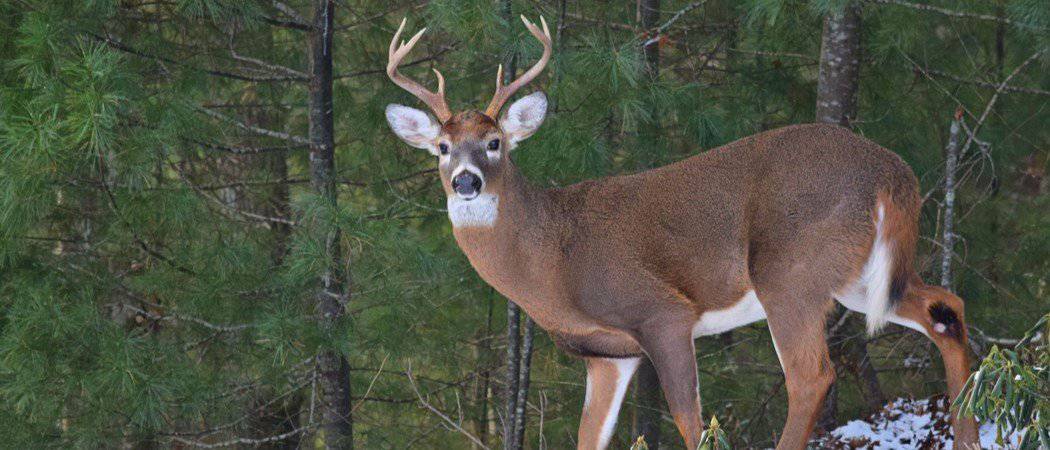
White-tailed deer

Designated 1959

bird

Ruffed grouse

Designated 1931

fish

Brook trout

Designated 1970

insect

Firefly

Designated 1974

wildflower

Mountain laurel

Designated 1933

tree

Eastern hemlock

Designated 1931

Parks & Reserves

Protected Areas

Pennsylvania's protected lands include federal areas like Allegheny National Forest and National Park Service river units, state forests and parks for habitat and recreation, State Game Lands for wildlife and hunting. Across Appalachian ridges and valleys, Allegheny Plateau and Great Lakes, these areas protect hardwood forests, hemlock ravines, wetlands, grasslands and corridors for migratory birds, native fish and large mammals.

Protected Coverage

~16% of Pennsylvania's land area is under some form of public conservation/protection (federal, state forest/park, and wildlife management holdings; exact totals vary by definition).

National Parks & Preserves

Delaware Water Gap National Recreation Area

~70,000 acres

A large, forested river corridor and ridge-and-valley landscape along the Middle Delaware River with high biodiversity, extensive riparian habitat, and strong raptor and migratory bird viewing-especially along the Kittatinny Ridge flyway.

Bald eagle Black bear Bobcat River otter Timber rattlesnake

Allegheny National Forest (USFS)

~513,000 acres

Pennsylvania's only national forest protects a large block of northern hardwood forest, hemlock ravines, wetlands, and the Allegheny Reservoir shoreline-important for forest interior birds, beaver wetlands, and wide-ranging mammals.

Black bear Bald eagle Beaver White-tailed deer Ruffed grouse

Upper Delaware Scenic and Recreational River (NPS)

~73 river miles (corridor unit)

A free-flowing stretch of the Upper Delaware River forming part of Pennsylvania's northeastern border; noted for high-quality river habitat supporting eagles, otters, turtles, and migratory/run fish, plus excellent paddling-based wildlife viewing.

Bald eagle Osprey River otter Wood turtle American shad

Appalachian National Scenic Trail (Pennsylvania corridor)

~229 trail miles in Pennsylvania (linear corridor)

A long, largely forested ridgeline corridor across the state that functions as a major movement route and raptor migration flyway, with rocky outcrops and oak forests supporting reptiles and diverse songbirds.

Broad-winged hawk Black bear Timber rattlesnake Scarlet tanager Ruffed grouse

State & Provincial Parks

Presque Isle State Park

~3,200 acres

A sandy Lake Erie peninsula with dunes, lagoons, marshes, and shoreline that is one of Pennsylvania's premier birding hotspots-especially during spring and fall migration.

Snowy owl (winter visitor) Redhead (diving duck) Common tern Warblers (migratory assemblage) Monarch butterfly

Ricketts Glen State Park

~13,050 acres

Old-growth-influenced hemlock ravines, waterfalls, and cold streams that support sensitive woodland birds and amphibians; strong habitat connectivity with surrounding state forest lands.

Black bear Bobcat Pileated woodpecker Brook trout Northern dusky salamander

Ohiopyle State Park

~19,000 acres

Youghiogheny River gorge, rhododendron thickets, and mixed hardwood forests create high-quality riparian and interior-forest habitat; good for songbirds, mammals, and river-focused wildlife viewing.

Louisiana waterthrush Black bear Wild turkey Beaver Barred owl

Cook Forest State Park

~8,500 acres

Famous for stands of old-growth eastern hemlock and white pine along the Clarion River-key habitat for forest specialists and cavity-nesting birds, with quiet river corridors for mammals.

Pileated woodpecker Barred owl Black bear River otter Scarlet tanager

Wildlife Refuges

John Heinz National Wildlife Refuge at Tinicum

~1,200 acres

The largest remaining freshwater tidal marsh in Pennsylvania, embedded in the Philadelphia metro area; exceptional for waterfowl, wading birds, and spring/fall migration stopovers.

Great blue heron Bald eagle Wood duck Muskrat Snapping turtle

Erie National Wildlife Refuge

~8,200 acres

A glacial landscape of wetlands, shrublands, and recovering forests critical for breeding waterfowl, amphibians, and migrating songbirds; strong wildlife photography potential in spring and summer.

American woodcock Trumpeter swan Beaver Sandhill crane Bobcat

Cherry Valley National Wildlife Refuge

~2,700+ acres protected (authorized boundary larger; refuge is acquisition-based)

A network of protected wetlands, headwater streams, and grasslands in the Poconos region; notable for rare wetland-dependent species and grassland birds, plus habitat connectivity along the Kittatinny Ridge area.

Bog turtle Henslow's sparrow American woodcock Bobolink Monarch butterfly

Middle Creek Wildlife Management Area (Pennsylvania Game Commission)

~6,000+ acres

A flagship state-managed wildlife area centered on a large lake and wetlands, famous for massive spring staging of migratory waterfowl and dependable eagle and raptor viewing.

Tundra swan Snow goose Bald eagle Northern harrier Great egret

Wilderness Areas

  • Hickory Creek Wilderness (Allegheny National Forest) - the largest designated federal wilderness in Pennsylvania
  • Allegheny Islands Wilderness (Allegheny National Forest) - river islands managed for natural conditions and nesting birds
Animals

Wildlife

Pennsylvania’s wildlife lives in big forests of the Appalachian Plateau and Ridge-and-Valley, large rivers like the Delaware and Susquehanna, and a mix of wetlands, cold streams, and farm valleys. The state has forest animals — white-tailed deer, black bear, beaver, and wild turkey — and many migrating birds using major flyways and stopover sites like the Lake Erie shoreline and Kittatinny Ridge. Coldwater fisheries and headwater streams support native brook trout. Scattered wetlands and rocky habitats support reptiles and amphibians, including several species of conservation concern.

~70-75 species Mammals
~430-450 species recorded (with ~200+ regular breeders) Birds
~35-40 species Reptiles
~40-45 species Amphibians
~160-170 species (freshwater and migratory) Fish
Examples

Iconic Species

American Black Bear
American Black Bear A signature large mammal of Pennsylvania's big woods; sightings and sign are common in extensive forest regions, and the state supports one of the largest black bear populations in the Northeast.
White-tailed Deer
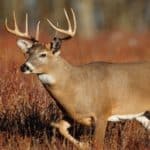
White-tailed Deer The most visible large wildlife across forests, farmlands, and suburbs; it strongly shapes the state's ecology and is central to wildlife viewing and hunting culture.
Rocky Mountain Elk (Pennsylvania elk herd) Pennsylvania's free-ranging elk are a major wildlife draw in north-central counties, especially during the fall rut when bugling and herd behavior are prominent.
Bald Eagle
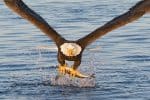
Bald Eagle A conservation success story with widespread nesting along major rivers and reservoirs; winter concentrations and nest viewing are popular statewide.
Wild Turkey
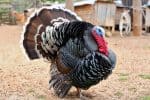
Wild Turkey Common in forest edges and rural landscapes; an emblematic Appalachian species and a frequent, charismatic sight in many counties.
North American Beaver A keystone wetland engineer whose dams create habitat for waterfowl, amphibians, and fish; beaver wetlands are widespread and highly visible.
Bobcat
Bobcat A recovering forest carnivore and a prized sighting in wilder landscapes, particularly across the central and northern mountains.
River Otter
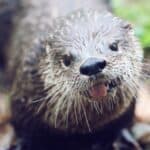
River Otter Now re-established in many watersheds; playful behavior and tracks are a highlight along cleaner rivers and large streams.
Brook Trout (native strains) The state fish and an emblem of cold, clean headwater streams; native populations in forested watersheds define much of Pennsylvania's trout identity.
Timber Rattlesnake
Timber Rattlesnake An iconic Appalachian reptile associated with rocky ridges and talus slopes; locally common in suitable habitat but sensitive to disturbance and persecution.

Endemic & Rare Species

Bog Turtle

Glyptemys muhlenbergii

Federally Threatened (U.S.); rare and highly vulnerable to wetland loss and illegal collection

Occurs in a small number of specialized spring-fed fens and wet meadows; Pennsylvania is important in the species' Mid-Atlantic range.

Indiana Bat

Myotis sodalis

Federally Endangered; major declines from white-nose syndrome and habitat pressures

Uses caves/mines for hibernation and forested riparian areas for summer foraging; Pennsylvania contains hibernacula and summer habitat of regional importance.

Northern Long-eared Bat

Myotis septentrionalis

Federally Endangered (U.S.); severely impacted by white-nose syndrome

A forest-interior bat that has experienced dramatic declines; monitoring and forest-roost protection are key conservation needs in the state.

Eastern Hellbender

Cryptobranchus alleganiensis

State imperiled in many areas; sensitive to siltation, warming, and disease

A large, fully aquatic salamander that depends on cold, rocky streams with high water quality-an indicator of intact river ecosystems in parts of Pennsylvania.

Eastern Massasauga

Sistrurus catenatus

State endangered (Pennsylvania); globally vulnerable in many regions due to wetland loss

Restricted to a small area of the state (historically in glacial/wetland landscapes of the northwest); Pennsylvania populations are among the most range-limited in the Appalachians/Mid-Atlantic.

Allegheny Woodrat

Neotoma magister

State-listed/declining regionally; affected by habitat fragmentation and disease/parasites

Tied to rocky outcrops and talus slopes; Pennsylvania is part of the core Appalachian range where local extirpations have occurred.

Appalachian Cottontail

Sylvilagus obscurus

Uncommon and often locally rare; reliant on young forest/shrub habitats

A higher-elevation, brushy-habitat rabbit of the Appalachians; persistence depends on maintaining early-successional habitat patches.

Cerulean Warbler

Setophaga cerulea

Species of conservation concern; long-term population declines

Breeds in mature deciduous forests, especially along river corridors and in large forest blocks; Pennsylvania's interior forests support important breeding pockets.

Notable Populations

  • One of the largest free-ranging elk herds in the northeastern United States (north-central Pennsylvania), making the state a regional flagship for elk viewing.
  • A major Bald Eagle recovery stronghold in the Mid-Atlantic/Northeast, with widespread nesting along large rivers and reservoirs.
  • Kittatinny Ridge is a nationally recognized raptor migration corridor (hawks, eagles, falcons) with well-known fall flight viewing sites.
  • Lake Erie shoreline and Presque Isle area are regionally significant stopover habitats for migratory songbirds and waterbirds, concentrating diversity during spring and fall migration.
  • High-quality headwater networks in forested watersheds support some of the Northeast's most important remaining native brook trout strongholds (especially where streams remain cold and connected).
  • Lake Erie tributaries support nationally notable seasonal runs of migratory salmonids (steelhead/rainbow trout) that drive both ecological interest and recreation.

Recent Changes

  • Bald Eagle numbers increased dramatically over recent decades due to DDT-era recovery, protections, and improved water quality; nesting is now widespread.
  • River Otter populations expanded following reintroductions and watershed recovery; sightings have increased in many river basins.
  • Elk, reintroduced in the early 1900s and managed intensively since, have grown into a stable, high-profile herd with strong wildlife-tourism value.
  • Fishers (Pekania pennanti) and bobcats have expanded in distribution/visibility as forests matured and management improved (with regional variability).
  • Coyotes (Canis latrans) have become established statewide, altering predator dynamics and becoming a common large canid across habitats.
  • White-nose syndrome caused severe declines in multiple cave-hibernating bat species (notably Indiana bat and northern long-eared bat), reshaping nighttime insectivore communities.
  • Chronic wasting disease (CWD) in white-tailed deer continues to drive management actions and raises long-term concerns for deer populations and related scavenger/predator dynamics.
  • Invasive pests (e.g., hemlock woolly adelgid) and forest changes have degraded some hemlock-associated habitats, with downstream impacts on coldwater stream conditions and dependent wildlife.
Visit

Wildlife Viewing

Pennsylvania offers top wildlife watching across the Appalachian Ridge-and-Valley, Allegheny Plateau, major rivers (Delaware, Susquehanna), wetlands and reclaimed lands. Expect great bird watching during migration, black bear and elk in the north-central region, and abundant white-tailed deer and wild turkey statewide. Lake Erie and large reservoirs are great for freshwater wildlife.

Best Seasons

Spring (March-May)

Spring in Pennsylvania is peak bird migration: warblers and other neotropical migrants funnel along Appalachian ridges and river corridors. Amphibians breed on rainy nights—listen for spring peepers and wood frogs—as vernal pools fill. Bald eagles hunt near large waters and waterfowl pass through Lake Erie marshes.

Summer (June-August)

Breeding season: look for nesting bald eagles along rivers and lakes, herons/egrets in wetlands, and forest birds in mature hardwoods. Dawn/dusk is best for mammals (beaver, river otter, deer). Night walks can reveal bats, owls, and fireflies in appropriate habitats. Warm-weather paddling on rivers and lakes adds close-up viewing of turtles, waterbirds, and riparian wildlife.

Fall (September-November)

Raptor migration is the headline: hawks, eagles, and falcons ride thermals along ridge lookouts. Elk are most active in north-central Pennsylvania during the rut (September-October), offering some of the state's most iconic wildlife viewing. Waterfowl numbers build again, and late fall brings excellent chances to spot bald eagles near open water. Leaf color improves visibility into forests.

Winter (December-February)

Winter is best for bald eagles, especially near open water below dams, on large rivers, and at Lake Erie. Snow tracks make mammals (fox, coyote, deer, sometimes bobcat) easier to find. Winter waterfowl and gulls gather where water stays open. Northern irruptive finches may appear some years. Bring binoculars and check road conditions in the north and highlands.

Top Wildlife Experiences

  • Elk viewing in the Pennsylvania Wilds (Elk County): Visit the Elk Country region around Benezette at dawn/dusk; use designated viewing areas and pull-offs for rut-season behavior (Sept-Oct) and winter herd sightings.
  • Raptor migration at Hawk Mountain Sanctuary (Berks County): Hike to the North Lookout for fall hawk flights; excellent for identifying broad-winged hawks, kestrels, and migrating eagles with on-site naturalist support.
  • Waterfowl and shorebirds on Presque Isle State Park (Erie): Scan lagoons and Lake Erie shore for migrating ducks, grebes, gulls, and seasonal shorebirds; combine with sunrise shoreline walks for the best light.
  • Bald eagle watching along the Susquehanna River (near major overlooks and river access points): Winter and early spring are prime-bring a spotting scope for distant perches, and check areas with open water below dams and broad river bends.
  • Paddling-based wildlife watching on the Delaware Water Gap National Recreation Area: Quiet canoe/kayak floats for river otter, beaver sign, herons, and raptors; pair with early-morning shoreline hikes for songbirds in spring.
  • Wetland birding at John Heinz National Wildlife Refuge at Tinicum (Philadelphia area): Boardwalk and impoundment viewing for herons, egrets, rails (seasonally), wintering ducks, and spring/fall migrants-great accessibility close to the city.
  • Old-growth forest birding and mammals in Cook Forest State Park (Clarion County): Explore ancient hemlock and white pine stands for forest interior birds, pileated woodpeckers, and creekside mammals; excellent in late spring through summer.

Wildlife Watching Types

Birding hotspots (migration, shorebirds, warblers, and winter waterfowl) Raptor migration watching (ridge lookouts and hawk watches) Bald eagle viewing (rivers, reservoirs, and Lake Erie in winter/spring) Big-game viewing (elk in north-central PA; deer statewide) Wetland wildlife watching (wading birds, ducks, turtles, amphibians) River and lake wildlife watching by paddle (beaver, otter, riparian birds) Forest wildlife tracking and listening walks (owls, woodpeckers, mammals) Urban-edge wildlife viewing (refuges and parks near major metros)

Guided Options

  • Hawk Mountain Sanctuary (Kempton): Guided walks, raptor counts, and seasonal programs focused on migration and conservation.
  • Elk Country Visitor Center (Benezette region): Interpretive programs and viewing guidance; staff often share current viewing tips and etiquette for elk areas.
  • Pennsylvania state parks and DCNR programs: Many parks run scheduled nature walks, birding mornings, and winter wildlife tracking events (check individual park calendars).
  • John Heinz National Wildlife Refuge at Tinicum: Ranger-led walks and occasional birding programs focused on migration and wetland ecology.
  • Local Audubon chapters and bird clubs (statewide): Frequent guided bird walks during spring and fall migration at established hotspots.
  • PA Game Commission educational events (select locations): Public programs and viewing guidance tied to wildlife management areas and seasonal wildlife activity.
Habitats

Ecosystems

Pennsylvania sits where the Northeast meets the Appalachians, with big changes in elevation, rock, and moisture. Forests cover most land (oak-hickory and northern hardwoods), with many rivers (Delaware, Susquehanna, Ohio/Allegheny/Monongahela), northwest glacial lakes and shores, and farms and cities. Wetlands—from beaver ponds and marshes to bogs, fens, and Great Lakes coasts—support rich wildlife.

Biomes

Temperate Forest

Most of Pennsylvania is mixed deciduous and mixed hardwood forest (oak‑hickory; maple‑beech‑birch; tuliptree‑beech‑maple). Hemlock and pine occur on cool slopes. Large blocks in Appalachian Plateau and north‑central mountains; more broken in Piedmont and valleys.

Widespread; forms the majority of natural land cover across most regions, especially the Appalachian Plateau, Ridge-and-Valley, and higher elevations.

Temperate Grassland

Found mostly as small, human-made or disturbance openings (old fields, meadow/prairie remnants, powerline corridors) not large natural prairies. Once more common from fire, floods, and land use, now patchy and often managed for early wildlife.

Limited and fragmented; scattered pockets statewide, more common in agricultural landscapes and managed conservation meadows.

Freshwater

Large freshwater systems: river basins (Susquehanna, Delaware, Allegheny/Ohio, Genesee), thousands of headwater streams in forested uplands, lakes (Pymatuning, glacial kettles in northwest), and reservoirs. Coldwater trout streams occur in higher watersheds.

Statewide along river networks and lake districts; density highest where headwater streams dissect the Appalachian uplands.

Wetland

Wetland complexes include riparian floodplain wetlands, beaver ponds and shrub swamps, forested wetlands, emergent marshes, and peat-forming bogs and fens, notably in the Poconos/Glaciated Plateau and northwest. Lake Erie coastal wetlands line its bays.

Patchy but ecologically important; concentrated in glaciated northwest, Pocono/NE highlands, major river floodplains, and the Lake Erie coastal zone.

Marine

Marine-influenced conditions are limited to the tidal/brackish reach of the lower Delaware River near the southeastern border, where estuarine processes shape shoreline wetlands and aquatic communities.

Very small; confined to the tidal Delaware River/estuary interface in the far southeast.

Habitats

Forest

Large forest blocks on the Allegheny Plateau and north-central mountains; mixed-age stands shaped by timber history, regeneration dynamics, and ongoing restoration (e.g., hemlock ravines, mixed hardwood slopes).

Deciduous Forest

Oak-hickory forests on ridges and drier slopes; rich cove and floodplain hardwoods in valleys; northern hardwoods (maple-beech-birch) at higher/cooler sites.

Coniferous Forest

Eastern hemlock ravines and mixed hemlock-hardwood stands; pine-dominated areas (pitch pine on sandy/rocky sites, mixed pine-oak on ridges) plus plantations in places.

Woodland

Open oak/pine woodlands on xeric ridge tops and rocky substrates, often maintained historically by fire and droughty soils; important for specialized understory flora and reptiles.

Grassland

Conservation meadows, old-field habitats, and remnant native grasslands maintained by mowing/burning; important for grassland birds in agricultural regions.

Shrubland

Early-successional shrub thickets from logging, fire, utility corridors, or old fields; provides cover and forage for species like ruffed grouse and songbirds.

Mountain

Appalachian ridges, high plateaus, and dissected uplands (e.g., Pocono Plateau, Endless Mountains, Laurel Highlands) with strong elevation-driven habitat shifts.

Cliff/Rocky Outcrop

Sandstone and shale outcrops in the Ridge-and-Valley and plateau regions (e.g., hawk migration overlooks along Kittatinny Ridge), supporting cliff-nesting birds and specialized plants.

Cave

Karst caves in limestone valleys (notably Ridge-and-Valley) and mine/cave analogs that provide bat hibernacula and unique subterranean invertebrate habitats.

Lake

Natural and managed lakes including glacially influenced waters in the northwest and northeast (plus major reservoirs); supports waterfowl, fish assemblages, and lake-edge wetlands.

River/Stream

Major rivers and tributary networks (Delaware, Susquehanna, Allegheny/Monongahela systems) with riparian forests, floodplains, and migratory fish corridors in some reaches.

Pond

Beaver ponds, kettle ponds, and farm/impoundment ponds that create amphibian breeding habitat and wet-meadow complexes.

Wetland

Riparian wetlands, forested wetlands, emergent marshes, wet meadows, and peatlands; high value for nutrient retention and flood attenuation.

Swamp

Forested swamps and shrub swamps (often beaver-influenced) in lowlands and along sluggish streams; includes red maple/black gum and alder-dominated systems in places.

Marsh

Emergent marshes in floodplains, lake margins, and Great Lakes coastal settings (Presque Isle Bay area), supporting waterfowl and marsh birds.

Bog

Acidic peatlands (bogs/fens complexes) especially in glaciated or poorly drained landscapes of the NE and NW; supports specialized plants and cold-adapted assemblages.

Estuary

Tidal Delaware River reach with brackish influence and tidal wetlands near the southeastern edge; transitional communities between freshwater and saline systems.

Urban

Dense urban/industrial habitat in corridors such as Philadelphia and Pittsburgh, with riverfront brownfields and green infrastructure opportunities.

Suburban

Extensive suburban matrix in the southeast and around mid-sized cities, fragmenting forests but retaining parks, riparian buffers, and yard-tree canopy.

Agricultural/Farmland

Row crops, pasture, orchards, and mixed farming (notably in the Piedmont and broad valleys) interwoven with hedgerows, riparian strips, and woodlots that shape wildlife connectivity.

Ecoregions

EPA Level III: Northern Appalachian Plateau and Uplands EPA Level III: Central Appalachian Plateau EPA Level III: Ridge and Valley EPA Level III: Central Appalachians EPA Level IV: Erie Drift Plain EPA Level III: Eastern Great Lakes Lowland EPA Level III: Northeastern Highlands EPA Level III: Piedmont WWF: Appalachian-Blue Ridge forests WWF: Eastern Great Lakes lowland forests WWF: Appalachian mixed mesophytic forests
Protection

Conservation

Primary Threats

  • Forest and wetland loss/fragmentation from suburban expansion around Philadelphia, Pittsburgh, Harrisburg, and fast-growing exurbs; riparian habitat conversion in agricultural valleys; and incremental fragmentation from energy development and secondary roads in the northern tier and plateau forests.
  • Warming air and water temperatures stress coldwater fisheries (native brook trout) and shift forest composition; more intense rainfall increases flash flooding, streambank erosion, and sediment pulses in the Susquehanna/Delaware basins; altered winter conditions affect vernal pool and wetland hydroperiods important for amphibians.
  • Legacy acid mine drainage (AMD) and metal contamination from historic coal fields in the Allegheny/Monongahela/Schuylkill watersheds; nutrient and sediment runoff from agriculture contributing to Chesapeake Bay impairments via the Susquehanna; urban stormwater and combined sewer overflows in older cities affecting aquatic life and mussels.
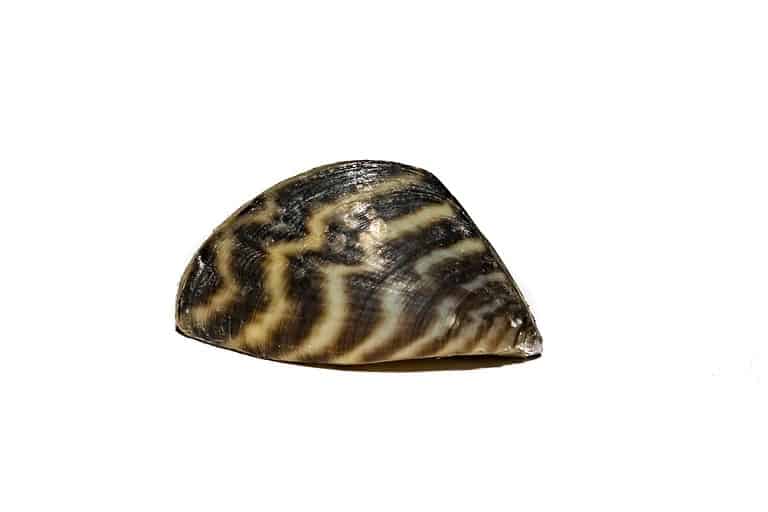
  • Forest pests such as emerald ash borer and hemlock woolly adelgid reshaping riparian and cove forests; aquatic invasives including zebra/quagga mussels in connected waters and invasive plants (e.g., knotweed, phragmites) degrading riverbanks and wetlands; spotted lanternfly impacting tree-of-heaven dominated edges and stressing hardwoods/vineyards.
  • White-nose syndrome has severely reduced cave-hibernating bat populations (notably in karst regions and mine adits); chronic wasting disease management in white-tailed deer adds pressure to wildlife health and movement; chytrid and other pathogens are concerns for sensitive amphibian communities in wetlands and headwaters.
  • High recreation pressure in state parks/forests (trails, off-road use, boating) can disturb nesting raptors, colonial waterbirds, and sensitive wetland birds; cave disturbance risks remaining bat colonies; shoreline development and heavy river use in the Delaware corridor increase disturbance to riparian wildlife.
  • Expanding black bear and suburban deer populations drive conflicts (crop damage, vehicle collisions, feeding/habituation issues), particularly in exurban zones; beaver flooding conflicts in developed watersheds; increasing predator presence (coyotes, occasional recolonizing fishers) intersects with poultry and pet concerns.
  • Dense road network and expanding energy transmission/pipeline corridors fragment interior forest habitat, increase wildlife-vehicle collisions, and create edge conditions; dams and culverts impede fish and mussel connectivity in tributaries; extensive rail/road corridors follow river valleys, constraining floodplains and riparian habitat.
  • Channelization, bank armoring, and floodplain disconnection in developed valleys reduce habitat complexity; dams/reservoir operations alter flow and temperature regimes affecting migratory fish and freshwater mussels; historic timbering and fire suppression have altered forest age structure and oak regeneration dynamics.
  • While much agriculture is longstanding, localized intensification (larger dairies, more row-crop acres in valleys) increases nutrient and sediment delivery to streams, degrades riparian buffers, and reduces grassland/breeding habitat for declining farmland birds.
  • Continued development in the Philadelphia metro, Lehigh Valley, south-central corridor, and Pittsburgh region increases impervious cover, stormwater volumes, and heat-island effects; sprawl into forested ridges and headwaters reduces contiguous habitat and stresses small streams.
  • Generally sustainable forestry is common, but localized high-grading and extensive deer browsing after harvest can hinder regeneration of hemlock and oak; logging roads and skid trails can elevate sediment in headwaters if BMPs are not followed, affecting brook trout and mussel habitat.
  • Abandoned coal mines remain a dominant ecological stressor in many watersheds via AMD; ongoing extraction (including legacy subsidence zones) and abandoned mine lands can destabilize streams and wetlands; reclamation needs are large and persistent, making mining impacts a long-term conservation constraint.
Fun Facts

Did You Know?

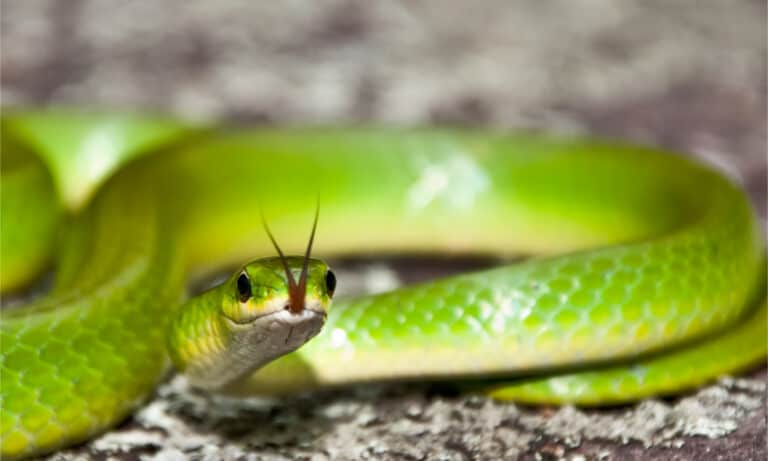
Pennsylvania has only two native venomous snakes: the timber rattlesnake and the northern copperhead-every other snake in the state is nonvenomous.

American eels live in Pennsylvania streams and rivers, but they spawn in the Sargasso Sea; young eels then migrate inland, meaning a "Pennsylvania eel" can be part of an Atlantic-wide journey.

Brook trout (Pennsylvania's state fish) aren't technically "trout" at all-they're char, more closely related to Arctic char than to rainbow or brown trout.

Some of Pennsylvania's best peregrine falcon nesting habitat is man-made: bridges and skyscrapers in cities like Philadelphia and Pittsburgh mimic cliff ledges, and urban pairs successfully raise young above heavy traffic.

Pennsylvania is one of the more northerly places in the U.S. where people reliably seek out "synchronous" firefly displays (notably in parts of the Pennsylvania Wilds), where many individuals flash in coordinated waves for a short seasonal window.

Hawk Mountain Sanctuary (Kempton) was established in 1934 and is widely recognized as the world's first sanctuary created specifically to protect birds of prey-its daily autumn hawk counts are also among the longest-running raptor-migration datasets on Earth.

The Delaware River is often cited as the longest undammed (free-flowing) river east of the Mississippi-its uninterrupted main stem is a major reason it still supports long-distance migratory fish like American shad and American eel.

Pennsylvania supports the largest free-ranging elk herd in the northeastern U.S., centered in the Pennsylvania Wilds (around Elk and Cameron counties), where elk are again a regular part of the landscape after reintroduction.

Pennsylvania is among the top states in the Lower 48 for black bear numbers (often estimated around ~20,000), making it one of the strongest remaining strongholds for wild black bears in the eastern U.S.

The eastern hellbender-found in Pennsylvania river systems like the Susquehanna/Allegheny basins-is North America's largest salamander, capable of reaching roughly 2 feet long (a true "river monster" amphibian).

Pennsylvania is a large, populous state situated in the northeastern mid-Atlantic region. One of the 13 original colonies, it is nicknamed the keystone state for its important geographic position between the other states. Delaware, Maryland, and West Virginia are located to the south. Ohio is to the west. New York, Lake Erie, and the Canadian province of Ontario are north. To the east, it is separated from New Jersey by the Delaware River, which runs into the Atlantic Ocean.

Pennsylvania is a land of diverse ecosystems. The Appalachian Mountains, which include the state’s highest point, Mount Davis, at 3,213 feet, run straight through the middle of the state. They are surrounded by dense forests, grasslands, hills, and wetlands. The Susquehanna River, which runs north to south from New York to the Chesapeake Bay, is the longest river located entirely within the state. Other important rivers include the Ohio and Allegheny. Together they account for much of the state’s diversity of freshwater wildlife.

The Official Animal of Pennsylvania
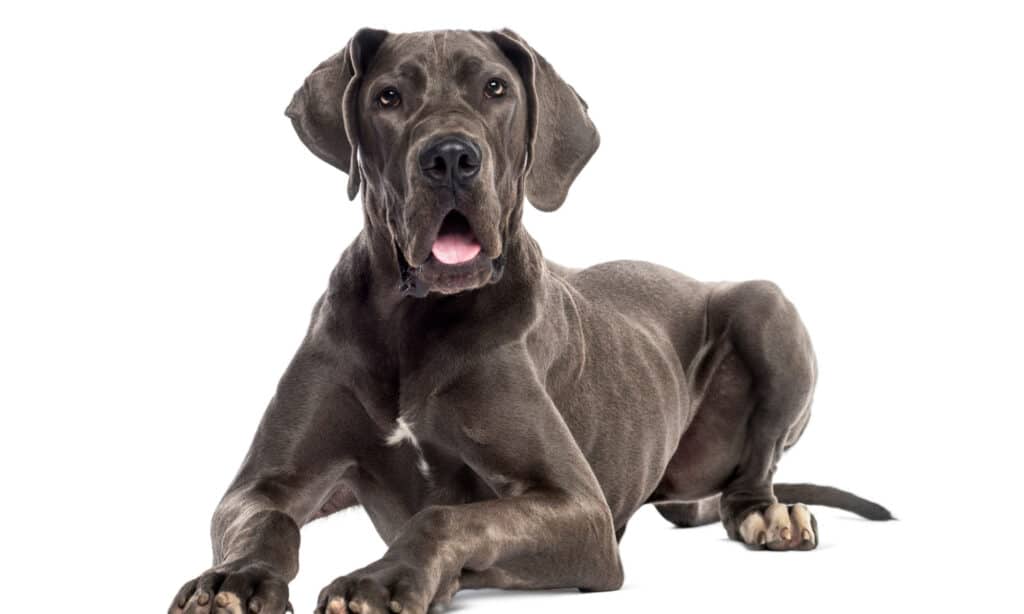
Gray Great Dane puppy lying down on white background

Great Dane is the official state dog of Pennsylvania.

The state of Pennsylvania is officially represented by several different types of native wildlife. The state bird is the ruffed grouse, a medium-sized fowl that proved to be an important food source for the early settlers. The state dog is the Great Dane, a large hunting and working breed, once owned by the state’s founder, William Penn. The state fish is the brook trout; it’s one of the most common freshwater fish throughout the 4,000 miles of rivers and streams. The state insect is the firefly, which lights up the night sky in the summer. The official amphibian is the eastern hellbender, the largest species of salamander in North America. Finally, the official state animal is the white-tailed deer, a popular game animal.

Where to Find the Top Wild Animals in Pennsylvania
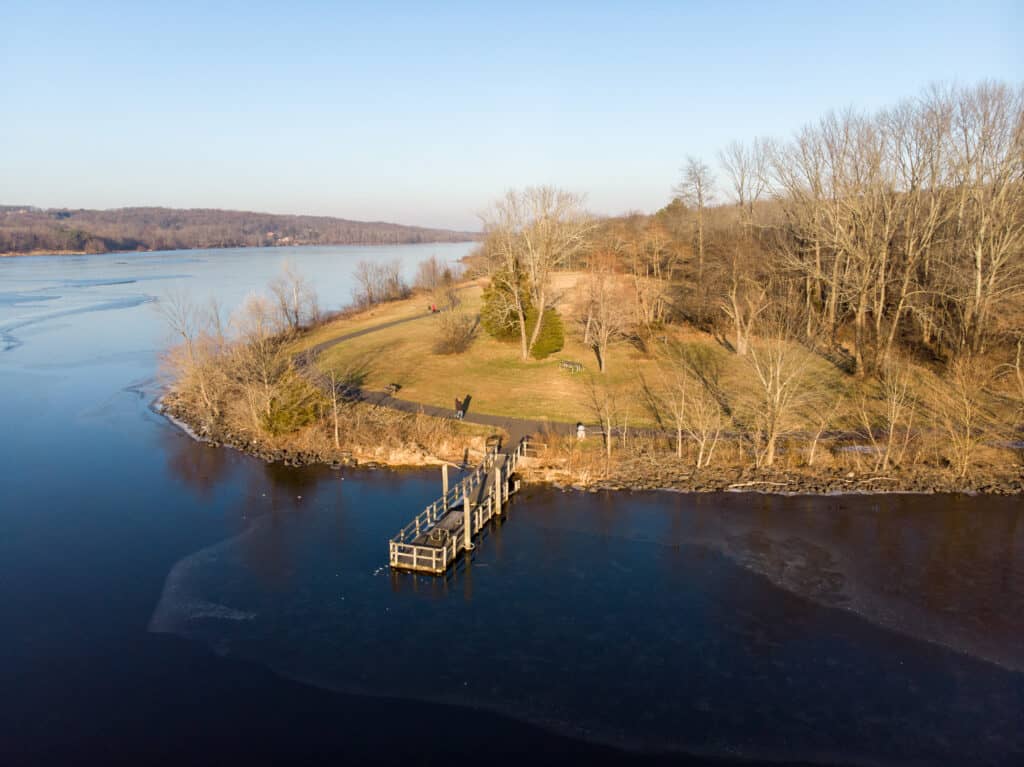
Peace Valley Park in Pennsylvania

Peace Valley Park in Pennsylvania is a great place to spot wild animals.

The best places to find Pennsylvania’s most pristine and untouched wildlife are the numerous state and national parks and refuges dotted throughout the land. This list will cover the most popular destinations in the state.

State parks and refuges provide a safe haven for animals to live undisturbed from human activity. They are often home to some of the most endangered species, as well as abundant wildlife populations. These areas also help maintain healthy ecosystems by providing habitat for plants and animals alike. By protecting these lands, humans can ensure that wildlife is able to thrive in their natural habitats without disruption or destruction by development projects or other activities.

Additionally, state parks and refuges provide opportunities for people to observe wildlife in its natural setting while practicing responsible conservation methods such as limited access, no hunting/fishing policies, and environmental education programs. With so many advantages to protect Pennsylvania’s precious wild spaces, it’s no wonder why these places remain one of the best ways to experience nature at its finest!

  • The Ohiopyle State Park, which covers some 19,000 acres in the Laurel Highlands of southwestern Pennsylvania, is a popular kayaking and water rafting destination. Amid the hiking trails and scenic waterfalls, visitors can expect to find plenty of deer, turkey, grouse, badgers, foxes, rodents, and other wildlife.
  • The Delaware Water Gap National Recreation Area, which covers some 66,000 acres of the Pocono Mountains in the southeast, has some 100 miles of hiking trails where one can find rabbits, deer, rodents, and possibly even the elusive black bear.
  • The Cherry Springs State Park, located in Potter County of north central Pennsylvania, is a prime destination for campers, hikers, and stargazers. Deer, otters, fishers, ospreys, hawks, nightjars, eagles, badgers, and black bears are all found here.
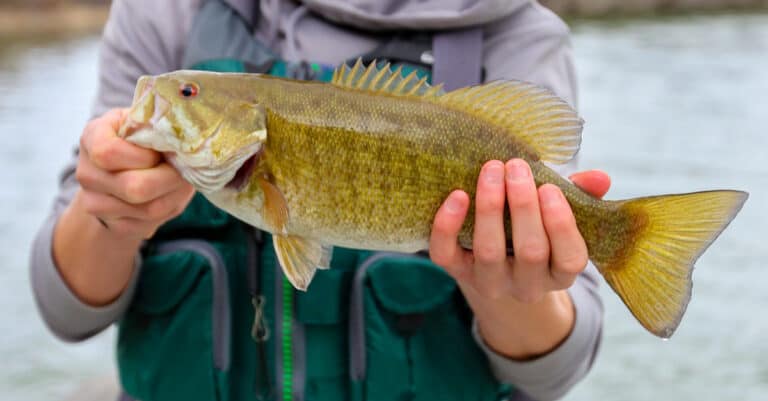
  • Pymatuning State Park, located in the northeast of the state near the town of Crawford, covers around 21,000 acres of a manmade lake. The waters are teeming with largemouth and smallmouth bass, bluegill, walleye, carp, crappies, and other freshwater fish. It is open to fishing all year round.
  • Presque Isle State Park, situated on some 3,000 acres of land around Lake Eerie, is a US National Natural Landmark. It’s also widely regarded as one of the best bird-watching sites in the state. Piping plovers, cerulean warblers, terns, sparrows, blackbirds, and gulls are all found here.
  • Finally, Nockamixon State Park, located to the north of Philadelphia, is another good destination for bird-watching and freshwater fishing. More than 250 species of birds have been documented at the park, including orioles, warblers, swans, grebes, sandpipers, herons, kingfishers, ospreys, wrens, grosbeaks, and egrets.

Other animals that can be found in Pennsylvania include spiders, ticks, and black snakes.

The Most Dangerous Animals in Pennsylvania Today
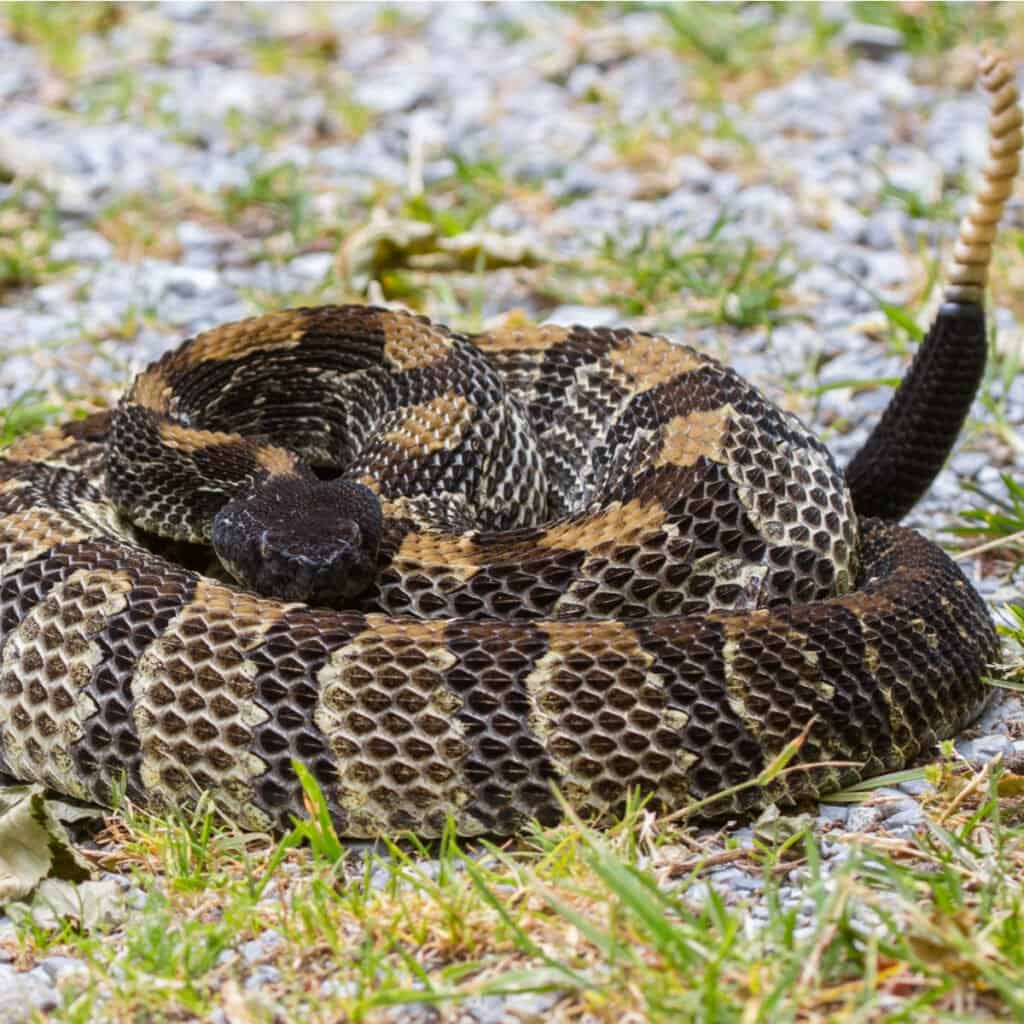
Timber rattlesnake coiled in a loop

Be careful around Timber Rattlesnakes that are highly venomous.

There are several dangerous animals in Pennsylvania. The most commonly encountered dangerous animal is the black bear. Although they are typically timid and unaggressive, if startled or provoked, a black bear can be very dangerous to humans. Black bears inhabit woodlands throughout the state of Pennsylvania but may also venture into suburban neighborhoods in search of food sources such as bird feeders or garbage cans.

Another potentially dangerous species is the timber rattlesnake. This venomous snake inhabits forests with rocky outcroppings and ledges, where it hunts small mammals and amphibians for food. When threatened by humans, these snakes will often coil up defensively and rattle their tails as a warning before striking out with their fangs which contain potent neurotoxic venom that can cause severe injury to people who come too close.

The forests of Pennsylvania may have once teemed with many dangerous predators, but today most of the dangerous animals are venomous snakes and insects, not carnivores. This list will only count wild animals that pose a direct danger to people. It will not include wild animals that incidentally harm people by spreading diseases.

  • Timber Rattlesnake: Present throughout most of Pennsylvania, the timber rattlesnake can come in a few different color morphs, including yellow with dark bands and almost fully black. The long fangs, big size, and ability to inject a lot of venom at once make them potentially very dangerous. Fortunately, they are quite shy and non-aggressive around humans, and they will normally give a lengthy warning with their weird rattle before striking. If you’ve been bitten by this snake, however, then you should seek immediate medical attention. The anti-venom for this snake bite is quite effective.
  • Eastern Copperhead: Another common forest-dwelling snake, the eastern copperhead, is identified by its pale brown body and darker markings that almost look like weird stains. While this snake will sometimes deliver a dry warning bite, the venom itself is quite potent and potentially lethal. Symptoms include pain, tingling, swelling, and nausea. Immediate medical attention is advised.
  • Eastern Massasauga: Found only in western Pennsylvania, this species has a gray or tan body with rows of brown or black markings. It is normally quite shy and tries to avoid contact with humans, but once injected, the venom can destroy tissue and prevent blood clotting. Properly treated bite victims always make a full recovery.
  • Black Widow Spider: The female of the black widow is the deadlier of the two sexes because of the larger venom gland. She is easily identified by her black body and red markings on the abdomen. Pain, cramps, and spasms are common symptoms of its bite, but death is exceptionally rare, even in untreated cases.
  • Bees and Wasps: The sting from these flying insects can be exceptionally painful and annoying, but only a handful of deaths are known to occur each year, usually as a result of a severe allergic reaction.
  • Black Bear: While not quite as dangerous as its fearsome reputation suggests, these large carnivores are certainly dangerous enough to kill a person. Most incidents occur when a mother is protecting her cubs. Sometimes people can be injured when their dog picks a fight with a bear. Fortunately, attacks are exceptionally unlikely, and deaths are even rarer.

3 Largest Animals in Pennsylvania
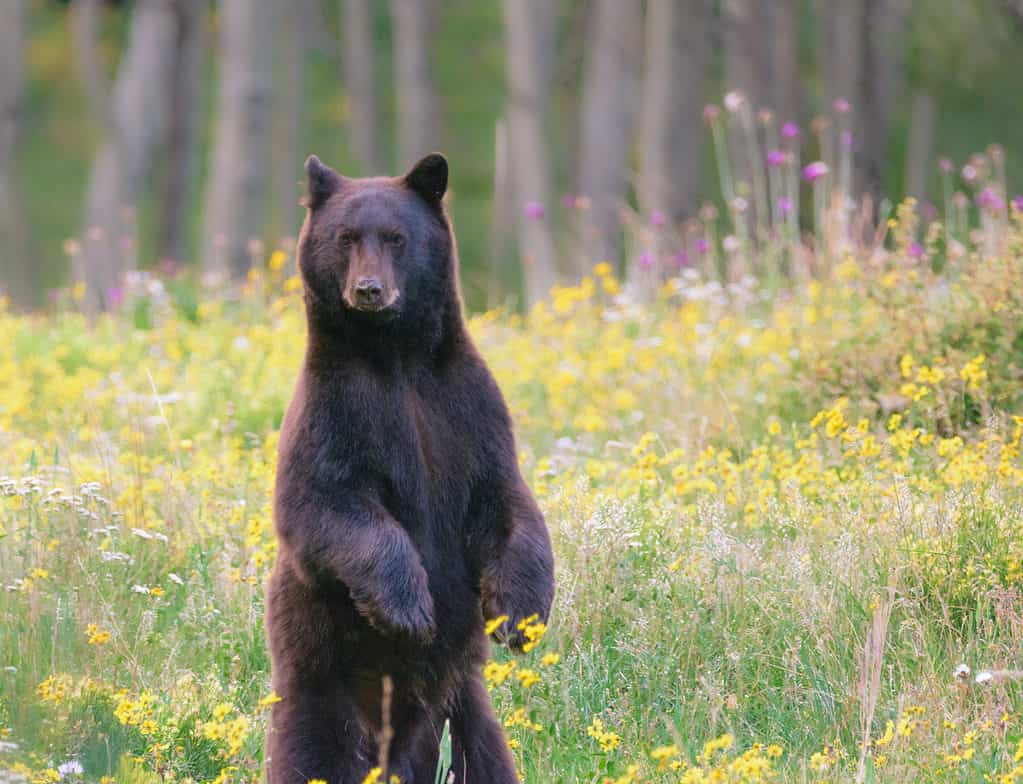
Black bear standing straight up on two back legs

Black bears can stand five feet tall when on their hind legs.

Pennsylvania is host to a variety of different species, some of which are quite large. The three largest animals in Pennsylvania are the black bear, white-tailed deer, and elk.

Black bears can weigh up to 400 pounds or more and stand five feet tall when on their hind legs. They inhabit forests, wetlands, and mountain regions throughout Pennsylvania. Black bears can be seen scavenging for food or searching for berries during warmer months while they hibernate in dens during colder months of the year.

White-tailed deer are among the most abundant mammals in Pennsylvania as well as its largest land mammal, with adult males weighing up to 200 pounds and standing 3 ½ feet tall at shoulder height. These animals prefer habitats that offer dense vegetation, such as meadows, marshes, woodlands, and agricultural lands, where they can feed on grasses, grains, and other plants throughout the day.

Pennsylvania is home to one of the largest herds of elk in the United States. The Eastern Elk, or wapiti, were once native to Pennsylvania but had been hunted almost completely out of existence by the late 1800s. In 1913, 25 elk from Yellowstone National Park were reintroduced into an area near Benezette, PA, and this herd has grown steadily since then. Today there are over 1,000 elk in Pennsylvania, with most of them concentrated around Elk County in north-central Pennsylvania. They can be seen throughout Pennsylvania’s state parks and game lands during certain times of the year when they migrate for food sources or rutting season. Elk have become a major tourist attraction in some areas due to their size and beauty. It’s not unusual for visitors to spot upwards of 50 animals on any given day!

3 Rarest Animals in Pennsylvania
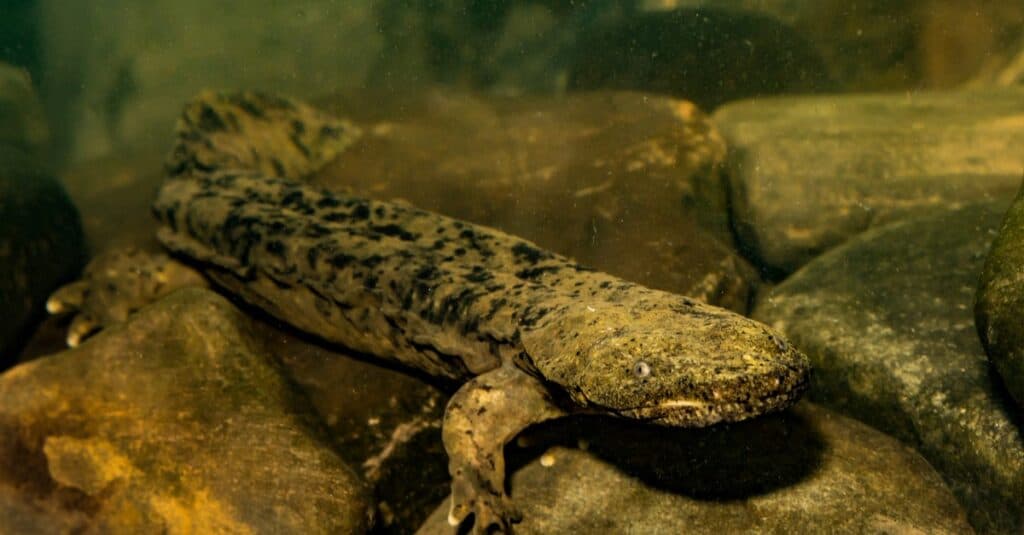
Eastern Hellbender swimming in a stream.

Eastern Hellbenders are rare animals to spot in Pennsylvania

There are a few rare animals in Pennsylvania. The Eastern hellbender salamander is the largest amphibian in North America and can be found living in clear, cold mountain streams.

Additionally, the Timber Rattlesnake is one of the most endangered species of venomous snake in Pennsylvania and has been listed as an endangered species since 1970.

Lastly, the Allegheny Woodrat can be found inhabiting rocky cliffs along rivers or caves across the state, but they are threatened by habitat loss due to development and fragmentation.

Endangered Animals in Pennsylvania
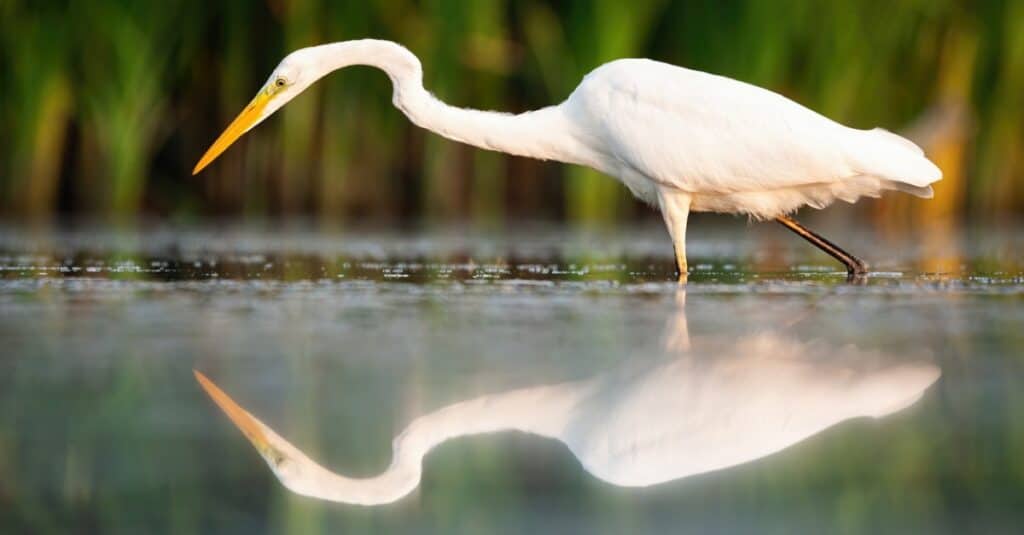
Birds with long necks: Great Egret

The great egret, ardea alba, is an endangered animal in Pennsylvania due to loss of habitat.

The state of Pennsylvania currently classifies species as either threatened or endangered based on their status within its borders. There are currently dozens of endangered species, many of which are listed below.

The cougar, moose, wolf, wolverine, and Canadian lynx were once native to Pennsylvania but are now extinct in the state. The main reason for this is due to human impact on their habitats. As cities and towns began developing across the state, these animals’ natural habitat was destroyed or altered significantly, which made it difficult for them to survive.

Additionally, hunting by humans has depleted populations of these species even further over time. These factors have combined to make it impossible for these animals to exist in Pennsylvania anymore. However, they still exist elsewhere in North America, where there is less human activity and more intact natural habitats allowing them to survive and thrive.

To prevent other animal species from becoming endangered, we need to work together as a society to protect our environment so that all creatures can live happily alongside us in nature.

The bald eagle and osprey have successfully recovered from previously low numbers thanks to the state’s conservation efforts. Here is a list of the endangered animals in Pennsylvania.

  • Tricolored Bat: Easily identified by the presence of tricolored hair on the back, this species is currently threatened by the strange fungal disease known as white-nose syndrome, which spreads rapidly through the concentrated mass of hibernating bats in the winter. It causes widespread destruction by disrupting the bat’s natural hibernation cycle.
  • Indiana Bat: This medium-sized mouse-eared bat is very common throughout the entire eastern United States, but it too is susceptible to the strange scourge of white-nose syndrome. Since 2006, entire populations have been completely wiped out or heavily reduced.
  • North American Least Shrew: These tiny mammals, which measure only about 3 inches long, are currently classified as threatened in Pennsylvania and Connecticut due to the loss of freshwater habitats such as dunes and marshes.
  • Piping Plover: A small shorebird, the piping plover is one of the rarest birds in Pennsylvania due to the loss of its important nesting sites, particularly around Lake Eerie.
  • Great Egret: This large, long-necked, white-colored water bird is a very common sight all over the world. However, it does appear to be declining in Pennsylvania due to the loss of wetlands from clearing, drainage, and other factors.
  • King Rail: This medium-sized water bird, which breeds in the marshes throughout the eastern United States, is in decline throughout Pennsylvania because of habitat loss.
  • Black-crowned Night Heron: Easily identified by the combination of a white body and black crown and back, this medium-sized bird can be found in fresh and saltwater wetlands throughout the entire world. Unfortunately, in Pennsylvania, it is suffering greatly from habitat loss.
  • Loggerhead Shrike: This is a small songbird with a white breast, black mask and wings, and pale gray back. It breeds in the northern United States and migrates south as far as Central America for the winter. Numbers have been declining in the country since the 1960s, perhaps as a result of pesticide use, habitat loss, human disturbances, or a combination of all three.
  • Bog Turtle: As the smallest turtle in North America, the carapace of the bog turtle measures no more than about 4 inches. Loss or disruptions of their preferred wetland habitats, as well as their low reproductive rate, have made them one of the rarest turtles in the entire country. They are currently protected by the federal Endangered Species Act.
  • Shortnose Sturgeon: The shortnose sturgeon is a large bottom-feeding fish that plies the waters off the coast of the US and then returns to freshwater habitats to lay its eggs. They are found throughout Delaware Bay and the surrounding river system, but water pollution, poaching, overfishing, and accidental boat strikes (combined with slow maturity and low birth rates) have all contributed to declining population numbers. It is now one of the rarest fishes in the area.

Native Plants in Pennsylvania
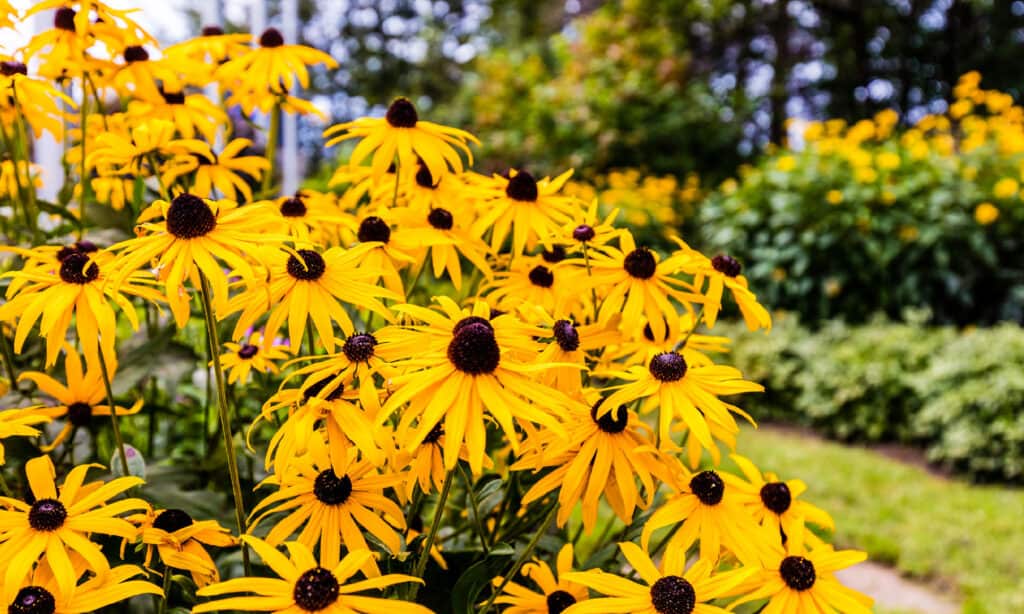
Black-eyed Susan

The black-eyed Susan is native to Pennsylvania and is a favorite in pollinator gardens.

Pennsylvania is home to a vast array of native wildflowers and plants, including the majestic mountain laurel, which blossoms every spring in woodlands and along streams. Other popular native species include Black-eyed Susans that grow in sunny areas such as meadows, fields, roadsides, and gardens. In the fall, you can see asters blooming. Goldenrods are very common and grow along roadsides and in wetland habitats.

Trilliums are common around woodland edges, and cowslip orchids grow near bogs and wet meadows rich with calcium-dense soils. Indian paintbrush or prairie fire flowers are commonly seen along dry prairies on rocky hillsides. All of these plants play an important role in Pennsylvania’s ecosystem by providing food for insects, birds, mammals, and other wildlife.

Pennsylvania has one of the most diverse geographies, and its territory is part of the eastern deciduous forest region. The state of Pennsylvania hosts around 3,400 species of plants, and a whole lot of them are native to the state. Some native plants in Pennsylvania include eastern redbud, black chokeberry, and swamp milkweed, among others.

The Flag of Pennsylvania

The Pennsylvania state flag is rich in symbolism.

The flag of Pennsylvania is an iconic symbol for the state, meant to represent its history and culture. The blue field on which the coat of arms is displayed represents justice, truth, loyalty, and peace. It also reflects the importance that Pennsylvania has placed on these values throughout its history.

The state coat of arms features a shield with two horses representing determination and strength in both physical and spiritual ways. Above this is a bald eagle, signifying protection from enemies as well as freedom from oppression. To either side of the shield are symbols of agriculture: an olive branch stands for peace, while a cornstalk beneath it signifies abundance and fertility.

Lastly, there are three golden sheaves of wheat which represent the diversity found within the state’s many different industries, such as manufacturing, farming, mining, etc. Altogether, these elements combine to form a powerful reminder of what it means to be a Pennsylvanian. One who works hard but also enjoys nature’s bounty in harmony with others around them.

Pennsylvania State Seal

The Pennsylvania state seal features a sailing ship, a clay-red plow, and three sheaves of wheat. The seal was made official in 1791.

Read about:

  • extinct animals that lived in Pennsylvania.
  • the best national parks in Pennsylvania.
  • the coldest place in Pennsylvania.
  • the snowiest place in Pennsylvania.
  • the most beautiful waterfalls in Pennsylvania.
  • the best dog parks in Philadelphia, Pittsburgh, Pennsylvania.
  • the Appalachian Trail in Pennsylvania.

Animals Found in Pennsylvania

225 species documented in our encyclopedia

Thank you for reading! Have some feedback for us?