N S W E
Wildlife Expeditions

Wildlife of
Nebraska

Nebraska is a prairies-and-rivers crossroads where the Platte River's spring crane spectacle and Great Plains grasslands deliver some of North America's best migrations.
178 Species
198,974 km² Land Area
Overview

About Nebraska

Nebraska's wildlife is shaped by big skies, working grasslands, and river corridors across the Great Plains. Much of the state is prairie and farm land, but native tallgrass and mixed-grass areas still remain, along with the vast Sandhills rangelands and long, braided rivers that gather wildlife. This mix makes Nebraska an important stopover and breeding place for many birds and also supports plains mammals like pronghorn and mule deer.

Key places define the state. The Platte River, its wetlands, and sandbars are one of the continent's most important spring stopover areas, where food-rich fields and shallow water bring huge numbers of birds. The Sandhills are a sea of grass-stabilized dunes with thousands of wetlands for waterfowl, shorebirds, and grassland birds. Niobrara and Missouri River bluffs and cottonwood galleries add woodland and river-edge life. Major flyways funnel into wide river valleys, making wildlife viewing special and accessible.

Physical Features

Geography

Nebraska's mostly flat to rolling Great Plains make wide grassland and farm habitats. Major rivers, especially the Platte and Missouri, and their wetlands give important migration stopovers and breeding areas for waterfowl and shorebirds. Regions like the Sandhills, cottonwood forests along rivers, and isolated highlands and eroded escarpments add habitat diversity that shapes where prairie, wetland, and river wildlife live.

198,974 km² (land area) Land Area
16th largest U.S. state (by total area) Size Rank
State Type
Elevation Range

~256 m (Missouri River near Rulo) to 1,654 m (Panorama Point)

Coastline

No ocean coastline (landlocked). Shorelines are along rivers and large reservoirs/lakes (e.g., Missouri River reservoirs, Lake McConaughy) that provide inland aquatic and wetland habitats.

Key Landscapes

Great Plains prairie and mixed-grass grasslands (widespread matrix for plains wildlife) Sandhills (large dune-and-grassland region with thousands of wetlands; key for grassland birds and prairie species) Platte River system (central migratory bird corridor; braided river channels, sandbars, and riparian woods) Missouri River and floodplain (eastern boundary; riparian forests, wetlands, and large-river habitats) Niobrara River Valley (north; diverse canyonlands/riparian habitats and pine/oak mixes in places) Republican River and other southern tributaries (riparian corridors through agricultural landscapes)​, including the Loup River system (central riparian network)​, important for connectivity and wet habitats)​, including Rainwater Basin wetlands (south-central; major waterfowl staging area)​, including Loess Hills and bluffs along the Missouri (erosion-formed uplands influencing forest-prairie transitions)​, including Pine Ridge escarpment and high plains of the northwest (ponderosa pine patches, breaks, and more arid prairie)
State Symbols

Official Wildlife Symbols

bird

Western meadowlark

Designated 1929

wildflower

Goldenrod

Designated 1895

tree

Eastern cottonwood

Designated 1972

insect

Honey bee

Designated 1975

fish

Channel catfish

Designated 1997

animal

White-tailed deer

Designated 2006

Parks & Reserves

Protected Areas

Nebraska’s protected areas are small because much land is private and farmed or ranched. Conservation focuses on Sandhills grasslands and lakes, major river corridors (Platte, Niobrara, Missouri, Republican) that gather migratory birds, and mixed-grass prairie and pine-ridge. Protection comes from NPS, USFWS refuges, USFS lands, state parks and wildlife areas for waterfowl, cranes, prairie grouse and other plains species.

Protected Coverage

≈3-5% of Nebraska's land area is in public conservation ownership/management (federal, state, and local), with additional habitat protected via easements and cooperative programs.

National Parks & Preserves

Niobrara National Scenic River (National Park Service)

~76 river miles designated (corridor managed with partners)

A biologically rich river corridor where eastern and western species overlap; its riparian forests, canyonlands, and spring-fed tributaries support high bird diversity and excellent raptor viewing.

Bald eagle Wild turkey White-tailed deer River otter Great blue heron

Scotts Bluff National Monument

~3,000 acres

Prominent cliffs and prairie-woodland edges create a migration and raptor-viewing hotspot; the monument protects important stopover habitat amid heavily altered surrounding landscapes.

Mule deer Prairie falcon Golden eagle Rock wren Western rattlesnake

Agate Fossil Beds National Monument

~3,055 acres

Conserves a working example of mixed-grass prairie and shrubland in the North Platte region; good for prairie wildlife, reptiles, and grassland birds in a landscape dominated by agriculture.

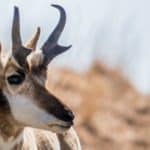
Pronghorn Mule deer Horned lizard Prairie rattlesnake Western meadowlark

Homestead National Historical Park

~211 acres

Beyond its cultural history, the park includes restored tallgrass prairie and woodland that provide habitat for pollinators and grassland songbirds in an otherwise fragmented tallgrass region.

Monarch butterfly Bobolink Eastern meadowlark White-tailed deer Red-headed woodpecker

Missouri National Recreational River (NPS-administered segments along the Missouri River; adjacent to NE)

~98 river miles designated (corridor)

One of the best-protected stretches of the Missouri River ecosystem in the region; supports large concentrations of migrating and wintering waterbirds and riverine fish communities.

Bald eagle American white pelican Snow goose Pallid sturgeon Least tern

State & Provincial Parks

Fort Robinson State Park

~22,000 acres

Large, rugged Pine Ridge landscapes with grasslands, ponderosa pine, and buttes support some of Nebraska's best big-game and raptor viewing; important for conservation of western-edge species in the state.

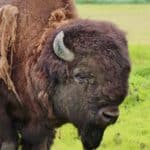
Elk Bison Bighorn sheep Mule deer Golden eagle

Indian Cave State Park

~3,052 acres

Extensive mature hardwood forest and rugged loess hills along the Missouri River create high biodiversity and excellent spring/fall bird migration viewing.

Wild turkey White-tailed deer Pileated woodpecker Bald eagle Scarlet tanager

Ponca State Park

~2,000 acres

Missouri River bluffs, oak woodlands, and riparian habitat make it a reliable location for migratory songbirds and wintering eagles; also a key corridor for regional wildlife movement.

Bald eagle White-tailed deer Wild turkey Indigo bunting Red-tailed hawk

Wildlife Refuges

Valentine National Wildlife Refuge

~71,500 acres

A flagship Sandhills wetland complex (lakes, marshes, wet meadows, and prairie) supporting major waterfowl production and migration stopovers; strong prairie grouse and shorebird habitat.

Trumpeter swan Sandhill crane Greater prairie-chicken American avocet Northern pintail

Crescent Lake National Wildlife Refuge

~45,800 acres

Dune lakes, marshes, and surrounding Sandhills prairie provide high-quality habitat for nesting waterfowl, migrating shorebirds, and grassland wildlife, including pronghorn.

Pronghorn Sharp-tailed grouse Bald eagle Canvasback American white pelican

Fort Niobrara National Wildlife Refuge

~19,000 acres

Niobrara River breaks with prairie and riparian habitat; notable for large ungulate management herds and as a migratory bird corridor with frequent raptor activity.

Bison Elk Bald eagle River otter Sandhill crane

DeSoto National Wildlife Refuge (Missouri River; includes Nebraska side of the river corridor)

~8,400 acres

Major riverine wetland and backwater habitat critical for migrating waterfowl and wintering bald eagles; one of the region's most reliable places for large concentrations of birds.

Bald eagle Tundra swan Snow goose American white pelican Great egret

Wilderness Areas

  • Cedar Canyon Wilderness (Oglala National Grassland / Nebraska National Forests and Grasslands)
  • Soldier Creek Wilderness (Nebraska National Forests and Grasslands)
Animals

Wildlife

Nebraska's wildlife is defined by Great Plains grasslands (especially the Sandhills), big river corridors (Platte, Niobrara, Missouri), and a nationally important wetland network (Rainwater Basin). This mix creates a classic prairie-and-riparian fauna: large herbivores and grassland specialists, plus outsized importance for migratory birds-particularly cranes, waterfowl, and shorebirds moving through the Central Flyway. Agricultural landscapes dominate much of the state, but remaining native prairie, river sandbars, marshes, and prairie-dog/shortgrass complexes still anchor some of Nebraska's most distinctive species experiences.

~90 species Mammals
~430-450 species recorded (strongly boosted by migration) Birds
~35-40 species Reptiles
~20-25 species Amphibians
~90-100 species Fish

Endemic & Rare Species

Salt Creek Tiger Beetle

Cicindela nevadica lincolniana

Federally Endangered; highly localized endemic to saline wetlands near Lincoln, Nebraska

One of Nebraska's most notable endemics, dependent on rare saline mudflat habitats that have been heavily reduced and fragmented.

Whooping Crane

Grus americana

Federally Endangered; rare migrant

The Platte River corridor is a key migration stopover area for the wild Aransas-Wood Buffalo population.

Piping Plover

Charadrius melodus

Federally Threatened (Northern Great Plains population); nesting dependent on bare sand/gravel

Nests on river sandbars and reservoir shorelines; sensitive to altered flows, human disturbance, and habitat loss.

Interior Least Tern

Sternula antillarum

Delisted from the U.S. Endangered Species Act (interior population) in 2021; local breeder of conservation concern

Relies on open sandbar habitats on large rivers; Nebraska's river systems provide important breeding sites where conditions are suitable.

Pallid Sturgeon

Scaphirhynchus albus

Federally Endangered; Missouri River specialty

A large-river, ancient fish impacted by channel modification and altered flow regimes; Nebraska waters are part of its remaining range.

Topeka Shiner

Notropis topeka

Federally Endangered; rare prairie-stream minnow

A Great Plains stream indicator species; persistence depends on high-quality prairie tributaries and compatible grazing/stream management.

American Burying Beetle

Nicrophorus americanus

Federally Threatened; localized

A charismatic carrion beetle tied to intact grassland and low-intensity landscapes; Nebraska supports remaining pockets where habitat persists.

Northern Long-eared Bat

Myotis septentrionalis

Federally Endangered; impacted by white-nose syndrome

Occurs in forested riparian corridors and wooded landscapes; regional populations are threatened by disease-driven declines.

Notable Populations

  • Sandhill crane spring staging along the Central Platte River-one of the largest and most concentrated crane migrations on Earth.
  • Rainwater Basin wetlands as a nationally significant Central Flyway stopover for migrating waterfowl and other wetland birds.
  • Some of the strongest remaining Great Plains grassland blocks (e.g., the Sandhills) supporting major prairie grouse and grassland bird communities.
  • Missouri River large-river fish assemblages of national conservation interest, including endangered pallid sturgeon.
  • River sandbar nesting complexes (when habitat is available) that can support regionally important colonies of interior least terns and piping plovers.

Recent Changes

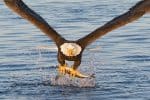
  • Bald eagle numbers have rebounded strongly over recent decades, with more regular nesting and wintering along major waterways.
  • North American river otter reintroductions and protections have led to expanded presence in suitable river systems and wetlands.
  • Mountain lions have recolonized parts of western and central Nebraska in recent decades, increasing verified occurrences (and management attention).
  • Chronic wasting disease has continued to affect deer populations in parts of the state, influencing wildlife management and hunting regulations.
  • Grassland bird and prairie grouse pressures persist in many areas due to habitat conversion/fragmentation and woody encroachment (e.g., eastern redcedar), contributing to local declines where prairie structure changes.
  • Ongoing river flow management, erosion, and vegetation succession can reduce open sandbar habitat, affecting nesting success for piping plovers and interior least terns unless habitat is maintained or created.
Visit

Wildlife Viewing

Nebraska's Great Plains—prairie, Sandhills wetlands, and big rivers (Platte, Niobrara, Missouri)—gather animals into view-friendly areas. It is famous for spring bird migration, especially sandhill cranes on the Platte. You can also see prairie species (greater prairie-chicken, pronghorn), wetland birds, bald eagles, winter waterfowl, easy public access, and mass migration events.

Best Seasons

Spring (March-May)

Peak migration and the state's signature event: sandhill cranes staging along the Central Platte River (typically March). Expect huge numbers of cranes, snow geese, ducks, and other waterbirds; lekking greater prairie-chickens on the Sandhills; and fresh prairie wildflowers that bring in insects and songbirds. This is the most in-demand season-book crane viewing blinds and lodging early.

Summer (June-August)

Best for prairie and wetland diversity: breeding grassland birds (meadowlarks, bobolinks in some areas), marsh birds, herons/egrets, and butterflies/dragonflies. Excellent for paddling and wildlife float trips on the Niobrara (scenery plus beaver, turtles, deer, and abundant birds). Early mornings and evenings are most productive due to heat.

Fall (September-November)

Strong raptor and waterfowl movement, with cranes returning in smaller numbers, plus peak shorebirds and migrating songbirds in riparian corridors. The Rainwater Basin region can be superb for ducks and geese when water conditions align. Prairie grouse and pronghorn are active on the open landscape; crisp weather improves all-day viewing.

Winter (December-February)

Bald eagles concentrate along open water on the Platte and Missouri Rivers; wintering waterfowl gather where rivers stay ice-free. Great season for photography with clear air and dramatic river ice edges. Dress for wind; plan around road conditions and short daylight.

Top Wildlife Experiences

  • Watch the sandhill crane migration at the Rowe Sanctuary (near Kearney) on the Central Platte River-reserve an evening or morning crane blind experience in March for close, unforgettable views.
  • Visit Fort Kearny State Recreation Area (near Kearney) during spring migration to see cranes, geese, ducks, and other waterbirds from trails and river overlooks-excellent for self-guided viewing.
  • Go prairie-chicken viewing in the Nebraska Sandhills (e.g., around Valentine/Thedford area) by booking a guided lek tour at dawn in spring for one of North America's iconic grassland displays.
  • Explore the Rainwater Basin wetlands (south-central Nebraska; WMAs around towns like Funk, Holstein, and Harvard) during spring or fall for dense concentrations of ducks, geese, shorebirds, and occasional rarities when water levels are favorable.
  • Paddle or float the Niobrara National Scenic River (near Valentine and Smith Falls State Park) to combine scenery with wildlife: beaver sign, turtles, deer, raptors, and songbirds along cottonwood-lined banks and sandstone bluffs.
  • Bird the Missouri River corridor in northeast Nebraska (around Ponca State Park and nearby bluffs) for migrating songbirds, pelicans and waterfowl in season, and excellent chances for bald eagles in winter.
  • Plan a pronghorn-focused drive in the western High Plains (around the Pine Ridge/grasslands near Crawford-Chadron region) at sunrise/sunset to spot pronghorn, mule deer, raptors, and prairie dogs on open country vistas.

Wildlife Watching Types

Spring crane migration viewing (Platte River) Birding hotspots (wetlands, river corridors, prairie) Prairie grouse lek viewing (greater prairie-chicken) Raptor watching (bald eagles in winter; hawks and falcons during migration) Waterfowl and shorebird viewing (Rainwater Basin, river backwaters) Prairie wildlife drives (pronghorn, mule deer, prairie dogs) River paddling/float wildlife watching (Niobrara) Wildlife photography and viewing from blinds/observation platforms

Guided Options

  • Audubon's Rowe Sanctuary (Central Platte River): guided crane viewing blinds and programs in spring (advance reservations typically required).
  • Crane Trust (near Wood River/Alda on the Central Platte): guided tours, trails, and seasonal programs focused on cranes, prairie, and river habitats.
  • Nebraska Game and Parks Commission: public access WMAs, seasonal viewing recommendations, and educational programs/interpretive events at state parks and wildlife areas.
  • Rainwater Basin Joint Venture / regional partners: habitat-focused visitor resources and occasional guided events tied to migration (varies by year and site).
  • Local outfitters on the Niobrara National Scenic River: guided or supported float trips (shuttles and route planning) that pair well with birding and wildlife photography.
  • Prairie grouse lek tours offered by regional guides/ranches in the Sandhills (spring dawn outings; exact providers vary-book early and confirm etiquette and viewing protocols).
Habitats

Ecosystems

Nebraska is a prairie crossroads of tallgrass, mixed-grass, and Sandhills grasslands, crossed by the Platte, Niobrara, Republican, and Missouri rivers and a network of wetlands and shallow lakes. Much eastern and southern grassland is farmed, but the Sandhills remain one of North America's largest intact temperate grasslands. Riparian forests, wooded bluffs, and Rainwater Basin wetlands support migrating waterfowl and cranes.

Biomes

Temperate Grassland

The core biome of Nebraska: tallgrass prairie in the east transitioning to mixed-grass and shortgrass prairie westward; includes the Sandhills grassland system with interdunal wetlands.

Dominant statewide; strongest in the Sandhills (north-central) and western Nebraska; heavily converted to cropland in the east/southeast.

Temperate Forest

Occurs mainly as riparian and floodplain forests (cottonwood-willow) and eastern deciduous woodland patches, plus wooded bluffs and draws along rivers (e.g., Niobrara valley transitions).

Limited and patchy; concentrated along the Missouri River, lower Platte, and other river corridors, with smaller pockets in the east and along canyonlands.

Freshwater

Large river systems (Missouri, Platte, Niobrara, Republican), reservoirs, and numerous shallow lakes/ponds; groundwater-fed streams and spring systems in places (notably Sandhills).

Widespread along river networks and reservoirs; locally dense in the Sandhills lake district and irrigation/reservoir landscapes.

Wetland

Playa-like basins and marsh complexes (notably the Rainwater Basin), riverine backwaters, oxbows, wet meadows, and Sandhills interdunal wetlands that support major migratory bird stopovers.

Patchy but highly significant; densest in south-central Nebraska (Rainwater Basin), central Platte corridor, and Sandhills wet meadows/lakes.

Habitats

Prairie

Tallgrass remnants in the east (often in preserves/cemeteries/rough terrain) and mixed-grass prairie across central Nebraska; supports grassland birds and pollinators.

Grassland

Extensive native rangeland, especially in the Sandhills and western Nebraska; key for prairie grouse, pronghorn, and grazing-dependent plant communities.

Steppe

Drier shortgrass/mixed-grass communities in the west and southwest, with greater shrub component and drought-tolerant grasses.

Shrubland

Sand sagebrush and other shrub patches in drier western/sandy sites; important cover for wildlife and winter range in open landscapes.

Wetland

Wet meadows, oxbow wetlands, and basin wetlands; the Platte River valley and Rainwater Basin are internationally important for cranes and waterfowl migration.

Marsh

Cattail/bulrush marshes in Rainwater Basin and along shallow lakes and river backwaters; strong seasonal water-level variability.

Swamp

Limited; small floodplain forested wet areas and backwater sloughs along major rivers (e.g., Missouri and lower Platte bottoms).

River/Stream

Missouri River mainstem and braided Platte River system (central Nebraska), plus Niobrara's scenic canyon river; provide migration corridors and riparian habitat.

Lake

Natural Sandhills lakes and numerous reservoirs (e.g., Lake McConaughy) supporting fisheries and waterbirds.

Pond

Prairie pothole-like stock ponds, irrigation ponds, and small impoundments common in agricultural/rangeland settings.

Forest

Riparian cottonwood forests and wooded draws; also pine-dominated forest patches in the northwest (Pine Ridge/Wildcat Hills).

Deciduous Forest

Eastern deciduous and floodplain woodlands (cottonwood, willow, elm, hackberry, oak in places), especially along the Missouri and lower Platte corridors.

Coniferous Forest

Ponderosa pine forests in the Pine Ridge and Wildcat Hills region; a distinct western Nebraska woodland island within the plains.

Woodland

Scattered oak/hickory-type woodlands and juniper/pine encroachment zones on breaks and bluffs; important edge habitat.

Cliff/Rocky Outcrop

Niobrara River valley and Pine Ridge escarpments with exposed rock and steep bluffs providing nesting and roosting sites.

Cave

Limited and localized; small caves/rock shelters and sink-like features occur in some bluff and canyon areas, but are not widespread.

Agricultural/Farmland

Corn/soybean belt influence in the east and irrigated row-crop agriculture in parts of the Platte basin; major driver of habitat conversion and nutrient loading.

Urban

Urban habitats centered on Omaha, Lincoln, and regional hubs (Grand Island, Kearney, Scottsbluff) with parks and riparian greenways.

Suburban

Expanding suburban matrices around Omaha and Lincoln with fragmented woodlands, lawns, and stormwater ponds that can support adaptable wildlife.

Ecoregions

Northwestern Glaciated Plains (EPA Level III) Nebraska Sand Hills (EPA Level III) Western Corn Belt Plains (EPA Level III) Central Great Plains (EPA Level III) Flint Hills (EPA Level III) Western High Plains (EPA Level III) WWF: Central forest-grasslands transition WWF: Great Plains tallgrass prairie WWF: Northern mixed grasslands
Protection

Conservation

Primary Threats

  • Conversion of native prairie and playa/wet meadow systems to row crops (corn/soy) in eastern and south-central Nebraska reduces habitat for grassland birds (e.g., greater prairie-chicken, bobolink) and fragments remaining prairie. Intensification (earlier haying, heavier grazing in some areas) can reduce nesting success and plant diversity.
  • Long-term loss of tallgrass prairie in the east and mixed-grass prairie elsewhere, plus drainage/alteration of wetlands (Rainwater Basin, wet meadows along the Platte) diminishes stopover and breeding habitat for migratory waterfowl, shorebirds, and cranes.
  • River channelization, bank stabilization, dams/reservoir operations, and vegetation encroachment (cottonwood/cedar) alter the Platte and Missouri river dynamics. Reduced peak flows and sediment movement allow islands and sandbars to vegetate, shrinking open-sandbar nesting habitat for interior least tern and piping plover.
  • High groundwater withdrawals from the Ogallala aquifer for irrigation in parts of Nebraska can reduce stream baseflows and wet meadow hydrology, affecting Platte River habitats and water availability for wetlands (notably in dry years).
  • Nutrient loading (nitrate) and pesticide runoff from agricultural lands affects streams, reservoirs, and wetlands, contributing to algal blooms and degraded aquatic habitat. Nitrate contamination is a persistent issue in parts of eastern and south-central Nebraska tied to fertilized cropland and irrigation recharge.
  • Greater climate variability increases drought frequency/severity and extreme precipitation events, stressing wetlands (drying playas/wet meadows) and increasing flood disturbance. Drought can compound water-supply conflicts in the Platte and Republican basins and reduce stopover habitat quality for cranes and waterfowl.
  • Eastern redcedar encroachment in prairies reduces open grassland structure needed by prairie grouse and other grassland birds. In riparian zones, invasives and altered disturbance regimes change forest composition; aquatic invasives (e.g., zebra mussels in some waters) threaten reservoirs and water infrastructure.
  • Avian diseases (e.g., avian influenza outbreaks) can affect large congregations of migratory birds using Platte/Rainwater Basin stopovers. West Nile virus has periodically affected prairie grouse and raptors; aquatic diseases can flare when warm, stagnant conditions occur in drought years.
  • Fences, roads, and energy infrastructure fragment habitats and can cause direct mortality (vehicle collisions, fence entanglement for pronghorn and grouse). Powerlines and towers pose collision risk for large birds in migration corridors; wind and transmission siting requires careful mitigation in key bird-use areas.
  • Recreation and development pressure along rivers and reservoirs can disturb nesting terns/plovers on sandbars and beaches, and repeated disturbance can reduce nesting success. Increased riverfront use and boating can be especially problematic during low-water periods when sandbars are exposed.
  • Conflicts include crop depredation (geese, cranes in some areas), prairie dog control affecting associated species, and predator-livestock issues (coyotes). Management responses can unintentionally affect non-target wildlife and reduce tolerance for predators and grassland-dependent species.
Fun Facts

Did You Know?

Nebraska sits in a famous overlap zone for orioles: Baltimore orioles (more eastern) and Bullock's orioles (more western) meet and hybridize in parts of the state-one reason "Northern Oriole" was once treated as a single species complex.

You can see two very different "dance floors" in Nebraska: greater prairie-chickens gather on leks where males make low, booming calls, while sharp-tailed grouse perform rapid-footed "dancing" on separate leks-both species occur in the state.

Burrowing owls in Nebraska often rely on prairie dog towns (especially in the Panhandle) because they use abandoned burrows for nesting-an owl that depends on a ground squirrel's real estate market.

Nebraska's Sandhills can look dry from a distance, but many valleys are laced with groundwater-fed wetlands and subirrigated meadows; that hidden water is a big reason the region supports dense nesting waterfowl and marsh birds in an otherwise prairie landscape.

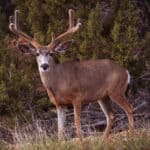
Deer in Nebraska aren't a simple east-west split: mule deer and white-tailed deer overlap along parts of the Platte and in transitional habitats, and hybrids have been documented-meaning "which deer is that?" can be a real (and scientific) question here.

Nebraska's Central Platte River Valley hosts the largest spring staging concentration of sandhill cranes on Earth-often around 500,000 birds at peak-using roughly a 50-80 mile reach between about Grand Island and Kearney for roosting and feeding.

The Platte River corridor is so important to the Mid-Continent Population of sandhill cranes that roughly 80% of that population passes through Nebraska each spring (a world-scale bottleneck for a single crane population).

Nebraska's Rainwater Basin is a key spring stop for Central Flyway waterfowl; each year over 3 million ducks and over 2 million geese use its shallow playa wetlands to rest and eat.

Nebraska's Sandhills are the largest intact grass-stabilized sand dune area in the Western Hemisphere. As mostly native grassland, they are an important home for greater prairie-chickens, upland sandpipers, and pronghorn.

Nebraska's Niobrara Valley is a famous biological crossroads where eastern and western wildlife ranges meet. It's one of the Great Plains' richest places to find species from different regions in one riparian valley.

Nebraska’s varied landscape of wetlands, prairie grasslands, and forests offers many types of habitat. In the state, 80 species of mammals, 63 species of reptiles and amphibians, and more than 400 species of birds thrive. Twenty-two types of fish are also native to Nebraska. Rodents make up almost half of Nebraska’s native mammals.

Some of the animals native to the state include armadillos, shrews, jackrabbits, and bats. The state’s native carnivores include coyotes, gray wolves, foxes, black bears, brown bears, lynx, cougar, ferret, and skunks. Moose, elk, white-tailed deer, mule deer, bison, bighorn sheep, and pronghorn roam the prairie and other habitats.

The Official Animal of Nebraska

The Nebraska State Legislature has named three official animals for the state. These include the state bird, state mammal, and state fish.

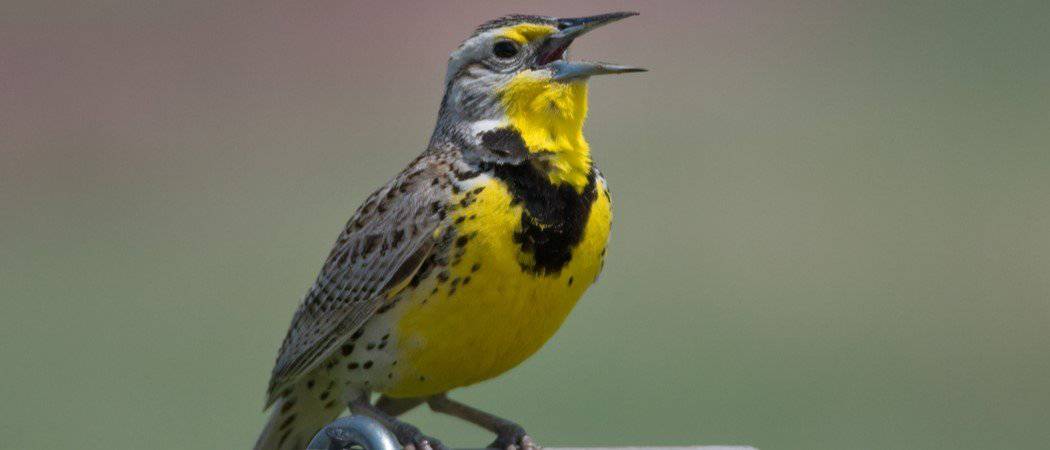
Official state bird of Nebraska: Western Meadowlark

The western meadowlark (Sturnella neglecta) has been Nebraska’s state bird since 1929. These yellow-breasted 11-inch birds are found throughout the state and can be recognized by their joyful song. The meadowlark is a cousin to blackbirds but has more patterned markings. Their backs, wings, and legs feature brown and brown-streaked markings on a white or beige underside. On their vibrant yellow breasts and at the base of the neck, these lovely songbirds also feature a jet black crescent.

Official fish of Nebraska: Channel Catfish

Since 1997, the channel catfish (Ictalurus punctatus) has represented the state of Nebraska as its official fish. This sportfish is widely sought as a meaty food. The channel catfish spawns and nests in rivers or streams under the protection of tree roots or rocks. Male “channel cats” guard and defend their nests against predators interested in eating the eggs.

Official Mammal of Nebraska: White-Tailed Deer

The white-tailed deer was named Nebraska’s official mammal in 1981. These herbivores are most often seen in brushy areas, woodlands, and farmlands where they feed on abundant vegetation. When startled, the deer raise their brown tails that feature a bright white underside. The flash of white conveys danger to other deer in the area. Baby deer, called fawns, can also use this white tail to keep track of their mother when following them in flight at night and through dense groundcover. Although white-tailed deer are vegetarians, they enjoy a varied diet available to them throughout the state. They eat acorns, corn, nuts, woody vegetation, and green plants. They are fed on by ticks in Nebraska.

Wild Animals in Nebraska

Wild animals in Nebraska are varied in types, habitats, diets, and abundance. Of the native species, some are endangered, vulnerable, or near threatened.

Endangered species of wild animals in Nebraska include the little brown bat and black-footed ferret. The tricolored bat is a vulnerable species. The American bison is near threatened but being reintroduced through wildlife management.

Strange animals of Nebraska include the armored nine-banded armadillo, one of the most unique creatures in the United States. Other strange mammals are the black-tailed jackrabbit and white-tailed jackrabbit, both with oversized ears towering above their heads. The black-tailed jackrabbit’s ears are especially large.

Strange rodents of Nebraska include the abundant voles such as the prairie vole, meadow vole, and woodland vole. Southern flying squirrels in Nebraska are rodents that can fly, thanks to their wing-like skin flaps extending from upper legs to lower legs. The state’s North American porcupine is another strange species, the second-largest rodent in the United States, only smaller than the North American beaver.

The most common mammals in Nebraska include squirrels, raccoons, and deer. At night, evening bats are common as they hunt for beetles, moths, and other insects. Among the rodents of the state, the most common within urban areas are the house mouse, black rat and brown rat. Some species of spiders can also be found in Nebraska.

Among the rarest wild animals in Nebraska are the American bison, black-footed ferret, tricolored bat, northern long-eared bat and little brown bat. Outside of state parks, zoos and wildlife preserves, it is also uncommon to see some of the state’s larger predators and carnivores. Among the rarest predators and carnivores are the Grizzly bear, black bear, coyote, gray wolf, fox, lynx and cougar. These are the rarest large mammals because they typically flee upon seeing people and avoid crossing paths with humans, in the first place.

Where To Find The Top Wild Animals in Nebraska

With more than 23,000 miles of rivers and streams across the state, Nebraska is not just the farmland most people expect. The state offers diverse habitats for many species to live and roam, including the prairies, wetlands and ponderosa pine forests. Visitors to the state typically want to see sandhill cranes, eagles and big game or herd animals. Among the most popular herd animals for visitors are bighorn sheep, bison and elk.

The most highly recommended places for wildlife viewing in Nebraska include:

The Most Dangerous Animals in Nebraska Today

The odds of being killed by an animal in Nebraska are very low, particularly when compared to the rest of the United States. In fact, Nebraska ranks at number 30 out of the 50 states in terms of this potential for fatal injury.

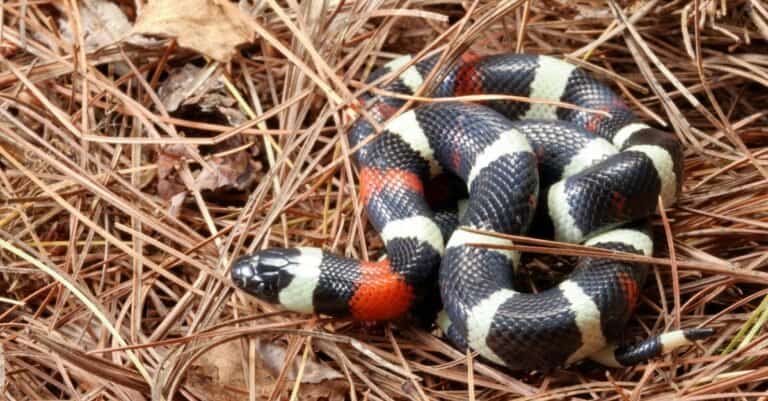
Although the state is home to brown bear, cougar, lynx and coyote, these are not as likely to kill you as a much smaller creature. The deadliest animal in the state is the poisonous snake. More specifically, you can die from the venomous bite of one of Nebraska’s four deadly snakes, the timber rattlesnake, prairie rattlesnake, copperhead and Western massasauga rattlesnake.

For a full analysis of the most dangerous animals in Nebraska, read our full guide.

Endangered Animals in Nebraska

Threatened and endangered species in Nebraska include:

  • Western massasauga, the smallest rattlesnake in the state and a threatened species
  • Blacknose shiner, a threatened minnow
  • Northern redbelly dace, a tiny threatened fish in the state
  • Eskimo curlew, a brown migratory bird believed to be extinct since 1963 but on the endangered list since 1967
  • Black-footed ferret, an endangered member of the carnivorous mustelid family
  • Gray wolf, delisted from the federal endangered species list but still almost non-existent in Nebraska
  • Northern long-eared bat, a federally-listed endangered species also endangered in Nebraska
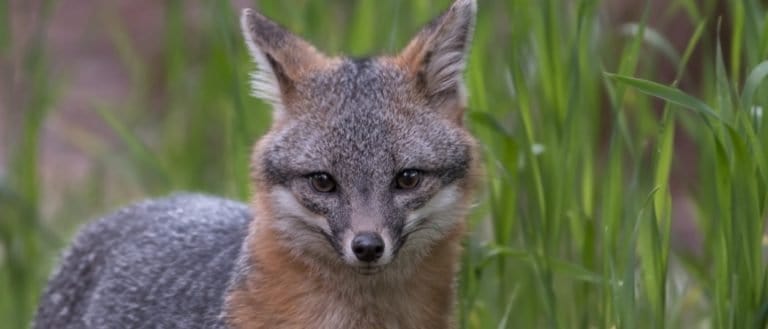
  • Swift fox, a threatened species hunted by coyotes in the state

Zoos in Nebraska

Nebraska has four zoos. The Henry Doorly Zoo in Omaha ranks as one of the largest in the world. Its 130 acres are home to about 17,000 creatures from 962 species. The zoo’s cat complex, indoor swamp, indoor desert, and glazed geodesic dome are all recognized as the largest facilities of their kind in the world.

The Lincoln Children’s Zoo in Lincoln is the state’s third most popular attraction. This site provides wildlife viewing and animal interaction opportunities for children. It features more than 400 living creatures, including 40 endangered species like the Amur leopard and Matschie’s tree kangaroo. Other zoos in Nebraska include the smaller Riverside Discovery Center.

Native Plants in Nebraska

The state of Nebraska is rich in flora and fauna, mostly because the National Park Service protects many areas within it. Nearly 1,500 species of native plants occupy various habitats across the state. Some native plants in Nebraska include wild bergamot, pitcher sage, and rose vervain, among others.

Read about:

  • extinct animals that lived in Nebraska.
  • the best national and state parks in Nebraska.
  • the largest animals in Nebraska.
  • the coldest place in Nebraska.
  • the largest and most dangerous snakes in Nebraska.
  • the longest biking trail in Nebraska.
  • the best fish to catch in Nebraska in the summer.
  • the best places to camp in Nebraska.

Animals Found in Nebraska

178 species documented in our encyclopedia

Thank you for reading! Have some feedback for us?