
B
Species Profile

Bagle

Canis lupus familiaris

Two hounds. One unstoppable nose.
etienneb07/Shutterstock.com

Bagle Distribution

Domesticated Species

Found Worldwide

Size Comparison

Human 5'8"
Bagle 1 ft 1 in

Bagle stands at 19% of average human height.

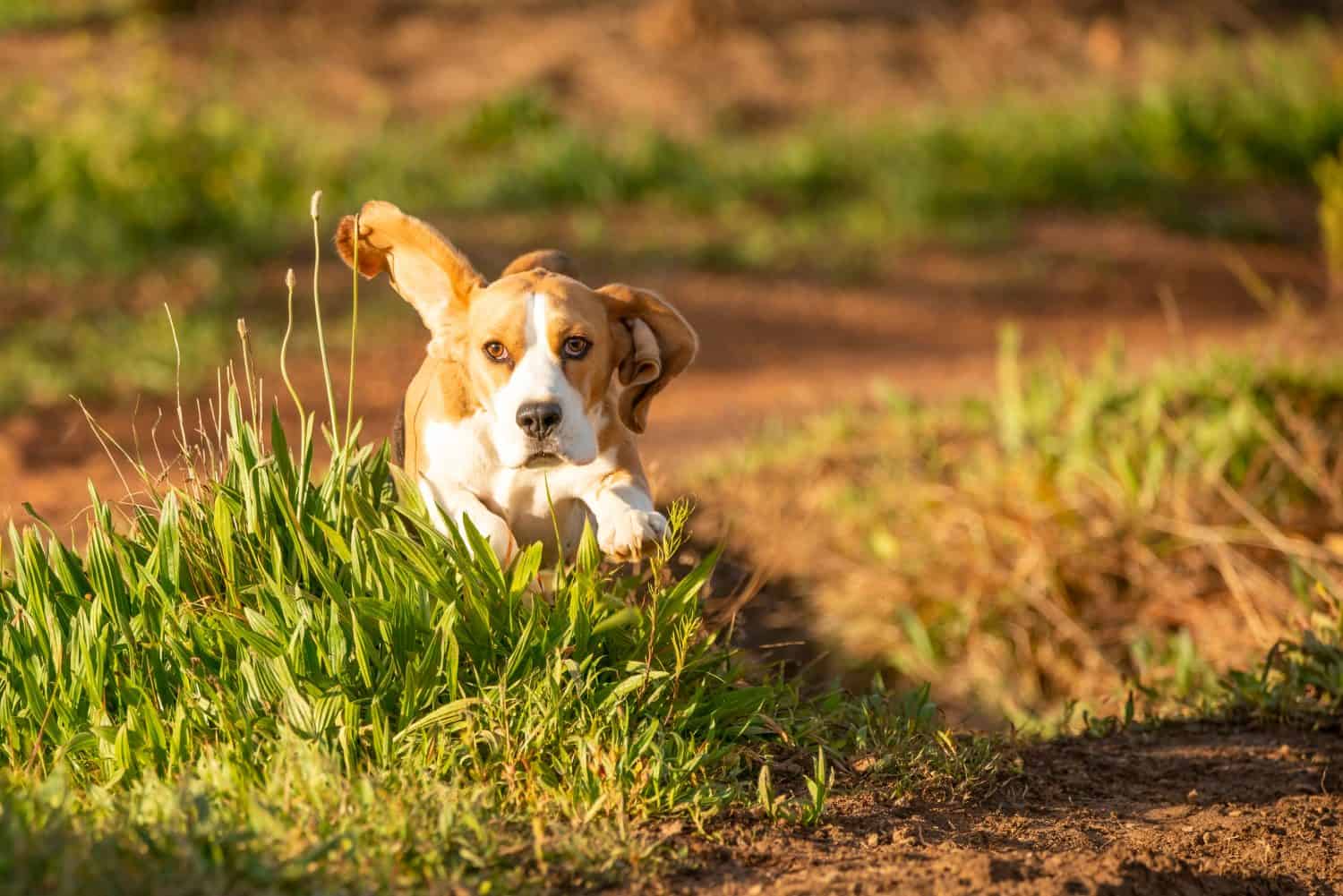
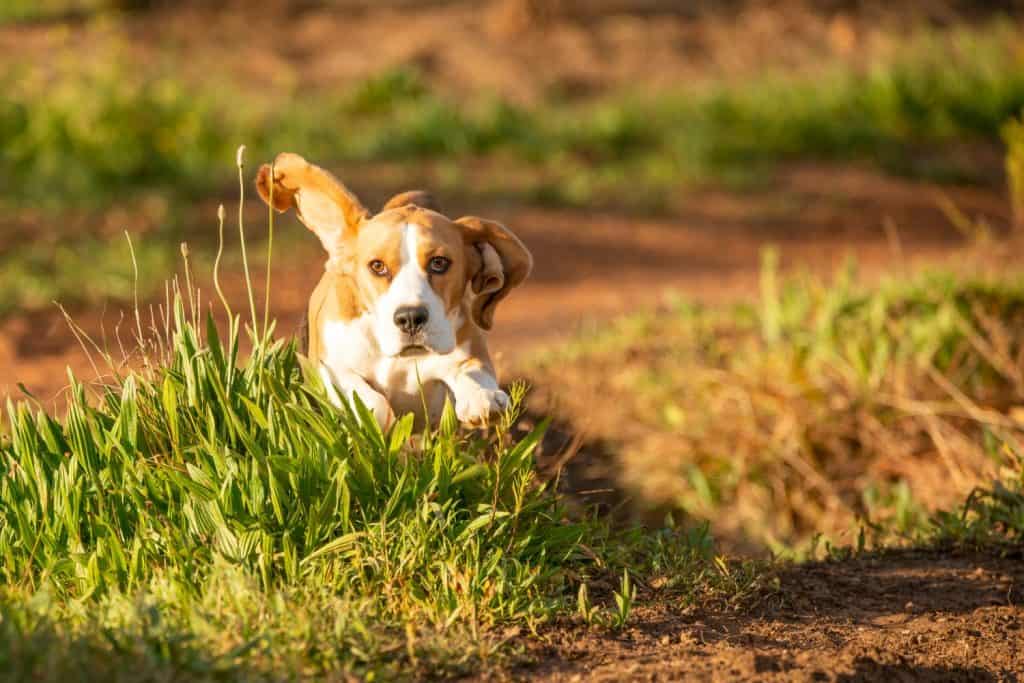
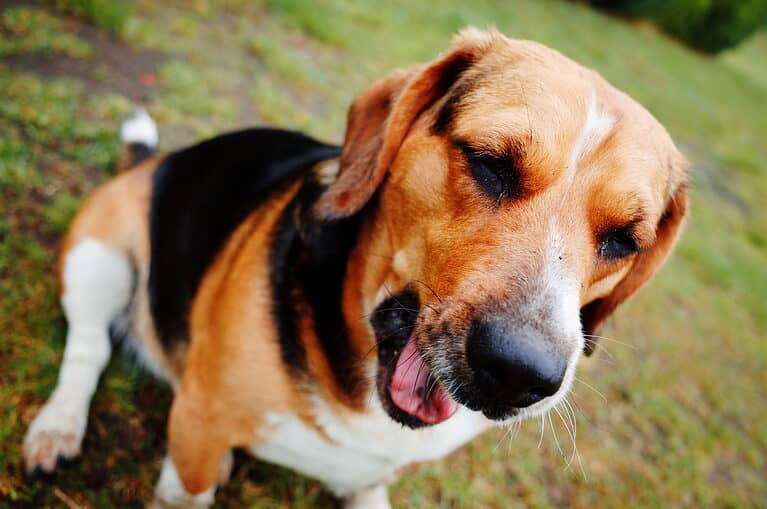
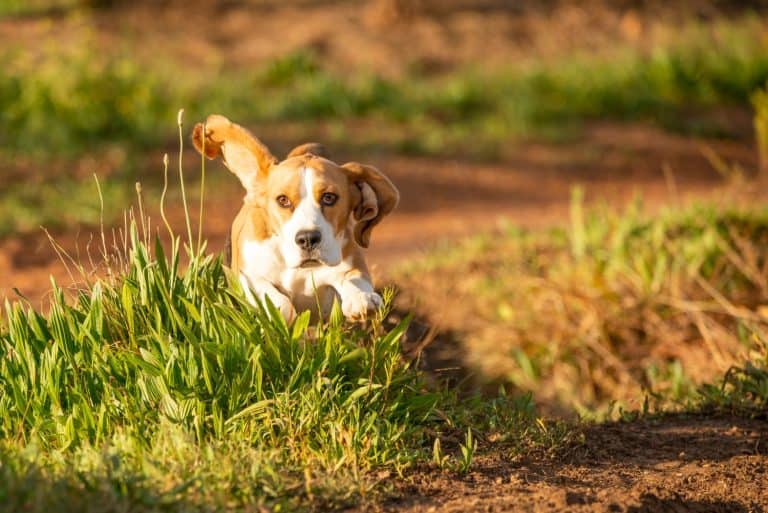
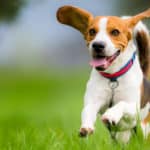
photo of a bagle playing in the grass

At a Glance

Domesticated
Also Known As Beaglebasset, Beagle-Basset, Basset Beagle, Bassetle
Diet Omnivore
Activity Diurnal+
Lifespan 12 years
Weight 25 lbs
Status Not Evaluated
Did You Know?

A Bagle combines two classic scent hounds, so many inherit a "nose-first" approach to walks and play.

Scientific Classification

A “Bagle” is a mixed-breed domestic dog produced by crossing a Beagle with a Basset Hound. As a hybrid of two scent hounds, it is typically a companion animal with strong scent-tracking instincts and an even-tempered, social disposition.

Kingdom
Animalia
Phylum
Chordata
Class
Mammalia
Order
Carnivora
Family
Canidae
Genus
Canis
Species
Canis lupus

Distinguishing Features

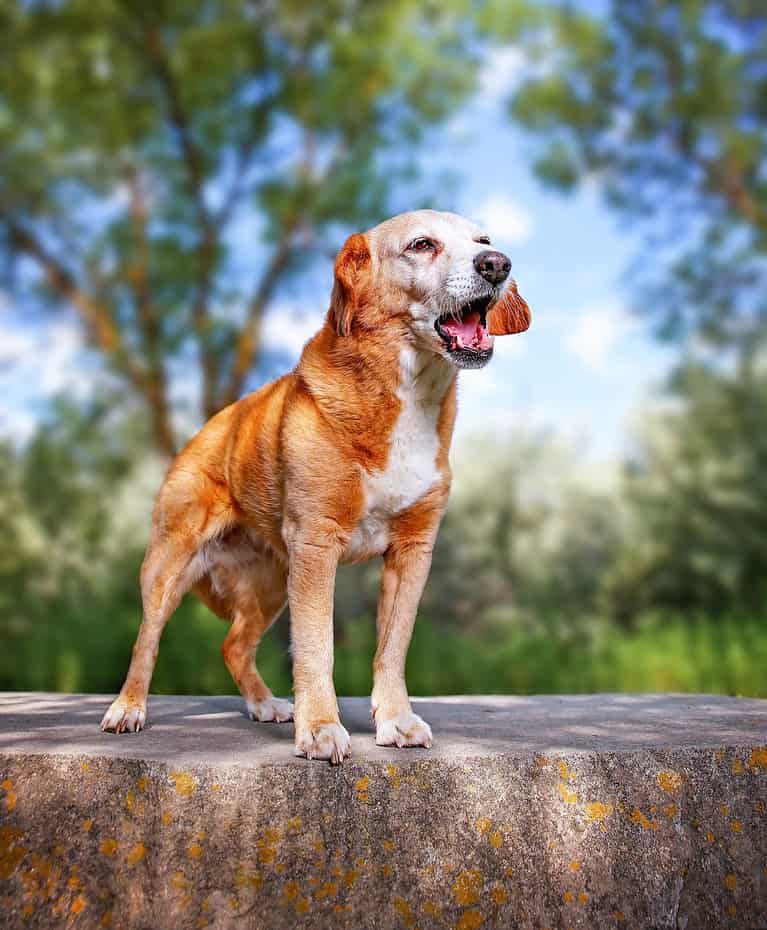
  • Mixed Beagle–Basset traits: long ears, strong nose, hound build
  • Often lower-to-the-ground than a Beagle, sometimes heavier-boned
  • Coat commonly short and dense; coloration variable (tri-color, tan/white, etc.)
  • Strong scent drive; may be vocal (hound baying/howling)

Physical Measurements

Males and females differ in size

Height
1 ft 2 in (1 ft 1 in – 1 ft 4 in)
1 ft 1 in (12 in – 1 ft 2 in)
Length
2 ft 9 in (2 ft 4 in – 3 ft 3 in)
2 ft 7 in (2 ft 4 in – 2 ft 11 in)
Weight
44 lbs (31 lbs – 64 lbs)
33 lbs (24 lbs – 44 lbs)
Tail Length
10 in (8 in – 1 ft 1 in)
7 in (6 in – 9 in)
Top Speed
17 mph
Slower than many breeds

Appearance

Primary Colors
Secondary Colors
Skin Type Bagle coat is short to medium, dense, and weather-resistant with moderate shedding. Skin may be loose around the neck. Long, low-set ears stay moist and can cause ear infections if not kept clean and dry.
Distinctive Features
  • Domestic dog (Canis lupus familiaris) mixed breed: a Beagle × Basset Hound cross; not a separate wild species and not a formal taxonomic unit beyond the domestic dog.
  • Distinguished from the base species (gray wolf, Canis lupus) by companion-dog morphology and behavior: smaller body size, highly variable coat colors/patterns, floppy pendant ears, shorter muzzle options, and strongly human-social temperament.
  • Scent-hound build: long, low-set ears; deep chest; strong nose-driven behavior with frequent sniffing, tracking, and selective hearing when on a scent.
  • Body proportions often show Basset influence: heavier bone, longer body, and potentially short legs (chondrodystrophic appearance) compared with many other domestic dogs.
  • Head/face often Beagle-like expression with large, soft eyes; muzzle length and skull breadth vary between parents.
  • Tail commonly carried level to slightly up when alert; may show a white tail tip that is visible during tracking.
  • Temperament commonly companion-oriented: social, friendly, and pack-minded; can be vocal (bay/howl) and food-motivated.
  • Care requirement: needs daily enrichment that uses the nose (sniff walks, scent games, tracking) plus moderate exercise; boredom can lead to howling, digging, or scavenging.
  • Care requirement: secure fencing and leash reliability are important due to scent-trailing instincts and roaming risk; recall may be inconsistent when distracted by odor.
  • Care requirement: ear care is high priority-regular cleaning and thorough drying to reduce ear infections; check for wax/odor and redness.
  • Care requirement: weight management is critical (both parent breeds are prone to obesity); measured feeding, low-calorie treats, and joint-friendly activity recommended.
  • Health concern tendencies (variable by individual): intervertebral disc disease/back strain risk if short-legged/long-backed; avoid frequent jumping from heights and use ramps when needed.
  • Health concern tendencies: hip/elbow dysplasia and patellar issues can occur; maintain lean body condition to reduce orthopedic load.
  • Health concern tendencies: eye issues (e.g., glaucoma or other inherited conditions seen in hounds) may occur; routine veterinary eye checks are beneficial.
  • Health concern tendencies: skin irritation in folds/around ears and mild dermatitis can occur; regular grooming and monitoring for hotspots helps.

Sexual Dimorphism

Sexual dimorphism is generally mild, typical of many domestic dogs: males average slightly larger and heavier with more robust head/neck; females tend to be somewhat smaller and lighter. Individual variation and parent-size influence can be greater than sex differences.

  • Often slightly taller/heavier with a broader skull and thicker neck/shoulders.
  • May develop a more pronounced chest and overall stockier outline, especially with strong Basset influence.
  • Often slightly lighter and narrower through head/neck, sometimes appearing more refined in build.
  • May have a subtly less bulky chest/forequarters while keeping the same hound proportions (long ears, deep chest).

Did You Know?

A Bagle combines two classic scent hounds, so many inherit a "nose-first" approach to walks and play.

Long, pendulous ears can help funnel ground scent toward the nose-one reason hounds often seem to "read" the world by smell.

Many Bagles keep the Beagle's cheerful sociability with the Basset's laid-back, steady temperament.

Their build varies: some look like a shorter Beagle, others like a lighter Basset; most land somewhere in between.

The name "Basset" comes from a French term meaning "low," reflecting the breed's short legs and low-to-the-ground hunting style.

Beagles became famous as "foot hounds" in Britain-bred to follow hunters on foot rather than horseback.

Because both parent breeds are food-motivated, Bagles are often enthusiastic learners when rewards are involved.

Unique Adaptations

  • Enhanced olfaction typical of scenthounds: a large nasal tissue area and scent-processing focus selected through generations of hunting dogs (distinct from the wild-type wolf lifestyle).
  • Long, low carriage (often): shorter legs and heavier bone can place the nose closer to ground scent trails for prolonged tracking.
  • Pendulous ears (often): can stir and channel odors toward the muzzle during slow, methodical scent work.
  • Loose skin around face/neck (variable): may help trap scent particles near the nose in some hound lines.
  • High food motivation: an adaptation shaped by domestication and selective breeding that makes reward-based training effective-while also increasing obesity risk if unmanaged.

Interesting Behaviors

  • Scent-locking on walks: they may suddenly slow down, zig-zag, or plant their feet when a trail is interesting.
  • Vocal communication: many Bagles inherit baying/howling tendencies, especially when excited or tracking a smell.
  • "Selective hearing" outdoors: strong odors can outcompete recall training unless consistently reinforced.
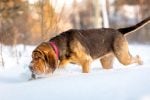
  • Ground-scent tracking: nose close to the ground, sweeping arcs, and intense focus-typical scent-hound working style.
  • Food scouting and counter-surfing: a common hound pastime if kitchen rules aren't managed.
  • Comfort-seeking lounging: many enjoy soft bedding and will choose the coziest spot in the home.
  • Pack friendliness: often enjoy other dogs and family activity, sometimes shadowing their people room-to-room.

Cultural Significance

Bagle (Beagle × Basset Hound, Canis lupus familiaris) is a modern companion mix from European scent hound traditions. Beagles link to British hunting and family life; Basset Hounds to French trailing. Today Bagles are friendly household dogs good at nose games and tracking.

Myths & Legends

Elizabethan "pocket beagles": stories from Tudor-era England describe very small Beagles kept for amusement and hunting; they're often portrayed in anecdotes as tiny hounds that could be carried in a saddlebag or glove.

European tale says Saint Hubert saw a stag with a bright crucifix between its antlers, which changed him. He became patron of hunters, making the hound a lasting symbol in hunting lore.

Across England and the British Isles, folklore tells of ghostly black hounds like Black Shuck whose howls and glowing eyes haunt roads and wild places, leaving a strong mark on local culture.

The name "Basset" comes from an old French word meaning "low." It became a simple way to describe short-legged hounds that hunt slowly by following scents close to the ground.

In European folk stories, a hunter's hound is a faithful guide, a steady tracker that finds lost paths and leads people home, a common example of scent hounds' real tracking skill.

Conservation Status

NE Not Evaluated

Has not yet been evaluated against the criteria.

Population Stable

Life Cycle

Birth 6 pups
Lifespan 12 years

Lifespan

In the Wild
10–15 years
In Captivity
10–15 years

Reproduction

Mating System Polygynandry
Social Structure Managed Domestic
Breeding Pattern Transient
Fertilization Managed Selective
Birth Type Internal_fertilization

Behavior & Ecology

Social Pack Group: 4
Activity Diurnal, Crepuscular, Cathemeral
Diet Omnivore meat-forward, high-quality dog food with animal protein (e.g., chicken/turkey/beef) and palatable scent-rich toppers (broth, wet food)

Temperament

Social, companion-oriented scent hound mix; typically friendly with familiar people and often good with children when properly socialized (variation: some individuals can be more reserved with strangers).
High scent-drive and tracking persistence (distinguishes many Bagles from the broader domestic-dog average): easily distracted outdoors, strong tendency to follow odors; reliable recall often requires training plus management (leash/long line, fenced areas).
Even-tempered but can be stubborn/independent in training-common to scent hounds. Best outcomes with positive reinforcement, short sessions, and food/toy rewards; harsh corrections often reduce responsiveness.
Moderate energy with bursts of enthusiastic sniffing and roaming; needs daily exercise plus nose-work enrichment more than high-speed running (variation: some individuals are quite laid-back like many Basset Hounds, others more active like many Beagles).
Food-motivated with elevated obesity risk; benefits from measured portions, slow-feeders, and limiting high-calorie treats (breed-mix care requirement).
Potentially vocal (baying/howling) especially when excited, scenting, bored, or isolated; training and enrichment help reduce nuisance vocalization.
Long back and short legs raise spinal strain risk (IVDD); avoid jumping, use ramps, and keep a lean body. Long floppy ears raise ear infection risk—check and clean ears often.

Communication

Bark Alerting and attention-seeking
Bay/howl Classic scent-hound vocalization; often triggered by tracking, excitement, frustration, or social isolation
Whine/whimper Attention, anticipation, or separation-related distress
Growl Distance-increasing signal around resources or discomfort; often avoidable with management and training
Olfactory communication is prominent: intense ground-sniffing, scent-trailing, and scent-marking (urine) are frequent and can override social cues-distinctly strong in this mix compared with many non-hound domestic dogs.
Body language: tail carriage/wag, ear and head position, freezing/averting gaze, play bows; Bagles may show 'nose-down' posture that signals environmental focus rather than social disengagement.
Physical contact/solicitation: leaning, pawing, nudging, following closely; can be persistent when requesting food or walks.
Mouth-oriented exploration (gentle mouthing) in some individuals; redirection to chew toys supports appropriate interaction.
Human-directed communication: looking back to handler, sitting/pausing near doors or food areas; training can shape these into clear cues to reduce vocal demands.

Habitat

Biomes:
Temperate Forest Temperate Grassland Mediterranean Boreal Forest (Taiga) Tundra Alpine Savanna Desert Hot Desert Cold Tropical Dry Forest Tropical Rainforest Wetland Freshwater Marine +8
Terrain:
Plains Hilly Valley Plateau Mountainous Coastal Island Riverine +2
Elevation: Up to 18044 ft 8 in

Ecological Role

Human-subsidized domestic omnivore; primarily a companion animal with occasional opportunistic predation/scavenging tendencies typical of scent hounds.

companionship and social support for humans rodent deterrence/control around homes when supervised scent-based working roles (tracking, detection-style games/training) participates in urban/suburban food webs as a managed predator/scavenger (requires responsible waste control to reduce wildlife impacts)

Diet Details

Main Prey:
Small rodents Rabbit Squirrel Ground-nesting birds Invertebrates
Other Foods:
Rice, oats, corn, wheat Vegetables Fruits Grasses

Human Interaction

Domestication Status

Domesticated

Canis lupus familiaris is a fully domesticated dog shaped by people for work and company. The Bagle (Beagle × Basset Hound mix) is a modern companion scent hound, bred for strong scent-tracking, friendliness, and a steady, low-slung body. People keep Bagles as pets, for scent-work, hobby sports, or they may enter shelters if bored or roaming.

Danger Level

Low
  • Biting risk exists as with all dogs, typically tied to fear, pain, resource guarding, or poor supervision with children
  • Roaming/bolting on scent trails can create public-safety hazards (traffic incidents) if off-leash or inadequately contained
  • Vocalization (howling/baying) can create neighborhood conflict rather than direct physical danger
  • Zoonotic/parasite considerations common to dogs (fleas/ticks, intestinal parasites) if preventive care is lacking

As a Pet

Suitable as Pet

Legality: Generally legal to own as a domestic dog in most jurisdictions. Subject to standard local dog regulations (licensing, leash laws, vaccination, nuisance barking ordinances). Rarely affected by breed-specific legislation, but owners should verify local rules and housing/insurance restrictions.

Care Level: Moderate

Purchase Cost: Up to $1,500
Lifetime Cost: $15,000 - $45,000

Economic Value

Uses:
Companion animal Pet services economy (training, grooming, boarding, daycare, walking) Recreational hunting/scent-tracking Rescue/adoption programs
Products:
  • Companionship and family pet role (primary value)
  • Scent-work/tracking participation (hobby/club level) leveraging strong olfactory drive
  • Pet-service demand (leashes/harnesses, enrichment toys, training classes, veterinary care)

Relationships

Ecological Equivalents 7

Animals that fill a similar ecological role in their ecosystem

Beagle
Beagle Canis lupus familiaris Scent-hound niche overlap and direct parentage. Provides compact size, strong food drive, excellent scenting ability, and a tendency to vocalize and follow scent trails.
Basset Hound
Basset Hound Canis lupus familiaris Shares the scent-hound niche and direct parentage; commonly contributes shorter legs and a longer body, a slower but persistent tracking style, heavier ears and skin folds, and a calmer, steady temperament.
Bloodhound
Bloodhound Canis lupus familiaris Similar ecological role as a scent-tracking hound; used for trailing odors over distance — a useful comparison for Bagle's strong scent fixation and need for secure containment.
Coonhound
Coonhound Canis lupus familiaris Comparable hunting/trailing niche—scent work and baying/vocal trailing behavior. Highlights Bagle's likely stamina and tendency to roam if unsupervised off-leash.
Dachshund
Dachshund Canis lupus familiaris Another scent-driven, small-to-medium hound often bred for ground-level trailing; relevant to Bagle's likely prey-chase instincts and to potential back and joint concerns if long-backed, short-legged traits appear.
Harrier
Harrier Canis lupus familiaris Pack-oriented scent hound with rabbit-hunting heritage. Similar exercise and enrichment needs: structured sniffing games, tracking, and steady daily activity.
Domestic dog
Domestic dog Canis lupus familiaris Compared to average dogs, Bagles follow scents more, can be noisier, and are more food-driven. Care includes weight control, regular ear cleaning, back/joint support, and nose-work. Common problems include ear infections, obesity, spinal disc disease, hip or elbow dysplasia, allergies, and eye issues.

Quick Take

  • The Bagle's most lovable physical feature is also its biggest health liability, and ignoring it leads to a painful recurring problem. See the ear infection risk →
  • Training a Bagle at the wrong moment can backfire entirely. There is a specific window when it actually pays attention. Find the training window →
  • The Bagle inherits a near-legendary sensory superpower from one parent, though this gift comes with a notable caveat. Explore the scent ability →
  • Despite its mischievous and stubborn streak, there's one type of owner this breed is surprisingly perfect for. See who this breed suits →

The Bagle is a mixed-breed dog that is a cross between the Beagle and the Basset Hound. Although this Basset Hound mix is a hybrid breed, the Bagle is a true hound through and through. If you wish to own this beautiful breed, realize that you will need a lot of patience because this canine’s hilarious antics and constant mischievousness will keep you extremely busy. However, their loving and affectionate nature makes it worth having these dogs as part of the family.

A colorful infographic titled 'The Bagle Hound: Beagle & Basset Mix' featuring illustrations of the dog and various icons representing health, diet, and behavior facts.
Elite tracking skills meet legendary stubbornness—uncover the reality of living with the mischievous Beagle-Basset mix. © A-Z Animals

Four Incredible Bagle Hound Facts

  • The Bagle’s coat has a variety of colors, including white, black, tan, and red.
  • This breed inherited a great sense of smell from the Basset Hound parent breed. However, their sensory receptors are not quite on the level of the Bloodhound, which leads all breeds in scent ability with an estimated 230 million olfactory receptors, followed by the Basset Hound in second place.
  • The Bagle’s total lifespan is 10-15 years.
  • Bagles’ mouths tend to salivate, resulting in excessive drool.
ProsCons
Loving and friendly nature: These dogs are always up for a cuddle and show no aggression toward anyone in their presence.Stubborn: Bagle’s stubbornness is an understatement! These dogs don’t like to be told what to do; they do things on their own terms. Regular training will assist in resolving this issue.
Low-maintenance grooming: The advantage of low-maintenance grooming is that their coat does not require cutting, and their hair sheds moderately.Drools often: The structure of these dogs’ lips prevents saliva from staying inside their mouth, causing them to drool. So when they get a scent of food, their salivary glands will produce more drool than usual.
Sociable and independent: This breed enjoys socializing with people and even has a friendly nature towards other animals. As for being independent, Bagle Hounds have a mind of their own, whether wanting to explore the outdoors or just be alone to rest and be lazy.Ear infections: This dog has long ears, which keep the area of the eardrum closed, resulting in recurring ear infections. Their ears require regular monitoring to keep bacterial infections under control, and if left untreated, your dog will experience uncomfortable pain.

Size and Weight

The Bagle Hound is medium-sized and weighs between 30 and 55 pounds. Both male and female Bagles range from 12 to 17 inches in height.

Common Health Issues

The Bagle Hound has some hereditary predispositions to specific health issues, which include:

  • Ear infections
  • Hip and Elbow Dysplasia
  • Glaucoma
  • Obesity

Ear infections

Because of their long, floppy ears, this breed’s covered ear canal is a breeding ground for recurring ear infections. Your veterinarian can prescribe antibiotic ear drops to relieve red and inflamed ears.

Hip and Elbow Dysplasia

Elbow and hip dysplasia are similar disorders that impact how the joints form. When these joints do not connect properly, they wear down faster, reducing your pet’s mobility. Although these two conditions are not curable, chronic medication will provide your dog with pain relief.

Glaucoma

Glaucoma is a disorder that causes excessive pressure to build up in the eye. Symptoms include red, inflamed eyes, severe pain, and vision loss. Surgery and medication can help reduce symptoms and manage the condition, but in certain circumstances, if this condition worsens, it can cause blindness.

Obesity

Obesity can cause a variety of health issues, such as:

  • Cardiovascular disease
  •  Liver disease
  •  Diabetes

This breed loves its food, so to prevent your Bagle from gaining unhealthy weight, follow the feeding directions on its kibble packaging and ensure your dog receives adequate exercise.

Temperament

The Bagle Hound is a friendly breed that enjoys being surrounded by people and animals. Training these dogs can be pretty tiresome and challenging, as they would rather find a comfy spot to relax and unwind. However, these dogs don’t require lengthy training sessions because they are intelligent. Although they have a carefree and lazy nature, Bagles are capable of learning new tricks, provided you have a lot of patience. When training your Bagle, use positive reinforcement; it has a sensitive personality and will quickly become agitated if you become angry with it. Keep a watchful eye; these hounds can also become mischievous if left alone for an extended period. Its laid-back personality and medium size make this breed ideal for older adults and people with disabilities.

How to Take Care of Your Bagle Dog
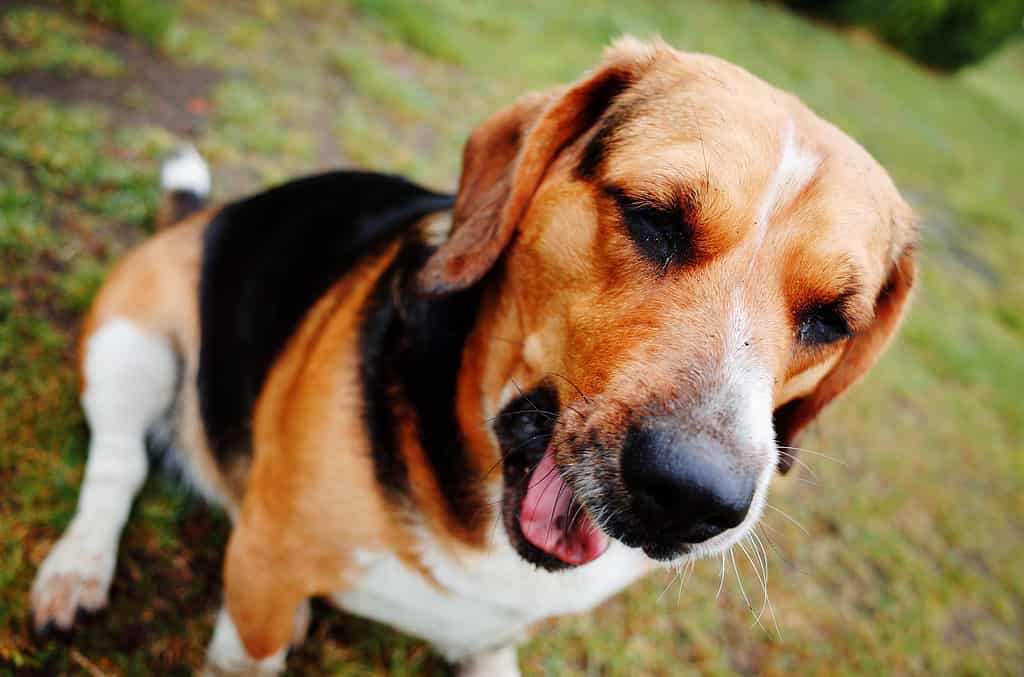
Basset Hound Mix

If you wish to own this beautiful breed, realize that you will need a lot of patience because this canine’s hilarious antics and constant mischievousness keep you extremely busy.

Responsible pet ownership begins with proper care. Adopting a dog comes with many responsibilities, as your furry friend will rely on you for their health and well-being. Provide your dog with a healthy diet, clean water, grooming needs, and, of course, sufficient exercise.

Best Dog Food

Your Bagle Hound will thrive on high-quality dry dog food that contains a great source of:

  • Protein
  • Carbohydrates
  • Grains
  • Healthy fats
  • Fruits
  • Vegetables
  • Probiotics

Keep in mind when sourcing dry kibble to avoid corn, wheat, and soy by-products, as these ingredients can cause allergies and digestive complications. In addition, your dog’s meals must be supplemented with omega-3s, as these fats promote healthy coats and reduce inflammation.

Probiotics are another vital element to add to your dog’s meals because probiotics enhance the gut’s healthy bacteria, assisting the digestive system in preventing diarrhea and constipation. Because the digestive tract contains a large portion of the immune system, adding beneficial bacteria promotes a happy and healthy dog.

Maintenance and Grooming

Their coat hairs are short and dense, allowing grooming to be low maintenance. Their coats don’t require cutting, which means no knotty tangles. Brushing can be done as little as once a week to remove loose hair and skin debris. It is vital not to get their ears wet, as they are at risk of ear infections, and to gently clean your dog’s ears once a week, as directed by a vet. Teeth should be brushed once a week to prevent plaque buildup and dental disease.

Training

Training this breed can be difficult because they are lazy and can become easily distracted. These canines don’t want to be disturbed during their downtime and can become rather stubborn if interrupted. Monitor your hound’s daily schedule, as this will give you a time frame to see when they are attentive and most focused for training sessions. Consistent training will keep your dog in a good routine, as well as help it understand commands and learn new tricks.

Exercise

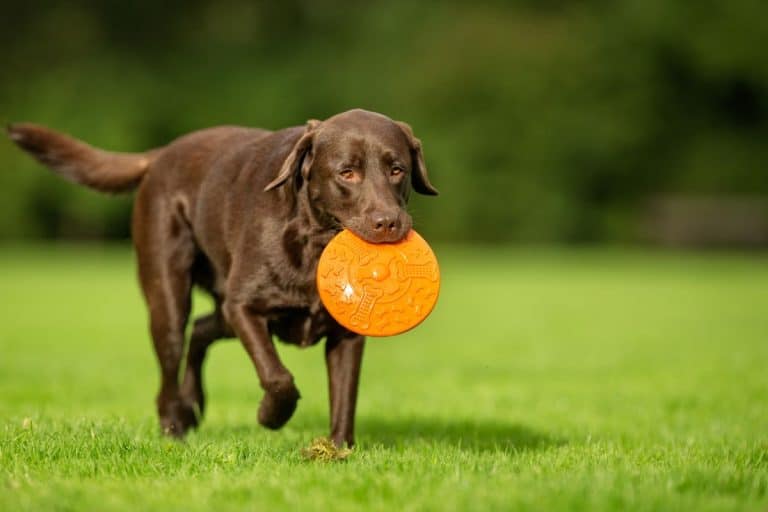
Bagle Hounds are active canines with hounding impulses that require physical exercise to keep fit and mentally well. Fetching sticks and chasing balls entertains them the most. However, they need space to run and play; therefore, you should take them for walks and jogs every day, or they may become bored indoors.

Puppies

Bagle Hound puppies may not be as common as purebred dogs, but they can often be found through breeders or rescue organizations specializing in hound mixes. A reliable breeder who can provide the parents’ health history is essential when looking to adopt this breed.

Bagle Hound and Children

With children, this breed is very gentle and well-mannered. These dogs get along nicely with children of all sizes and are normally unbothered by children being rough with them. Although not aggressive and rarely barking, they can become protective of their family members. When not lazing around the house, they enjoy playing fetch and showing affection, making this dog a perfect fit for families with children.

View all 453 animals that start with B

Sources

  1. Dog Time / Accessed December 12, 2022
  2. Dog Zone / Accessed December 12, 2022
  3. Hepper / Accessed December 12, 2022
Kayeleen Parsons

About the Author

Kayeleen Parsons

Kayeleen Parsons is a writer at A-Z Animals that thoroughly enjoys writing about animals of all types. She has a love for many animals, but her Cocker Spaniel dog holds a special place in her heart. In addition to being a writer, she's also an English teacher, sharing her knowledge to help her students become excellent in the language and literature. When she's not busy writing, Kayeleen enjoys reading and spending quality time with her family in her homeland of Cape Town.

Thank you for reading! Have some feedback for us?


Bagle FAQs (Frequently Asked Questions)

No, this canine is a mixed breed dog of the Beagle and the Basset Hound.