








Quick Take
- The Drever looks like a dachshund and shares some DNA, though the story of how it became Sweden's go-to hunting dog involves a surprising cross-border breeding experiment. Trace the breeding history →
- Drevers make loving family pets, but there is one household situation where owners consistently run into trouble. Most don't see it coming until it's too late. See the family pet caveats →
- Their short coat makes grooming sound effortless, but one neglected routine can quietly land your Drever at the vet. Check the grooming routine →
- Drevers are prone to a structural health issue that their own body shape makes almost inevitable, and catching the early signs requires knowing exactly what to look for. Spot the early warning signs →
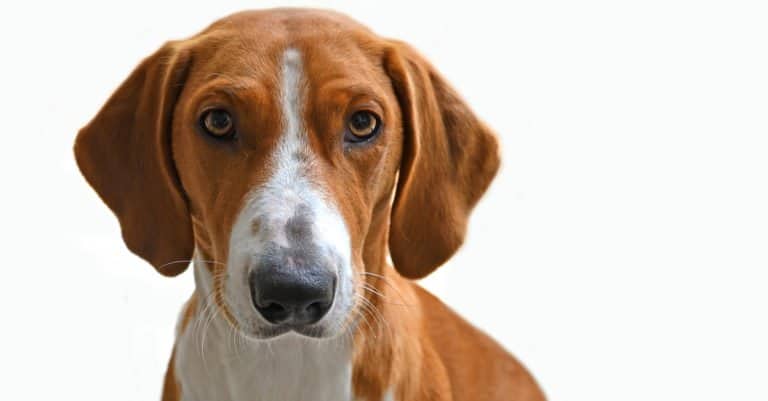
Drevers are one of the most popular dog breeds in Sweden. They are a smaller version of the German hound, the Westphalian Dachsbracke, which was imported to Sweden in 1910. Drevers are hunting dogs that are excellent at driving deer towards their owners, but they can also be very useful for hunting other animals such as foxes and hares.
Because of their even temperament, these dogs can make great family pets and do especially well with older children. However, most owners use Drevers as hunting dogs and don’t solely keep them as companion dogs.

3 Pros and Cons of Owning a Drever
| Pros | Cons |
|---|---|
| Great family dog: They are loving and loyal. They can make a good family pet, especially with older children. | Prone to obesity: They are more prone to obesity than some other breeds, so you’ll need to watch their food intake and exercise levels. |
| Low shedding: They aren’t known for shedding too much and do not require frequent brushing. | Stubborn: They are stubborn and can be a challenge to train. |
| Good for hunting: They make a great companion for a hunting trip and can help drive animals to the hunters. | May suffer from separation anxiety: They do best when someone is home with them and may suffer from separation anxiety if left alone too long. |
Evolution and Origins
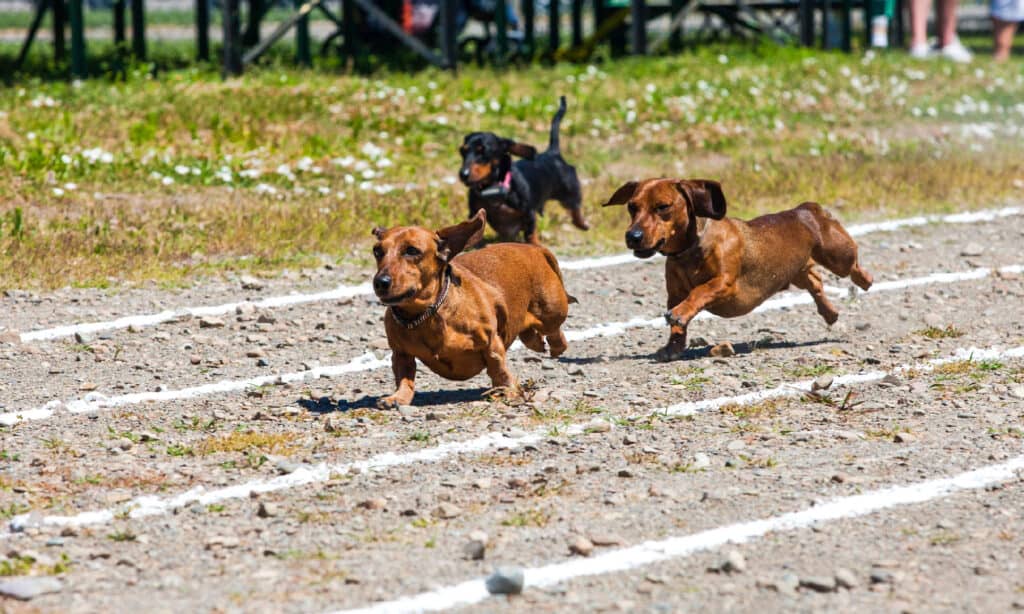
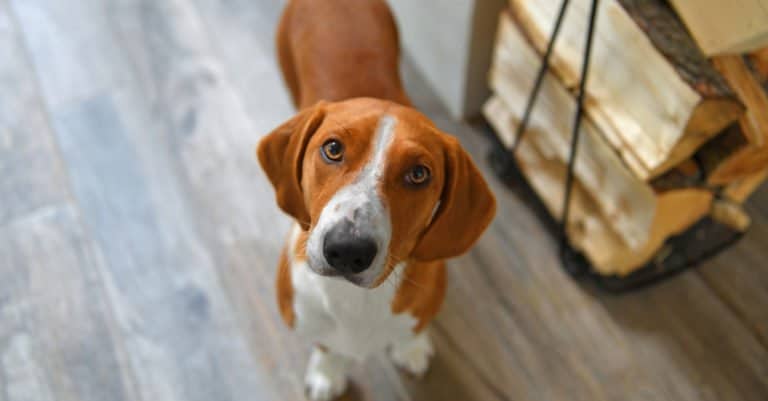
Drevers are descended from dachshunds.
©iStock.com/gjohnstonphoto
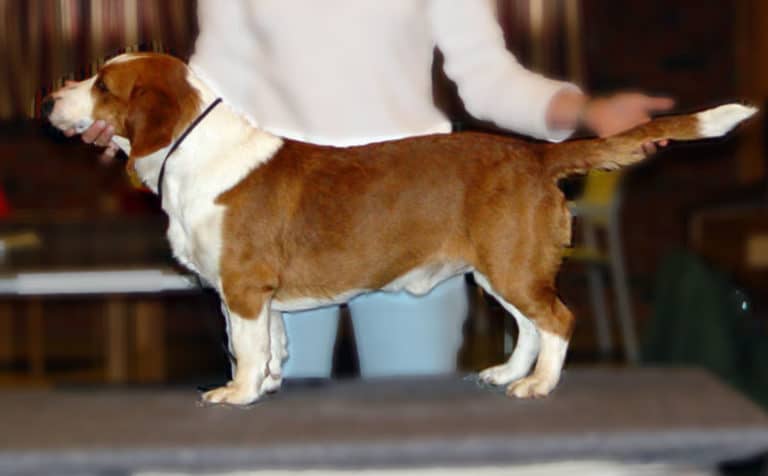
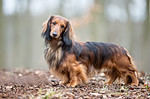
With its long body and short legs, this unflappable pet is somewhat reminiscent of a dachshund. A peek into its breeding history shows that the breed is actually a distant descendant by way of the Westphalian Dachsbracke, whose exact origins are uncertain but is thought to be descended from the Deutsche Bracke, possibly crossed with the Dachshund.
However, the Drever, or Swedish Dachsbracke, as it is also known, came into being when its more recent forebear, the Westphalian Dachsbracke, was imported into Sweden and bred with local hounds. The result was a hardy little hound, slightly larger than its German ancestor, which was capable of driving deer towards hunters.
Today, the Drever counts as one of Sweden’s most popular breeds, and its ability to get along with both human and furry housemates has made it a much-loved family pet.
Size and Weight
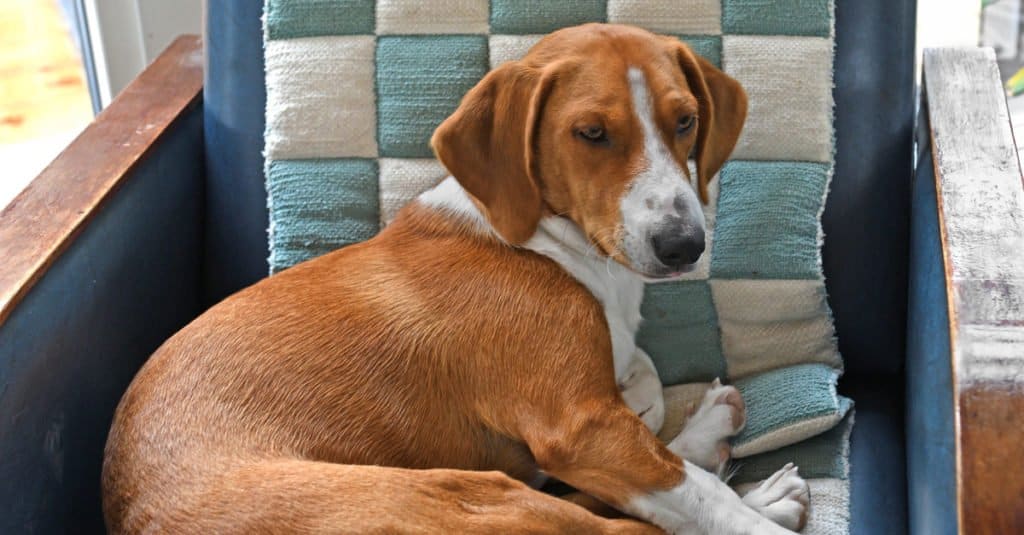
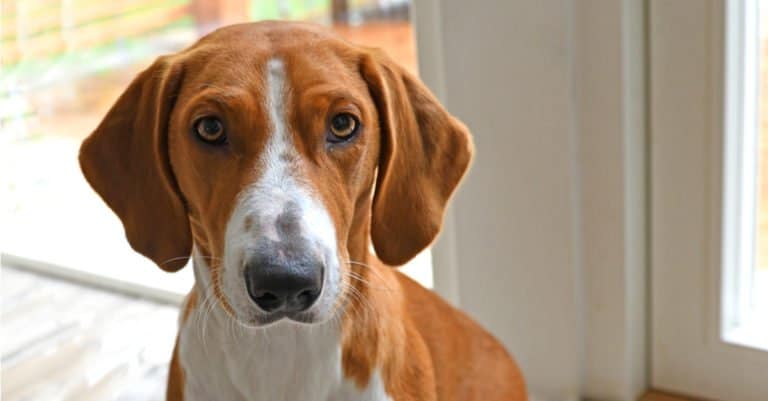
Drevers reach their full size by their twelfth month.
©Popova Valeriya/Shutterstock.com
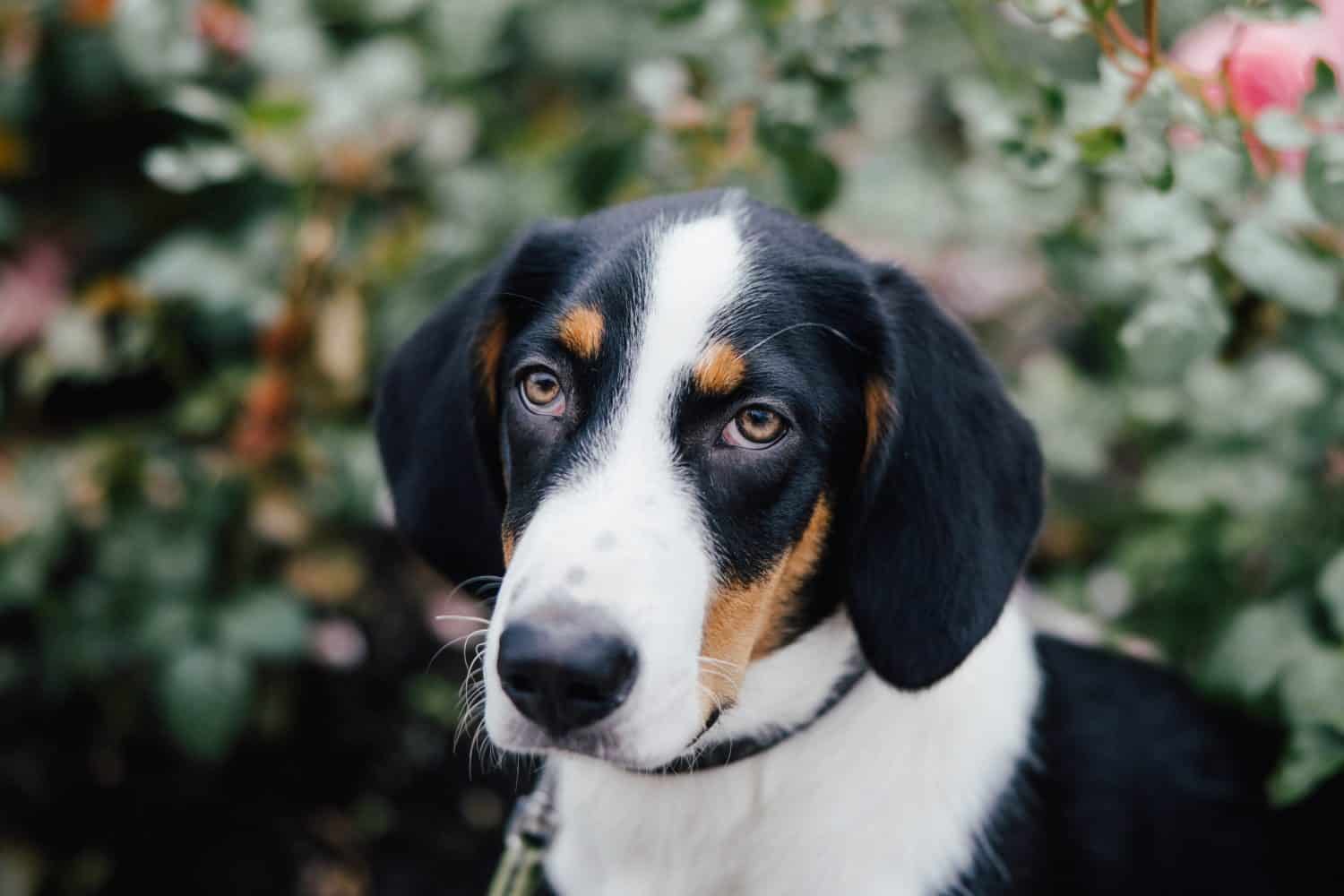
Drevers are a small to medium-sized dog breed. Both male and female Drevers are about the same size. They are generally between 12 and 15 inches tall and weigh between 30 and 40 pounds. Six-month-old puppies typically weigh between 18 and 32 pounds. Drevers are fully-grown by the time they are one-year-old.
Common Health Issues
In general, the Drever is a healthy breed. However, there are still a few potential health concerns you’ll want to be aware of to make sure you can offer the best level of care to your pup.
Drevers are more prone to obesity than some other breeds. You will want to consult with your veterinarian to determine the best food for your pet and the recommended amount it should eat each day. Regular exercise and activity are also important for these dogs to keep them from becoming obese.
Drevers may also suffer from ear infections. Regularly check your dog’s ears and keep them clean to reduce wax buildup. If you notice your dog pawing or scratching at their ears, schedule an appointment with the veterinarian.
Some Drevers may also suffer from a slipped disc. This problem is more common in dogs with shorter legs and a longer body, such as Drevers. The symptoms of a slipped disc can vary based on the location of the disc, but may include trouble walking, pain, or incontinence. If something seems off with your dog’s behavior or health, seek medical attention.
Temperament and Behavior
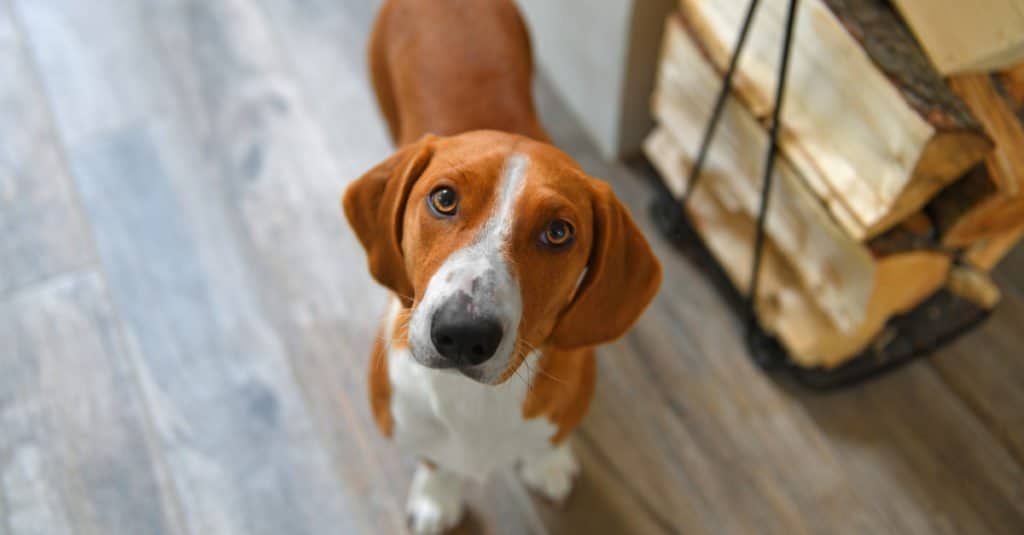
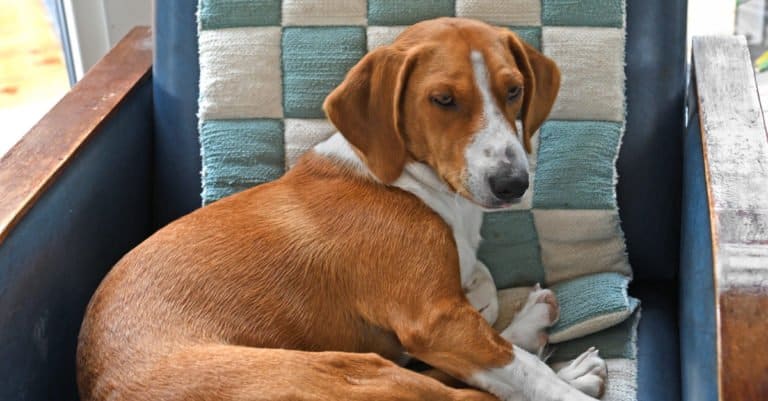
Drevers are mild mannered, yet alert.
©Popova Valeriya/Shutterstock.com
Drevers are very loyal and have an even-tempered personality. They can make a good family dog and are very affectionate, but tend to do better with older children who are not as rambunctious. Drevers were bred to be hunting dogs and can exhibit hardworking behaviors. Another common trait of this dog is that they are a very alert breed.
How to Take Care of a Drever
When you bring home a puppy, start training it right away. Drevers, like most dogs, are easier to train when they are younger. This breed is also known for being stubborn, so early training can help. Socializing your dog and starting an obedience class is also a good idea once your puppy has received its vaccinations.
Puppies will need a safe space in your home free of hazards, so before bringing home a new Drever puppy, check your space and remove any harmful substances or items. You will also want to put away any personal belongings that you wouldn’t want a playful puppy to destroy. Before bringing home your Drever, you should also make sure you have all of the food and supplies they’ll need purchased and set up so your space is ready. Select a veterinarian and get an appointment set up for shortly after your Drever comes home.
The Best Dog Food
Drevers should be fed a high-quality dog food made for medium-sized breeds. You’ll also want to look for a food formulated for dogs with high energy levels. Work with your dog’s veterinarian to determine the ideal food and quantity to meet the specific needs of your Drever based on his age, weight, activity level, and health concerns. These dogs are prone to gaining weight, so it will be important to feed your dog two meals instead of leaving food out for all-day grazing.
Drever puppies require more frequent meals throughout the day. This is because puppies have smaller stomachs, so they can only eat smaller amounts of food at each meal. Puppies between the ages of eight and 12 weeks old will need four meals, and puppies between the ages of three and six months old will need three meals. By the time a Drever puppy is six months old, you can cut them down to just two meals each day.
Maintenance and Grooming
Drevers are relatively easy to groom and maintain. They have a short coat with coarse hair that doesn’t require much brushing. These dogs do shed, but not as heavily as some other breeds. They will occasionally need a bath to make sure they stay clean.
Additionally, you will need to keep your Drever’s nails trimmed to prevent them from getting too long and causing the dog pain as it walks. It will also be important to keep your pet’s ears clean and make sure that too much wax doesn’t build up and lead to an infection. Also, be sure to brush your Drever’s teeth a few times each week.
Training
Drevers can be stubborn and strong-willed, which can make training them a challenge. They will do best with an experienced trainer and when training is started from a younger age. When you are training your dog, you must be very consistent in order for your Drever to learn and respond to commands.
Exercise
Drevers require daily exercise. This breed is prone to obesity, and giving your dog enough exercise can limit the chances that they’ll become obese. Aim for at least a half-hour to one-hour walk each day, as well as some other opportunities for exercise, such as playtime or running around in a fenced-in yard. When they get the exercise and stimulation they need, Drevers can also make a great companion on the couch for some quiet time.
Puppies
Drever puppies will need a safe environment free from hazards, so before bringing your new puppy home, be sure to remove anything that could harm him or her. Also, put away any personal belongings that you wouldn’t want to see damaged by a playful pup. You should also make sure you purchase all the food and other supplies your puppy will need before bringing them home; this way, everything can be set up once your puppy is home, and you won’t feel like you’re scrambling to get the things they need.
Drevers can be stubborn, so you will want to start training and socializing your puppy as soon as you bring them home. Look into signing up your puppy for obedience classes once it has been fully vaccinated.
Children
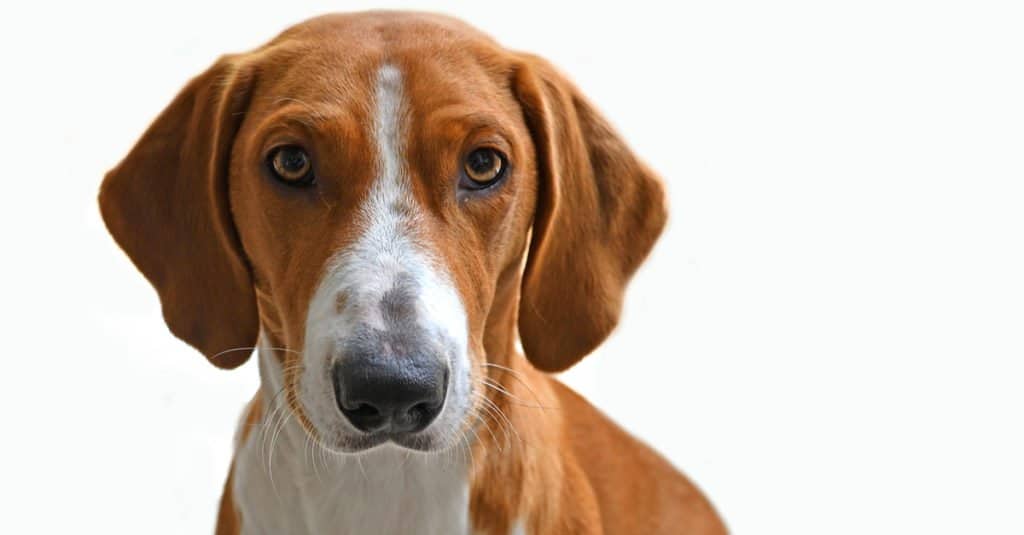
Drevers get along well with children, but may be better suited to older children who may understand how to interact with them better.
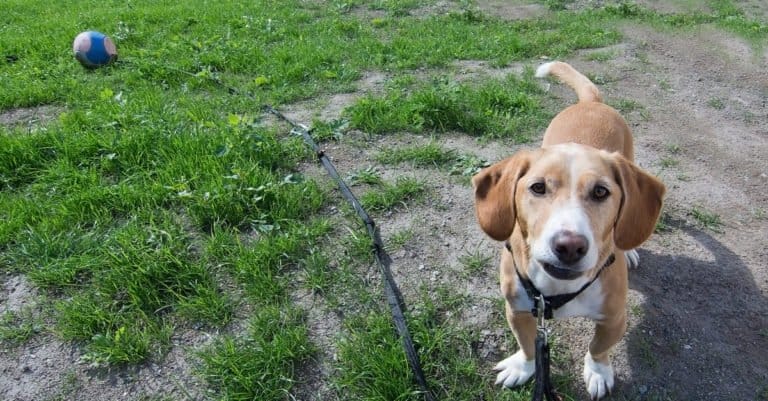
©Popova Valeriya/Shutterstock.com
Drevers can be an excellent addition to many homes. They are very friendly and affectionate with children and can make a great playmate for a child. However, since Drevers are on the smaller side, they could be easily injured by a younger child who doesn’t understand how to properly interact with a dog, so they may do best in a home with older children.
Dogs Similar to Drevers
Dachshunds, Swedish Vallhunds, and Teddy Roosevelt Terriers are three breeds that are similar to the Drever.
- Dachshund: Dachshunds and Drevers were both bred to be hunting dogs. Both breeds are affectionate, social, and have an average intelligence level. While both Dachshunds and Drevers are small dogs, Dachshunds are smaller. The standard-size Dachshund weighs between 16 and 32 pounds, compared to the 31–35 pounds of a Drever.
- Swedish Vallhund: Swedish Vallhunds and Drevers both originated from Sweden. Swedish Vallhunds were bred to be herding dogs, while Drevers were bred to be hunting dogs. Swedish Vallhunds typically weigh 20–35 pounds and stand 11.5 to 13.75 inches tall, while Drevers weigh 31–35 pounds and stand 12 to 15 inches tall. Swedish Vallhunds are more likely to bark than Drevers and are more known for shedding.
- Teddy Roosevelt Terrier: Teddy Roosevelt Terriers and Drevers are both territorial dogs. Both breeds can also make a good family dog and can be a good companion for a senior citizen. Teddy Roosevelt Terriers are easier to train and make better watchdogs than Drevers.
Drever Pictures
View all of our Drever pictures in the gallery.

Popova Valeriya/Shutterstock.com
Sources
- AKC / Accessed February 9, 2021
- Dogtime / Accessed February 9, 2021
- Wikipedia / Accessed February 9, 2021
- The Goody Pet / Accessed February 9, 2021
- Pet ID Register / Accessed February 9, 2021
- Dogell / Accessed February 9, 2021
- Dogell / Accessed February 9, 2021
- Dogell / Accessed February 9, 2021
- Wag Walking / Accessed February 9, 2021
- Animal Care Tips / Accessed February 9, 2021
- Dog Zone / Accessed February 9, 2021