
Wildlife of
Mayotte
About Mayotte
Mayotte, a French overseas department in the Comoros archipelago, is a small island realm with outsized wildlife appeal, defined by the meeting of tropical forest and one of the world's largest enclosed lagoons. Its natural heritage is shaped by volcanic origins, warm Mozambique Channel currents, and the region's broader island biogeography.
On land, remnant humid forests, mangroves, and coastal scrub shelter endemic and near-endemic species (especially among birds and other island-adapted fauna). Mayotte also supports a well-known population of brown lemurs-often referred to as the Mayotte brown lemur-whose presence is generally understood to be the result of human introduction from Madagascar rather than long-term natural isolation on Mayotte.
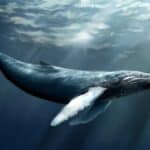
The beating ecological heart of Mayotte is its immense lagoon, protected by a long barrier reef and dotted with islets, seagrass beds, and coral gardens. This mosaic supports reef fishes, rays, sharks, and invertebrate diversity, while mangroves and seagrass meadows function as nurseries and shoreline buffers. Mayotte is also an important rookery and feeding area for marine turtles (notably green and hawksbill turtles), and the surrounding waters become a prime stage for humpback whales during their seasonal migration and breeding period-creating an unusually accessible big-marine-mammal experience close to shore.
In an African and global conservation context, Mayotte sits within the broader Western Indian Ocean biodiversity hotspot, where reef resilience, turtle recovery, and coastal habitat protection are regional priorities. The islands' protected waters and active local stewardship contribute to safeguarding critical habitats that connect the Mozambique Channel's migratory corridors and fisheries productivity. What makes the wildlife experience unique is the combination of "blue safari" encounters-snorkeling and diving inside a sheltered lagoon, whale watching in season, turtle nesting beaches-paired with compact, hikeable terrestrial sites where island species can be seen in a single trip.
Geography
Mayotte's wildlife is shaped by steep volcanic topography on its two main islands (the larger main island and the smaller island) surrounded by one of the world's largest enclosed lagoons. Elevation and wind exposure create local rainfall and temperature gradients that influence remaining native forest patches, agroforestry mosaics, and freshwater availability; most streams are short and seasonal, so wetlands are concentrated in lowlands and along the coast. The extensive barrier reef-lagoon system, with mangroves and seagrass beds, dominates habitat availability for marine turtles, dugong (rare/occasional), reef fish, and migratory cetaceans, while coastal development and deforestation strongly constrain terrestrial species distributions.
Key Landscapes
- Volcanic mountain ridges and peaks (e.g., Mount Benara highlands) creating altitudinal microclimates
- Steep valleys and ravines with short, often seasonal streams and riparian strips
- Lowland plains and human-dominated agroforestry mosaics (plantations, mixed crops) that fragment native habitats
- Coastline of coves, headlands, and sandy beaches used by nesting/foraging marine fauna
- Extensive coral barrier reef and large enclosed lagoon (major driver of marine biodiversity and productivity)
- Mangrove forests and intertidal mudflats providing nurseries for fish and feeding areas for birds
- Seagrass beds and shallow lagoon flats important for turtles and associated invertebrate communities
- Rocky shores and fringing reefs around the smaller island and outer reef slopes supporting distinct reef assemblages
Ecoregions
- Comoros tropical moist forests (WWF terrestrial ecoregion; includes Mayotte and underpins remaining native forest-dependent fauna)
- Western Indian Ocean coral reef and lagoon ecosystems (regional marine ecological zone encompassing Mayotte's barrier reef, seagrass, and mangroves)
Protected Areas
Mayotte's protected area system is dominated by marine conservation. The flagship is the Mayotte Marine Natural Park (a French marine natural park) which provides a regulatory framework for the entire lagoon and surrounding waters, complemented by a national nature reserve on Mbouzi Islet and additional formally protected or co-managed sites through France's coastal conservancy and EU biodiversity designations (where applicable). In practice, the strongest protection coverage is at sea (reef, seagrass, and mangrove ecosystems; turtle nesting beaches; cetacean migration corridors), while strictly protected terrestrial area is comparatively small and fragmented.
Approximately 2 to 4 percent of Mayotte's land area is under formal, site-based protection (notably the Mbouzi Islet national nature reserve plus coastal conservancy holdings). By contrast, marine waters are very broadly covered by the Mayotte Marine Natural Park (effectively encompassing the lagoon and surrounding waters; protection level varies by zone and regulations).
Notable Parks & Reserves
Mayotte Marine Natural Park
French marine natural parkIncludes one of the region's largest enclosed lagoons with coral reefs, seagrass beds, and mangroves that support rich marine life and life stages for turtles, reef fish, and marine mammals. It helps manage fishing, anchoring, and tourism and protects key habitats in the lagoon and nearby waters.
Mbouzi Islet National Nature Reserve
National Nature Reserve (France)A small but highly significant reserve protecting one of the best-preserved remaining natural areas in Mayotte, important for seabirds, coastal and reef habitats, and terrestrial biodiversity. It is also a key site for monitoring and managing invasive species and pressures concentrated on small islands.
Lagon de Mayotte (Mayotte Lagoon)
Ramsar Wetland of International ImportanceA vast lagoon complex of reefs, seagrass meadows and mangroves supporting feeding, breeding and nursery areas for many species, including threatened marine turtles and seasonally present cetaceans. The Ramsar designation highlights its international importance as a wetland/marine ecosystem and strengthens conservation planning.

French Coastal Conservancy - Pointe Saziley / Boueni Bay coastal sites
Protected land managed by the French Coastal ConservancyA mosaic of protected coastal habitats (notably nesting beaches and adjacent coastal vegetation) that are among Mayotte's most important areas for marine turtle reproduction. These sites also help buffer the lagoon from erosion and land-based runoff by maintaining intact coastal fringes.
French Coastal Conservancy - Choazil Islets
Protected land managed by the French Coastal ConservancySmall offshore islets valued for seabird roosting and nesting and relatively undisturbed coastal-marine interfaces that support reef life and occasional turtle use. Their isolation makes them important refuges where disturbance and introduced predators can be more effectively managed.
Wildlife
Mayotte (a French overseas department in the Comoros archipelago) has relatively limited terrestrial wildlife on its two main volcanic islands, but an exceptionally rich marine biodiversity centered on one of the largest and most complex lagoons in the western Indian Ocean. The "signature" wildlife experience is in and around the lagoon-coral reefs, seagrass beds, turtles, dolphins, and seasonal whales-supplemented by a small set of distinctive island birds and reptiles in remaining forest patches and coastal habitats.
Iconic Species
Endemic Species
Notable Populations
- A regionally important humpback whale breeding/calving presence in austral winter, making Mayotte one of the premier whale-watching destinations in the Mozambique Channel.
- High-use sea turtle habitat (especially green turtles) supported by extensive lagoon seagrass beds and reef systems; turtles are a defining, frequently encountered element of the Mayotte wildlife experience.
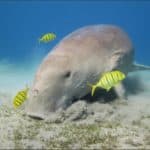
- One of the few remaining places in the wider region with persistent dugong occurrence (small, conservation-sensitive population tied to lagoon seagrass).
- Exceptional coral-lagoon biodiversity: a large barrier reef/lagoon complex supporting high fish and invertebrate diversity and strong snorkeling/diving wildlife viewing.
Conservation
Primary Threats
- Untreated or insufficiently treated domestic wastewater and stormwater runoff reach the lagoon via short coastal watersheds, elevating nutrient loads and bacterial contamination, degrading nearshore reefs and seagrass beds, and affecting bathing/harvest areas. Solid waste and plastics also accumulate along shorelines and mangroves due to limited waste collection capacity and illegal dumping.
- Coastal development (including informal housing) and shoreline modification remove or fragment mangroves, beach-dune systems, and coastal vegetation that stabilize sediments and support nursery habitats. On land, forest clearance for small-scale agriculture and fuelwood contributes to erosion and reduces habitat for endemic/near-endemic forest birds and bats.
- High dependence on lagoon resources and a growing number of fishers intensify pressure on reef fish, octopus, and other invertebrates. Harvesting in shallow reef flats and seagrass areas reduces biomass and can shift reef communities toward less resilient states, particularly near population centers.
- Rising sea temperatures increase coral bleaching risk and mortality; ocean warming and acidification reduce reef growth and recovery. More intense rainfall events and cyclones amplify terrestrial erosion and sediment pulses into the lagoon, compounding stress on corals and seagrasses.
- Alteration of drainage channels, sand extraction/earthworks in catchments, and hard shoreline protection structures change sediment dynamics, increasing turbidity and smothering corals. Changes in freshwater flows and sediment delivery can also degrade mangrove function and lagoon water clarity.
- Frequent human presence on beaches (recreation, night activity, vehicles in some areas) disrupts sea turtle nesting attempts and increases nest failure. Boat traffic, anchoring on reefs, and unregulated visitation to sensitive islets/reef flats can physically damage corals and disturb seabirds.
- Illegal or opportunistic take of protected wildlife (notably sea turtles for meat in some contexts) persists despite legal protection, driven by cultural practices and economic incentives, and can directly reduce breeding adult survival.
- Introduced predators such as rats and feral cats impact nesting seabirds and potentially native reptiles and small mammals on islets and forest edges. Invasive plants can outcompete native vegetation in disturbed areas, reducing habitat quality and increasing erosion risk.
- Road expansion, quarrying/earthworks, and rapid urban service expansion (often without full stormwater controls) increase habitat fragmentation and sediment runoff. Port and coastal infrastructure can alter currents and contribute to localized reef damage and turbidity.
- Rapid peri-urban expansion concentrates pressures along the narrow coastal strip, increasing land-based pollution loads, encroaching on mangroves and wetlands, and raising demand for lagoon fisheries, sand, and coastal space.
Wildlife Tourism
Mayotte's wildlife tourism is centered on its vast, reef-protected lagoon (one of the largest enclosed lagoons in the world) and the surrounding Indian Ocean-making it primarily a marine-wildlife destination rather than a classic "big game" safari. The sector's economic importance is strongest through nature-based excursions (whale watching, turtle-focused outings, diving/snorkeling, lagoon cruises) that support local boat operators, guides, dive centers, and hospitality, while also reinforcing conservation priorities for marine turtles, coral reefs, and cetaceans. Historically, Mayotte's reputation grew from its exceptional lagoon, manta rays, and seasonal humpback whales; today it attracts travelers seeking French-infrastructure convenience in a tropical setting (euro currency, French standards) combined with Indian Ocean biodiversity. Accessibility is generally via flights through France's regional network and nearby hubs (often via Reunion Island/Paris depending on schedules), with most wildlife experiences reachable from the main coastal towns by short road transfers and boat departures. Visitors should plan for a marine-first itinerary and book licensed operators, as conditions (wind, swell, visibility) and wildlife regulations can affect trip timing.
Top Wildlife Experiences
- Go on a humpback whale-watching boat trip in the lagoon passes and offshore waters (Jul-Oct, best Aug-Sep), prioritizing operators that follow approach-distance rules and limit time with groups.
- Snorkel a coral garden inside the lagoon on a guided outing that targets high-biodiversity reef flats and bommies (bring reef-safe sunscreen and expect shallow, clear-water sessions in calm weather).
- Do a dedicated sea turtle encounter trip by boat and snorkel-looking for green turtles grazing on seagrass and hawksbills along reef edges-then end with a lagoon picnic on a sandbank (best visibility often Apr-Oct).
- Book a two-tank scuba day to search for manta rays and reef sharks at channel/outer-reef sites when conditions allow (often best Jul-Oct for pelagic action and clearer water).
- Take a sunset lagoon cruise to watch flying fish, seabirds, and changing reef colors, with a chance of dolphins riding the bow wake on calm evenings.
- Kayak or stand-up paddle over seagrass beds and shallow reef areas on a guided eco-paddle (low-impact, great for spotting rays and juvenile fish in clear shallows).
- Join a guided night walk near protected beaches (where permitted) to learn about turtle nesting ecology and track identification-observing without lights/flash and keeping strict distance.
- Spend a day island-hopping by traditional-style boat or small motorboat to combine snorkeling stops, a reef-edge drift snorkel (conditions permitting), and a visit to a quiet coastal village for local food.
- Visit a coastal mangrove or wetland zone with a local naturalist to look for crabs, juvenile fish nurseries, and birdlife-best timed around tidal cycles for maximum activity.
- Plan an early-morning birding session in forested uplands and coastal scrub to see Indian Ocean island birds and raptors, then pair it with a lagoon outing later the same day.
Safari Types Available
- Boat-based whale watching (seasonal humpback-focused excursions)
- Boat-based dolphin and marine megafauna trips
- Lagoon snorkeling safaris (multi-stop reef and coral-garden circuits)
- Scuba diving safaris (day trips; occasional advanced drift/outer-reef dives by conditions)
- Sea turtle-focused snorkel excursions (seagrass/reef-edge encounters)
- Kayak/stand-up paddle eco-safaris in shallow lagoon habitats
- Island-hopping wildlife days (combined culture + reef stops)
- Guided night nature walks (where permitted) for turtle ecology and nocturnal coastal wildlife
- Guided birding and forest nature walks (upland/coastal habitats)
- Mangrove/wetland naturalist outings timed to tides
Did You Know?
Mayotte is a full French department in the Mozambique Channel-so the euro is the currency in a place where you can also spot Indo-Pacific megafauna like humpback whales, sea turtles, and (occasionally) dugongs.
The lagoon is far bigger than the land: Mayotte's land area is ~374 km², yet the lagoon is roughly three times that (≈1,100 km²). For many residents, the "main landscape" is actually the sea.
A "new" volcano was discovered offshore in 2018 after an earthquake swarm; research vessels mapped a large, newly formed submarine volcanic edifice (hundreds of meters high) that grew in just a few years-an extremely rare chance to watch major seafloor construction happening in real time.
The Dziani Dzaha crater lake can look otherworldly (often reddish-brown) because it's naturally highly alkaline and dominated by specialized microbes-more like famous soda lakes than a typical tropical island lake.
Mayotte's lagoon is among the world's largest enclosed coral lagoons (about 1,100 km²) and is ringed by a long barrier reef (often cited at ~160 km), making it a heavyweight marine habitat despite the islands' small land area.
Mayotte is widely cited as the only place in the European Union where dugongs (Dugong dugon) still occur in the wild-because Mayotte is an EU outermost region and its seagrass beds can still host this vulnerable marine mammal.
The Parc naturel marin de Mayotte (created in 2010) protects essentially all of Mayotte's surrounding waters (~68,000 km²), making it one of the largest French marine protected areas-set up specifically to safeguard habitats for whales, turtles, corals, and seagrass ecosystems.
Mayotte is one of the relatively rare places where humpback whales (Megaptera novaeangliae) reliably enter a coral lagoon to breed and nurse calves (typically during the austral winter, roughly June-October), which is unusual because many humpback areas are open-coast rather than lagoon interiors.