N S W E
Wildlife Expeditions

Wildlife of
French Southern and Antarctic Lands

French Southern and Antarctic Lands are a wildlife pilgrim's dream for vast, near-pristine subantarctic colonies of penguins, albatrosses, and seals set against some of the planet's most remote oceanic islands and Antarctic shores.
5 Species
~439,781 km² Land Area
Overview

About French Southern and Antarctic Lands

Spread across the southern Indian Ocean (the Kerguelen Islands, Crozet Islands, and Amsterdam and Saint Paul Islands), the tropical Scattered Islands in the western Indian Ocean, and extending to Antarctica in Adelie Land, the French Southern and Antarctic Lands protect some of Earth's least disturbed wildlife strongholds. Their natural heritage is defined by dense seabird breeding colonies, haul-out beaches packed with seals, and exceptionally productive surrounding seas where currents and upwelling sustain rich marine food webs. With no permanent civilian residents and access largely limited to scientific and administrative programs, these remote districts offer an increasingly rare glimpse of oceanic and polar nature functioning at scale.

Key ecosystems range from tundra-like coastal plains, lava fields, and peat bogs on the subantarctic islands to the sea-ice edge and polar coastal ecosystems of Adelie Land, as well as tropical islets, reef flats, and lagoon systems in the Scattered Islands. The true engine of biodiversity is marine: nutrient-rich waters support krill, squid, and fish that in turn sustain major predator populations-albatrosses and petrels that roam entire ocean basins, penguins commuting between colonies and feeding grounds, and seals exploiting seasonal pulses of prey. As globally significant breeding and resting sites for wide-ranging species, protection in these territories can benefit ecosystems far beyond the islands themselves.

In global conservation terms, the French Southern and Antarctic Lands are a cornerstone for safeguarding Indian and Southern Ocean biodiversity and a living laboratory for monitoring climate impacts, fisheries interactions, and invasive-species pressures. The wildlife experience is uniquely expeditionary: landings are rare, conditions are harsh, and encounters are often measured not in individuals but in tens of thousands-rookeries audible from afar, albatrosses gliding on strong winds, and seal colonies crowding remote beaches where humans are visitors and nature sets the rules.

Physical Features

Geography

Wildlife in the French Southern and Antarctic Lands (TAAF) is shaped by extreme isolation, cold-ocean productivity, and limited ice-free land. The subantarctic islands (Kerguelen, Crozet, Amsterdam, Saint Paul) provide rare breeding and haul-out sites-cliff coasts, beaches, and tundra/grassland slopes-for vast seabird colonies (albatrosses, petrels, penguins) and seals, while most feeding occurs at sea where the Antarctic Circumpolar Current, strong winds, and upwelling concentrate prey. In Adélie Land, habitat is constrained to narrow, ice-free coastal oases and rocky headlands during summer; sea-ice extent and polynyas strongly control penguin and seal distribution by regulating access to open water and prey.

~439,781 km² (includes France's Antarctic claim, Adélie Land ~432,000 km², plus the subantarctic islands ~7,700-7,800 km² and the Scattered Islands in the Indian Ocean ~40 km²) Land Area

Key Landscapes

  • Remote subantarctic volcanic islands with steep, rocky coastlines and offshore stacks-prime nesting ledges and predator-free breeding sites for seabirds
  • Glaciated mountains, ice caps, and fjorded bays on Kerguelen-create strong wind/precipitation gradients and patchy ice-free refugia for tundra vegetation and invertebrates
  • Coastal plains, beaches, and boulder shores-key seal haul-outs and penguin landing/breeding areas
  • Tussock grasslands, moss/lichen tundra, fellfields, and peat-like wetlands in wetter lowlands-support terrestrial invertebrates and provide nesting cover for burrowing petrels where soils permit
  • Freshwater lakes, short rivers/streams, and meltwater-fed wetlands-localized breeding/foraging sites for some birds and invertebrate communities (limited fish diversity)
  • Open Southern Ocean waters around the islands-highly productive feeding grounds driven by the Antarctic Circumpolar Current, frontal zones, and episodic upwelling
  • Seasonal sea ice and coastal polynyas (especially off Adélie Land)-control access to open water for penguins and seals and influence where marine prey concentrates
  • Antarctic coastal 'oases' (ice-free rocky headlands and nunataks) in Adélie Land-rare terrestrial habitat for microbes, lichens, and nesting seabirds close to the shore

Ecoregions

  • Kerguelen Islands tundra (WWF)
  • Crozet Islands tundra (WWF)
  • Amsterdam and Saint-Paul Islands temperate grasslands (WWF)
  • Antarctic Polar Desert / Antarctic Desert (WWF; applies to Adélie Land's largely ice-covered, extremely arid polar conditions)
  • Key adjacent marine ecological zones influencing wildlife (not terrestrial WWF ecoregions): Southern Ocean subantarctic/Antarctic waters associated with the Antarctic Circumpolar Current, frontal systems, and Antarctic shelf/coastal polynya environments
Parks & Reserves

Protected Areas

The French Southern and Antarctic Lands (TAAF) are managed primarily for conservation and science across remote subantarctic islands (Crozet, Kerguelen, Amsterdam, Saint Paul) plus France's Antarctic sector (Adelie Land) and-administratively within TAAF-the Scattered Islands in the western Indian Ocean. Protection is centered on large, strictly regulated nature reserves and marine protected areas, with very limited access (mostly scientific and logistical missions). Key conservation priorities include globally important seabird breeding colonies, seal haul-outs, invasive species control and biosecurity, and protection of vast foraging areas for seabirds and marine mammals.

Protected Coverage

Nearly 100% of the subantarctic terrestrial area of the French Southern and Antarctic Lands is protected within the French Southern Territories National Nature Reserve, which also includes a very large surrounding marine protected area. Adelie Land is administered under the Antarctic Treaty System, where protection is implemented through Antarctic Specially Protected Areas and Antarctic Specially Managed Areas (not a national-park framework). Overall, almost all land is under strict conservation management.

Notable Parks & Reserves

French Southern Territories National Nature Reserve

National Nature Reserve (France); included within the UNESCO World Heritage property "French Austral Lands and Seas"

One of the world's largest protected wilderness complexes, safeguarding major seabird and seal breeding sites and vast Southern Ocean ecosystems. It is critical for long-lived, slow-breeding species (albatrosses, petrels, seals) that depend on low disturbance and healthy marine food webs.

Kerguelen Islands - protected sector within the French Southern Lands National Nature Reserve

National Nature Reserve (sector); UNESCO World Heritage (French Austral Lands and Seas)

A huge, glaciated subantarctic archipelago with extensive penguin colonies, seal concentrations, and important foraging habitat for albatrosses and petrels. Its size and habitat diversity make it a flagship site for monitoring climate impacts and restoring island ecosystems from invasive species.

Crozet Archipelago - district of the National Nature Reserve of the French Southern Territories

National Nature Reserve (National Nature Reserve of the French Southern Territories); UNESCO World Heritage Site (French Austral Lands and Seas)

Renowned for some of the densest seabird and pinniped breeding assemblages in the southern Indian Ocean, including large king penguin colonies. The islands and surrounding waters are a key hotspot for albatross conservation due to long-range foraging routes intersecting fisheries.

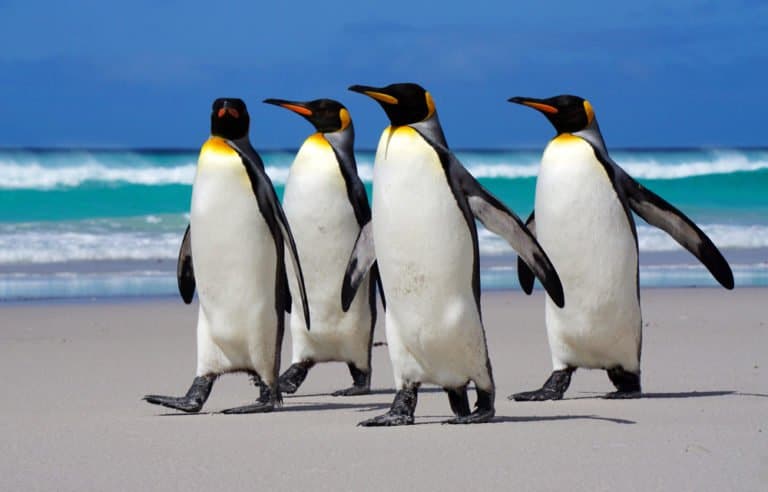
King penguin
King penguin
Eastern rockhopper penguin
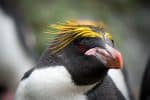
Macaroni penguin
Macaroni penguin
Wandering albatross
Wandering albatross
Grey-headed albatross
Southern elephant seal
Subantarctic fur seal

Amsterdam Island and Saint Paul Island - protected sector within the French Southern Lands National Nature Reserve

National Nature Reserve (sector); UNESCO World Heritage (French Austral Lands and Seas)

These isolated volcanic islands host unique and highly threatened seabird populations, including an endemic albatross with one of the smallest breeding ranges on Earth. Strict protection supports recovery from historical habitat degradation and reduces risks from invasive species and disturbance.

Amsterdam albatross
Sooty albatross
Northern rockhopper penguin
Southern elephant seal
Subantarctic fur seal
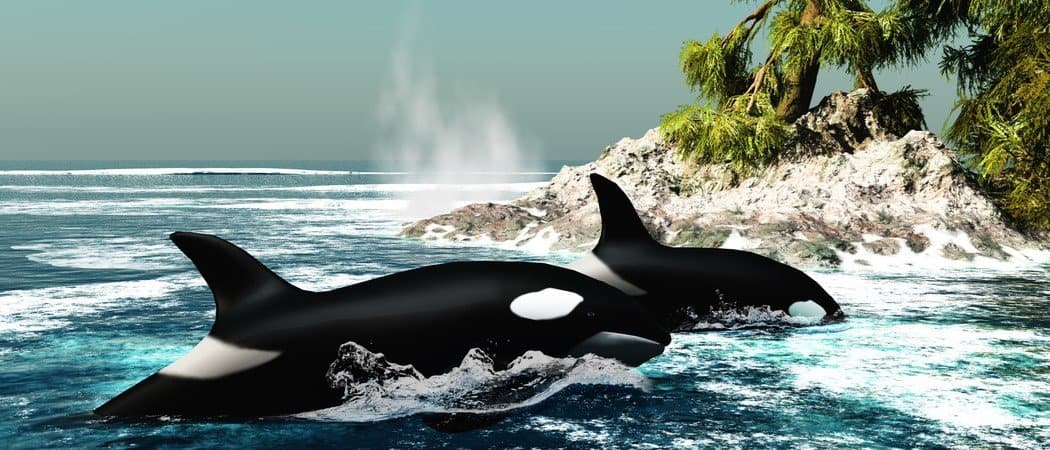
Killer whale
Killer whale

Geology Point Archipelago (near Dumont d'Urville Station, Adelie Land)

Antarctic Specially Protected Area (ASPA) under the Antarctic Treaty System

A high-value Antarctic coastal ecosystem protecting breeding and moulting sites for penguins and seals and supporting long-term scientific monitoring. Seasonal sea-ice dynamics here strongly shape wildlife distribution and reproductive success.

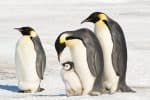
Emperor penguin
Emperor penguin
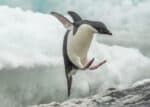
Adelie penguin
Adelie penguin
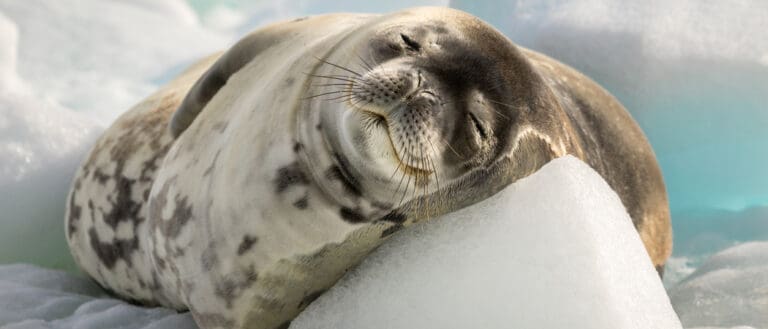
Weddell seal
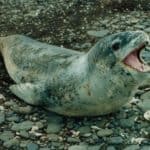
Leopard seal
Leopard seal
South polar skua
Antarctic petrel

Glorieuses Marine Natural Park (Glorieuses Islands, Scattered Islands)

Marine Natural Park (France)

A tropical contrast to the subantarctic districts, protecting coral reefs, seabird rookeries, and important nesting beaches for marine turtles. The surrounding waters are significant for wide-ranging pelagic species and reef-associated biodiversity.

Green sea turtle
Hawksbill turtle
Red-footed booby
Great frigatebird
Sooty tern
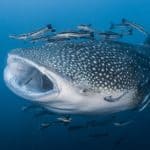
Whale shark
Whale shark

UNESCO World Heritage Sites

  • French Austral Lands and Seas - Natural World Heritage Site (inscribed 2019)
Animals

Wildlife

Wildlife in the French Southern and Antarctic Lands (TAAF) is overwhelmingly marine and seabird-driven: vast penguin rookeries, globally important albatross and petrel breeding sites, and major seal haul-outs and breeding beaches across the Crozet, Kerguelen, Amsterdam and Saint Paul islands, plus East Antarctic ecosystems in Adélie Land. Terrestrial diversity is naturally low (cold, windy, oceanic climates), with almost no native land mammals and virtually no reptiles/amphibians; instead, the territory's global importance comes from dense concentrations of breeding seabirds and pinnipeds supported by rich Southern Ocean waters. Viewing (for permitted scientific/logistical visitors) is defined by colonies and haul-outs rather than safaris-often tens to hundreds of thousands of animals in a single site.

~20-30 species regularly occurring (mostly marine: seals and whales/dolphins; no native terrestrial mammals, but some islands have introduced mammals such as reindeer, rabbits, cats or rodents). Mammals
~60-90 species recorded; ~35-50 breed regularly (dominated by penguins, albatrosses, petrels, prions, skuas and shags/cormorants). Birds
0 native species (none established due to climate/isolation). Reptiles
0 native species. Amphibians

Iconic Species

King Penguin
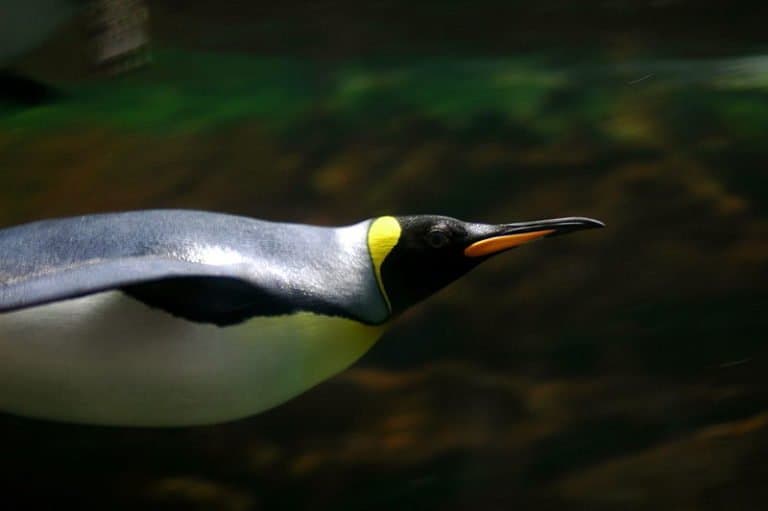
King Penguin Signature spectacle of the subantarctic islands: immense, tightly packed colonies on the Crozet and Kerguelen islands are among the largest breeding aggregations anywhere, making this the classic "must-see" penguin of TAAF.
Emperor Penguin
Emperor Penguin The flagship Antarctic penguin of Adélie Land, breeding on sea ice in the harshest conditions; sightings are tied to Antarctic logistics and research operations along the coast.
Adélie Penguin
Adélie Penguin A defining coastal species in Adélie Land, forming large breeding colonies on ice-free ground during the brief austral summer-an emblem of East Antarctic biodiversity.
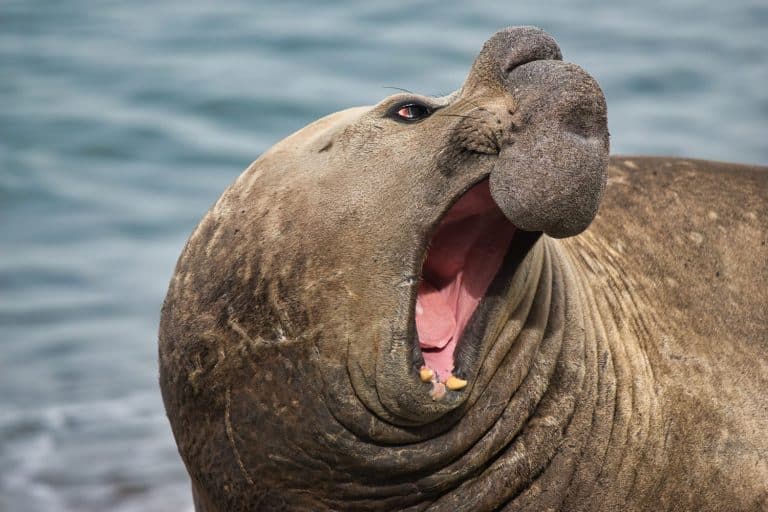
Southern Elephant Seal Massive breeding and moulting aggregations occur on Kerguelen and Crozet beaches; the territory supports one of the major global strongholds for this species, with prime viewing at haul-out beaches.
Antarctic Fur Seal Common around the subantarctic islands, hauling out on rocky shores and beaches; colonies are prominent in the Crozet group and also occur around Kerguelen and other sites.
Wandering Albatross
Wandering Albatross A defining pelagic giant of the Southern Ocean; major breeding populations on the Crozet and Kerguelen islands make TAAF one of the world's key places for observing nesting wandering albatrosses and their enormous wingspans.
Sooty Albatross A characteristic subantarctic cliff-nester, frequently encountered around Crozet, Kerguelen, and Amsterdam/Saint Paul; notable for its dark plumage and dynamic, close-to-wave flight.
Southern Giant Petrel Large scavenging seabird that breeds in parts of the territory; often seen patrolling colonies and shorelines, highlighting the intense nutrient cycling around seal and penguin sites.
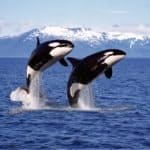
Orca (Killer Whale) A top predator regularly present in surrounding waters, sometimes seen near seal and penguin concentrations; the remote subantarctic setting offers rare opportunities to observe natural predator-prey interactions.

Endemic Species

Amsterdam Albatross Critically rare and essentially confined to Amsterdam Island; the entire global breeding population occurs here, making TAAF uniquely important for its survival. Endemic
Kerguelen Shag (Kerguelen Cormorant) Endemic breeder of the Kerguelen archipelago, typically nesting on coastal cliffs and islets; a "local specialty" bird for the islands. Endemic
Eaton's Pintail (Kerguelen/Crozet Pintail) Near-endemic duck confined to the Crozet and Kerguelen island groups; notable as one of the few regularly encountered land birds tied to freshwater wetlands in the subantarctic. Endemic
Kerguelen Tern A near-endemic subantarctic tern strongly associated with Kerguelen and nearby island groups; often seen foraging in sheltered bays and nesting on low coastal ground. Endemic

Notable Populations

  • Amsterdam Island holds essentially the entire world breeding population of the Amsterdam albatross (Diomedea amsterdamensis).
  • Crozet and Kerguelen support some of the world's largest king penguin colonies (Aptenodytes patagonicus), with colony sizes reaching into the hundreds of thousands in peak areas.
  • Kerguelen and Crozet together form one of the major global breeding and moulting centers for southern elephant seals (Mirounga leonina).
  • The Crozet and Kerguelen archipelagos are among the most important global breeding areas for wandering albatrosses (Diomedea exulans) and other threatened Southern Ocean seabirds.
  • Adélie Land contributes significant East Antarctic penguin habitat (including emperor and Adélie penguins), important for long-term monitoring of climate-linked ecosystem change.
Protection

Conservation

Primary Threats

  • Warming ocean temperatures, changing sea-ice dynamics (relevant to Adelie Land and wider Antarctic systems), shifts in winds and fronts, and marine heatwaves can alter prey availability (krill, myctophid fish, squid) and increase foraging distances for albatrosses, petrels, penguins, and seals. Climate variability can reduce breeding success and change species distributions; on subantarctic islands it can also facilitate establishment or spread of non-native species previously limited by cold conditions.
  • Historic introductions (e.g., rodents, cats, rabbits, and some non-native plants on certain islands) have caused predation on eggs/chicks, habitat degradation, and ecosystem shifts. Because the territory is supplied by ships/aircraft to remote stations, new introductions remain a high-risk pathway (stowaway insects/rodents, plant seeds, pathogens), and any new invasion is hard and costly to eradicate due to logistics and weather.
  • The main pressure is not coastal artisanal fishing but industrial-scale exploitation in remote waters, especially for high-value Southern Ocean species (e.g., toothfish and other managed stocks). Risks include illegal, unreported and unregulated (IUU) fishing in the wider region, localized depletion, and ecosystem effects (removing top predators/prey), requiring constant surveillance, licensing, and international cooperation.
  • Pollution pressures are dominated by marine debris and lost fishing gear arriving via ocean currents, plus legacy contamination and waste-management challenges around research stations (fuel handling, historical dumps, microplastics). Spills or chronic leaks are particularly damaging in cold ecosystems where natural breakdown is slow, and wildlife can ingest or become entangled in plastics/lines.
  • Even with very low human numbers, wildlife colonies can be sensitive to disturbance from station operations, scientific handling, helicopter/vehicle movement, and tourism/visitation (limited but possible in subantarctic regions). Disturbance can cause nest abandonment, trampling of vegetation in fragile tundra/peat areas, and increased stress during breeding periods if access is not tightly controlled.
  • High-density seabird colonies are vulnerable to outbreaks (avian diseases or introduced pathogens). The key risk is introduction via humans, equipment, food supplies, or migratory species, with limited veterinary/response capacity on-site and potentially rapid spread in crowded breeding areas.
  • Large-scale habitat conversion is absent, but localized habitat loss/fragmentation occurs around bases and infrastructure footprints (buildings, tracks, antennae, storage areas), compounded by erosion on fragile soils. On some islands, past land degradation from introduced herbivores and trampling has had long recovery times in subantarctic climates.
  • Operational infrastructure needed for sovereignty and science (stations, logistics sites, power generation, fuel storage, landing areas) increases risks of spills, waste accumulation, wildlife collision/entanglement hazards, and persistent disturbance. Extreme weather and remoteness complicate maintenance and environmentally safe decommissioning or remediation of old sites.
Visit

Wildlife Tourism

Wildlife tourism in the French Southern and Antarctic Lands (TAAF) is a rare, expedition-only experience focused on large seabird colonies, seals, and other Southern Ocean marine wildlife. Tourism exists but is small compared with the territory's main roles (scientific research, environmental monitoring, and logistics supporting France's presence), and visits are tightly controlled to reduce impacts in a remote and sensitive environment. History and conservation context: After early exploration and heavy sealing in the 18th and 19th centuries, these islands became internationally important for seabird and marine ecosystem conservation. The subantarctic areas (Crozet, Kerguelen, Amsterdam Island and Saint Paul Island) and surrounding marine zones are part of the UNESCO World Heritage property "French Austral Lands and Seas," and access rules emphasize minimizing disturbance and preventing invasive species. Accessibility (practical reality): There are no permanent resident communities or conventional tourist facilities. Visits are generally only possible via authorized expedition cruises or limited passenger berths on the Marion Dufresne supply vessel sailing from Reunion Island. Any landings are weather-dependent and subject to strict biosecurity procedures (for example, cleaning clothing and equipment to avoid carrying seeds or soil), with itineraries adjusted to protect wildlife and respond to conditions.

Best Time to Visit

Best wildlife viewing is during the austral spring-summer window, when seas are (relatively) calmer and breeding cycles peak.

- September-October: Peak elephant seal breeding begins (harems, dramatic displays) on subantarctic beaches; many seabirds return and start nesting. Conditions can still be rough and cold.
- November: High-energy breeding season ramps up - albatrosses, petrels, and many seabirds are incubating; fur seals become more visible; penguin colonies are busy. Early season for Antarctic-adjacent wildlife viewing if your expedition reaches Adelie Land.
- December-January (prime months): Long daylight, best overall landing conditions. Seabird colonies are at their most active (chicks, feeding flights), fur seals are in full swing, and elephant seals transition from breeding into molting phases. Excellent time for photography and Zodiac cruising.
- February-March: Many seabird chicks are larger and more mobile; marine mammal encounters and pelagic birding can be excellent at sea. Some species begin to disperse late in the season; weather can start to deteriorate by late March.

Notes by region:
- Crozet Islands: Renowned for dense penguin and seabird concentrations; activity is strong throughout summer.
- Kerguelen Islands: Vast fjords and coastlines with abundant seabirds and seals; summer offers the most reliable access.
- Amsterdam & Saint Paul: Unique seabird colonies and landscapes; best visited in summer when seas allow safer landings.
- Adelie Land (Antarctic sector): If included, November-February is the workable window (sea ice and logistics permitting), with peak penguin activity mid-summer.

Top Wildlife Experiences

  • Join a small-boat (Zodiac) cruise along Kerguelen's fjords and sheltered bays to scan kelp-lined waters for seals, seabirds, and whales, then land for a guided wildlife walk under strict biosecurity rules.
  • Visit a king penguin colony (where permitted) and spend time observing courtship, chick-rearing, and the constant movement of adults commuting between ocean and rookery-ideal for behavioral photography.
  • Watch southern elephant seals on subantarctic beaches during breeding or molt season (from designated distances): massive bulls, vocal sparring, and pup activity make this one of the most dramatic wildlife spectacles in the Southern Ocean.
  • Do a dedicated seabird "cliff and colony session" with expert guides: photograph soaring albatrosses, track nesting sites with optics, and learn ID for petrels, prions, skuas, and other subantarctic specialists.
  • Take a pelagic wildlife day at sea (often between island groups): follow the ship's wake for albatrosses and giant petrels, and keep watch for humpbacks, southern right whales, and dolphins when conditions align.
  • Land at (or view from offshore) a research station area (e.g., Port-aux-Francais on Kerguelen) to understand how scientists monitor seabird populations, marine mammals, climate signals, and invasive species impacts - often the most meaningful 'behind-the-scenes' wildlife context you'll get.
  • Explore Amsterdam Island's distinctive habitats on a guided walk (where allowed), focusing on breeding seabirds and the island's unique ecological restoration story-an unusual mix of dramatic ocean wildlife and conservation practice.
  • Circle Saint Paul Island by Zodiac (sea state permitting) for a rare look into its volcanic crater setting and coastal wildlife hotspots-excellent for wide-angle landscapes plus close-range seabird action.
  • Join a structured 'leave-no-trace' and biosecurity program onboard, then apply it on landings: boot-wash protocols, gear inspections, and wildlife-distance discipline - essential skills for visiting some of the planet's most sensitive colonies.
  • If your expedition reaches the Antarctic sector, prioritize a penguin-and-ice landing day: watch Adelie penguins at the waterline, scan for seals on ice, and experience true Antarctic coastal ecology under strict guidelines.

Safari Types Available

  • Expedition cruise (small-ship) wildlife tourism with onboard naturalists
  • Zodiac/rigid-inflatable boat safaris for coastal wildlife viewing and landings
  • Guided shore walks (low-impact, permit-controlled) focused on colonies and beach wildlife
  • Pelagic birding and marine-mammal watching from the ship (open-ocean 'seawatch')
  • Wildlife photography-focused departures (long observation sessions, ethics-led approach)
  • Citizen-science-style experiences on some voyages (wildlife counts, photo-ID support, marine debris observations)
  • Research-station interpretation visits (where access is authorized and schedules allow)
Fun Facts

Did You Know?

"Indian Ocean penguins" are real: Kerguelen, Crozet, Amsterdam and Saint Paul sit in the southern Indian Ocean yet support iconic subantarctic wildlife like king penguins, rockhopper penguins, and elephant seals.

Kerguelen lies near 49°S-almost a mirror latitude of Paris (~49°N). The climate and day-length patterns feel like a flipped-season counterpart to metropolitan France, but with penguins instead of pigeons.

An entire species' nesting range can be tiny: Amsterdam albatrosses breed on a single island (Amsterdam) and concentrate in a very small area there, making the species unusually vulnerable to bad years, disease, or invasive predators.

There are no permanent residents-only rotating scientific and military teams-so some of France's most globally important seabird and seal breeding sites exist with essentially no towns, roads, or local fisheries on land.

Parts of the territory have had to be "de-invaded": introduced mammals (notably cats, rabbits, and historically reindeer on some islands) dramatically altered habitats and killed seabirds, leading to intensive eradication/management efforts to restore native wildlife.

Home to the wandering albatross, the living bird with the largest wingspan (up to ~3.5 m); major breeding colonies occur on the Crozet and Kerguelen islands.

Breeding beaches for southern elephant seals-the largest seal species (and the largest living carnivoran by mass)-notably on Kerguelen and Crozet.

Pig Island (Crozet Islands) has hosted one of the planet's biggest king penguin colonies; past surveys estimated on the order of ~500,000 breeding pairs (though numbers have fluctuated and declined in recent years).

Amsterdam Island is the only breeding site on Earth for the Amsterdam albatross, one of the rarest seabirds; the entire global population is only on the order of ~100-200 individuals.

The French Southern and Antarctic Lands Nature Reserve encompasses an enormous marine protected area (expanded in 2016 to roughly 1.6 million km²), creating one of the world's largest sanctuaries for subantarctic seabirds, seals, and fish.

The French Southern and Antarctic Lands, sometimes called the French Austral Lands and Seas, are a group of islands in the southern Indian Ocean. They include Adelie Land on the edge of Antarctica; Crozet Island; the Kerguelen Islands, also known as the Desolation Islands; Saint Paul and Amsterdam Islands, which are north of Kerguelen Island; and the Scattered Islands, a group of small islands off the coast of Madagascar.

There is no permanent civilian population on the islands. A population of researchers, military personnel and administrators live on the Lands. Their number ranges from 150 in winter to 300 in the summer.

The Lands have harsh, freezing climate and active glaciers. Frequent snow and the harshest winds on earth create an inhospitable climate for most species.

The Official National Animal of French Southern and Antarctic Lands

The Lands do not have their own national animal. They are owned by France, and France’s national animal is the Gallic rooster (Gallus gallus domesticus).

The French rooster is also known as a cockerel. Its choice as France’s mascot comes from a play on words of the Latin word gallus, meaning rooster, and the word Gaul, which is the ancient name for France.

Where To Find the Top Wild Animals in French Southern and Antarctic Lands

There is a nature preserve on the Lands. The French Southern Territories National Nature Reserve is one of the largest natural preserves in the world. It was established in 2016 as a special economic, tourist, and natural zone. However, there are no visitor or tourist facilities on any of the Lands.

Don’t expect to visit wildlife in person. The Lands do not have any infrastructure for hosting visitors. There have been a few attempts to populate the islands, but no humans or domestic animals have been able to survive the harsh conditions.

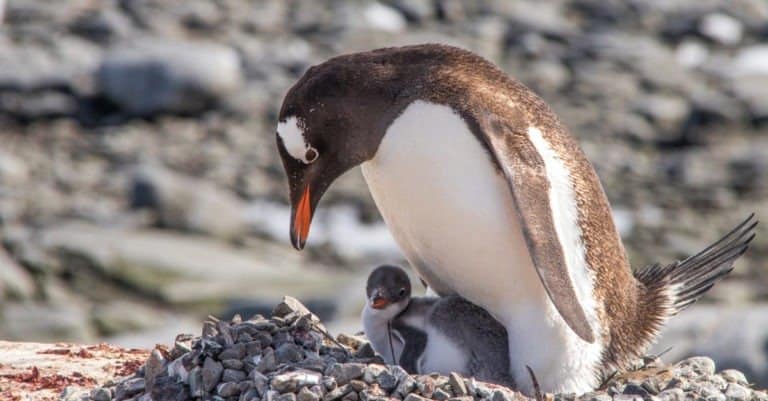
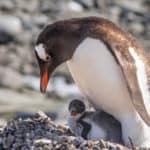
These conditions have allowed endemic wildlife to flourish on the islands. There are four species of penguins here: macaroni penguins, king penguins, gentoo penguins, and Eastern rockhopper penguins.

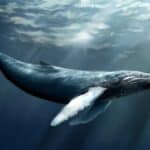
Blue whales and fin whales swim in the waters. Several dolphin species, including Commerson’s dolphin and dusky dolphin, thrive here. Killer whales, pygmy blue whales, long-finned pilot whales, and other marine mammals also live undisturbed in the waters. Seal species include the Antarctic fur seal, Amsterdam Island fur seal, and South Atlantic elephant seal.

Amsterdam and Saint Paul Islands are extinct volcanic islands. Attempts to populate Amsterdam Island resulted in the destruction of some of the island’s ecosystems. Cattle brought over as part of that attempt are now wild on the island. This is one of the few feral herds of European cattle (Bos taurus) anywhere in the world.

Some endemic animals that are endangered elsewhere survive here, including the Yellow-nosed albatross (Diomedia chlororhynchos).

The coastlines are home to unique native birds including the sooty albatross, Soft-plumaged petrel, gray petrel, Antarctic tern, brown skua, and common waxbill.

The Most Dangerous Animals in French Southern and Antarctic Lands

The killer whale (Orcinus orca) is an apex predator in most waters where it lives. It’s dangerous for most animals to be around killer whales. They hunt mammals, sea birds, sea turtles, fish, and penguins.

These dangerous killers will eat sea lions, walruses, and seals. In groups, they will even attack gray whales and minke whales.

Extinct and Endangered Animals

The Amsterdam albatross (Diomedea amsterdamensis), which is only found on Amsterdam Island, is critically endangered and at risk of becoming extinct.

There are two endangered whale species in the Lands. The fin whale, also known as the common rorqual or finback whale, is endangered here as it is everywhere. Blue whales (Balaenoptera musculus) are also endangered.

The Lands are protected by many conservation laws. They are signatories to the CITES (Convention on International Trade in Endangered Species of Flora and Fauna), CMS (Convention on Migratory Species), CCAMLR (Convention on the Conservation of Antarctic Marine Living Resources), ACP (Agreement on the Conservation of Albatrosses and Petrels) and the IWC (International Whaling Commission).

The National Nature Reserve of the French Austral Lands and Seas is one of the largest marine reserves in the world. This unique reserve is a central location for the management of the Lands.

Administrators of the reserve have taken steps to address threats such as invasive species, overfishing, and global change. They have also engaged in restoration activities such as planting native grasses on Amsterdam Island and dismantling human activities. There are no plans to develop activities related to human travel on the Lands.

Unspoiled Lands

The wild, harsh environment of the French Southern and Antarctic Lands has allowed some animal species to flourish. Human involvement caused some damage to these ecosystems, but conservationists have taken steps to prevent further environmental harm. That gives these unique species a chance to recover before they become extinct.

Animals Found in French Southern and Antarctic Lands

5 species documented in our encyclopedia

Thank you for reading! Have some feedback for us?