N S W E
Wildlife Expeditions

Wildlife of
Seychelles

Seychelles is a tropical island biodiversity hotspot where visitors come to encounter rare endemics on lush granitic islands and world-class marine life (reef fish, sharks, turtles, rays, and whales) across pristine coral atolls and protected seas.
51 Species
459 km2 Land Area
Overview

About Seychelles

Seychelles' wildlife character is defined by isolation and protection: a small Indian Ocean archipelago with an outsized concentration of endemic species and carefully managed natural areas. The granitic inner islands host unique forest and coastal habitats where evolution has produced emblematic island specialists, from the Seychelles black parrot to rare reptiles and plants found nowhere else. On land, wildlife watching often feels intimate and accessible; short trails can yield endemic birds and spectacular native flora, while the surrounding ocean delivers the big encounters typical of the tropics.

Its key ecosystems span two very different island worlds. The inner granitic islands (such as Mahe, Praslin, and La Digue) support remnants of native palm forests, mangroves, and rocky shorelines, including the famed Valley of May Nature Reserve ecosystem on Praslin. Farther out, low-lying coral atolls and sand cays (notably in the Aldabra and Amirantes groups) protect some of the Indian Ocean's important seabird colonies, turtle nesting beaches, and reef systems; highly productive habitats that underpin Seychelles' exceptional marine biodiversity.

In African and global conservation, Seychelles is frequently cited as a leader for island restoration and marine protection, with ambitious protected-area coverage and pioneering projects that have revived native wildlife by removing invasive species and safeguarding nesting sites. The wildlife experience is uniquely island-scale: visitors can move from endemic birding in palm forests to snorkeling among reef fish and turtles in the same day, and on select outer islands witness globally significant conservation strongholds that feel like living laboratories for how tropical islands can recover when given space and protection.

Physical Features

Geography

Seychelles' wildlife is shaped by strong island-to-island contrasts: steep, ancient granitic inner islands (with high rainfall gradients and remnant native forests) support most terrestrial endemism, while the low, sandy coralline outer islands and atolls concentrate seabird colonies, nesting turtles, and coastal specialists. Short, steep watersheds and a narrow land base mean habitats change rapidly from ridge-top cloud-forest and misty uplands to coastal wetlands, beaches, and mangroves. Surrounding coral reefs, lagoons, and seagrass beds (far larger than the land area) dominate biodiversity and connectivity, influencing where marine turtles, reef fish, sharks/rays, and seabirds forage and breed.

459 km2 Land Area
Among the world's smallest sovereign states; about the size of Andorra Size Rank

Key Landscapes

  • Granitic inner islands (e.g., Mahe, Praslin, La Digue) with steep mountains and deeply dissected valleys
  • High-elevation ridges and moist upland/cloud-forest zones (important refugia for native plants and endemic invertebrates/birds)
  • Lowland coastal plains and pockets of freshwater wetlands (limited but high-value habitat)
  • Short, fast-flowing streams and small catchments (localized riparian habitat; strong erosion/runoff influence on nearshore reefs)
  • Coralline outer islands and sandy cays (low elevation; key for seabird nesting and turtle nesting beaches)
  • Aldabra and other atolls: raised limestone, dune/scrub mosaics, tidal channels and large lagoons (major seabird and marine megafauna habitat)
  • Mangroves, coastal lagoons, and saltmarsh-like flats (nursery habitat for fish/crustaceans; waterbird use)
  • Fringing coral reefs, barrier reefs, and patch reefs around banks and atolls (core marine biodiversity habitat)
  • Seagrass beds and nearshore soft-bottom habitats (important for juvenile fish and turtle foraging)
  • Rocky shores and cliffed coasts on granitic islands (seabird roosting and coastal specialist habitats)

Ecoregions

  • Seychelles Granitic Islands tropical moist forests (WWF terrestrial ecoregion)
  • Aldabra Island xeric scrub (WWF terrestrial ecoregion)
  • Western Indian Ocean coral reefs and atoll-lagoon systems (major marine ecological zone influencing wildlife distribution)
Parks & Reserves

Protected Areas

Seychelles protects biodiversity through a mix of terrestrial National Parks and Nature Reserves (often focused on endemic forest birds, plants, and island ecosystems) and extensive Marine Protected Areas (marine parks and no-take zones around reefs, seagrass, mangroves, and remote atolls). Many of the most important wildlife sites are small, tightly managed islands (e.g., Cousin, Aride) where invasive predators have been removed, enabling major recoveries of endemic birds and globally significant seabird colonies. Marine protection is also a cornerstone of the system, reflecting Seychelles' exceptionally high reef, turtle, and open-ocean biodiversity across its large Exclusive Economic Zone.

Protected Coverage

Approximately ~40-45% of Seychelles' land area is under formal protection (often-cited figure ~43%). In addition, Seychelles has designated a very large share of its ocean as Marine Protected Areas (around ~30% of its EEZ), though the question here focuses on land coverage.

Notable Parks & Reserves

Aldabra Atoll

UNESCO World Heritage Site (natural) / strict protected area

One of the world's most important coral atolls and a flagship wilderness site, Aldabra supports the largest population of giant tortoises on Earth and globally significant seabird colonies, plus key nesting habitat for marine turtles.
Aldabra giant tortoise
Green turtle
Hawksbill turtle
Greater frigatebird
Lesser frigatebird
Red-footed booby
White-throated rail

Valley of May Nature Reserve (Praslin)

UNESCO World Heritage Site (natural) / Nature Reserve

A rare, intact palm forest famous for the endemic sea coconut palm, this reserve is the premier site to see Seychelles' endemic forest birds, especially the iconic black parrot.

Seychelles black parrot
Seychelles blue pigeon
Seychelles bulbul
Seychelles sunbird
Seychelles bronze gecko
Sea coconut palm

Morne Seychellois National Park (Mahe)

National Park

Covering much of Mahe's mountainous interior, this park protects cloud forest and watershed habitats that support multiple endemic birds and a high diversity of native plants.

Seychelles kestrel
Seychelles swiftlet
Seychelles bulbul
Seychelles sunbird
Seychelles blue pigeon
Seychelles wolf snake

Cousin Island Special Reserve

Special Reserve (nature reserve / Important Bird Area)

A conservation success story where predator control and habitat restoration enabled dramatic recoveries of endemic landbirds; it's also an important nesting site for marine turtles.

Seychelles warbler
Seychelles fody
Seychelles magpie-robin
Hawksbill turtle
Green turtle
White tern
Lesser noddy

Aride Island Nature Reserve

Nature Reserve (island reserve)

One of the most important seabird islands in the Indian Ocean, Aride hosts huge breeding colonies and also protects endemic reptiles and restored native vegetation.

Sooty tern
Lesser noddy
Roseate tern
White-tailed tropicbird
Brown noddy
Seychelles skink
Wright's skink

Curieuse Marine National Park (Curieuse Island and surrounding waters)

Marine National Park

A leading site for combining coastal/mangrove conservation with nearshore reef protection; Curieuse is well known for free-roaming giant tortoises and regular turtle sightings offshore.
Aldabra giant tortoise
Hawksbill turtle
Green turtle
Reef sharks (e.g., blacktip reef shark)
Parrotfish
Parrotfish
Butterflyfish

Saint Anne Marine National Park (near Mahe)

Marine National Park

A classic, accessible reef marine park with coral gardens, seagrass and reef fish diversity, and frequent turtle encounters-important for education, tourism, and nearshore habitat protection.

Hawksbill turtle
Green turtle
Giant clam
Giant clam
Parrotfish
Parrotfish
Surgeonfish
Surgeonfish
Butterflyfish
Eagle ray
Eagle ray

UNESCO World Heritage Sites

  • Aldabra Atoll
  • Vallée de Mai Nature Reserve
Animals

Wildlife

Seychelles' wildlife experience is defined by island endemism on its granitic inner islands (Mahe-Praslin-La Digue and satellites), vast seabird colonies on small islets, and globally important marine megafauna around coral reefs and remote atolls (especially Aldabra). Terrestrial mammals are scarce (mostly bats), while birds, reptiles (notably giant tortoises and endemic lizards), and unique amphibians (tiny endemic frogs) are disproportionately important. Many flagship encounters are tied to protected islands (e.g., Cousin, Aride) and atolls, where invasive-species control and strict protection have enabled major conservation recoveries.
~12-15 (mostly bats; most other land mammals are introduced) Mammals
~250+ recorded (incl. migrants); ~60-70 regular breeding/resident species Birds
~35-45 (giant tortoises, geckos, skinks, snakes, sea turtles) Reptiles
~6-8 (notably several endemic frogs; very limited overall) Amphibians

Iconic Species

Aldabra Giant Tortoise
Aldabra Giant Tortoise Seychelles' most famous terrestrial animal; best seen on Aldabra Atoll (wild) and also on several inner islands where tortoises are managed/introduced for conservation and visitor viewing.
Seychelles Black Parrot National bird and a key Praslin specialty; most reliably encountered in and around the Vallée de Mai and other palm-rich habitats on Praslin.
Hawksbill Sea Turtle Seychelles is a major Western Indian Ocean nesting area; nesting and foraging turtles are most often encountered around protected beaches and reefs on the inner islands and selected outer islands.
Green Sea Turtle Commonly seen grazing on seagrass and reef flats; also nests on some islands/atolls, with important rookeries across the archipelago.
Whale Shark
Whale Shark Seasonally present and a headline marine encounter; sightings are most associated with plankton-rich periods around the inner islands (operators track seasonal hotspots).
Giant Manta Ray Occasional but highly sought-after reef-edge visitor; encountered at known cleaning stations and along outer reef drop-offs when conditions are right.
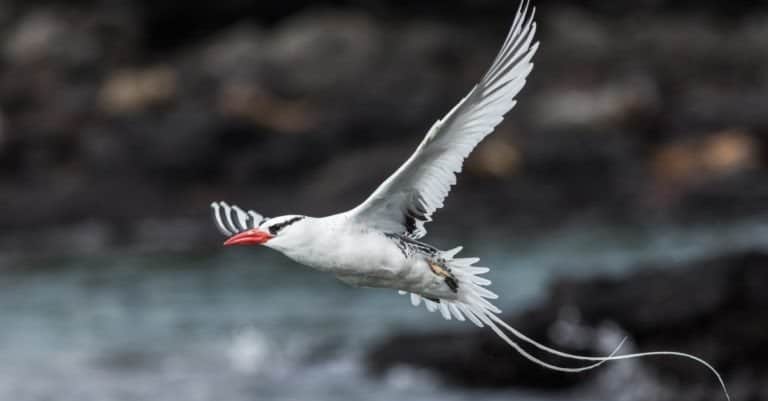
White-tailed Tropicbird One of the most visible 'tropical island' seabirds on the inner islands, often seen circling cliffs and headlands; nests on steep coastal slopes and offshore islets.
Sooty Tern Forms spectacular breeding colonies on predator-free islands/atolls; large, noisy nesting aggregations are a signature Seychelles seabird experience.
Spinner Dolphin Frequently encountered in nearshore waters and bays, especially around clear inner-island channels; often seen in traveling or resting groups.
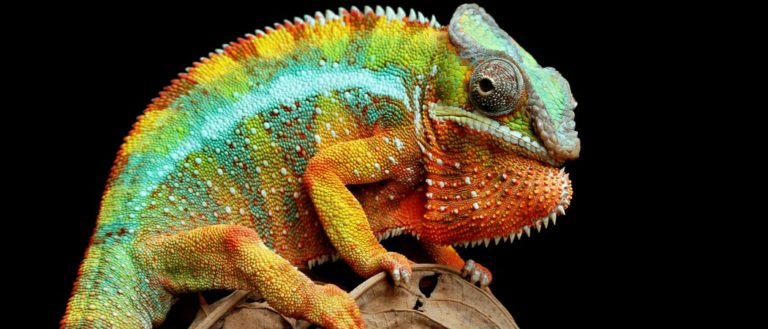
Seychelles Tiger Chameleon A unique, photogenic endemic of the granitic islands; best searched for on guided walks in suitable forest habitat (often on Mahé/Silhouette).

Endemic Species

Aldabra Giant Tortoise
Aldabra Giant Tortoise Iconic endemic giant tortoise naturally centered on Aldabra; conservation translocations have also made it a flagship species on multiple islands. Endemic
Seychelles Black Parrot Endemic parrot strongly associated with Praslin's native forests (notably palm habitats). Endemic
Seychelles Warbler Conservation success story; once restricted to a single small island, now established on several predator-managed islands where it is often easy to see. Endemic
Seychelles Magpie-robin Highly threatened endemic that survives due to intensive management; best encountered on protected islands with active conservation programs. Endemic
Seychelles Paradise Flycatcher Striking endemic songbird; stronghold on La Digue and nearby islands in suitable woodland habitats. Endemic
Seychelles Scops-owl A rare, nocturnal endemic of Mahé's remaining higher-elevation forests; typically seen/heard with specialist night outings. Endemic
Seychelles Sheath-tailed Bat One of Seychelles' most threatened native mammals; a flagship for cave/roost protection and invasive predator control. Endemic
Gardiner's Seychelles Frog One of the world's smallest frogs; a celebrated endemic of moist forest leaf litter on select granitic islands. Endemic
Seychelles Tiger Chameleon Distinctive endemic chameleon of the granitic islands, emblematic of Seychelles' reptile endemism. Endemic
Seychelles Caecilian Endemic, burrowing amphibian (legless) highlighting the archipelago's unusual amphibian fauna in humid forest soils. Endemic

Notable Populations

  • Aldabra Atoll supports one of the world's largest remaining giant tortoise populations (often cited at ~100,000+ individuals), making Seychelles globally important for giant tortoise conservation.
  • Seychelles is among the most important nesting regions for hawksbill sea turtles in the Western Indian Ocean, with multiple protected nesting beaches and long-running monitoring programs.
  • Several small, predator-managed islands (e.g., Cousin, Aride and others) host globally significant seabird breeding colonies, including large tern and noddy aggregations and key refuges for island endemics.
  • Seychelles is a leading example of island restoration-driven recoveries, with endemic birds (notably the Seychelles warbler and magpie-robin) rebuilt through intensive protection and translocations.
Protection

Conservation

Primary Threats

  • Climate change is a primary driver of coral reef stress in Seychelles, with marine heatwaves causing mass coral bleaching (historically severe events including 1998 and subsequent episodes) that reduce reef complexity, fish habitat, and coastal protection. Sea-level rise threatens low-lying coral atolls and nesting beaches (e.g., for turtles and seabirds), while warmer temperatures and altered rainfall can affect freshwater availability and increase erosion/landslides on steep granitic islands during extreme rainfall events.
  • Invasive plants and animals are a major island-biodiversity threat. Rats, feral cats, and invasive ants can predate on eggs/chicks of endemic birds and seabirds and disrupt invertebrate communities; invasive plants (e.g., aggressive shrubs/vines) can outcompete native forest species and degrade habitat in key reserves. Biosecurity is challenging across many islands and islets, and reinvasion risk is ongoing due to inter-island transport and tourism.
  • Terrestrial habitat loss is concentrated on the main inhabited granitic islands where limited flat land drives conversion of coastal plains and lower slopes for housing, roads, tourism facilities, and utilities. Coastal wetlands, dune systems, and native lowland forests have been reduced or fragmented, affecting endemic birds, reptiles, and plant communities and increasing edge effects and erosion.
  • Pollution issues include marine plastics and derelict fishing gear washing onto beaches and outer islands, localized eutrophication and bacterial contamination from wastewater/septic leakage near dense settlements, and runoff from construction and roads that increases sedimentation on nearshore reefs and seagrass beds. Solid-waste management constraints on small islands amplify leakage into the ocean, especially during heavy rains and storms.
  • Fishing pressure-particularly on tuna (industrial/foreign fleets) and reef-associated species (artisanal)-can reduce biomass and alter food webs, with additional risks from bycatch (e.g., sharks, turtles, seabirds) and concentrated pressure near accessible reefs. Managing a very large EEZ with limited enforcement capacity increases vulnerability to IUU fishing and complicates stock sustainability and ecosystem-based management.
  • Tourism and recreation can disturb sensitive nesting and roosting sites (seabird colonies, turtle nesting beaches) through beach lighting, trampling, noise, and boat traffic. High visitation to iconic natural sites (e.g., coral reefs, Vallee de Mai) requires continuous management to prevent trail erosion, wildlife stress, and degradation of fragile habitats.
  • Coastal infrastructure (ports, seawalls, land reclamation, airports, roads) can directly remove or fragment habitats and change sediment dynamics, increasing erosion and reef sedimentation. Climate adaptation infrastructure (hard coastal defenses) may unintentionally squeeze beaches and intertidal habitats, reducing space for natural coastal ecosystems to migrate inland.
  • Alteration of natural coastal and watershed processes-such as channelization/drainage, sand extraction restrictions shifting pressures elsewhere, and shoreline armoring-changes sediment transport and can degrade lagoons, mangroves where present, and nearshore reef conditions. On some islands, historical land uses and fire have modified native forest structure, necessitating active restoration to re-establish ecological function.
  • Urban expansion around Victoria and peri-urban growth on Mahé and other inhabited islands increases demand for land, water, and waste services, creating cumulative impacts on nearby terrestrial reserves and coastal waters. Increased impervious surfaces intensify stormwater runoff and pollution loads to reefs and bays.
  • Pressure on limited freshwater resources and coastal resources (sand, nearshore fish, and lagoon ecosystems) is heightened by population concentration and tourism demand. During droughts or heat extremes, water scarcity can increase reliance on energy-intensive desalination and strain watershed management, while localized overuse of coastal resources can reduce resilience of reef and lagoon systems.
Visit

Wildlife Tourism

Seychelles' wildlife tourism is centered on marine biodiversity (reef fish, turtles, rays, whale sharks, whales) and island endemics (giant tortoises, rare birds), supported by a strong protected-area network across granitic islands and outer coral atolls. Nature-based travel is a core pillar of the visitor economy-diving, snorkeling, boat excursions, and guided hikes underpin a large share of activity spend-while conservation programs (turtle monitoring, seabird protection, habitat restoration and invasive-species control) are tightly linked to tourism revenue and visitor interest. Wildlife tourism history is closely tied to early protected sites such as Vallée de Mai (Praslin) and later expansions in marine parks and outer-island conservation initiatives; today, accessibility is excellent on the main islands (Mahé, Praslin, La Digue) via international flights into Mahé, frequent ferries, and short domestic flights/charters to select outer islands. Many of the most iconic experiences are boat-based day trips from the main islands, while remote atolls (e.g., Aldabra region) are typically reached only by expedition cruise or special charter and are priced accordingly.

Best Time to Visit

Year-round wildlife destination with seasonal highlights:
- Jan-Mar: Warmest seas and typically calmer underwater conditions for snorkeling/diving on many days; strong reef visibility periods often occur in the transition windows-expect good coral-reef fish action and regular turtle encounters.
- Apr-May: One of the best windows for underwater visibility and calm seas (excellent for diving/snorkeling, reef photography, and manta/ray spotting in suitable sites); great time for island hiking and birdwatching with greener landscapes.
- Jun-Aug: Southeast trade winds bring cooler, breezier conditions; excellent for seabird activity and dynamic ocean life. Humpback whales are commonly sighted in-season (peak sighting period generally mid-year), with boat-based whale watching most productive around deeper channels.
- Sep-Nov: Another prime transition season-often very good visibility and calmer seas for diving/snorkeling; frequent turtle activity around nesting beaches (varies by site/year) and strong all-round marine viewing.
- Dec: Warmer water returns; good general snorkeling/diving and festive-season boat excursions; expect more humid weather and occasional heavier showers.
Notes for planning: Whale shark encounters are possible but not guaranteed and can be sporadic; check recent local reports. Turtle nesting/hatchling timings vary by beach and year-ask operators and island conservation teams for current hotspots.

Top Wildlife Experiences

  • Snorkel a coral reef marine park by boat (guided drift or lagoon snorkel) to spot parrotfish, butterflyfish, octopus, and reef sharks-ideal as a half- or full-day trip from Mahé/Praslin/La Digue.
  • Join a dedicated turtle-focused outing: snorkel with hawksbill/green turtles at known feeding areas, then visit a monitored nesting beach or conservation center to learn identification and threats (plastics, light pollution, erosion).
  • Take a dawn birding walk on Cousin Island Special Reserve (Praslin area) with a guide to see endemic land birds and dense seabird colonies; combine with a shallow-water snorkel stop on the same day trip.
  • Hike a rainforest trail on Mahé (guided if possible) to look for endemic birds and reptiles, then finish with a coastal viewpoint for seabird watching-best in cooler morning hours.
  • Visit Vallée de Mai (Praslin) early to experience the primeval palm forest habitat, then add a guided "endemic focus" walk looking for birds, geckos, and invertebrates (activity-based naturalist tour rather than a simple stroll).
  • Do a night snorkel or dusk shoreline walk (where permitted and safe) to look for octopus, hunting rays in the shallows, and bioluminescent plankton on darker nights (operator-led for safety).
  • Book a whale-watching boat trip during the mid-year season to search for humpbacks in offshore channels; choose operators that follow best-practice approach distances and time limits.
  • Spend a day on Curieuse Island combining a guided coastal walk (mangroves + beaches) with a giant tortoise encounter and a lagoon snorkel-an easy, high-impact wildlife day from Praslin.
  • Take a sea-kayaking or paddleboarding eco-tour in calm bays/reefs to quietly observe turtles, rays, and reef fish with minimal disturbance (best during calmer transition months).
  • For a once-in-a-lifetime expedition, join an outer-islands cruise/charter toward remote atolls to experience near-pristine reefs and large-scale seabird and marine ecosystems (logistics and permits required; limited departures).

Safari Types Available

  • Boat safaris (marine park cruising, island-hopping, lagoon exploration)
  • Snorkeling safaris (guided reef sessions, drift snorkels, turtle-focused snorkels)
  • Scuba-diving trips and liveaboard-style itineraries (reef, granite boulders, drop-offs)
  • Whale-watching excursions (seasonal, boat-based)
  • Birding safaris (guided island reserves, seabird colony visits)
  • Guided rainforest and coastal hikes (endemic wildlife and habitat interpretation)
  • Sea-kayak/SUP wildlife tours (quiet, low-impact shallow-water viewing)
  • Night wildlife experiences (operator-led night snorkels/shore walks where conditions allow)
  • Conservation-led experiences (turtle monitoring talks, habitat restoration visits, citizen-science style outings)
  • Expedition cruising/remote outer-island wildlife trips (limited-access atolls; high logistics, high reward)
Fun Facts

Did You Know?

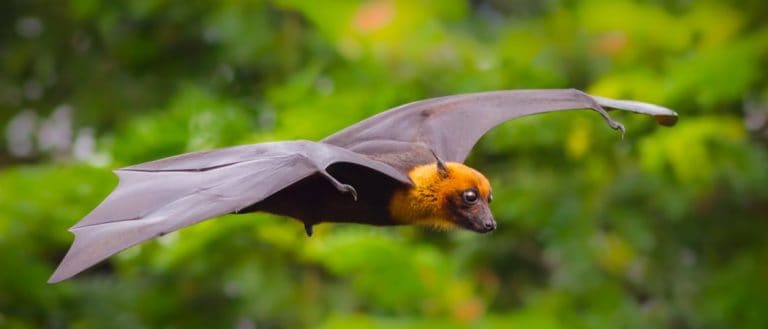
Despite its lush islands, Seychelles has virtually no native terrestrial mammals-aside from bats (such as the Seychelles fruit bat), there are no indigenous land mammals like monkeys or small carnivores.

White terns (Gygis alba), common around Seychelles settlements, famously lay a single egg directly on a bare tree branch or ledge-no nest at all-making their breeding strategy look almost impossible.

One of Seychelles' rarest birds, the Seychelles magpie-robin (Copsychus sechellarum), rebounded from about 20-30 birds in the mid-20th century to several hundred today thanks to intensive predator control and island-to-island translocations.

The Seychelles black parrot (Coracopsis barklyi) is so range-restricted that it naturally occurs only on Praslin, meaning an entire national symbol is essentially tied to one small island.

Conservation in Seychelles sometimes involves "rewilding" with Aldabra giant tortoises: they've been moved to other islands to restore the ecological role of extinct native tortoises (seed dispersal and vegetation shaping), turning a charismatic species into a working conservation tool.

Coco de mer (Lodoicea maldivica), endemic to Praslin and Curieuse, produces the largest seed in the plant kingdom-often weighing 15-18 kg and reaching ~50 cm across.

Aldabra Atoll (UNESCO World Heritage) is widely cited as the world's largest raised coral atoll-an elevated ring of reef and islands enclosing a vast lagoon.

Aldabra hosts the world's largest wild population of giant tortoises: the Aldabra giant tortoise (Aldabrachelys gigantea), with roughly ~100,000 individuals on the atoll.

Seychelles is home to one of the world's smallest frogs: Gardiner's Seychelles frog (Sechellophryne/Sooglossus gardineri), an endemic that tops out around 10-11 mm in length.

The Aldabra rail (Dryolimnas cuvieri aldabranus) is the only surviving flightless bird in the western Indian Ocean-an extreme rarity on oceanic islands where flightless birds were largely wiped out after human arrival.

Thank you for reading! Have some feedback for us?