N S W E
Wildlife Expeditions

Wildlife of
Cabo Verde

Cape Verde is most notable for dramatic volcanic islands ringed by rich Atlantic seas-home to major seabird colonies and some of the world's most important nesting beaches for loggerhead sea turtles.
28 Species
4,033 km² Land Area
Overview

About Cabo Verde

Cape Verde's wildlife character is defined by isolation and ocean influence: a volcanic archipelago where arid valleys, wind-carved cliffs, and nutrient-rich waters have shaped a distinctive island natural heritage. Terrestrial diversity is comparatively limited versus mainland Africa, but what the islands lack in big game they more than make up for in endemism and spectacular coastal and marine life. For wildlife enthusiasts, the appeal lies in watching ocean-driven ecosystems at work-seabirds wheeling above basalt headlands, turtles hauling out under starlight, and migrating marine giants passing the islands' offshore drop-offs.

Key ecosystems include rugged coastal cliffs and islets that support internationally significant seabird breeding sites; dry shrublands and volcanic slopes where island-adapted plants and reptiles persist; and surrounding pelagic waters that concentrate fish, dolphins, and occasional whales. Several islands host critical nesting habitat for the endangered loggerhead turtle, with sandy beaches acting as conservation linchpins for the wider Atlantic population. Seasonal cycles-breeding seabirds, turtle nesting, and migratory movements-create a calendar of wildlife events that can be planned around, often with excellent visibility and dramatic landscapes as a backdrop.

In regional and global conservation, Cape Verde punches above its size: its turtle rookeries and seabird colonies are priorities for Atlantic biodiversity, and local protection efforts-beach patrols, nest monitoring, community engagement, and marine protected initiatives-are central to safeguarding species that range far beyond the archipelago. The wildlife experience here is uniquely intimate and ocean-focused: night-time turtle walks, cliffside birding with endemic island forms, and boat-based encounters in deep water just offshore, all within a compact island-hopping itinerary.

Physical Features

Geography

Cape Verde's wildlife distribution is strongly shaped by its isolation as an Atlantic volcanic archipelago, steep elevational gradients, and a generally arid to semi-arid climate. Most terrestrial habitats are dry and patchy, concentrating native plants, reptiles, and invertebrates in microhabitats such as higher, moister windward slopes, sheltered valleys, and remnant montane vegetation. In contrast, the extensive coastline, offshore islets, and productive surrounding waters are central to biodiversity, supporting major seabird colonies (cliff and islet nesting), important sea turtle nesting beaches (notably on sandy islands), and migratory and cetacean use of nearshore and pelagic habitats.

4,033 km² Land Area
About the size of Rhode Island (USA); roughly in the ~170th range globally by land area Size Rank

Key Landscapes

  • Volcanic mountainous islands with sharp elevational gradients (e.g., Fogo's volcanic cone and caldera, Serra Malagueta on Santiago)
  • Calderas, lava fields, and young volcanic substrates that create sparse, specialized terrestrial habitats
  • Steep coastal cliffs and offshore islets/rocks that provide prime seabird nesting and roosting sites
  • Seasonal stream valleys and ravines that concentrate moisture, vegetation, and freshwater-dependent wildlife during rains
  • Arid plains and rocky plateaus with drought-tolerant scrub and grassland mosaics
  • Sandy beaches and dune systems (especially on flatter eastern islands like Sal, Boa Vista, Maio) critical for nesting sea turtles
  • Salt pans and saline depressions that can support shorebirds and migratory waders when conditions allow
  • Nearshore and pelagic marine habitats around the archipelago-rocky reefs, shelves, and deep waters influenced by regional currents/upwelling-supporting fish, seabirds, turtles, and cetaceans

Ecoregions

  • Cape Verde dry forests (WWF terrestrial ecoregion)
  • Cape Verde marine ecoregion (Tropical Atlantic; marine biogeographic unit in global marine ecoregion frameworks)
Parks & Reserves

Protected Areas

Cape Verde's protected area system is a relatively young, island-focused network created to safeguard volcanic uplands (key water catchments and endemic plants), arid coastal ecosystems, globally important seabird colonies, and critical marine habitats (turtle nesting beaches, reefs, and nearshore feeding areas). Common designations include natural parks, nature reserves (including strict nature reserves), and marine protected areas/marine reserves. Governance is primarily state-led with increasing community involvement in site stewardship and turtle protection on key islands.

Protected Coverage

Approx. ~20-25% of Cape Verde's land area is under some form of formal protection (terrestrial protected areas), with additional nearshore marine areas protected in several islands (extent varies by designation and zoning).

Notable Parks & Reserves

Santa Luzia Strict Nature Reserve (including Raso and Branco islets)

Strict Nature Reserve

This remote, uninhabited island-and-islets complex is Cape Verde's most important refuge for endemic and range-restricted birds and one of the archipelago's standout sites for seabird conservation. It is especially notable for holding the core population of the Critically Endangered Raso lark and breeding seabirds.

Raso lark
Cape Verde shearwater
Red-billed tropicbird
Bulwer's petrel
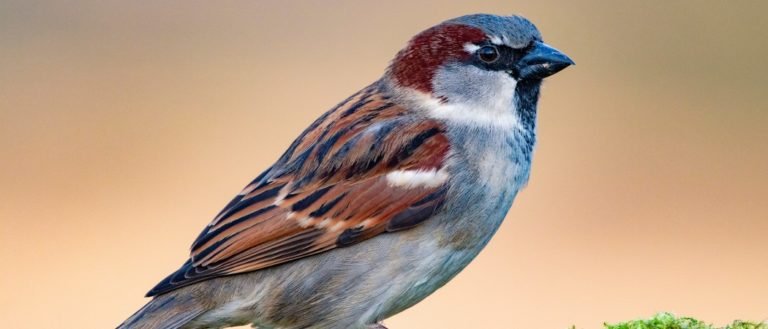
Cape Verde sparrow

Boa Vista Turtle Nature Reserve

Nature Reserve (sea turtle nesting beach protection)

Boa Vista is one of the most significant loggerhead turtle nesting strongholds in the Eastern Atlantic, and this reserve protects key nesting beaches and adjacent nearshore waters. It is central to long-term turtle conservation and monitoring in Cape Verde.
Loggerhead sea turtle
Green sea turtle
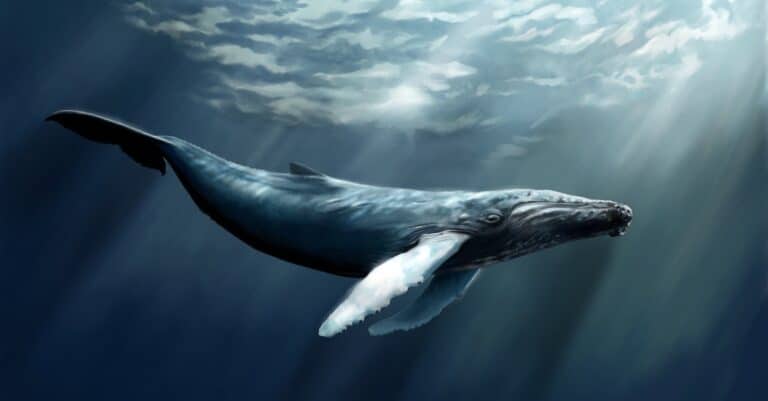
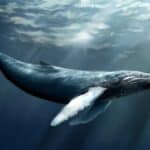
Humpback whale
Humpback whale
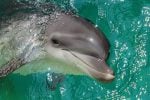
Bottlenose dolphin
Bottlenose dolphin
Short-beaked common dolphin

Murdeira Bay Nature Reserve (Sal Island)

Marine protected area / nature reserve

A flagship nearshore marine protected area known for clear waters, rocky reefs and seagrass/reef-associated fauna, supporting turtles and diverse reef fish. It is one of the most accessible wildlife-viewing marine sites in the country.

Loggerhead sea turtle
Green sea turtle
Moray eels
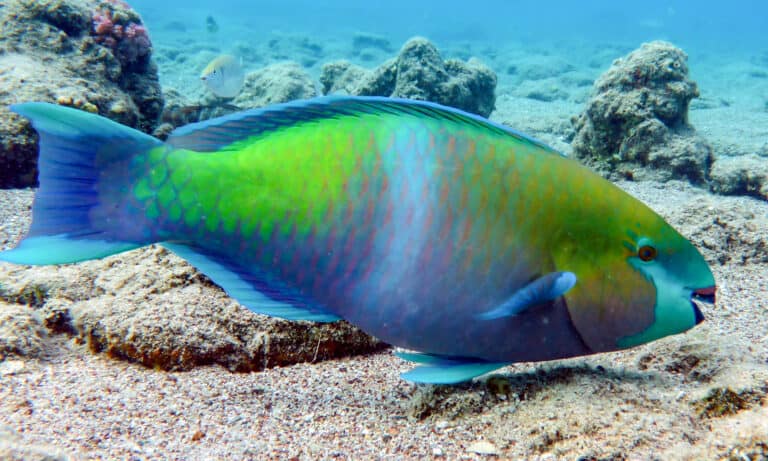
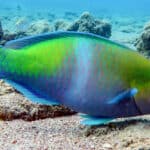
Parrotfish
Parrotfish
Rays (e.g., stingrays)

Fogo Natural Park (Fogo Island)

Natural Park

Protects the dramatic volcanic caldera and surrounding slopes, important for island-endemic plants and upland birdlife shaped by extreme volcanic habitats. It is the premier site for high-elevation ecosystems in Cape Verde.

Cape Verde swift
Cape Verde kestrel
Cape Verde sparrow
Geckos (endemic island geckos)
Skinks (Cape Verde skinks)

Serra Malagueta Natural Park (Santiago Island)

Natural Park

One of the best areas on Santiago for montane habitats, native vegetation remnants, and endemic bird conservation, with strong value as a watershed and biodiversity refuge. It supports several of Cape Verde's characteristic landbirds and localized endemics.

Cape Verde warbler
Cape Verde kestrel
Cape Verde sparrow
Cape Verde swift
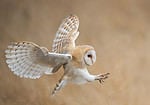
Barn owl
Barn owl

Monte Gordo Natural Park (Sao Nicolau Island)

Natural Park

A key highland protected area with relatively humid montane conditions compared with the lowlands, supporting native flora and important bird populations. It is among the best places to see upland biodiversity on Sao Nicolau.

Cape Verde warbler
Cape Verde kestrel
Cape Verde sparrow
Cape Verde swift
Geckos (endemic island geckos)

Cova, Paul and Ribeira da Torre Natural Park (Santo Antao Island)

Natural Park

Santo Antao's rugged valleys and highlands create diverse microclimates that support endemic plants and key birdlife, making it a stronghold for terrestrial biodiversity in the archipelago. The area is also important for erosion control and water resources.

Cape Verde warbler
Cape Verde kestrel
Cape Verde sparrow
Cape Verde swift
Skinks (Cape Verde skinks)

UNESCO World Heritage Sites

  • Cidade Velha, Historic Centre of Ribeira Grande
Animals

Wildlife

Cape Verde's wildlife is defined by island isolation, arid volcanic landscapes, and a strong marine influence. Terrestrial fauna is relatively species-poor compared with mainland Africa, but the archipelago is outstanding for seabirds (large breeding colonies on offshore islets), globally important nesting beaches for marine turtles, and seasonal concentrations of cetaceans (notably humpback whales). Many of the most distinctive land vertebrates are endemics-especially birds and reptiles (geckos and skinks) adapted to dry island conditions.

~12-18 (few native; mainly bats, plus introduced mammals such as goats/cats/rodents) Mammals
~200-250 recorded (migrants + residents); ~30-40 regular breeding species, including major seabird colonies Birds
~20-30 (high endemicity; multiple endemic geckos and skinks) Reptiles
0 native (occasional introduced amphibians reported, but no native amphibian fauna) Amphibians

Iconic Species

Loggerhead Sea Turtle Cape Verde (especially Boa Vista and Sal) hosts one of the most important loggerhead nesting aggregations in the Atlantic; nesting beaches and hatchling emergences are a flagship wildlife experience (with responsible, regulated viewing).
Humpback Whale
Humpback Whale Seasonally abundant in Cape Verdean waters during the breeding/calving period (roughly late winter to spring); among the most sought-after species on whale-watching trips around islands such as Sal, Boa Vista, Sao Nicolau and Santiago.
Cape Verde Shearwater A signature seabird of the archipelago, breeding in colonies on remote cliffs and islets; pelagic trips and viewpoints near breeding sites can yield close views, especially in the breeding season.
Red-billed Tropicbird Spectacular, streamlined seabird that nests on cliffs and rocky islets; often seen cruising along coastal headlands and around offshore stacks, adding a distinctly oceanic character to Cape Verde birding.
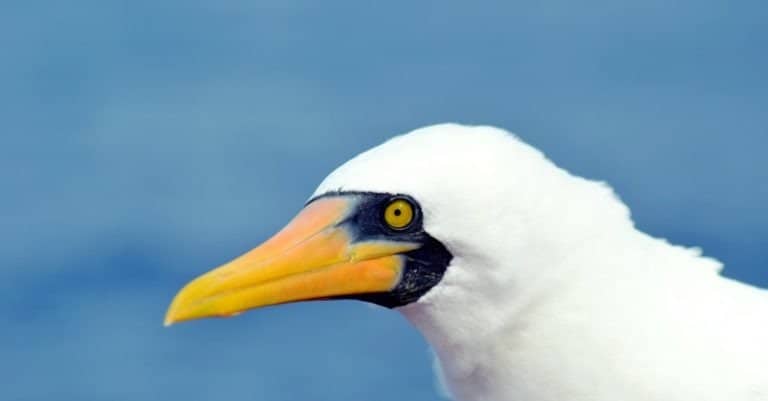
Brown Booby Regular around Cape Verde's coasts and islets, where it feeds in nearshore waters; conspicuous plunge-diver often seen from boats and coastal lookouts.
Magnificent Frigatebird Not a regular species in Cape Verde; any sightings are exceptional and should be treated as very rare vagrancy rather than a frequent or typical encounter.
Common Bottlenose Dolphin
Common Bottlenose Dolphin One of the most reliably encountered dolphins in Cape Verde; commonly observed from whale-watching boats and sometimes from shore in clear coastal waters.
Spinner Dolphin Often encountered in offshore waters; known for acrobatic spinning leaps, making it a highlight of pelagic excursions.

Endemic Species

Raso Lark Critically restricted-range bird found essentially only on the tiny islet of Raso; one of the most range-limited birds on Earth and a prime target for specialist birders. Endemic
Cape Verde Warbler Endemic songbird with a patchy distribution across a few islands, associated with scrubby valleys and moister vegetated pockets; emblematic of Cape Verde's isolated landbird evolution. Endemic
Cape Verde Sparrow An abundant, familiar endemic on several islands; often the most frequently seen native landbird in towns, fields and dry scrub. Endemic
Cape Verde Swift Endemic swift typically seen over cliffs, gorges and settlements; a characteristic aerial species of the islands. Endemic
Cape Verde Storm Petrel A Cape Verde-endemic storm petrel breeding on remote islets; difficult to see from land, but an important component of the archipelago's endemic seabird fauna. Endemic
Cape Verde Gecko Endemic gecko associated with rocky habitats and human structures on some islands; part of a broader set of island-specialist reptiles in the archipelago. Endemic
Cape Verde Wall Gecko (Tarentola group) Representative of Cape Verde's endemic Tarentola geckos, which show island-by-island variation; commonly encountered on rocks and walls in suitable habitats. Endemic
Cape Verde Skink (Chioninia spp.) Cape Verde's skinks include multiple endemic species with island-restricted ranges; they are among the most distinctive native terrestrial vertebrates visitors may encounter on warm, rocky slopes. Endemic

Notable Populations

  • Cape Verde supports one of the most important loggerhead sea turtle nesting populations in the Atlantic (major rookeries on Boa Vista and Sal).
  • The Cape Verde shearwater is an endemic seabird whose global breeding population is essentially confined to the archipelago.
  • The Raso lark has an extremely small global range, effectively limited to the islet of Raso-making Cape Verde solely responsible for its persistence.
  • Cape Verdean waters are a seasonal breeding/calving area for humpback whales, creating reliable whale-watching opportunities compared with many other parts of West Africa.
  • Remote offshore islets host regionally significant seabird breeding colonies (including tropicbirds, boobies and storm petrels) that are key to Cape Verde's global conservation value.
Protection

Conservation

Primary Threats

  • Rising temperatures and increasing rainfall variability intensify drought frequency and severity, worsening water scarcity and vegetation stress on already arid islands. Sea-level rise and stronger storm surges threaten low-lying coastal habitats and nesting beaches for sea turtles (notably on islands like Boa Vista and Sal), while ocean warming and acidification can affect marine productivity that supports fisheries and seabirds.
  • Coastal habitat loss occurs through tourism-oriented development, shoreline hardening, sand extraction in some areas, and expansion of settlements and roads near beaches and dunes. On land, limited fertile areas face pressure from cultivation and grazing, contributing to the decline/fragmentation of native dry forests and shrublands, especially on more mountainous islands where remnant native vegetation persists.
  • Artisanal fishing is economically and culturally central, but nearshore stocks can be depleted by high fishing pressure, including capture of vulnerable species (some sharks/rays) and competition with industrial/foreign fleets operating in Cape Verde's waters. Illegal, unreported, and unregulated (IUU) fishing and weak monitoring capacity can undermine sustainable management, affecting food security and marine biodiversity.
  • Introduced predators (e.g., rats and feral cats) depredate seabird eggs/chicks on nesting islets and coastal cliffs, reducing breeding success of globally important colonies. Invasive plants and free-ranging livestock can suppress regeneration of native island flora and increase erosion, particularly where native vegetation is already sparse and fragmented.
  • Marine litter-especially plastics-accumulates on beaches due to ocean currents and local waste-management limitations, threatening sea turtles (entanglement/ingestion) and degrading tourism and nesting habitat quality. Localized sewage and runoff near growing urban/coastal areas can affect water quality in bays and nearshore ecosystems.
  • Chronic freshwater scarcity is exacerbated by over-abstraction of groundwater and salinization in coastal aquifers, constraining ecosystem restoration and increasing reliance on desalination. Overgrazing and fuelwood collection in some rural areas can further deplete vegetation cover and soil fertility, amplifying desertification processes.
  • Nighttime activity, beach traffic, off-road driving on dunes, lighting from resorts, and uncontrolled visitation can disturb nesting sea turtles and seabirds. Disturbance is especially acute on high-use tourism beaches where nesting overlaps with peak visitation periods.
  • Roads, ports, coastal defenses, and tourism infrastructure can fragment remaining habitats and alter sediment dynamics. Artificial lighting associated with coastal development disorients sea turtle hatchlings and can reduce nesting success on key beaches.
  • Direct hunting pressure is generally lower than in many mainland contexts, but opportunistic take of some wildlife (including historically seabirds or turtles in some areas) has occurred; even low levels can be significant for slow-reproducing island populations if enforcement and community buy-in are weak.
  • Island wildlife populations can be vulnerable to novel pathogens; risks include disease introduction via pets/livestock and impacts on seabird colonies or endemic reptiles. Monitoring capacity is limited, making early detection and response challenging, particularly during climate-stress years that can increase susceptibility.
Visit

Wildlife Tourism

Cape Verde's wildlife tourism is centered on the ocean and islands rather than big-game savannas: humpback whales and dolphins offshore, globally important seabird colonies on remote islets, and seasonal nesting/feeding grounds for sea turtles. While beach tourism dominates the economy, nature-based trips (whale watching, turtle encounters, birding, diving/snorkeling) are a fast-growing niche that extends the season and supports local boat operators, guides, conservation NGOs, and community patrols. Conservation-linked tourism has expanded notably since the 1990s-2000s with increased marine protection efforts and sea turtle monitoring, especially on islands like Sal and Boa Vista. Accessibility is straightforward: international flights typically route via Praia (Santiago) and Sal, with domestic flights and ferries linking the main islands; most signature wildlife activities depart from Sal, Boa Vista, Santiago, São Vicente, and Santo Antão. Conditions are generally arid and sunny year-round; offshore wind and swell vary by season, affecting boat trips and visibility.

Best Time to Visit
  • Mar-May: Prime for seabirds (breeding/nesting activity on islets and cliffs); excellent birdwatching on Santo Antao/Sao Nicolau; calmer seas often improve boat excursion comfort.
  • Feb-May (peak Mar-Apr): Humpback whales are present around the archipelago for breeding/calving (best chances from Boa Vista and Sal).
  • Jun-Nov (peak Aug-Oct): Loggerhead sea turtles nest on key beaches, especially Boa Vista and Sal; guided night walks with conservation teams are at their best.
  • Sep-Dec: Turtle hatchlings (timing varies by beach and year); continuing good marine life, with fewer crowds after August.
  • Nov-Feb: Excellent for wintering/stopover seabirds and general birding; cooler, windier months-good for pelagic bird trips but boats can be bumpier.

Top Wildlife Experiences

  • Join a guided whale-watching boat trip (Feb-May) from Boa Vista or Sal to look for humpback breaches, tail slaps, and mother-calf pairs, with a marine biologist-style briefing on responsible viewing distances.
  • Do a conservation-led night walk to observe nesting loggerhead turtles (Aug-Oct), following strict red-light/no-touch rules, often with community patrols that protect nests from disturbance.
  • Take a sunrise hatchling walk (Sep-Dec, when permitted) to witness hatchlings emerging and making the dash to the sea-an unforgettable, tightly managed experience to minimize impact.
  • Book a half-day dolphin and snorkeling cruise from São Vicente (Mindelo) or Sal to spot bottlenose/Atlantic spotted dolphins, then snorkel over volcanic reefs and sandy patches for reef fish and invertebrates.
  • Go pelagic birding by boat to offshore islets (seasonal, weather-dependent) to see dense seabird activity-shearwaters, petrels, tropicbirds-and learn how isolation shaped Cape Verde's island biodiversity.
  • Hike Santo Antão's cloud-forest valleys and ridgelines with a birding guide to search for endemic and island-adapted species, combining wildlife with dramatic volcanic scenery.
  • Snorkel or dive around rocky lava formations to look for rays, moray eels, octopus, and seasonal schools of fish-best visibility often in the warmer months, with site choice adapted to swell and wind.
  • Kayak or paddleboard in sheltered bays (choose calm-weather windows) for a low-impact chance to see seabirds up close and, occasionally, turtles surfacing to breathe.
  • Visit a sea turtle rescue/education center (where available) to understand threats like bycatch and light pollution, and how tourism funds monitoring and community outreach.
  • Take a guided coastal walk on Boa Vista's dunes and saline flats to spot shorebirds and learn about desert-island ecology, including hardy plants and the ways wildlife survives arid conditions.

Safari Types Available

  • Boat safaris (whale watching, dolphin cruises, pelagic birding)
  • Sea turtle experiences (guided nesting walks, hatchling watches where permitted, conservation patrol visits)
  • Snorkeling and scuba diving wildlife trips (reef/rocky habitat-focused)
  • Guided birdwatching hikes (volcanic valleys, cliffs, coastal wetlands/saline areas)
  • Coastal nature walks and island-ecology tours (dunes, salt pans, lava fields)
  • Kayak/SUP wildlife outings in sheltered bays (low-impact marine viewing)
  • Community conservation and education visits (turtle projects, marine awareness centers)
Fun Facts

Did You Know?

A desert-like archipelago that's a turtle powerhouse: even though much of Cape Verde is arid to semi-arid, its wide sandy beaches support mass nesting by loggerhead turtles-an outsized global wildlife event for such dry islands.

Some of Cape Verde's rarest animals survive because the best refuge is "too small to live on": tiny predator-free islets (with no cats or rats) act as last-stand sanctuaries for species like the giant gecko and Raso lark.

Cape Verde is a winter meeting point for giants: humpback whales migrate here to breed and calve in warm Atlantic waters-meaning you can encounter a classic tropical-style whale season far closer to Europe than most people expect.

Volcano-driven habitat resets happen in real time: eruptions on Fogo (most recently 2014-2015) can bury entire areas under fresh lava, forcing wildlife to recolonize from scratch and creating a living "before-and-after" ecology lesson within a single human lifetime.

Largest loggerhead sea turtle rookery in the Eastern Atlantic: Cape Verde (especially Boa Vista, Sal and Maio) hosts one of the world's biggest nesting aggregations of loggerheads (Caretta caretta), with beaches that can hold tens of thousands of nests in a good year.

Global 100% endemism for a seabird: the Cape Verde shearwater (Calonectris edwardsii) breeds only in Cape Verde-its entire world breeding range is confined to this one archipelago.

One of the planet's most range-restricted birds: the Raso lark (Alauda razae) naturally occurs on a single tiny islet (Raso, roughly 7 km²), making it one of the most geographically confined songbirds on Earth.

Cape Verde's largest native reptile is also ultra-local: the Cape Verde giant gecko (Tarentola gigas) is the biggest gecko in the country and is naturally limited to just a couple of small, uninhabited islets (notably Branco and Raso).

Thank you for reading! Have some feedback for us?