N S W E
Wildlife Expeditions

Wildlife of
Comoros

Comoros is a compact volcanic archipelago where misty, endemic-rich island forests meet coral reefs and deep ocean channels-an outsized wildlife destination for rare birds, fruit bats, and vibrant marine life in a single trip.
13 Species
1,862 km² Land Area
Overview

About Comoros

Set between Madagascar and Mozambique, the Union of the Comoros is a small chain of volcanic islands whose isolation has produced a distinctive natural heritage and impressive endemism. Much of the wildlife appeal lies in the contrast between lush upland forests and coastal habitats: visitors come to seek out island-specialist birds, watch large fruit bats commuting overhead at dusk, and encounter reptiles and amphibians found nowhere else. Because Comoros sits at a biogeographic crossroads of Africa and the western Indian Ocean, its fauna shows both African affinities and unique island twists-making even common-seeming habitats feel refreshingly different for wildlife watchers.

Comoros' key ecosystems include remnant montane and lowland forests (critical refuges for endemic birds and bats), volcanic slopes and crater landscapes, mangroves and lagoons that shelter juvenile fish, and coral reefs that support a high diversity of reef fish and invertebrates. Offshore, deep channels and productive waters can attract pelagic species, making boat-based wildlife viewing a rewarding complement to forest walks. These ecosystems are significant not only for their species richness but also for their vulnerability: limited land area, pressure on forests, and impacts on reefs mean that relatively small protected or well-managed areas can have an outsized conservation payoff.

In the wider African and global conservation picture, Comoros represents a classic "island endemism hotspot," where safeguarding remaining natural habitat helps prevent global extinctions. The wildlife experience is uniquely intimate-distances are short, habitats change rapidly with elevation, and visitors can combine birding in cloud-forest remnants with snorkeling or diving on reefs in the same day. For wildlife enthusiasts, the islands offer a chance to support community-based conservation and ecotourism while experiencing one of the Indian Ocean's lesser-visited biodiversity treasures.

Physical Features

Geography

Comoros' wildlife is shaped by island biogeography and steep volcanic topography: each island is isolated, so many species evolved independently, and habitat types change rapidly with elevation from coastal dry scrub and agroforests to humid lowland forest remnants and (on higher slopes) cooler montane/cloud forests. Short, seasonal streams and porous volcanic soils limit extensive freshwater habitats, while the long coastline, fringing reefs, lagoons, seagrass beds, and mangroves strongly influence the distribution of marine life (reef fishes, turtles, marine mammals) and coastal birds. Ongoing forest loss and fragmentation concentrate many endemic birds, bats, and reptiles into remaining upland and riparian forest patches.

1,862 km² Land Area
One of the world's smallest countries by area (roughly ~180th); about the size of Maui (Hawaii). Size Rank

Key Landscapes

  • Volcanic highlands and steep elevational gradients (notably Mount Karthala on Grande Comore)
  • Montane/cloud forest zones on upper slopes (cooler, wetter refuges for endemics)
  • Lowland humid forest remnants and secondary forests/agroforests (important but fragmented habitat matrix)
  • Lava fields and young volcanic substrates (sparse vegetation, early-successional habitats)
  • Short, seasonal streams and small watersheds (limited freshwater habitats, localized riparian biodiversity)
  • Coastline with sandy beaches, rocky shores, and coastal cliffs (nesting/roosting and foraging habitats)
  • Mangroves and coastal wetlands (nursery habitat for fish/crustaceans; coastal bird habitat)
  • Fringing coral reefs, lagoons, and reef passes (high marine diversity and connectivity)
  • Seagrass beds and nearshore shelf waters (forage for turtles and fish; links reefs to coastal food webs)

Ecoregions

  • Comoros forests (WWF terrestrial ecoregion; often cited as IM0136)
  • Northern Mozambique Channel (WWF/MEOW marine ecoregion; coral reefs, seagrass, and mangroves)
Parks & Reserves

Protected Areas

Comoros' protected area network is relatively small but strategically important, centered on (1) volcanic mountain forests that hold many of the archipelago's endemic birds, bats, and reptiles, and (2) marine protected areas that safeguard coral reefs, turtle nesting beaches, and coastal cetacean habitat. Protection is implemented through a mix of national parks/parks authority management, forest reserves (often focused on remaining native forest blocks), and community co-management-especially in coastal and marine zones where local fisheries and turtle nesting sites overlap.

Protected Coverage

Protected areas cover about 4-5% of Comoros' land and inland waters (officially designated protected areas). Marine protected areas add substantial additional coverage in coastal/nearshore waters, including the Moheli area, and are typically reported separately from the land figure.

Notable Parks & Reserves

Moheli National Park (includes the former Moheli Marine Park)

National Park / Marine Protected Area (co-managed)

Comoros' flagship protected area, combining marine habitats (reefs, seagrass, lagoons) with coastal/terrestrial zones. It is especially notable for sea turtle nesting and reliable sightings of dolphins, with seasonal large whales offshore.
Green turtle
Hawksbill turtle
Spinner dolphin
Indo-Pacific bottlenose dolphin
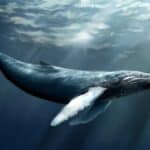
Humpback whale
Humpback whale
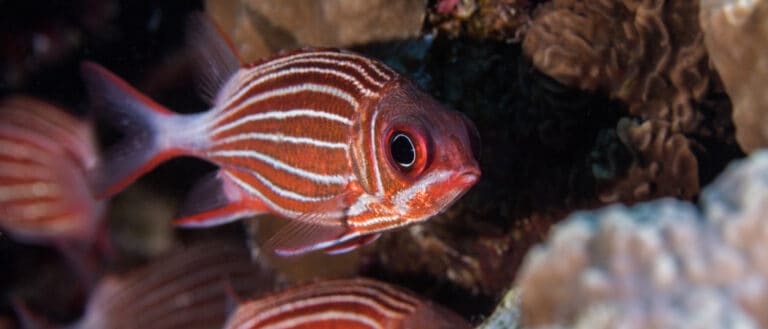
Reef fish (butterflyfish & parrotfish)

Karthala National Park (Mount Karthala, Grande Comore)

National Park

Protects the high-elevation rainforest and volcanic slopes of Mount Karthala, a stronghold for Comoros' endemic forest birds and island bat fauna. The altitudinal gradient supports distinct assemblages from lower humid forest to montane habitats.

Comoros blue pigeon
Grand Comoro drongo
Humblot's flycatcher
Comoros sunbird
Comoros thrush
Comoro flying fox (fruit bat)

Mount Ntringui Forest Reserve (Anjouan highlands)

Forest Reserve / Key Biodiversity Area focus

One of the most important remaining native forest blocks in Comoros, critical for endemic and threatened forest species. It is a key site for conservation of island bats and secretive forest birds tied to intact canopy.

Livingstone's fruit bat
Anjouan scops-owl
Comoros blue pigeon
Humblot's flycatcher
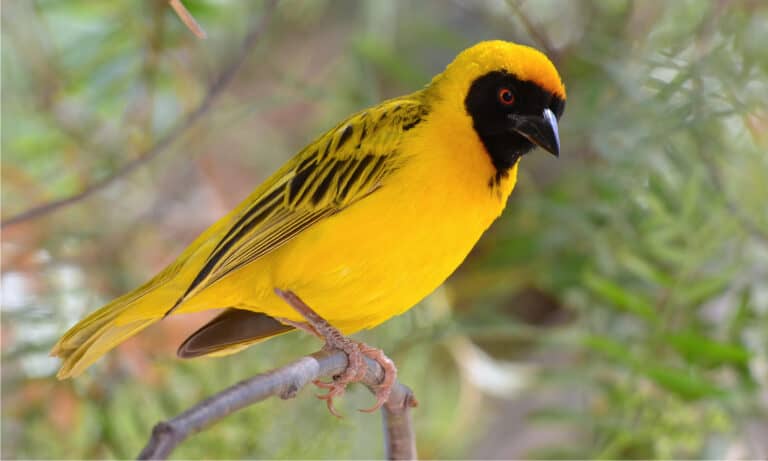
Comoros fody
Comoros sunbird

Kafogoma Forest Reserve (Anjouan)

Forest Reserve

A heavily threatened mid-elevation rainforest refuge that still supports a concentration of endemic birds and bat roosting/foraging habitat. Its conservation value is high because low- and mid-altitude forests have been widely reduced elsewhere.

Humblot's flycatcher
Comoros sunbird
Comoros fody
Comoros blue pigeon
Comoros thrush
Day geckos (Phelsuma spp.)

La Grille Forest Reserve (Grande Comore)

Forest Reserve / Protected Forest

A remnant of humid upland forest on Grande Comore (Ngazidja) that helps protect watersheds and endemic biodiversity in an area under strong agricultural and settlement pressure.

Comoros blue pigeon
Comoros drongo (Grand Comoro population)
Comoros sunbird
Livingstone's fruit bat (Livingstone's flying fox)
Day geckos (Phelsuma species)
Animals

Wildlife

Comoros' wildlife is defined by its volcanic island forests and surrounding coral-reef seas. Terrestrial diversity is relatively low in large mammals but exceptionally rich in endemics-especially birds, bats, and reptiles-because the archipelago is isolated between Madagascar and East Africa. The marine environment (reefs, drop-offs, and channels) adds much of the "big wildlife" experience via sea turtles, cetaceans, and the famously rediscovered coelacanth.
≈ 25-35 species (mostly bats; few native non-flying mammals, some introductions) Mammals
≈ 140-170 species recorded (notable endemism in forest birds; many migrants and seabirds) Birds
≈ 30-45 species (geckos, skinks, chameleons; several island endemics) Reptiles
≈ 1-3 species (very limited; some records may be introduced/uncertain) Amphibians

Iconic Species

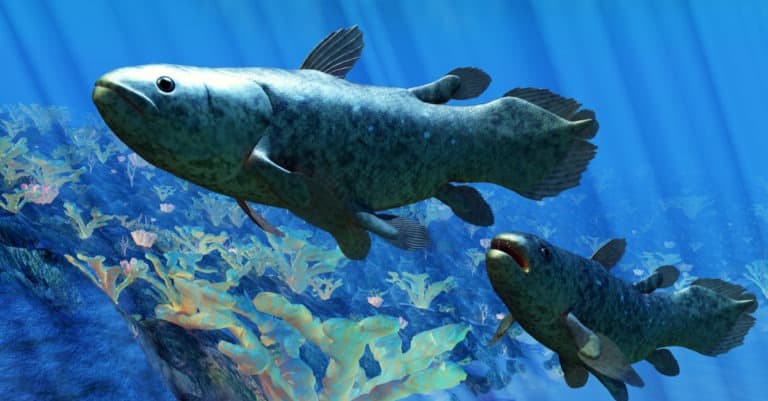
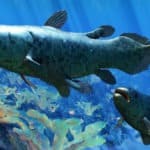
Coelacanth
Coelacanth One of the world's most iconic "living fossil" fishes; Comoros (notably steep volcanic drop-offs around Grande Comore and nearby islands) is historically famous as a key locality for the species' rediscovery and ongoing sightings by deepwater fishers and researchers.
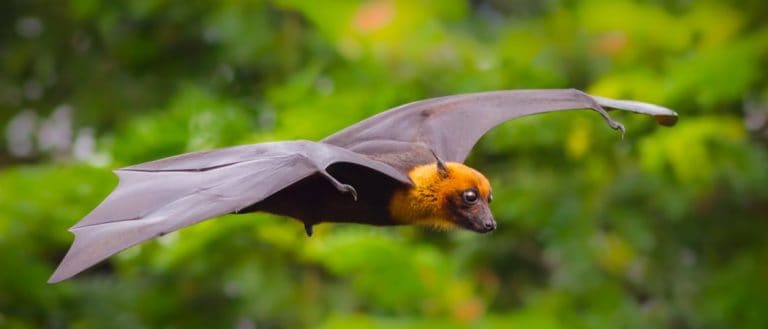
Livingstone's Fruit Bat Critically Endangered and a flagship species for Comoros' remaining montane forests; best associated with the higher-elevation forests on Anjouan and Mohéli.
Humpback Whale
Humpback Whale Seasonal visitor to the Comoros channel region; whales use warm waters for breeding/calving, with boat-based viewing opportunities especially around Mohéli during the wintering season.
Green Sea Turtle A signature species of Comoros' marine parks and reef lagoons; regularly encountered while snorkeling/diving and at key nesting beaches, particularly around Mohéli Marine Park.
Hawksbill Turtle Closely tied to healthy coral reefs; seen on reef slopes and lagoons across the archipelago, with nesting and foraging importance in protected coastal areas.
Comoros Blue Pigeon A sought-after endemic forest bird; associated with remaining native forests (notably on Grande Comore and other islands where suitable habitat persists).
Humblot's Flycatcher A distinctive endemic songbird of upland and mid-elevation forests, often highlighted by birders visiting Grande Comore.
Comoros Day Gecko A brightly colored island gecko commonly encountered in forest edges, gardens, and coastal vegetation-an easy-to-see emblem of Comoros' reptile diversity.

Endemic Species

Livingstone's Fruit Bat Endemic to the Comoros; depends on intact humid forest and is among the rarest large bats on Earth. Endemic
Comoros Blue Pigeon Endemic forest pigeon; one of the archipelago's hallmark birds and a key target for visiting birders. Endemic
Humblot's Flycatcher Endemic passerine; strongly associated with remaining native forest, making it sensitive to habitat loss. Endemic
Comoros Sunbird Endemic nectar-feeder; a characteristic garden-and-forest-edge bird across suitable habitats. Endemic
Comoros Thrush Endemic thrush of wooded habitats; often split into island forms, reflecting the archipelago's strong within-island differentiation. Endemic
Comoros Day Gecko Endemic reptile; frequently encountered and representative of island reptile radiations in the western Indian Ocean. Endemic

Notable Populations

  • Comoros is a historically important stronghold/locality for the coelacanth (Latimeria chalumnae), associated with deep volcanic drop-offs around the archipelago.
  • Mohéli Marine Park supports regionally important sea turtle nesting and foraging habitat (notably Green and Hawksbill turtles) in the western Indian Ocean.
  • Comoros holds the entire global range of Livingstone's fruit bat (Pteropus livingstonii), making its remaining montane forests globally significant for bat conservation.
Protection

Conservation

Primary Threats

  • Native forests on Grande Comore, Anjouan, and Moheli have been heavily reduced and fragmented by conversion to smallholder fields and agroforestry, cutting for fuelwood/charcoal, and settlement expansion. This particularly affects moist montane forest remnants (critical for endemic birds, bats, and reptiles) and increases edge effects and fire risk.
  • Farming expands upslope onto steep volcanic soils (notably on Anjouan), driving clearance of remaining forest patches and accelerating erosion and landslides. Cash-crop agroforestry (e.g., ylang-ylang, cloves, vanilla) can retain some tree cover but often replaces diverse native forest and increases harvesting pressure for fuel and poles.
  • Wood extraction is largely for domestic energy and construction rather than industrial timber, but the cumulative impact is significant: selective cutting and frequent harvesting reduce forest structure, degrade watersheds feeding coastal reefs, and diminish habitat for endemics with small ranges.
  • High reliance on biomass energy (fuelwood/charcoal) and limited alternative energy options intensify pressure on forests. In coastal areas, depletion also includes local declines in nearshore fish and invertebrates that support subsistence and small-scale commercial fisheries.
  • Nearshore reefs and lagoonal habitats (especially around Moheli and Anjouan) are heavily fished with increasing effort and, in some places, damaging gears. Declines in reef fish and invertebrates reduce food security and undermine reef resilience, and bycatch can affect turtles and other megafauna.
  • Limited solid-waste collection and wastewater treatment leads to plastic accumulation, open dumping, and untreated sewage entering coastal waters near towns (e.g., around Moroni). This degrades reefs and seagrass, increases disease risk for coral, and affects turtle nesting beaches.
  • Rising sea temperatures drive coral bleaching and reduce reef recovery potential; sea-level rise and stronger storms increase erosion of narrow nesting beaches and coastal infrastructure exposure. Shifts in rainfall patterns can intensify drought-water stress and erosion in already-degraded watersheds.
  • Introduced predators and competitors (notably rats and feral cats; plus invasive plants in disturbed zones) impact nesting birds, reptiles, and potentially bat roost sites. On small islands with limited refugia, invasive species can quickly eliminate localized populations.
  • Wildlife take is typically local and opportunistic but can be significant for small populations: fruit bats may be hunted for food, and sea turtles can be targeted for meat and eggs where beach protection is weak or seasonal enforcement lapses.
  • Trade is not large-scale compared with some regions, but there are risks of illegal collection/transport of protected species or products (e.g., turtle products) and removal of marine curios, facilitated by porous maritime routes between islands and neighboring countries.
  • Alteration of coastal habitats-mangrove cutting for wood, modification of shorelines, and degradation of reef structure from combined stressors-reduces nursery areas for fish and buffers against storms. On land, repeated burning and clearing cycles convert forest to degraded shrub/grass mosaics.
  • Road expansion, quarrying for construction materials, and coastal development around towns and ports increase habitat fragmentation and sediment runoff to reefs. Poorly managed drainage on steep slopes can trigger gullying and landslides that smother nearshore corals.
  • Growth of Moroni and other settlements increases demand for fuelwood, land, and sand/aggregate, and concentrates waste streams. Urban sprawl into peri-urban agriculture and hillsides also accelerates erosion and localized flooding.
  • Many endemic species occur in small, isolated forest fragments or single-island populations, making them vulnerable to inbreeding, genetic drift, and rapid loss of adaptive potential after cyclones, eruptions (e.g., Karthala), or disease outbreaks.
  • Small, stressed wildlife populations are vulnerable to introduced pathogens (e.g., poultry-associated diseases affecting wild birds, or emerging diseases in bats), and degraded water quality can increase disease pressure in nearshore marine ecosystems.
Visit

Wildlife Tourism

Wildlife tourism in the Union of the Comoros is small-scale but distinctive, built around high endemism in cloud forests and exceptionally biodiverse reef-and-slope marine habitats. Economically, it complements beach and cultural travel rather than driving mass arrivals; most wildlife experiences are run by local guides, community initiatives, small dive operators, and a handful of ecolodges. Historically, interest has grown alongside regional Indian Ocean conservation efforts (reef protection, sea turtle monitoring, forest biodiversity surveys), but infrastructure remains light-expect fewer formal "parks" and more guide-led outings in forest reserves, village-managed coastal areas, and marine sites. Accessibility is straightforward for patient planners: visitors typically connect via regional hubs (often through East Africa or nearby islands) into Grande Comore, then hop to Mohéli or Anjouan by domestic flight or boat (schedules can be weather-dependent). Roads are limited outside main towns; wildlife viewing is best done with local guides who know trail conditions, tides, and nesting sites. If you're seeking uncrowded nature, island endemics, and reef time with a pioneering feel, Comoros can be outstanding-just build in flexibility for transport and sea state.

Best Time to Visit
  • Practical wildlife seasons (month-by-month highlights):
  • May-October (generally drier, cooler, clearer water): Best all-around season for forest hikes, birding, and diving/snorkeling visibility. Expect more comfortable trekking conditions in upland forests and steadier marine conditions for boat trips. - June-August: Peak comfort for hiking in montane/forest habitats; strong birding and bat-watching; clearer underwater visibility for reefs and drop-offs.
  • November-March (warmer, wetter cyclone season risk): Lush forests, strong breeding activity for some fauna, but heavier rain can reduce trail access and underwater visibility; sea can be rough. - December-February: Warmer seas; good chances to combine reef time with sea turtle activity where monitored/accessible, but plan for rain and possible cancellations.
  • April and November (shoulder months): Often excellent compromise-green landscapes, fewer storms than mid-wet season, and decent marine conditions. What to see when (high level):
  • Forest endemics (birds, reptiles, bats): Best May-October (more reliable access/visibility on trails).
  • Reef life (coral gardens, reef fish, rays, turtles): Often best May-October for underwater clarity; year-round possible depending on site and weather.
  • Sea turtles: Seasonal and site-specific; ask locally for current nesting/hatching windows and responsible viewing rules (many islands vary by beach and year).

Top Wildlife Experiences

  • Dawn rainforest birding hike on Anjouan or Grande Comore with a specialist guide to target endemic and near-endemic island birds (go early for peak calls and activity, and combine with a mid-morning canopy watch).
  • Night walk for bats, geckos, and nocturnal insects in a forest-edge village area (spotlighting with a local guide; listen for bat roost activity and scan fruiting trees).
  • Guided climb and nature walk on the slopes of Mount Karthala (Grande Comore) focused on altitudinal habitats-coastal vegetation to montane forest-pairing geology with endemic wildlife watching.
  • Community-led sea turtle beach patrol or respectful nesting observation (where permitted), timed around evening high tides; learn local conservation methods and how hatchlings are protected.
  • Snorkel a shallow coral garden at slack tide with a local boatman/guide-look for reef fish schools, giant clams, and turtle grazing areas, and practice reef-safe techniques (no-touch, buoyancy control).
  • Boat trip to marine hotspots around Mohéli for dolphin searching and reef snorkeling in one outing (best in calm seas; keep distance and follow ethical wildlife viewing).
  • Blue-water dive on volcanic reef slopes and walls (experienced divers) for pelagic chances-larger fish, rays, and occasional open-ocean visitors-depending on currents and season.
  • Kayak or paddle outing along a sheltered bay or lagoon margin (where available) to quietly watch seabirds, shoreline life, and reef flats without engine noise.
  • Village-to-forest cultural-nature walk: combine spice-plant and fruit-tree gardens with adjacent native forest fragments to see how traditional agroforestry supports birds and pollinators.
  • Tidepool and reef-flat exploration with a guide during spring low tides to learn about crabs, sea stars, small reef fish, and coastal ecology (great for families; strong focus on safety and not collecting wildlife).

Safari Types Available

  • Guided rainforest/forest hikes (day walks) for endemic birds, reptiles, and island flora
  • Night walks/spotlighting for bats, geckos, and nocturnal insects
  • Volcano ecology treks (altitude-based wildlife viewing plus geology)
  • Boat safaris for dolphins and general marine wildlife viewing
  • Snorkeling safaris (reef-focused, tide-timed outings)
  • Scuba diving safaris (reef slopes, walls, and current-influenced sites)
  • Sea turtle conservation visits (patrols/monitoring with community projects where available)
  • Kayak/paddle wildlife outings in sheltered coastal waters (where conditions and operators allow)
  • Birding-focused itineraries (multi-island, guide-led)
  • Citizen-science style excursions (reef checks, species logging) with local operators/research-linked initiatives when available
Fun Facts

Did You Know?

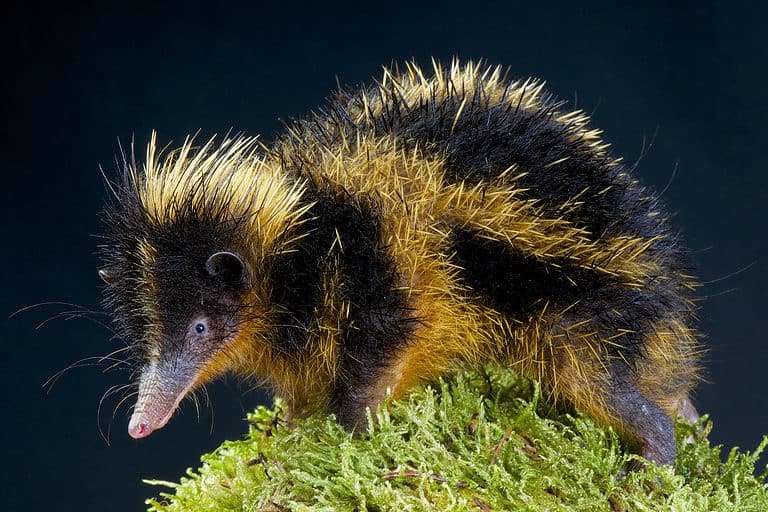
Despite being between Africa and Madagascar, Comoros has no native non-flying land mammals-its only native terrestrial mammals are bats. (Most other mammals on the islands are human-introduced.)

The coelacanth has a well-known local nickname in Comoros, reflecting how real (and local) this ancient fish is: it has been caught as accidental bycatch by deep-set fishing gear, even though it normally lives at depths far beyond typical diving.

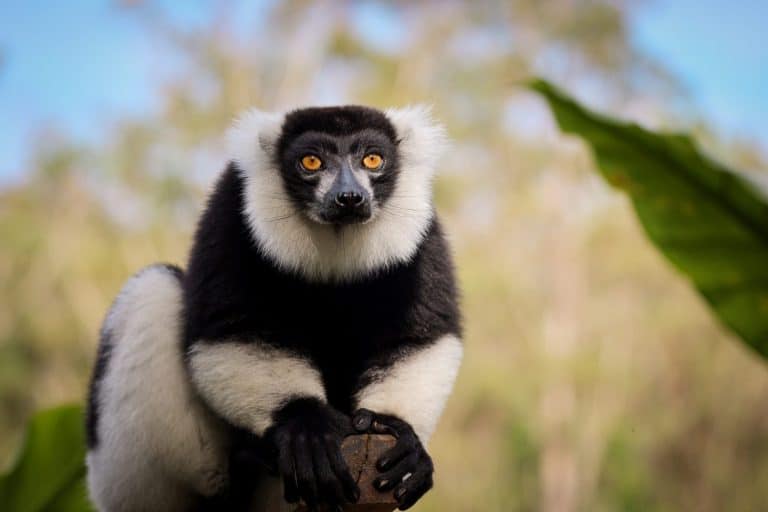
Comoros is close enough to Madagascar that many visitors expect lemurs-but there are no native lemurs on the islands; instead, bats and birds dominate the "headline" native vertebrate fauna on land.

A large share of Comoros' most distinctive wildlife depends on tiny, shrinking habitat "islands" of montane forest: for example, Livingstone's fruit bat survives in a small number of roosting areas, meaning one severe cyclone or a single burst of deforestation can disproportionately affect the entire species.

The Union of the Comoros is the only country where Livingstone's fruit bat (Pteropus livingstonii) occurs in the wild-and it's among the world's largest and rarest bats (wingspans reported up to ~1.4 m; total population commonly estimated at well under ~2,000, often cited around ~1,200-1,500).

Comoros is a global stronghold for the West Indian Ocean coelacanth (Latimeria chalumnae): the steep volcanic underwater slopes off Grande Comore have produced some of the best-documented modern records and research observations of this "living fossil" fish.

Few places pack so much owl endemism into so little land: Comoros has a different endemic scops owl on each of its three main islands-Karthala scops owl (Grande Comore), Anjouan scops owl (Anjouan), and Mohéli scops owl (Mohéli).

Mohéli Marine Park, created in 2001, is the first marine protected area in Comoros and is widely noted as one of the earliest community co-managed marine parks in the Western Indian Ocean-set up in part to safeguard key sea turtle nesting beaches and reef biodiversity.

Thank you for reading! Have some feedback for us?