N S W E
Wildlife Expeditions

Wildlife of
Mauritius

Mauritius is most notable for its rare island endemics and world-class lagoon-and-reef wildlife-where conservation success stories unfold against volcanic forests, turquoise shallows, and open-ocean migration routes.
52 Species
2,040 km² Land Area
Overview

About Mauritius

Mauritius's wildlife story is defined by island evolution, rarity, and resilience. Once home to the iconic dodo, the island today protects a remarkable suite of endemic birds, reptiles, and plants shaped by long isolation in the Indian Ocean. For visitors, the thrill is in seeking out species found nowhere else-often in small, carefully managed habitats-while also enjoying rich marine life along reefs and in deep offshore waters.

On land, remnants of native forest cling to the island's volcanic peaks, upland ridges, and protected reserves, where restoration projects aim to rebuild ecosystems that were heavily altered by historical habitat loss and invasive species. Offshore, Mauritius's coral reefs, seagrass beds, and lagoons form a productive mosaic that supports reef fish, turtles, rays, and invertebrates, while the surrounding pelagic zone attracts dolphins and migrating whales. This tight land-sea connection makes the island a compact but varied wildlife destination: endemic forest walks can be paired with snorkeling, boating, and responsible marine-watching in the same day.

In global conservation, Mauritius is widely recognized for pioneering island restoration and species recovery-proving that even critically threatened endemics can rebound with sustained management, biosecurity, and habitat rehabilitation. The wildlife experience is uniquely intimate and mission-driven: many of the best encounters happen in community-supported reserves and conservation-managed sites where guides and researchers can interpret not just what you're seeing, but how it was saved-and what ongoing stewardship is required to keep it thriving.

Physical Features

Geography

Mauritius' wildlife patterns are driven by its small, isolated volcanic island geography and strong coastal-marine gradients. Steep uplands and remnant native forests (especially in the southwest highlands) concentrate most remaining endemic terrestrial biodiversity, while a near-continuous fringing reef and lagoons create extensive shallow-water habitats that support high marine diversity. Habitat distribution is strongly shaped by elevation and rainfall (wetter windward slopes vs. drier leeward areas), historical deforestation in lowlands, and fragmentation of native vegetation into protected forest blocks, wetlands, and offshore islets used by seabirds and restored native fauna.

2,040 km² Land Area
Among the world's smallest countries (roughly comparable to the area of Luxembourg) Size Rank

Key Landscapes

  • Volcanic uplands and central plateau (higher elevations, cooler/wetter zones supporting remaining native forest and cloud-forest-like conditions)
  • Southwest highlands and rugged interior ridges (key refugia for endemic plants, birds, and reptiles; many protected areas occur here)
  • Coastal plains and heavily modified lowlands (historically most cleared; today a mosaic of agriculture, settlements, and small habitat remnants)
  • Fringing coral reefs and broad lagoons (major nursery and feeding habitats for reef fish and invertebrates; buffer the coastline)
  • Sandy beaches, dunes, and rocky shorelines (nesting/roosting areas for coastal birds; turtle use is more regional but coastal habitat remains important)
  • Coastal wetlands, ponds, and marshes (limited in extent but important for waterbirds and freshwater-dependent species)
  • Offshore islets and seabird sites (critical breeding habitat and predator-free restoration areas for native wildlife)

Ecoregions

  • Mascarene Islands forests (terrestrial; Mauritius and nearby islands-endemic-rich forests now highly fragmented)
  • Mascarene Islands (marine ecoregion; Western Indian Ocean)
Parks & Reserves

Protected Areas

Mauritius protects biodiversity through a mix of government-managed national parks, forest/nature reserves, offshore islet protections (critical for seabirds and endemic reptiles), and marine protected areas that safeguard coral reefs and lagoon habitats. Much of the most important conservation work focuses on restoring native dry/evergreen forest and controlling invasive species, often in partnership with the Mauritian Wildlife Foundation and other NGOs, plus some privately managed conservation areas.

Protected Coverage

Approximately ~7-8% of Mauritius's land area is under formal terrestrial protection (national parks, nature/forest reserves, and protected islets). In addition, several designated marine parks and lagoon/reef reserves protect key coastal habitats, though marine coverage varies by designation and zone.

Notable Parks & Reserves

Black River Gorges National Park

National Park

Mauritius's largest terrestrial protected area and the stronghold for remaining tracts of native upland forest, making it the best place to see and conserve many of the island's endemic birds and plants. Intensive habitat management and predator control support some of the world's rarest island wildlife.

Echo parakeet
Pink pigeon
Mauritius kestrel
Mauritius fody
Mauritius olive white-eye
Mauritius flying fox

Aigrettes Island Nature Reserve (off Mahebourg)

Nature Reserve / Managed islet reserve

A flagship restoration site for coastal ebony forest where invasive plants and predators are controlled, enabling reintroductions and recovery of endemic species. It offers some of the most reliable close-range viewing of Mauritius's endemic birds and reptiles.

Pink pigeon
Mauritius fody
Olive white-eye
Telfair's skink
Ornate day gecko

Islets National Park (including Round Island and nearby protected islets)

National Park (Islets National Park) / protected islets

A network of small offshore islets that are globally important refuges for endemic reptiles and seabird breeding colonies, largely free of development. Round Island in particular is a conservation icon for recovering native reptile populations and nesting seabirds.

Telfair's skink
Round Island day gecko
Lesser noddy
White-tailed tropicbird
Wedge-tailed shearwater
Red-tailed tropicbird

Blue Bay Marine Park

Marine Park

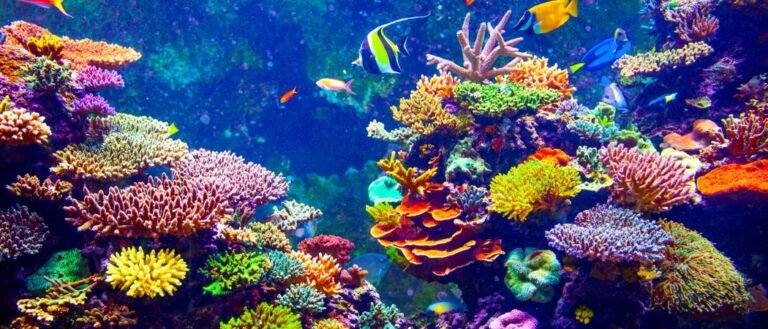
One of Mauritius's best-known coral reef sanctuaries, protecting lagoon reefs with high coral diversity and abundant reef fish-excellent for snorkeling-based wildlife viewing. Management focuses on reef resilience, mooring control, and limiting damaging activities in sensitive zones.

Staghorn corals
Butterflyfish
Parrotfish
Parrotfish
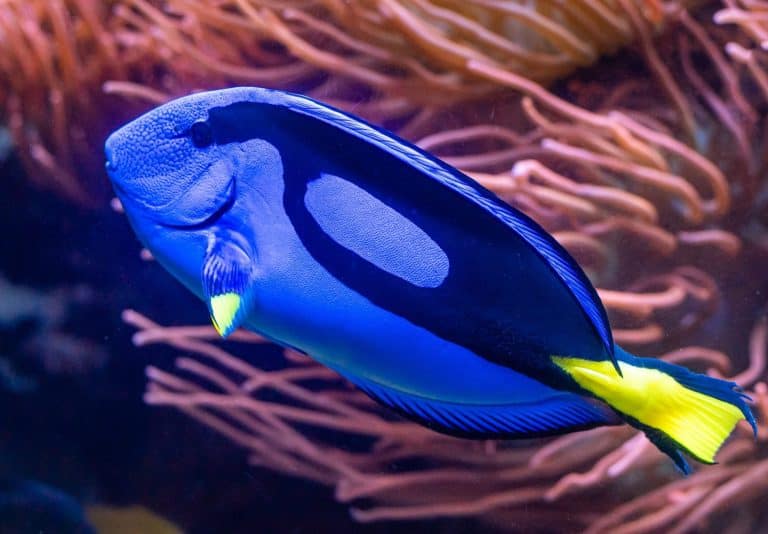
Surgeonfish
Surgeonfish
Green sea turtle
Hawksbill sea turtle

Bras d'Eau National Park

National Park

A mosaic of coastal forest, wetlands, and plantations on the northeast, supporting native woodland restoration and providing habitat for forest birds and fruit bats. It's also important for environmental education and low-impact recreation close to populated areas.

Mauritius fody
Echo parakeet
Pink pigeon
Mauritius flying fox
Mascarene swiftlet
Mauritius grey white-eye

Rivulet Terre Rouge Estuary Bird Sanctuary

Bird Sanctuary / Ramsar Wetland

A key estuarine wetland for resident and migratory waterbirds, offering some of Mauritius's best opportunities to see shorebirds and herons in a protected setting. It is recognized internationally for wetland conservation importance.

Common sandpiper
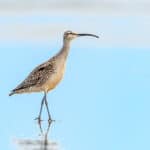
Whimbrel
Whimbrel
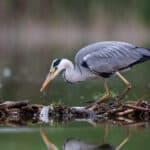
Grey heron
Grey heron
Little egret
Cattle egret
White-faced whistling duck
Animals

Wildlife

Mauritius has an oceanic-island wildlife character: relatively few native land mammals and amphibians, but an outsized concentration of unique (endemic) birds and reptiles evolved in isolation on volcanic mountains and offshore islets. Much of the classic "Mauritius wildlife experience" centers on (1) conservation success stories for critically endangered endemics (especially birds) in remaining native forests and predator-free islets, and (2) rich marine life along coral reefs, lagoons, and deep offshore waters where whales and dolphins are regularly encountered. Habitat loss and invasive predators historically caused severe declines, but intensive restoration and translocations (for example, to Aigrettes Island and Round Island) have preserved multiple flagship species.
≈20-25 recorded (native land mammals are mainly bats; most others are introduced). Marine mammals add seasonal whales and resident dolphins offshore. Mammals
≈110-120 recorded; ≈30-40 regular breeders. Several globally significant endemics persist due to conservation management. Birds
≈25-30 (notably geckos, skinks, and sea turtles; many endemics on offshore islets). Reptiles
≈3-5 recorded; mostly introduced. Native amphibians are few and not a major feature compared with birds/reptiles and marine life. Amphibians

Iconic Species

Mauritius Kestrel A flagship conservation success and one of the world's rarest raptors historically; best sought in upland native forest edges and conservation-managed areas, with sightings often linked to guided birding in the Black River Gorges region.
Pink Pigeon Mauritius's emblematic endemic pigeon, famous for intensive recovery efforts; commonly targeted by visitors on guided walks in remaining native forests and at restoration sites where the species is monitored.
Echo Parakeet (Mauritius Parakeet) The only surviving native parrot of the Mascarenes; most reliably encountered in and around Black River Gorges National Park during early morning forest birding.
Mauritius Flying Fox A large fruit bat and one of Mauritius's native land mammals; often seen at dusk commuting over forest and orchards, and important as a seed disperser in native ecosystems.
Spinner Dolphin A signature lagoon-and-offshore boat encounter around Mauritius; frequently seen in pods in the island's calmer leeward waters, making it one of the most commonly observed cetaceans by visitors.
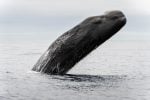
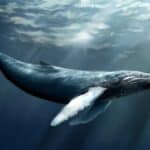
Sperm Whale
Sperm Whale Mauritius is notable for relatively regular, year-round sightings in deep water close to shore (especially off the west/southwest), making it a globally distinctive place for whale watching.
Humpback Whale
Humpback Whale Seasonal visitor (austral winter) passing through Mauritian waters; valued for surface activity (breaches, tail slaps) during dedicated whale-watching trips offshore.
Green Sea Turtle Commonly encountered in reef and lagoon habitats as a foraging species; frequently highlighted on snorkel/diving trips where turtles feed on seagrass and algae.
Aldabra Giant Tortoise
Aldabra Giant Tortoise Not native to Mauritius but iconic in the visitor experience due to conservation displays and free-roaming individuals at nature parks and some restored islet projects, illustrating ecological replacement of extinct giant tortoises.

Endemic Species

Mauritius Kestrel Endemic raptor; the entire wild population is confined to Mauritius, and its recovery is a hallmark of island conservation. Endemic
Pink Pigeon Endemic forest pigeon; persists through intensive management (habitat restoration, predator control, and monitoring). Endemic
Echo Parakeet (Mauritius Parakeet) Endemic parrot; survives primarily in remaining upland native forest and is a key target species for birders. Endemic
Mauritius Fody Endemic songbird of native forest and restored islets; often associated with conservation sites and predator-controlled habitats. Endemic
Mauritius Olive White-eye Endemic forest white-eye; typically found in native woodland fragments and is an indicator of higher-quality habitat. Endemic
Mauritius Flying Fox Endemic fruit bat; a major native seed disperser and an important species in forest regeneration dynamics. Endemic
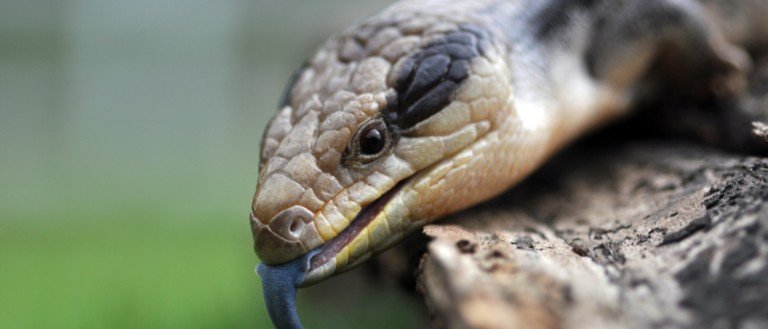
Telfair's Skink Endemic skink now strongly associated with predator-free offshore islets (notably Round Island), where it is a conservation priority. Endemic
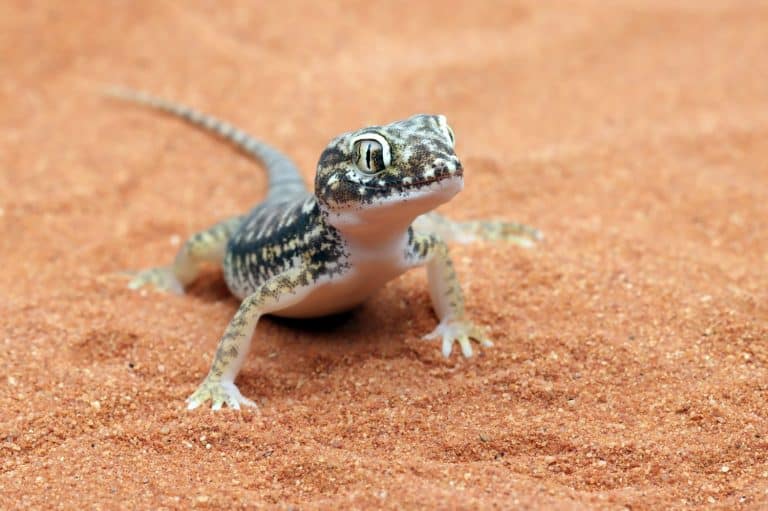
Round Island Day Gecko Endemic large day gecko with a stronghold on Round Island; emblematic of Mauritius's islet-based reptile conservation. Endemic
Mauritius Ornate Day Gecko Endemic day gecko found on Mauritius and nearby islets; commonly featured in herpetology-focused visits and habitat restoration areas. Endemic
Bojer's Skink Endemic skink associated with coastal and islet habitats; conservation value is high due to sensitivity to invasive predators. Endemic

Notable Populations

  • Mauritius holds the entire global wild populations of multiple endemics, including the Mauritius Kestrel (Falco punctatus), Pink Pigeon (Nesoenas mayeri), Echo Parakeet (Psittacula eques), and Mauritius Flying Fox (Pteropus niger).
  • Round Island and other predator-managed offshore islets are globally important refuges for Mauritius's endemic reptiles (notably Telfair's Skink and Round Island Day Gecko), representing some of the best examples worldwide of islet-based restoration for reptile recovery.
  • Mauritius is considered one of the more reliable places in the region for nearshore encounters with Sperm Whales (Physeter macrocephalus) in deep waters close to the island, supporting a distinctive whale-watching niche.
  • The Black River Gorges area functions as the core stronghold for much of the remaining native forest bird community, concentrating many of the country's priority endemic bird populations in one landscape.
Protection

Conservation

Primary Threats

  • Native forest and wetland habitats are highly fragmented, with much of the original lowland forest replaced by sugarcane agriculture, settlements, and infrastructure. Remaining native habitat is concentrated in upland areas (e.g., Black River Gorges) and small patches, limiting space for endemic plants and forest birds and increasing edge effects.
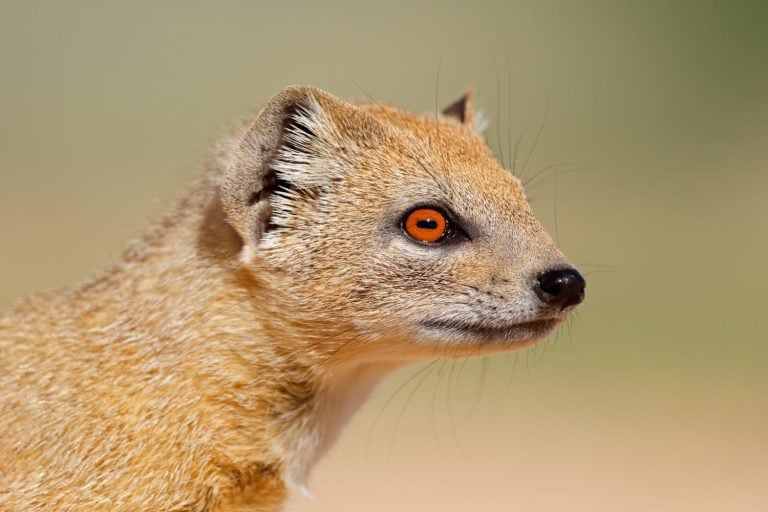
  • Invasive mammals (rats, feral cats, mongoose) prey on eggs/chicks of ground- and canopy-nesting endemic birds; invasive plants (e.g., guava and other aggressive exotics) outcompete native flora and prevent forest regeneration. In freshwater and coastal systems, invasive species alter habitat structure and food webs, requiring continuous control, especially in fenced reserves and on offshore islets.
  • Rising sea temperatures drive coral bleaching and reef degradation, while sea-level rise and stronger storm surge threaten coastal wetlands, beaches, and low-lying infrastructure. Changes in rainfall patterns and more intense cyclones stress upland forests, increase landslide/erosion risk, and can disrupt breeding success of already small endemic populations.
  • Lagoon and reef water quality is impacted by nutrient and sediment runoff from agriculture and catchment disturbance, as well as wastewater discharges in some coastal areas. Marine pollution risks include plastics and episodic contamination events (including oil/chemical spills), which can affect seabirds, turtles, and reef health and undermine tourism-dependent coastal economies.
  • Nearshore lagoon fisheries face pressure from artisanal and recreational fishing, with localized depletion of reef-associated fish and invertebrates, reduced herbivory that supports reef resilience, and conflicts over access in heavily used coastal zones.
  • Coastal development (hotels, marinas, sea defenses, roads) fragments dunes, beaches, and wetlands, increases light/noise disturbance, and can alter sediment dynamics that reefs and lagoons depend on. Inland, roads and utilities increase access to remaining native forest edges, facilitating invasion and human disturbance.
  • Concentrated development around coastal hubs and the main urban corridor increases demand for land and water, intensifies wastewater and stormwater loads to lagoons, and places additional pressure on remaining green spaces and watershed integrity.
  • Although the agricultural footprint is long-established (notably sugarcane), continued land-use intensity and conversion of marginal areas can reduce buffers around native remnants and increase pesticide/fertilizer runoff into rivers and lagoons, affecting freshwater biodiversity and coastal reefs.
  • Small, managed populations of endemic birds and reptiles are vulnerable to introduced pathogens and vector-borne disease (and to changing disease dynamics under warmer conditions). Biosecurity breaches on islands/islets can rapidly spread disease in confined populations.
  • Many endemic species persist as small, isolated populations (often managed in a few sites or islets), making them vulnerable to inbreeding and reduced adaptive capacity. Conservation breeding and translocations help, but long-term genetic resilience depends on habitat expansion and connectivity where feasible.
  • High visitation in coastal and forest recreation areas can disturb sensitive wildlife (e.g., nesting seabirds on islets, forest bird territories) and increase trampling/erosion on trails and coastal vegetation; boating and anchoring can damage reefs and seagrass in popular lagoons.
  • Historical drainage/alteration of wetlands and ongoing channelization and hard coastal defenses modify natural hydrology and sediment flow. Catchment modifications can increase sedimentation on reefs, reducing coral recruitment and changing lagoon habitat structure.
Visit

Wildlife Tourism

Mauritius is best approached as a "marine-and-endemic-island" wildlife destination rather than a classic Big Five safari. Wildlife tourism is tightly linked to the country's beach-and-lagoon economy: visitors often add dolphin/whale trips, reef snorkeling/diving, and endemic-bird watching to resort stays, supporting boat operators, guides, marine parks, and conservation NGOs. Historically, Mauritius became globally known for the extinct dodo; that legacy helped catalyze strong modern conservation work (notably for endemic birds and island restoration). Accessibility is excellent: frequent international flights into Sir Seewoosagur Ramgoolam International Airport, short transfer times to the coast, and easy day trips to marine parks and forest reserves. Wildlife viewing is year-round, with the richest "big-animal" moments offshore (whales) and the most rewarding endemic encounters in managed reserves and reforested islets.

Best Time to Visit

Year-round, with seasonal highlights:
- Sperm whales: Generally possible year-round offshore (resident groups), with day-to-day conditions depending on sea state.
- July-October (often extending into November): Best period for migrating humpback whales (baleen whales).
- May-October (cooler, drier; often calmer conditions): Popular window for offshore trips and comfortable hiking for forest/endemic-bird outings.
- November-April (warmer, more humid): Excellent lagoon time for snorkeling/diving; more cyclone and heavy-rain risk, so plan flexible sea days.
- August-December: Many endemic land birds are more active/vocal during much of the breeding season; guided birding in forest reserves and conservation sites is especially rewarding.
(Exact sea conditions vary by coast; operators often choose the calmest leeward side for trips.)

Top Wildlife Experiences

  • Join a responsible whale-watching cruise offshore (half-day) to look for sperm whales and, in season, migrating baleen whales-choose operators that follow approach-distance rules and limit time with animals.
  • Take an early-morning dolphin viewing/snorkeling trip on the west coast, prioritizing operators that avoid crowding and do not chase dolphins; pair it with reef snorkeling on the return.
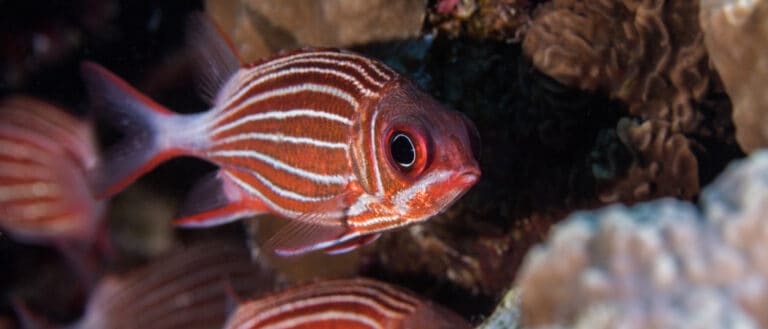
  • Snorkel or kayak over coral gardens inside a marine park/lagoon to spot parrotfish, butterflyfish, moray eels, rays, and reef-associated turtles-go with a naturalist guide to learn reef ecology.
  • Do a night reef walk/tide-and-lagoon exploration (where permitted) with a guide to see nocturnal marine life like octopus, crustaceans, and sleeping reef fish-timed with low tide and calm conditions.
  • Book a guided endemic-bird walk in native forest habitat to target Mauritius' flagship endemics (varies by site): Mauritius kestrel, pink pigeon, echo parakeet, and rare forest songbirds-best at dawn.
  • Visit a conservation-managed islet/rehabilitation site on a guided excursion focused on island restoration and endemic species recovery (invasive-species control, replanting, and monitoring work).
  • Hike a volcanic landscape trail with a nature guide (e.g., forested ridges and crater viewpoints) to combine geology, native flora, and bird activity-start early for the best wildlife movement.
  • Take a glass-bottom boat or clear-kayak lagoon safari for families or non-divers to view reef fish, coral structures, and seagrass habitats with minimal effort.
  • Join a dedicated macro/marine-life scuba dive (beginner or advanced) to search for reef specialists, cleaning stations, and seasonal pelagic visitors-select sites by season and swell exposure.
  • Do a guided visit to a freshwater wetland/reservoir edge at sunrise for waterbirds and migratory species, combining birding with landscape photography.

Safari Types Available

  • Boat safaris (whale-watching, dolphin viewing, lagoon wildlife cruises)
  • Snorkel safaris (guided reef and lagoon snorkeling, turtle-focused outings where appropriate)
  • Scuba diving wildlife trips (reef and pelagic-focused dives)
  • Kayak/stand-up paddle lagoon safaris (quiet, low-impact wildlife viewing)
  • Glass-bottom boat and semi-submersible trips (family-friendly reef viewing)
  • Guided walking safaris/hikes (endemic birds, native forest ecology, volcanic landscapes)
  • Birding safaris (specialist guided birdwatching mornings)
  • Conservation-focused experiences (restoration site visits, citizen-science style guided monitoring)
Fun Facts

Did You Know?

The dodo wasn't a "giant turkey-like" bird-genetic and anatomical work shows it was a highly modified pigeon, with its closest living relatives among pigeons (often cited: the Nicobar pigeon).

Mauritius effectively has no native non-flying land mammals: the only mammals native to the country are bats (including the endemic Mauritius fruit bat, Pteropus niger).

Some Mauritian islets use Aldabra giant tortoises as ecological "stand-ins" to replace the role of extinct Mauritian giant tortoises-restoring grazing and seed-dispersal functions in restored native habitats.

Several of Mauritius's most famous endemic birds are conservation "comeback" stories: the kestrel, echo parakeet, and pink pigeon were all rescued from near-certain extinction via intensive actions like captive breeding, nest guarding, and predator control-and now persist at much higher (hundreds-level) numbers than their lows.

The "dodo tree" story is more complicated than the legend: the tambalacoque (Sideroxylon grandiflorum) was once claimed to need dodos to germinate, but later research suggests it can germinate without them-making it a famous example of how ecological myths can grow around real extinctions.

Mauritius is the only place on Earth the dodo (Raphus cucullatus) ever lived-an endemic island bird that became one of the world's most iconic human-caused extinctions.

The Mauritius kestrel (Falco punctatus) became the rarest bird in the world in 1974, when its wild population fell to just 4 known individuals.

Mauritius is the only natural home of the Echo parakeet (Psittacula eques), the island's last surviving native parrot-once reduced to around a dozen birds in the 1980s, making it one of the world's rarest parrots at the time.

The pink pigeon (Nesoenas mayeri) is found only in Mauritius and dropped to fewer than 10 individuals in the wild in the early 1990s-one of the most extreme population bottlenecks recorded for any pigeon.

Round Island (a small islet of Mauritius) is the only wild refuge of the Round Island boa (Casarea dussumieri), a snake found nowhere else on Earth and surviving largely thanks to predator control and habitat recovery.

Thank you for reading! Have some feedback for us?