N S W E
Wildlife Expeditions

Wildlife of
Saint Helena, Ascension and Tristan da Cunha

A trio of some of the world's most isolated volcanic islands, Saint Helena, Ascension and Tristan da Cunha draw wildlife lovers for vast seabird cities, oceanic megafauna encounters, and an extraordinary concentration of endemic species shaped by extreme remoteness.
1 Species
308 km² Land Area
Overview

About Saint Helena, Ascension and Tristan da Cunha

This remote UK Overseas Territory in the South Atlantic is defined by isolation-each island group is a natural laboratory where species evolved in splendid separation. On land, rugged volcanic ridges, cloud-influenced highlands and arid coastal plains support distinctive island biotas, including plants and invertebrates found nowhere else. Offshore, immense expanses of open ocean and productive waters create a powerful wildlife engine, sustaining globally important seabird populations and providing feeding grounds for wide-ranging marine predators. The result is a place where the sense of rarity is constant: endemism is high, colonies are immense, and the wildlife story is inseparable from the islands' dramatic geology.

Key ecosystems span from St Helena's upland habitats (including remnant native vegetation and steep, green valleys) to Ascension's stark lava landscapes and coastal dunes, and Tristan da Cunha's cool-temperate, wind-battered islands fringed by rich seas. Seabird nesting cliffs and offshore stacks are signature features across the territory, while nearshore waters host turtles, dolphins and large fish. These ecosystems are significant not only for their biodiversity but for their role as essential breeding and staging sites in the Atlantic-places where millions of birds concentrate to raise young, and where ocean currents and seamount-driven productivity support food webs far beyond the islands themselves.

In a broader conservation context, the territory is a major stronghold for Atlantic seabirds and endemic island nature, making biosecurity and habitat restoration particularly vital. Efforts to protect nesting sites, manage invasive species pressures, and safeguard marine habitats contribute meaningfully to global conservation outcomes because many populations here are internationally important. For visitors and wildlife enthusiasts, the experience is uniquely intimate and elemental: wildlife is encountered against raw volcanic scenery, in colonies that feel primordial in scale, and in waters so remote that the ocean itself is the main landscape-perfect for those seeking rare endemics, seabird spectacles, and truly off-the-map nature.

Physical Features

Geography

This UK Overseas Territory consists of three widely separated volcanic island groups (Saint Helena, Ascension, and Tristan da Cunha) in the South Atlantic. Extreme isolation, steep elevation gradients, and rugged coasts create highly fragmented habitats and promote endemism (many species evolved on single islands). Upland cloud zones (where present) concentrate moisture and support richer vegetation than arid lowlands, while sheer sea cliffs, offshore stacks, and predator-free islets provide major seabird nesting habitat. The vast surrounding ocean (large EEZ with seamounts and productive waters influenced by currents) strongly shapes wildlife distribution through marine foraging grounds for seabirds and marine mammals, and through fisheries-dependent food webs.

308 km² Land Area
About the size of Malta (slightly smaller) Size Rank

Key Landscapes

  • Volcanic peaks and cratered interiors (e.g., Diana's Peak on Saint Helena; Green Mountain on Ascension; Queen Mary's Peak on Tristan) creating strong altitudinal microclimates
  • Cloud-influenced uplands and moist summit vegetation (important refugia for native plants/invertebrates where remnants remain)
  • Arid lowlands and lava fields (especially prominent on Ascension) with sparse vegetation and specialized terrestrial fauna
  • Steep sea cliffs, rocky headlands, and coastal bluffs used by breeding seabirds
  • Offshore stacks and small islets providing safer nesting sites (reduced disturbance and historically fewer predators)
  • Rocky shorelines, tide pools, and small pocket beaches supporting coastal/marine invertebrates and foraging birds
  • High-energy open-ocean waters, seamounts, and deep pelagic habitats around the islands that underpin seabird and marine mammal foraging ranges
  • Subantarctic/tussock-grass landscapes and wet, windy uplands in the Tristan group (including nearby Gough Island) supporting globally important seabird colonies

Ecoregions

  • Saint Helena scrub and woodlands (WWF)
  • Ascension Island shrub and grasslands (WWF)
  • Tristan da Cunha-Gough Islands shrub and grasslands (WWF)
  • South Atlantic pelagic and seamount-associated marine habitats (broad ecological zone influencing seabirds, turtles, and cetaceans)
Parks & Reserves

Protected Areas

Saint Helena, Ascension and Tristan da Cunha (a remote UK Overseas Territory) protects biodiversity through a mix of small terrestrial parks/reserves on the islands and very large, modern marine protected areas (MPAs) around each island group. Terrestrial protection focuses on safeguarding highly endemic island habitats (e.g., St Helena's cloud forest remnants and Ascension's upland habitats) and globally important seabird breeding islands, while marine protection targets large-scale conservation of oceanic ecosystems used by turtles, sharks, tuna, cetaceans and seabirds.

Protected Coverage

Approx. ~20-30% of land is under formal protection (driven largely by whole-island nature reserves on Tristan da Cunha's uninhabited islands, plus smaller national parks on St Helena and Ascension). Marine protection is far more extensive: each island group has a large MPA, with Ascension and Tristan da Cunha featuring very large no-take components.

Notable Parks & Reserves

Diana's Peak National Park (Saint Helena)

National Park

Protects the core of St Helena's last native cloud forest, a cool, misty refuge for endemic plants and invertebrates in an otherwise heavily altered island landscape. It is the key site for conserving St Helena's remaining native tree-fern thicket and associated biodiversity.

St Helena tree fern
St Helena ebony
Black cabbage tree
Gumwood
Endemic land snails

St Helena Marine Protected Area (waters around Saint Helena)

Marine Protected Area (multi-use MPA)

A large oceanic MPA that helps safeguard migratory and pelagic wildlife around St Helena, supporting strong opportunities for viewing large marine species. It is especially important for wide-ranging predators and seasonal aggregations in productive waters.

Green Mountain National Park (Ascension Island)

National Park

Centered on Ascension's highest peak, this park protects the island's coolest, wettest uplands and remnants of native upland flora. It is the main terrestrial refuge for Ascension's endemic plant diversity and watershed values.

Ascension spurge
Ascension parsley fern
Endemic upland ferns
Land crabs
Noddies (overflying/nearby)

Boatswain Bird Island Nature Reserve (Ascension Island)

Nature Reserve (seabird sanctuary)

A predator-free offshore islet that supports internationally important seabird colonies and is central to Ascension's seabird recovery. It is one of the best places in the territory to see dense tropical seabird breeding activity.

Ascension frigatebird
Masked booby
Brown booby
Red-billed tropicbird
Sooty tern
Brown noddy

Ascension Island Marine Protected Area (waters around Ascension)

Marine Protected Area (with large no-take zone)

A very large Atlantic MPA designed to protect pelagic ecosystems and iconic megafauna, with substantial no-take protection. It is important for green turtle migration/foraging, oceanic fish, sharks and seabird foraging grounds.

Green sea turtle
Whale shark
Whale shark
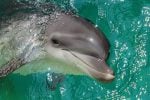
Spinner dolphin
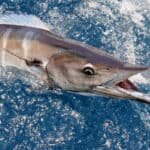
Marlin
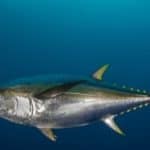
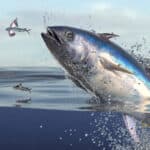
Tuna
Tuna

Gough and Inaccessible Islands (Tristan da Cunha)

UNESCO World Heritage Site (Natural) / Nature Reserve

A globally significant, largely untouched subantarctic island ecosystem supporting some of the world's most important seabird colonies, including threatened albatrosses and petrels. Extreme isolation has produced unique endemics and makes biosecurity and strict protection vital.

Tristan albatross
Atlantic petrel
Spectacled petrel
Northern rockhopper penguin
Inaccessible Island rail
Subantarctic fur seal

Tristan da Cunha Marine Protection Zone (waters around Tristan da Cunha)

Marine Protected Area / Marine Protection Zone

A very large marine protected area established in 2020 around Tristan da Cunha's waters to safeguard one of the world's most important temperate-to-subantarctic ocean ecosystems, supporting major seabird, marine mammal, and pelagic fish populations. The zone includes extensive no-take protection alongside managed-use areas.

Tristan albatross
Spectacled petrel
Northern rockhopper penguin
Subantarctic fur seal
Southern right whale

UNESCO World Heritage Sites

  • Gough and Inaccessible Islands
Animals

Wildlife

Saint Helena, Ascension and Tristan da Cunha is a trio of extremely isolated South Atlantic island groups where wildlife is defined less by large land animals and more by ocean-driven biodiversity: vast seabird colonies, globally important turtle nesting beaches, and seasonal concentrations of pelagic megafauna (notably whale sharks and humpback whales). The rugged volcanic terrain and long isolation have produced a strong pattern of island endemism-especially among birds on Tristan da Cunha and Saint Helena-while terrestrial mammals and amphibians are naturally scarce (many land mammals present are introduced). The surrounding waters are the main "safari," with cliff-nesting seabirds, nearshore cetaceans, and iconic marine encounters often being the highlight for visitors.
~25-30 (mostly marine mammals such as dolphins and whales; no native terrestrial mammals) Mammals
~120-160 recorded across the territory; ~30-40 regular breeders (including globally important seabird colonies) Birds
~3-6 (mostly marine turtles and a small number of non-native lizards/geckos on some islands) Reptiles
0 native (none naturally occur; any records are introductions) Amphibians

Iconic Species

Whale Shark
Whale Shark Saint Helena is known for reliable seasonal whale shark encounters close to shore, making it one of the territory's signature wildlife experiences (snorkel/boat trips in local coastal waters during peak season).
Green Turtle Ascension Island hosts one of the most important green turtle nesting assemblages in the Atlantic; nesting females and hatchlings are a major draw at key beaches in the nesting season.
Humpback Whale
Humpback Whale Humpbacks migrate through and breed in the wider region; they are regularly seen around the islands in season, with chances of breaching and mother-calf sightings from boats and coastal vantage points.
Tristan Albatross A flagship seabird of the Tristan da Cunha group, breeding primarily on Gough Island; it is one of the world's rarest great albatrosses and a key reason the archipelago is globally famous among seabird enthusiasts.
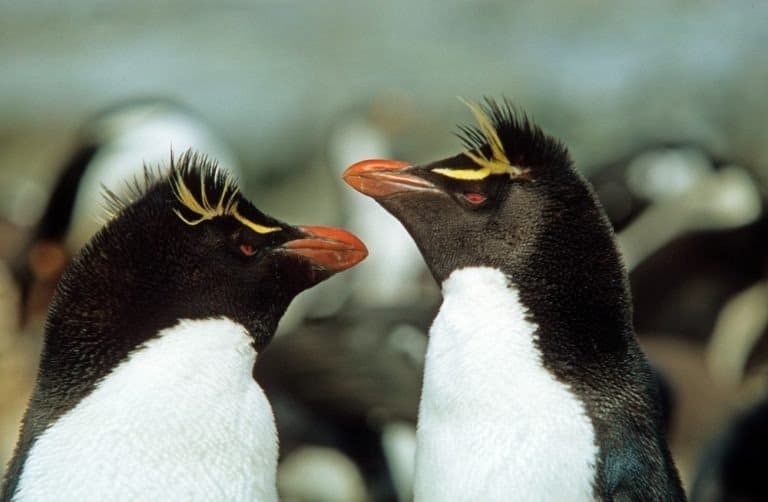
Northern Rockhopper Penguin Large breeding colonies occur in the Tristan da Cunha group (notably Inaccessible Island), offering one of the most iconic subantarctic wildlife spectacles in the territory.
Sooty Tern Ascension supports very large seabird colonies; sooty terns are a defining species of the island's breeding season, forming dense, noisy nesting aggregations that can number in the hundreds of thousands.
Ascension Frigatebird A near-mythic sight for many birders: this large endemic frigatebird breeds only in the Ascension area, with key colonies on offshore stacks/islets; dramatic aerial displays and kleptoparasitism are classic behaviors to observe.
Saint Helena Plover (Wirebird) Saint Helena's only endemic bird and a conservation icon; visitors seek it on open, windy pastures and plains where it feeds and nests on the ground.
Subantarctic Fur Seal Common around the Tristan da Cunha group, especially at haul-outs; these seals are often encountered along shorelines and near landing sites on the more remote islands.

Endemic Species

Saint Helena Plover (Wirebird) Endemic to Saint Helena; a small shorebird adapted to the island's inland grasslands and open plains, and the territory's best-known land bird conservation priority. Endemic
Ascension Frigatebird Endemic breeder in the Ascension area; a globally restricted seabird with impressive aerial behavior, dependent on predator-free nesting sites. Endemic
Tristan Albatross Endemic breeder to the Tristan da Cunha group (primarily Gough Island); a critically important and highly threatened great albatross with an extremely limited breeding range. Endemic
Inaccessible Island Rail Endemic to Inaccessible Island (Tristan da Cunha); famous as the world's smallest flightless bird, surviving due to the island's isolation and lack of introduced predators. Endemic
Tristan Thrush (Starchy) Endemic to the Tristan da Cunha group; a confiding land bird often seen around settlements and coastal areas, forming a core part of the islands' terrestrial wildlife experience. Endemic
Gough Moorhen Endemic to Gough Island (Tristan da Cunha group) with a conservation-relevant history; a flightless/near-flightless rail-like bird dependent on intact island habitats. Endemic
Wilkins' Bunting Highly range-restricted Tristan da Cunha endemic (Inaccessible Island), emblematic of the archipelago's unique songbird evolution and endemism. Endemic
Nightingale Bunting Tristan da Cunha group endemic (notably Nightingale Island area); a distinctive island finch representing the archipelago's tight endemic radiation. Endemic

Notable Populations

  • Ascension Island supports one of the largest green turtle (Chelonia mydas) nesting populations in the Atlantic Ocean, making it globally significant for marine turtle conservation.
  • Gough and Inaccessible Islands (Tristan da Cunha group) are internationally important seabird sites, supporting major portions of global breeding populations for several threatened species, including the Tristan albatross (Diomedea dabbenena).
  • Inaccessible Island holds globally significant colonies of northern rockhopper penguins (Eudyptes moseleyi), a species with a restricted and vulnerable distribution.
  • Ascension Island hosts enormous seabird breeding concentrations (including sooty terns), with colony sizes that can reach the hundreds of thousands in good years.
  • Saint Helena is renowned for a seasonal nearshore aggregation of whale sharks (Rhincodon typus), providing one of the most accessible and consistent encounters with this endangered species in the South Atlantic.
Protection

Conservation

Primary Threats

  • Invasive mammals and plants are among the most severe pressures. On Saint Helena, invasive vegetation (e.g., aggressive non-native plants) and introduced invertebrates have altered habitats and outcompeted endemic flora in the remaining fragments of native cloud-forest and scrub. On Tristan da Cunha (including Gough Island), invasive mice have caused catastrophic breeding failures in some seabirds by preying on chicks, and biosecurity is critical to prevent new introductions. Ascension has a history of invasive predators and habitat modification; although feral cats were eradicated, ongoing biosecurity is needed to protect seabirds and turtle nesting beaches.
  • Native terrestrial habitats are naturally limited by island size and have been historically reduced or degraded by past land clearance, grazing and invasive plants. On Saint Helena, endemic-rich habitats persist as small, fragmented remnants (e.g., cloud-forest on high peaks) requiring active restoration and fencing/control to prevent further decline. On Ascension, much of the lowland is naturally arid and sensitive; disturbance and non-native vegetation change available nesting habitat for seabirds. On Tristan, settlement is concentrated, but sensitive coastal and upland areas can be affected by localized land use and introduced grazers.
  • Warming seas and shifting ocean productivity can affect food availability for wide-ranging seabirds (albatrosses, petrels, terns) and marine predators that rely on predictable prey. Sea-level rise and changes in storm frequency/intensity threaten low-lying seabird nesting sites and Ascension's turtle nesting beaches, while altered rainfall patterns can stress Saint Helena's already limited freshwater and cloud-forest moisture regimes. Climate variability also compounds recovery efforts for small endemic plant populations.
  • The territory's vast EEZs are difficult to patrol, increasing vulnerability to illegal, unreported and unregulated (IUU) fishing and broader regional fishing pressure on tuna and associated pelagic ecosystems. Tristan's economy is heavily linked to the rock lobster fishery; while managed, it remains sensitive to stock declines, climate-driven shifts and market pressures. Maintaining effective monitoring and enforcement over remote waters is a continuing challenge, especially where MPA rules require surveillance capacity.
  • Marine plastic and lost fishing gear accumulate on remote South Atlantic shores, affecting seabirds through ingestion/entanglement and degrading coastal habitats. Local waste management constraints typical of small, isolated islands can make disposal and recycling difficult. Shipping-associated risks (oil spills, operational discharges) are a concern because supply routes are long and response resources are limited.
  • On small islands, even modest infrastructure can have outsized impacts. The Saint Helena airport and associated roads and development can increase erosion, introduce invasive species via cargo pathways, and expand human footprint into sensitive areas if not carefully managed. On Ascension, facilities linked to communications/defence and settlement can disturb nearby nesting areas and increase light pollution that affects seabirds. Port facilities and moorings can affect nearshore habitats and raise biosecurity risks.
  • Wildlife is often concentrated at accessible coastal colonies and beaches. Disturbance from visitors, vehicles, pets, and artificial lighting can disrupt seabird breeding and affect turtle nesting success on Ascension. On Saint Helena, recreational access to fragile endemic plant sites can cause trampling and seed spread of invasive plants without strong site management.
  • Remote islands have limited veterinary/laboratory capacity, making early detection and response difficult. There is ongoing concern that pathogens such as avian influenza could reach dense seabird colonies (especially on Tristan/Gough), where outbreaks could have rapid, severe impacts. For Saint Helena's highly restricted endemic flora, new plant pests or diseases introduced through imports could threaten already small populations.
  • Many endemic species occur in extremely small, isolated populations (especially Saint Helena's endemic plants and invertebrates), increasing risks from inbreeding, low genetic diversity and demographic instability. Single-site populations are also vulnerable to random events (storms, droughts, landslides) that can eliminate a large fraction of remaining individuals.
  • Historic and ongoing changes such as grazing pressure, altered fire regimes, and erosion have modified natural vegetation structure and soils, particularly on Saint Helena where steep slopes and past land use can accelerate sediment loss. On Ascension, introduced vegetation and soil changes alter natural arid-land processes, affecting nesting habitat suitability for native fauna.
  • Freshwater availability is limited and climate-sensitive, particularly on Saint Helena where drought periods can stress ecosystems and constrain restoration (tree planting, nursery propagation). Dependence on imported materials and fuels can also complicate sustained conservation operations and rapid response to environmental incidents.
Visit

Wildlife Tourism

Wildlife tourism in Saint Helena, Ascension and Tristan da Cunha is a niche, nature-focused sector shaped by extreme remoteness, limited infrastructure, and globally significant island biodiversity. The territory's biggest draw is not "Big Five" wildlife but seabird colonies, nesting sea turtles, pelagic whale and dolphin encounters, and endemic land species that evolved in isolation. Economic importance: Wildlife tourism contributes disproportionately to high-value visitation-birders, divers, hikers, photographers, and expedition cruisers-supporting small local businesses (guides, boat operators, accommodation, taxis), conservation programs, and island-linked supply chains. Because visitor numbers are low, spending tends to be concentrated on guided services, boat days, and longer stays. History: The islands have a long conservation story-severe habitat loss and invasive species impacts followed by decades of restoration work, biosecurity measures, and species recovery efforts (especially on Saint Helena and Ascension). Today, many of the most rewarding wildlife experiences are directly tied to active conservation management and sensitive access rules. Accessibility (practical reality): - Saint Helena is the main gateway (air access; limited schedules; advance planning essential). - Ascension is reachable by air with restricted seats and operational constraints; permits/ID requirements can apply. - Tristan da Cunha is one of the most isolated inhabited places on Earth; access is primarily by multi-day sea voyage (often via South Africa) on limited sailings or expedition cruise calls. Weather frequently disrupts landings. Overall: Expect expedition-style travel-flexible schedules, changeable sea conditions, and the need to book well ahead-rewarded by some of the Atlantic's most extraordinary seabird and marine-wildlife spectacles.

Best Time to Visit

Because each island group has different peak seasons, plan by target species and be flexible for weather and sea state.

Saint Helena (central South Atlantic)
- Dec-Mar: Warmest water; peak season for whale sharks and excellent diving/snorkelling conditions; dolphins are often seen year-round.
- Jul-Oct: Best period for humpback whale encounters during the migration season; conditions can be cooler and more variable.
- May-Sep: Cooler, often clearer air for hiking and endemic plant/bird-focused trips; good all-round for seabird viewing along cliffs.

Ascension Island (turtles + seabirds)
- Nov-May: Green turtle nesting season (peak nesting often mid-season; exact peaks vary year to year). Expect night-time beach patrol-style viewing with rules to minimize disturbance.
- Jan-Jun: Turtle hatching overlaps later in the season; late season often best for seeing hatchlings.
- Jun-Oct: Strong season for wide-ranging seabird activity (including large colonies); good for photography with clearer, drier conditions.

Tristan da Cunha group (subantarctic seabird capital)
- Oct-Mar: Prime for breeding seabirds and albatross activity; most dramatic colony viewing and chick-rearing behavior.
- Dec-Feb: Highest concentration of breeding activity and longer daylight; but sea conditions can still prevent landings.

Tip: If you want 'one trip, multiple highlights,' aim for Jan-Mar (turtles/hatchlings on Ascension + strong seabird breeding in the Tristan group + good marine time around Saint Helena), then build buffer days for weather and transport changes.

Top Wildlife Experiences

  • Ascension night turtle watching (guided/authorized): Join a controlled beach walk after dark to watch green turtles come ashore, nest, and return to sea-strict red-light/quiet protocols apply.
  • Witness turtle hatchlings (Ascension): Visit nesting beaches with a local guide during the hatching window to see hatchlings emerge and make the dash to the ocean (timing is unpredictable; patience is part of the experience).
  • Boat-based whale & dolphin searching off Saint Helena: Charter a local operator for a half- or full-day at sea to look for dolphins and passing whales; conditions can change fast, so schedule more than one boat day if marine life is a priority.
  • Pelagic seabird trip by boat (Saint Helena or Tristan call): Take an offshore run to spot shearwaters, petrels, tropicbirds, and other ocean-going birds; best with an experienced spotter and calm-to-moderate seas.
  • Cliff-top seabird photography hike (Saint Helena): Hike to exposed coastal viewpoints at dawn for tropicbirds and other seabirds wheeling along the cliffs-bring a windproof layer and a lens hood for salt spray.
  • Endemic-species walk on Saint Helena: Do a guided hike focused on the island's unique flora and invertebrates in restoration areas-your guide can interpret conservation work and help locate hard-to-spot endemics.
  • Ascension seabird colony viewpoint circuit: Drive/hike to multiple colony lookouts to compare species and behaviors (courtship, chick provisioning) across habitats-from rocky slopes to coastal margins.
  • Tristan da Cunha landing-day wildlife sprint: On a successful landing, prioritize a guided half-day that targets seabird colonies and viewpoints-shore time can be short, so plan a tight itinerary with local drivers/guides.
  • Albatross-focused day in the Tristan group (where permitted): If your voyage includes outer islands and landing permissions, join an expedition-led wildlife walk to view albatross breeding areas from designated distances.
  • Conservation-angled wildlife day: Arrange a visit/briefing (where available) with local conservation teams or museums/interpretation centers to understand invasive-species control, habitat restoration, and seabird monitoring-then apply that knowledge in the field.

Safari Types Available

  • Boat safaris / marine wildlife cruises (whales, dolphins, pelagic seabirds)
  • Snorkelling and scuba wildlife experiences (reef fish, turtles; site- and season-dependent)
  • Guided wildlife hikes (endemic flora/invertebrates, seabird cliff viewpoints)
  • Night wildlife walks (turtle nesting watches on Ascension; guided/regulated)
  • Expedition cruise zodiac cruising and shore landings (especially for Tristan da Cunha)
  • Photography-focused wildlife outings (seabirds in flight, coastal cliffs, turtle nesting-best at dawn/dusk/night with permits)
  • Citizen-science/conservation-oriented trips (monitoring talks, guided interpretation of restoration areas, where available)
Fun Facts

Did You Know?

On Gough Island, introduced house mice have become predators of large seabird chicks-documented attacking and killing Tristan albatross chicks, an unusually dramatic example of "mice vs. albatross."

Ascension is a stark, dry volcanic island with very limited freshwater-yet it supports one of the Atlantic's biggest green turtle nesting aggregations, showing how a seemingly harsh landscape can be crucial for marine wildlife.

Green turtles nesting on Ascension often migrate thousands of kilometers from feeding grounds off South America (notably the Brazil region), then return with remarkable accuracy to the same island to lay eggs.

A rare conservation "insurance move" happened here: the Gough moorhen (Gallinula comeri) was translocated from Gough to Tristan da Cunha's main island to establish a backup population against extinction risk on its home island.

Saint Helena's "wirebird" (the Saint Helena plover, Charadrius sanctaehelenae) is the island's last surviving endemic land bird-making it a single-species symbol of how isolated oceanic islands can lose (and also uniquely retain) biodiversity.

Home to the world's smallest flightless bird: the Inaccessible Island rail (Atlantisia rogersi), found only on Inaccessible Island in the Tristan da Cunha group.

Ascension Island is one of the Atlantic Ocean's largest green turtle (Chelonia mydas) nesting rookeries, with tens of thousands of nests laid in peak seasons on its beaches.

Ascension's "Wideawake Fair" is one of the world's largest sooty tern (Onychoprion fuscatus) breeding colonies, with hundreds of thousands of pairs nesting in a single, dense colony.

The entire global breeding range of the Tristan albatross (Diomedea dabbenena)-a Critically Endangered species-is confined to this territory (Gough Island and Inaccessible Island).

Gough Island holds almost the entire global breeding population of the Atlantic petrel (Pterodroma incerta), making it the species' key stronghold.

Thank you for reading! Have some feedback for us?