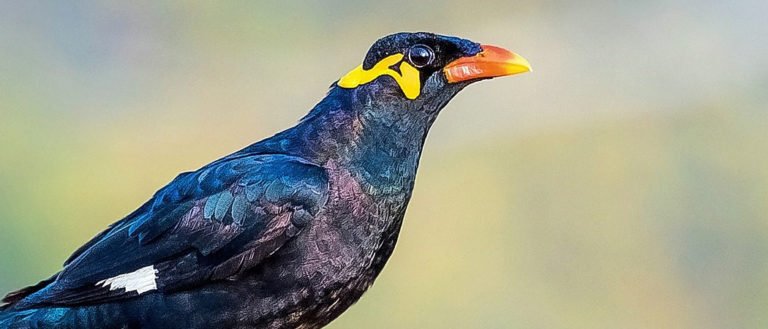
Myna Bird
Bold, brainy, and brilliantly vocal

Bold, brainy, and brilliantly vocal
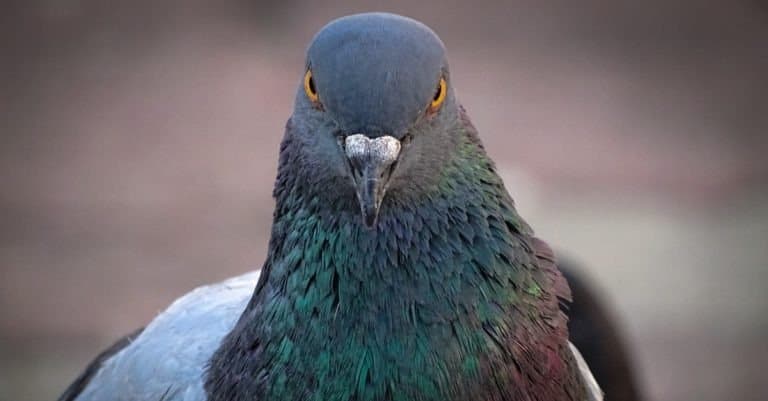
Crop-milk champions of the skies
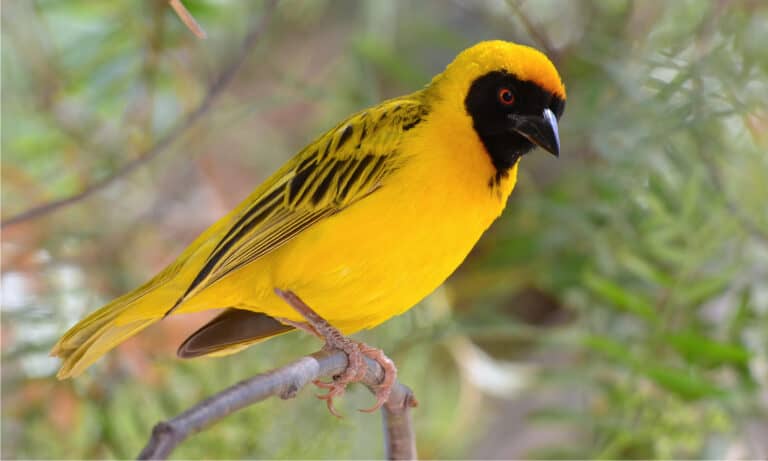
Nature's master basket-weavers
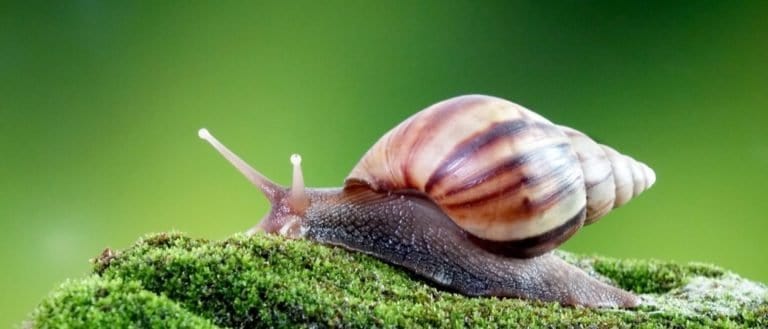
Big shell, bigger invasion story
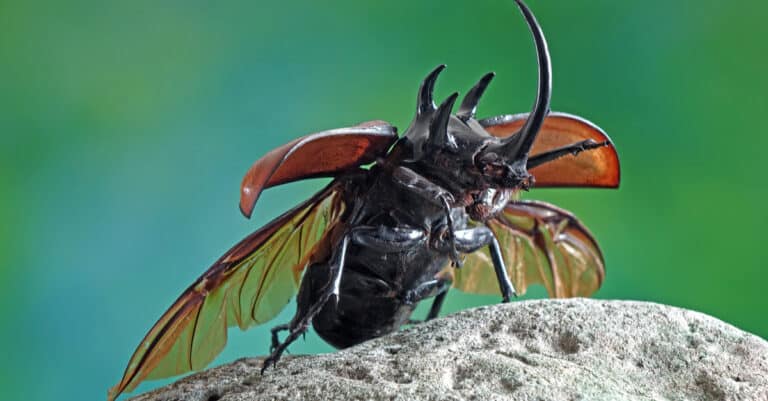
Nature's armored jousters
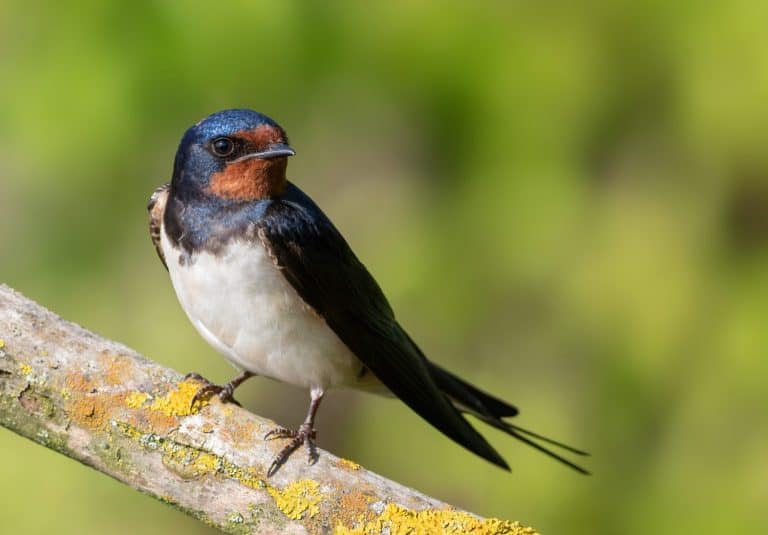
Mud-cup mason of the open skies
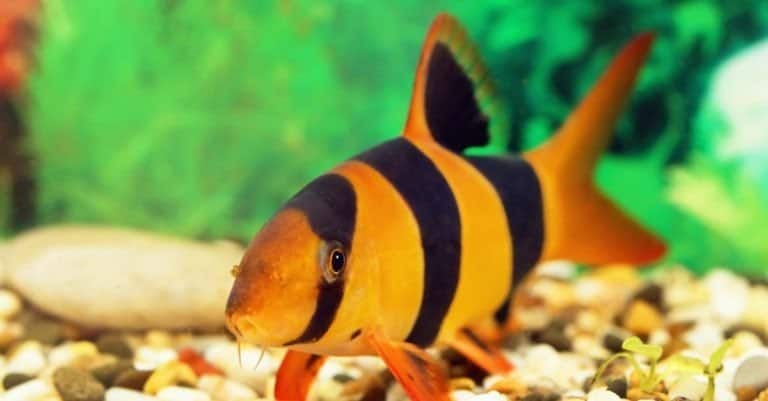
Barbels, burrows, and fast-stream grip
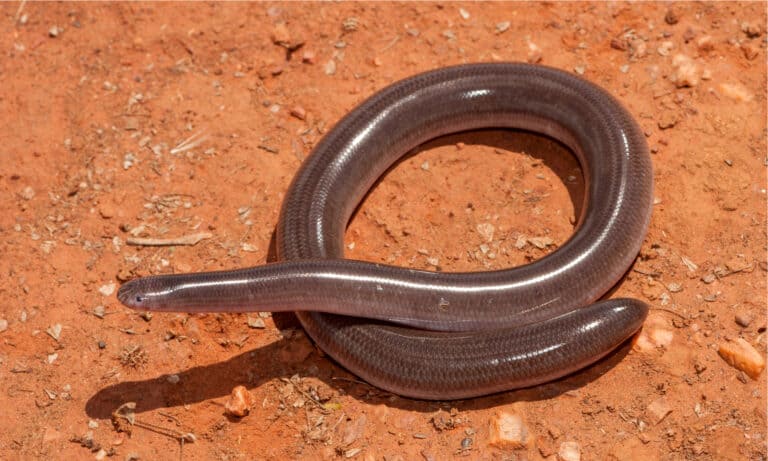
Wormlike, but 100% snake.
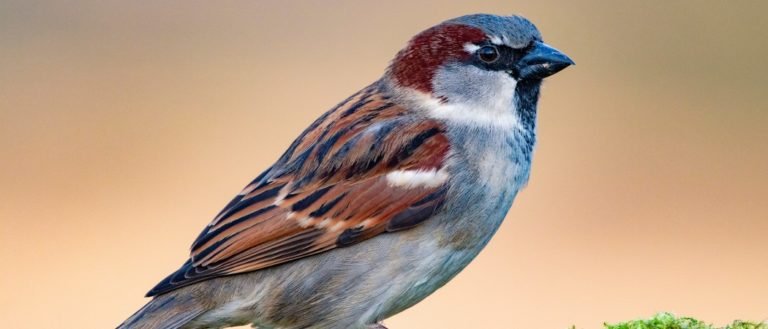
Small birds, big social networks
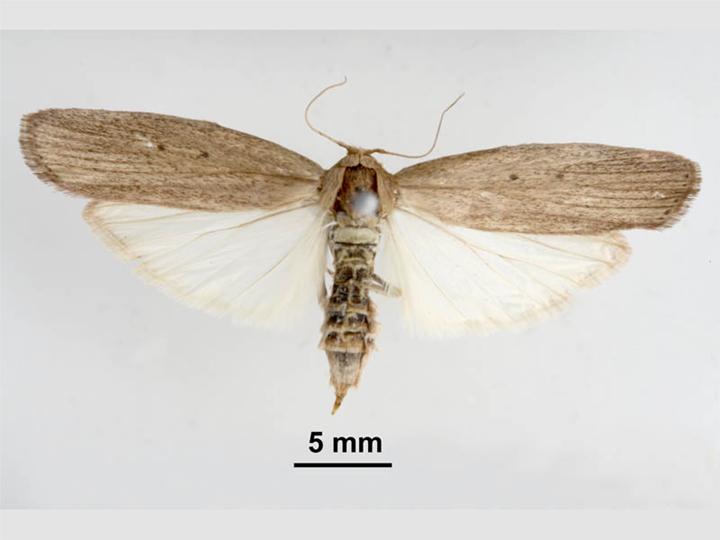
Small moth, big sugar losses.
Reunion's wildlife character is defined by island endemism shaped by isolation, altitude, and active volcanism: from humid lowland forests to misty montane thickets, many native plants and animals evolved in tight ecological niches, creating a natural heritage that feels both fragile and intensely distinctive. While the island lacks big game, it rewards visitors with close-up encounters with specialized forest birds, rare reptiles, and spectacular pelagic and coastal life in a setting of steep ravines, waterfalls, and lava fields.
Key ecosystems include the high-elevation cirques (Mafate, Salazie, and Cilaos) and the Piton des Neiges massif, where remnant native forests and heathlands support much of the remaining endemic biodiversity; and the volcanic slopes of Piton de la Fournaise, where young lava flows and pioneer vegetation illustrate ecological succession in real time. Offshore, the island's coral reefs and lagoon (especially along the west coast) provide nursery habitat for reef fish, turtles, and invertebrates, while surrounding deep waters and island cliffs support seabirds and seasonal marine megafauna-making Reunion a rare place where mountain-and-marine biodiversity can be experienced in the same day.
In conservation terms, Reunion is an important Indian Ocean biodiversity outpost within the EU framework, contributing to global efforts to protect island endemics, restore native habitats, and control invasive species-issues that are central to conservation worldwide. The wildlife experience is uniquely micro-endemic and big-scenery: guided hikes through UNESCO-listed volcanic and cirque landscapes, dawn listening for rare forest birds, reef and pelagic excursions, and responsible seasonal whale-watching combine into a high-impact, low-distance itinerary that emphasizes discovery, ecology, and the conservation realities of islands.
Reunion's wildlife is strongly shaped by its steep volcanic topography and isolation in the Indian Ocean. A rapid rise from sea level to >3,000 m creates tight climate and vegetation belts (dry leeward coasts, humid windward slopes, montane cloud forest, and high-elevation shrub/grass zones), concentrating many endemic species into small, fragmented habitat patches. Deep cirques and ravines form natural barriers and microclimates that influence where plants, birds, and invertebrates occur. Ongoing volcanism (Piton de la Fournaise) continually resets habitats on lava flows, creating a mosaic of successional stages. The narrow coastal fringe and limited reef/lagoon areas constrain lowland and marine-associated biodiversity to relatively small zones.
Reunion (a French overseas department) has a highly protected terrestrial core anchored by Reunion National Park, established to conserve the island's exceptional volcanic massifs, cloud forests, and ravines that support many endemic Mascarene species. Beyond the national park, protection is complemented by several National Nature Reserves safeguarding key wetlands and native forests, and by the Reunion Marine Nature Reserve protecting coral reefs and nearshore ecosystems. Additional site-based protection and planning tools (for example, Natura 2000 sites and locally managed coastal and nature sites) further strengthen habitat conservation, especially for seabirds, endemic forest birds, reptiles, and reef-associated marine life.
Approximately 40 to 45% of Reunion's land area is under formal protection, largely due to Reunion National Park (about 42% of the island), with additional coverage from national nature reserves and other designated sites.
Covering much of the island's mountainous interior, this national park protects Reunion's core endemic biodiversity-from lowland-to-montane forests to high-altitude shrublands-and is critical for several threatened island birds and native reptile communities. It is also the main stronghold for intact habitat connectivity across the island's steep ecological gradients.
This UNESCO-listed landscape (within and overlapping Reunion National Park) contains vast, rugged habitat mosaics-sheer cliffs, deep cirques, and humid forest belts-that support key breeding sites and refugia for endemic birds and other native biota. Its relative inaccessibility helps maintain large tracts of minimally disturbed habitat on an oceanic island.
A flagship site for Reunion's endemic forest birds, Roche Ecrite protects upland native forest and heath habitats and is best known for conserving the critically important range of rare endemics. It is also a major area for seabirds that breed inland at elevation.
One of Reunion's most important remnants of lowland rainforest, Mare Longue conserves humid native forest with high plant endemism and provides habitat for forest birds and native reptiles. The reserve is valuable for representing ecosystems that are otherwise heavily reduced by coastal development and invasive species.
Reunion's largest natural wetland, this reserve is vital for resident and migratory waterbirds and functions as a biodiversity oasis in the island's drier west. It is among the best places on Reunion for birdwatching focused on wetland species.
Protecting key reef and lagoon habitats along parts of the west and southwest coasts, the marine reserve supports coral communities and important feeding and nursery areas for reef fish, turtles, and marine mammals. It is central to local efforts to reduce reef degradation and improve nearshore ecosystem resilience.

Reunion's wildlife experience is defined by a steep, volcanic island rising out of the Indian Ocean, with strong habitat zonation (coastal lagoons and cliffs, lowland forests, cloud forest, high-altitude heath) and a major marine megafauna component. Terrestrial diversity is relatively small compared with continents (few native land mammals), but endemism is high in birds and reptiles, and the surrounding waters host seasonal whales, dolphins, and sea turtles. Many of Reunion's most distinctive species are best found in native forest remnants, highland trails, and offshore/nearshore waters (boat-based whale and dolphin watching).
Reunion's wildlife tourism is built around endemic island biodiversity and marine megafauna rather than "Big Five" game viewing. As a French overseas department, it benefits from EU-standard infrastructure, health/safety systems, and relatively easy access via flights through Paris and regional Indian Ocean hubs (e.g., Mauritius), making independent travel straightforward. Nature-based tourism is a major draw alongside volcano trekking and canyoning; whale watching, sea-turtle experiences, and guided hikes in native forests support local operators, boat crews, guides, and conservation-linked NGOs. Conservation history is closely tied to protecting remaining native habitats (highly fragmented by settlement and agriculture) and to marine protected management on the west/southwest coasts. Accessibility is strong: paved roads reach most trailheads, guided marine tours depart from multiple marinas, and many wildlife highlights are day-trip friendly - though remote mountain basins and forest routes still require solid hiking fitness and weather awareness.
- June-October: Peak humpback whale season offshore (breeding/calving) - best for boat trips and shore-based whale spotting.
- Sea turtles: Encounterable year-round in Reunion waters; snorkeling conditions are often clearer in the drier, cooler season (roughly May-October).
- November-April: Warmer water for lagoon activities, but cyclone season can disrupt marine outings (highest risk generally December-March).
- May-October: Cooler, drier months are typically most comfortable for hiking and looking for endemic forest wildlife (with strong microclimate variation across the island).
Baby seabirds literally 'fall out of the sky' in towns: fledgling Barau's petrels are attracted to artificial lights on their first flights, get grounded on roads and parking lots, and are routinely collected by local rescue networks and released back at sea.
Reunion has no native land mammals besides bats-so animals many visitors assume are 'wild locals' (like deer or tenrecs) are introductions, while much of the truly native fauna is birds, reptiles, and invertebrates.
A celebrated local seafood (juvenile gobies) comes from a unusual life cycle: juvenile gobies drift to the ocean as larvae and later return in seasonal runs to climb back up Reunion's steep rivers-an ecological round-trip between mountain streams and the open sea.
An endemic raptor thrives in a heavily human-shaped landscape: the Reunion harrier can be seen hunting not only in wild uplands but also over agricultural areas (including sugarcane), which is unusual for an island-endemic bird of prey.
Some of Reunion's most distinctive native wildlife is concentrated in very small habitat slices (coastal vegetation strips, high-altitude burrows, or specific forest bands), meaning conservation can hinge on protecting surprisingly narrow zones rather than vast 'wilderness' areas.
All of the world's Barau's petrels (Pterodroma baraui) breed on Reunion-nowhere else on Earth has nesting colonies of this species, making the island the species' entire breeding range.
Reunion is the only place on Earth where the Reunion harrier (Circus maillardi) occurs in the wild-100% of the global population lives on this single island.
Reunion is the only home of the Reunion olive white-eye (Zosterops olivaceus), an endemic songbird found in the island's upland forests-its entire global range fits inside one French department.
The Manapany day gecko (Phelsuma inexpectata) is among the most range-restricted reptiles on Earth: it survives only in a narrow strip of lowland coastal vegetation in the far south of Reunion, so its whole world distribution is just a tiny piece of one island.
On just 2,512 km², Reunion packs an extreme 'reef-to-peaks' biodiversity stack: fringing coral reefs and tropical lagoons at sea level give way to high-elevation habitats above 3,000 m (Piton des Neiges at 3,071 m), creating a very compressed set of ecological zones for wildlife in a small area.
11 species documented in our encyclopedia
Thank you for reading! Have some feedback for us?
We appreciate your help in improving our content.
Our editorial team will review your suggestions and make any necessary updates.
There was an error submitting your feedback. Please try again.