N S W E
Wildlife Expeditions

Wildlife of
Burkina Faso

Burkina Faso rewards wildlife travelers with classic West African savanna safaris-especially in the transboundary W-Arly-Pendjari complex-where elephants, antelopes, primates, and standout birdlife persist across big, open landscapes.
71 Species
274,200 km² Land Area
Overview

About Burkina Faso

Burkina Faso's wildlife character is shaped by a dramatic north-south gradient: semi-arid Sahel in the north gives way to Sudanian savannas and woodland mosaics in the south. This seasonal rhythm-long dry months followed by intense rains-concentrates animals around water and creates quintessential savanna viewing, from antelope herds on open plains to primates and birds along gallery forests. While wildlife densities can be more variable than in some of Africa's better-known safari countries, the sense of space, low visitor pressure, and the variety of savanna-adapted species make the experience distinctively West African.

The country's flagship ecosystems lie in its southern protected areas, especially the Burkina Faso portions of the W-Arly-Pendjari (WAP) complex, one of the most important remaining blocks of protected savanna in West Africa. Here, extensive woodlands, grassy floodplains, and riverine corridors support elephants, buffalo, a suite of antelopes (including roan and hartebeest), and predators that still hang on in parts of the complex. Wetlands and seasonal pools-such as those around Hippopotamus Lake-add a different dimension, drawing hippopotamus and a rich mix of waterbirds and migrants.

In conservation terms, Burkina Faso's significance is strongly tied to transboundary protection: its parks form part of a larger ecological network with Benin and Niger that safeguards wide-ranging species and maintains connectivity across borders. Community-linked management and sustainable-use models (notably around areas like Nazinga) have also played a role in keeping wildlife on the landscape. For visitors, Burkina Faso offers a chance to explore an under-visited corner of African conservation where birding is consistently excellent and big-game encounters-especially elephants-feel hard-won and memorable.

Physical Features

Geography

Burkina Faso's wildlife distribution closely tracks its strong north-south rainfall gradient: semi-arid Sahelian scrub and grasslands dominate the north, transitioning through a Sahel-Sudan belt into more productive Sudanian savannas and wooded savannas in the south and southwest. This gradient governs surface water availability (seasonal ponds, rivers, floodplains), vegetation structure (open steppe to woodland), fire regimes, and grazing pressure-key determinants for large mammals (e.g., antelopes), primates in gallery forests, and high bird diversity around wetlands. The most intact and wildlife-rich habitats persist in large protected landscapes, especially along the eastern border within the W-Arly-Pendjari (WAP) complex, where river corridors and savanna mosaics support wide-ranging species and migratory birds.

274,200 km² Land Area
About the size of Colorado; ~74th largest country Size Rank

Key Landscapes

  • Sahelian north (semi-arid plains with sparse grasses and thorn scrub)
  • Sudano-Sahelian transition zone (mosaic of savanna, cropland, and seasonal wetlands)
  • Sudanian savannas of the south and southwest (wooded savanna and parkland, higher biomass)
  • Eastern protected landscape: W-Arly-Pendjari (WAP) complex (savanna-woodland mosaics and riverine habitats)
  • Major river systems and tributaries: Mouhoun (Black Volta), Nakambé (White Volta), Nazinon (Red Volta) shaping gallery forests and floodplain habitat
  • Seasonal wetlands and floodplains (temporary pools, marshes, and riverine backwaters critical for waterbirds)
  • Gallery forests along permanent/seasonal watercourses (key refugia for primates, birds, and riparian specialists)
  • Southwest highlands/plateaus (the country's more rugged terrain, including the Banfora/Bobo-Dioulasso region, adding habitat heterogeneity)

Ecoregions

  • West Sudanian savanna
  • Sahelian Acacia savanna
  • Guinean forest-savanna mosaic
Parks & Reserves

Protected Areas

Burkina Faso's protected area system is built around a network of national parks and faunal reserves concentrated in the more biodiverse Sudanian savannas of the south and southeast, plus Ramsar wetlands and numerous classified forests/hunting zones that buffer core parks. The country's flagship conservation landscape is the transboundary W-Arly-Pendjari (WAP) complex, one of West Africa's most important remaining strongholds for large savanna mammals (notably elephants and big cats), supported by a mosaic of strictly protected cores, hunting concessions, and community-managed lands.

Protected Coverage

Approximately ~11% of Burkina Faso's land area is under formal protection (roughly in the 10-12% range, depending on whether hunting zones/classified forests are counted alongside national parks and faunal reserves).

Notable Parks & Reserves

W National Park (Burkina Faso) - Burkina component of the W-Arly-Pendjari (WAP) Complex

National Park; UNESCO World Heritage (as part of the W-Arly-Pendjari Complex)

Part of the vast transboundary W-Arly-Pendjari ecosystem, this park protects some of the best remaining Sudanian savanna and riparian habitats in the region and is globally significant for large mammals and raptors. Wildlife viewing is strongest along riverine areas and seasonal water sources.

Arly National Park

National Park; part of the W-Arly-Pendjari (WAP) conservation landscape

A key Burkina Faso block of the WAP complex, Arly is important as dry-season refuge and movement corridor for elephants and other wide-ranging savanna species. Its mix of woodlands, grasslands, and watercourses supports high carnivore and ungulate diversity for the region.

Pama Partial Faunal Reserve

Faunal Reserve / Partial Faunal Reserve (often managed with surrounding hunting zones)

Pama's reserves and associated hunting zones form a large buffer around Arly and the broader WAP landscape, helping maintain habitat connectivity for elephants and predators. It is a major conservation and management area for savanna game species in southeastern Burkina Faso.

Kaboré Tambi National Park

National Park

One of the country's best-known protected areas outside the WAP complex, Kaboré Tambi conserves Sudanian savanna and gallery forests along the Nazinon River. It is especially notable for primates and birdlife, plus remnant populations of large mammals where protection is effective.

Nazinga Game Ranch

Wildlife Reserve / Game Ranch (managed conservation area)

Nazinga is widely regarded as a successful model for managed wildlife conservation and tourism in Burkina Faso, historically known for reliable elephant sightings and high densities of savanna ungulates. The area's management and accessibility make it one of the more practical sites for wildlife viewing.

Deux Bales National Park

National Park

Protecting a mosaic of woodland savanna and seasonal wetlands in western Burkina Faso, Deux Balés is important for antelopes and wet-season bird concentrations. It supports regional biodiversity in a landscape under heavy agricultural pressure.

Roan antelope
Western hartebeest
Red-flanked duiker
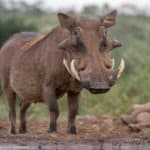
Warthog
Warthog
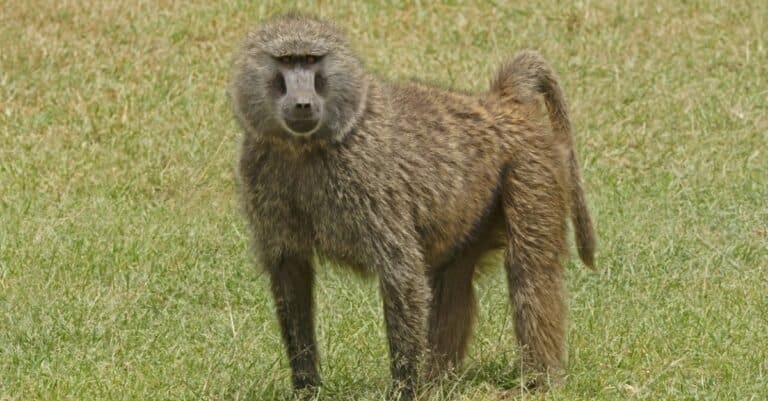
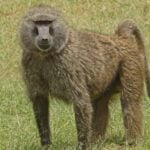
Olive baboon
Olive baboon
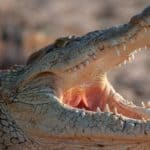
Nile crocodile
Nile crocodile

Hippopotamus Pond

Ramsar Wetland; UNESCO Man and the Biosphere (Biosphere Reserve)

A nationally famous wetland complex near Bobo-Dioulasso, this site is notable for hippopotamuses and high waterbird diversity supported by permanent water in an otherwise strongly seasonal climate. It is a key refuge for aquatic species and an important local ecotourism site.

UNESCO World Heritage Sites

  • W-Arly-Pendjari Complex (transboundary natural World Heritage site shared with Benin and Niger; includes Burkina Faso's W National Park and Arly areas)
Animals

Wildlife

Burkina Faso's wildlife is shaped by a north-south gradient from Sahelian semi-desert to Sudanian wooded savanna. Most flagship fauna persists in the better-watered south and east, especially within the transboundary W-Arly-Pendjari (WAP) ecosystem (shared with Niger and Benin) and in southern protected areas and managed reserves (e.g., Nazinga, Two Bale National Park). The country is best known for classic West African savanna mammals (elephants, buffalo, lions, antelopes), strong dry-season wildlife viewing around permanent water, and very rich birdlife associated with savanna, wetlands, and seasonal floodplains.

~150-170 species (with highest large-mammal diversity in the WAP complex and southern savannas) Mammals
~520-560 species (notably strong Sahel-Sudanian savanna and wetland assemblages) Birds
~90-110 species (crocodiles, monitors, pythons, diverse savanna lizards/snakes) Reptiles
~30-40 species (concentrated in the wetter south and around rivers/seasonal pools) Amphibians

Iconic Species

African Savanna Elephant
African Savanna Elephant Burkina Faso's most sought-after large mammal; best chances are in the eastern W-Arly system and in managed southern areas such as Nazinga, where elephants concentrate near water late in the dry season.
Lion
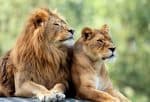
Lion Occurs at low densities but is a flagship species of the WAP ecosystem; Burkina Faso's eastern parks form part of one of the last strongholds for the West African/Sudanian savanna lion population complex.
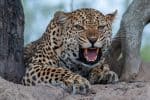
African Leopard Present but elusive; more likely in larger, better-protected blocks of habitat in the east (Arly/W landscapes) and remote wooded savannas.
African Buffalo
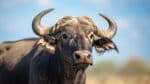
African Buffalo A key 'big game' species of the Sudanian savanna; encountered in the east within the WAP complex and in some southern protected areas, often near riverine woodland and permanent water.
Hippopotamus
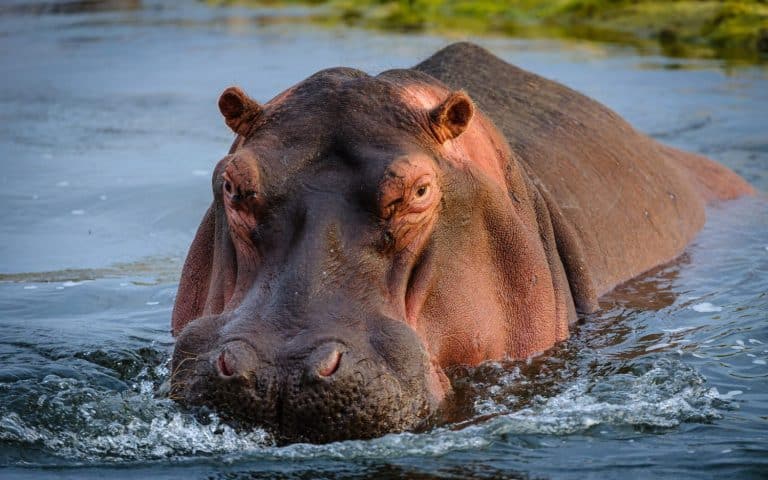
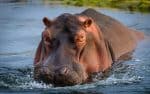
Hippopotamus Locally iconic in wetland refuges; the Hippopotamus Pond wetland (near Bobo-Dioulasso) is famous for reliable hippo viewing, especially in the dry season.
Nile Crocodile
Nile Crocodile Widespread in major rivers and wetlands; commonly seen basking along waterways in the south and east and around permanent pools in protected areas.
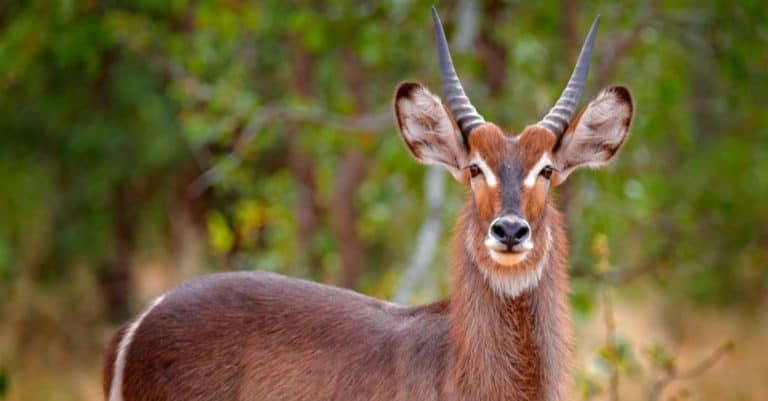
Roan Antelope A signature antelope of West African wooded savanna; best sought in large protected savanna blocks in the east (WAP landscapes) where habitat and space suit this wide-ranging species.
Western Hartebeest One of the defining grazers of open Sudanian savannas; most reliably encountered in the east in the WAP ecosystem where suitable grassland persists.
Black Crowned Crane An emblematic West African wetland bird; seen in floodplains, marshes, and seasonally inundated savannas, particularly in the south during and after rains.
Abyssinian Ground Hornbill A charismatic savanna bird associated with intact woodland-grass mosaics; frequently highlighted by guides in the south and east where human pressure is lower.

Endemic Species

Burkina Faso is not known for strict, country-endemic large vertebrates Most fauna is shared with the wider Sahel-Sudanian belt. However, several species of conservation interest are largely restricted to (or best represented in) the West African savanna and Volta/Niger basin region that includes Burkina Faso. Endemic
West African Lion (regional form) Not endemic to Burkina Faso, but the remaining West African lion population is globally distinctive and highly reduced; Burkina's WAP parks contribute habitat to this regional stronghold. Endemic
Black Crowned Crane (West African population) A West African-Sahelian specialty strongly tied to seasonal wetlands; Burkina Faso is within the core range where suitable wetland mosaics remain. Endemic
West African Savanna Monitor (regional stronghold) A characteristic West African savanna reptile (not country-endemic) that typifies Burkina's Sudanian landscapes; most often seen in protected savanna/woodland mosaics. Endemic

Notable Populations

  • Burkina Faso's eastern parks form part of the W-Arly-Pendjari (WAP) complex, one of the most important remaining landscapes for West African savanna megafauna (including lions, elephants, buffalo, and key antelope guilds).
  • Hippopotamus Lake is a nationally famous wetland refuge with reliably observable hippopotamus, making it one of Burkina Faso's most accessible flagship wildlife sites.
  • Dry-season concentration around permanent waterholes and rivers in the south/east creates seasonally high viewing reliability for large mammals and wetland birds in protected areas and managed reserves.
Protection

Conservation

Primary Threats

  • Conversion of savanna and woodland to rainfed crops (and associated shortening of fallow cycles) is a major driver of habitat fragmentation, especially in the more productive southern and eastern zones. Expansion often pushes into buffer areas and corridors around protected areas, reducing connectivity for wide-ranging savanna species.
  • Beyond cropland expansion, habitat is lost and degraded through fuelwood/charcoal collection, uncontrolled grazing pressure, and localized clearing along watercourses and seasonal wetlands. This reduces woody cover, simplifies savanna structure, and diminishes gallery forests that are important for primates and birds.
  • Rising temperatures, more intense heat, and rainfall variability amplify drought stress in Sahelian and northern Sudanian ecosystems. Water points become less reliable, seasonal wetlands dry earlier, and fire seasons can intensify-compounding pressures on wildlife, vegetation recovery, and pastoral livelihoods.
  • As farms and grazing areas expand toward protected-area boundaries, conflicts increase (e.g., crop damage by wildlife and competition for water and pasture). Retaliatory killing and negative attitudes toward protected areas can rise where communities see limited benefits or face insecurity and livelihood shocks.
  • Subsistence hunting and opportunistic killing persist in rural landscapes, and poaching risk increases where patrol coverage declines. In and around key protected areas (notably in parts of the east), insecurity can reduce ranger mobility and enable illegal offtake of antelopes and other wildlife.
  • Illegal trade can involve bushmeat, live animals, and wildlife parts moving along regional routes. Porous borders in the WAP region can facilitate cross-border trafficking when enforcement and intelligence-sharing are disrupted by conflict and limited resources.
  • Most pressure is not industrial timber extraction but widespread cutting of trees for fuelwood, charcoal, construction poles, and artisanal uses. This degrades woodland savannas, reduces nesting/foraging habitat for birds, and can undermine natural regeneration-especially near towns and road corridors.
  • Artisanal and industrial mining (notably for gold) can cause localized deforestation, soil disturbance, and water pollution from sediment and processing chemicals. Mining-related in-migration can increase demand for woodfuel and wildlife products, and can create new access tracks into previously remote habitats.
  • Key issues include sedimentation and chemical contamination of waterways near mining zones, agrochemical runoff in more intensive farming areas, and urban wastewater around major cities. Aquatic habitats and wetlands used by waterbirds and fisheries are particularly vulnerable.
  • Overuse of woodfuel, overgrazing around water points, and intense harvesting of non-timber forest products in some areas reduce ecosystem resilience. Depleted vegetation cover accelerates erosion and lowers dry-season forage availability, creating feedback loops of further pressure.
  • Roads and new access tracks (often associated with mining, timber/fuelwood supply, or agricultural expansion) increase fragmentation and facilitate human access for illegal hunting and wood extraction. Infrastructure can also disrupt wildlife movements between protected-area blocks and seasonal resources.
  • Frequent burning, expansion of irrigated/peri-wetland cultivation, and hydrological changes around dams and reservoirs alter fire regimes and water availability. While some fire is ecologically normal in savannas, altered timing/intensity can reduce tree recruitment and degrade habitat quality.
Visit

Wildlife Tourism

Best Time to Visit

**Prime wildlife season: November-April (dry season)**
- **November-December:** Dry season begins; grass is lower and visibility improves. Excellent **birding** as Palearctic migrants arrive; good all-round game viewing (antelope species in savanna mosaics), and predators are most active in cooler hours.
- **January-February:** Peak **birdwatching** (raptors, savanna specialties, waterbirds where water remains). Wildlife concentrates around permanent water; best time for classic savanna viewing and photography.
- **March-April:** Hottest, driest months; **highest animal concentration at waterholes/rivers** (good for crocodiles, monkeys/primates around riparian zones, and antelopes). Expect heat-early starts are essential.

**Green season: May-October (wet season)**
- **May-June:** First rains; landscapes green up, animals disperse and visibility drops, but it's beautiful for scenery and late-season bird movement.
- **July-September:** Heaviest rains; some tracks can become difficult. Great for **breeding birds**, lush landscapes, and fewer visitors.
- **October:** Rains taper off; good compromise month-fresh greenery with improving road conditions and visibility.

Top Wildlife Experiences

  • **Sunrise and sunset game drives in the Arly-W ecosystem** (early/late hours for cooler temps and the best chance of seeing antelopes, primates, and predators that are more active at dawn/dusk).
  • **Waterhole "sit" in the late dry season (March-April)**-spend several hours quietly near a permanent water source to watch wildlife come and go (often the most reliable way to see multiple species in one session).
  • **Guided birding day focused on West African savanna specials**-target rollers, bee-eaters, hornbills, bustards, raptors, and (in northern/sahelian zones) dry-country specialists; best Nov-Feb for migrants plus resident diversity.
  • **Track-and-sign walk with a professional guide**-learn to read spoor, feeding signs, and calls in Sudanian savanna; typically short, safety-led walks near camps or designated zones rather than long treks.
  • **Riverine wildlife outing (where permitted and conditions allow)**-slow-paced viewing along riparian corridors for crocodiles, waterbirds, and primates; in the dry season, remaining pools concentrate animals and birds.
  • **Night drive (operator- and area-dependent)** to look for nocturnal mammals, genets/civets, owls, and nightjars; best in the cooler dry months with clear visibility.
  • **Photography-focused safari day**-plan for golden-hour light, dust-friendly gear, and longer stops at waterholes; a strong option because wildlife encounters can be patient and intimate in lower-traffic areas.
  • **Transboundary wildlife circuit**-combine Burkina Faso's eastern protected areas with neighboring park sectors (where feasible) to maximize habitats and species variety across the wider W-Arly-Pendjari landscape.
  • **Community-guided nature and culture pairing**-add a short village visit or local craft/market stop en route to parks to support local economies that benefit from conservation-linked tourism.

Safari Types Available

  • 4x4 game drives (shared or private, typically morning and late afternoon)
  • Guided walking safaris / interpretive bush walks (limited zones, guide-led)
  • Birding safaris (specialist guiding, migration-season itineraries)
  • Waterhole hides / sit-and-wait wildlife viewing sessions
  • Riverine wildlife viewing (seasonal/area-dependent; sometimes by bank drives or short boat/canoe where permitted)
  • Night drives (operator- and permission-dependent)
  • Photography safaris (custom pacing, longer sightings, golden-hour focus)
  • Transboundary multi-park circuits (logistics-heavy, best with an experienced operator)
Fun Facts

Did You Know?

Burkina Faso is landlocked and largely semi-arid-yet it has a famous hippopotamus stronghold. The Hippopotamus Pond (near Bobo-Dioulasso) is a protected wetland where hippopotamuses persist year-round in a Sahel-to-Sudan savanna setting.

One of Burkina Faso's flagship parks is named after a letter, not a person: "W" National Park gets its name from the W-shaped double bend of the Niger River that defines the landscape and creates ribbons of wildlife-rich habitat through otherwise dry savanna.

Some of Burkina Faso's 'wildlife' is seasonal by design: in the northern Sahel, temporary ponds appear after rains and vanish for months; species like African lungfish can survive the dry season by estivating (encasing themselves in mud) until water returns.

The country's most iconic predators rely on diplomacy as much as ecology: lions, elephants, and many antelopes in Burkina Faso's east persist largely because the same populations are protected across three countries (Burkina-Benin-Niger) as one connected system.

Burkina Faso sits on a major wintering zone for birds that breed thousands of kilometers away: many European and Eurasian migrants (e.g., swallows, raptors, and waterbirds) spend the non-breeding season feeding in Burkina's savannas and wetlands, so local rainfall can influence bird numbers you see in Europe the following spring.

Home to the largest continuous block of protected Sudanian-Sahelian savanna left in West Africa: Burkina Faso's Arly National Park links with Benin's Pendjari and Niger's W National Park in the UNESCO-listed W-Arly-Pendjari (WAP) Complex (~30,000-35,000 km² total).

One of the planet's most important refuges for a whole lion lineage: the WAP Complex holds the vast majority of the remaining wild West African lions (Panthera leo leo), a Critically Endangered population distinct from East/Southern African lions.

Among the biggest remaining savanna-elephant landscapes in West Africa: elephants in and around Arly/W form one of the region's largest connected populations and make long seasonal movements across the Burkina Faso-Benin-Niger borders.

A last-stand area for one of Africa's rarest big cats: the Northwest African (Saharan) cheetah (Acinonyx jubatus hecki) has been repeatedly reported/monitored within the wider WAP landscape-one of the very few places in West Africa where it still turns up at all.

Big bird numbers in a "small-water" country: the WAP wetlands and riverine corridors support 350+ recorded bird species across the complex, including large concentrations of Palearctic migrants that winter in West African savannas.

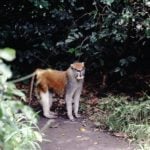
Burkina Faso, with its four national parks, is abundant in wildlife. It has one of the largest populations of animals in West Africa. Many animals of this country can also be found in neighboring countries of Mali, Niger, Benin, Togo, Ghana, and Cote d’Ivoire. Animals native to this country include elephants, lions, crocodiles, hippopotamus, and antelopes such as the Nagor bohor reedbuck. Others are aardvarks, Patas monkies, and African swallowtail butterflies.

Burkina Faso has 147 species of mammals, 330 species of aquatic animals and many species of insects and birds.

What is the National Animal of Burkina Faso?

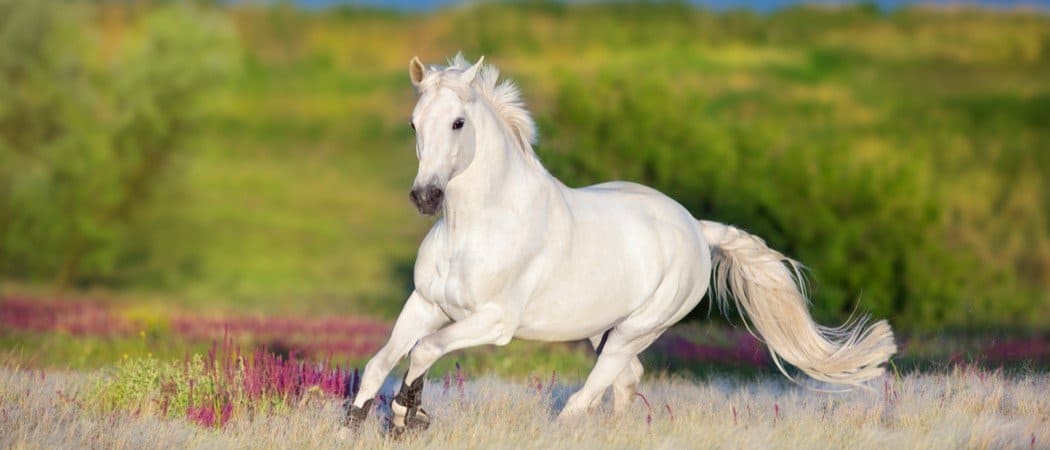
Burkina Faso’s national animal is the white stallion, which appears, in duplicate, on the country’s coat of arms.

Where to Find The Top Wild Animals In Burkina Faso

Many of the top wild animals in this country can be found in its national parks. They are the W of the Niger National Park, named because it seems to form the letter W around the Niger River. Kaboré Tambi National Park is found along the Nazinon River between the country’s capital of Ouagadougou and its border with Ghana. Deux Balés National Park is in the eastern central part of the country, and Arli National Park is in the southwest part of Burkina Faso.

Extinct Animals in Burkina Faso

Animals that have gone extinct in Burkina Faso, either due to excessive hunting, poaching or habitat destruction include:

Dangerous Animals In Burkina Faso

For all their majesty and beauty, some of the animals that people come to see in Burkina Faso are dangerous. They include:

  • Hippopotamus — believed to kill about 500 people a year in Africa.
  • Lion — kills about 250 people in Africa every year.
  • Nile crocodile — attacks between 275 and 745 people in Africa every year, and 63 percent of those attacks result in death. Unlike other dangerous animals, the Nile crocodile is thought to actually go hunting for humans.
  • Mosquitoes — Burkina Faso has four species of mosquito that can infect people with malaria, a disease that kills 200,000 people in West Africa alone. Burkina Faso has launched a program where these mosquitoes are biologically altered to produce only males. Hopefully, this will cause the mosquitoes to go extinct.

Endangered Animals

Though wildlife in Burkina Faso is abundant, there are several endangered species. Endangered wildlife include:

  • Giraffe
  • Egyptian vulture
  • Giant pangolin
  • Slender snouted crocodile. Though it’s now found in Burkina Faso and Gabon, this endangered species of crocodile is considered to be extinct in several other countries where it was once found.

The declining numbers of endangered species are thought to be due to hunting, poaching and habitat destruction.

Animals Found in Burkina Faso

71 species documented in our encyclopedia

Thank you for reading! Have some feedback for us?