



S
Species Profile

Shih Tzu Mix

Canis lupus familiaris

Big heart, small paws, mixed magic
Mary Swift/Shutterstock.com

Shih Tzu Mix Distribution

Click a location to explore more animals from that region

Origin Location

This map shows the native origin of the Shih Tzu Mix. As a domesticated species, they are now found worldwide.

Loading map...

Found in 1 country

Size Comparison

Human 5'8"
Shih Tzu Mix 10 in

Shih Tzu Mix stands at 14% of average human height.

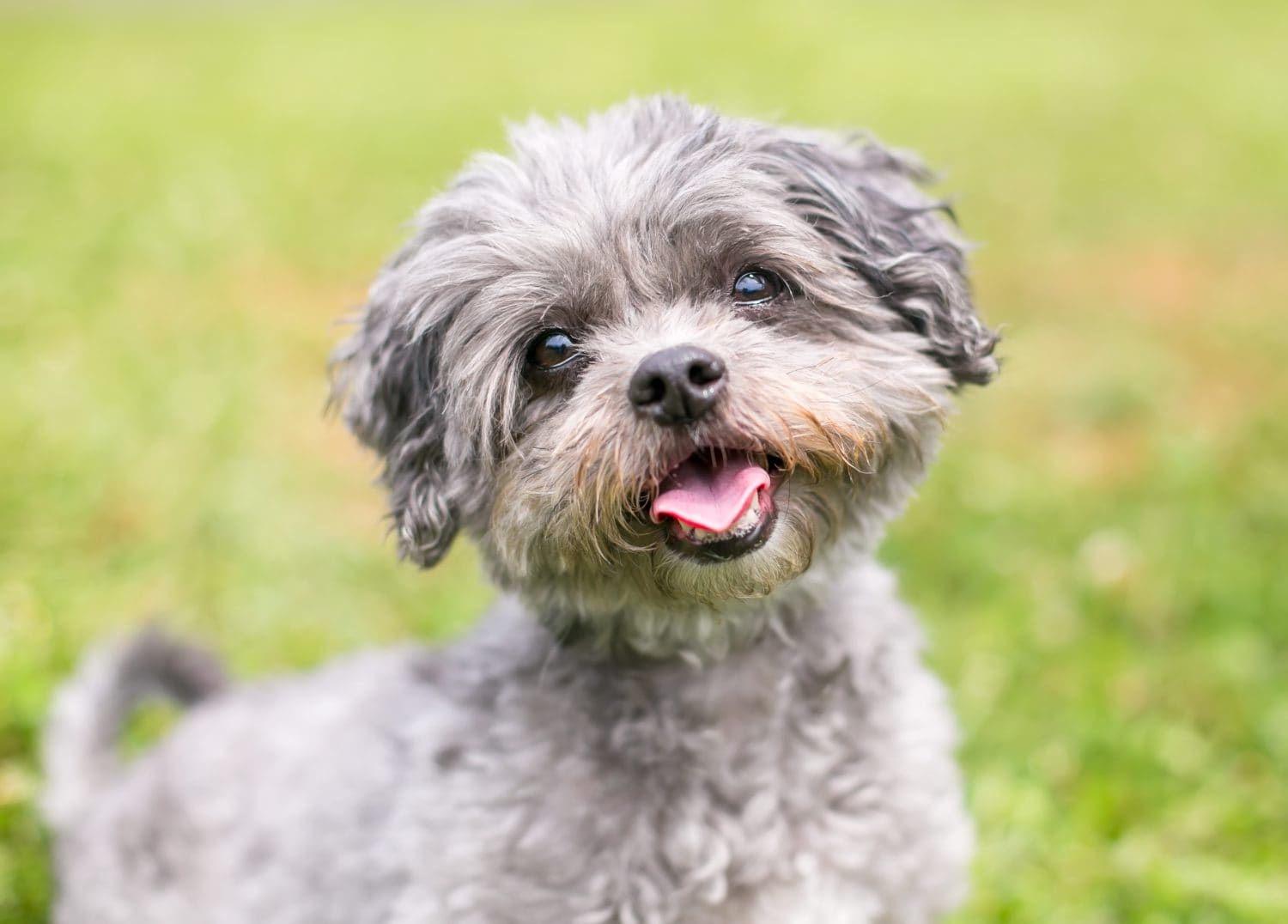
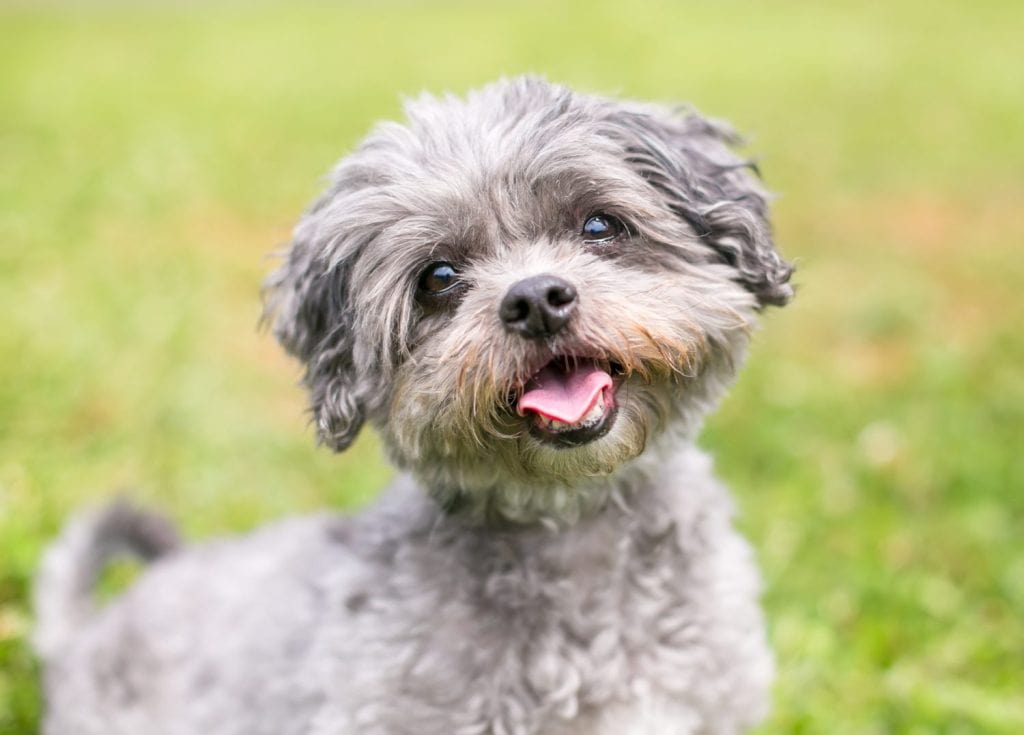
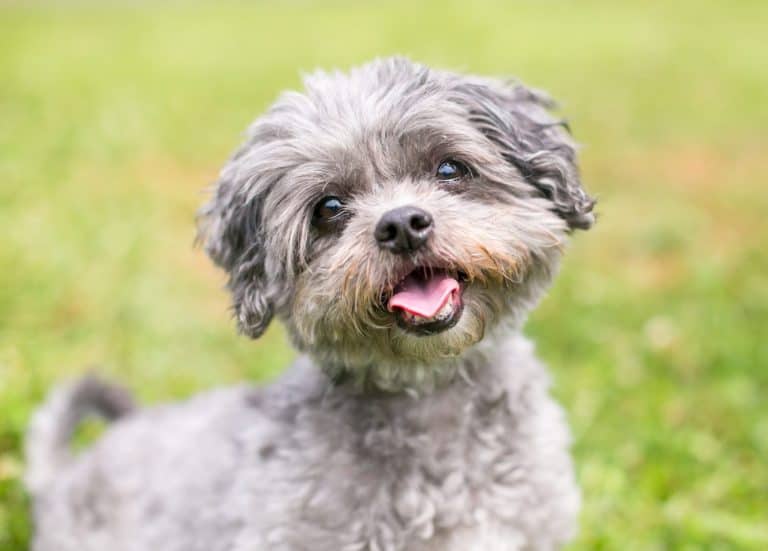
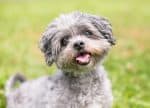
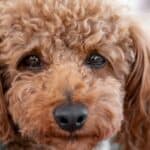
A cute Shih Tzu x Poodle mixed breed dog sitting outdoors with a happy expression

At a Glance

Domesticated
Also Known As mutt, mongrel, mixed-breed dog, crossbreed, designer cross, hybrid dog
Diet Omnivore
Activity Diurnal+
Lifespan 5 years
Weight 12 lbs
Status Not Evaluated
Did You Know?

It's not a standardized breed: "Shih Tzu mix" describes ancestry, not a single predictable type.

Scientific Classification

A companion dog that is not a formally recognized breed but a mixed-breed domestic dog with some proportion of Shih Tzu ancestry. Traits (size, coat type, muzzle length, temperament, shedding) vary widely depending on the other breed(s) in the mix.

Kingdom
Animalia
Phylum
Chordata
Class
Mammalia
Order
Carnivora
Family
Canidae
Genus
Canis
Species
Canis lupus

Distinguishing Features

  • Small companion-dog build is common if mixed with other toy breeds, but size varies by the other parent(s)
  • Coat often medium-to-long and may be straight or wavy; grooming needs frequently high
  • Facial structure may be brachycephalic (short-muzzled) like a Shih Tzu or more moderate depending on the mix
  • Temperament often social/affectionate, but behavior depends strongly on upbringing and the other breed(s)

Physical Measurements

Males and females differ in size

Height
9 in (8 in – 11 in)
10 in (8 in – 1 ft 1 in)
Length
1 ft 8 in (1 ft 5 in – 1 ft 11 in)
Weight
15 lbs (11 lbs – 20 lbs)
14 lbs (9 lbs – 20 lbs)
Tail Length
6 in (4 in – 7 in)
6 in (4 in – 7 in)
Top Speed
16 mph
running

Appearance

Primary Colors
Secondary Colors
Skin Type Typical domestic dog skin; may be mildly sensitive, with occasional fold-related irritation in shorter-muzzled individuals.
Distinctive Features
  • Mixed-breed domestic dog (Canis lupus familiaris) with Shih Tzu toy-breed lineage; not a standardized breed.
  • Adult size, build, coat length, and temperament vary widely depending on the other breed(s) in the mix.
  • Often compact companion-dog proportions; may retain Shih Tzu-like short legs and sturdy torso.
  • Coat can be long and silky to medium or short; may be single- or double-coated and variably shedding.
  • Facial furnishings (beard/mustache/topknot) are common when longer coat genes are expressed.
  • Muzzle length varies from brachycephalic to moderate; shorter muzzles may increase heat intolerance risk.
  • Large, forward-facing eyes are common; prominent eyes can be more prone to irritation or injury.
  • Drop ears with heavy feathering possible; ear hair can trap moisture, requiring routine cleaning.
  • Tail frequently carried over the back with a plume when longer coat is present.
  • Care needs often include regular brushing, face/eye wiping, and professional grooming if long-coated.
  • Potential (not guaranteed) Shih Tzu-type concerns: brachycephalic airway issues, dental crowding, eye problems, and patellar luxation-risk depends on mix and individual anatomy.

Sexual Dimorphism

Sexual dimorphism is usually subtle: males tend to be slightly larger with broader heads/necks. Coat color/pattern is not sex-linked, and differences are often overshadowed by variability from the other breed in the mix.

  • Slightly greater average mass and shoulder breadth within the same mix.
  • Broader head and neck; may appear more robust in compact-bodied individuals.
  • Slightly smaller average frame; may appear finer-boned.
  • Body proportions generally similar; differences are subtle and individual-dependent.

Did You Know?

It's not a standardized breed: "Shih Tzu mix" describes ancestry, not a single predictable type.

Many inherit the Shih Tzu's long-lived "toy companion" tendency, often thriving in apartments with daily walks.

Coat outcomes can range from low-shedding single coats to heavier double coats-grooming needs vary accordingly.

Face shape is highly variable: some mixes keep a short Shih Tzu-like muzzle, others have a longer, more "wolf-like" snout.

Shih Tzu heritage often brings a people-focused, lap-dog temperament, but the second breed can shift energy and trainability.

Small size doesn't mean low care: dental cleanings/brushing are especially important in many small-dog mixes.

Their wide genetic variety can sometimes reduce (but does not eliminate) certain inherited risks seen in some purebred lines.

Unique Adaptations

  • Extreme domestication traits vs the base species (gray wolf): reduced fear response, strong human-social bonding, and neotenic (juvenile-like) features that support companionship.
  • Toy-dog lineage influence: compact body size and "indoor-friendly" activity patterns compared with larger working-line dogs.
  • Coat diversity as an adaptation to household life: from long, insulating hair to shorter, easier-care coats depending on cross.
  • Facial conformation variability: longer muzzles can improve heat tolerance and airflow; shorter muzzles may increase heat sensitivity-owners should tailor exercise accordingly.
  • Communication tuned to humans: frequent eye contact, attention-seeking behaviors, and responsiveness to human cues are typical domestic-dog adaptations.

Interesting Behaviors

  • "Shadowing" their person: following room-to-room and choosing close resting spots, reflecting companion-dog selection in Canis lupus familiaris.
  • Alert barking at new sounds or visitors-common in small companion dogs; training and enrichment can help channel it.
  • Play bursts ("zoomies") indoors, especially in younger dogs or higher-energy crosses; short, frequent play sessions often work best.
  • Face/eye pawing and "snuffle investigating" during greetings-more likely in mixes with shorter muzzles or prominent eyes.
  • Preference for soft bedding and warm laps; many Shih Tzu-type mixes seek comfort and routine.
  • Selective listening: some mixes show a stubborn streak; positive reinforcement and short sessions tend to be most effective.

Cultural Significance

Shih Tzu mix (Canis lupus familiaris) links to the old "lion dog" tradition of Tibetan and Chinese courts, where small, people-focused dogs were kept as indoor companions. Today they show mixed-breed values: personality, variety, and being ready for adoption.

Myths & Legends

"Lion Dog" lore: Shih Tzu's name translates to "lion," linking it to East Asian guardian-lion symbolism and the tradition of small dogs bred to resemble lions in miniature.

Tibetan origin stories often describe small temple dogs kept by monks and nobles as cherished companions, later associated with Chinese imperial households through historical gifting and exchange.

Courtly anecdotes portray Shih Tzu-type dogs as palace favorites-kept close for companionship, warmth, and as status symbols within elite households.

Traditional East Asian cultural associations sometimes treated small companion dogs as bringers of good fortune and guardians of the home, echoing the protective symbolism of lion figures in art and architecture.

Modern "designer dog" naming stories: many Shih Tzu mixes receive portmanteau names (e.g., Shih-Poo, Shichon), reflecting contemporary cultural trends that blend lineage stories into a new household identity.

Conservation Status

NE Not Evaluated

Has not yet been evaluated against the criteria.

Population Stable

Life Cycle

Birth 4 pups
Lifespan 5 years

Lifespan

In the Wild
2–10 years
In Captivity
10–18 years

Reproduction

Mating System Polygynandry
Social Structure Managed Domestic
Breeding Pattern Serial
Fertilization Managed Selective
Birth Type Internal_fertilization

In Shih Tzu mixes, mating is typically human-managed: selected pairs are introduced during the female's heat, copulation involves internal fertilization and a copulatory tie, and partners do not form lasting pair bonds; breeding is often repeated with different mates.

Behavior & Ecology

Social Pack Group: 3
Activity Diurnal, Crepuscular, Cathemeral
Diet Omnivore meat-forward small-breed kibble or wet food (often especially chicken or turkey-based)

Temperament

Companion-focused, people-oriented; notably more affiliative than the base species' wild social behavior.
Affectionate and cuddly; commonly seeks lap time and frequent physical contact.
Alert watchdog tendency; will often bark at novel sounds despite small size.
Trainability varies by mix; Shih Tzu ancestry can bring stubbornness-best with positive reinforcement.
Sociability ranges from outgoing to reserved; consistent early socialization strongly shapes adult behavior.
Separation anxiety risk: clinginess, vocalizing, and following behaviors are common in under-trained individuals.
Energy is typically low-to-moderate; prefers short play bursts and regular walks over endurance activity.
Heat sensitivity may occur with shorter muzzles (Shih Tzu-like); avoid strenuous exercise in heat/humidity.
Health concerns seen in Shih Tzu-type mixes: brachycephalic airway issues, eye irritation/dry eye, dental crowding.
Also at risk depending on mix: patellar luxation, allergies/skin issues, obesity without portion control.
Care needs vary widely with coat: may require frequent brushing, professional grooming, and facial fold/eye cleaning.
Communication style often includes attention-seeking behaviors (pawing, nudging) reinforced by human interaction.

Communication

bark Alert/alarm and attention-seeking
whine Frustration, greeting, or separation distress
yip/high-pitched bark Excitement
growl Warning or play, context-dependent
howl Occasional; more likely if mixed with vocal breeds
sigh/grumble Settling/comfort sounds
tail wagging with varying height/stiffness to signal arousal or friendliness
ear position changes and head turns to show uncertainty or interest
licking/nuzzling and leaning to solicit contact and reassurance
pawing/nudging objects or people to request play, food, or attention
play bow and bouncy gait to initiate play
averted gaze, lip-licking, yawning to signal stress or appeasement
freezing/backing away to avoid handling when uncomfortable Important for bite prevention
scent marking and sniffing as routine social information gathering
following/door-guarding behaviors to maintain proximity to attachment figure

Habitat

Biomes:
Temperate Forest Boreal Forest (Taiga) Tundra Temperate Grassland Mediterranean Savanna Desert Hot Desert Cold Alpine Tropical Rainforest Tropical Dry Forest Freshwater Wetland Marine +8
Elevation: Up to 16404 ft 3 in

Ecological Role

Domestic companion omnivore within human-managed ecosystems; primarily dependent on humans for nutrition, with limited opportunistic predation/scavenging.

companionship and human well-being support alarm/alert behavior and deterrence limited household pest reduction (occasional rodent/insect predation) participation in nutrient cycling via waste in anthropogenic environments

Diet Details

Main Prey:
Rodents Small birds Rabbits and hares Lizards and geckos Insects and other invertebrates
Other Foods:
Grass Berries and other fruits Vegetables Grains and starches Fungi and plant scraps

Human Interaction

Domestication Status

Domesticated

Shih Tzu mixes (Canis lupus familiaris) share dogs' long domestication from wolves and close bonds with people. Shih Tzu ancestry often brings small size, a short muzzle, large round eyes, and a long, grooming‑heavy coat. Not a formal breed, traits vary with other parents. Most live indoors as companion pets and sometimes serve as therapy animals.

Danger Level

Low
  • bite risk (usually minor due to size; higher likelihood with fear, pain, poor handling, or lack of socialization)
  • zoonotic risks shared with domestic dogs (e.g., roundworms, hookworms, Giardia, ringworm), mitigated by routine veterinary care and hygiene
  • allergy trigger for sensitive individuals (dander/saliva; coat type varies so "hypoallergenic" is not guaranteed)
  • fall/trip hazard in home due to small size underfoot

As a Pet

Suitable as Pet

Legality: Shih Tzu mix (domestic dog) is usually legal to own. Local rules may limit pet number/size, require leashes, shots and licenses, and rarely a breed ban if the mix is seen as restricted.

Care Level: Moderate

Purchase Cost: Up to $2,000
Lifetime Cost: $15,000 - $40,000

Economic Value

Uses:
Companion animal Pet services (grooming, boarding, training) Veterinary services and pharmaceuticals Pet products (food, toys, accessories) Therapy/assistance roles (limited, temperament-dependent)
Products:
  • companionship and emotional support value
  • grooming demand (professional grooming, shampoos, brushes, clippers)
  • preventive healthcare utilization (vaccines, parasite prevention, dental care)
  • specialty care spending (allergy management, ophthalmology, dental procedures, airway evaluation in shorter-muzzled individuals)

Relationships

Ecological Equivalents 8

Animals that fill a similar ecological role in their ecosystem

Shih Tzu mix
Shih Tzu mix Canis lupus familiaris Domesticated from the gray wolf (Canis lupus). Shih Tzu mixes are small, people-friendly dogs with varied coats and often shortened muzzles; they require special grooming and dental care and are at increased risk for breathing, eye, ear, joint, and back problems.
Shih Tzu
Shih Tzu Canis lupus familiaris Shares a toy-companion niche and a common trait set that may appear in Shih Tzu mixes: small size, affectionate and people-focused behavior, potential brachycephalic features, and increased grooming needs.
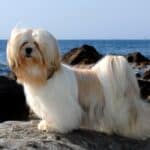
Lhasa Apso
Lhasa Apso Canis lupus familiaris Small companion/alert-dog niche with a long coat and significant grooming demands; can contribute a longer muzzle, distinctive coat texture, and watchdog tendency in mixes.
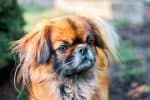
Pekingese
Pekingese Canis lupus familiaris Similar toy companion niche. Brachycephalic structure and associated eye and heat sensitivity overlap with Shih Tzu-type mixes.
Poodle
Poodle Canis lupus familiaris Common contributor in crosses producing "Shih-poo"-type mixes. Occupies a similar companion niche. Can shift the coat toward curliness and lower shedding, and can increase trainability and energy.
Bichon Frise
Bichon Frise Canis lupus familiaris Small companion niche. Often selected for a plush, curly coat and can overlap with other breeds in allergy/skin issues and grooming needs.
Maltese
Maltese Canis lupus familiaris Toy companion niche. Shares a long, fine coat and common dental crowding concerns; these traits can be associated with increased clingy/affectionate temperament.
Yorkshire Terrier
Yorkshire Terrier Canis lupus familiaris Small companion niche with relatively high terrier alertness; can influence coat texture and increase prey-drive and chasing behaviors in mixed-breed offspring.

The Shih Tzu is a small, toy-sized dog breed that originated in China. The name means “little lion.” In Chinese legends, Buddha had a little dog described like a Shih Tzu that turned into a lion to save him from robbers, but then turned back into an adorable little dog, which Buddha picked up and kissed! So far, other owners have not reported this remarkable behavior, but they do say these are gentle and affectionate dogs. They were developed specifically as domestic companion animals, so they have excellent traits to be family pets.

A Shih Tzu mix is a crossbreed dog that has been bred by combining a Shih Tzu with another purebred dog. This type of mixed-breed dog can inherit traits from both of its parent breeds, and can vary in appearance and temperament. Shih Tzu mixes are often bred to combine the Shih Tzu’s charming personality with the desirable traits of another breed, such as the intelligence and trainability of a Poodle or the energy and athleticism of a Cocker Spaniel. Shih Tzu mixes are playful, affectionate, and make great companions for people of all ages.

Shih Tzus and hybrids are highly intelligent and are often easy to train, making them a popular choice for families with children. Despite their small size, Shih Tzus are known to be alert and can make good watchdogs. They are also relatively low-maintenance dogs and do not require a lot of exercise, making them well-suited to apartment living. Shih Tzus are generally affectionate and good-natured, and they get along well with other pets and people. Their long, thick hair does require regular grooming and maintenance, but they are hypoallergenic dogs — a great plus for allergy sufferers. These are just all-around great dogs, and it’s hard to find very many truly negative qualities about them.

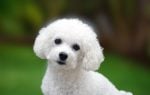
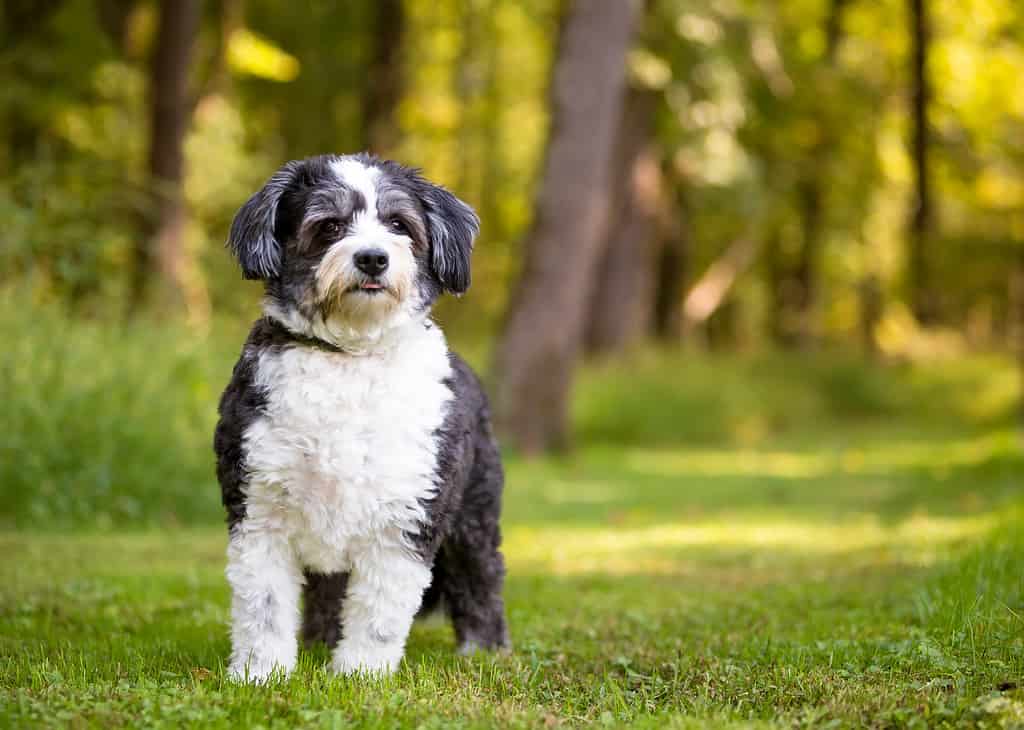
A Shih Tzu x Poodle mixed breed dog looking at the camera

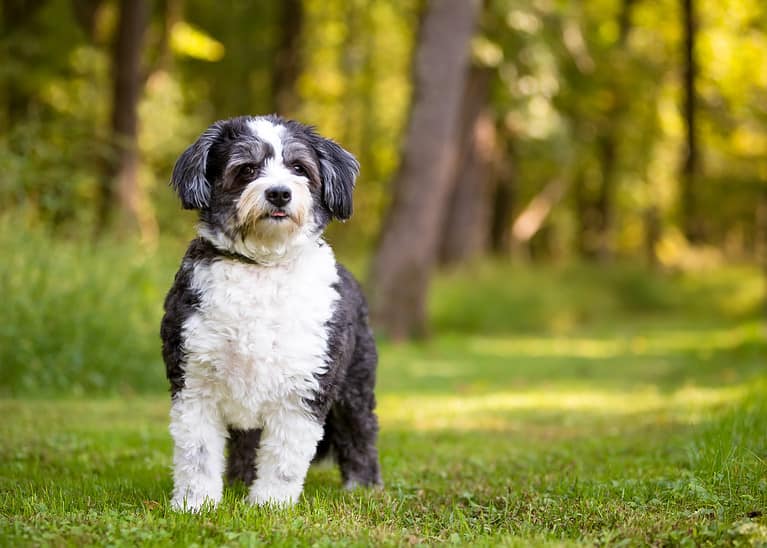
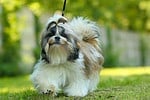
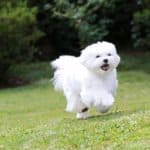
A black and white Shih Tzu x Poodle mixed breed dog playing in the park.

Different Types of Shih Tzu Mixes

Many different breeds of dog can be mixed with a Shih Tzu to create a Shih Tzu mix. Some examples of Shih Tzu mixed breeds include:

  • Shih Poo (Shih Tzu and Poodle mix)
  • Shih-A-Pom (Shih Tzu and Pomeranian mix)
  • Shih Tzu-Bichon Frise mix
  • Shih Tzu-Boston Terrier mix
  • Shih Tzu-Cocker Spaniel mix
  • Shih Tzu-Maltese mix
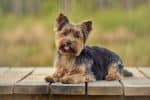
  • Shih Tzu-Yorkshire Terrier mix

These are just a few examples of the many different Shih Tzu mixed breeds that exist. The appearance and temperament of a Shih Tzu mix can vary depending on the specific mix and the individual dog.
3 Pros and Cons of Owning Shih Tzu Mixes

ProsCons
Do well in apartments
Shih Tzu mixes are generally small, toy-sized dogs that are well-suited to living in apartments, condos, or small homes.
They are really, really hairy
These dogs have long, flowing coats that require regular grooming and maintenance to keep them looking their best. This can be time-consuming and expensive if you opt for a professional groomer.
Good with pets and kids
These dogs are highly intelligent, easy to train, and get along well with other pets and with children.
Injuries and health problems
Small dogs like this can be more vulnerable to injuries and health problems. They can be more sensitive to some medications and prone to respiratory and eye problems.
Low exercise needs
Shih Tzu Mixes are small dogs with short legs and do not require a lot of exercise. They are adaptable to many different family lifestyles.
Not great jogging companions
The low exercise needs of these mixes can be a “pro” or “con” depending on your lifestyle. If you want a dog to go jogging with you or engage in an active game of flying disk, look elsewhere.

The Best Dog Food For Shih Tzu Mixes

When choosing the best dog food for a Shih Tzu mix, it is important to consider the individual needs and characteristics of your dog. As a general rule, high-quality dog food that is specifically formulated for small breeds is a good choice for Shih Tzu mixes. This type of dog food is typically nutritionally balanced and contains the right balance of protein, fat, and other nutrients to support the growth and development of small breeds. It is also important to choose a dog food that is appropriate for your dog’s age and activity level. For example, a puppy Shih Tzu mix will have different nutritional needs than an adult Shih Tzu mix. It is always best to consult with your veterinarian before making any decisions about your dog’s diet.

Size and Weight

There is not a lot of variation in size between male and female Shih Tzus, though you may find mixes that don’t strictly fit in these averages. Shih Tzus usually range from 7.9 inches to 11 inches tall and 8.8 to 16 pounds in weight.
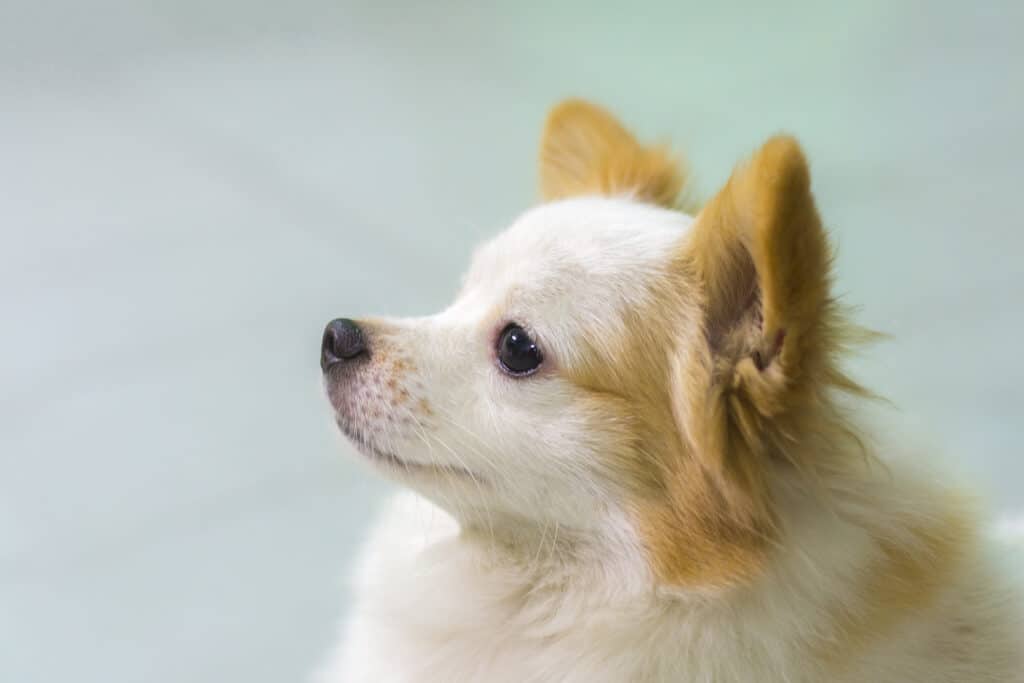
Shiranian

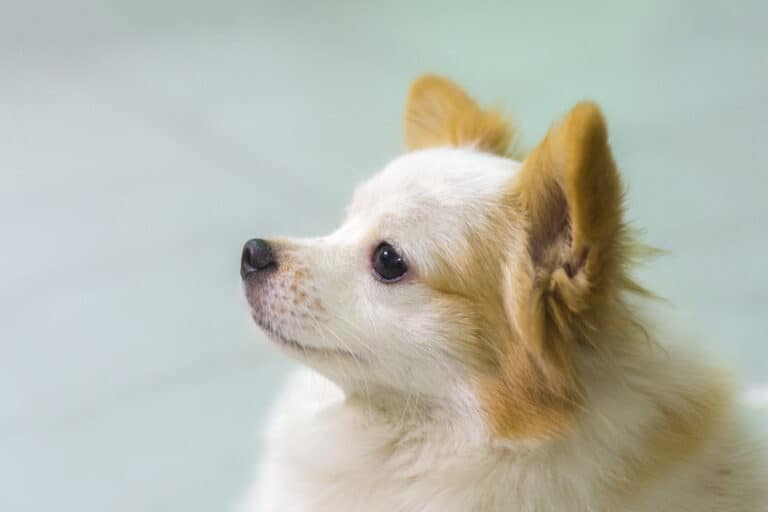
Shiranian is a Pomeranian x Shih Tzu Mix. Their coloration varies; they come in several colors, like black, red, gold, orange, sable, chocolate, and brindle.

Common Health Issues

Shih Tzu mixes may suffer from some of the common health issues of either of their parent breeds. It is unpredictable with a hybrid dog how much of their genetic characteristics will be drawn from each parent. Potential owners should consider the health issues of Shih Tzus and of the other parent of the mix they are considering. Some of the most common health issues that purebred Shih Tzus may face include:

  • Eye diseases: Shih Tzus can be prone to eye problems such as cataracts, glaucoma, and retinal dysplasia. These conditions can lead to vision loss and other serious health issues, and they may require medical treatment.
  • Respiratory problems: Shih Tzus have short noses and flat faces, which can make them more susceptible to respiratory problems. They may be prone to conditions such as brachycephalic airway syndrome, which can cause difficulty breathing and other symptoms.
  • Dental problems: Like all dogs, Shih Tzus are susceptible to dental problems such as tooth decay and gum disease. It is important to brush your Shih Tzu’s teeth regularly and provide them with appropriate dental care to prevent these problems.
  • Ear infections: Shih Tzus have long, floppy ears, which can make them more susceptible to ear infections. These infections can cause discomfort and other symptoms, and they may require medical treatment.
  • Obesity: Shih Tzus are small dogs, and they do not require a lot of exercise to stay healthy. However, if they are not provided with appropriate amounts of exercise and nutrition, they may become overweight or obese, which can lead to other health problems.

Temperament and Behavior

The personality and behavior of a Shih Tzu mix can vary depending on the specific mix and the individual dog. However, Shih Tzus are generally known for their friendly, outgoing personalities, and many Shih Tzu mixes inherit these traits from their parent breed. Shih Tzu mixes are often playful and affectionate, and they enjoy spending time with their human families. They may also be intelligent and trainable, making them a good choice for families with children. However, like all dogs, Shih Tzu mixes require proper training and socialization to prevent nuisance behavior such as excessive barking. Overall, Shih Tzu mixes are charming, friendly dogs that make great companions for people of all ages.

How To Take Care of Shih Tzu Mixes

Maintenance and Grooming

The coat of a Shih Tzu mix can vary depending on the specific mix and the individual dog. Shih Tzus are known for their long, flowing coats, and many Shih Tzu mixes inherit this characteristic. Interestingly, despite their hairiness, Shih Tzus are considered a hypoallergenic breed.

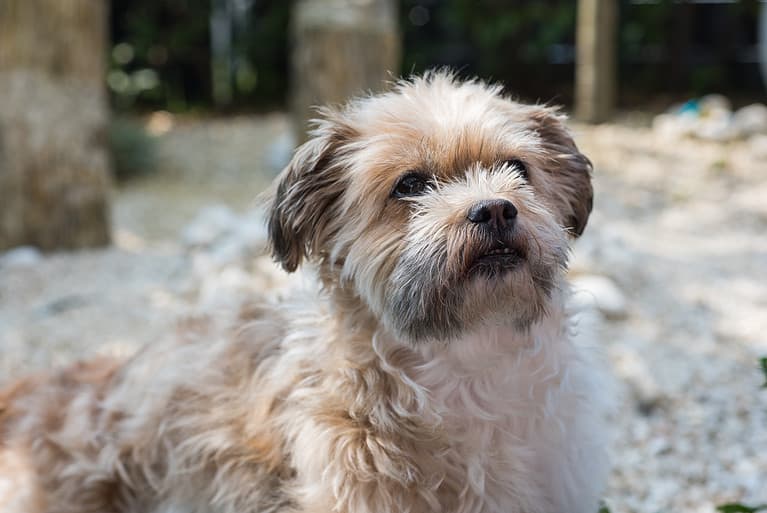
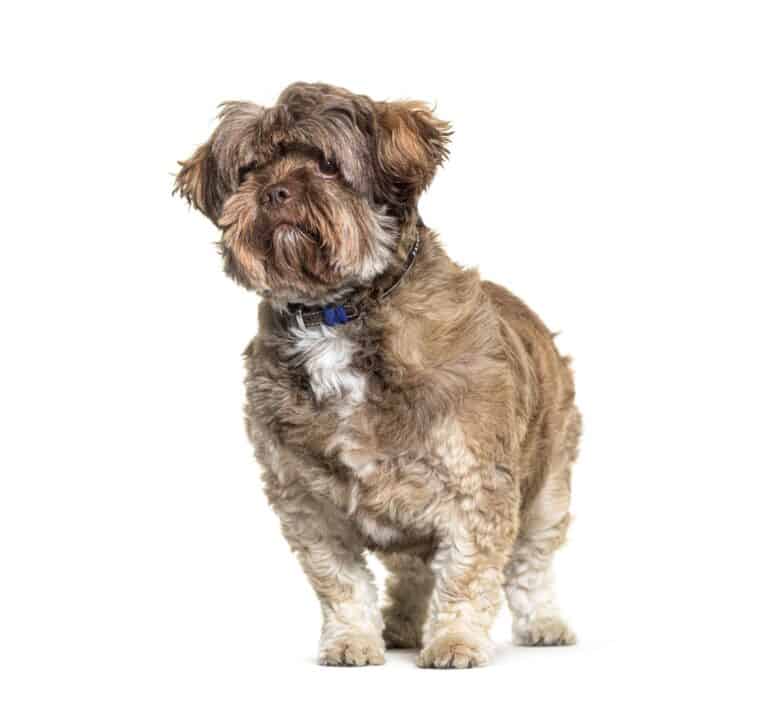
The coat of a Shih Tzu mix may be long and silky, or it may be shorter and more wavy or curly. The color of a Shih Tzu mix’s coat can also vary, and it may be any combination of colors that are found in the parent breeds. Some Shih Tzu mixes may have coats that require regular grooming and maintenance, while others may have coats that are easier to care for. It is important to research the specific mix that you are considering to get a better idea of the coat characteristics that your Shih Tzu mix may have.

If your hybrid dog is very similar to their Shih Tzu parent, grooming is something you will have to take quite seriously. Their long coat must be brushed regularly to prevent tangles and mats. It is best to use a slicker brush or a comb with wide, spaced teeth to gently work through the coat and remove any tangles or knots. You should also brush your Shih Tzu’s teeth regularly to prevent dental problems, and you should check and clean their ears regularly to prevent ear infections. Shih Tzus also require regular nail trimmings to keep their nails from getting too long and uncomfortable. If you are unsure about how to groom your Shih Tzu, it is a good idea to consult with a veterinarian or a professional groomer for guidance.

Training

Shih Tzus are generally intelligent and are often easy to train, and many Shih Tzu mixes inherit these traits from their parent breed. When training a Shih Tzu mix, it is important to use positive reinforcement techniques such as rewards and praise to encourage good behavior. You should also be patient and consistent with your training, and you should start training your Shih Tzu mix as early as possible to set them up for success. It is also important to socialize your Shih Tzu mix so that they can learn to get along with other dogs and people. You can socialize your Shih Tzu mix by taking them to dog parks, obedience classes, and other social events. If you are patient, training a Shih Tzu mix can be a fun and rewarding experience for both you and your dog, and a great time to deepen the bond between the two of you.

Exercise

Exercise is an important part of maintaining the health and well-being of a Shih Tzu mix. Shih Tzus are small dogs and do not require a lot of exercise to stay healthy, but they do still need regular opportunities to move and play. A daily walk or play session can provide your Shih Tzu mix with the physical and mental stimulation that they need to stay happy and healthy. When exercising your Shih Tzu mix, it is important to keep in mind that they are small dogs and may tire easily. You should also be careful to avoid overexerting your Shih Tzu mix, as this can cause health problems. A moderate amount of regular exercise can help your Shih Tzu mix stay healthy and happy.

Puppies

Caring for a Shih Tzu mix puppy is similar to caring for any other type of puppy. It is important to provide your puppy with a nutritious diet, regular exercise, and plenty of love and attention. Puppies also need plenty of opportunities to socialize and interact with other dogs and people to help them develop good social skills.

It is important to start training your Shih Tzu mix puppy as early as possible, using positive reinforcement techniques such as rewards and praise to encourage good behavior. Make sure to give them regular veterinary care, including vaccinations, parasite control, and other routine health care. Caring for a Shih Tzu mix puppy requires patience, consistency, and a commitment to providing them with the best possible care.
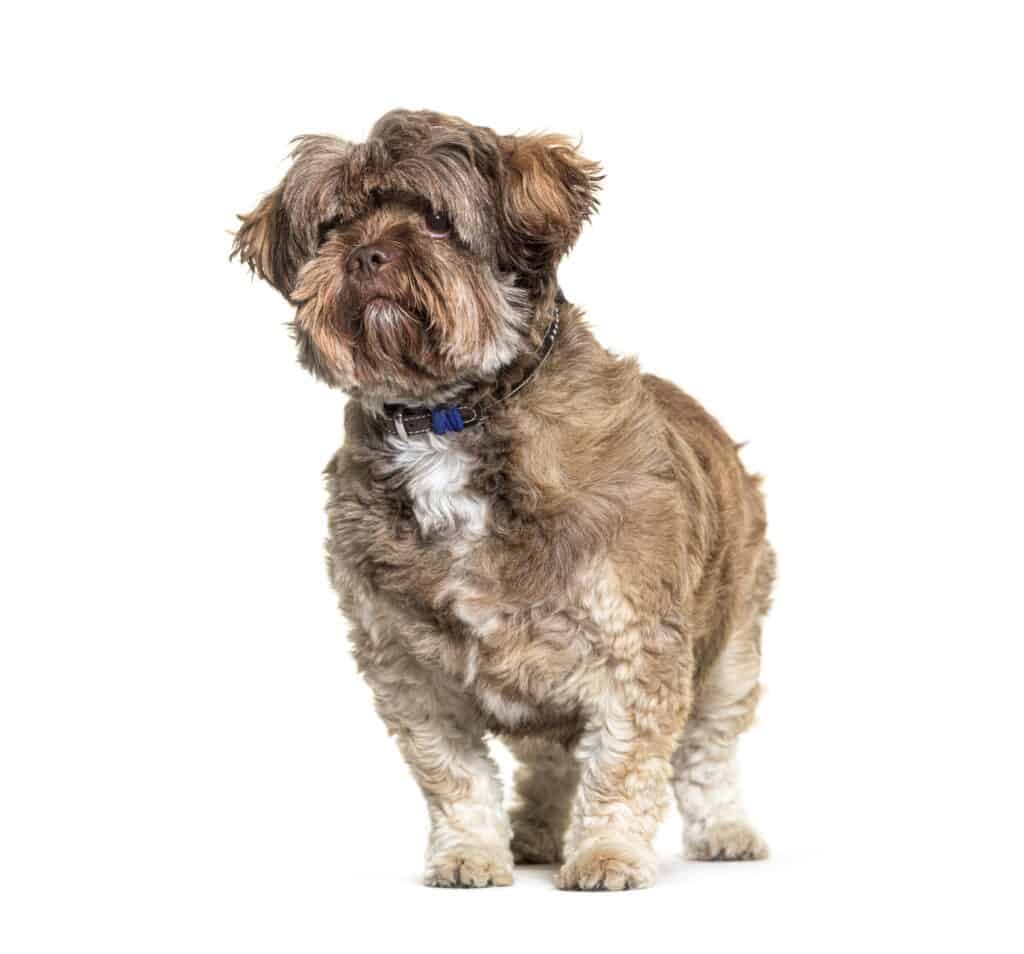
Shichi

The Shichi has the personality of a Chihuahua and the fluffy Shih Tzu coat.

Shih Tzu Mixes and Children

These dogs are often outstanding with children. Shih Tzus are generally known for their friendly, outgoing personalities, and many Shih Tzu mixes inherit these traits from their parent breed. This can make them well-suited to families with children. However, this can vary depending on the specific mix and the individual dog. It also has to do with the age of the dog. Puppies raised together with children get used to their ways and adjust much better than older dogs placed into a home with chaotic toddlers who may pull hair and ears or hit with toys. It is important to remember that all dogs are individuals and can have different personalities and temperaments. It is always a good idea to supervise interactions between children and dogs, regardless of breed, to ensure that everyone stays safe and happy.

Similar Dog Breeds

  • Havanese: Havanese are larger than Shih Tzus and have shorter, wavier coats that are easier to care for. Both are friendly dogs that do well with people of all ages.
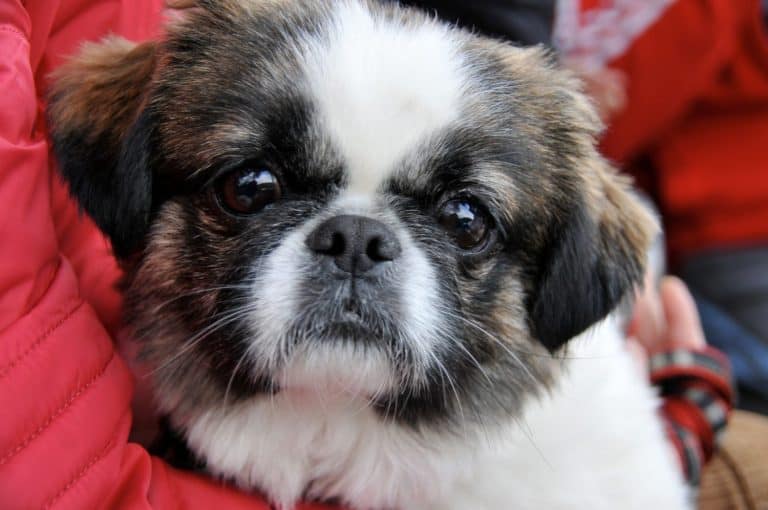
  • Pekingese: This is a toy breed like the Shih Tzu, though a little larger. It has a similar personality and similar grooming needs.
  • Maltese: Maltese are a smaller toy breed than the Shih Tzu, weighing only 4 to 7 pounds. They have long, silky coats that are easier to care for than the thick coats of Shih Tzus.
View all 391 animals that start with S

Sources

  1. PetMD / Accessed December 14, 2022
  2. Dogtime / Accessed December 14, 2022
  3. Petfinder / Accessed December 14, 2022
  4. Wikipedia / Accessed December 14, 2022
  5. Hillspet / Accessed December 14, 2022
  6. Dogbreeds911 / Accessed December 14, 2022
Drew Wood

About the Author

Drew Wood

Drew is a college professor and freelance writer who graduated from the University of Virginia. His travels have taken him to 25 countries and 44 states, where he has enjoyed learning about wildlife in a wide range of environments. In addition to his love of animals, he enjoys scary movies, landscaping, strategy games, and philosophical discussions over a cup of coffee. He is also an emotional support human to a neurotic Spanish Water Dog and a hyperactive Chihuahua mix.

Thank you for reading! Have some feedback for us?


Shih Tzu Mix FAQs (Frequently Asked Questions)

Shih Tzu puppies cost $800-$1,200. Annual upkeep is about $650.