







T
Species Profile

Teacup Maltese

Canis lupus familiaris

Tiny Maltese, huge companion heart
Plernz/Shutterstock.com

Teacup Maltese Distribution

Click a location to explore more animals from that region

Origin Location

This map shows the native origin of the Teacup Maltese. As a domesticated species, they are now found worldwide.

Loading map...

Size Comparison

Human 5'8"
Teacup Maltese 7 in

Teacup Maltese stands at 10% of average human height.

Teacup Maltese

At a Glance

Domesticated
Also Known As Maltese dog, Maltese lapdog, Maltese terrier, Bichon Maltais
Diet Omnivore
Activity Diurnal+
Lifespan 4 years
Weight 2.5 lbs
Status Not Evaluated
Did You Know?

"Teacup" is not an official Maltese size category-major kennel clubs recognize one Maltese breed standard.

Scientific Classification

A very small companion dog marketed as a "teacup" version of the Maltese—typically a Maltese bred or selected for unusually low adult body size; the underlying breed is Maltese, within the domestic dog.

Kingdom
Animalia
Phylum
Chordata
Class
Mammalia
Order
Carnivora
Family
Canidae
Genus
Canis
Species
Canis lupus familiaris

Distinguishing Features

  • Toy-sized companion dog; "teacup" indicates smaller-than-standard individuals rather than a separate breed
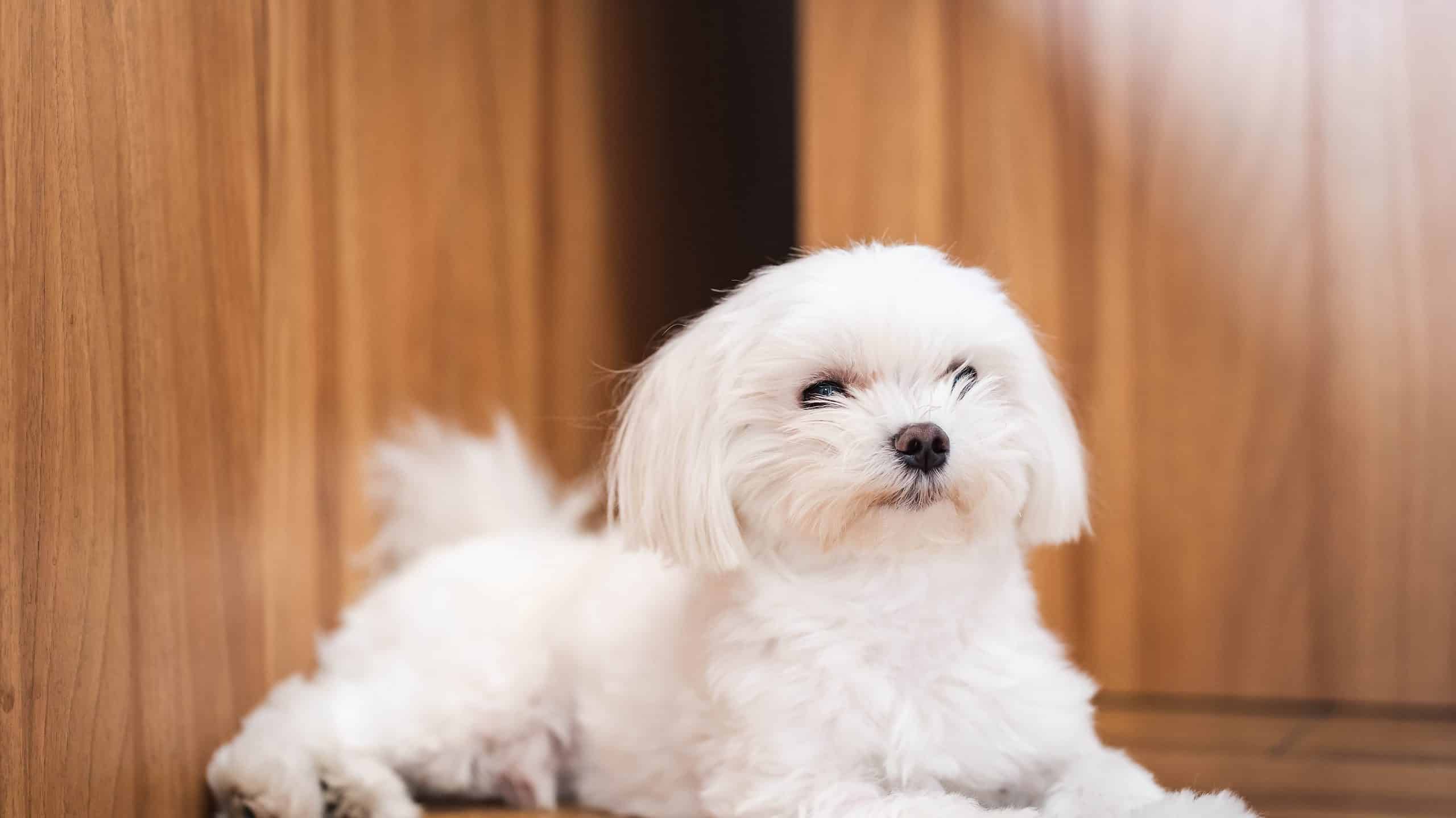
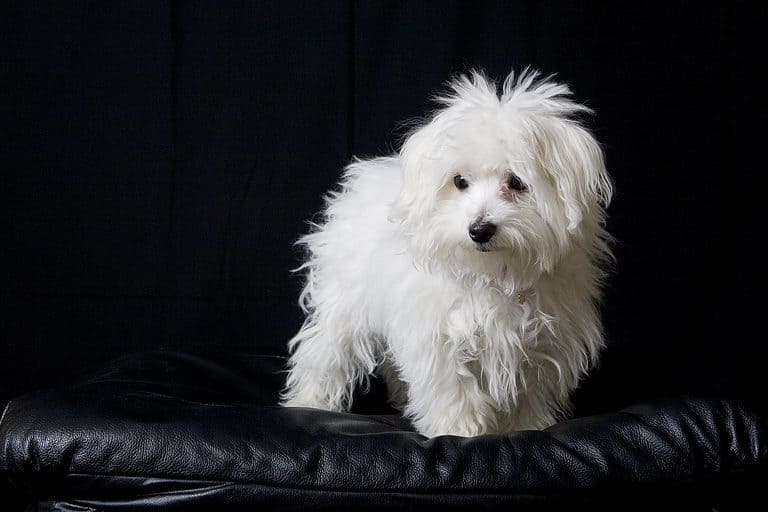
  • Long, straight, silky white coat typical of Maltese
  • Short muzzle with dark eyes/nose; small drop ears
  • Very small body mass compared with standard Maltese (size varies by seller; not formally standardized)

Physical Measurements

Males and females differ in size

Height
♂ 7 in (6 in – 8 in)
♀ 7 in (6 in – 8 in)
Length
♂ 1 ft 4 in (1 ft 2 in – 1 ft 7 in)
Weight
♂ 5 lbs (3 lbs – 7 lbs)
♀ 5 lbs (3 lbs – 6 lbs)
Tail Length
♂ 5 in (4 in – 6 in)
♀ 5 in (4 in – 6 in)
Top Speed
11 mph
running

Appearance

Primary Colors
Secondary Colors
Skin Type Thin, sensitive canine skin under a single, long, silky, low-shedding coat; lightly pigmented skin common under white hair.
Distinctive Features
  • Domestic dog (Canis lupus familiaris) toy companion; "teacup" is an informal marketing label, not a recognized breed/standard.
  • Extremely small adult size selected within Maltese lines; often more fragile than typical Maltese.
  • Long, straight, silky hair (not fur) with minimal undercoat; requires frequent brushing and routine grooming.
  • Drop ears with heavy feathering; large dark round eyes and black nose/eye rims (high contrast on white coat).
  • Compact body, fine bone, short muzzle; prone to tear staining on facial hair.
  • Temperament: affectionate, people-oriented, alert; may be prone to separation stress if over-coddled.
  • Care: protect from cold/heat; use harness (not collar) to reduce tracheal stress; avoid jumping from furniture.
  • Care: frequent small meals for tiny puppies to reduce hypoglycemia risk; monitor weight closely.
  • Health concerns heightened by extreme miniaturization: hypoglycemia, patellar luxation, dental crowding/periodontal disease, tracheal collapse.
  • Additional risks: open fontanel/hydrocephalus, fragile bones, liver shunt (PSS), anesthesia sensitivity; requires vet experienced with toy breeds.
  • Dental care is critical: daily tooth brushing and early professional cleanings due to crowded teeth.
  • Exercise needs modest; short, supervised play and walks, with injury prevention on stairs/slippery floors.

Sexual Dimorphism

Sexual dimorphism is subtle. Males are often slightly larger and more muscular with a broader head, while females tend to be finer-boned and a bit smaller; both sexes share the same coat type and coloration.

♂
  • Slightly heavier body and broader skull/muzzle in many individuals.
  • May show more robust neck and chest for their size.
♀
  • Often finer bone structure and slightly shorter overall stature.
  • May appear more delicate in head and body proportions.

Did You Know?

"Teacup" is not an official Maltese size category-major kennel clubs recognize one Maltese breed standard.

Maltese are famous for a single, long, silky coat (often described as hair-like), which tends to shed less than many double-coated breeds.

The breed's historical name "Melitaean dog" appears in classical writings tied to Mediterranean trade and lap-dog culture.

Compared with the wolf ancestor of domestic dogs, Maltese show extreme neoteny: rounder skull, shorter muzzle, and a strong companion-bonding style.

Very small "teacup" individuals may need more frequent meals because tiny dogs can be prone to low blood sugar (hypoglycemia).

The iconic bright white coat can show tear staining; careful face hygiene is a common routine for owners.

Unique Adaptations

  • Extreme miniaturization (in "teacup" marketed lines) makes the dog highly portable-but also increases risk of injury from drops, rough play, or being stepped on.
  • Silky single coat with minimal undercoat can reduce seasonal shedding, but offers limited insulation-many need warmth in cold weather.
  • Toy-breed jaw proportions can crowd teeth; this drives a strong need for proactive dental care (brushing, vet cleanings).
  • Strong human-directed social adaptation typical of companion breeds: heightened attention to human cues, routines, and reinforcement.

Interesting Behaviors

  • "Velcro dog" bonding: follows a favorite person room-to-room and seeks lap time.
  • Alert watchdog barking despite small size; may vocalize at doors, new sounds, or strangers.
  • Playful "toy" behaviors: carrying small items, quick sprints ("zoomies"), and pouncing games.
  • Affection rituals: face-licking, pawing for attention, and curling into tight "nest" positions for warmth.
  • Sensitive handling: many extra-small individuals startle easily and prefer predictable, gentle interactions.

Cultural Significance

The Maltese is one of the classic Mediterranean lapdogs, celebrated for centuries as a companion in elite households and frequently depicted in European art and literature. The "teacup" label reflects modern fashion-driven demand for ultra-small companion dogs, alongside growing welfare discussions about the risks of breeding for extreme size.

Myths & Legends

In classical tradition, the small "Melitaean" lapdog-often linked with the Maltese-was praised by ancient writers as a cherished companion animal of refined society, carried and pampered as a symbol of status.

Renaissance and later European paintings often place tiny white lapdogs with noblewomen and children as emblems of devotion, gentility, and domestic prosperity-an artistic tradition that helped cement the Maltese's cultural identity as a courtly companion.

Mediterranean seafaring lore and port-city life helped spread small companion dogs through trade routes; stories of prized lapdogs traveling with merchants and aristocrats contributed to the Maltese's long-standing 'traveler's companion' mystique.

Conservation Status

NE Not Evaluated

Has not yet been evaluated against the criteria.

Population Stable

Life Cycle

Birth 2 pups
Lifespan 4 years

Lifespan

In the Wild
2–7 years
In Captivity
10–16 years

Reproduction

Mating System Polygyny
Social Structure Managed Domestic
Breeding Pattern Not Applicable
Fertilization Managed Selective
Birth Type Internal_fertilization

In "teacup" Maltese, reproduction is typically human-managed: a selected stud may sire litters from multiple females, often via timed natural mating or artificial insemination. Extreme small size increases dystocia risk, so pregnancies and deliveries are closely supervised.

Behavior & Ecology

Social Household pack Group: 3
Activity Diurnal, Cathemeral, Crepuscular
Diet Omnivore Highly palatable, energy-dense small-bite foods (e.g., quality wet food or rehydrated kibble with poultry-based protein)

Temperament

Breed vs base species: far more human-dependent than free-ranging dogs; selective bonding is common.
Teacup selection: increased fragility and risk-avoidance; may startle easily around rough handling.
Affectionate lap-dog, playful in short bursts; enjoys interactive games over endurance exercise.
Alert and watchful; can become yappy/territorial without training and controlled exposure.
Sociable with familiar people; cautious with strangers unless early, gentle socialization is consistent.
HUBS (common across teacup/toy companion lines): clinginess, separation anxiety, attention-seeking; varies by training.
HUBS variation: some are bold "big-dog" confident, others are timid; handling and early experiences drive outcomes.
Health-linked behavior concerns: hypoglycemia can cause lethargy/irritability; pain from dental disease increases reactivity.
Common health risks (teacup emphasis): hypoglycemia, tracheal collapse, patellar luxation, dental crowding/periodontal disease.
Other notable risks: open fontanelle, hydrocephalus, portosystemic shunt; low tolerance for cold/heat.
Care needs: frequent small meals for tiny puppies, harness over collar, prevent jumping/falls, supervised around children.
Care needs (coat/skin): daily brushing, regular grooming/eye cleaning; tear staining management and vet dental care.

Communication

high-pitched bark/yip Alerting and attention
whine Contact-seeking, discomfort, separation
growl Resource guarding or fear; often subtle
soft grunts/sighs Contentment
howl Rare; response to sirens/other dogs
close following/leaning Proximity seeking
pawing or nose-nudging Attention requests
licking Affiliation, appeasement
tail carriage and rapid wagging Arousal/intent signaling
freezing/averted gaze Fear; common in tiny individuals
play bow and quick darts Invitation to play
urine marking/scent investigation Territorial and social information

Habitat

Biomes:
Temperate Forest Mediterranean Temperate Grassland Boreal Forest (Taiga) Tundra Alpine Desert Hot Desert Cold Savanna Tropical Dry Forest Tropical Rainforest Freshwater Wetland Marine +8
Terrain:
Coastal Island Plains
Elevation: Up to 16404 ft 3 in

Ecological Role

Domesticated companion omnivore (human-subsidized consumer) with minimal natural predation role; may act as incidental small-pest hunter.

Companionship and social support to humans Incidental control of small pests (rare/limited) Participates in nutrient cycling via waste when managed responsibly

Diet Details

Main Prey:
Dog food Animal-based proteins Dog-safe fruits and vegetables
Other Foods:
Starchy plant foods Vegetables Fruits Commercial dog food

Human Interaction

Domestication Status

Domesticated

Domestic dogs (Canis lupus familiaris) came from gray wolves ~15,000–30,000 years ago and were bred to live with people. The Maltese is an ancient Mediterranean toy companion breed, small with a long coat. 'Teacup' Maltese is not a separate breed; extreme miniatures are bred for tiny size and have increased fragility, low blood sugar, dental crowding, and higher rescue rates.

Danger Level

Low
  • minor bites or nips (often fear-based or pain-related; risk increases with rough handling)
  • scratches from claws during handling
  • zoonotic risks common to dogs (e.g., intestinal parasites) if hygiene/vet care are poor
  • allergic reactions in sensitive people (dander/saliva; not truly hypoallergenic despite low-shedding coats)
  • trip/fall hazards due to very small size (stepping on the dog; owner tripping over the dog)

As a Pet

Suitable as Pet

Legality: Teacup Maltese (Canis lupus familiaris) are usually legal as pets in the United States and most places where dogs are allowed. No special permits are usually needed, but local rules, animal welfare checks, and travel vaccinations or health papers apply.

Care Level: Experienced

Purchase Cost: $2,000 - $7,000
Lifetime Cost: $20,000 - $45,000

Economic Value

Uses:
Companion animal services Pet industry retail (food, grooming, accessories) Veterinary care Breeding and sales (including high-priced miniaturized "teacup" marketing) Dog shows (standard Maltese, not a separate "teacup" class) Training and behavior services Rescue/rehoming and welfare services Therapy/ESA-related services (where temperament and training qualify)
Products:
  • puppy sales and rehoming fees
  • stud services and breeding programs (ethical and unethical)
  • routine grooming (professional grooming, coats/conditioners, brushes, eye-stain cleaning products)
  • specialized small-breed diets and supplements (as directed by a vet)
  • veterinary services (vaccines, dental cleanings/extractions, orthopedic care, emergency care for hypoglycemia/injury)
  • pet carriers, small harnesses, stairs/ramps to reduce jumping injuries
  • insurance policies and wellness plans

Relationships

The Maltese has an ancient lineage. Though it is believed to originate in Malta, many believe it was introduced to Europe by the Phoenicians before the rise of Greece, somewhere before the 5th century BC. From that time forward, it became the must-have dog of historical civilizations, from ancient Greece to the Roman Empire to Chinese culture, which reintroduced it to Europe after the Dark Ages. Its popularity as a tiny companion dog has been a driving factor in developing the teacup version.

It is a cute and cuddly dog; it is an excellent choice for apartment living. It is lovable, fun, and loyal, making it a good family dog, too, though it is best suited for families with responsible older children or no children in the house.

3 Pros and Cons of Owning a Teacup Maltese 

ProsCons
Teacup Maltese are very loving dogs and enjoy being around people.The teacup Maltese is challenging to housebreak, primarily because of their tiny bladder.
With their small size and minimal exercise needs, teacup Maltese are well-suited for apartment living.Like their larger counterparts, teacup Maltese are prone to high levels of separation anxiety and can be destructive when left alone for long periods.
Malteses do not shed much, and the teacup size sheds even less. This is helpful for those who suffer from allergies.Although they do not shed much, teacup Maltese have coats that require quite a bit of brushing and care.

The Best Dog Food For Teacup Maltese

The teacup breeds have tiny mouths, stomachs, and bladders, so they require a specific diet and feeding routine. They need a small amount of food due to their size, and these teacup varieties tend to suffer from low blood sugar issues. Consequently, they should be fed small amounts multiple times a day. That way, they don’t overeat, though they always have enough food for their energy requirements.

Size and Weight

The teacup Maltese has been bred with its tiny stature in mind. As a result, teacup Maltese are among the smallest dogs in the world. Both males and females are approximately 4 to 6 inches tall and weigh 4 to 5 pounds.

Common Health Issues

With such a small frame, one potential hazard for the teacup Maltese is putting on excess weight. Obesity can result in joint problems later in life and cause stress on the heart, back problems, digestive issues, and metabolic issues. Be sure to provide your dog with the proper nutrition, in the proper amounts, at the proper times.

Maltese dogs are also genetically susceptible to a particular heart disorder called patent ductus arteriosus (PDA), where a blood vessel that should close after birth remains open, allowing blood to flow abnormally between the aorta and the pulmonary artery. This can result in excess blood being routed to the lungs, causing fluid buildup and stressing the heart.

Another condition that Maltese are prone to is a liver condition called a portosystemic shunt. PSS results in reduced blood flow to the liver, impeding its growth and function.

Apart from these conditions common to Maltese, teacup Maltese are also physically vulnerable. They are prone to dental problems.

Temperament

Playful, friendly, athletic, and aristocratic, they are lively, loving dogs and are great with children. They want to please and be with their owners. They may be reserved with strangers, but they are friendly dogs.

Teacup Maltese can sometimes be stubborn, which is a result of their intelligence. Still, this intelligence, combined with their desire to please their owner and athleticism, can also make them highly trainable. Larger ones can participate in obedience training and some athletic contests, though teacups may be a bit too fragile.

How To Take Care of a Teacup Maltese  
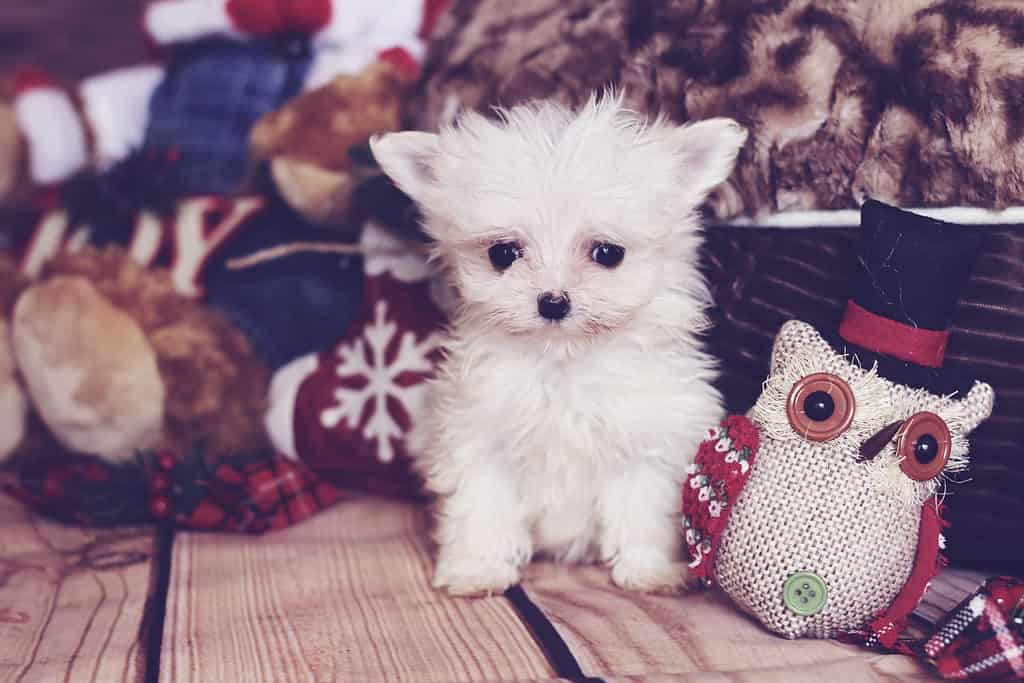
Teacup Maltese

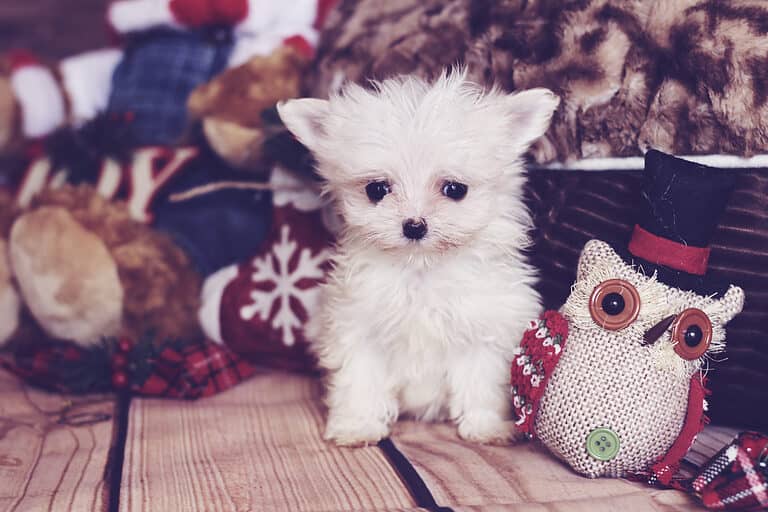
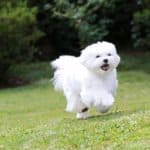
Teacup Maltese are among the smallest dogs in the world.

Maintenance And Grooming 

Their coat doesn’t shed much, which is a plus. The tradeoff, however, is that this coat needs a lot of maintenance and grooming. The Maltese should be brushed daily, and the coat should be cleaned regularly. After a wash, it’s best to include conditioner and blow-dry its hair to keep the coat looking its best.

As with all dogs, they should have their ears checked for wax buildup, debris, pests, scrapes, and scratches. Also, trim the nails regularly. Finally, the dog’s teeth should be brushed daily. This is especially important in small dogs because they are prone to dental problems.

Training

They are intelligent, obedient, loyal, and highly trainable. They respond best to positive reinforcement and gentle treatment. Treats and games are great ways to reinforce desired behavior. The most challenging aspect of training them is probably housebreaking, but that is due to their small bladders.

Exercise 

Though they are relatively high-energy dogs, they require minimal exercise. A daily walk or two and light play throughout the day are more than enough to satisfy their exercise requirements. The most important thing with such a delicate dog is to avoid intense activity that might lead to injuries. Also, pay attention to their diet relative to exercise periods, ensuring they are fed close enough to activity to avoid bouts of low blood sugar.

Puppies 

They are intelligent dogs, and puppy training can begin as soon as they come home. Be patient with them when housebreaking because their bladders are small, and it will take them longer than other dogs to learn this skill. Socializing them with people and other dogs should begin as early as possible, pending immunization periods, to allow them to get used to diverse environments and reduce yapping.

Teacup Maltese And Children

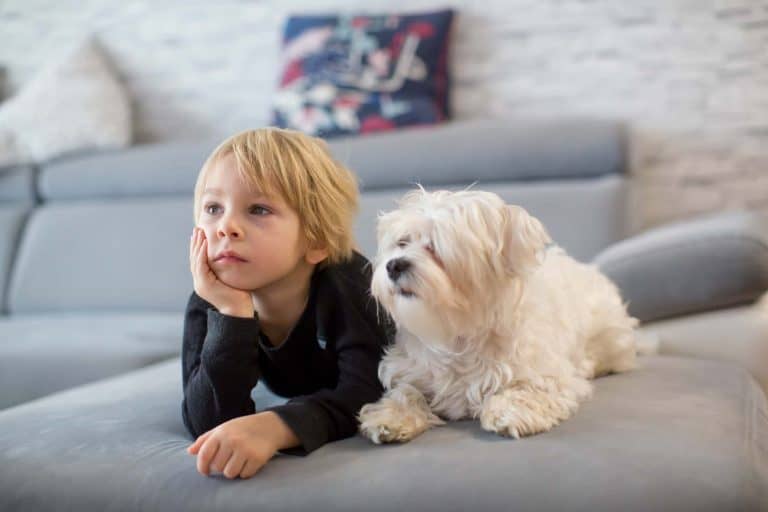
Though it is a loving and gentle dog, they are vulnerable and not fit for homes with small children (babies and toddlers). Even older children should be instructed on how to properly handle a dog if they want to play with a teacup Maltese. These dogs are very likely to be injured if mishandled.

Dogs Similar to Teacup Maltese

  • Bichon Frise: Another tiny, cute dog, the Bichon Frise is also suited to apartment living. It is lovable and playful, yet more energetic than the teacup Maltese. It is also a bit more substantial than the teacup.
  • Biewer Terrier: The Biewer Terrier is approximately the same size as the teacup Maltese. It is an energetic dog that has a beautiful, low-shedding coat.
  • Coton De Tulear: Slightly larger than the teacup Maltese, the Coton De Tulear has a beautiful, soft coat. It is also playful and loving, making it another dog suitable for apartment life.
View all 608 animals that start with T

Sources

  1. Dog Pregnancy Calendar / Accessed January 15, 2023
  2. Puppy In Training / Accessed January 15, 2023
  3. AKC / Accessed January 15, 2023
Rob Amend

About the Author

Rob Amend

Rob Amend is a writer at A-Z Animals, primarily covering meteorology, geology, geography, and animal oddities. He attained a Master's Degree in Library Science in 2000 and served as reference librarian in an urban public library for 22 years. Rob lives in Cincinnati, Ohio, and enjoys spending time with his family, hiking, photography, woodworking, listening to classic rock, and watching classic films—his favorite animal is a six-foot-tall rabbit named Harvey.

Thank you for reading! Have some feedback for us?


Teacup Maltese FAQs (Frequently Asked Questions)

$740 to $2,000 is a common expense for adopting a teacup Maltese.