















Quick Take
- The Poodle's reputation as a pampered show dog hides a history that makes it a surprisingly fitting hunting partner, and that history directly shapes what the Weimardoodle becomes.
- The Weimardoodle's most appealing personality trait comes with a serious hidden downside that every potential owner needs to plan for. See the loyalty tradeoff →
- Being a new breed means the Weimardoodle carries health unknowns that could catch unprepared owners completely off guard. Explore inherited health risks →
- Its intelligence makes training sound easy, though one inherited instinct can quietly derail the whole process if you don't address it early. Address stubbornness early →
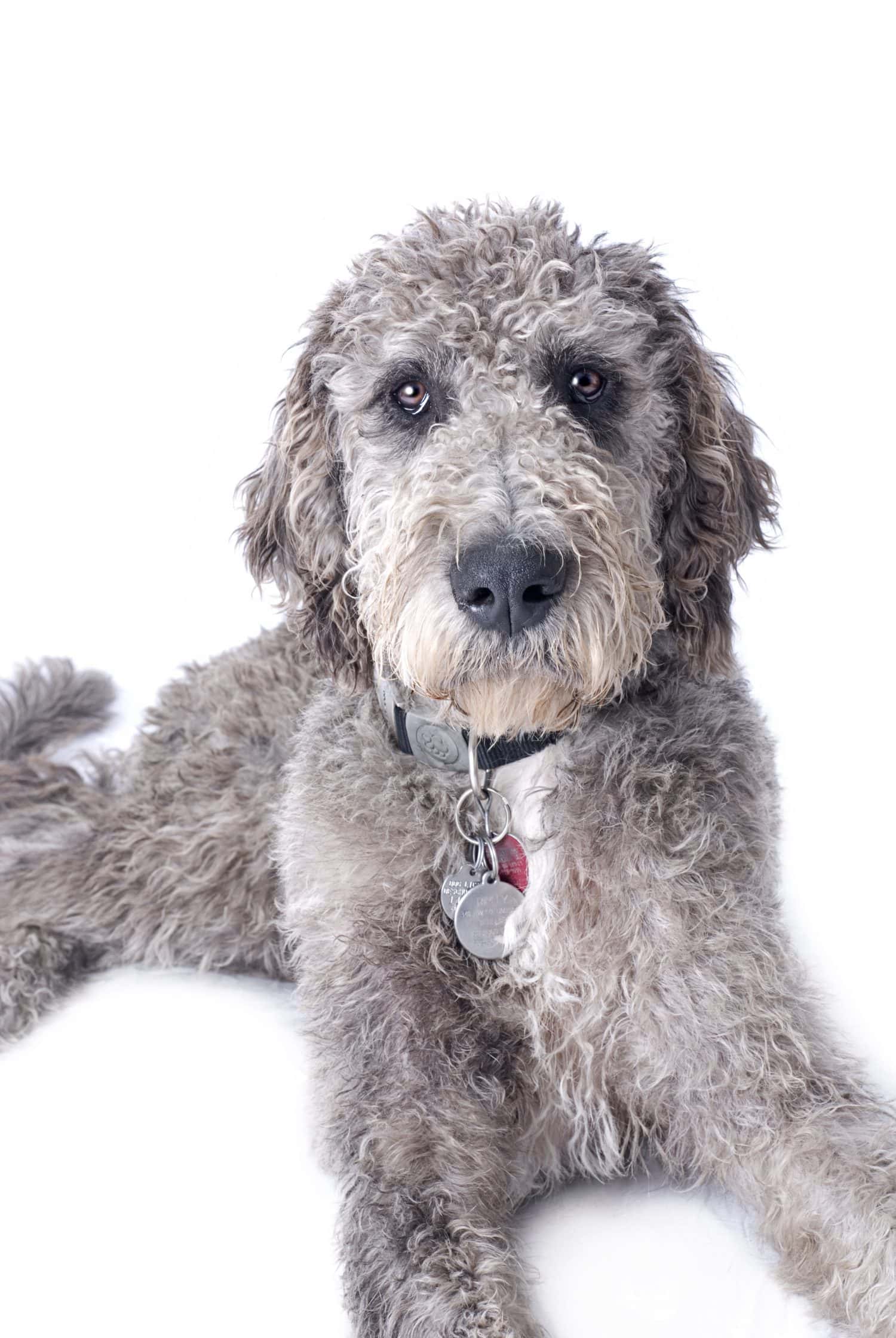
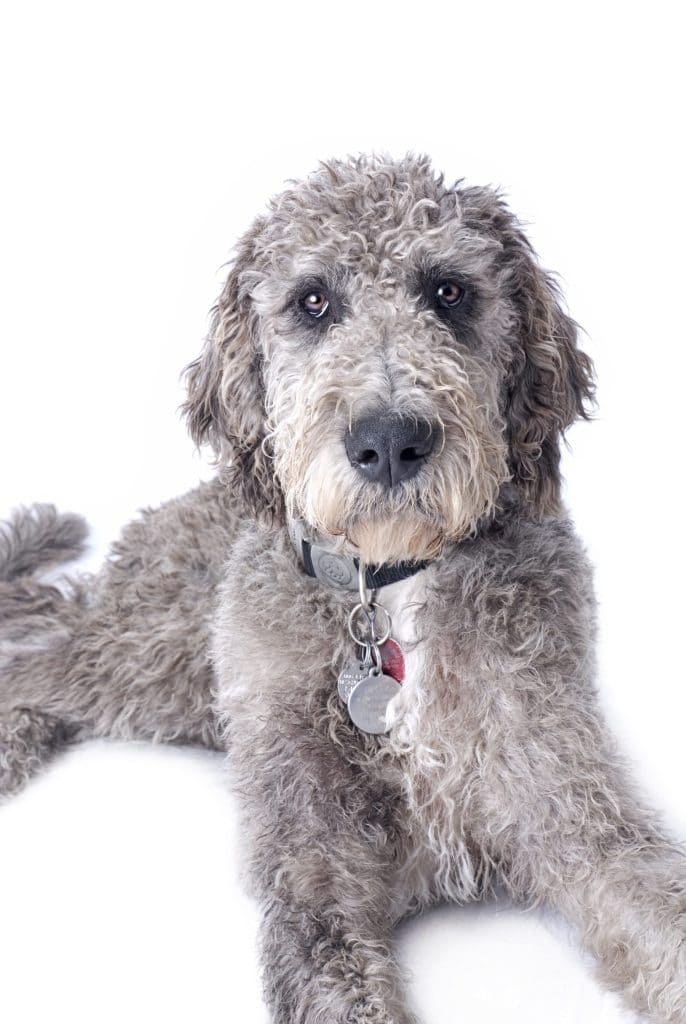
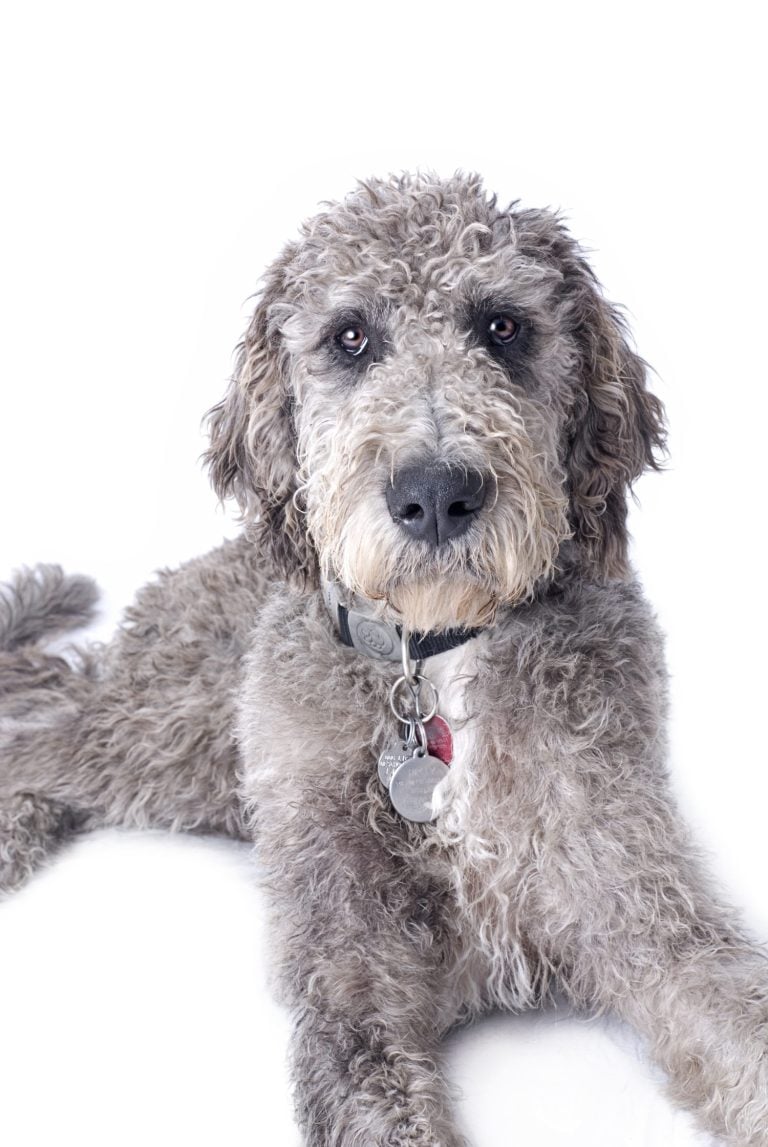
First bred around the turn of the 21st century, the Weimardoodle is a combination of a Weimaraner and a Poodle. This “designer dog” (which means it has two purebred parents) comes from good stock. Both the Weimaraner and Poodle are friendly, athletic, and intelligent breeds, but they do differ physically. While the former breed has a shorter coat of fur, the latter has long, elegant, curly or wavy tufts. When you combine them, you will usually get a dog with a slim physique, a long and narrow muzzle, flapping ears, and a long, furry tail. The coat can come in many different variations between curly/wavy and smooth/coarse. The most common colors are black, white, cream, gray, brown, fawn, and a combination of black and white.
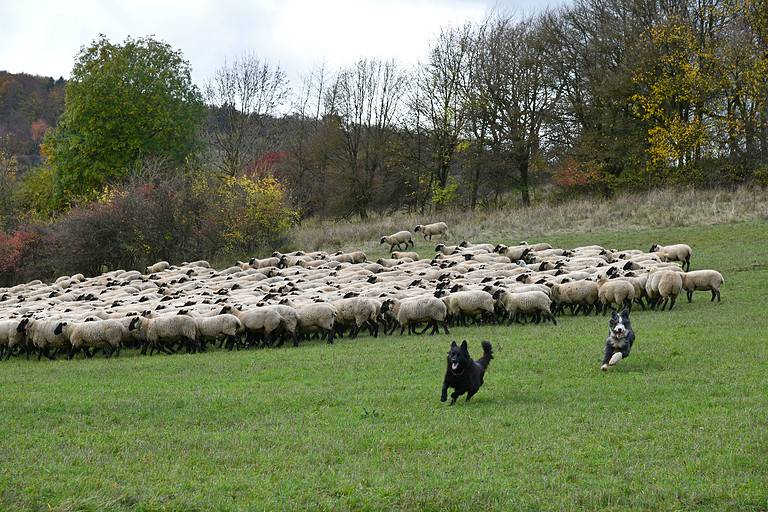
Despite their physical differences, both the Weimaraner and the Poodle were bred in Germany as hunting dogs. The former was a more conventional “gun dog,” while the latter was built to retrieve game from the water with its strong swimming ability. This shared hunting heritage is reflected in the Weimardoodle’s exceptional athleticism.

3 Pros and Cons of Ownership
| Pros | Cons |
|---|---|
| Fiercely loyal: They can form a deep bond with their owner. | Separation Anxiety: They should not be left alone for too long without human companionship. |
| Intelligent: They can learn lots of different human commands and tasks quickly. | Suspicious of Strangers: They need time to become familiar with new faces. |
| Athletic: This mix is very good for owners who want to get plenty of exercise with their dog. | Stubborn: Some individuals may inherit a slight amount of stubbornness from one of their parents. |

Weimardoodles are intelligent and athletic dogs able to form deep bonds with their owners.
©Blumqvist/Shutterstock.com
Size and Weight
The Weimardoodle is a medium-sized dog with a rather sleek and muscular frame. The size of the Weimardoodle usually depends on the size of its Poodle parent, which can come in many different sizes (standard, mini, etc.). While mini Weimaraners exist as well, only the larger dogs tend to be used for the purpose of breeding the Weimardoodle, which doesn’t yet have a mini version.
Males are on average between 22 and 27 inches tall, while females are between 20 and 25 inches tall. Males typically weigh between 50 and 70 lbs, while females weigh 45 to 65 lbs.
Common Health Issues
Since the Weimardoodle is a recent mix, there is unfortunately not a lot of data available about the dog’s health on a population-wide scale. It’s believed that the most common health problems it can inherit from either parent are cancer, hypothyroidism, skin issues, luxating patella (essentially a loose kneecap), bloating, retinal atrophy, and other serious eye conditions.
Some uncommon diseases that could nevertheless cause serious complications include Cushing’s syndrome (overproduction of cortisol), Addison’s disease (insufficient adrenal hormone production), Von Willebrand’s Disease (a bleeding disorder caused by low clotting proteins in the blood), and Legg-Calve-Perthes Disease (reduced blood supply to the hip joint). Some of these are very serious genetic disorders and should be identified early to give your dog the best opportunity at a good quality of life. If serious health problems are avoided, then you can expect the Weimardoodle to have a decent lifespan of some 10 to 13 years.
Temperament
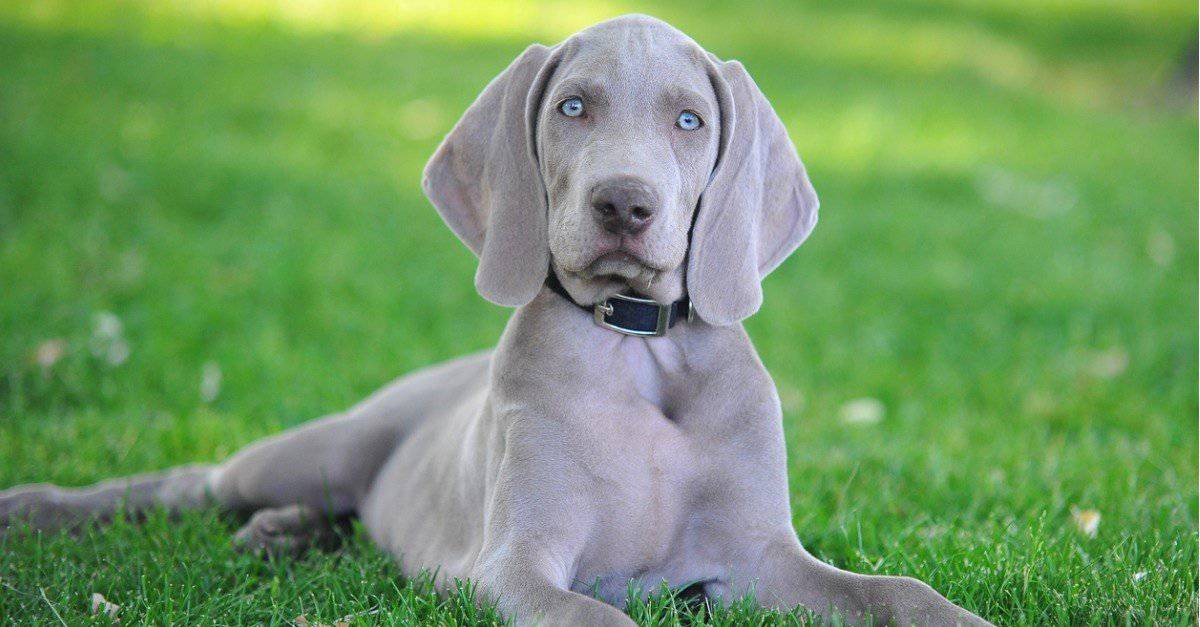
The Weimaraner, one of the parent dogs of the Weimardoodle, is a German hunting dog.
©iStock.com/alberto clemares expósito
The Weimardoodle is a very loyal companion that forms a strong attachment with its owner. Since it really thrives on constant physical or mental stimulation, it should be given a variety of different activities to do. However, if not properly socialized from an early age, then it may develop some anti-social behaviors, including a deep suspicion of strangers, which can take time and effort to overcome. As a highly athletic mix, this dog does best in homes with large yards. However, it can adapt to apartment living as long as it receives enough outdoor activity. This is not exactly a low-maintenance breed, but many people will enjoy its friendly personality and temperament.
Care
Potential owners should be aware that the Weimardoodle will require significant responsibility, as it needs daily exercise and grooming. As a puppy, this mix should have an early health checkup at the vet, and annual visits are recommended after that for routine physical examinations and tests. If you ever need tips about how to take care of your dog, then you should consult with your vet.
Best Dog Food
The Weimardoodle needs around 2.5 cups of high-quality dog food a day to support its active lifestyle. However, the exact amount will almost certainly vary with the dog’s age, size, and activity level. If you notice your dog gaining weight, then you should cut back on the number of calories in its diet.
The full extent of this new breed’s health profile is still somewhat uncertain. Be sure to mention your dog’s diet at its regular vet appointments to make sure it’s getting the best nutrition possible to keep any health conditions in check.
Maintenance and Grooming
The amount of grooming required by this dog will, of course, depend on the length and quality of the coat it inherits from the parents. If it inherits the longer coat of the Poodle, then your dog will probably need to be brushed several times a week to prevent matting and tangling. You should also plan to have the coat trimmed several times a year, preferably by a professional. Fortunately, this breed sheds very little. Among other grooming tips, you should bathe the dog with a delicate shampoo whenever it becomes excessively dirty, clean its ears at least once a week to prevent infections, trim its nails whenever they grow long, and gently brush its teeth at least three times a week to prevent dental problems and bad breath.
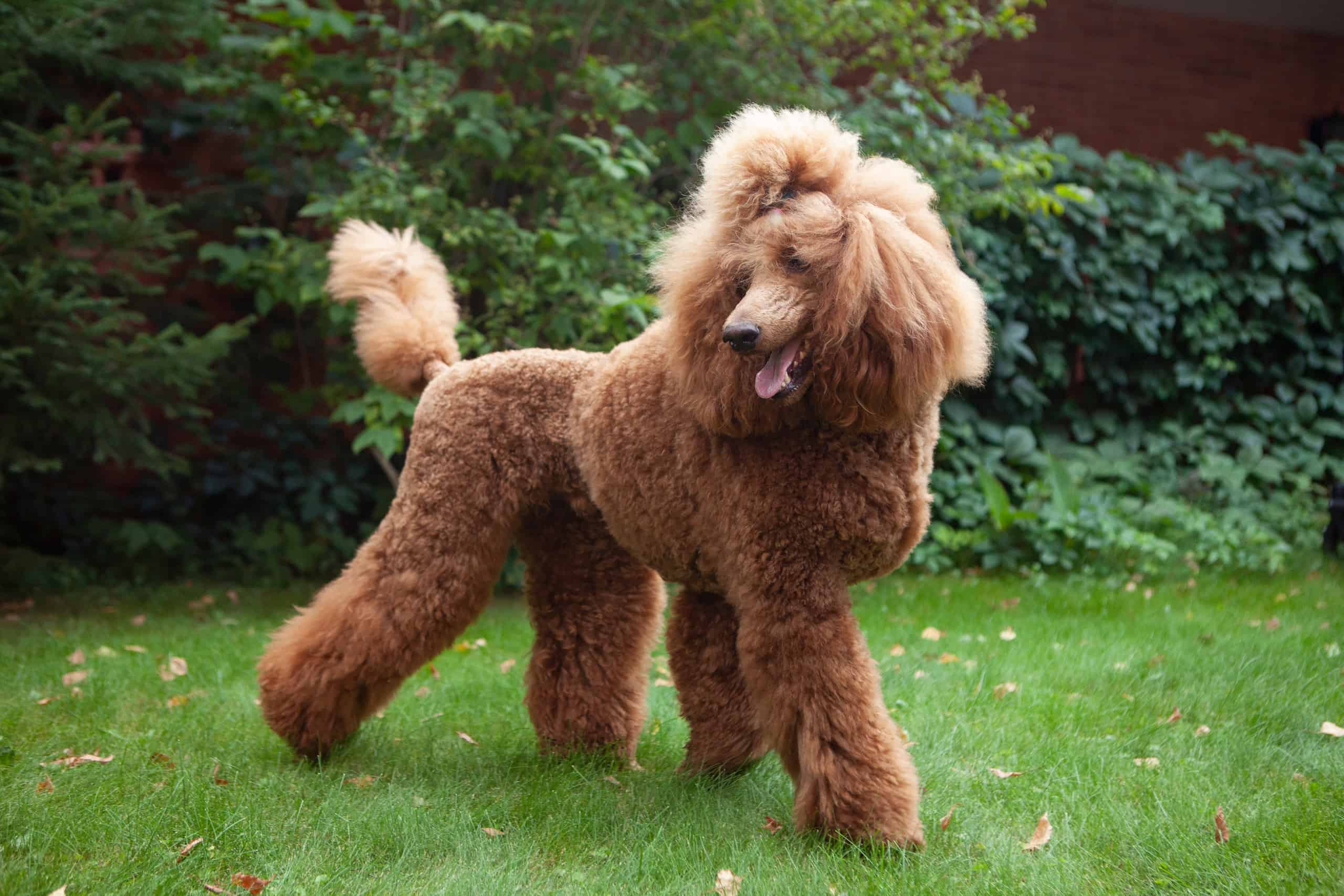
Poodles were originally bred for hunting, as was the Weimaraner, and they pass on this heritage to the Weimardoodle mix.
©Diana Kellior/Shutterstock.com
Training
The Weimardoodle is an intelligent, curious breed that responds well to human guidance. It will need a firm, consistent, and friendly hand to overcome some of its strong hunting instincts and stubbornness, which it may inherit from its parents. It responds best to positive reinforcement methods such as praise and treats. If you need some help, then you can take your dog to a professional trainer. For best results, this should be done as early as possible in the dog’s life to help it become properly socialized around new people and dogs.
Exercise
The Weimardoodle is an energetic dog that needs at least an hour of exercise per day. Around 30 to 45 minutes of this should come from daily walks or runs, so it is highly encouraged that you have some kind of yard or park nearby in which the dog can freely roam. This dog also enjoys fetching, swimming, and toy time to keep it engaged.
Puppies
As with any other type of dog, it is a good idea to obtain Weimardoodle puppies from a high-quality breeder. Such breeders select only the best dogs for breeding purposes to minimize the chances of genetic disorders arising. If necessary, ask for documentation about the parent dogs. Another good option is a rescue group. While there are no specific Weimardoodle rescue groups available, you might be able to find this dog at a Weimaraner or Poodle rescue agency that carries mixes. Since the Weimardoodle is a mix between two breeds, the puppy may have a large range of potential traits that will only become apparent with time. That makes it even more important that you do your homework before purchasing one.
Children
The Weimardoodle should get along very well with children of all ages. Its gentle but energetic and fun-loving demeanor is perfect for a family companion, and if you have more than one kid in your home, they can take turns caring for it. Just make sure an adult is present to supervise interactions between your dog and younger children.
Similar Dogs
If you are a fan of the Weimardoodle, then you might want to check out its two parent breeds, the Weimaraner and the Poodle. Several other types of dogs bear a strong similarity to the Weimardoodle.
- Boxerdoodle: A cross between a Boxer and a Poodle, the Boxerdoodle is a medium-sized dog with a friendly, playful, and intelligent demeanor. The coat of fur is normally at least somewhat wavy, but it can vary in length between long and short. This energetic mix may need some space to roam around freely.
- Labradoodle: One of the most popular designer dogs in the world, the Labradoodle inherits many of the same traits as its parents, the Labrador retriever and the Poodle. This intelligent, friendly, versatile mix is a great family companion as well as a good service dog.
- Golden Retriever: Originally bred to retrieve ducks and game birds on hunting trips, the golden retriever has all the qualities of a good companion. It’s friendly, outgoing, intelligent, athletic, and very eager to please. This versatile purebred can also serve as an excellent guide dog and search and rescue dog.
Weimardoodle Pictures
View all of our Weimardoodle pictures in the gallery.

Blumqvist/Shutterstock.com
Sources
- The Happy Puppy Site / Accessed March 11, 2021
- Dogzone / Accessed March 11, 2021