


A
Species Profile

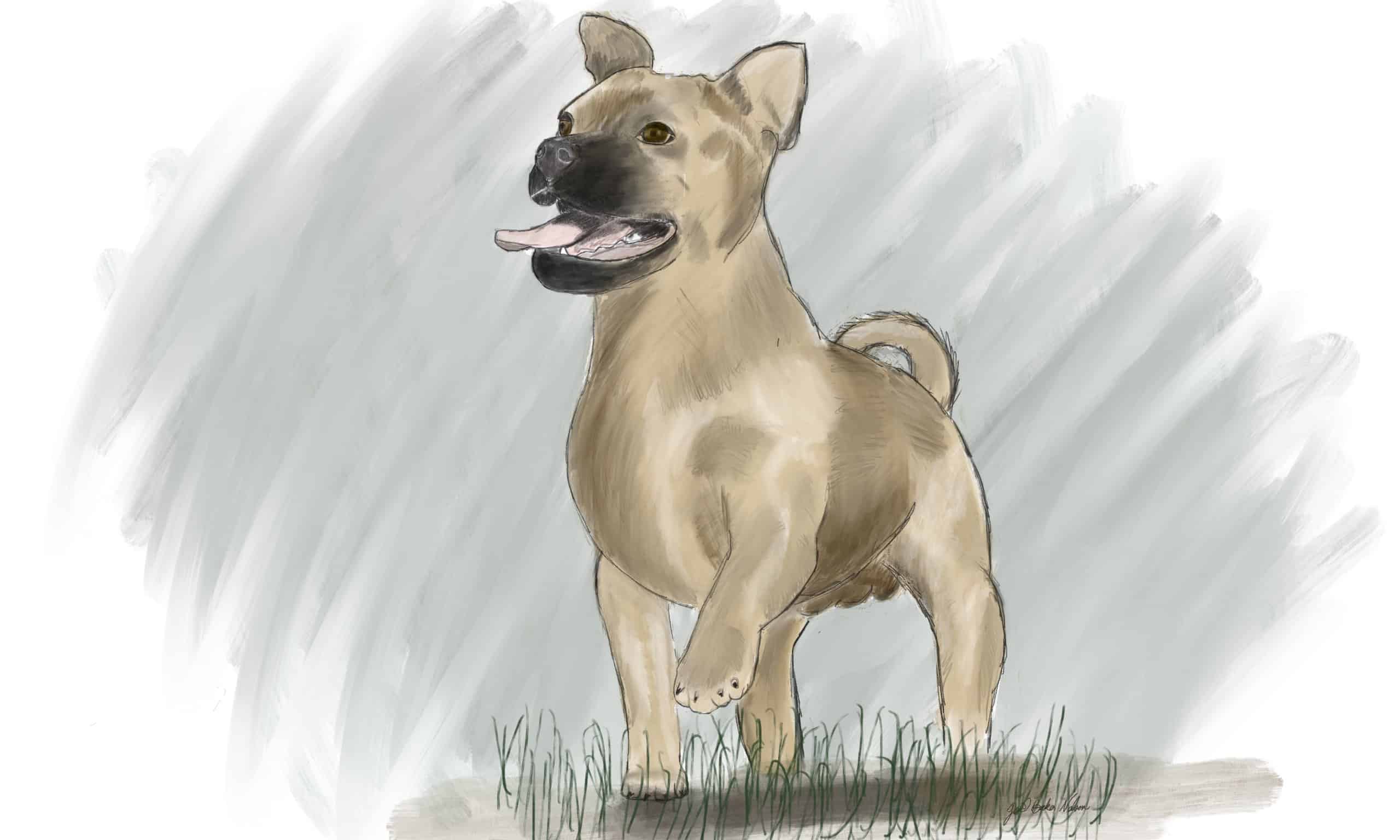
American Pugabull

Canis lupus familiaris

Pug charm, Bulldog brawn.

American Pugabull Distribution

Click a location to explore more animals from that region

Origin Location

This map shows the native origin of the American Pugabull. As a domesticated species, they are now found worldwide.

Loading map...

Size Comparison

Human 5'8"
American Pugabull 1 ft 6 in

American Pugabull stands at 26% of average human height.

At a Glance

Domesticated
Diet Omnivore
Activity Diurnal+
Lifespan 5 years
Weight 36 lbs
Status Not Evaluated
Did You Know?

Not a standardized kennel-club breed-two American Pugabulls can look quite different.

Scientific Classification

The American Pugabull is a mixed-breed domestic dog, most often produced by crossing a Pug (brachycephalic toy breed) with an American Bulldog (large mastiff-type bulldog). As a designer cross, it is not a standardized kennel-club breed and appearance/temperament can vary widely by parentage.

Kingdom
Animalia
Phylum
Chordata
Class
Mammalia
Order
Carnivora
Family
Canidae
Genus
Canis
Species
Canis lupus

Distinguishing Features

  • Mixed-breed dog: Pug × American Bulldog ancestry (most common usage)
  • Often brachycephalic (short muzzle) to varying degrees; facial wrinkles may be present
  • Stocky, muscular build; size highly variable (can range from medium to large)
  • Short coat common; coloration varies (fawn, brindle, white, black, mixed)
  • Temperament often described as affectionate and people-oriented, with potential for strong, active bulldog-type energy

Physical Measurements

Males and females differ in size

Height
1 ft 8 in (1 ft 4 in – 1 ft 11 in)
1 ft 4 in (1 ft 1 in – 1 ft 7 in)
Length
2 ft 7 in (1 ft 12 in – 3 ft 1 in)
2 ft 4 in (1 ft 12 in – 2 ft 8 in)
Weight
57 lbs (40 lbs – 75 lbs)
44 lbs (31 lbs – 60 lbs)
Tail Length
6 in (4 in – 10 in)
7 in (4 in – 10 in)
Top Speed
20 mph
Lower top speed than many

Appearance

Primary Colors
Secondary Colors
Skin Type Short, close coat with moderately thick skin; facial and body skin folds may be present (especially if Pug traits dominate). Skin can be sensitive, with higher risk of irritation in folds and around the muzzle.
Distinctive Features
  • Domestic dog crossbreed (Pug × American Bulldog); not a standardized kennel-club breed-adult size, head shape, and muzzle length can vary widely depending on which parent traits dominate.
  • Build typically stocky and muscular (bulldog-type), with a broad chest; may be smaller/compact if more Pug-like or medium-to-large if more American Bulldog-like.
  • Head often broad with pronounced cheeks; muzzle ranges from moderately short to clearly brachycephalic. Shorter muzzles increase breathing and heat-stress risk.
  • Eyes may be prominent/rounder (Pug influence), increasing risk of irritation or injury; monitor for redness, dryness, or trauma.
  • Tail may be straight, slightly curved, or partially curled; curl is more likely with stronger Pug inheritance.
  • Health risks vary with body shape: brachycephalic obstructive airway syndrome (short muzzle, stenotic nares), heat sensitivity and poor exercise tolerance, skin-fold dermatitis with yeast/bacterial infections, obesity risk, and hip/elbow dysplasia.
  • Keep body lean to lower airway and joint stress. Avoid hard exercise in heat; provide cool air and water. Clean and dry skin folds. Use a harness for short muzzles. Check nails, ears, skin often.
  • Training/socialization: typically strong-bodied and potentially stubborn; consistent positive-reinforcement training, early socialization, and impulse-control work are important. Temperament is highly influenced by environment and handling rather than being fixed by the mix.

Sexual Dimorphism

Males are often larger and more muscular with broader heads/neck, but size and proportions vary widely due to mixed parentage and individual genetics.

  • Often heavier bone and more pronounced musculature in shoulders/neck (bulldog-type build).
  • May have a broader skull and thicker neck; overall larger frame on average.
  • Often slightly smaller with a lighter frame and less pronounced neck/shoulder bulk.
  • May appear more compact and refined, though still sturdy; differences are subtle in some individuals.

Did You Know?

Not a standardized kennel-club breed-two American Pugabulls can look quite different.

Adult size can range from sturdy medium to large depending on which parent's genes dominate.

Muzzle length varies: some inherit the Pug's short face (more snorting), others a longer Bulldog-like muzzle (often easier breathing).

Many have a "clownish" Pug-style personality in a tougher, athletic bulldog frame.

Wrinkles and skin folds can appear-cute, but they may need regular cleaning to prevent irritation.

Like all dogs (Canis lupus familiaris), they read human gestures well and thrive on social contact and routine.

Unique Adaptations

  • Domestic-dog specialization: compared with wild Canis lupus, this breed type is selected for human companionship, trainability, and tolerance of close living.
  • Variable brachycephaly: shortened skull and muzzle can create a "baby-faced" look that people find appealing, but may reduce airflow efficiency-care and environment must compensate.
  • Powerful front end (often from American Bulldog lineage): well-suited for strength-based play and short, intense activity rather than endurance running.
  • Facial wrinkles/skin folds (if inherited) can protect skin from minor abrasions but require hygiene to prevent moisture-trapping dermatitis.
  • High social attunement typical of dogs: strong responsiveness to tone, gaze, and routines-enables effective positive-reinforcement training.

Interesting Behaviors

  • "Shadowing" their person: strong companion-dog tendencies can lead to following owners room-to-room.
  • Play style often mixes bursty "zoomies" with bulldog-style wrestling and tug-supervise with smaller pets and teach polite play.
  • Snorts, grunts, and "talky" noises are common if the Pug side contributes a shorter muzzle.
  • Sitting/leaning on people: many bulldog-type mixes show affection by leaning their weight into trusted humans.
  • Guard-alert barking: they may announce visitors, then quickly switch to friendly greetings if well socialized.
  • Heat-avoidance self-regulation: seeking cool floors, lying spread-eagle ("splooting"), and pausing frequently on warm days-especially in short-muzzled individuals.

Cultural Significance

The American Pugabull (Canis lupus familiaris) is a designer mix of Pug and American Bulldog made for family companionship. It shows the shift from working dogs to pets and raises issues about breeding, brachycephalic health, socialization, and owner fit.

Myths & Legends

Bulldogs in Western lore are often treated as symbols of grit and steadfast courage-an image that carried from bull-baiting-era stories into later patriotic and sporting mascots, shaping how bulldog-type dogs are perceived in popular culture.

Pugs have long been wrapped in palace-and-privilege associations: European accounts from the 16th-18th centuries portray them as favored lapdogs of aristocracy, reinforcing the breed's enduring "royal companion" image.

A famous origin tale from the House of Orange in the Netherlands says a Pug named Pompey warned a prince of assassins by barking, making Pugs known as loyal little guardians.

American Bulldog-type dogs are frequently linked to rural American homestead narratives-stories of farm guardians and catch dogs-feeding a cultural tradition of the 'all-purpose' tough family protector.

As with many mixed breeds, shelter and rescue communities share modern 'origin stories' of individual dogs-personal legends about resilience and second chances-which often become the strongest cultural narratives around American Pugabulls.

Conservation Status

NE Not Evaluated

Has not yet been evaluated against the criteria.

Population Stable

Life Cycle

Birth 6 pups
Lifespan 5 years

Lifespan

In the Wild
3–7 years
In Captivity
10–13 years

Reproduction

Mating System Promiscuity
Social Structure Managed Domestic
Breeding Pattern Transient
Fertilization Managed Selective
Birth Type Internal_fertilization

American Pugabull (Pug × American Bulldog) is a human-managed cross of domestic dog (Canis lupus familiaris). Breeding follows the species' natural multiple-mate pattern but is planned by owners. Watch brachycephaly and size-mismatch whelping risks; use larger dam and pre-breeding checks.

Behavior & Ecology

Social Pack Group: 3
Activity Diurnal, Crepuscular, Cathemeral
Diet Omnivore Meat-forward, highly palatable foods (e.g., chicken or beef-based complete dog diet; small lean-meat treats).

Temperament

HUBS baseline (domestic dog context): highly social with humans; behavior is shaped more by training, socialization, and household routine than by wild-type ecology.
Affectionate, "velcro" tendencies; often seeks physical contact and proximity (more common in Pug-leaning individuals).
Confident and sometimes stubborn; benefits from consistent positive reinforcement and short, engaging sessions (can inherit Pug stubbornness and Bulldog independence).
Playful with moderate energy; bursts of activity followed by rest are common. Exercise needs vary widely with size and muzzle length.
Protective/alerting behavior can be notable (more common in American Bulldog-leaning individuals); early socialization reduces reactivity toward strangers or unfamiliar dogs.
Potential dog selectivity: may be friendly and social, but some individuals show same-sex intolerance or rough play style; supervised introductions are recommended.
Health/behavior-linked concerns: brachycephalic features can drive heat intolerance and exercise limits; may snore/snort and fatigue quickly in warm/humid conditions.
Plan for breathing problems (brachycephalic airway syndrome) in short-muzzled dogs; obesity (common in Pugs); hip/elbow dysplasia and knee ligament injuries (Bulldog build); skin-fold infections, allergies, and eye irritation.
Care requirements (behavior-relevant): avoid overheating (shade, water, no intense exercise in heat), maintain lean body condition, provide structured enrichment (chewing, puzzle feeding), and emphasize polite greeting/impulse control to manage strength and enthusiasm.
Handling sensitivity varies: many tolerate gentle handling well, but some dislike face/ear manipulation; cooperative care training is beneficial, especially for skin folds, nails, and vet exams.

Communication

Barking for alerting/attention; intensity varies by individual and training.
Snorts, snuffles, and nasal sounds common in Pug-leaning or brachycephalic individuals.
Grumbles/growls during play or when guarding valued items; context-dependent and should be interpreted alongside body language.
Whining/whimpering for attention, separation distress, or discomfort.
Howling is uncommon but possible More likely in individuals with higher general canine vocal responsiveness
Rich facial/body language (stiffening, leaning, play-bow, head turns); brachycephalic facial structure may reduce visible lip cues, so posture and movement become especially important for reading intent.
Physical contact signaling: pawing, nudging, leaning, climbing into laps; common attention-seeking behavior.
Scent communication typical of domestic dogs: sniffing, urine marking, and investigation of social odors; marking may increase with stress or presence of other dogs.
Mouth-based communication in play (rough-and-tumble); requires early bite inhibition training and appropriate play partners.
Resource signaling: hovering over food/toys, blocking, or freezing-manage with training, trading games, and predictable routines to prevent guarding escalation.
Human-directed gaze and following: strong tendency to look to caregivers for cues; responds well to clear routines and consistent reinforcement.

Habitat

Biomes:
Temperate Forest Temperate Grassland Mediterranean Desert Hot Desert Cold Boreal Forest (Taiga) Tundra Alpine Tropical Dry Forest Savanna Tropical Rainforest Freshwater Wetland Marine +8
Terrain:
Plains Hilly Coastal Valley Plateau Mountainous Island Riverine +2
Elevation: Up to 16404 ft 3 in

Ecological Role

Domesticated commensal omnivore and companion animal; minor predator/scavenger in human environments.

rodent deterrence and occasional pest control scavenging of food scraps in unmanaged settings (can reduce some organic waste but may also create conflict) human companionship and social/working roles (guarding/alerting depending on temperament) acts as a host in urban/suburban parasite ecosystems - necessitating responsible preventive care

Diet Details

Main Prey:
Rodents Rabbit Squirrel Small birds Insects Carrion and food waste
Other Foods:
Berries and other fruits Leafy vegetables Starchy vegetables grasses

Human Interaction

Domestication Status

Domesticated

Canis lupus familiaris — domestic dog from gray wolves — kept as pets and workers. The American Pugabull, a Pug × American Bulldog cross, varies in size, head shape, strength, and temperament. Often affectionate and playful but stubborn. Needs early socialization, reward training, moderate exercise, weight control, and watch for breathing, skin, eye, joint and heat problems; supervise small children.

Danger Level

Moderate
  • Bite risk typical of domestic dogs; increased concern if under-socialized, poorly supervised, or mishandled
  • Injury from strength/jumping/rough play (often a management issue with medium-large, muscular individuals)
  • Resource guarding or dog-dog reactivity can occur depending on lineage and training
  • Heat-stress emergencies during exercise or hot weather if brachycephalic
  • Zoonotic risks are low but include parasites/pathogens (e.g., roundworms, fleas/ticks) without routine preventive care

As a Pet

Suitable as Pet

Legality: American Pugabull (Canis lupus familiaris) is usually legal as a pet, but local laws may limit bulldog-type breeds, size, behavior, or appearance. Leash, shots, and license rules apply. Check city, landlord, HOA, and insurance.

Care Level: Moderate

Purchase Cost: $200 - $1,500
Lifetime Cost: $15,000 - $45,000

Economic Value

Uses:
Companion animal industry Veterinary and preventive care Training/behavior services Pet retail (food, equipment, grooming) Animal welfare/adoption services
Products:
  • Companionship and family pet roles
  • Potential informal guarding/deterrence role (varies by individual)
  • Adoption/rescue placements or breeder/owner-to-owner sales typical of mixed breeds
  • Ancillary services: training classes, daycare/boarding, grooming, veterinary management of airway/skin/orthopedic issues

Relationships

The American Pugabull is a mix between a Pug and an American Bulldog. It inherits its social and bubbly personality from the Pug, and its protective and devoted nature comes from the latter.

Because the American Pugabull has a great mixture of characteristics, it makes a perfect family pet. Still, they also do well with apartment living, making them perfect for single people looking for some company.

American Pugabulls make excellent guard dogs because of their loyal and protective nature, and they won’t hesitate to bark at unwanted visitors. Unfortunately, they will bark at pretty much anyone who approaches your door, so they must socialize with animals and people from a young age.

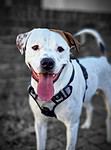
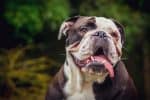
Pugabulls are a mix of an American bulldog and a pug.

Fun Fact About the American Pugabull

The American Pugabull is a medium-sized dogs that weigh between 25 to 70 pounds, and their height measures 12 to 20 inches at the shoulder.

Three Pros and Cons of Owning an American Pugabull

ProsCons
Great family dogsProne to respiratory health issues
Easy to groomNot suited to cold weather
Great guard dogProne to joint issues

The Best Dog Food For American Pugabulls

Feeding your American Pugabull with high-quality dog food is the best choice you can make for your furry companion. Because they are medium-sized dogs with a moderate energy level, they need nutrients that will keep them going for years.

American Pugabulls can inherit their love of food from their Bulldog side, but their bodies and joints aren’t equipped to carry a large load, and they will start to break down if your dog is overweight. So, to avoid this, you must constantly monitor their diets and ensure they are not overeating. An example of a good meal plan would be three small meals daily, rather than leaving an abundance of food out all day. In addition, find natural kibble or canned food that contains minimal carbohydrates and fillers, and go for something high in protein.

Another factor to consider is that most American Pugabulls have a brachycephalic face (flat snout) like their Pug parents. This makes eating uncomfortable, and they often need to gasp for air, which leads to flatulence.

Luckily, some fantastic dog bowls on the market are designed especially for brachycephalic breeds; they tilt slightly, which helps the dog access the food easily.

American Pugabull  Size and Weight

Because they are a mix of two very different breeds, the American Pugabull’s size and weight can vary depending on what genes they inherit from their parents.

However, they are generally medium-sized dogs that weigh between 25 to 70 pounds, and their height measures 12 to 20 inches at the shoulder.

American Pugabull Common Health Issues

Unfortunately, because of the American Pugabull’s flattened face, they are prone to respiratory issues. Other health risks include:

  • Cataracts
  • Joint issues
  • Skin infections in facial folds
  • Deafness
  • Bone cancer

Although these health issues sound scary, there is a good chance your pooch will live a long, happy, and “fur-filled” life without any of these problems.

Life Expectancy

If American Pugabulls are taken care of properly, there is no reason why they can’t live a long life. By ensuring they get frequent exercise, nutrient-rich food, and regular vet check-ups, they can live between 12 to 14 years.

American Pugabull Temperament

The American Pugabull is energetic, loving, loyal, protective, vigilant, and brave. Of course, they get their energy from the Pug, but generally, they are not as active as their bug-eyed parent. However, they still need physical and mental enrichment every day.

In addition, the Pug is prone to a behavioral condition called Small Dog Syndrome. This condition is not within the Pug but is born from how the owner treats them.

Owners must establish dominance over their Pug; otherwise, the Pug will become the boss. Unfortunately, Bulldogs are similar in this regard, as they need a strong personality to put them in their place.

How To Take Care of American Pugabulls  

To keep your American Pugabull healthy and ensure they live a long life, you need to have a solid care system in place. Learn more about the American Pugabull’s needs and how you can positively impact your furry friend’s life.

American Pugabull Maintenance And Grooming

American Pugabulls come in an array of colors from both sides of their parent breeds. However, most have a blend of cream, tan, brown, red, and white fur. Surprisingly, finding an American Pugabull with one solid color is very rare.

Unfortunately, they are not hypoallergenic, but they have short coats, making them easy to groom. Ensure to brush them up to three times a week, and bathe them once every 30 days with a mild shampoo.

However, their short coats come with a disadvantage as well. American Pugabulls don’t do well in colder climates. Therefore, once the weather starts dropping in temperature, they will need a doggie coat when going outside.

American Pugabull Training

The American Pugabull is highly intelligent and will quickly learn commands. However, they are stubborn and might not want to obey the instructions given. Because both breeds need a strong, dominant leader, it’s best to start training as early as possible, so they realize where they are in the pecking order.

In addition, the American Pugabull inherits its protective nature from the ABD, so socialization from a young age is also critical to avoid aggressive behavior.

If you do not socialize your American Pugabull, it might be challenging to integrate it into your household if you have other pets. However, exposing your pup to new dogs, sights, sounds, and smells from a young age will result in a well-rounded, happy pet.

American Pugabull Exercise

The American Pugabull has a good balance when it comes to activity level. It inherits this trait from both parent breeds. The Pug enjoys interactive play and brisk walks, while on the other side of the spectrum, the American Bulldog needs a rigorous workout routine.

Luckily, the American Pugabull fits somewhere in the middle. They need daily walks and sporadic outings to chase a Frisbee or ball. However, always be mindful of their flattened face, and don’t let them over-exert themselves, or they will have trouble breathing.

If you don’t exercise your American Pugabull, it will likely find a different outlet to burn off some steam, which could be destructive.

American Pugabull Puppies

Because American Pugabulls can be stubborn and aggressive towards other dogs, it’s important to start socialization and training when they are puppies. Socialization must occur in a positive environment with new smells, sights, sounds, and situations.

American Pugabulls are prone to joint issues, so they mustn’t over-exert themselves when they are puppies, which can affect their joints when they are older.

American Pugabulls And Children

If socialization takes place at a young age, American Pugabulls are great with children and fiercely loyal. In addition, children should always be taught how to handle animals, so no accidents occur. But once the American Pugabull integrates into the household, it will protect your family with its life.

Dogs similar to the American Pugabull

Because the American Pugabull is a designer breed, there is no other breed quite like it, but there are several dogs that are similar in size and behavior, which include:

View all 328 animals that start with A

Sources

  1. Dogtime / Accessed August 7, 2022
  2. Dog Breed Info / Accessed August 7, 2022
  3. Wag Walking / Accessed August 7, 2022
  4. Pet Guide / Accessed August 7, 2022
  5. Dog Product Picker / Accessed August 7, 2022
Chanel Coetzee

About the Author

Chanel Coetzee

Chanel Coetzee is a writer at A-Z Animals, primarily focusing on big cats, dogs, and travel. Chanel has been writing and researching about animals for over 10 years. She has also worked closely with big cats like lions, cheetahs, leopards, and tigers at a rescue and rehabilitation center in South Africa since 2009. As a resident of Cape Town, South Africa, Chanel enjoys beach walks with her Stafford bull terrier and traveling off the beaten path.
Connect:

Thank you for reading! Have some feedback for us?


American Pugabull FAQs (Frequently Asked Questions)

The American Pugabull is a mix between an American Bulldog and a Pug. It inherits its social and bubbly personality from the Pug, and its protective and devoted nature comes from the American Bulldog.