





B
Species Profile

Beaglier

Canis lupus familiaris

Big nose, bigger heart.
L Galbraith/Shutterstock.com

Beaglier Distribution

Click a location to explore more animals from that region

Origin Location

This map shows the native origin of the Beaglier. As a domesticated species, they are now found worldwide.

Loading map...

Found in 1 country

Size Comparison

Human 5'8"
Beaglier 1 ft 2 in

Beaglier stands at 21% of average human height.

Keagle / Beaglier

At a Glance

Domesticated
Diet Omnivore
Activity Diurnal+
Lifespan 13 years
Weight 14 lbs
Status Not Evaluated
Did You Know?

The Beaglier is a "designer" crossbreed (Beagle x Cavalier King Charles Spaniel), not a standardized pure breed or separate taxon beyond the domestic dog.

Scientific Classification

The Beaglier is a mixed/“designer” dog breed combining traits of the Beagle (a small scent hound) and the Cavalier King Charles Spaniel (a small companion spaniel). It is not a formally standardized taxonomic unit beyond the domestic dog.

Kingdom
Animalia
Phylum
Chordata
Class
Mammalia
Order
Carnivora
Family
Canidae
Genus
Canis
Species
Canis lupus

Distinguishing Features

  • Small-to-medium companion dog resulting from Beagle × Cavalier King Charles Spaniel ancestry
  • Often shows Beagle-like muzzle and scent-hound tendencies combined with a spaniel-like companion temperament
  • Highly variable appearance typical of first-generation and subsequent crossbreeds

Physical Measurements

Males and females differ in size

Height
1 ft 3 in (1 ft 1 in – 1 ft 4 in)
1 ft 1 in (12 in – 1 ft 3 in)
Length
2 ft 2 in (1 ft 10 in – 2 ft 5 in)
2 ft 3 in (1 ft 11 in – 2 ft 7 in)
Weight
29 lbs (22 lbs – 35 lbs)
20 lbs (13 lbs – 26 lbs)
Tail Length
6 in (5 in – 7 in)
9 in (7 in – 11 in)
Top Speed
20 mph
Quick in short bursts

Appearance

Primary Colors
Secondary Colors
Skin Type Short to medium coat, soft and lying close, sometimes silkier with light feathering on ears, chest, belly, and tail. Skin darker under dark fur, lighter under white; ears may get irritated if poorly aired.
Distinctive Features
  • Domestic dog crossbreed (designer mix), not a wild species or formal taxonomic unit beyond Canis lupus familiaris.
  • Parentage: Beagle (small scent hound) × Cavalier King Charles Spaniel (small companion spaniel); appearance can vary widely even within a litter.
  • Head often intermediate: a slightly domed skull and softer expression (spaniel) combined with a longer, hound-like muzzle (Beagle influence).
  • Ears are typically long and pendant; may be set slightly higher and carry light feathering (spaniel-leaning) or be shorter/less feathered (hound-leaning).
  • Eyes usually large and round to oval, with a gentle, companion-dog expression; darker brown common.
  • Body is small-to-medium, compact, and athletic; legs often slightly longer than a Cavalier, supporting scent-hound activity.
  • Tail commonly medium length; can be carried level or slightly up when alert; may show a white tip (Beagle trait).
  • Behavioral mix: scent-driven tendencies (tracking, nose-to-ground, wandering if off-leash) combined with a companion-oriented, people-focused temperament.
  • Care requirement: secure fencing/leash reliability is important due to scent-chasing; recall can be challenging when following a trail.
  • Care requirement: regular ear checks/cleaning recommended (pendant ears + potential feathering can trap moisture and debris).
  • Grooming varies: low-to-moderate shedding; brushing frequency depends on coat type-weekly for smooth coats, more often if feathering is present.
  • Health concerns to watch (crossbreed risk is variable, not guaranteed): ear infections/otitis (pendant ears), dental crowding/periodontal disease (small-dog trait), obesity risk (food-motivated and small size), patellar luxation (small breed tendency).
  • Health concerns to watch (notably from Cavalier lineage): potential for mitral valve disease/heart murmurs and syringomyelia risk-responsible parent screening is important when known.
  • Health concerns to watch (notably from Beagle lineage): predisposition to hypothyroidism and intervertebral disc/back issues can occur in some lines; maintain healthy weight and conditioning.
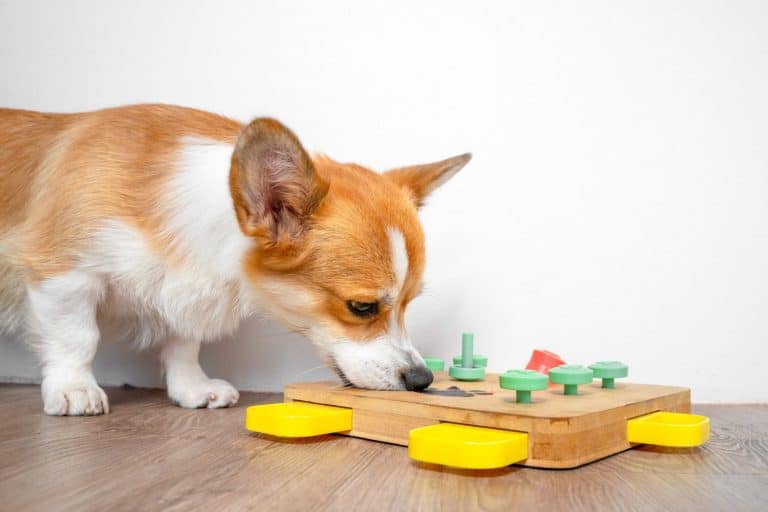
  • Activity needs: typically moderate-daily walks plus scent games/food puzzles help meet mental needs; under-stimulation can lead to barking or mischievous behavior.
  • Tolerance/comfort: often more cold-sensitive than thick-coated breeds; may benefit from warmth in colder weather, especially with shorter coats.

Sexual Dimorphism

Sexual dimorphism is generally subtle as in many small-to-medium domestic dogs. Males tend to be slightly larger and broader through the chest and head, while females are often a bit lighter and finer-boned; individual variation and parent influence can exceed sex differences.

  • Slightly heavier musculature and broader head/chest on average.
  • May develop a thicker neck/shoulder appearance with maturity (especially in Beagle-leaning builds).
  • Often slightly smaller with a more refined head and lighter frame on average.
  • May show a slightly more tucked waistline depending on conditioning and coat type.

Did You Know?

The Beaglier is a "designer" crossbreed (Beagle x Cavalier King Charles Spaniel), not a standardized pure breed or separate taxon beyond the domestic dog.

Many inherit the Beagle's powerful nose and will happily "track" smells on ordinary neighborhood walks.

Their coat is often short-to-medium and can show Beagle-like tricolor patterns, Cavalier-like feathering, or a mix of both.

They commonly have the Beagle's vocal tendencies (baying/howling) but may be softened by the Cavalier's companion-focused temperament.

Because both parent breeds are small-to-medium, Beagliers often fit well in apartments - if their daily sniffing/exercise needs are met.

Health screening matters: they may inherit Cavalier-related heart risks and Beagle-related ear issues, so regular vet checks are important.

They tend to be highly food-motivated, which makes training easier - but also increases obesity risk if portions aren't managed.

Unique Adaptations

  • Enhanced olfactory-driven exploration from Beagle lineage: mentally satisfied by scent games more than by repetitive fetch.
  • Sociable, human-oriented bonding from Cavalier lineage: many handle family life and gentle handling well when properly socialized.
  • Compact, low-to-moderate athletic build: typically sturdy enough for hikes yet small enough for indoor living with adequate exercise.
  • Drop-ear anatomy common to both parents: helps funnel scent but also reduces airflow, increasing the need for routine ear care.
  • No scientifically documented unique adaptations are specific to the Beaglier crossbreed; temperament and behavior can vary widely between individual mixed-breed dogs.

Interesting Behaviors

  • Scent-lock "sniffari" mode: once they catch a trail, they may zig-zag, slow down, and ignore cues unless trained with high-value rewards.
  • Selective hearing outdoors: the combination of hound drive and curiosity can make recall unreliable without consistent practice and a long line.
  • "Shadow dog" affection: many follow a favorite person room-to-room, reflecting the Cavalier's strong companion instincts.
  • Vocal storytelling: some use Beagle-like baying when excited, frustrated, or when they detect something interesting outside.
  • Comfort seeking: they often choose soft laps, blankets, or warm spots - then switch to energetic bursts when a smell or toy appears.
  • Food-focused problem solving: countersurfing, clever foraging, and "working" puzzle toys are common if not managed.

Cultural Significance

The Beaglier (Canis lupus familiaris) mixes Beagle and Cavalier King Charles Spaniel qualities: a friendly, small family companion from the designer dog trend. Crossbreeds aren’t always healthier, so careful breeding and parent health tests stay important.

Myths & Legends

In Britain, small 'comforter' spaniels, ancestors of today's Cavalier type, were loved in noble homes. People believed they brought warmth and comfort and often slept on beds at court.

The Cavalier's enduring court association: stories and portraits from the era of King Charles II popularized the idea of toy spaniels as constant royal companions, helping cement their cultural identity as affectionate lap dogs.

Beagle hunting heritage tales: in English hunting tradition, small packs of hounds were celebrated for their musical voices and teamwork, with beagle-type hounds appearing in long-running sporting anecdotes about determined noses and spirited pursuits.

Naming origin as a modern anecdote: "Beaglier" is a straightforward portmanteau of Beagle and Cavalier, reflecting contemporary practice of branding intentional crosses with blended names.

Conservation Status

NE Not Evaluated

Has not yet been evaluated against the criteria.

Population Stable

Life Cycle

Birth 5 pups
Lifespan 13 years

Lifespan

In the Wild
10–15 years
In Captivity
10–15 years

Reproduction

Mating System Polygynandry
Social Structure Managed Domestic
Breeding Pattern Not Applicable
Fertilization Managed Selective
Birth Type Internal_fertilization

Beaglier (Canis lupus familiaris) breeding uses the dog's ability for polygynandry but is usually human-managed selective breeding. Matings are planned around heat cycles (1–2/year); no lifelong pair bonds, internal fertilization, little help from other dogs.

Behavior & Ecology

Social Pack Group: 4
Activity Diurnal, Crepuscular
Diet Omnivore Meat-forward, high-aroma foods (e.g., chicken, turkey, beef) and scent-rich treats used for training.

Temperament

Affectionate, people-oriented; seeks proximity and physical contact
Social and typically friendly with familiar people and dogs; can be reserved with strangers if under-socialized
Curious, scent-driven; may wander or track odors if not managed
Playful with moderate exercise needs; enjoys fetch plus nose-led games
Intelligent but can be stubborn/independent when following scents; responds best to positive reinforcement
Often sensitive to isolation; may develop separation-related behaviors without training/enrichment
Generally gentle; prey-chase interest varies by individual (often moderate)
Food-motivated; prone to weight gain-portion control and enrichment feeding recommended

Communication

barking to alert or solicit attention Often moderate
beagle-like baying/howling may appear, especially when excited or following scent
whining/whimpering for proximity or unmet needs
growling as a distance-increasing signal when uncomfortable Less common in well-socialized individuals
strong scent investigation and scent marking; uses olfactory sampling heavily during social encounters
body-language rich: tail wagging, play bows, soft eyes; may show appeasement signals when unsure
pawing, nudging, leaning, and lap-seeking to initiate contact Companion-breed influence
following/hovering near preferred person; door-waiting and "shadowing" behavior
licking/nuzzling for affiliation; jumping up may occur if not trained
stress signals can include pacing, destructiveness, or excessive vocalization when under-stimulated or left alone

Habitat

Biomes:
Temperate Forest Temperate Grassland Mediterranean Desert Hot Desert Cold Boreal Forest (Taiga) Tundra Alpine Tropical Dry Forest Savanna Freshwater Wetland +6
Terrain:
Plains Hilly Mountainous Coastal Island Valley Plateau +1
Elevation: Up to 18044 ft 8 in

Ecological Role

Domestic companion omnivore; in free-roaming contexts can act as a small predator and scavenger.

Human companionship and social/working roles (family companion, training-based activities) Pest control in limited settings via opportunistic predation on rodents Scavenging of human food waste in free-roaming contexts (can also be a nuisance) Potential negative ecological impact if roaming: predation/harassment of wildlife and competition with native predators

Diet Details

Main Prey:
Small mammals Rodents Ground-nesting birds and eggs Reptiles and amphibians Carrion and food waste
Other Foods:
Fruits Vegetables Grains and starches Edible plant matter picked up during walks

Human Interaction

Domestication Status

Domesticated

Domestic dogs (Canis lupus familiaris) came from gray wolves and were shaped by people over thousands of years. The Beaglier is not a separate taxonomic unit; it is a modern, bred-on-purpose cross (designer dog) of Beagle and Cavalier King Charles Spaniel, made mainly as a companion and became popular in the late 20th–21st century.

Danger Level

Low
  • Mouthy play or minor bites if poorly socialized or in pain
  • Resource guarding (food/toys) in some individuals without training
  • Injury risk from jumping on children/elderly or pulling on leash if not trained
  • Zoonotic/parasite risks common to dogs (e.g., roundworms, hookworms, fleas/ticks) if preventives are neglected

As a Pet

Suitable as Pet

Legality: Generally legal where domestic dogs are permitted; subject to local dog licensing, leash laws, vaccination requirements, and breed-agnostic nuisance/dangerous-dog ordinances. Not typically restricted by breed-specific legislation because it is a small mixed breed, but local rules vary.

Care Level: Moderate

Purchase Cost: $300 - $2,000
Lifetime Cost: $18,000 - $45,000

Economic Value

Uses:
Companion animal market (pet sales/adoption) Veterinary services (preventive care, cardiology, orthopedics, dermatology) Pet supplies (food, grooming, training, enrichment) Pet services (boarding, daycare, walking) Working/hobby roles (informal scent games, nosework, family companion)
Products:
  • sale/adoption fees for Beaglier puppies or rehomed adults
  • routine veterinary care (vaccines, parasite prevention, spay/neuter, dental cleanings)
  • specialty care (mitral valve disease monitoring, allergy management, orthopedic workups)
  • grooming supplies/services (bathing, ear cleaning products, nail trims)
  • training classes and behavior consults
  • pet insurance policies (commonly purchased for mixed breeds with known parent-breed risks)

Relationships

Ecological Equivalents 6

Animals that fill a similar ecological role in their ecosystem

Beagle
Beagle Canis lupus familiaris From its scent-hound parent, the Beaglier inherits a strong tracking nose, higher prey drive, and strong food motivation, so reliable recall training and use of a leash or secure yard are important to manage behavior.
Cavalier King Charles Spaniel
Cavalier King Charles Spaniel Canis lupus familiaris Other parent breed; adds a friendly, people-focused temperament and a softer face and coat. Cavaliers also carry inherited risks, notably mitral valve disease and syringomyelia, so use health-tested parents and watch for heart murmurs or signs of nerve pain.
Basset Hound
Basset Hound Canis lupus familiaris Occupies a similar niche to other small-to-medium scent hounds, with a comparable scent drive and a tendency to follow odors over commands. Useful comparison for designing enrichment (nosework, tracking games) to prevent boredom-related behaviors.
Cocker Spaniel
Cocker Spaniel Canis lupus familiaris Comparable small sporting/companion niche — people-oriented, moderate energy, and requires routine coat and ear care. Like many drop-eared dogs, shares an increased ear-infection risk and the need for regular ear checks and cleaning.
Dachshund
Dachshund Canis lupus familiaris Miniature variety. Small dog with strong hunting/ground-scent tendencies and a notable prey drive; presents similar management challenges such as digging and chasing small animals, and requires preventing obesity to protect joints and the spine.
Kooikerhondje
Kooikerhondje Canis lupus familiaris Small spaniel-type companion with an active mind and moderate exercise needs. Requires daily mental stimulation and positive-reinforcement training to avoid nuisance behaviors.

Quick Take

  • Managing a laundry list of genetic issues requires breeders to verify the health history first.
  • A 33-pound weight limit creates dietary requirements that conflict between the two parent breeds.
  • Their docile temperament is paradoxically linked to unpredictable training outcomes caused by contradictory genetics.
  • Initiating socialization for puppies is a requirement to prevent the development of behavioral issues.

The Beaglier puppies are known to inherit some of the best qualities of both their parents (a Beagle and a Cavalier King Charles Spaniel). These dogs are adorable and will instantly add happiness to your house. If you are looking for a fun-spirited pet, this might be it. While you may occasionally find Beaglier dogs available for adoption at rescue shelters, they are less common than purebred Beagles. If you are purchasing from a breeder, be sure to ask for the health history of your new friend.

Detailed infographic about the Beaglier dog breed, showing a brown and white dog playing on a beach surrounded by care and health information.
From dietary conflicts to unpredictable training outcomes, the Beaglier is a high-stakes genetic puzzle that every potential owner must master. © A-Z Animals

3 Pros and Cons of Owning a Beaglier

Before you buy a Beaglier from a rescue shelter, it is important to know the pros and cons. Here is a list of pros and cons for these dogs:

ProsCons
Active: If you want an active dog in the family, the Beaglier certainly delivers with its rambunctious nature.Health problems: Dogs are prone to several health problems that are genetically inherited from their parents. You will need to check with breeders for the health history of your dog.
Grooming: Since the Beaglier doesn’t have a very long coat, it won’t require as much grooming as other breeds. Shedding is not much of a problem with these dogs.Compact size: Beagliers are very small, so if you want a dog that is 30 inches and bulky, this might not be the perfect choice for you.
Grooming: Since the Beaglier doesn’t have a very long coat, it won’t require as much grooming as other breeds. Shedding is not much of a problem with these dogs.Training: Sometimes it might be difficult to train these dogs, especially if they have inherited the stubborn genes from the beagle.
A Beaglier plays on the beach (cross between a Beagle and a King Charles Spaniel)

A Beaglier plays on the beach (a cross between a Beagle and a King Charles Spaniel).

Size and Weight

The compact size of the Beaglier gives it a height of approximately 12 to 16 inches. However, their weight can range significantly from 12 to 33 pounds on average at their full-grown size.

Common Health Issues

The Beaglier is generally a healthy breed. However, since they are a crossbreed of the Beagle and King Cavalier Spaniel, they inherit some health issues from both their parents. Therefore, it is important to know what health issues are worth watching out for from the breeders if you can communicate with them.

Hip dysplasia is a common concern. It is rather easy to spot with an X-ray, but the pup may first start to limp as a sign that they are in pain. Beagle dwarfism may also occur, along with hypothyroidism. Ear infections and eye issues are of particular concern with this breed.

Temperament

Beagliers are small and docile, which makes them the perfect pets for first-time owners. The temperament of the Beaglier makes them a good match for families with children, regardless of how old they are. They are relatively active and friendly with other dogs. However, they might not do so well with other pets such as cats or small rodents.

These dogs are rather loving, preferring a place by your side in silence when you need emotional support. They have an incredible sense of smell, leading them to explore and go on their own adventures. They will need a strong and sturdy fence to ensure that they do not escape when left alone.

How to Take Care of a Beaglier

With any animal, it is important to know what they will need to be happy and healthy in your home. Here are a few tips on taking care of your new Beaglier.

The Best Dog Food

The breed, unfortunately, has a bit of a laundry list of potential health issues. It’s vital to take your Beaglier to the vet regularly to screen for any conditions and discuss the best diet for your individual pet.

The genetic parents of this breed have vastly different dietary requirements, making it difficult to determine the best food for the Beaglier. When in doubt, high-quality dry dog food is the best choice, though their size and age will determine how much they need. While some dogs need as little as ¾ cup of food per meal, larger animals could need up to 1.5 cups instead. Base the number of meals each day on their current size.

Maintenance and Grooming

These dogs are generally very easy to groom as they have short and shiny coats, which they usually inherit from their parents. Brushing them removes the excess and dead hair off their bodies, though shedding is not much of a problem with these dogs.

They do not need to be bathed often, as this would lead their skin to become dry and flaky. They may need protection from the sun to prevent them from experiencing an allergic or adverse reaction to the sun. Brush their teeth and trim their nails regularly. Make sure to keep their ears clean to avoid infections and earwax buildup.

Training

Training the Beaglier is rather unpredictable because the two breeds that make it up have contradictory attitudes towards their learning. While one picks up their commands rather quickly with their desire to please their owner, the other prefers to take a more relaxed approach. Regardless of the genetics that the Beaglier sides with, keep a positive attitude to encourage the same type of response.

Do not use any negative reinforcement with these dogs, as that could harm their behavior. Consistency is the key with them.

Exercise

These dogs do not have extensive exercise needs. One or two walks around the neighborhood would give them the physical activity necessary to keep healthy and in shape. Still, Beagliers greatly enjoy indoor playtime as well, which is why they make such great companions for children.

Puppies

Take care of the Beaglier puppies just as you would take care of the adults. However, it is best to introduce the puppies into a social circle early on in life. This would help them avoid behavioral issues and would also help them develop good habits early on in life. Divide the meals of the puppies into smaller portions while giving them a higher quantity of meals to satisfy their small stomachs.
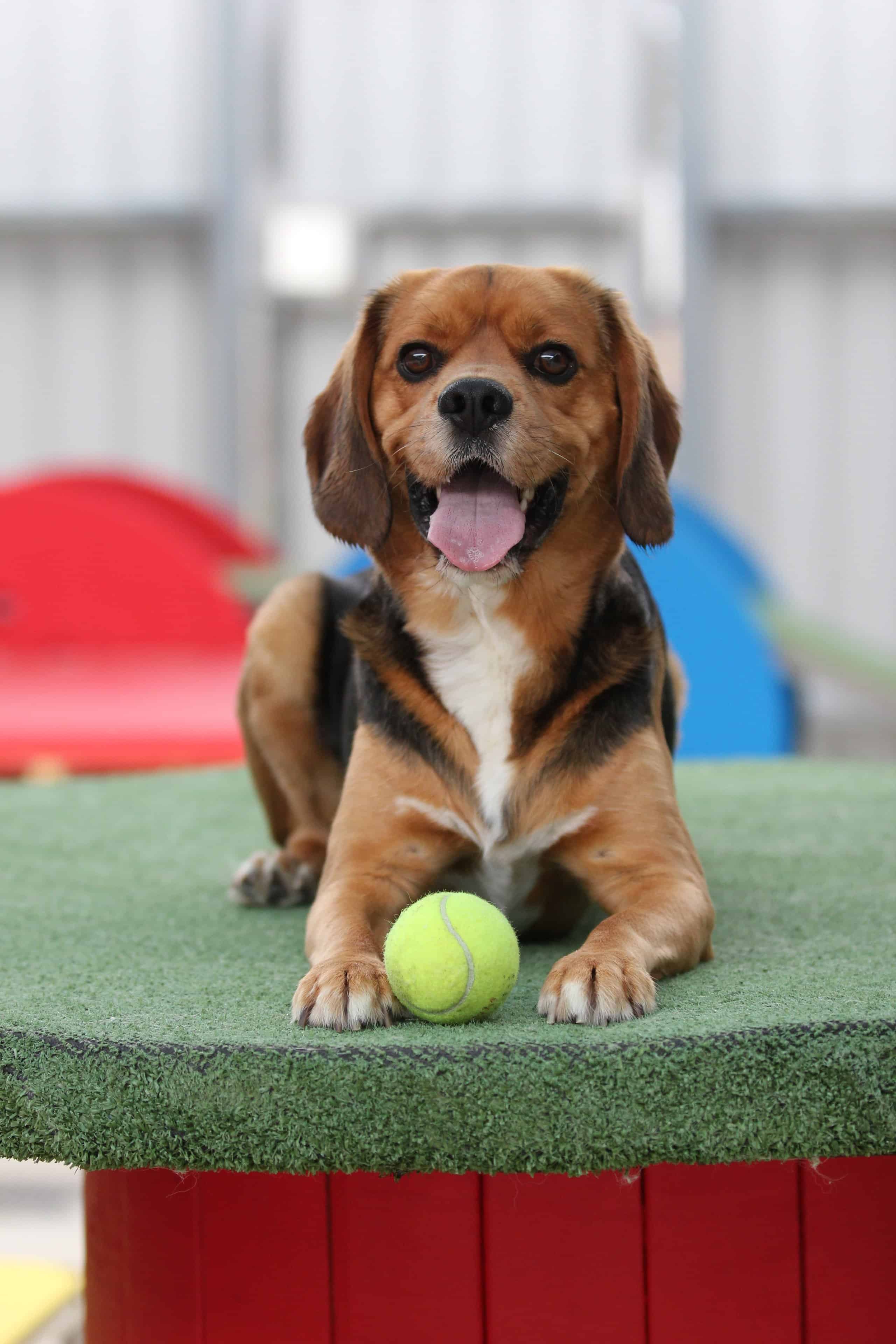
Keagle / Beaglier

This breed was initially bred in Australia during the 1990s to create an easy-going and energetic dog.

Beagliers and Children

Beagliers are great around children and other members of the family, adding entertaining playtime to the group. However, due to their compact size, they are very prone to getting injured while playing. It is not recommended that these dogs be left unsupervised around small children, who can unintentionally hurt them while playing.

This breed is suitable for children who are old enough to understand the dog’s nature and can safely play with it.

Dogs Similar to the Beaglier

Just in case the Beaglier isn’t a good match for your home, here are some of the dogs that are similar to Beagliers:

  • Beagles: Beagles are compact in size and are very friendly in nature. They love kids and are very playful around them, and are also relatively easy to grow.
  • Basenji: These dogs are elegant and shed very little, which is a bonus for the owner. They also make great watchdogs.
  • American Foxhound: These dogs are gentle in nature. They are very friendly and exceedingly good hunters.

View all 453 animals that start with B

Sources

  1. Pet Guide / Accessed May 18, 2021
  2. Bow Wow Pet Insurance / Accessed May 18, 2021
  3. Dog Time / Accessed May 18, 2021
A-Z Animals Staff

About the Author

A-Z Animals Staff

AZ Animals is a growing team of animals experts, researchers, farmers, conservationists, writers, editors, and -- of course -- pet owners who have come together to help you better understand the animal kingdom and how we interact.
Connect:

Thank you for reading! Have some feedback for us?


Beaglier FAQs (Frequently Asked Questions)

These dogs are hybrid dogs and are a crossbreed between a Beagle and a Cavalier King Charles Spaniel dog.