
B
Species Profile

Bernese Mountain Dog Mix

Canis lupus familiaris

Big heart, Swiss-style calm
Remeyes/Shutterstock.com

Bernese Mountain Dog Mix Distribution

Click a location to explore more animals from that region

Origin Location

This map shows the native origin of the Bernese Mountain Dog Mix. As a domesticated species, they are now found worldwide.

Loading map...

Found in 1 country

Size Comparison

Human 5'8"
Bernese Mountain Dog Mix 2 ft 1 in

Bernese Mountain Dog Mix stands at 36% of average human height.

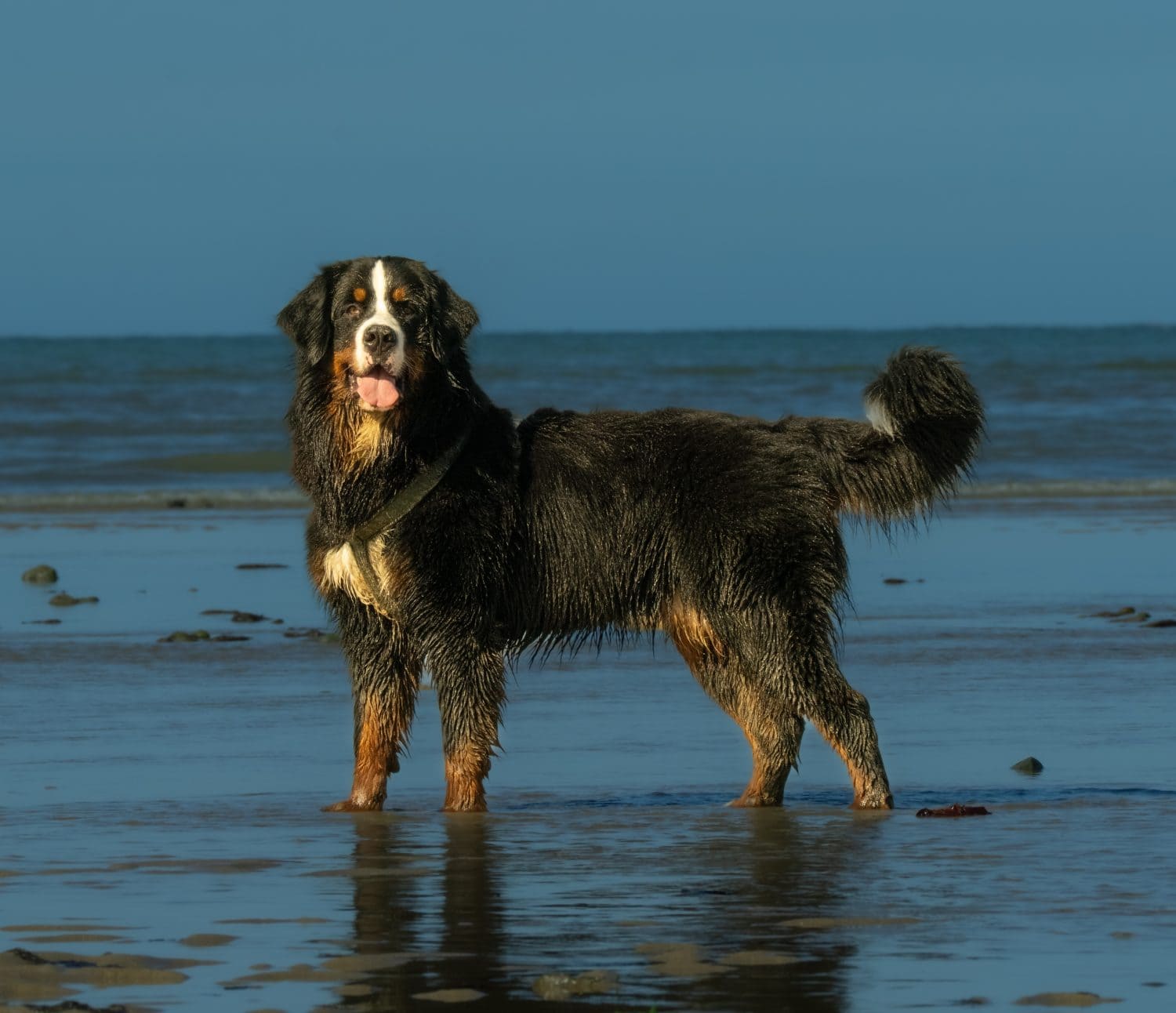
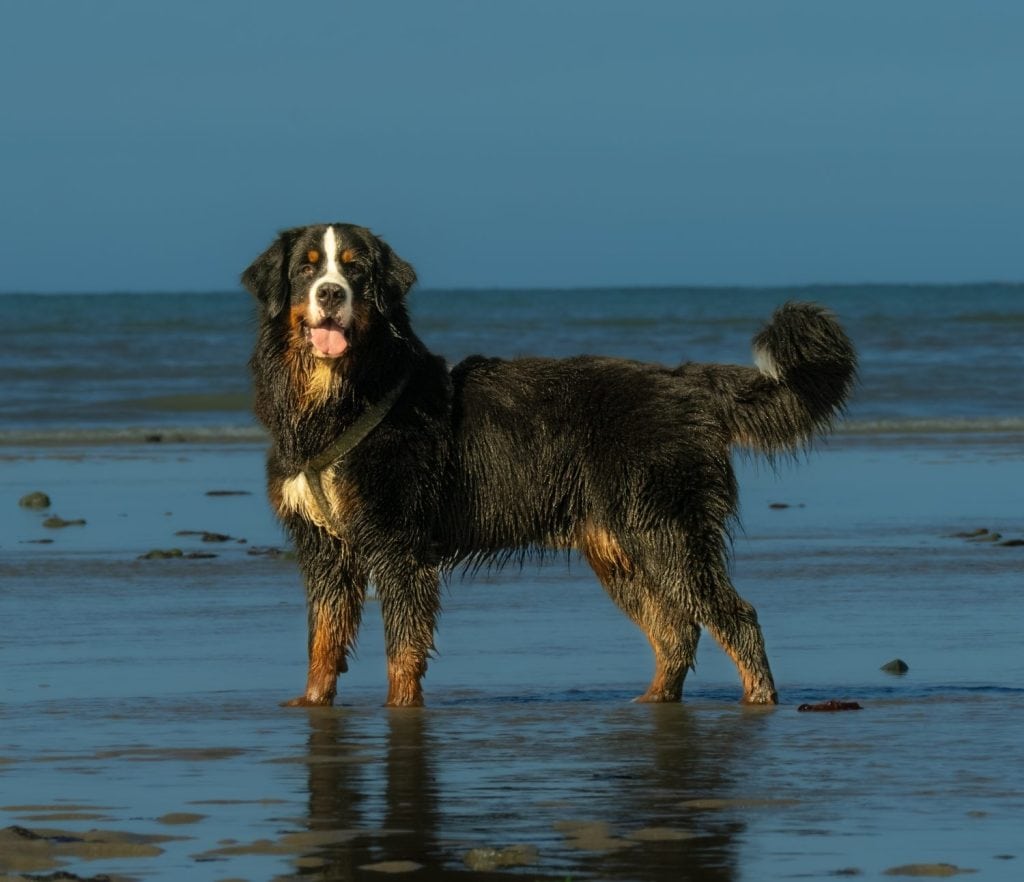
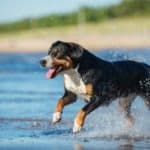
Happy Bernese dog enjoying a beach walk

At a Glance

Domesticated
Also Known As Berner, Berner mix, Bernese mix, Bernese cross, Berner cross
Diet Omnivore
Activity Diurnal+
Lifespan 4 years
Weight 60 lbs
Status Not Evaluated
Did You Know?

Many mixes inherit the classic Bernese tri-color pattern (black, rust, white), but the other parent can shift colors, coat length, and size a lot.

Scientific Classification

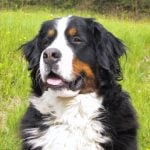
A domestic dog of mixed ancestry where one parent lineage is Bernese Mountain Dog. Traits vary widely depending on the other breed(s), but many retain the Bernese’s large size, tri-color pattern tendency, and calm/affectionate temperament.

Kingdom
Animalia
Phylum
Chordata
Class
Mammalia
Order
Carnivora
Family
Canidae
Genus
Canis
Species
Canis lupus

Distinguishing Features

  • Mixed-breed domestic dog with Bernese Mountain Dog ancestry
  • Often medium-large to large build; coat length and shedding vary by cross
  • Coloration may include Bernese-like black/rust/white tri-color but is not guaranteed
  • Temperament and exercise needs depend strongly on the non-Bernese ancestry

Physical Measurements

Males and females differ in size

Height
2 ft 2 in (1 ft 11 in – 2 ft 4 in)
2 ft (1 ft 10 in – 2 ft 3 in)
Length
4 ft 7 in (3 ft 11 in – 5 ft 1 in)
4 ft 5 in (3 ft 9 in – 4 ft 11 in)
Weight
93 lbs (66 lbs – 121 lbs)
79 lbs (62 lbs – 99 lbs)
Tail Length
1 ft 5 in (1 ft 2 in – 1 ft 8 in)
1 ft 3 in (12 in – 1 ft 6 in)
Top Speed
25 mph
Short sprints around 30–40 km/h

Appearance

Primary Colors
Secondary Colors
Skin Type Bernese mix (Canis lupus familiaris) has pigmented skin beneath a medium-to-long double coat. Skin is protected but can get hot spots or dermatitis if coat mats or traps moisture. Large size needs pressure-point checks.
Distinctive Features
  • Mixed-breed domestic dog with Bernese Mountain Dog ancestry: appearance and temperament are not standardized and can vary widely depending on the other breed(s).
  • Often large to extra-large size with substantial bone, broad chest, and a sturdy, mountain-dog build; mixes may range from medium-large to giant depending on lineage.
  • Coat commonly medium to long and plush with a double coat; heavy seasonal shedding is common, with possible feathering on legs, tail, and chest.
  • Tri-color tendency (black/white/tan) is common, but many mixes deviate with irregular markings, reduced tan points, or increased white/cream coverage.
  • Head and muzzle often broader and softer than wolf-like canids; ear carriage frequently floppy or semi-floppy (mix dependent).
  • Temperament commonly calm, affectionate, people-oriented, and less reactive than primitive-type breeds; however, energy level and drive can range from mellow to moderately active based on the non-Bernese parent.
  • Heat sensitivity is common with thicker coats; benefits from shade, hydration, and avoiding intense exercise in hot/humid weather.
  • Care requirements: routine brushing (often 2-4x/week; more during sheds) to prevent matting and reduce skin issues; regular ear checks/cleaning (especially with floppy ears).
  • Care requirements: joint-friendly exercise (consistent walks, controlled play, swimming), cautious growth management in puppies, and avoiding repetitive high-impact activity during development.
  • Common large-dog health concerns to watch for (risk varies by mix): hip/elbow dysplasia, cruciate ligament disease, osteoarthritis, and bloat/GDV-consider slow-feeding, avoiding heavy exercise around meals, and discussing gastropexy with a veterinarian for deep-chested individuals.
  • Other health considerations sometimes seen in Bernese lines (risk varies): certain cancers (e.g., histiocytic sarcoma), cardiac issues, and skin/allergy problems; early screening and preventive veterinary care are important.
  • Weight management is critical: excess weight significantly worsens joint/orthopedic outcomes in large mixes; emphasize measured feeding and conditioning.
  • Training/socialization: typically responsive to positive reinforcement; early socialization helps prevent timidness or over-attachment, and basic obedience supports safe handling of a large-bodied dog.

Sexual Dimorphism

Sexual dimorphism is typically present but variable in mixed-breed dogs; males are often larger and heavier-boned with broader heads/neck muscling, while females are commonly slightly smaller and more lightly built. Coat color/pattern differences by sex are generally minimal.

  • Often taller and heavier with a broader skull and thicker neck/shoulders.
  • May carry more overall mass and chest depth; can appear more 'blocky' depending on the other parent breed(s).
  • Often slightly smaller with a narrower head and lighter frame.
  • May mature earlier and appear more refined in overall outline, though still large-bodied in many mixes.

Did You Know?

Many mixes inherit the classic Bernese tri-color pattern (black, rust, white), but the other parent can shift colors, coat length, and size a lot.

Bernese Mountain Dogs come from Swiss "Sennenhund" farm dogs used to move cattle and pull carts-some mixes still love draft-style pulling games.

Because they're mixed-breed, temperament and energy can range from couch-companion to active sport dog depending on the other breed(s).

A thick double coat is common; it sheds heavily ("coat blow") seasonally and often tracks in snow/mud like a pro.

Large-breed growth is slow: many Bernese-type mixes don't fully fill out until around 2-3 years old.

"Hybrid vigor" can help some individuals, but it's not guaranteed-large-dog orthopedic issues and some Bernese-associated cancers can still occur.

Many are famously people-oriented and may choose one "favorite human," following them room to room.

Unique Adaptations

  • Insulating double coat and weather-resistant outer guard hairs (common in Bernese-lineage mixes), suited to cooler climates and wet conditions.
  • Large-boned, strong build that can excel in weight-pull or carting-style sports when joints are healthy and conditioning is gradual.
  • Wide, sturdy paws that often provide good traction on uneven ground and snow (individual variation is high).
  • High social attunement to humans typical of domestic dogs (Canis lupus familiaris), often amplified by Bernese selection for cooperative farm work.
  • Calm, steady demeanor in many individuals-useful for family life and therapy-style roles-though the other parent breed can raise drive/energy.

Interesting Behaviors

  • The "lean": many Bernese-type dogs press their body against people for contact and reassurance.
  • "Berner sit" tendencies: sitting with a hip kicked out or in odd lounging poses, especially when relaxed.
  • Gentle mouthing/carrying: some like to hold toys (or a leash) in their mouth while greeting, reflecting soft-mouthed, cooperative work styles.
  • Cold-seeking habits: stretching out on tile, digging shallow "cooling pits," or choosing shade/airflow-especially in warm weather.
  • Draft instincts: interest in harness work, pulling a cart/wagon (safely and with training), or enthusiastically "helping" move objects.
  • Protective-but-social alerting: deep barks for new arrivals, then friendly investigation once introduced.
  • Snow fixation (in many): rolling, face-planting, and extended outdoor lounging in cold conditions-common with thicker-coated mixes.

Cultural Significance

Bernese Mountain Dog mixes come from Swiss alpine farm dogs (one of four Swiss Sennenhund breeds). They worked livestock, guarded farms, and pulled carts. Today many are gentle family pets, hiking companions, and sometimes therapy or community dogs (Canis lupus familiaris).

Myths & Legends

Naming-origin story: early Bernese Mountain Dogs were locally called "Dürrbachler," after the Dürrbach area/inn where these tri-colored farm dogs were commonly seen and traded, before the standardized name linked them to the canton of Bern.

Rescue-from-obscurity anecdote: Swiss dog fancier Albert Heim is widely credited with championing the Sennenhunds in the early 1900s, helping document and promote the Bernese type so it wouldn't fade as farming practices changed.

Alpine guardian folklore (regional tradition): mountain farm dogs in the Swiss Alps are often portrayed in rural stories as steadfast night watchmen-hearing distant movement, warning households, and standing between livestock and danger in harsh weather.

"Cart dog" tales: in Swiss countryside storytelling and historical accounts, sturdy Bernese-type dogs were remembered as dependable haulers of dairy and farm goods to market, a symbol of diligence and family livelihood.

In many cultures, dogs are shown as loyal guides and guards: Cerberus guards the underworld in Greek myth, and Anubis, a canine-headed god, links protection and the afterlife to Canis lupus familiaris.

Conservation Status

NE Not Evaluated

Has not yet been evaluated against the criteria.

Population Stable

Life Cycle

Birth 6 pups
Lifespan 4 years

Lifespan

In the Wild
2–10 years
In Captivity
6–14 years

Reproduction

Mating System Polygynandry
Social Structure Managed Domestic
Breeding Pattern Transient
Fertilization Internal Fertilization
Birth Type Internal_fertilization

Bernese Mountain Dog mix (Canis lupus familiaris): As domestic dogs, mating is people-managed; breeding can involve multiple mates. They don't form long-term pairs; mothers mainly care for pups. Mixes may be large, shed a lot, and face joint, bloat, and cancer risks.

Behavior & Ecology

Social Pack Group: 4
Activity Diurnal, Crepuscular, Cathemeral
Diet Omnivore Meaty, high-protein foods (especially beef or chicken)

Temperament

Domestic dog context: highly social, human-attuned, and behaviorally flexible; learns social rules from people and environment more than from a fixed wild-pack structure.
Bernese Mountain Dog influence (what often distinguishes this mix): calmer, steadier, and more people-oriented than many high-drive working lines; commonly affectionate, gentle, and patient, with a tendency to "shadow" family members.
Bernese-mix dogs are usually friendly but a bit shy with strangers, warming up with calm introductions. Energy ranges from laid-back to active; guardian or herding traits may show.
Learns best with praise, short lessons, and steady cues. May be sensitive and shut down with harsh corrections. Teen dogs can be big and clumsy, so teach impulse control and polite greetings.
Dog-dog and human sociality: often good with other dogs when properly socialized; may be selectively social with pushy dogs. Typically good family companion; can be mouthy in play as a youngster.
Large breed problems like hip and elbow dysplasia, cruciate ligament issues, osteoarthritis, and bloat/GDV, plus Bernese-linked cancers (histiocytic sarcoma/lymphoma), can make them inactive. Pain can cause irritability, avoidance, or less play; see a vet early.
Needs regular low-impact exercise for joints; avoid lots of jumping while growing. Thick coat needs brushing and shed care. Sensitive to heat; prefers cool weather. Mental play and early gentle handling reduce barking and clinginess.

Communication

Bark: alert/watch bark common; frequency varies widely with non-Bernese lineage.
Whine/whimper: attention-seeking, greeting, or mild frustration; can increase with separation-related distress.
Growl: play growls or discomfort warnings; important to respect as distance-increasing communication rather than punish.
Howl/"talking": occasional, more likely if the other parent breed is vocal E.g., hound-type
Sighs/grumbles: low-level affiliative sounds often associated with settling/relaxation.
Body posture and proximity: leaning, hip-checking, or placing the body against people as affiliative contact; following/"velcro" behavior communicates bonding and reassurance-seeking.
Facial signals: soft eyes, blinking, yawning, lip-licking (appeasement/stress); whale eye or tense mouth indicates discomfort.
Tail and ear carriage: broad wag with loose body indicates friendliness; stiff posture/tight wag can indicate arousal or uncertainty.
Play signals: play bow, bouncy gait, exaggerated side-to-side movement; may use paws to initiate play.
Mouthing and pawing: common in young dogs; shaped through bite-inhibition training and alternative behaviors.
Scent communication: sniffing, urine marking, and over-marking in multi-dog settings; nose-led exploration is a key self-soothing behavior.
Environmental communication: positioning between family and stranger (watchful/guardian-leaning), moving to door/window when hearing triggers; pacing/restlessness can signal insufficient exercise or stress.

Habitat

Biomes:
Temperate Forest Boreal Forest (Taiga) Alpine Temperate Grassland Mediterranean Desert Hot Desert Cold Tundra Tropical Dry Forest Tropical Rainforest Wetland Freshwater Marine +7
Terrain:
Mountainous Hilly Plateau Plains Valley Coastal Island Riverine Volcanic Karst Rocky Sandy Muddy +7
Elevation: Up to 13123 ft 4 in

Ecological Role

Human-associated domestic omnivore and companion animal; occasional opportunistic predator/scavenger in human-dominated landscapes (breed lineage historically used for draft work and farm utility).

companionship and social support to humans property alerting/guarding presence participation in working roles (drafting, carting, therapy/service work depending on individual) can influence local urban/suburban wildlife dynamics by deterring or preying on small animals nutrient redistribution via consumption of human-provided foods and waste (managed)

Diet Details

Main Prey:
Commercially prepared complete and balanced dog food Meat-based foods provided by humans Human-provided foods
Other Foods:
Grasses Berries and windfall fruit Vegetables Starchy plant foods Fungi

Human Interaction

Domestication Status

Domesticated

Canis lupus familiaris (domestic dog) was shaped by long human breeding for work, company, and living with people. A Bernese Mountain Dog mix has some Bernese traits—large size, strong build, calm, often black/rust/white tri-color—plus other traits from the other parent. They serve as family pets, therapy or hiking partners, helpers, or shelter animals.

Danger Level

Low
  • Accidental injury due to large size (knocking over children/elderly, leash pulling)
  • Mouthiness/jumping in under-trained adolescents
  • Defensive or fear-based biting if poorly socialized, in pain, or handled improperly
  • Resource guarding or inter-dog reactivity in some individuals (mix-dependent)
  • Rare serious bite risk increases if the dog is neglected, unsupervised with children, or intentionally trained for aggression

As a Pet

Suitable as Pet

Legality: Bernese Mountain Dog mixes are usually legal as pets in most places. Rules may apply if local laws target "wolf-dog" types or if the other parent breed is banned. Follow licensing, vaccination, leash, and nuisance rules.

Care Level: Moderate

Purchase Cost: Up to $2,000
Lifetime Cost: $20,000 - $45,000

Economic Value

Uses:
Companion animal (pet dog) Animal-assisted therapy/visiting programs (temperament and training dependent) Working/utility companion (informal farm, hiking, light pulling/draft recreation) Rescue/adoption economy (shelters, fosters, training/behavior services) HUBS: household companionship, community recreation, therapy/visiting, rescue/rehoming interactions
Products:
  • Adoption fees or purchase price (varies widely; mixes are often adopted)
  • Veterinary services (vaccines, wellness, spay/neuter, orthopedic care)
  • Pet food for large breeds, supplements (e.g., joint support as advised)
  • Training/behavior services (basic manners, leash skills, socialization)
  • Grooming supplies/services (brushes, de-shedding tools; professional grooming if long-coated)
  • Pet insurance and emergency care (notably for bloat/GDV risk in large deep-chested dogs)

Relationships

Quick Take

  • Bernese mountain dog mixes may actually outlive their purebred parents, and longer lifespans are not the only health advantage they have over the original. See reduced disease risks →
  • The 'mini' Bernedoodle isn't what most people expect, and its size will likely surprise you. See the mini's actual size →
  • One common owner habit can quietly sabotage a Bernedoodle's health as it ages, and most people don't even realize they're doing it. Avoid overfeeding mistakes →
  • A Bernedoodle left alone too long won't just get bored. The consequences are more disruptive than most owners anticipate. Understand separation anxiety →

The Bernese Mountain Dog is a working dog known for rescue missions and pulling carts. This breed is incredibly patient and peaceful, making them great companions. However, many people are attracted to a Bernese mountain dog mix, as some of these hybrids are not only comfortable in extreme temperatures but may also have longer lifespans than purebred Bernese mountain dogs and fewer health issues. Additionally, purebreds are more expensive than Bernese mixes.

This article will focus on the Bernedoodle (Bernese mountain dog and Poodle mix), but first, here are some other popular Bernese mountain dog mixes.

A detailed infographic comparing Bernese Mountain Dog mixes with a central focus on Bernedoodle health, temperament, and care costs.
A longer life for a smaller price—see how Bernese mixes are defying the odds against genetic disease while offering the ultimate temperament. © A-Z Animals

Types of Bernese Mountain Dog Mixes

While The Bernese mountain dog is absolutely breathtaking, but combining it with other purebreds is a winning formula. Here are three of the most popular Bernese mixes.

Bernesky (Bernese Mountain Dog and Husky Mix)
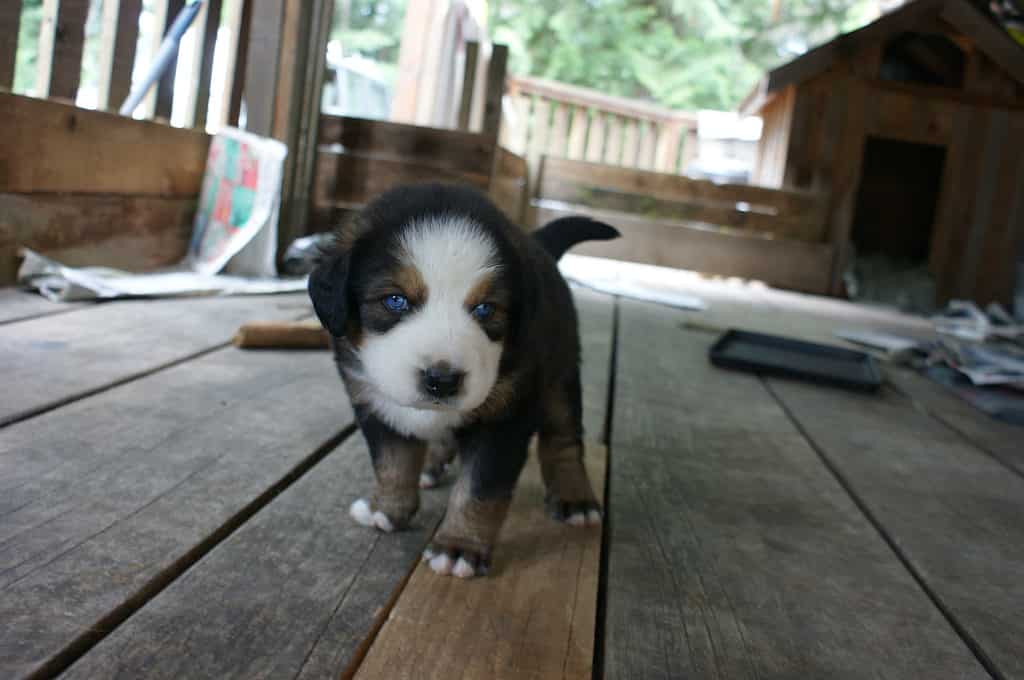
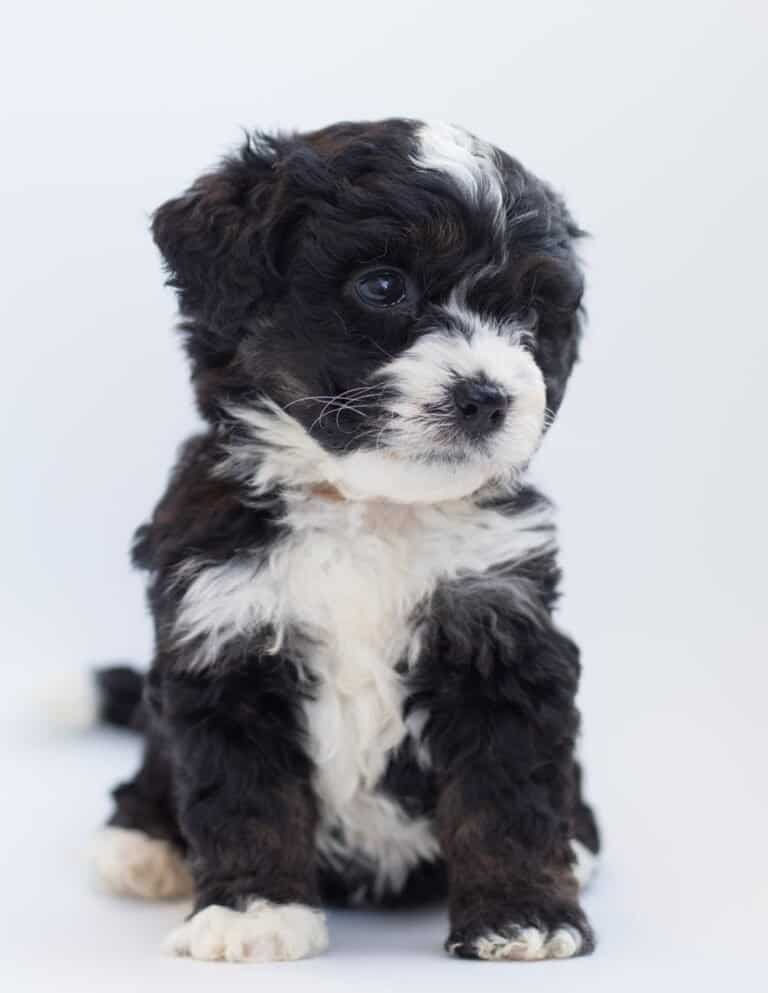
Bernesky puppy with blue eyes

The Bernesky is a cross between a Bernese mountain dog and a husky.

Bernesky puppies have bodies with a double coat and medium-length fur. Thankfully, these hybrids will require much less coat maintenance than the Bernese mountain dog, and they don’t shed as much.

These adorable hybrids are affectionate towards their families and love getting all the attention. In addition, they are eager to please and incredibly loving. While these Bernese mountain dog mixes get along well with children, they might be wary of strangers.

The Bernesky is a moderately active dog and needs to exercise for at least 30 to 40 minutes daily. Therefore, a low-to-medium intensity walk will suffice. In addition, they love playing fetch and doing obstacle courses.

Labranese (Bernese Mountain Dog and Labrador Retriever Mix)
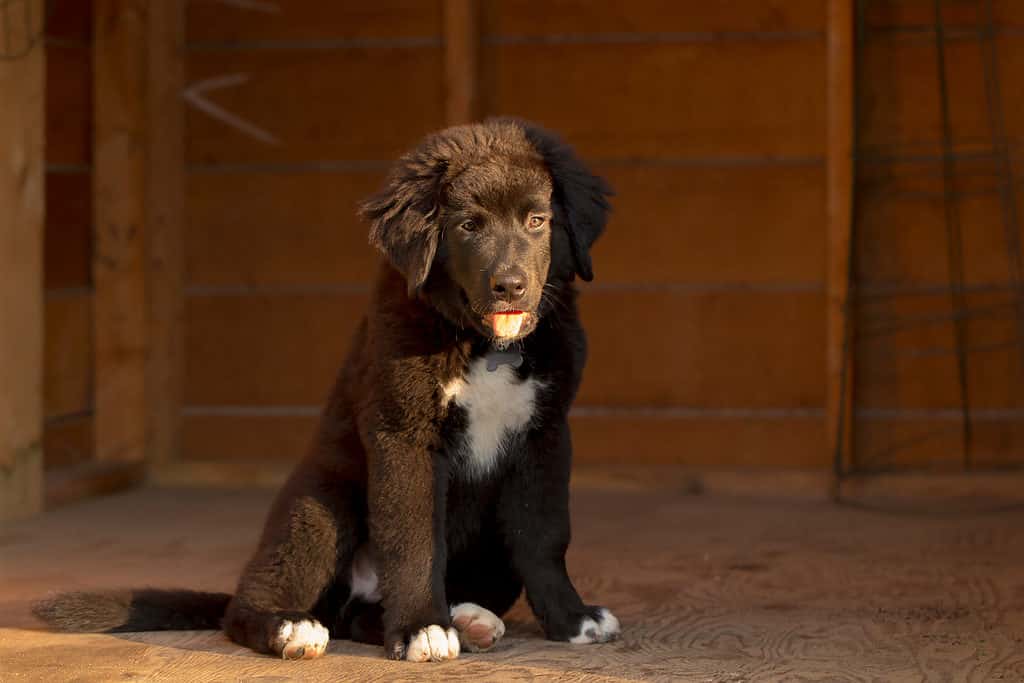
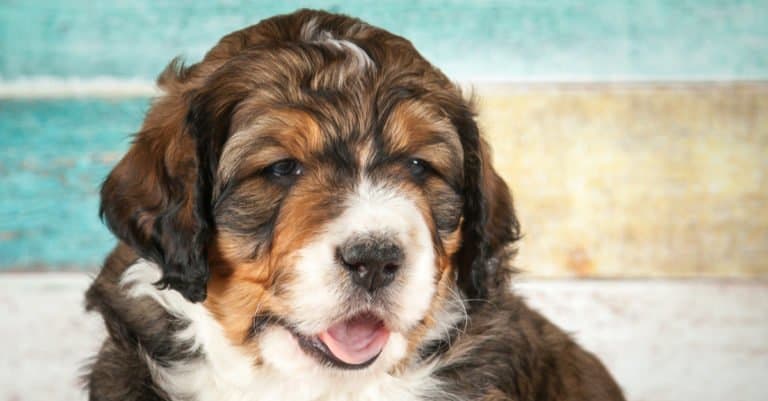
A Labranes puppy isolated

The Labranese is a combination of a Bernese mountain dog and a Labrador retriever.

The Labranese has reduced risks of developing hereditary diseases because of the enlarged gene pool. Owners can reduce this risk even further by providing them with the best care, for example, their diet and fitness. However, when buying a designer breed, ensure the breeder is reputable. Ask for any medical certificates to prove the dog is healthy and that the parents have been screened for health conditions.

The Labernese was developed in a Canadian guide dog facility in 1996 to create assistance dogs. Since Labradors are loyal and intelligent, and the Bernese mountain dog is pleasant and patient, they thought this mix would be ideal.

Training this hybrid is easy, as they are eager to learn and very smart. However, some pups can be aloof and uninterested. But with a bit of patience and plenty of positive reinforcement, you shouldn’t have a problem.

Bernese Collie (Bernese Mountain Dog and Border Collie Mix)
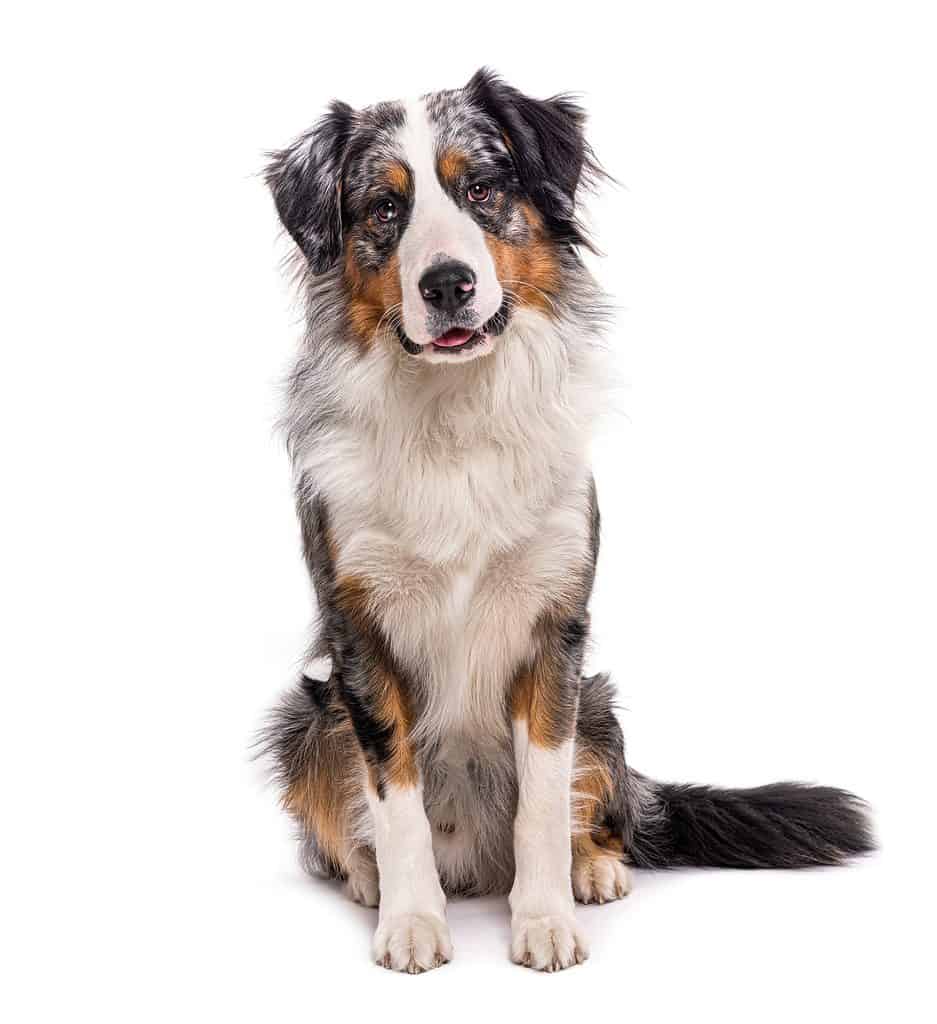
Bernese Collie isloated

The Bernese collie is a cross between a Bernese mountain dog and a border collie.

Since Bernese collies are moderately active, they need plenty of exercise and playtime daily. These hybrids need at least half an hour of physical stimulation every day. This can include walks, backyard shenanigans, or obedience training.

The Bernese collie is often referred to as the Bordernese. They are incredibly charming and love to please their owners. Additionally, they are energetic, alert, and fantastic watchdogs!  Their friendly and loyal nature makes them great with children and pets.  

While this Bernese mountain dog mix is generally healthier than its purebred parents, it is still susceptible to the following conditions:

  • Deafness
  • Diabetes
  • Eye problems
  • Epilepsy
  • Neurological problems

Pros and Cons of Owning a Bernese Mountain Dog Mix

ProsCons
They make fantastic family petsRequires a lot of grooming
These hybrids do not shed muchCan be stubborn
Their intelligence makes them great assistant dogsThese designer dogs are expensive

Size and Weight

There are two types of Bernedoodles, which differ in size.

Mini Bernedoodle

The mini Bernedoodle combines a miniature Poodle and a Bernese mountain dog; thus, they are smaller. However, due to the latter’s large size, they aren’t actually that small. For example, these hybrids fall into the medium-sized category, weighing between 25 and 50 pounds and measuring approximately 18 to 22 inches in height.

Standard Bernedoodle

The standard Bernedoodle is a cross between a regular Poodle and a Bernese mountain dog, so they fall into the large dog category. These hybrids weigh around 45 to 115 pounds and grow between 23 to 29 inches tall.
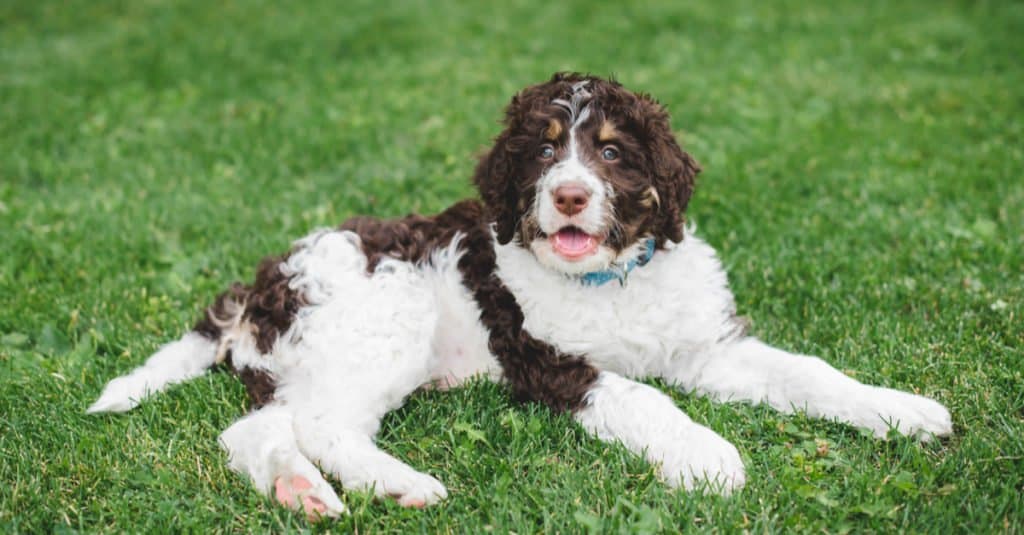
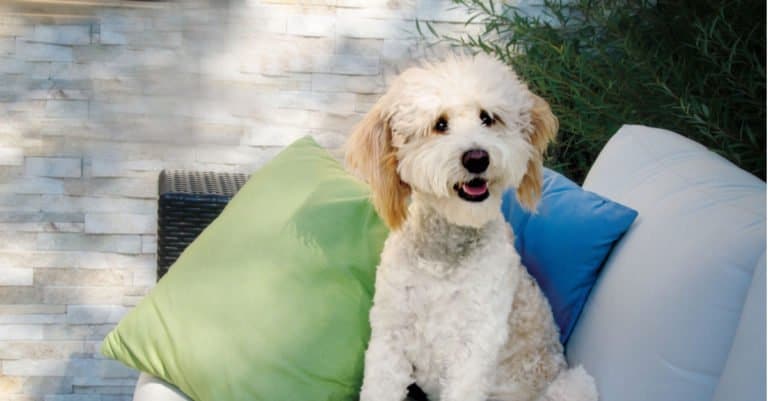
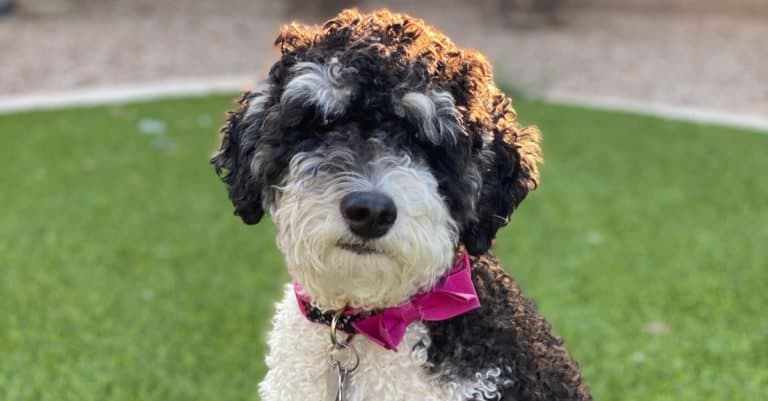
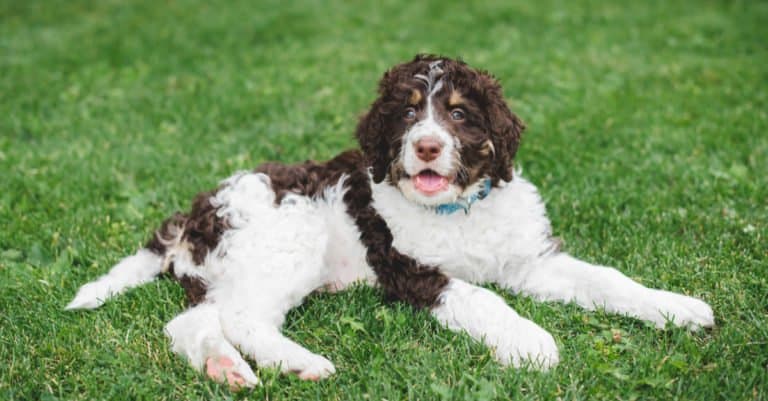
Bernedoodle adult laying in the grass

Bernedoodles enjoy cuddling and spending time with their family members.

Common Health Issues

This Bernese mountain dog mix is vibrant and healthy. However, they are still prone to potential health issues inherited from their Poodle and Bernese mountain dog parents. Therefore, hip and elbow dysplasia is possible, similar to many larger dog breeds. Other conditions can include the following:

Temperament

Unfortunately, there is a lot of variation among Bernedoodles, even in the same litter, so it’s hard to determine what type of personality they might inherit. However, while they can take after their docile Bernese mountain dog parent, they are far from lazy; they are generally outgoing, social, and love learning new skills. Therefore, these hybrids are receptive to training and will probably be the best-mannered pooch you have ever owned. However, they are more wary of strangers than other doodle hybrids, so early socialization will significantly benefit them. But, some owners prefer their wariness, as this trait makes them fantastic guard dogs.

This Bernese mountain dog mix gets very attached to its loved ones and demands plenty of attention. Therefore, owners shouldn’t leave these hybrids alone for too long, as it makes them anxious and scared. If they are left to their own devices for extended periods, they can act out destructively by barking, chewing, messing in the house, and engaging in hyperactive play.

How to Take Care of a Bernese Mountain Dog Mix

Taking care of the Bernedoodle is probably the most challenging part of owning one. They have many needs that must be met daily, including:

The Best Dog Food

Providing your Bernedoodle with the best dog food is vital to their well-being. The more owners focus their attention on their dog’s individual nutritional requirements, the less they’ll spend on vet bills, and the longer their hybrid will live. While it might be hard to ignore your dog’s pleading eyes when eating, you must not give in. Overfeeding this Bernese mountain dog mix is a surefire way to cause health issues as they get older. So, only feed your hybrid the best-quality food you can afford, and be strict about adhering to a routine.

There are four types of dog food you can choose from:

  • Kibble
  • Wet food
  • Raw
  • Cooked

While cooked and raw food are increasingly popular these days and provides a lot of nutritional value, owners should always consult with their veterinarian to ensure they provide their pooches with a balanced diet. However, the most practical way to feed a large dog like this is with a combination of wet and dry food. But always ensure to purchase brands with high protein content. If meat isn’t the first ingredient on the label, it is not a suitable option.

Grooming

The Bernedoodle needs a good brush at least twice weekly to keep its knots and tangles in check. However, a visit to the groomer every five months will leave your hybrid feeling refreshed and happy.

Owners should only bathe their Bernese mountain dog mixes when necessary. Their skin has natural oils that keep it moisturized and healthy, and if you wash them too often, their skin becomes dry and flaky.

Lastly, their nails and ears need clipping and cleaning every month. Ensure you take them to a professional for these tasks, because if you don’t know what you are doing, you can severely injure your dog. Additionally, their oral health is very important, so they need their teeth brushed at least three times a week with dog-friendly toothpaste.

Training

While Bernedoodles can be quite stubborn, they are highly responsive when provided with the correct input because of their eager-to-please, calm, and intelligent nature. However, owners should still expect mischievous behavior from them, along with some additional cheekiness. But with some patience and repetition, you’ll have a well-balanced dog in no time.

Because this Bernese mountain dog mix is incredibly sensitive, yelling or losing your temper will negatively affect their progress. Instead, opt for positive reinforcement, using lots of healthy treats and praise. Socialization is essential for this breed; by exposing them to different places, people, and animals, you are helping them overcome their fear of strangers.

Exercise

Because the Bernedoodle is a hybrid, its energy levels will differ depending on which parent it takes after. However, these dogs are considered moderately active. Therefore, they enjoy spending lots of time outdoors, doing activities like walking, running, and especially swimming. A good 30 to 40 minutes of exercise daily should suffice. Additionally, they also require plenty of mental stimulation; giving them puzzle toys and playing interactive games will keep them out of trouble.

Puppies

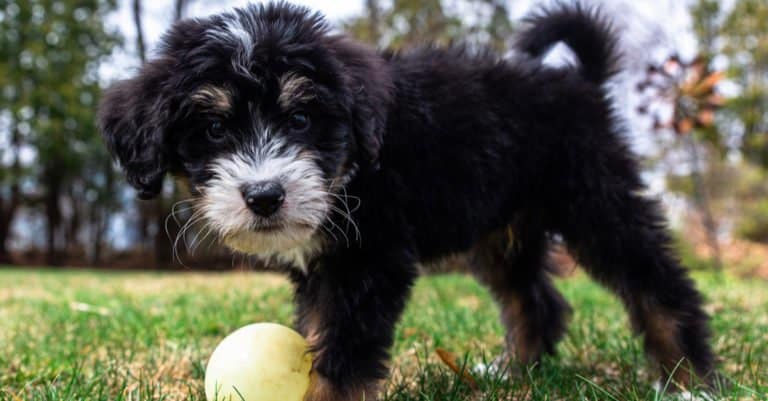
Female Bernedoodles can give birth to six to ten puppies at a time. Bernedoodle puppies tend to be headstrong, but will outgrow this trait with proper training. The size of the puppies will differ, but a breeder should be able to give you an estimate based on previous litters or the parents’ size. These Bernese mountain dog mixes only fully mature at 18 months old.

Bernese Mountain Dog Mix and Children

A properly socialized and trained Bernedoodle is fantastic with children. However, kids should be instructed on how to treat these hybrids, especially when the dogs are fragile puppies. This designer breed is affectionate and enjoys playing with the whole family. Additionally, they get along well with other dogs but will require socialization to ensure they are comfortable around new pets.

Cost

Purchasing a Bernedoodle from a reputable breeder will typically cost between $2,000 and $5,500. However, prices will vary depending on the breeder, location, size, and pedigree. Because this is one of the rarer hybrids, finding a breeder may not be easy. Therefore, seeking out a breeder who can answer all your questions about lineage, health, and pedigree is highly recommended.

Dogs similar to the Bernese Mountain Dog Mix

View all 453 animals that start with B

Sources

  1. Dog Time / Accessed January 14, 2023
  2. All Things Dogs / Accessed January 14, 2023
  3. Pride and Predjudoodles / Accessed January 14, 2023
Chanel Coetzee

About the Author

Chanel Coetzee

Chanel Coetzee is a writer at A-Z Animals, primarily focusing on big cats, dogs, and travel. Chanel has been writing and researching about animals for over 10 years. She has also worked closely with big cats like lions, cheetahs, leopards, and tigers at a rescue and rehabilitation center in South Africa since 2009. As a resident of Cape Town, South Africa, Chanel enjoys beach walks with her Stafford bull terrier and traveling off the beaten path.
Connect:

Thank you for reading! Have some feedback for us?


Bernese Mountain Dog Mix FAQs (Frequently Asked Questions)

The Entlebucher Mountain Dog is the smallest of the four Swiss Mountain Dogs.