

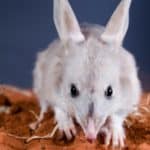
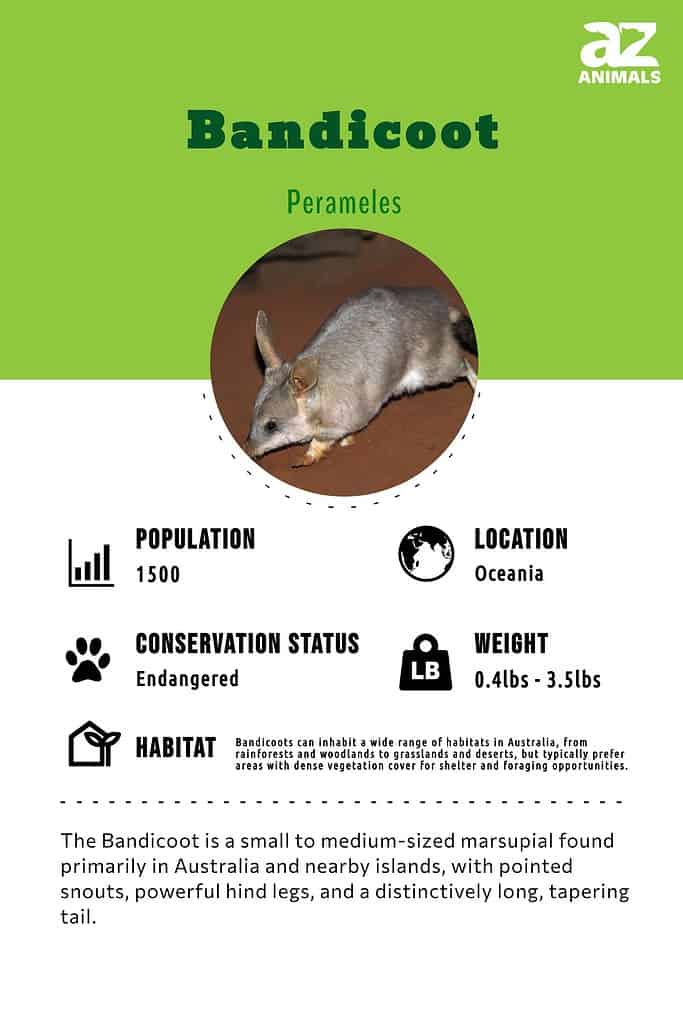
B
Species Profile

Bandicoot

Peramelemorphia

Digging by night, healing soils by day
Luke Shelley/Shutterstock.com

Bandicoot Distribution

Click a location to explore more animals from that region

Endemic Species
Loading map...

Size Comparison

Human 5'8"
Bandicoot 7 in

Bandicoot stands at 10% of average human height.

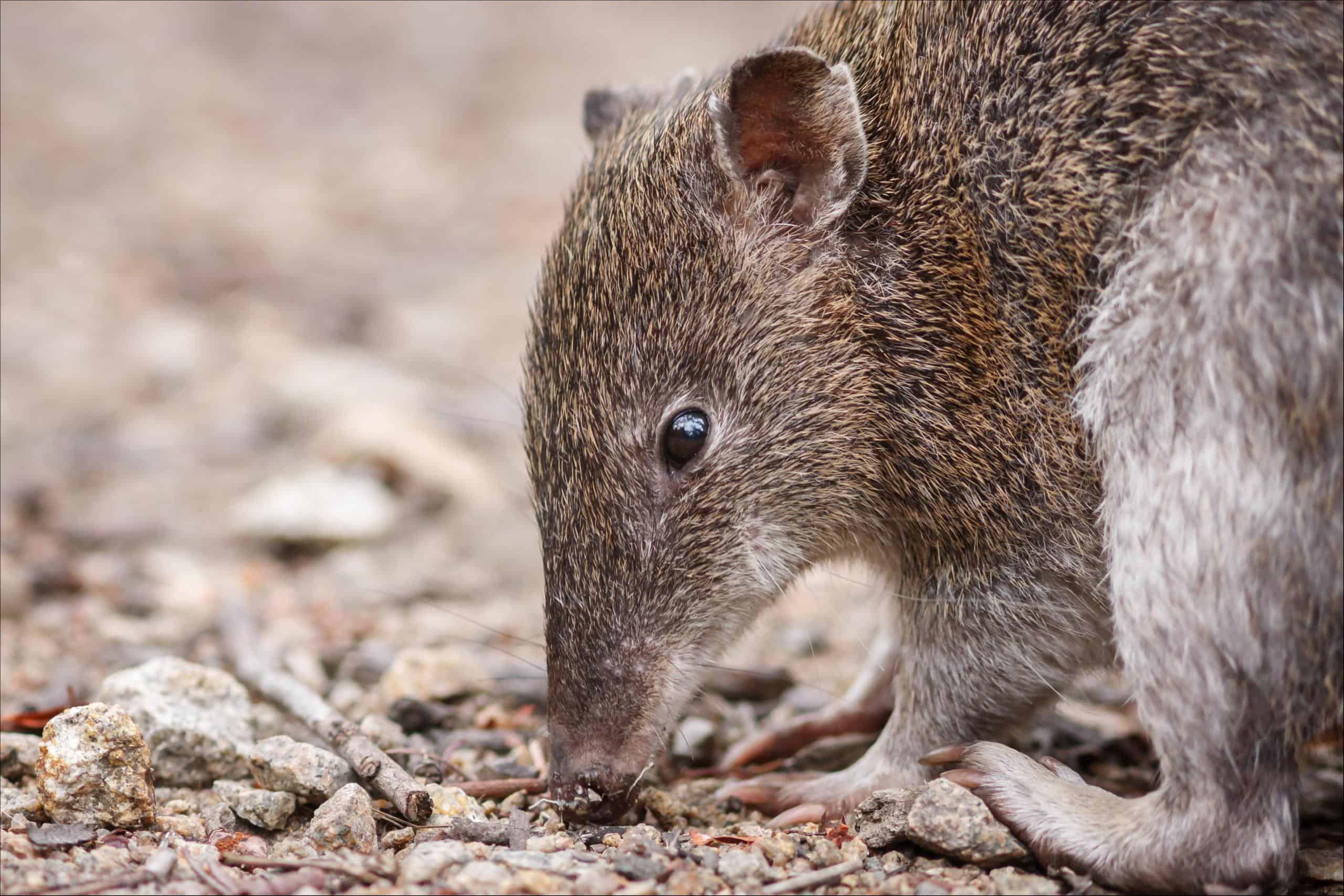
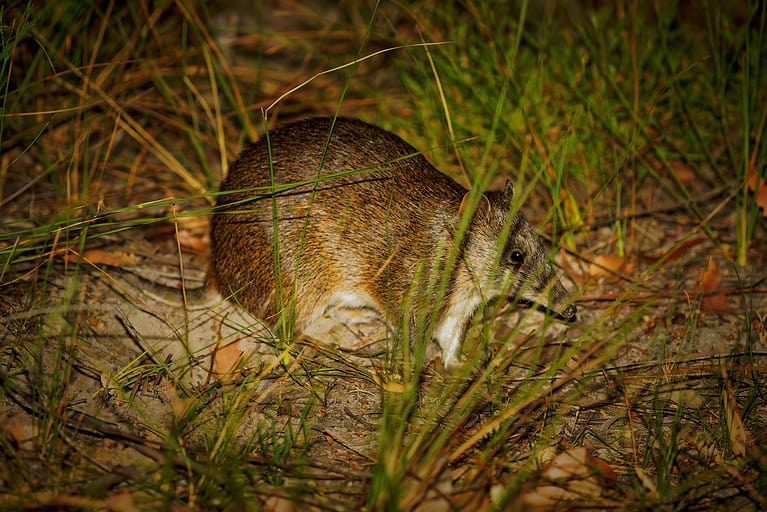
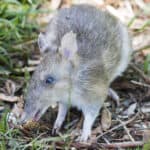
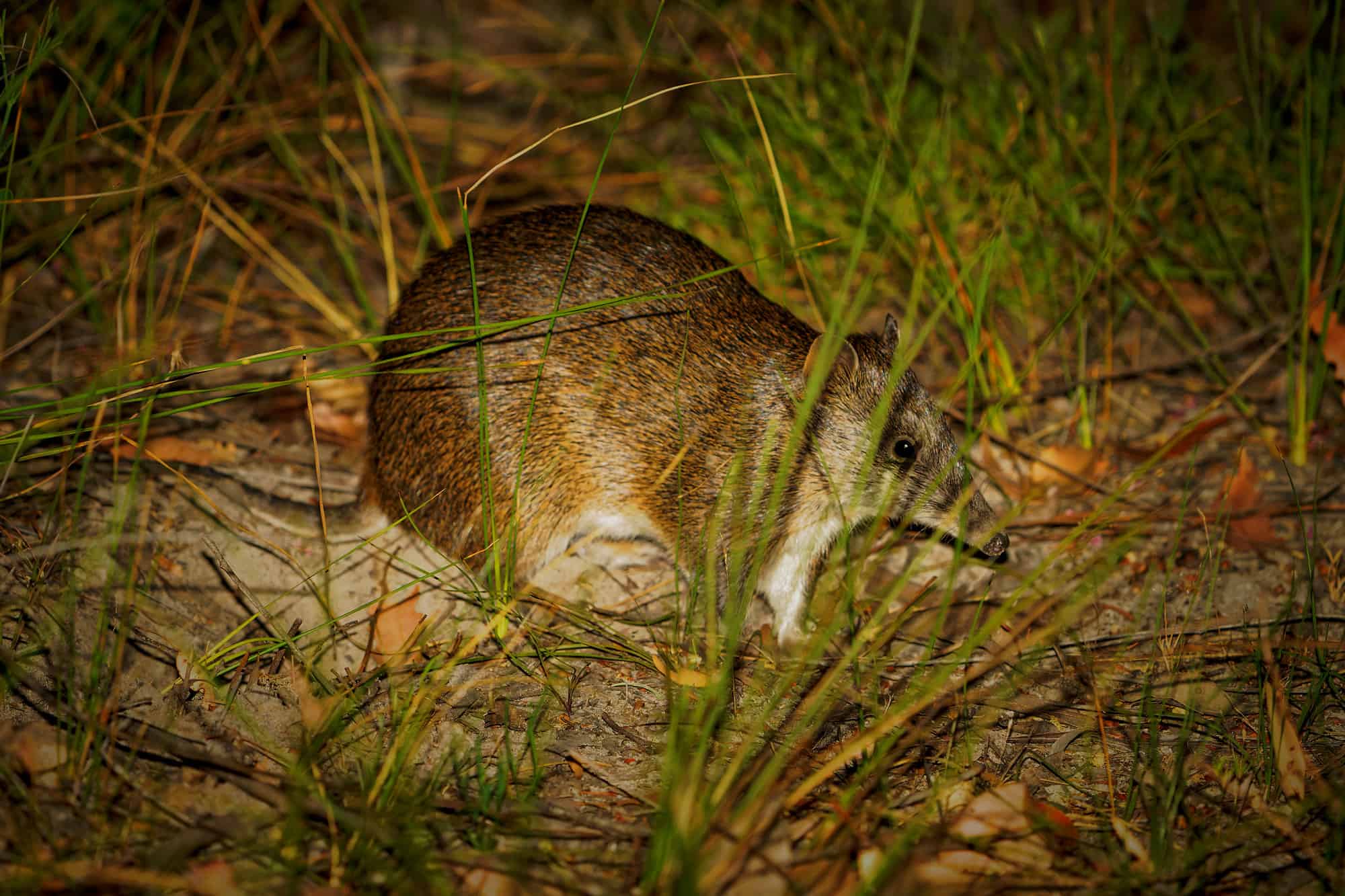
Southern Brown Bandicoot closeup of head at ground level while feeding on ground

At a Glance

Order Overview This page covers the Bandicoot order as a group. Stats below are general traits shared across the order.
Diet Omnivore
Activity Nocturnal+
Lifespan 3 years
Weight 2.7 lbs
Status Not Evaluated
Did You Know?

Peramelemorphs are among the few marsupials that develop a placenta-like organ during pregnancy (alongside very short gestations).

Scientific Classification

Order Overview "Bandicoot" is not a single species but represents an entire order containing multiple species.

Bandicoots (order Peramelemorphia) are small to medium-sized omnivorous marsupials from Australia and New Guinea, including the bilbies. They are ground-dwelling, mostly nocturnal, with pointed snouts and strong forelimbs adapted for digging, and they play important ecological roles as soil-disturbing foragers.

Kingdom
Animalia
Phylum
Chordata
Class
Mammalia
Order
Peramelemorphia

Distinguishing Features

  • Marsupials with a pointed snout and compact body; many species have a short tail (bilbies longer-tailed with very large ears)
  • Strong digging claws; characteristic small cone-shaped foraging holes
  • Omnivorous diet (invertebrates, fungi, roots/tubers, fruits, seeds)
  • Short gestation and pouch young; high reproductive potential relative to many mammals

Physical Measurements

Males and females differ in size

Height
7 in (4 in – 12 in)
6 in (3 in – 9 in)
Length
1 ft 10 in (10 in – 2 ft 11 in)
1 ft 8 in (12 in – 2 ft 9 in)
Weight
3 lbs (0 lbs – 9 lbs)
2 lbs (0 lbs – 6 lbs)
Tail Length
6 in (2 in – 11 in)
6 in (2 in – 1 ft 1 in)
Top Speed
30 mph
Short fast bursts (~30–48 km/h)

Appearance

Primary Colors
Secondary Colors
Skin Type Marsupials with short to medium thick fur; tough skin on nose and front feet for digging; strong hard claws; large, thin ears (especially bilbies) to help body heat; tails range from furry to sparsely haired.
Distinctive Features
  • Order-level size range (smallest to largest living members): typically ~14-60 cm head-body length, tail ~5-30 cm, and roughly ~0.15-5 kg body mass (varies by family and habitat; bilbies are among the larger, long-eared forms).
  • Distribution/general habitat: native to Australia and New Guinea, occupying environments from arid and semi-arid shrublands/deserts (notably bilbies) to woodlands, grasslands, and some rainforest/mesic systems (several New Guinea taxa).
  • Body plan: compact, ground-dwelling marsupials with a pointed, elongate snout; relatively short neck; strong forelimbs and robust foreclaws for digging; hind feet often adapted for quick bounding/zig-zag running.
  • Feeding ecology (generalized): omnivorous and opportunistic-mix of invertebrates (insects, larvae, earthworms), fungi, seeds, fruits, and other plant material. The exact diet shifts strongly with local availability, rainfall, season, and habitat type.
  • They dig and turn soil while looking for food, making many small pits that help water soak in, help seedlings, move organic matter, and change soil microbes; impact varies with population and ground type.
  • Activity and sociality: mostly nocturnal/crepuscular; generally solitary outside breeding, with overlapping home ranges in some species. Daytime shelter ranges from shallow nests in dense cover to deeper burrows (particularly pronounced in bilbies).
  • Reproduction (broad pattern): marsupials with very short gestation and altricial young; multiple breeding events can occur when conditions are favorable. Litter size and breeding seasonality vary notably among species and regions (rainfall-driven in arid zones).
  • Peramelidae (typical bandicoots) have varied coats and habitats; Thylacomyidae (bilbies) have long ears and strong digging for dry areas; Chaeropodidae (pig-footed bandicoot) is extinct, showing past diversity and different limb and foot types.
  • Many bandicoot species have declined or gone extinct since European colonization of Australia due to introduced predators (cats, foxes), habitat loss and fragmentation, changed fire patterns, and grazing and soil compaction.
  • Conservation methods vary by species and place: predator-exclusion fencing, heavy feral predator control, translocations/reintroductions (e.g., barred bandicoots, bilbies), habitat restoration, and community/Indigenous land care. Some populations recover, others keep declining.
  • Important clarification: these are marsupial bandicoots (Order Peramelemorphia) and should not be confused with 'bandicoot rats' (genus Bandicota), which are rodents.
  • Typical lifespan range: often ~1-5 years in the wild (high predation and environmental variability), with some individuals/species capable of reaching ~7-10+ years in managed care; longevity varies by species size, predation pressure, and habitat conditions.

Sexual Dimorphism

Generally subtle and variable across the order. In many species, males average slightly larger and heavier with more robust heads/shoulders; in others, differences are minimal. Seasonal condition, local resource abundance, and population structure can make dimorphism hard to detect without measurements.

  • Often slightly larger body mass and head size on average (species-dependent).
  • May show more pronounced neck/shoulder musculature in some taxa.
  • Scent-marking structures/behaviors can be more evident in males in some species (expression varies).
  • Often slightly smaller on average; body condition can vary strongly with reproductive state and food availability.
  • Marsupium (pouch) presence; pouch orientation and development vary among peramelemorphs, reflecting differences in digging lifestyle and species ecology.

Did You Know?

Peramelemorphs are among the few marsupials that develop a placenta-like organ during pregnancy (alongside very short gestations).

Many species have a backward-opening pouch-handy when digging so soil doesn't fill the pouch.

Their foraging leaves thousands of small pits per hectare, boosting water infiltration, seedling establishment, and nutrient cycling.

The order includes both rainforest and desert specialists-from New Guinea's large bandicoots to Australia's arid-zone bilbies.

The extinct pig-footed bandicoot (family Chaeropodidae) was so specialized it had reduced toes ending in hoof-like nails.

"Bandicoot" entered English via Indian languages (from a Telugu term often translated as "pig-rat"), and was later applied to Australasian species.

Australia's modern "Easter Bilby" tradition promotes native wildlife conservation in place of the introduced rabbit symbol.

Unique Adaptations

  • Digging toolkit: elongated snout for probing, robust forelimbs and claws for excavating, and keen smell/hearing for locating underground prey.
  • Backward-opening pouch in many species (not universal across every species), reducing soil entry while digging.
  • Syndactylous hind feet (fused toes) used for grooming-common in several marsupial lineages but important in peramelemorph grooming and fur maintenance.
  • Very short gestation (about 12-15 days in many species) followed by extended pouch life-an extreme reproductive strategy among mammals.
  • Placenta-like chorioallantoic development (unusual among marsupials) that supports embryonic growth during the brief pregnancy.
  • Burrow specialization in bilbies: long ears and strong forelimbs paired with deep, spiraling burrows that buffer heat and predators in arid environments.

Interesting Behaviors

  • Nocturnal/crepuscular foraging with rapid "snout-probing" and powerful forelimb digging; individuals may create many small pits in a single night (extent varies by habitat and species).
  • Mostly solitary spacing: many species maintain overlapping home ranges, with males often ranging farther during breeding seasons; social tolerance varies from species to species.
  • Nest and shelter building: grass-lined ground nests, burrows (especially bilbies), or dense cover use; choice depends strongly on habitat (arid dunes vs. forest understory).
  • Flexible omnivory: diets commonly mix insects and other invertebrates with fungi, seeds, tubers, and fruit; proportions shift with season, rainfall, and local availability.
  • High reproductive potential: short pregnancies and the ability to breed quickly after setbacks support rapid population rebounds-when predation pressure is low.
  • Predator-avoidance behaviors: freezing, zig-zag sprinting to cover, and reliance on dense vegetation or burrows; effectiveness differs greatly where introduced predators are present.

Cultural Significance

Peramelemorphs (bandicoots and bilbies) are totems in Indigenous Dreaming and are valued as ecosystem engineers because their digging helps soil. The bilby is a conservation symbol (Easter Bilby). Reintroductions like the barred bandicoot show danger from foxes and cats and success when threats are reduced.

Myths & Legends

Bilbies and bandicoots appear in multiple Aboriginal Australian Dreaming traditions (varying by language group), where small ground-dwelling animals often play roles as clever foragers, burrow-makers, or totemic ancestors shaping local places and customary law.

In parts of Australia, bandicoot/bilby totems are associated with particular clans or individuals, linking people to responsibilities for country, animals, and ceremony (details differ among communities).

A prominent modern cultural story is the Australian "Easter Bilby," which arose as a home-grown alternative to the Easter Bunny and became intertwined with fundraising and public storytelling for bilby conservation.

The English name "bandicoot" (Peramelemorphia) began with Indian rodents, from a Telugu word meaning "pig-rat." Later English speakers reused it for similar Australasian marsupials, a colonial naming shift.

Conservation Status

NE Not Evaluated (IUCN assigns categories at the species level; the order Peramelemorphia as a whole is not assessed). Across member species, statuses span from Least Concern (LC) to Extinct (EX), with several taxa listed as Vulnerable/Endangered and a number of New Guinea species assessed as Data Deficient (DD). Notable highly threatened or lost taxa include Western barred bandicoot (Perameles bougainville; VU), greater bilby (Macrotis lagotis; VU), and extinct species such as the pig-footed bandicoot (Chaeropus ecaudatus; EX), lesser bilby (Macrotis leucura; EX), and desert bandicoot (Perameles eremiana; EX).

Has not yet been evaluated against the criteria.

Population Unknown

Protected Under

  • Australia: many Peramelemorphia species are covered under the Environment Protection and Biodiversity Conservation (EPBC) Act 1999 when listed; additional protections apply under relevant state/territory threatened-species and wildlife legislation.
  • Management commonly includes protected-area occupancy, predator control (especially cats/foxes), translocations, and fenced/island refuges for the most threatened taxa.

You might be looking for:

Eastern barred bandicoot

18%

Perameles gunnii

Small striped bandicoot from southeastern Australia; notable conservation story with reintroductions.

View Profile

Long-nosed bandicoot

16%

Perameles nasuta

Common bandicoot of eastern Australia, often in suburban bushland edges.

Northern brown bandicoot

14%

Isoodon macrourus

Robust ‘short-nosed’ bandicoot widespread in northern/eastern Australia.

Southern brown bandicoot

12%

Isoodon obesulus

Medium-sized bandicoot of southern Australia; several populations of conservation concern.

Greater bilby

12%

Macrotis lagotis

Desert-dwelling relative of bandicoots with long ears; iconic threatened species.

View Profile

Lesser bilby (extinct)

6%

Macrotis leucura

Smaller bilby species formerly in arid Australia; now extinct.

Life Cycle

Birth 2 joeys
Lifespan 3 years

Lifespan

In the Wild
1–7 years
In Captivity
2–7 years

Reproduction

Mating System Promiscuity
Social Structure Solitary
Breeding Pattern Transient
Fertilization Internal Fertilization
Birth Type Internal_fertilization

Behavior & Ecology

Social None (typically solitary) Group: 1
Activity Nocturnal, Crepuscular, Cathemeral
Diet Omnivore soil-dwelling invertebrates-especially beetle larvae/grubs and termites (when seasonally abundant)

Temperament

Bandicoots (Peramelemorphia) are small to medium marsupials that eat plants and animals. Adults weigh about 0.2–2.5 kg and are 15–55 cm long (tail varies). Lifespan usually 1–4 years wild, some 6–8 years captive.
Generally wary, secretive, and quick to flee; strong reliance on cover (dense vegetation, nests, burrows) and crypsis.
Often highly food- and scent-motivated while foraging; intense, focused digging behavior is typical, with tolerance for conspecifics usually low at close range.
Intraspecific aggression varies by species/sex/season (often higher among males during breeding or where ranges overlap tightly); encounters are commonly brief and avoidant rather than prolonged fighting.

Communication

soft grunts/snorts during close interactions
hisses or harsh expulsive sounds when threatened
squeaks/squeals in distress or during handling/attack
mother-young contact calls Subtle, variable among species
scent marking and olfactory investigation Urine/feces/skin gland odors; intensity varies among species
tactile communication between mother and young Pouch/nest contact
threat/avoidance postures Freezing, crouching, sudden darting
auditory cues from movement/digging and occasional foot/body thumps during agitation Reported variably

Habitat

Biomes:
Tropical Rainforest Tropical Dry Forest Savanna Desert Hot Mediterranean Temperate Grassland Temperate Forest Temperate Rainforest Alpine Wetland +4
Terrain:
Plains Hilly Plateau Valley Coastal Island Riverine Rocky Sandy Muddy +4
Elevation: Up to 12795 ft 3 in

Ecological Role

Opportunistic omnivorous foragers that function as major soil-disturbing 'ecosystem engineers' and important predators of soil/leaf-litter invertebrates across Australian and New Guinean ecosystems.

soil turnover and aeration via digging (improves infiltration, reduces compaction) redistribution of organic matter and nutrients; enhanced decomposition pathways regulation of invertebrate populations (including termites and beetle larvae) secondary seed movement/burial and occasional seed dispersal via fruit feeding potential fungal spore dispersal where fungi are consumed creation of microhabitats (foraging pits) that can aid seedling establishment and increase habitat heterogeneity

Diet Details

Main Prey:
Insects Termite Ants Insect larvae Earthworm Spider Centipedes and millipedes Snails and slugs Small soil and leaf-litter invertebrates Small vertebrates Eggs +5
Other Foods:
Roots, bulbs and tubers Seeds and grains Fruits and berries Green plant material Fungi

Human Interaction

Domestication Status

Wild

Peramelemorphia (bandicoots and bilbies) are wild marsupials with no domestication history—no breeds or long-term breeding for pets. Human impacts include habitat change (land clearing, altered fire regimes), introduced predators (feral cats, red foxes), and vehicle strikes. Humans mainly use conservation: monitoring, predator control, fenced sanctuaries, translocations/reintroductions, and captive breeding (especially bilbies). Some dig in lawns but help soil turnover.

Danger Level

Low
  • Defensive bites or scratches if handled or cornered (more likely during rescue/rehab situations)
  • Zoonotic/parasite exposure risk typical of wildlife handling (e.g., fleas/ticks; enteric bacteria)
  • Secondary hazards during encounters (road accidents from sudden animal crossings; injuries during capture/handling)

As a Pet

Not Suitable as Pet

Care Level: Expert Only

Purchase Cost: Up to $5,000
Lifetime Cost: $5,000 - $25,000

Economic Value

Uses:
Ecosystem services (soil turnover/aeration, litter mixing, nutrient cycling) Invertebrate pest suppression and scavenging (context-dependent) Cultural significance (including Indigenous knowledge and stewardship) Education, wildlife tourism, and conservation fundraising (notably bilby-focused campaigns) Research and conservation program employment Negative impacts in some settings (lawn/garden digging; occasional minor crop damage; vehicle collision costs)
Products:
  • conservation-linked merchandise and fundraising (e.g., bilby-themed campaigns)
  • eco-tourism/visitor experiences at sanctuaries and wildlife parks
  • scientific and veterinary knowledge outputs (monitoring, disease ecology, predator-control methods)

Relationships

Predators 10

Red fox
Red fox Vulpes vulpes
Feral cat Felis silvestris catus
Dingo
Dingo Canis lupus dingo
Spotted-tailed quoll Dasyurus maculatus
Northern quoll Dasyurus hallucatus
Wedge-tailed eagle Aquila audax
Barn owl
Barn owl Tyto alba
Powerful owl Ninox strenua
Gould's goanna Varanus gouldii
Amethystine python
Amethystine python Simalia amethistina

Related Species 8

Australian bandicoots Peramelidae Shared Family
Bilbies Thylacomyidae Shared Family
New Guinea bandicoots Peroryctidae Shared Family
Pig-footed bandicoot Chaeropus ecaudatus Shared Family
Long-nosed bandicoots Perameles Shared Genus
Short-nosed bandicoots Isoodon Shared Genus
Echymipera bandicoots Echymipera Shared Genus
Bilbies Macrotis Shared Genus

Ecological Equivalents 5

Animals that fill a similar ecological role in their ecosystem

Short-beaked echidna Tachyglossus aculeatus Shares a ground-foraging, digging lifestyle focused on invertebrates; both disturb soil and leaf litter while feeding, although echidnas are monotremes and are more specialized myrmecophages.
Bettongs Bettongia spp. Overlap in nocturnal terrestrial foraging and ecosystem engineering (digging and scratching that mixes soil and affects fungal and seed dynamics), especially in drier Australian habitats.
Potoroos Potorous spp. Occupy a similar niche as small nocturnal marsupial foragers that dig for subterranean foods, notably fungi, and create small pits that influence soil processes.
Native rodents Muridae Some species overlap in size, nocturnal activity, diet (omnivory and insectivory), and predator–prey relationships, although rodents generally perform less intensive soil-turnover digging than bandicoots.
Shrews Soricidae Small, often nocturnal insectivores that take similar prey (invertebrates). Bandicoots are generally larger, more omnivorous, and are marsupials rather than placentals.

Types of Bandicoot

21

Explore 21 recognized types of bandicoot

Long-nosed bandicoot Perameles nasuta
Eastern barred bandicoot
Eastern barred bandicoot Perameles gunnii
Western barred bandicoot Perameles bougainville
Desert bandicoot (extinct) Perameles eremiana
Southern brown bandicoot Isoodon obesulus
Northern brown bandicoot Isoodon macrourus
Golden bandicoot Isoodon auratus
Quenda (southwestern brown bandicoot) Isoodon fusciventer
Greater bilby
Greater bilby Macrotis lagotis
Lesser bilby (extinct) Macrotis leucura
Pig-footed bandicoot (extinct) Chaeropus ecaudatus
Common echymipera (kalubu) Echymipera kalubu
Long-nosed echymipera bandicoot Echymipera rufescens
Clara's echymipera Echymipera clara
David's echymipera Echymipera davidi
Giant bandicoot Peroryctes broadbenti
Raffray's bandicoot Peroryctes raffrayana
Ornate bandicoot Peroryctes ornatus
Mouse bandicoot Microperoryctes murina
Striped bandicoot Microperoryctes longicauda
Seram bandicoot Rhynchomeles prattorum

The humble bandicoot is one of the world’s most well-known marsupials.

Endemic to the Australian region, the bandicoot animal is small to a medium-sized mammal that looks like it was cooked up in a laboratory.

The unusual appearance has earned it comparisons to rodents, rabbits, or even opossums. But it is an entirely unique type of animal all to its own.

The bandicoot’s calling card is the ability to poke the ground with its long snout in search of food. This has sometimes earned it the name of snout poker. However, due to changes in the Australian ecosystem, long-term population numbers are in significant decline.

An Incredible Animal: 3 Bandicoot Facts!
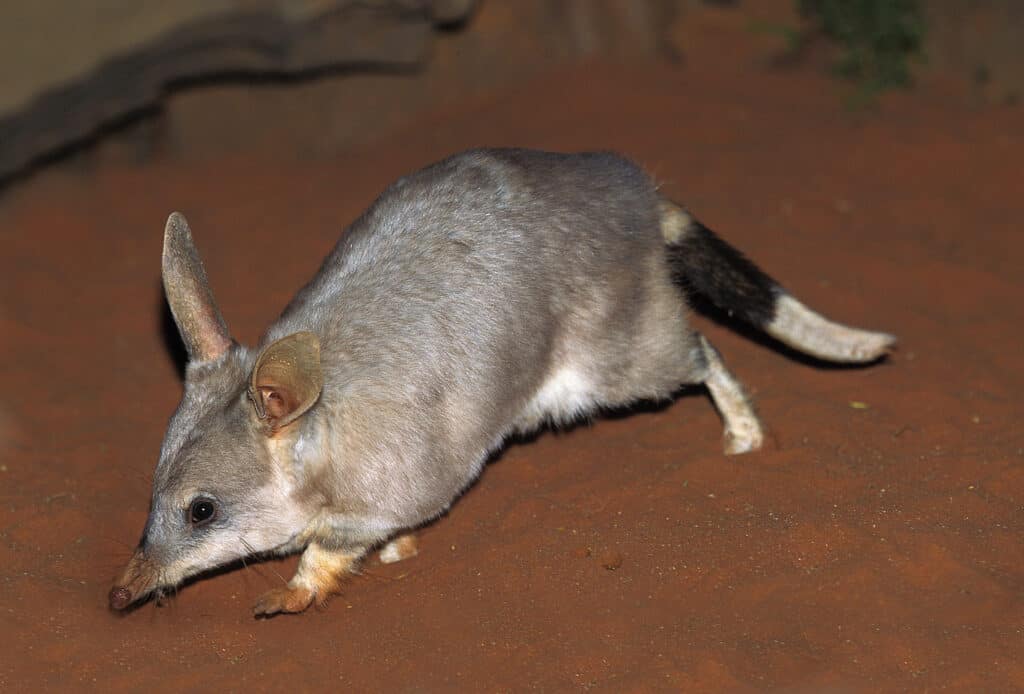
BILBY macrotis lagotis, AUSTRALIA

Bilbies have long ears and snouts, so they are often called “rabbit-eared bandicoots”.

  • Bandicoot entered public consciousness after the release of the popular video game Crash Bandicoot for the Sony PlayStation in 1996. Positioned as an edgy mascot in the image of Mario or Sonic, Crash is a genetically modified eastern barred bandicoot with unique powers.
  • Like other marsupials, the bandicoot animal carries its young in a specialized pouch for the first few weeks of life. However, there is one important difference. This pouch faces backward rather than forward to prevent dirt from entering when the bandicoot is digging into the ground.
  • Thanks to evolutionary adaptations, bandicoots have the ability to switch between different modes of movement. They can hop around on the hind legs similar to a kangaroo or walk on all four legs. The hind limb is also a useful instrument for grooming.

Bandicoot Scientific Name

The word “bandicoot” is an informal name for a group of omnivorous marsupials that comprise the order Peramelemorphia. An order, of course, is the next highest taxonomical group of organisms right below class. To give you some idea of the diversity this implies, all living and extinct primates occupy a single order as well.

The order Peramelemorphia includes both the true bandicoots and the closely related bilby, which is a desert-dwelling animal known informally as the rabbit bandicoot. As scientists have learned more about the bandicoot’s evolution and behavior, they have changed the classification several times, splitting apart some groups and combining others.

Currently, a single family known as Peramelidae contains the most living species of bandicoots. Within this family, the Australian bandicoots and New Guinean bandicoots are generally split into different genera. There are currently more than 20 known species of bandicoots documented across the entire order.

The name bandicoot is actually a rough translation of the word pandi-kokku, or pig-rat, from the South Indian language of Telugu. The term was originally applied to an unrelated group of rodents in India before it was adapted to describe the marsupial. It also goes by several different names in local dialects.

Evolution and Origins

Little marsupials called bandicoots, which are endemic to Australia and New Guinea, use their front feet to dig for prey.

The oldest fossil bandicoot was 24.9 million years old, however, the oldest fossil bandicoot has now been found as being 26 million years old (Bulungu minkinaensis). This week, Alcheringa: An Australasian Journal of Palaeontology published the study.

The long-nosed bandicoot spends most of its time outdoors at night when it’s typically colder than during the day. The bandicoot uses its fur coat to regulate its body temperature and stay warm while engaging in nighttime activities.

Different Types

Here is a list of the commonly recognized species:

  1. Long-nosed Bandicoot (Perameles nasuta)
  2. Western Barred Bandicoot (Perameles bougainville)
  3. Eastern Barred Bandicoot (Perameles gunnii)
  4. Desert Bandicoot (Perameles eremiana)
  5. Golden Bandicoot (Isoodon auratus)
  6. Northern Brown Bandicoot (Isoodon macrourus)
  7. Southern Brown Bandicoot (Isoodon obesulus)
  8. Pig-footed Bandicoot (Chaeropus ecaudatus)
  9. Broad-footed Marsupial Mouse (Antechinomys laniger)
  10. Crest-tailed Mulgara (Dasycercus cristicauda)
  11. Brush-tailed Mulgara (Dasycercus blythi)
  12. Shark Bay Mouse (Pseudomys fieldi)
  13. Kakadu Pebble-mound Mouse (Pseudomys calabyi)
  14. Kimberley Rock-rat (Zyzomys woodwardi)
  15. Central Rock-rat (Zyzomys pedunculatus)
  16. Hastings River Mouse (Pseudomys oralis)
  17. Little Long-tailed Dunnart (Sminthopsis dolichura)
  18. Fat-tailed Dunnart (Sminthopsis crassicaudata)
  19. Striped-faced Dunnart (Sminthopsis macroura)
  20. Julia Creek Dunnart (Sminthopsis douglasi)

Appearance and Behavior

When first discovered, the bandicoot was originally mistaken for a type of rodent. This confusion can still occur among people today who don’t know the difference. However, the bandicoot is an animal that actually descends from the marsupial lineage.

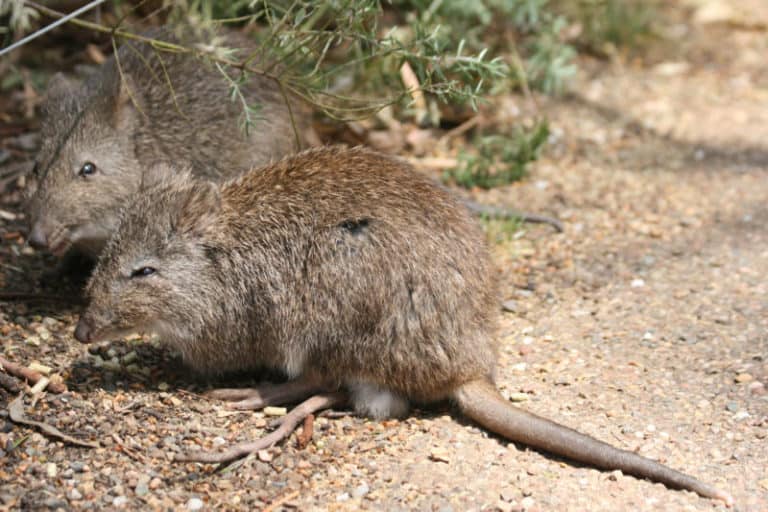
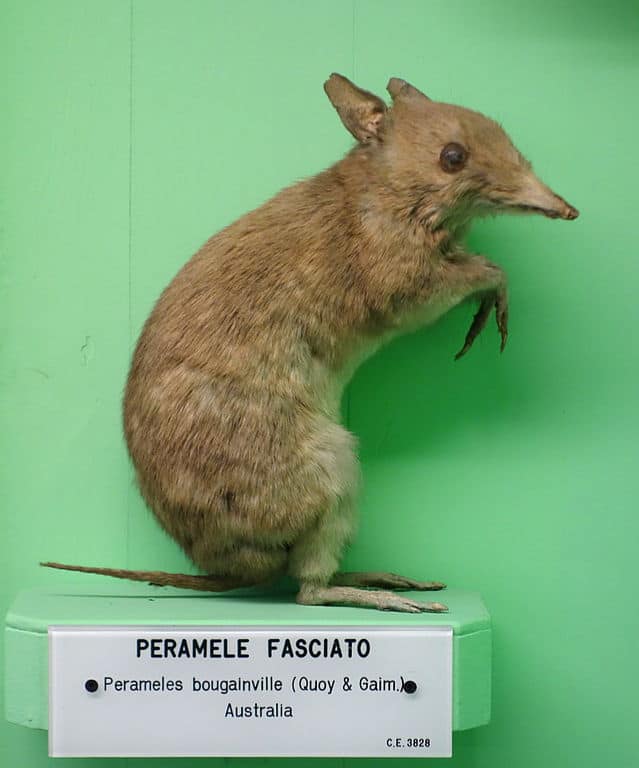
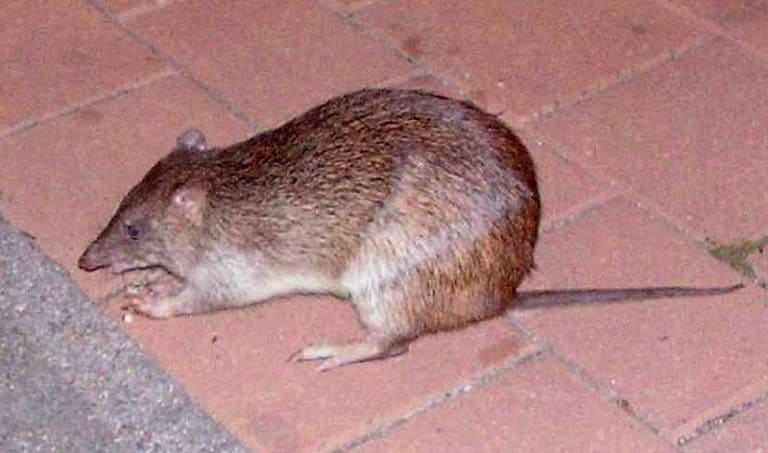
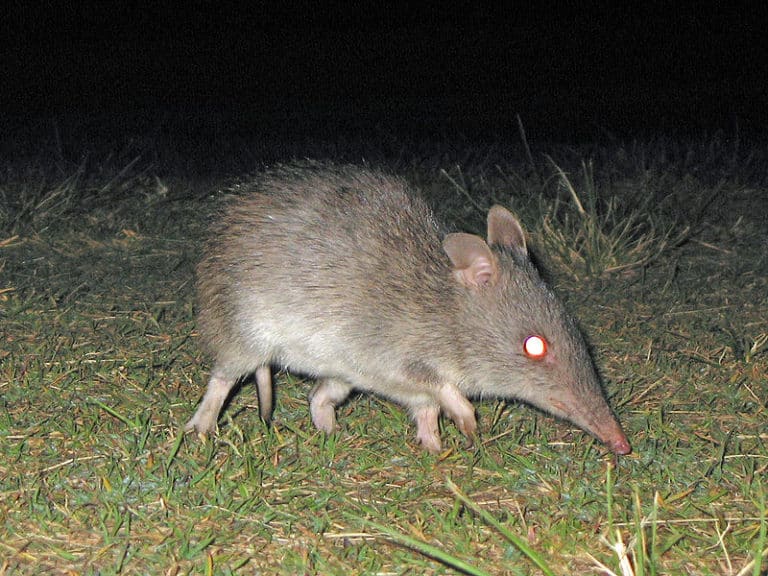
Its most distinguishing features are the pointed snout, big ears, long hairless tail, round black eyes, and plump body. The hair color is brown or tan, sometimes mixed with black or white markings. The hind limbs tend to be longer than the front limbs, and two of the toes are fused together, similar to the kangaroo.

Due to its immense diversity, the bandicoot animal has a large range of different body sizes. It typically varies between 12 and 31 inches in length, while the tail adds another four to 12 inches. This makes it on average about the size of a house cat.

Males may be up to twice as large as females, but otherwise, the sexes are similar in appearance. The main difference exhibited by the female is the rear-facing pouch with six to 10 teats to protect and feed the young. The bandicoot is one of the few marsupials to have a developed placenta. However, this placenta is small and lacks certain features, thus separating it from most other placental mammals.

The bandicoot is a nocturnal animal, meaning it comes out at night to feed and avoid dangerous predators. Spending most of its time hunting and foraging for food, it has a sharp sense of smell and hearing that can easily distinguish potential prey below the ground. To locate food, the bandicoot can dig holes with sharp front claws and long snouts. It will sometimes travel more than a mile each night in search of food.

Bandicoots are solitary hunters that only congregate with each other for the breeding season. They tend to live alone in nests near a source of water. This nest is typically comprised of a small hole in the ground with a covering of foliage and vegetation. Each bandicoot has a natural range, which will defend aggressively from intruders. The natural range of male and female bandicoots will sometimes overlap. Males are more particular about keeping other males out of their territory.

When threatened, one of the bandicoot’s main adaptations is its speed and agility. Its powerful hind legs enable it to jump in the air to affect a quick escape. Although bandicoots can bite, scratch, or kick, the main means of defense is to run away and hide.

Despite its largely solitary nature, the bandicoot animal makes several distinctive vocalizations and sounds depending on its mood. It will sometimes emit a pig-like grunt when it’s foraging and searching for food. It will also make squeak and hissing sounds when disturbed or agitated. There are additional vocalizations when mating or locating other individuals.
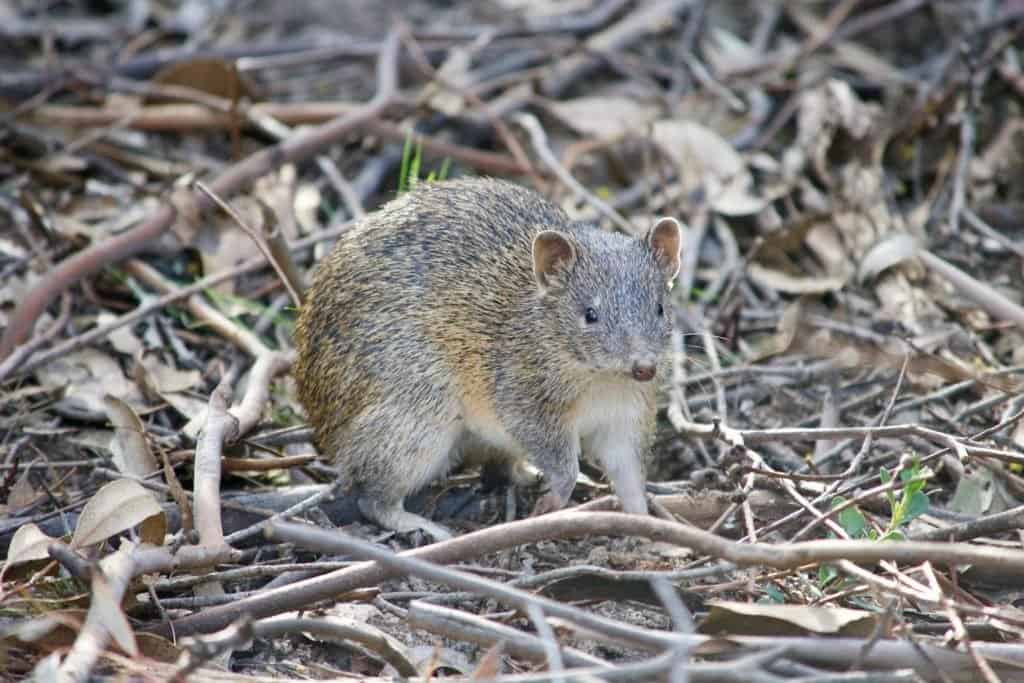
A small bandicoot animal crouching in twigs and leaves.

Habitat

Like most marsupials, the bandicoot evolved almost exclusively in its native habitat of Australia, Tasmania, New Guinea, and many smaller Pacific islands around the region. Highly adapted to this unique ecosystem of this area, the bandicoot can occupy a large range of different habitats, including woodlands, rainforests, wetlands, and grasslands at various elevations.

The thick vegetation helps to conceal them from potential predators with relative ease. Bandicoots are also capable of adapting to human environments. Buildings, vehicles, and other human structures provide ample protection and hiding spots for small animals.

What Does The Animal Eat?

All species of bandicoots have adapted, to various extents, an omnivorous diet, consisting of both meat and plant matter in different proportions. Common sources of meat include spiders, insects, small reptiles, and eggs. Common sources of plant matter include roots, berries, seeds, and tubers. However, the exact composition of the diet varies by species and region.

Although these animals can sometimes be a nuisance by consuming plants and crops in gardens and farms, this annoying behavior is usually outweighed by their propensity to consume insects and other common pests as well. For this reason, the bandicoot is often a net good to humans on average.

Predators and Threats

Because of its small size and relative physical weakness, the bandicoot is a natural prey animal for native dingoes, snakes, owls, and other large birds. The introduction of foreign predator species such as cats, dogs, and foxes over the centuries has put additional pressure on population numbers. It is also believed that direct competition with rabbits may be a potential threat to the animal.

Human encroachment is no less dangerous to the bandicoot. Most species are suffering from a loss of habitat, particularly from farming and industry. The clearance of forests not only disrupts the animal’s natural territory but also makes it harder for them to hide from predators. As humans have reshaped the Australian ecosystem, bandicoots are more likely to be killed by diseases carried by cats and other animals. They are also carriers and vectors for their own diseases, which they can spread to people or domesticated animals.

Reproduction, Babies, and Lifespan

The reproductive behavior of the bandicoot remains a bit of a mystery. What we do know is that they have a particularly long breeding season that may occur at different times of the year, depending on the species. It is believed that males and sometimes even females can have multiple mating partners throughout the breeding season. This ensures a high reproduction rate to counter the relatively high rate of mortality and death often encountered among the young.

Partners will spend only a short amount of time together. The male bandicoot will usually depart soon after copulation, leaving the female to raise the young on its own. A female bandicoot will produce anywhere between two and six young at a time, although a single animal may produce multiple litters per breeding season. The gestation period lasts a very short 12 to 15 days before the children are born.

After emerging from the womb, the young bandicoots, which are known as joeys, will remain in the mother’s pouch for the next month or two. During this time, the joeys are naked and undeveloped and measure only about half an inch in size while feeding on the mother’s milk. After leaving the pouch, the young joeys will continue to stay in the mother’s nest until they are ready to live and forage on their own.

The typical bandicoot will reach sexual maturity within the first five or six months of its life. However, compared to many other mammals, the lifespan of the bandicoot is quite short. It is known to live only two or three years in the wild.
Population

The conservation status of the bandicoot varies widely between species. The long-nosed bandicoot, which occupies the eastern coast of Australia, is currently listed as the least concern by the IUCN Red List. However, many other species are near threatened or endangered.

It is currently not known how many bandicoots are left in the world, but it is believed that they are mostly in long-term decline across most of the natural range. The genus of pig-footed bandicoots, which had particularly long and thin legs, went extinct in the 20th century. The eastern barred bandicoot is completely extinct in mainland Australia and now only resides in Tasmania.

Conservationists are making an effort to breed endangered bandicoots in captivity and reintroduce them to predator-free areas in the wild. But in order to establish long-term healthy populations, conservationists will also need to restore dense foliage and remove foxes and rabbits from the ecosystem. In short, the Australian landscape will need to look more like its pre-colonial state.

View all 453 animals that start with B
How to say Bandicoot in ...
Catalan
Bàndicut de musell llarg
Czech
Bandikut nosatý
English
Long-nosed Bandicoot
French
Perameles nasuta
Hungarian
Hosszúorrú bandikut
Italian
Perameles nasuta
Dutch
Spitsneusbuideldas
Polish
Jamraj zwyczajny
Portuguese
Perameles nasuta

Sources

  1. David Burnie, Dorling Kindersley (2011) Animal, The Definitive Visual Guide To The World's Wildlife / Accessed May 17, 2010
  2. Tom Jackson, Lorenz Books (2007) The World Encyclopedia Of Animals / Accessed May 17, 2010
  3. David Burnie, Kingfisher (2011) The Kingfisher Animal Encyclopedia / Accessed May 17, 2010
  4. Richard Mackay, University of California Press (2009) The Atlas Of Endangered Species / Accessed May 17, 2010
  5. David Burnie, Dorling Kindersley (2008) Illustrated Encyclopedia Of Animals / Accessed May 17, 2010
  6. Dorling Kindersley (2006) Dorling Kindersley Encyclopedia Of Animals / Accessed May 17, 2010
  7. David W. Macdonald, Oxford University Press (2010) The Encyclopedia Of Mammals / Accessed May 17, 2010
Rebecca Bales

About the Author

Rebecca Bales

Rebecca is an experienced Professional Freelancer with nearly a decade of expertise in writing SEO Content, Digital Illustrations, and Graphic Design. When not engrossed in her creative endeavors, Rebecca dedicates her time to cycling and filming her nature adventures. When not focused on her passion for creating and crafting optimized materials, she harbors a deep fascination and love for cats, jumping spiders, and pet rats.
Connect:

Thank you for reading! Have some feedback for us?


Bandicoot FAQs (Frequently Asked Questions)

A bandicoot is a small or medium-sized marsupial that roams the forests and grasslands of Australia. The pouch is one of the distinguishing characteristics to identify it as a marsupial.