J
Species Profile

Jagdterrier

Canis lupus familiaris

Small dog. Serious hunting drive.
iStock.com/K64End

Jagdterrier Distribution

Click a location to explore more animals from that region

Origin Location

This map shows the native origin of the Jagdterrier. As a domesticated species, they are now found worldwide.

Loading map...

Found in 1 country

Size Comparison

Human 5'8"
Jagdterrier 3 ft 7 in

Jagdterrier stands at 64% of average human height.

At a Glance

Domesticated
Also Known As Dog, Domestic dog, Domestic canine, Canine, House dog, Man's best friend, Pooch, Puppy
Diet Omnivore
Activity Diurnal+
Lifespan 6 years
Weight 90 lbs
Status Not Evaluated
Did You Know?

Developed in Germany in the 1920s as a purpose-bred hunting terrier, prioritizing performance over show traits.

Scientific Classification

The Jagdterrier (German Hunting Terrier) is a small-to-medium, high-drive working terrier breed developed in Germany primarily for hunting (notably fox and other quarry) and for use as a versatile ground dog. It is known for strong prey drive, courage, and persistence.

Kingdom
Animalia
Phylum
Chordata
Class
Mammalia
Order
Carnivora
Family
Canidae
Genus
Canis
Species
Canis lupus

Distinguishing Features

  • Compact, athletic terrier build with strong working-drive temperament
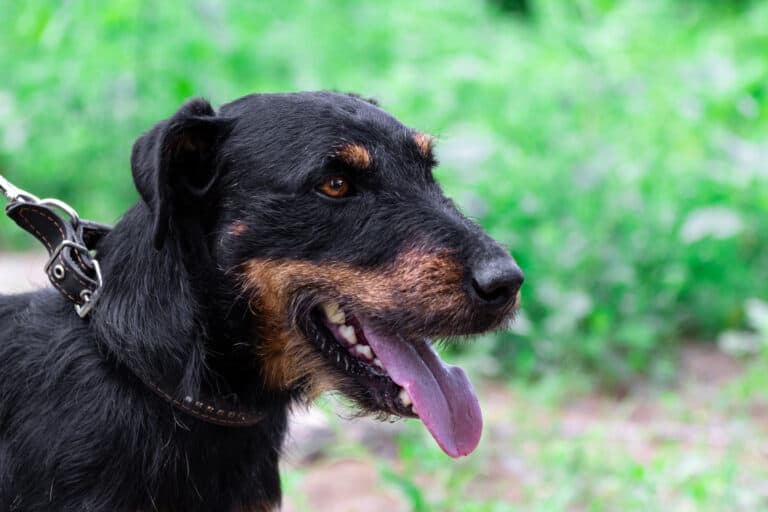
  • Often black-and-tan (commonly), sometimes other dark coat variants depending on standard
  • Bred for hunting performance (tenacity, boldness, scenting/ground work) rather than companionship alone

Physical Measurements

Males and females differ in size

Height
1 ft 3 in (1 ft 1 in – 1 ft 4 in)
1 ft 2 in (1 ft 1 in – 1 ft 3 in)
Length
1 ft 10 in (1 ft 8 in – 2 ft 1 in)
Weight
20 lbs (18 lbs – 22 lbs)
19 lbs (17 lbs – 22 lbs)
Tail Length
6 in (5 in – 7 in)
6 in (4 in – 8 in)
Top Speed
28 mph
short sprint speed

Appearance

Primary Colors
Secondary Colors
Skin Type Domestic dog skin varies in thickness and pigmentation by breed and individual; it is generally elastic and supports hair follicles and skin glands, with pigmentation often correlating with coat color and genetics.
Distinctive Features
  • Domesticated canid descended from wolves; selectively bred into many distinct breeds and landraces.
  • Extremely variable body size and proportions across breeds, ranging from very small to very large.
  • Coat length, texture, and shedding are highly variable (short, long, curly, wire/broken, double-coated, and more) depending on breed and genetics.
  • Coat colors and patterns are highly diverse, including solid, bicolor, tricolor, brindle, merle, and piebald/parti patterns.
  • Ear shape and carriage (erect, semi-erect, drop) and tail shape/carry vary widely among breeds.
  • Temperament and typical drives (prey drive, guarding, herding, retrieving) vary greatly by breed and individual due to domestication and selective breeding.

Sexual Dimorphism

Sexual dimorphism varies by breed and lineage; males are often somewhat larger and heavier than females on average, but the difference can be small in some breeds.

  • Slightly greater height/weight on average; more pronounced muscle mass through neck, shoulders, and forequarters.
  • Broader head and heavier bone (subtle), with a more rugged overall silhouette.
  • Typically lighter and slightly finer-boned while remaining very athletic and compact.
  • Often a slightly narrower head and more streamlined outline, with similar coat types and markings to males.

Did You Know?

Developed in Germany in the 1920s as a purpose-bred hunting terrier, prioritizing performance over show traits.

Most are black-and-tan (or dark grizzle) with a dense coat that can be smooth, rough, or broken.

Bred to "go to ground" after fox and similar quarry-meaning it will enter burrows and work underground.

Compared with many pet-bred dogs, Jagdterriers tend to have exceptionally high prey drive and persistence.

They're versatile: used for tracking wounded game, flushing, and even dispatch work depending on local hunting traditions.

Despite being small-to-medium, their confidence can exceed their size-handlers often describe them as "all engine."

As a domestic dog (a gray wolf subspecies), it shares the wolf's social learning and scenting ability, but is selectively shaped for human-directed hunting tasks.

Unique Adaptations

  • Compact, muscular frame suited to squeezing into dens while still having the strength to push through brush and resist quarry.
  • Weather-ready coat (smooth/rough/broken varieties) that sheds dirt and offers protection from brambles.
  • High pain tolerance and persistence-traits historically selected for demanding, sometimes dangerous quarry work.
  • Efficient scent-processing and tracking behavior inherited from the domestic dog's wolf ancestry, refined by hunting selection.
  • Strong bite/hold tendency in some lines-useful for dispatch tasks, but requires responsible handling and training.
  • High trainability for work routines when reinforced properly, paired with independence typical of terriers.

Interesting Behaviors

  • Intense quarry focus: once on scent, many will ignore distractions without training and management.
  • "Going to ground": digging, entering tunnels, and working in tight spaces-often paired with loud, persistent vocalizing to signal location.
  • Baying/alerting on game: rhythmic, insistent barking used by hunters to follow the dog's progress.
  • High patrol and perimeter behavior: they naturally check boundaries and may scan for movement (birds, squirrels, cats).
  • Tool-like use of nose: frequent air-scenting and ground-scenting; many will cast back and forth to re-find a lost track.
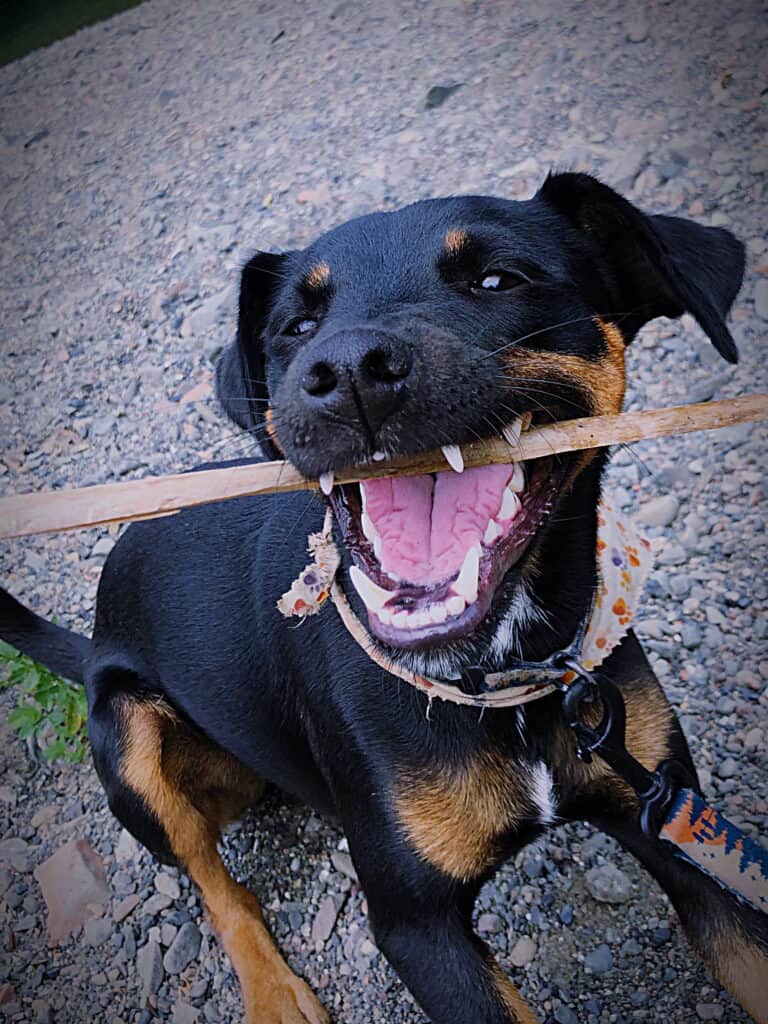
  • Strong tug and shake behavior with toys-an expression of predatory motor patterns selected for dispatch work.
  • Fast recovery and re-engagement: after exertion or correction, they often return quickly to the task (a "gritty" working trait).

Cultural Significance

The Jagdterrier is a German hunting breed made in the 20th century for field work, a ground dog for hunters not shows. Respected worldwide for grit and many jobs, it shows how selective breeding can raise prey drive, persistence, and barking beyond other domestic dogs.

Myths & Legends

Origin story among hunters: early Jagdterrier enthusiasts in post-World War I Germany pursued an "ideal hunting terrier," favoring dark, hard-working dogs and building a reputation for a no-nonsense, utility-first breed.

Field lore often celebrates the Jagdterrier as a dog that "won't quit" underground-tales passed between hunters emphasize courage and staying power in tight, dangerous places where humans can't follow.

In European tales, dark-coated 'black dogs' show up as strange protectors or omens, like ghostly black dogs in northern Europe; these images can change how people see small, dark, brave working dogs such as Jagdterriers.

In European hunting, terrier stories speak of "earth dogs" that find and hold prey underground using only their voice. Modern Jagdterrier tales echo this, barking to guide handlers to the right hole.

Conservation Status

NE Not Evaluated

Has not yet been evaluated against the criteria.

Population Stable

Life Cycle

Birth 5 pups
Lifespan 6 years

Lifespan

In the Wild
3–10 years
In Captivity
10–17 years

Reproduction

Mating System Polygynandry
Social Structure Managed Domestic
Breeding Pattern Not Applicable
Fertilization Managed Selective
Birth Type Internal_fertilization

Jagdterrier (Canis lupus familiaris) can mate with multiple partners (polygynandry), but breeding is usually controlled by people. Breeders pick pairs, time heats (often with progesterone tests), use internal fertilization, and do not rely on wolf-like helpers.

Behavior & Ecology

Social Pack Group: 3
Activity Diurnal, Crepuscular, Cathemeral
Diet Omnivore Meat-forward foods (lean red meat or poultry) and organ meats (especially liver/heart) in controlled portions

Temperament

High-drive, persistent working terrier; compared with the base species (gray wolf) it is more human-directed for tasks yet often less socially inhibitive around prey stimuli (quick to chase, grab, and vocalize).
Bold/courageous and tenacious; can show sharpness/reactivity if under-exercised or poorly socialized. Best suited to experienced handlers who can provide consistent training boundaries.
Strong prey drive and high arousal in the presence of quarry scents/movement; requires secure fencing, leash reliability, and careful pet compatibility planning (especially with cats, rabbits, and small dogs).
Trainable with reward-based methods but may be independent/stubborn; thrives on structured work (tracking, earthwork/den work substitutes, scent games, barn hunt-style activities).
HUBS (breed-wide patterns): energy and hunt motivation are consistently high; variation occurs by line (working vs companion), individual socialization, and household structure-some are more handler-soft and sociable, others more combative with unfamiliar dogs.
Generally healthy, but working terriers can get joint strains or patellar luxation from hard activity. Also dental wear, tooth breaks, and sometimes eye problems. Regular vet checks, proper weight, and exercise help.
Care requirements: daily vigorous exercise plus mental work; provide decompression walks/sniffing, impulse-control training, and safe chew outlets. Coat care is low-to-moderate (brush/strip as needed), but management of arousal and enrichment needs is high.

Communication

Sharp alarm barking at novel stimuli; can be more frequent/intense than many breeds due to terrier reactivity and watchdog tendencies.
High-pitched yips/squeals during high arousal (frustration/excitement) and during prey-focused work.
Growls/snaps as distance-increasing signals in tight spaces or over resources-more likely if poorly socialized or in multi-dog settings.
Whines during anticipation (hunt/search/play), especially when restrained or scenting.
Scent-based investigation and persistent tracking; prolonged nose-to-ground searching is a key breed-typical behavior.
Body postures: forward weight shift, stiff tail carriage, hard stare/fixation during prey lock-on; fast escalation when arousal is unmanaged.
Terrier-style digging/den-entry attempts; may target burrows, fence lines, or garden beds-provide legal digging outlets.
Mouth-oriented interaction (grabbing/tugging); requires bite-inhibition training and appropriate tug rules.
Scent marking (urine marking) and overmarking in new environments; may increase with stress or competition in multi-dog homes.
Handler check-ins are common when trained for work, but off-leash reliability can drop sharply when prey cues are present; long-line work and recall under distraction are important.

Habitat

Biomes:
Temperate Forest Temperate Grassland Boreal Forest (Taiga) Tundra Alpine Mediterranean Desert Hot Desert Cold Savanna Tropical Dry Forest Tropical Rainforest Freshwater Wetland Marine +8
Terrain:
Plains Hilly Mountainous Valley Riverine Rocky Coastal Island +2
Elevation: Up to 14763 ft 9 in

Ecological Role

Human-associated mesopredator/omnivorous opportunist used as a hunting aid; locally functions as pest-control predator around farms/settlements

rodent and small-game population control assists hunters by locating, flushing, baying, and tracking quarry removes some carrion/food waste when scavenging (increases nutrient cycling, but should be prevented for safety) supports human livelihoods/recreation as a working dog

Diet Details

Main Prey:
Small mammals Rabbits and hares Fox Badger Ground-nesting birds and eggs Invertebrates Carrion +1
Other Foods:
Berries and fallen fruit Grasses Roots and tubers Human-provided plant foods Dog kibble components

Human Interaction

Domestication Status

Domesticated

Canis lupus familiaris, the domestic dog, comes from the gray wolf by domestication beginning at least ~15,000 years ago. Dogs were bred for tameness, closeness to people, and many behaviors directed by people. The Jagdterrier (Germany, early 20th century) was bred from fox terriers for hunting drive, courage, and persistence. Humans use dogs as pets, workers, and sport animals.

Danger Level

Moderate
  • bite risk can be elevated compared with many companion-bred dogs due to intense prey drive, high arousal, and tenacity if poorly managed or insufficiently trained
  • may redirect onto handlers during high-intensity situations (e.g., breaking up a fight or during quarry work) if not expertly handled
  • dog-dog aggression or reactivity can lead to human injury during intervention
  • can chase/strike moving targets; risk to children or visitors if socialization, impulse control, and management are inadequate
  • escape/roaming risk if fencing is not secure; may pursue animals into unsafe environments (roads, conflicts with other animals)

As a Pet

Suitable as Pet

Legality: Jagdterriers are usually legal as pets where domestic dogs are allowed. Rules can still apply: dangerous-dog laws, leash or muzzle rules, hunting licenses, kennel limits, or HOA/rental rules. Check local laws and insurance.

Care Level: Expert Only

Purchase Cost: $800 - $2,000
Lifetime Cost: $15,000 - $35,000

Economic Value

Uses:
Companion animal ownership Hunting and wildlife management Working dog services Sport and competition Breeding and training services Veterinary and pet care economy
Products:
  • hunting/earthdog work (fox, raccoon-like quarry where legal, boar tracking/support in some regions)
  • vermin control on farms and rural properties
  • paid breeding (working lines) and stud services
  • professional training, handling, and kennel services
  • sport entries (earthdog, tracking, obedience, agility-though high prey drive can complicate off-leash sports)
  • pet goods and services: food, crates, fencing, enrichment toys, grooming, veterinary care

Relationships

Ecological Equivalents 7

Animals that fill a similar ecological role in their ecosystem

Gray wolf
Gray wolf Canis lupus Canis lupus familiaris (domestic dog) is the closest counterpart to gray wolves in sensory abilities and many ancestral behaviors, sharing a common origin but modified by domestication and human selective breeding into varied forms.
Jack Russell Terrier
Jack Russell Terrier Canis lupus familiaris Domestic dogs are domesticated from the gray wolf and share common ancestry and many ecological traits with wild canids such as wolves and coyotes, including varied diets, hunting and scavenging behaviors, and occasional interbreeding where ranges overlap.
Border Terrier
Border Terrier Canis lupus familiaris A domesticated canid in the genus Canis. Domestic dogs are a domesticated form of the gray wolf (Canis lupus) and share recent common ancestry, similar morphology, and broadly similar ecological roles (opportunistic predator/scavenger) with other Canis species.
Fox Terrier
Fox Terrier Canis lupus familiaris Fox terrier breeds share a history of den- and vermin-hunting work and illustrate specialized hunting behaviors that can occur in domestic dogs as a result of selective breeding.
Dachshund
Dachshund Canis lupus familiaris Working-line Dachshunds are a domestic dog breed developed to pursue quarry underground (e.g., in burrows), illustrating task-specific selection within domestic dogs.
Beagle
Beagle Canis lupus familiaris The domestic dog (Canis lupus familiaris) is a domesticated form of the gray wolf (Canis lupus). Free-ranging dogs can overlap with wolves and other canids in habitat and diet, and can hunt and scavenge similar prey and carrion.
European polecat and ferret-type mustelids Mustela putorius Not a canid; included as a functional comparison because these animals pursue prey in burrows and dense cover, behaviors that can overlap with some hunting roles for which domestic dogs have been bred.

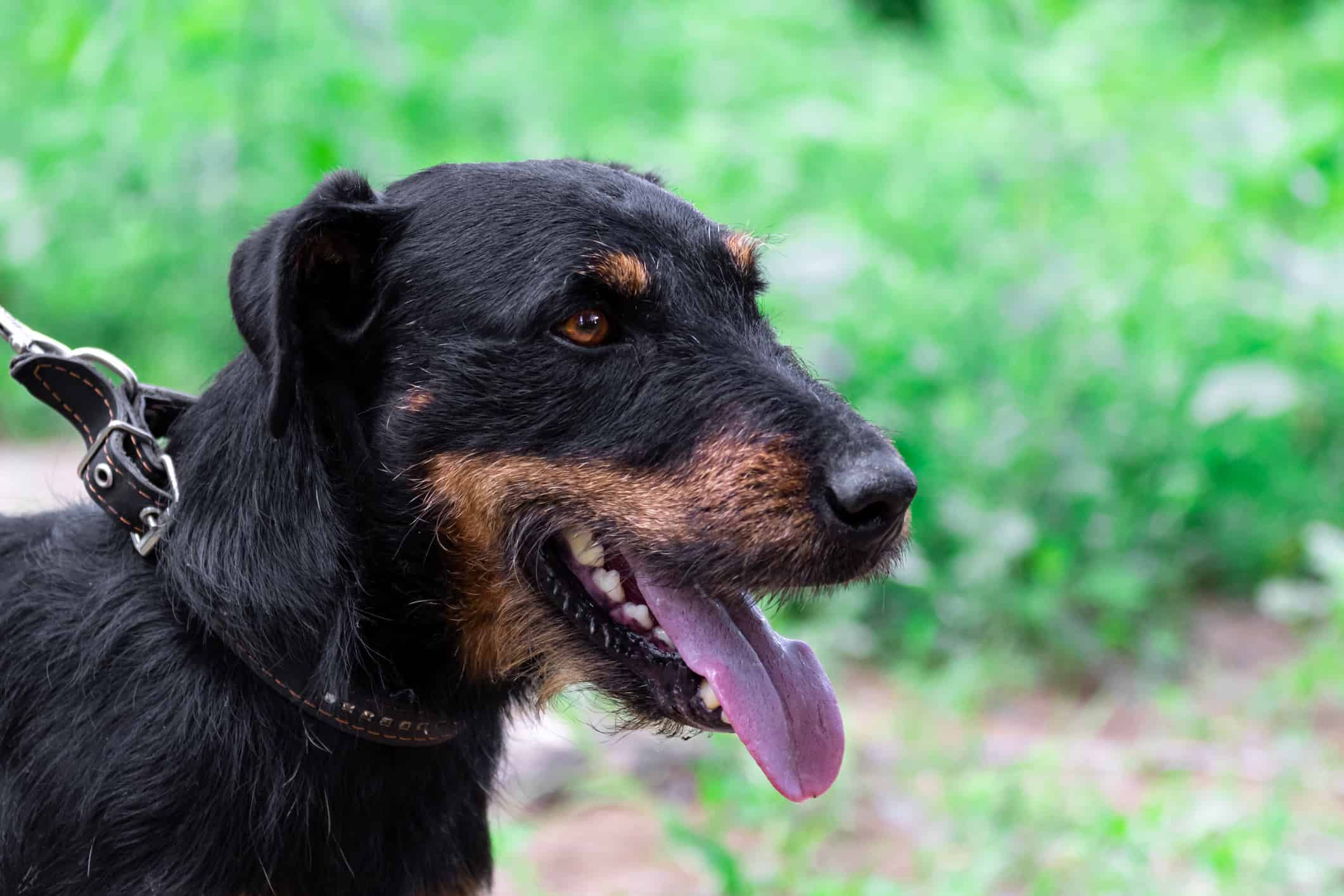
The jagdterrier, also known as the Deutscher (meaning German) jagdterrier, is a German hunting dog that loves its job. A high-energy, courageous, and highly trainable pup, this dog’s name literally translates to hunting terrier

After World War I, a group of hunters separated from the Fox-Terrier Club to create a breed focused purely on hunting performance, especially for underground prey and felled birds. They cross-bred Old English wirehaired terriers, Welsh terriers, and other breeds to create the jagdterrier. 

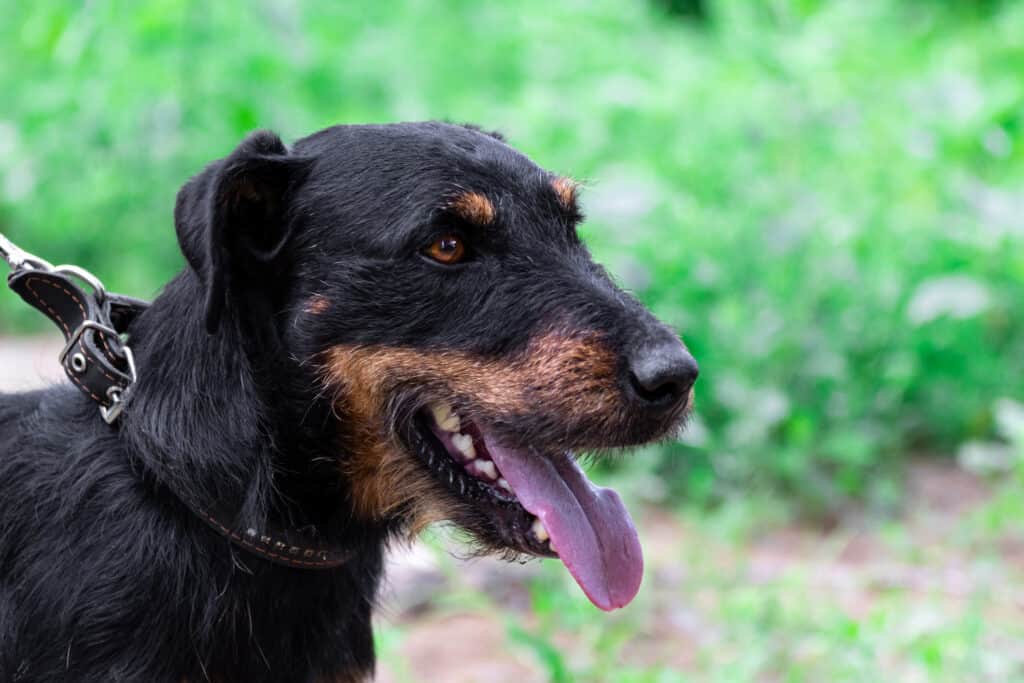
Compact, small, and well-proportioned, jagdterriers feature dense coats with black, tan, or dark grayish colorings and markings. These clever dogs are highly social and intelligent, eager to please their masters, and never back away from a challenge. Read on to learn more about the jagdterrier and everything you need to consider before purchasing this breed.

The Best Dog Food For Jagdterrier

Due to their high-energy natures and exercise requirements, jagdterriers require high-quality dog food with clean, human-grade ingredients. Any diet should be formulated to fit your pup’s age, whether they’re puppies, adults, or senior dogs. Some jagdterriers are prone to gaining weight, so it’s essential to monitor your dog’s consumption habits and ensure your pet has frequent opportunities to exercise. Treats can be a valuable tool during training and obedience work, but be stingy: over-treating can lead to your dog becoming overweight. Your veterinarian can offer recommendations for the proper amount of food to fit your dog’s age, weight, habits, and health conditions.

Pros and Cons of Owning a Jagdterrier

Pros:Cons:
Highly active companions: For active families, the jagdterrier makes an excellent on-the-go companion.Hunting instincts can take over: Without socialization, jagdterriers may try to track and hunt other pets or animals.
Exceedingly loyal: Jagdterriers were made to work as a partner to their owners and will show you undying loyalty.Need lots of exercise and training: Jagdterriers need lots of physical and mental stimulation to stay happy and healthy.
Healthy with low medical maintenance: This breed has no common health concerns, so it will likely save you money on vet bills.A rare breed: Jagdterriers are very rare in the U.S., resulting in puppies that are expensive.

Size and Weight

Female jagdterriers have an average height range of 13 to 15 inches, and males are capable of growing up to 16 inches. Males weigh as much as 22 pounds when fully grown, and females weigh an average of about 19 lbs.
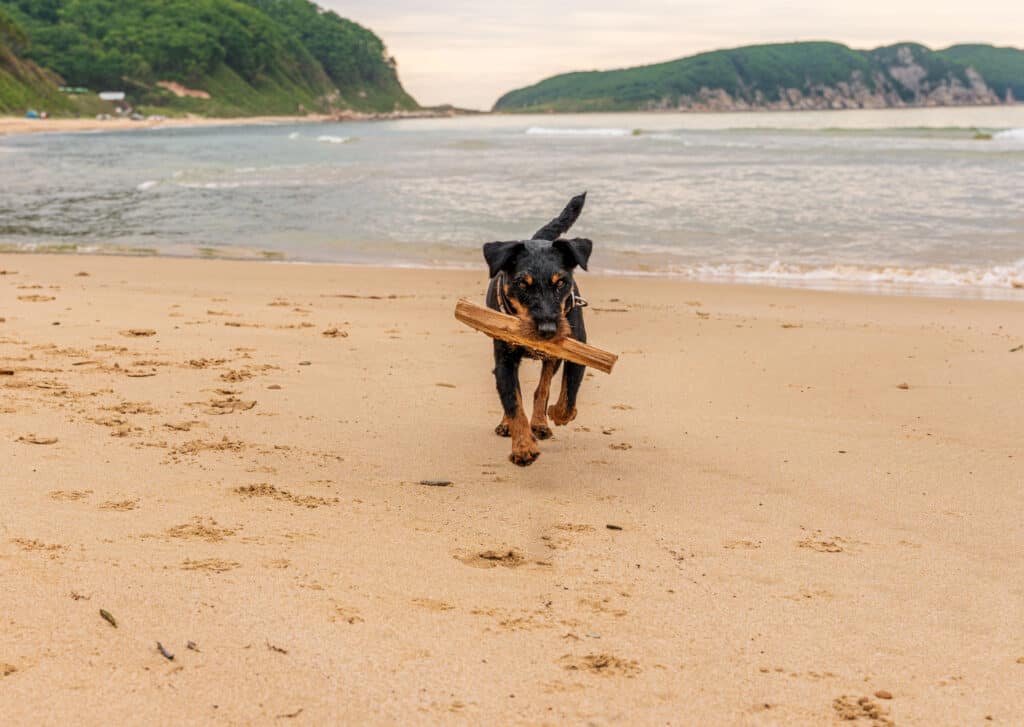
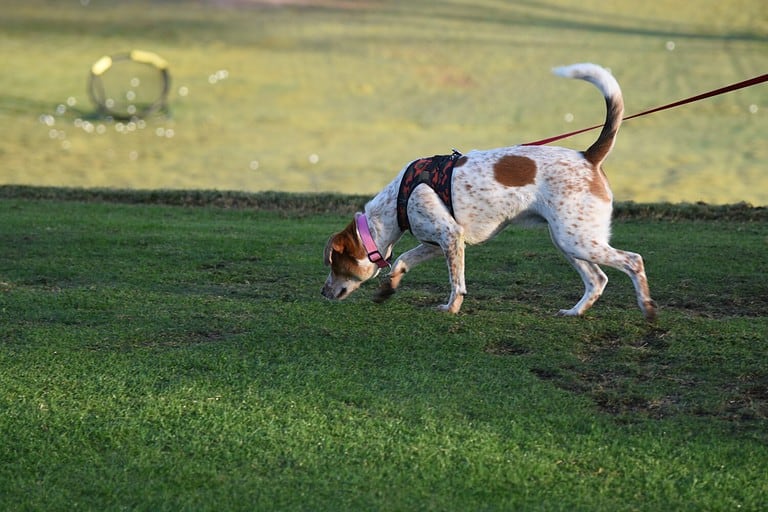
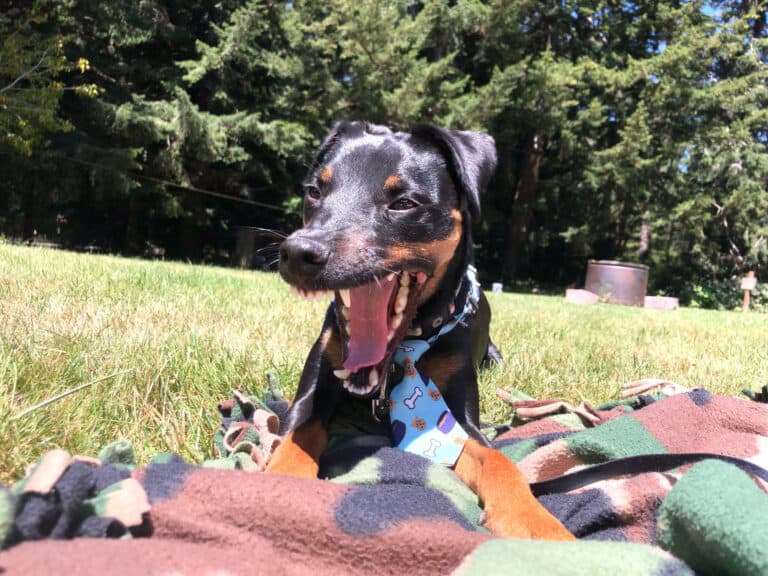
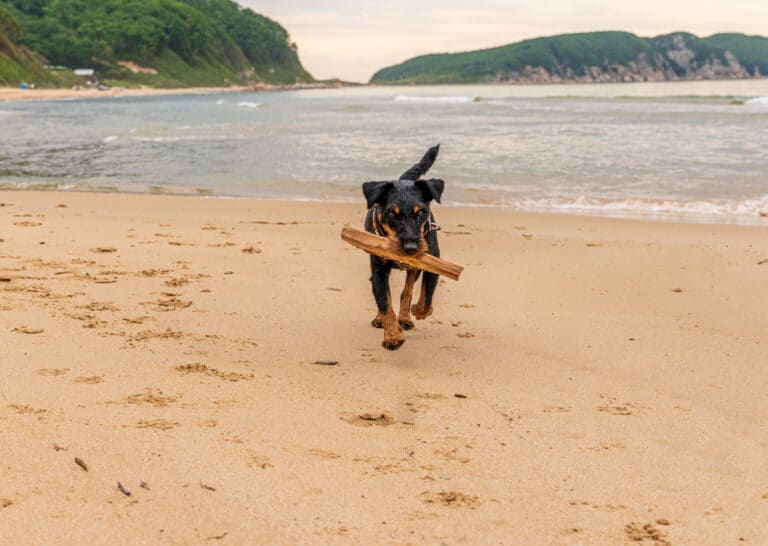
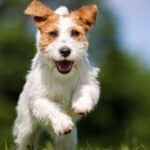
Jagdterriers love outside play.

Common Health Issues

Most jagdterriers are healthy with no serious health concerns. A responsible breeder will be watchful for any genetic disorders and can provide owners with the education they need to take good care of their dogs. One of the most common health issues jagdterriers face is primary lens luxation, which can lead to blindness if not treated. Other health concerns include:

  • Cataracts
  • Hypothyroidism
  • Glaucoma
  • Hearing loss

Temperament

Jagdterriers are exceedingly intelligent dogs that thrive on being employed with a task. They are loyal and affectionate companions whose lively attitudes outsize their small proportions. They love to play with others, whether it’s a game of fetch, chase, or agility training, making them ideal playtime partners.

How To Take Care of a Jagdterrier 

German hunting dogs are relatively low-maintenance companions for whom regular light grooming and dedicated training will significantly benefit. They are intelligent and eager to please, and as long as they’re properly exercised, jagdterriers make for an ideal family pet.

Maintenance And Grooming

A weekly brushing of his coat, along with an occasional bath, will keep your jagdterrier looking his best. Regularly brushing your dog’s teeth will delay the buildup of plaque and prevent gingivitis. You should periodically check your jagdterrier’s ears for excessive wax or debris, and remove it accordingly. Owners should regularly trim these dogs’ fast-growing nails with a nail clipper to avoid overgrowth and allow them to run about carefree, without the concern of a snagged or broken nail.

Training

Though jagdterriers typically prefer to be the sole canine companion, with proper training and socialization, they can learn to get along with fellow dogs and other pets. With short, diverse, and positive training sessions, jagdterriers can learn a whole library of tricks. Fast learners, they can quickly learn house rules and boundaries and love it when their owners provide them with a consistent structure within which to operate.

Due to their hunting instincts, jagdterriers have a powerful prey drive that may lead them to chase and potentially hurt smaller dogs or other pets. Their alert nature and watchfulness make jagdterriers effective guard dogs.

Exercise

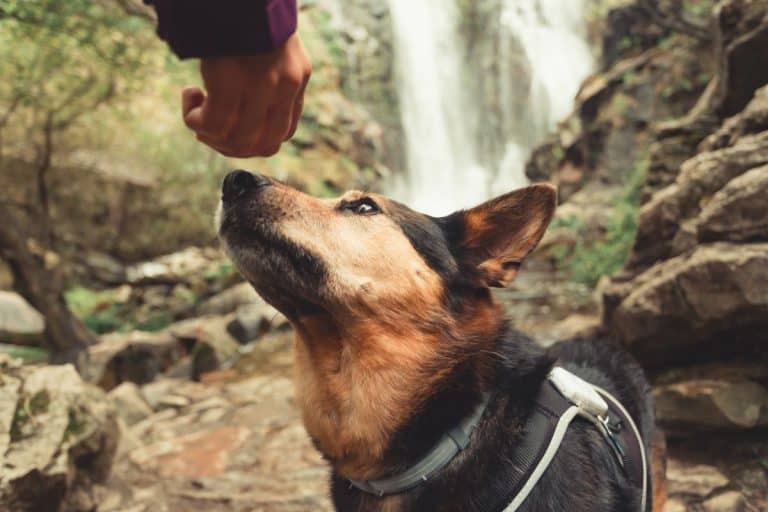
Exercise for your jagdterrier can take many forms, from a rousing round of outdoor fetch to a good indoor game of hide-and-seek. Jagdterriers love swimming and hiking with their owners, making them excellent outdoor adventure companions. Jagdterriers also thrive in competitive sports like agility, rally, and obedience training.

Puppies

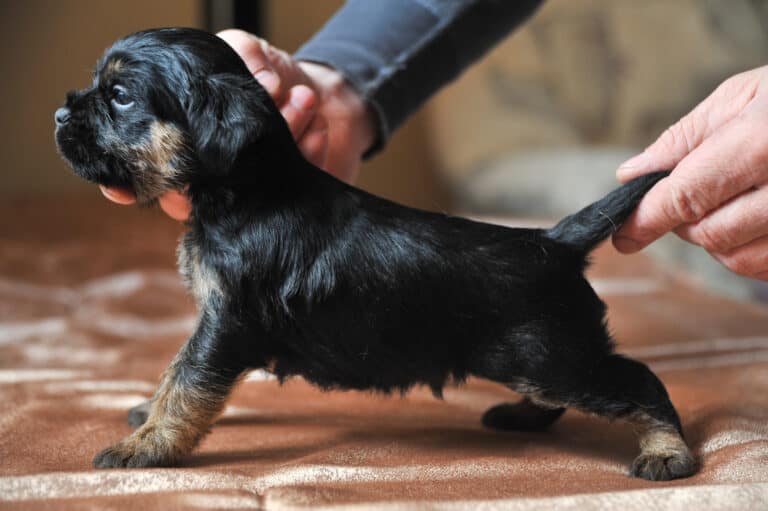
Jagdterrier puppies require several meals a day and will require regular, consistent outside potty training after every meal and play session. Early socialization and training will go a long way with your pup and encourage them to explore within set boundaries. 
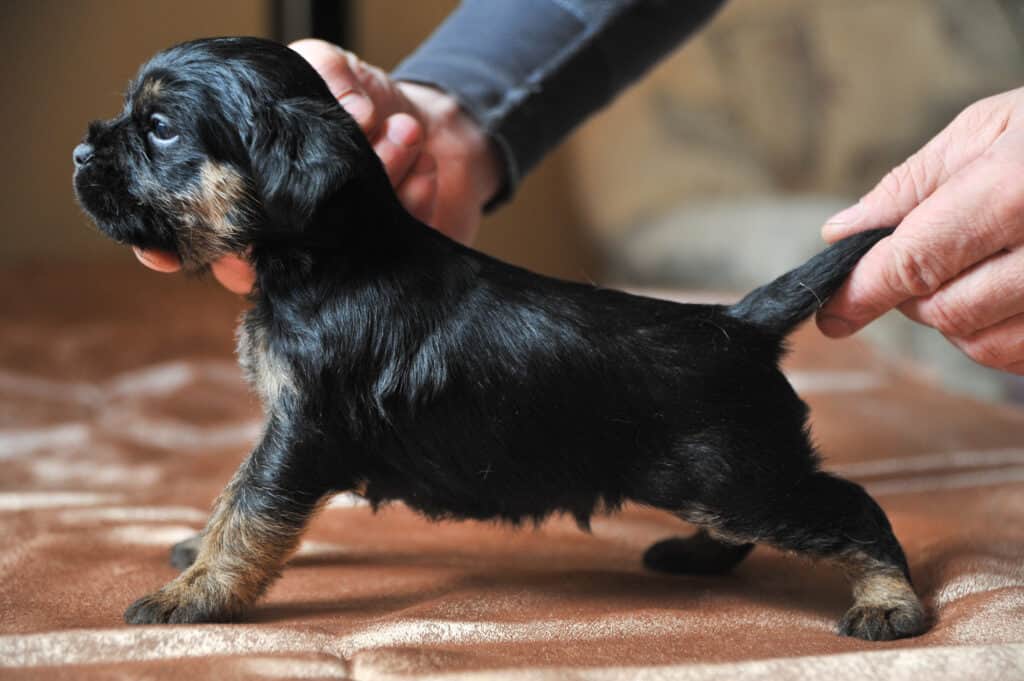
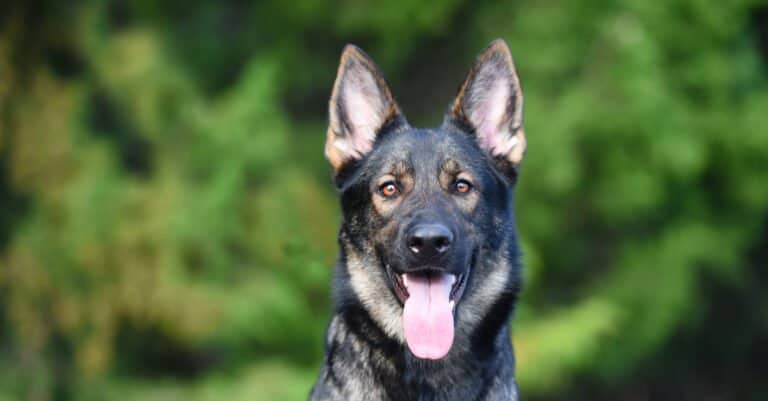
Jagdterriers are bred to hunt.

Jagdterrier And Children

Jagdterriers are friendly and energetic, and happy to play and interact with children. Older dogs are patient and gentle, and can become protective of their children if raised together. Jagdterriers are generally friendly with new children, but it’s best to supervise playtime with new people and to teach them how to interact with new dogs properly.

Dogs similar to Jagdterrier

The jagdterrier is closely related to several terrier species, including the Australian terrier, the Border terrier, and the dachshund.

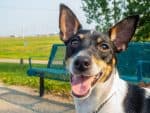
  • Australian terrier: These terriers are also bred to be working dogs, chasing after predators and mice for their owners.
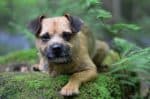
  • Border terrier: Like jagdterriers, these dogs are hunting companions and trained to stalk and retrieve game.
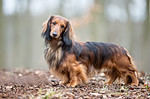
  • Dachshund: Their long shape and small legs make these burrowers excellent at following prey underground, just like the Jagdterrier.
View all 52 animals that start with J

Sources

  1. American Kennel Club / Accessed October 23, 2022
  2. United Kingdom Kennel Club / Accessed October 23, 2022
  3. German Hunting Terrier / Accessed October 23, 2022
Shanti Ryle

About the Author

Shanti Ryle

Shanti Ryle is a content marketer with nearly a decade's experience writing about science, real estate, business, and culture. Her work has been featured in Forbes, Wall Street Journal, Global Finance and Banking, Weedmaps News/Marijuana.com, and other publications. Her favorite animal (by far) is the Pembroke Welsh Corgi!

Thank you for reading! Have some feedback for us?


Jagdterrier FAQs (Frequently Asked Questions)

Jagdterriers are rare, so it’s hard to find breeders specializing in puppies. As such, costs for a new dog range from $750 to $1,000, depending on the breeder and any AKC registration.