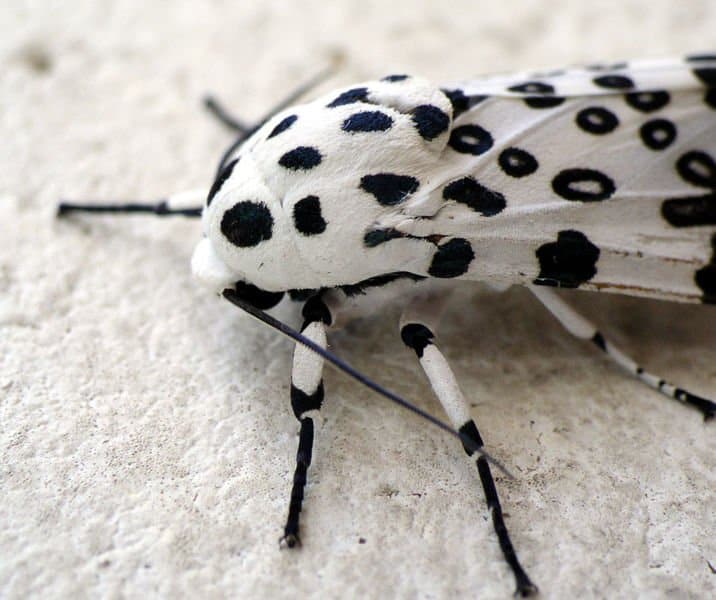
Insects
Six legs, endless lives.

Six legs, endless lives.
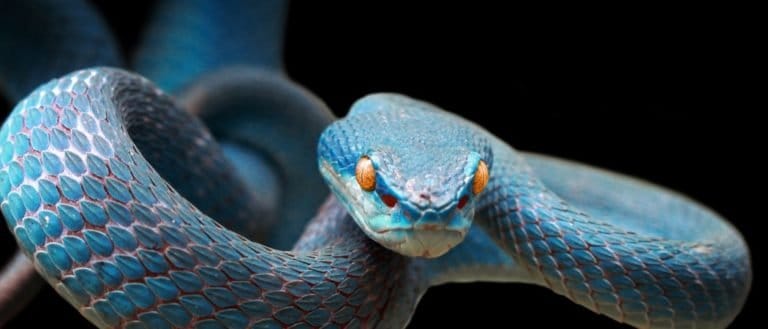
Built to glide, strike, and swallow
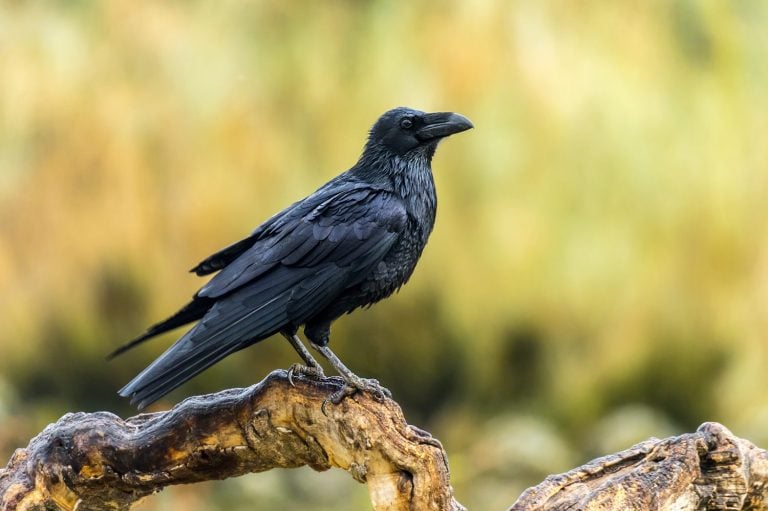
Wedge tail. Deep croak. Big brain.
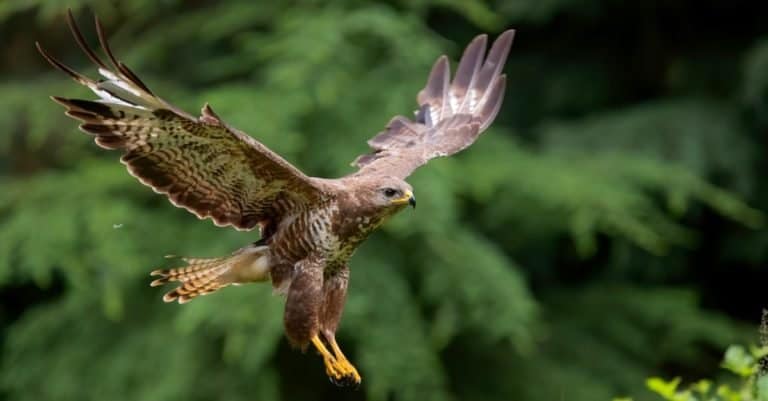
The countryside's master of thermals
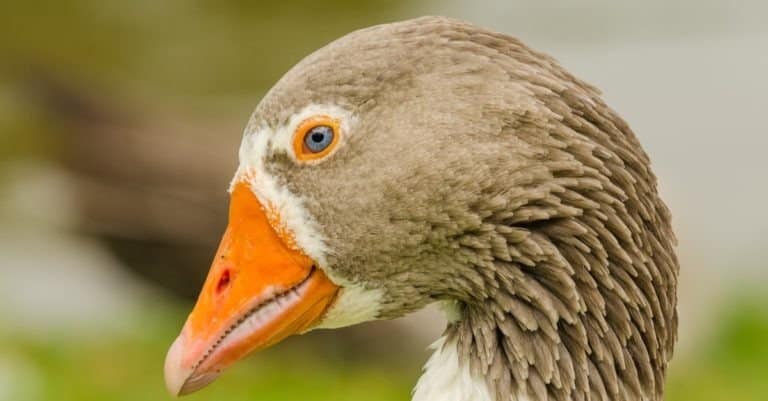
Webbed feet, sky roads, wetland lives
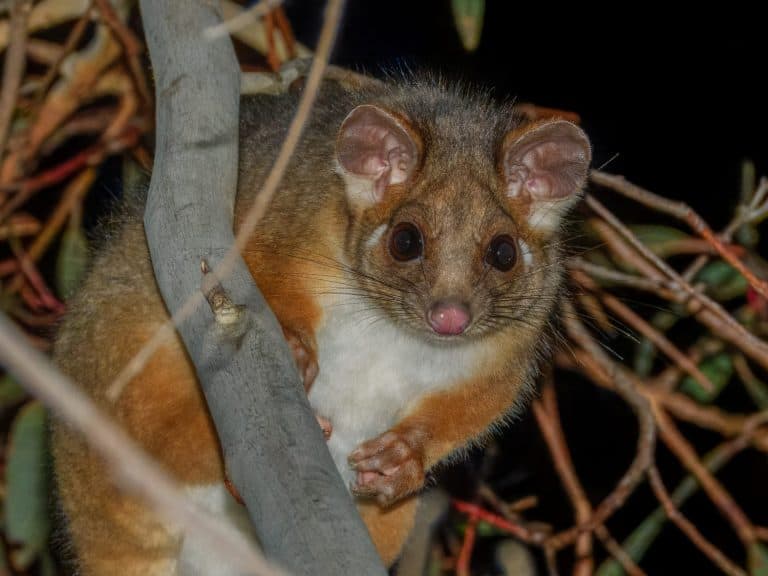
Australasia's night climbers
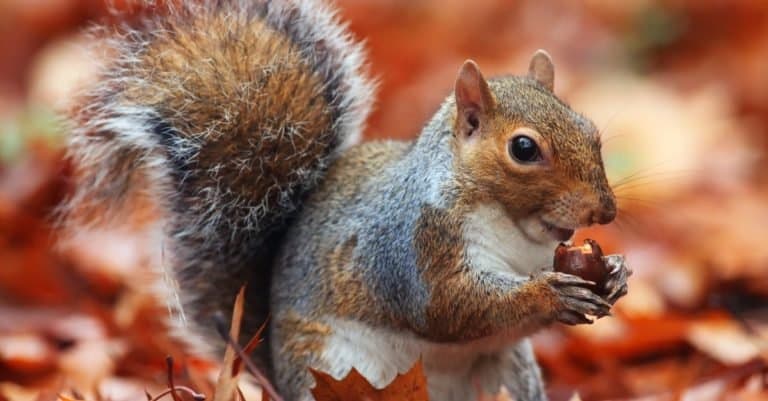
From treetops to tunnels-Sciuridae!
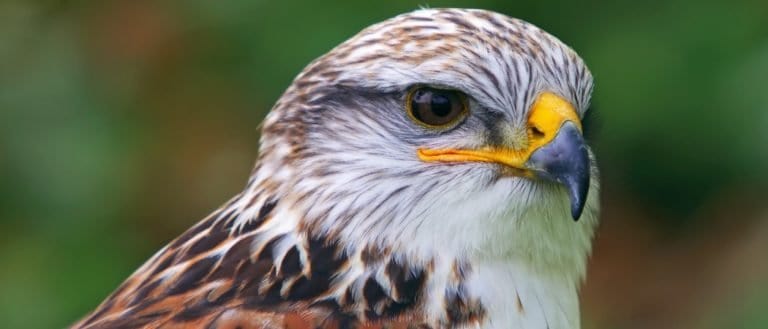
Royal hawk of the wide-open West
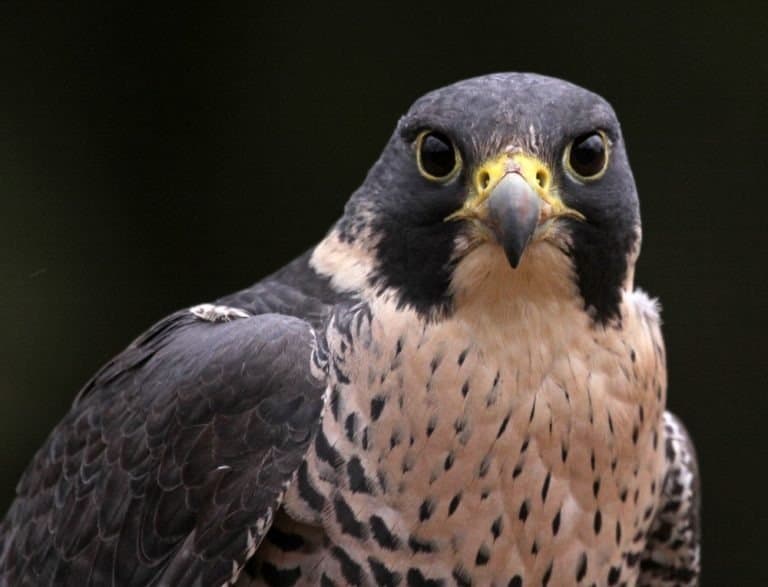
Built for the stoop.
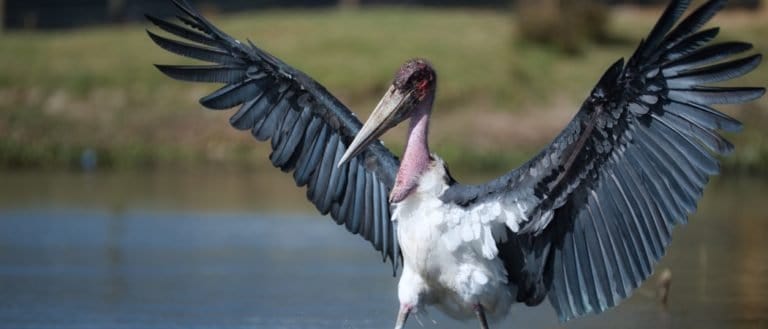
Africa's clean-up crew with a bill
Gliding is a form of unpowered aerial locomotion in which an animal moves through the air by descending under gravity while generating aerodynamic lift to control forward speed, sink rate, and direction. It relies on body postures or anatomical surfaces that increase effective area and shape to produce favorable lift-to-drag ratios and maintain stability.
Gliding happens when an animal jumps from a high spot and moves through the air without flapping. It uses gravity to move forward while making lift to slow the fall and steer. Gliding is controlled travel with a body that makes lift, so animals can go sideways and choose landing sites, unlike falling or parachuting. Performance depends on lift-to-drag ratio, wing or membrane loading, and stability/control surfaces. Many use skin membranes (patagia); others use flattened bodies, spread ribs, feathers, tails, or limb moves. Gliding evolved many times in vertebrates and invertebrates, often in trees (arboreal), helping escape predators, find food, move, and soften landings. It is not powered flight; gliders may flap briefly but keep moving mainly by controlled descent.
Etymology: From Middle English "gliden" ("to slip, move smoothly"), related to Old English forms meaning "to glide or slide," ultimately from Germanic roots associated with smooth, slipping motion.
Gliding is the same as flying: sustained powered flight requires thrust; gliding is fundamentally a controlled descent.
Any animal that jumps and spreads limbs is "gliding": true gliding requires appreciable lift and directional control beyond simple parachuting or tumbling.
Gliders can maintain altitude without losing height: without external energy inputs (e.g., rising air), gliding generally involves net loss of altitude.
Gliding is an unpowered form of aerial locomotion where forward motion is produced by converting gravitational potential energy into aerodynamic forces. As the animal descends, air flows over and under an extended surface (membrane, skin flap, or flattened body), creating lift (force perpendicular to airflow) and drag (force opposite airflow). By balancing lift against weight and managing drag, the animal trades altitude for horizontal distance, achieving a characteristic glide ratio (distance traveled per unit of height lost).
Body mechanics focus on increasing effective wing area and maintaining stable angles to the oncoming airflow. The animal spreads membranes (e.g., between limbs) or adopts a dorsoventrally flattened posture to enlarge surface area and shift the center of pressure. Small changes in limb position, membrane tension, tail posture, and body pitch/roll/yaw alter angle of attack and camber, allowing control of speed, sink rate, and stability. Many gliders also use the tail or hindlimbs as stabilizers to damp oscillations and prevent stalls or spins.
No active thrust is produced. Forward motion is generated by gravity-driven descent: weight provides the energy, and lift redirects part of the airflow force to support the body while drag limits speed. Animals can indirectly modulate "effective propulsion" by reducing drag (streamlining) for faster glides or increasing lift/camber for slower, steeper control.
Direction is controlled by altering aerodynamic forces and moments. Banking (rolling) redirects lift to create a turn; this is achieved by asymmetrically changing wing/membrane area, tension, or limb position. Yaw is managed via tail deflection, asymmetric limb extension, or subtle torso twisting; pitch is adjusted by shifting body angle, changing membrane camber, or moving limbs/head to shift the center of mass. Speed and sink rate are controlled primarily through angle of attack and surface area adjustments, avoiding stall by maintaining sufficient airspeed.
A glide consists of a launch that establishes airflow over the lifting surface, a trimmed steady descent where lift and drag are balanced for a chosen speed/sink rate, optional maneuvering or energy-management adjustments, and a controlled flare/landing to reduce descent rate before contact.
Short-distance, steep descent emphasizing drag and stability over distance; often used to slow falls or make controlled drops (low glide ratio, high sink control).
Typical membrane-based gliding with a stable, trimmed angle of attack for moderate glide ratios; focuses on predictable travel between trees or terrain features.
Exploits rising air to reduce sink rate or gain altitude without flapping; requires larger surface area, high efficiency, and active centering/positioning in updrafts.
Uses wind gradients (speed differences with height) to extract energy and extend range; involves repeated arcing maneuvers through layers of differing wind speed.
Alternates brief dives to build airspeed with flatter glide segments for distance or rapid repositioning; common when escaping predators or reaching distant targets.
Primarily gliding but with intermittent body undulations, tail flicks, or brief limb sculls that adjust attitude and speed without true powered flight; improves maneuverability and stability.
Generates lift and increases surface area to slow descent and allow controlled forward glide
Spreads and shapes the airfoil; adjusts camber and angle of attack for steering
Provides pitch/yaw control, braking, and stability during turns and landing
Stabilizes extended limbs and transmits control forces between limbs and body
Securely contacts substrate at glide termination; absorbs landing forces
Well-developed shoulder abductors and stabilizers (deltoids, rotator cuff analogs, scapular stabilizers) to hold and modulate limb extension; forelimb and hand/digit extensors-flexors to tension and shape the patagium; core/trunk musculature (epaxial/hypaxial groups, obliques) to control body roll and maintain aerodynamic trim; tail base musculature for rapid rudder/elevator adjustments; hindlimb abductors/adductors to spread rear membrane sections and assist braking/landing; strong forearm and pedal flexors for secure landing grip.
Lightened but reinforced skeleton with emphasis on limb extension: elongated forelimb bones and/or digits; widened or strengthened pectoral girdle for load distribution during extended postures; increased joint ranges at shoulder, hip, and wrist/ankle to allow wide splaying and fine control of membrane tension; reinforced limb joints (especially shoulder and wrist) to resist torsion and flutter-induced stresses; flexible spine segments to permit subtle pitch/roll adjustments; modified caudal vertebrae enabling highly mobile tail steering; expanded bony processes (e.g., crests/tubercles) for muscle attachment to sustain prolonged isometric holding of the gliding posture.
~5-20 m/s (18-72 km/h) forward airspeed for most animal gliders; brief higher speeds (~25-50 m/s, 90-180 km/h) are possible in steep dives or specialized human wingsuits.
vs Humans: Comparable to or faster than a sprinting human (peak ~10-12 m/s) and often similar to a cyclist; slower than fast vehicles, but can exceed human running speed while descending.
Typically sustained for seconds to a few minutes per glide, limited primarily by available height and glide ratio. Many small gliders cover ~20-200+ m per glide; large or highly efficient gliders in strong ridge/thermal lift can extend this to minutes and potentially kilometers (but that transitions toward soaring conditions).
Very high during the glide phase: once airborne, metabolic power can be near-resting to modestly elevated because lift is generated aerodynamically without flapping; control and stability costs are small relative to powered flight. Overall trip efficiency depends on how altitude is gained (climbing, jumping, launching from trees/cliffs, or using updrafts).
Extremely low per horizontal meter during the glide itself (often lower than running and much lower than flapping flight), but not "free" in a full cycle: the cost of transport becomes moderate-to-high if the animal must frequently climb to regain height. Compared with walking/running: lower during descent, higher if repeated climbs are required; compared with flapping flight: lower per distance when height is available, but cannot maintain altitude without external energy.
Longest reported mammal glide distance
Up to ~100-150 m between trees (reported)
Longest reported squirrel glide distance
~90 m (reported)
Longest reported snake glide distance
~100 m (reported)
Flying squirrels, colugos, and other mammals that use a patagium (skin membrane) to increase surface area, generate lift, and steer during a controlled descent.
The core idea of converting altitude to forward motion using a lifting surface mirrors animal gliding: controlling angle of attack, stability, and turn rate through weight shift and surface shaping.
Soaring birds that glide efficiently by optimizing wing shape, minimizing drag, and exploiting air currents; translated into high-aspect-ratio wings and low-drag airframes.
Gliding strategies of birds and lizards-using body posture changes for stability and maneuvering-inform control surfaces, autopilot modes, and energy-efficient descent profiles.
Animal gliders' need for stable, steerable descent; modern canopies function as inflatable wings, emphasizing controllable lift rather than purely drag-based falling.
The principle of spreading surface area to slow descent and maintain stability echoes gliding membranes and postures used to reduce sink rate and avoid obstacles.
Draco lizards and gliding frogs that adjust limb position and membrane tension mid-flight; inspires adaptive or flexible surfaces that self-stabilize in gusts.
Found across: Mammals (rodents: flying squirrels; marsupials: sugar gliders; dermopterans: colugos), Reptiles (lizards: Draco, geckos; snakes: Chrysopelea), Amphibians (tree frogs with extensive toe webbing, e.g., Rhacophorus/Zhangixalus), Insects (notably ants such as Cephalotes; also some stick insects and other canopy arthropods with directed aerial descent)
Many gliders don't have to "jump" to start-some can launch from a vertical trunk or branch and instantly stabilize using subtle body twists, turning a fall into controlled flight.
Gliding animals can steer without flapping by warping their membranes like a living wing: tiny changes in limb position can create roll, pitch, and yaw-basically built-in ailerons and rudders.
A good glide can produce more forward travel than height lost (a glide ratio > 1), meaning the animal can cover long horizontal distances while only descending a little.
Gliding isn't just for escaping predators-some species use it to save time and energy while moving through the canopy, effectively turning "up-and-down" forest travel into a smoother, more direct commute.
Gliding can be surprisingly quiet: compared with flapping flight, the lack of wingbeats can reduce noise and vibration, which may help with stealthy movement or avoiding detection.
Energy savings: gliding between trees is like taking a zipline instead of climbing down and back up-gravity pays most of the "transport cost."
Efficiency/scale: a long glide can turn one high perch into many reachable landing options, like converting a single rooftop into access to several nearby blocks without touching the street.
Speed feel: a controlled glide is closer to a paper airplane's smooth, steady descent than a bird's bursty flapping-more continuous momentum, less stop-start effort.
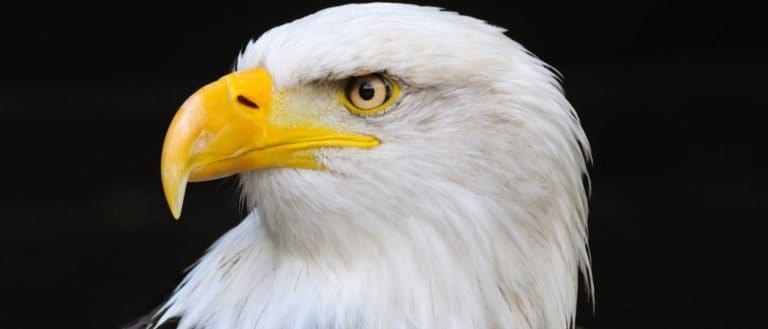
Built to soar, born to strike
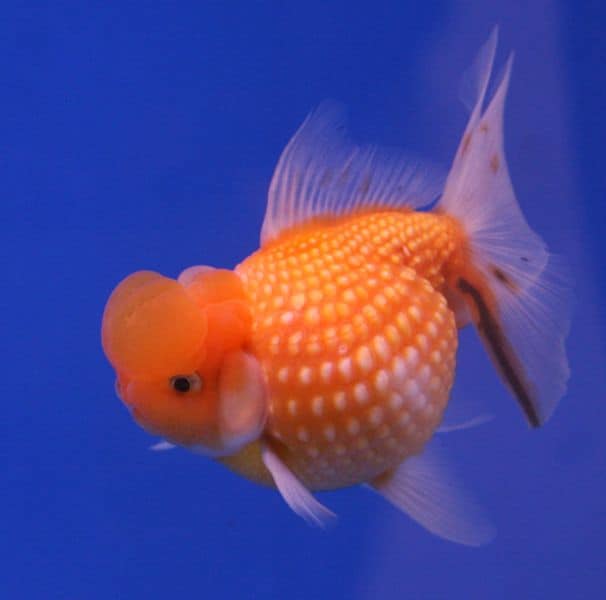
Bony rays, endless ways.
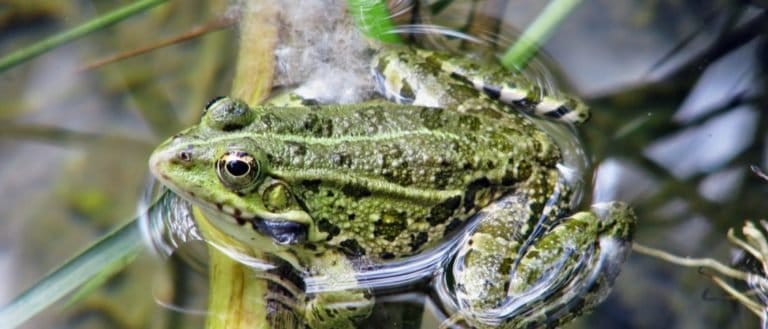
Tailless jumpers, masters of change
Webbed feet, sky roads, wetland lives
Six legs, endless lives.
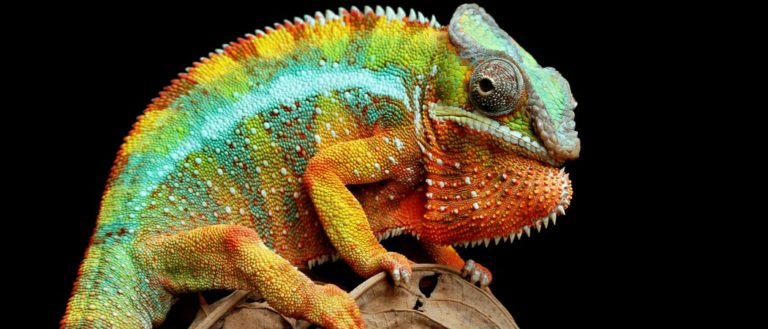
From geckos to dragons-lizard power
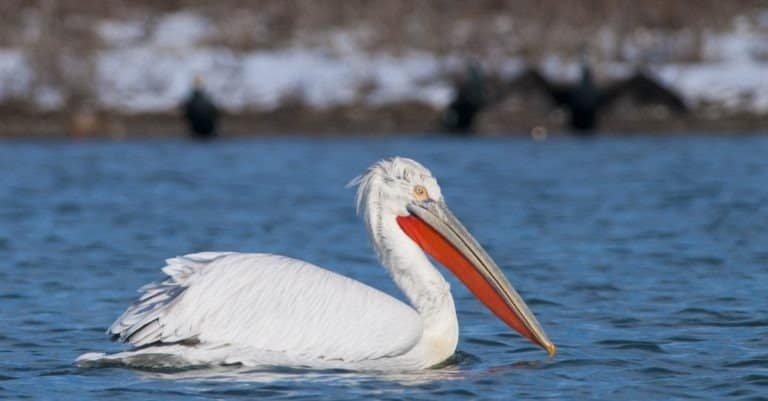
Big bill, bigger teamwork.
Built to glide, strike, and swallow
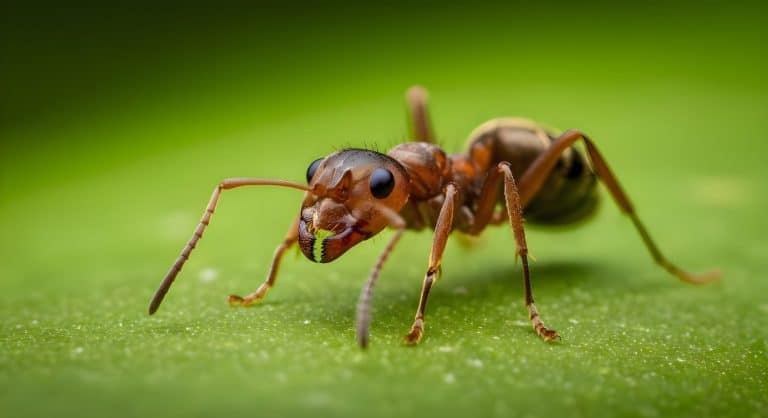
Small bodies, superorganism power
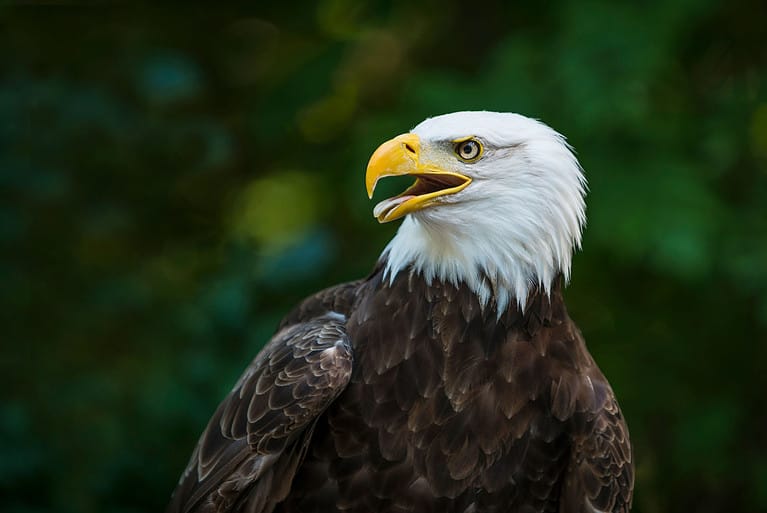
Feathers, flight, and endless variety
From treetops to tunnels-Sciuridae!
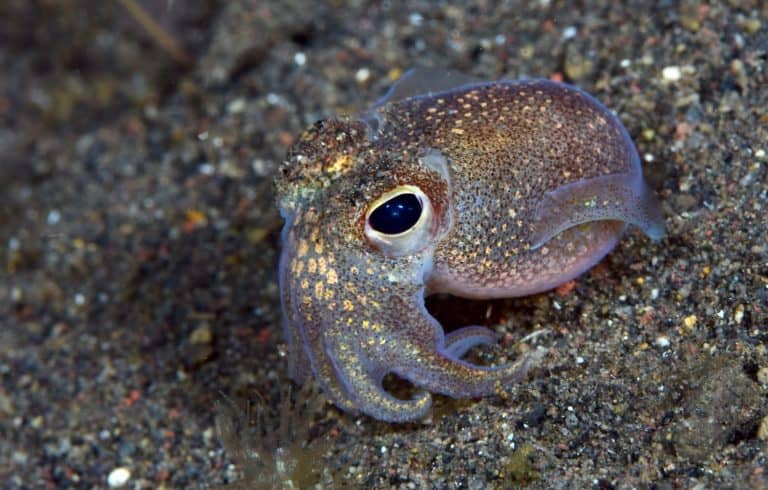
Ten-limbed sprinters of the sea
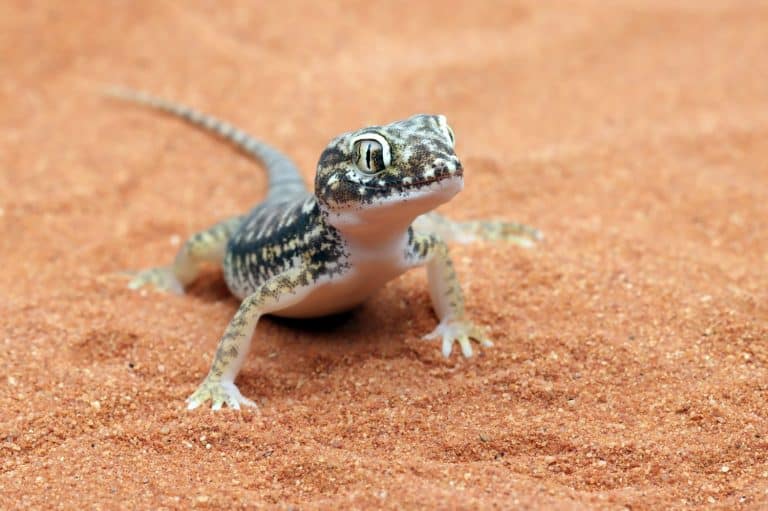
Tiny toes, big grip.
Australasia's night climbers
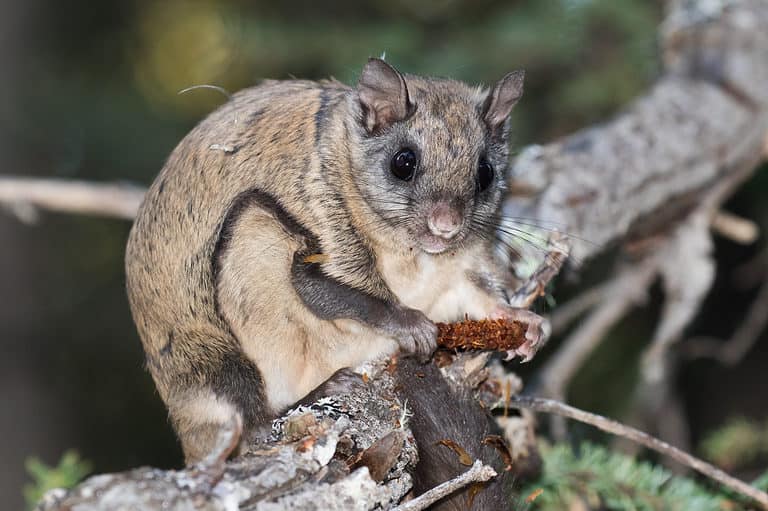
Not flyers - forest gliders

Born to soar, built to steal
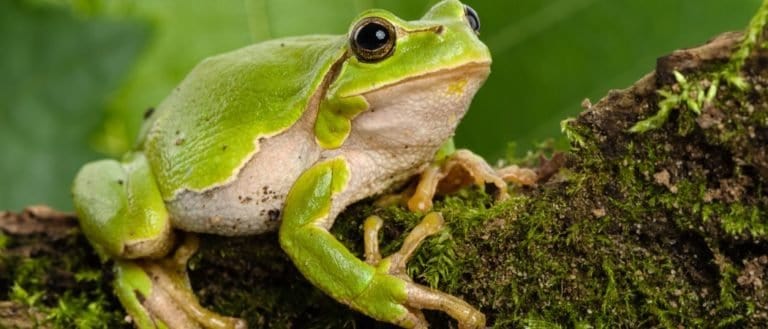
Sticky toes, big voices, forest lives
The countryside's master of thermals
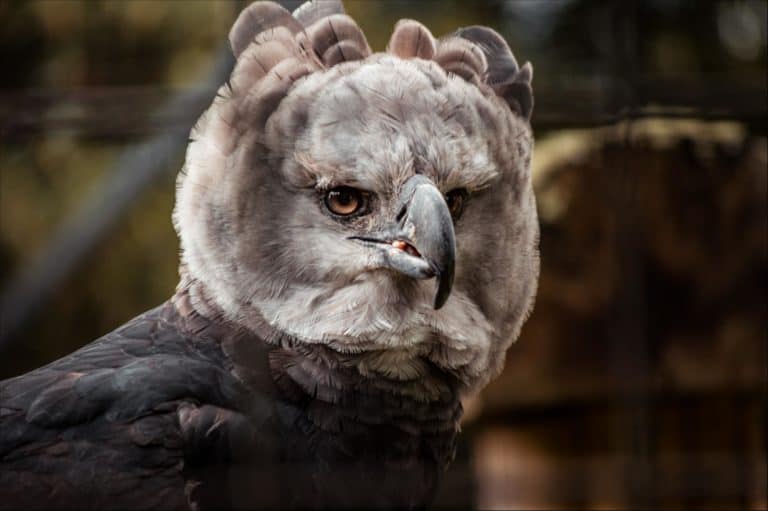
Power of the rainforest canopy
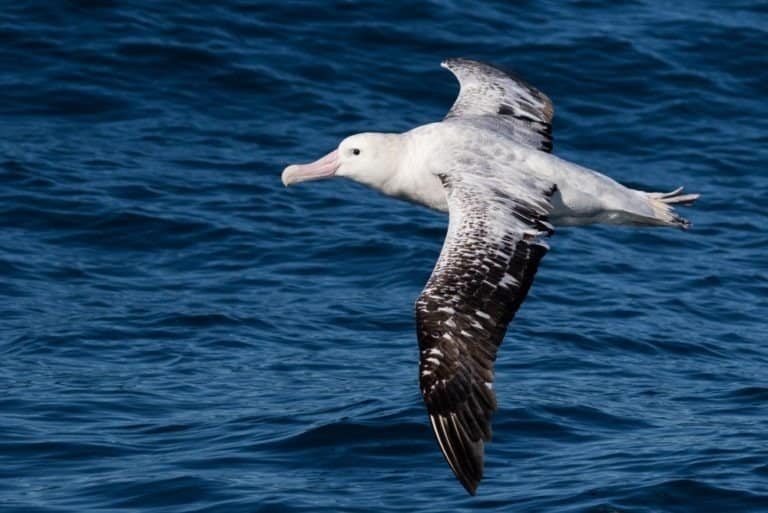
Wings built for the roaring forties
Built for the stoop.
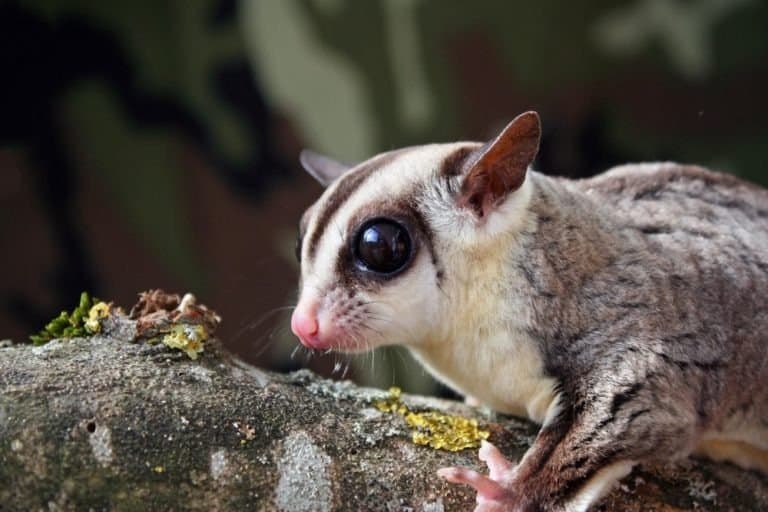
Glide the night, sip the sap
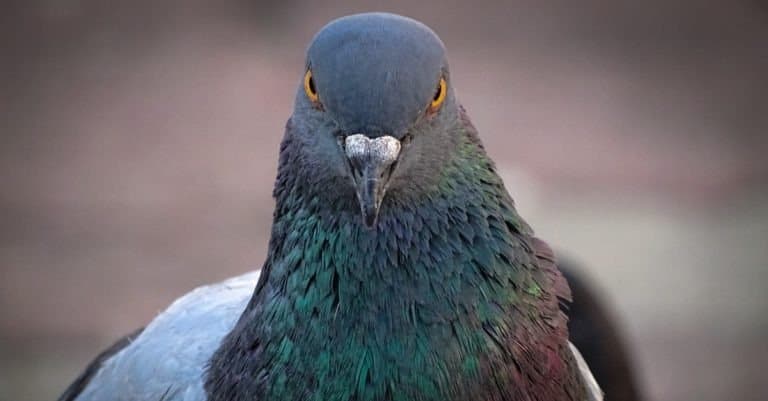
Crop-milk champions of the skies
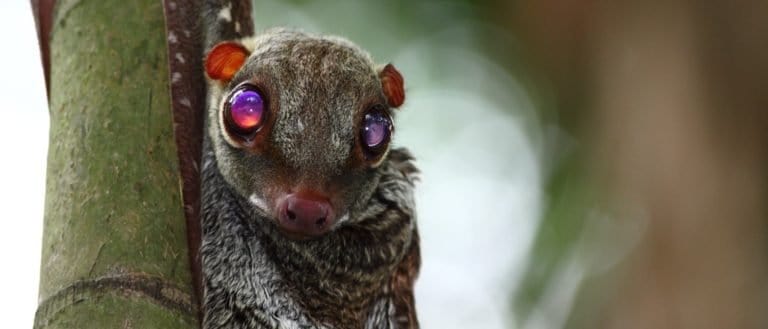
Not a lemur-nature's glide master
Thank you for reading! Have some feedback for us?
We appreciate your help in improving our content.
Our editorial team will review your suggestions and make any necessary updates.
There was an error submitting your feedback. Please try again.