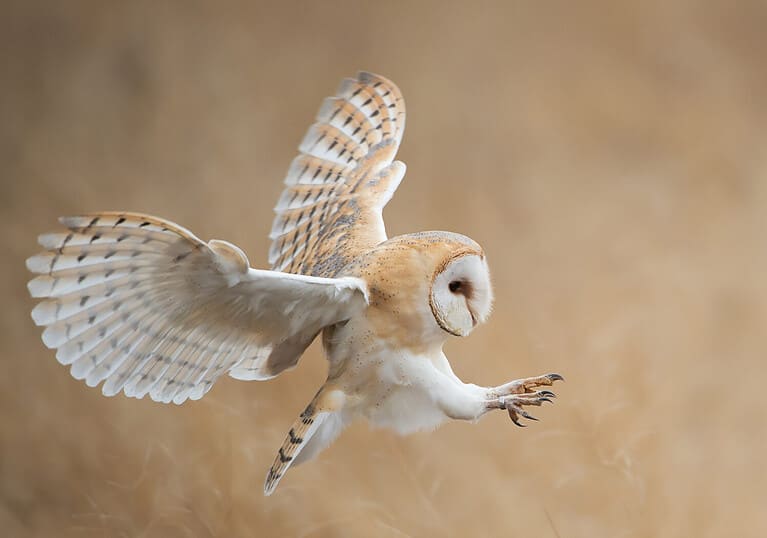
Barn Owl
Heart-faced hunter of the night

Heart-faced hunter of the night
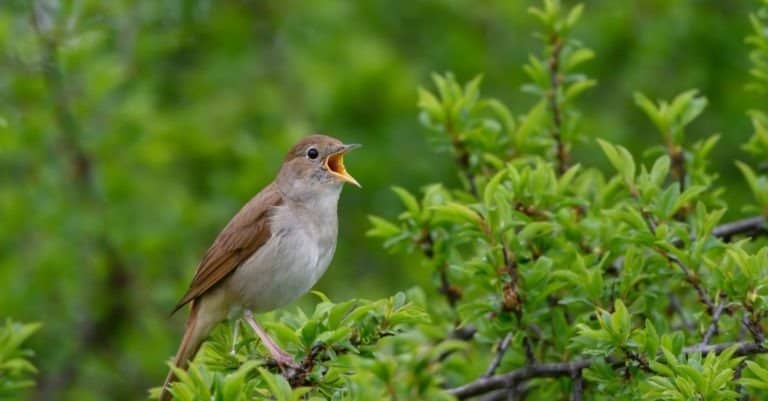
Plain feathers, legendary night song
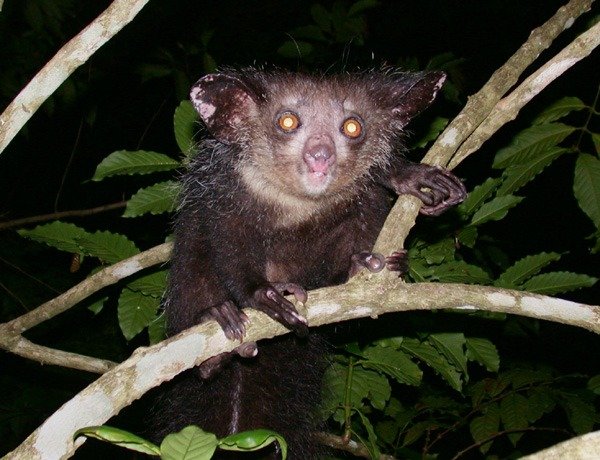
Tap. Gnaw. Probe. Madagascar's aye-aye.
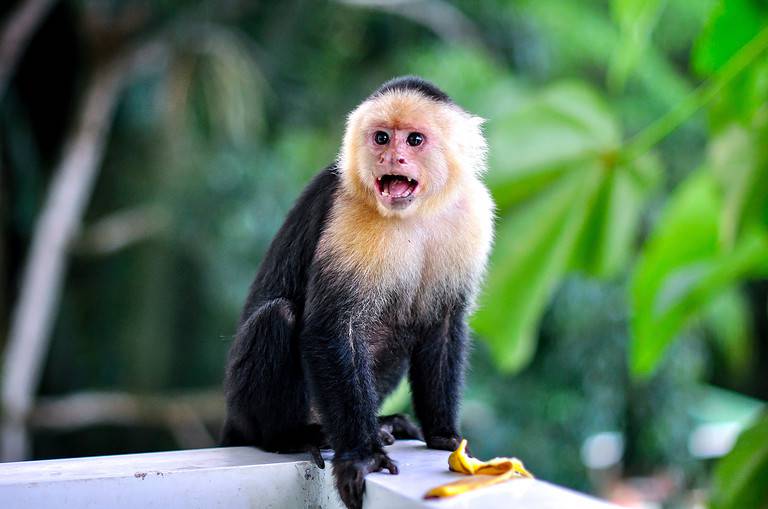
Hands, minds, and social lives
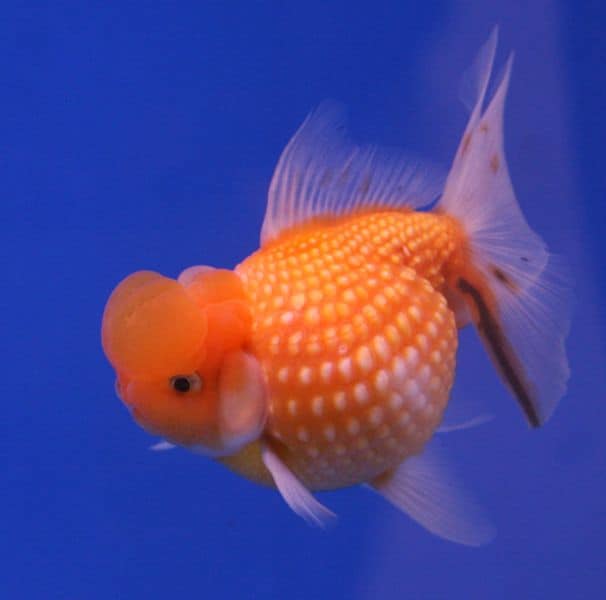
Bony rays, endless ways.
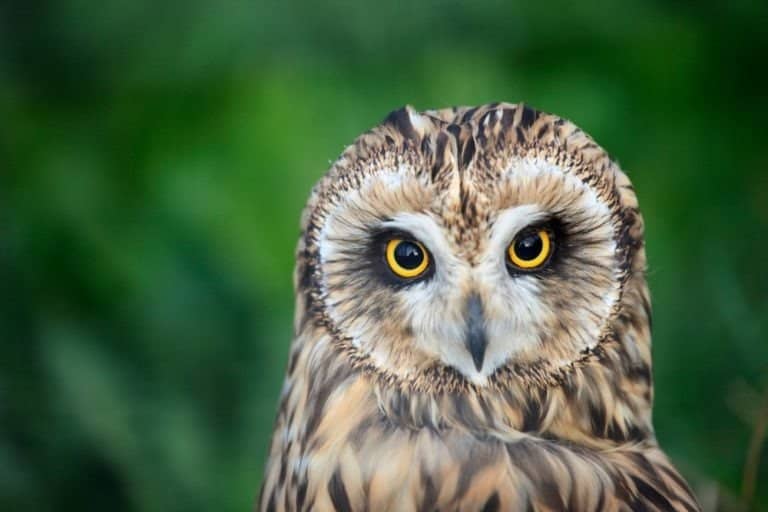
The hoot that rules the woods
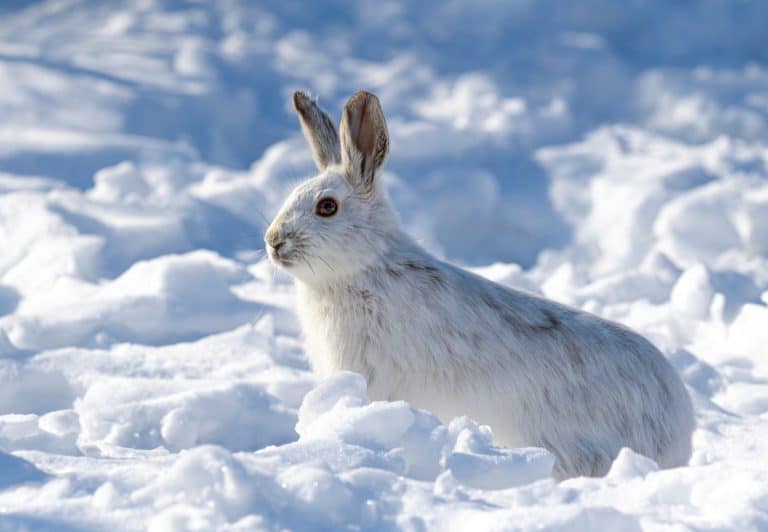
White. Windproof. Wilderness-tough.
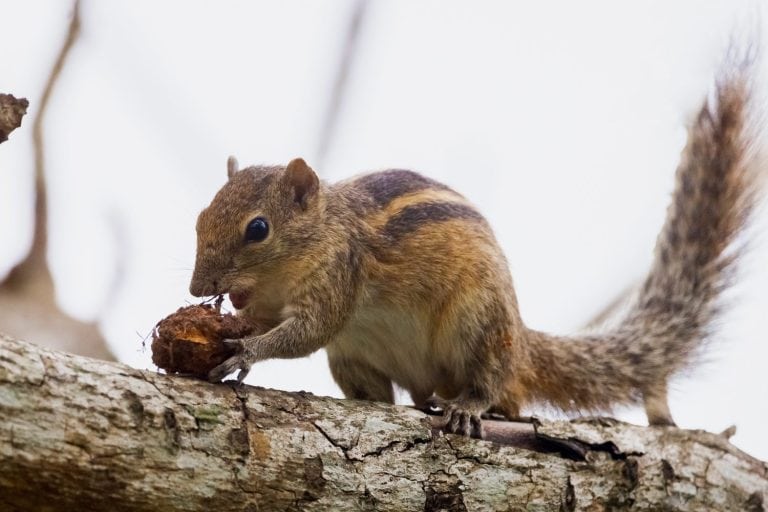
Three stripes. Big city attitude.
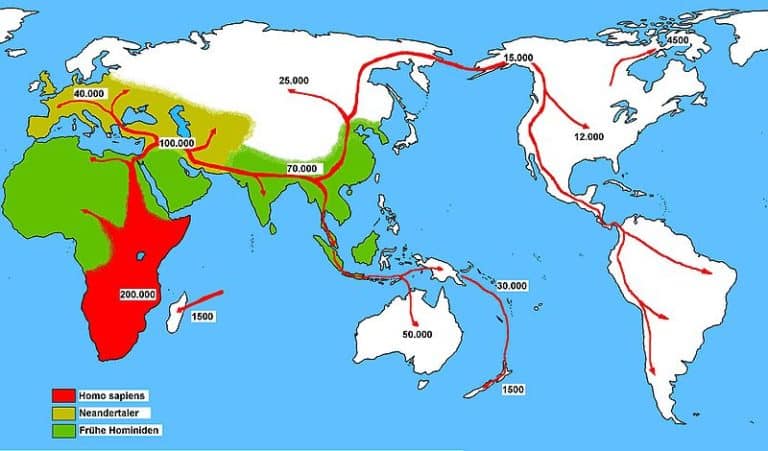
The culture-building biped
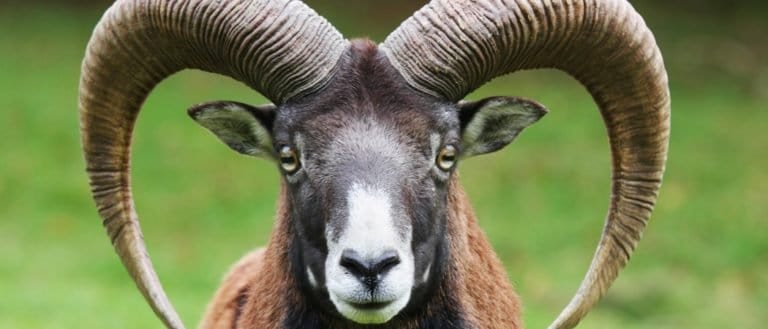
Sure-footed masters of rock and range
Hopping is a mode of locomotion in which an animal advances through a sequence of discrete jumps, typically driven by rapid limb extension and brief ground contacts that generate ballistic flight phases between takeoffs and landings. In many hoppers, elastic tissues (e.g., tendons) store and return mechanical energy across strides, reducing muscular work and improving energetic economy at certain speeds.
Hopping is a gait where animals move by repeated takeoff, flight, and landing instead of keeping feet on the ground. In each hop the body follows an arc in the air; push-off and slowing happen during the brief foot contact. Forces come in short, strong pushes, and animals keep balance with limbs. Many hoppers store elastic energy in tendons and springy parts, which stretch on landing and help push off, saving energy. Macropods (kangaroos, wallabies) show this: they don’t use much more energy at faster speeds. Hopping occurs in many animals (jerboas, kangaroo rats, frogs, birds). It helps escape, travel in open habitats, and moving on rough ground, but puts high loads on the body and needs good shock absorption.
Etymology: "Hop" traces to Middle English hoppen ("to leap"), from Old English hoppian ("to jump"); "hopping" is the present participle describing repeated hopping action.
Hopping is always inefficient compared with running-many specialized hoppers can be highly economical due to elastic energy return.
Hopping implies bipedal movement-many animals hop with different limb configurations (e.g., some frogs use powerful hind limbs; some small mammals may use alternating patterns depending on speed).
Hopping and jumping are identical-jumping can be a single event, whereas hopping is a sustained locomotor strategy with repeated, rhythmic leaps.
Hopping locomotion moves the body forward through repeated ballistic flights separated by brief ground-contact periods. During each contact, the animal rapidly decelerates its downward/forward motion, stores mechanical energy in elastic tissues (notably Achilles tendon, plantar fascia, and long limb tendons), and then releases that stored energy as the limbs extend. The center of mass follows a series of arcs: stance redirects and re-accelerates the body, while aerial phase is largely passive except for posture and limb repositioning.
Mechanically, hopping is often modeled as a spring-mass system: the legs behave like compressible springs that load on touchdown and unload at push-off. At certain speeds and body sizes, elastic recoil can return a large fraction of the energy that would otherwise be lost each step, reducing muscular work (classic in macropods such as kangaroos). Stability depends on precise timing of limb stiffness, joint angles (hip/knee/ankle), and trunk/pelvis posture to control pitch and to keep the ground reaction force passing near the center of mass to avoid tumbling.
Body mechanics typically emphasize powerful extensor muscles (gluteals/hamstrings, quadriceps, gastrocnemius/soleus) and long distal tendons for energy storage, with compliant joints on landing to manage impact. Small hoppers may rely more on active muscular work due to less effective elastic scaling, while larger specialized hoppers can achieve high energetic efficiency by tuning leg stiffness and hop frequency to speed and terrain.
Propulsive force is generated during stance by coordinated extension of the hindlimbs (or main hopping limbs), combining concentric muscle action with elastic recoil from stretched tendons and aponeuroses. The ground reaction force impulse produced at push-off sets the takeoff velocity (magnitude and angle), determining hop length and height; effective hoppers tune leg stiffness and contact time to maximize elastic energy return while minimizing impact losses.
Direction is controlled by asymmetries in limb placement, stiffness, and force production between left/right (or between multiple hopping limbs), along with adjustments in takeoff angle. Animals steer by placing the foot/feet slightly toward the intended turn, generating a lateral component of ground reaction force; trunk and tail (or forelimbs) can add aerial reorientation (yaw/pitch control) so the body is aligned before the next touchdown. On uneven terrain, rapid modulation of joint compliance and foot placement provides stabilization and course correction.
A repeating leap cycle with short stance (energy capture + thrust) and longer aerial (ballistic) phase. In many hoppers the limbs act like springs: compress on landing, then rebound into push-off, followed by limb recovery to prepare for the next landing.
Large hindlimbs with long tendons store substantial elastic energy; short stance and efficient rebound at moderate-to-high speeds. Tail often used for balance and low-speed support but not typically for propulsion during steady hopping.
Forelimbs and hindlimbs act in coordinated pairs (e.g., rabbits/hares): hindlimbs provide most thrust while forelimbs absorb landing and help redirect. Often called bounding when fore and hind contacts are separated.
High-acceleration hops with relatively more active muscle work and less elastic return; used for rapid escape and maneuvering. Contact times can be extremely brief, with pronounced changes in takeoff angle for quick turns.
Emphasizes height over distance (e.g., some rodents, birds, and insects); takeoff angle near vertical for scanning, reaching, or signaling. Requires strong impact absorption on landing.
Some hoppers switch at low speeds to gaits that incorporate the tail or forelimbs for support (e.g., kangaroos using tail + forelimbs for slow progression), then transition to true hopping as speed increases.
Specialization for sand, snow, or rocks via wider feet, toe fringes, or compliant pads; relies on altered limb stiffness and foot placement to prevent sinkage or slipping while maintaining rebound dynamics.
Primary propulsion via powerful extension at hip, knee, and ankle during takeoff; absorbs impact and stabilizes during landing
Store and release elastic energy between landing and takeoff to reduce metabolic cost and increase power output
Increase effective leg length; provide compliant contact and assist in elastic energy storage and push-off
Anchors major hindlimb extensors; transmits forces from hind limbs to trunk
Balance and pitch control in flight; counterbalance trunk; may assist in slow-speed support or maneuvering in some species
Maintain trunk rigidity during takeoff/landing; coordinate limb forces; reduce energy loss through excessive trunk motion
Dominant hindlimb extensors and stabilizers: gluteal group and hip extensors (propulsion), quadriceps femoris (knee extension/control), hamstrings (hip extension and landing control), gastrocnemius-soleus complex (ankle plantarflexion; major contributor to takeoff), digital flexors and intrinsic foot muscles (push-off, toe control, grip), hip abductors/adductors (frontal-plane stability on landing), and core/epaxial muscles (trunk stabilization and force transfer).
Hindlimb bones are elongated and robust, especially tibia/fibula (often partially reduced/fused in some lineages) and metatarsals to increase effective leg length. Joints are optimized for large sagittal-plane excursions: reinforced hip with strong acetabular support, knee adapted for high extension moments with stable collateral/cranial cruciate structures, and a powerful ankle (tibiotalar) with enlarged calcaneus for a long Achilles moment arm. Vertebral and pelvic elements show reinforcement for repetitive high ground-reaction forces; limb alignment often favors efficient spring-mass mechanics with minimized lateral bending.
~1-7 m/s (3.6-25 km/h) sustainable hopping in many hoppers; sprint/escape bursts commonly ~8-12 m/s (29-43 km/h) in large macropods over short intervals. Small mammals often operate at lower absolute speeds (~0.5-4 m/s) but can show high relative speed for body size.
vs Humans: Comparable to a human run at moderate speeds (≈3-5 m/s) when sustained by large hoppers; below peak human sprint speed (~10-12 m/s) except in brief bursts where large hoppers can approach lower-end human sprinting. Generally faster than human walking, similar to jogging-to-running depending on species and gait.
Moderate to high in specialized hoppers: minutes to hours at steady travel speeds when heat/water conditions allow, because elastic recoil reduces incremental metabolic rise with speed. Non-specialized hoppers (many small mammals) typically sustain repeated hopping for seconds to a few minutes before switching gaits or resting due to higher relative muscular demand and limited heat dissipation.
Often highly efficient at moderate-to-high speeds in specialized hoppers due to elastic energy storage and recovery (tendons acting like springs), with metabolic rate increasing only modestly across a range of speeds compared with running. At very low speeds, hopping can be comparatively inefficient because elastic mechanisms are underutilized and stabilization costs dominate.
Typically low (favorable) at cruising speeds in specialized hoppers-can be comparable to or lower than quadrupedal running of similar-sized mammals at similar speeds. Compared to walking, hopping usually has a higher cost at low speeds but can match or beat walking/running costs at higher speeds where elastic recovery is maximized. Relative to galloping/running: lower or similar COT at mid-high speeds; relative to walking: higher at low speed, potentially lower at high speed (species-dependent).
Fastest hopping speed (large mammal)
~70 km/h (≈43 mph) burst speed
Longest single hop/bound reported
Up to ~9 m (≈30 ft) per hop
Longest single leap reported for a small rodent
Up to ~2.1 m (≈7 ft) in one jump
Best jump relative to body size (insects)
Up to ~70 cm (often cited ~100× body length), extremely high takeoff acceleration
Elastic energy storage and return in tendons during hopping; short ground-contact phases that emphasize spring-like leg behavior.
Tendon-like compliance improves stability, shock absorption, and energy efficiency during repeated hops and landings.
Kangaroos and small mammals use repeated leaps to clear obstacles, reduce time in contact with unstable ground, and maintain speed over uneven terrain.
Animals approximate a mass-on-a-spring system during hopping/running; SLIP-inspired controllers produce robust, efficient gait cycles.
Managing brief, high-force ground contacts in hopping via compliant materials that store/return energy while damping harmful impact peaks.
Coordinated energy absorption on landing (muscle-tendon plus joint flexion) informs staged compliance: soften impact, then re-extend for the next bound.
Found across: Marsupials (especially macropods: kangaroos, wallabies), Lagomorphs (rabbits and hares), Rodents (kangaroo rats, jerboas, hopping mice), Amphibians-Anurans (frogs and toads), Birds (many small passerines hop on the ground/branches), Insects (e.g., Orthoptera-grasshoppers/locusts; Hemiptera-froghoppers), Arachnids (Salticidae-jumping spiders), Primates in a few lineages (notably sifakas)
Some hoppers (notably kangaroos and wallabies) can use their tail as a powerful "fifth limb" during slow movement, effectively walking with a tail-assisted gait instead of hopping.
Hopping can get more energy-efficient as speed increases in certain animals because stretchy tendons act like springs-more speed can mean more elastic energy returned rather than more muscle work.
In many hoppers, the brief ground-contact phase is timed to maximize "bounce": muscles and tendons store energy on landing and release it quickly on takeoff, reducing the metabolic cost of each leap.
Small hopping mammals and birds often rely on rapid, repeated hops not just for speed but for maneuverability-quick changes in direction can be easier with short, springy leaps than with a continuous run.
Hopping places unusual demands on balance and stabilization: the body must manage large vertical forces on each landing, so many hoppers have specialized limb alignment and joint structures to handle high impact repeatedly.
Spring vs. motor analogy: at steady speeds, a hopper's tendons can behave like a pogo-stick spring returning energy each bounce, whereas many runners rely more continuously on muscle "motor" work each stride.
Contact-time comparison: hopping typically features much shorter time on the ground per stride than walking, which helps explain why it can feel "bouncy" and why elastic recoil can dominate the mechanics.
Scaling comparison: for small animals, hopping can look like a rapid series of tiny leaps (high step frequency), while for large animals like kangaroos, each hop can cover a long distance-same locomotion type, very different stride length and force demands.
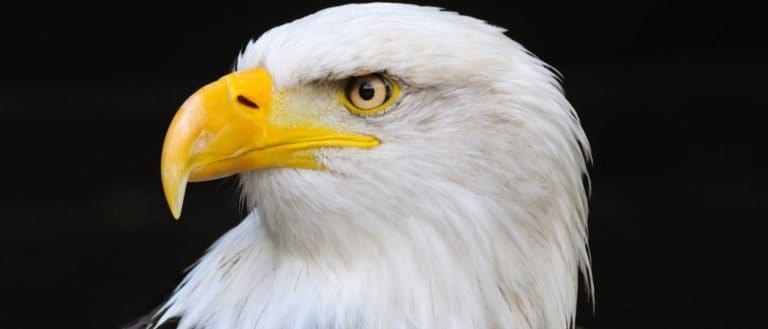
Built to soar, born to strike
Bony rays, endless ways.
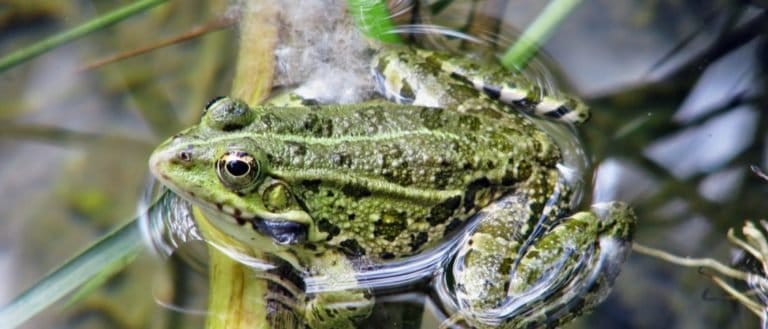
Tailless jumpers, masters of change
Sure-footed masters of rock and range
Three stripes. Big city attitude.
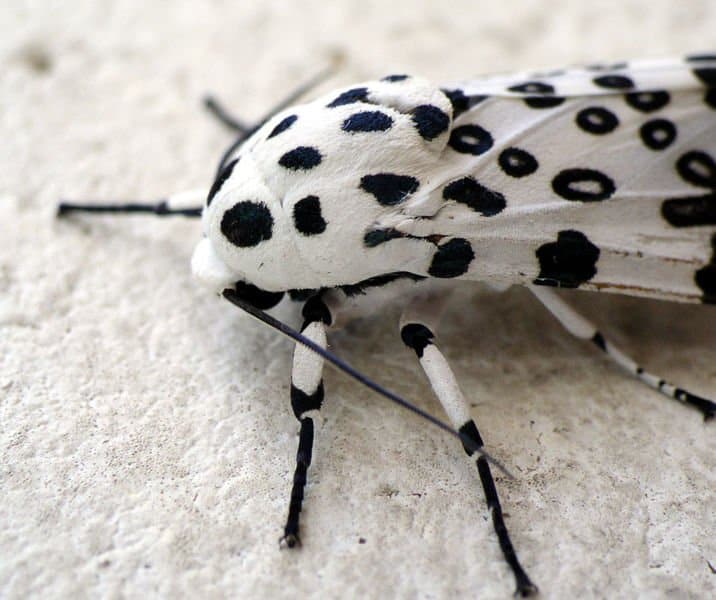
Six legs, endless lives.
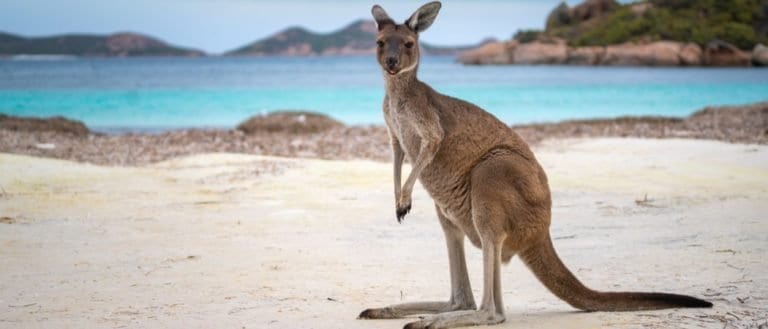
Big hops, big pouches, big variety
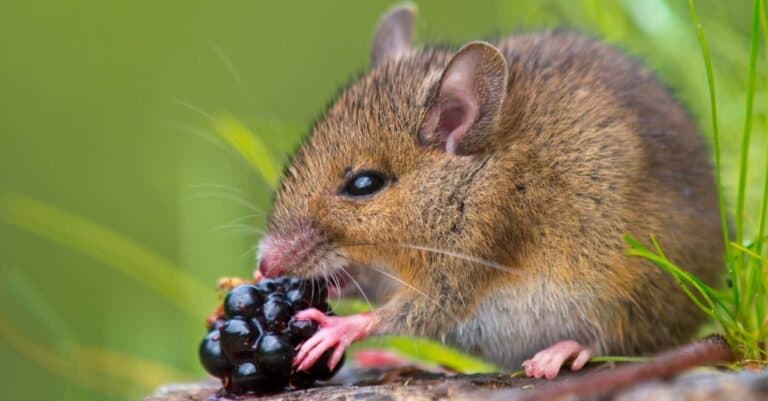
Small gnawers, huge impact.
Hands, minds, and social lives
Plain feathers, legendary night song
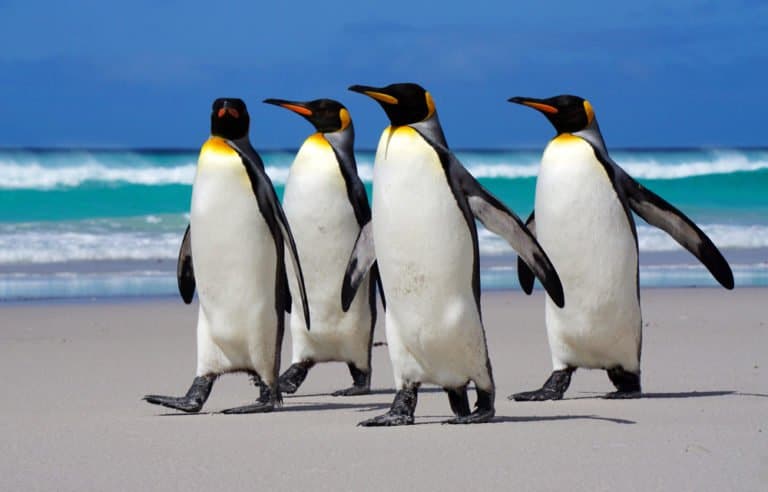
Born to dive, dressed to endure
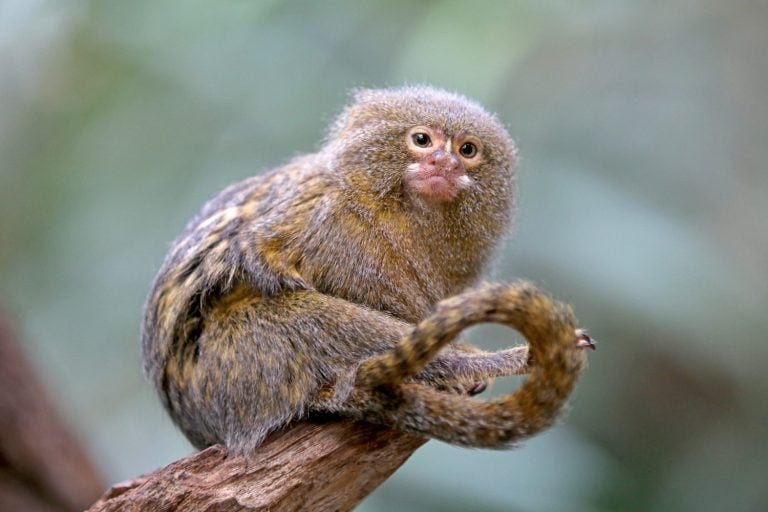
Tiny sap-sipping acrobats of the Amazon
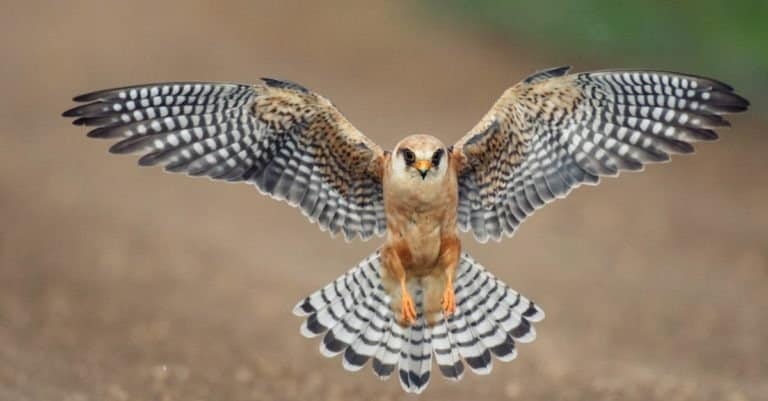
Speed, smarts, and sky mastery
Heart-faced hunter of the night
The hoot that rules the woods
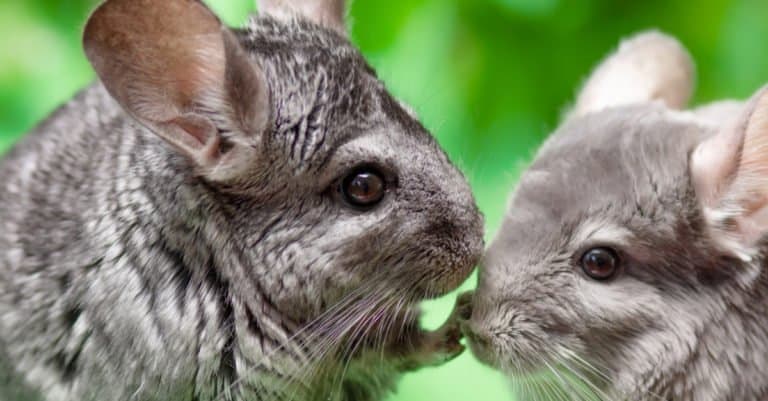
Andean acrobats in a coat of clouds
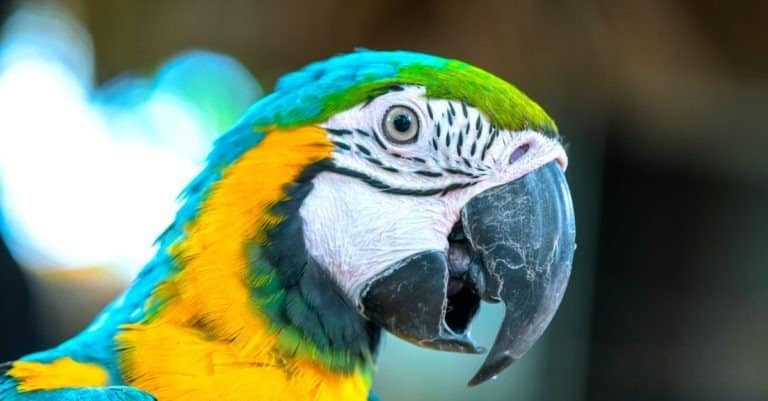
Brains, beaks, and big voices
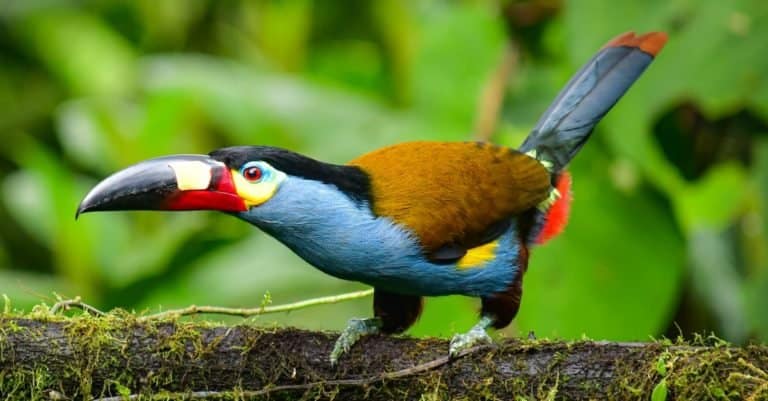
Big bill, bigger forest role
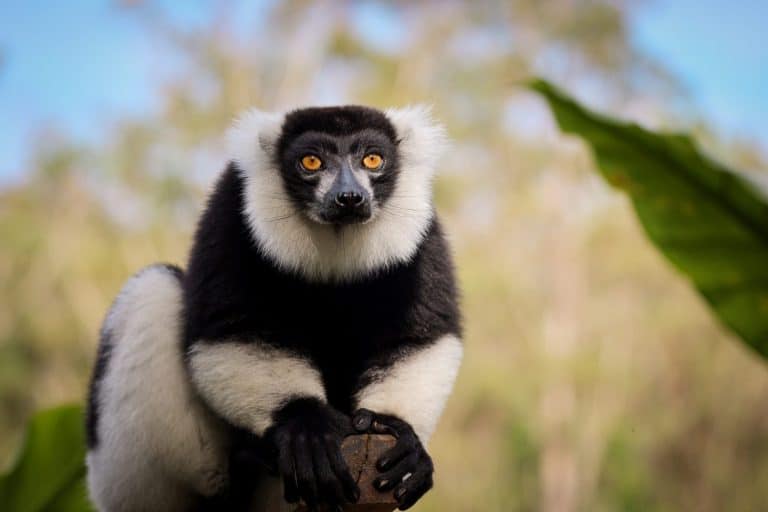
Lemurs: Madagascar's primate marvels
White. Windproof. Wilderness-tough.
Tap. Gnaw. Probe. Madagascar's aye-aye.
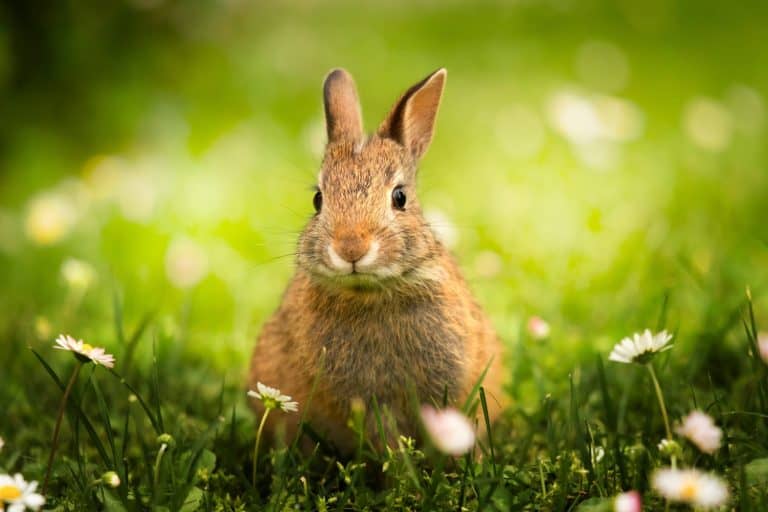
Fast feet, big ears, clever guts.
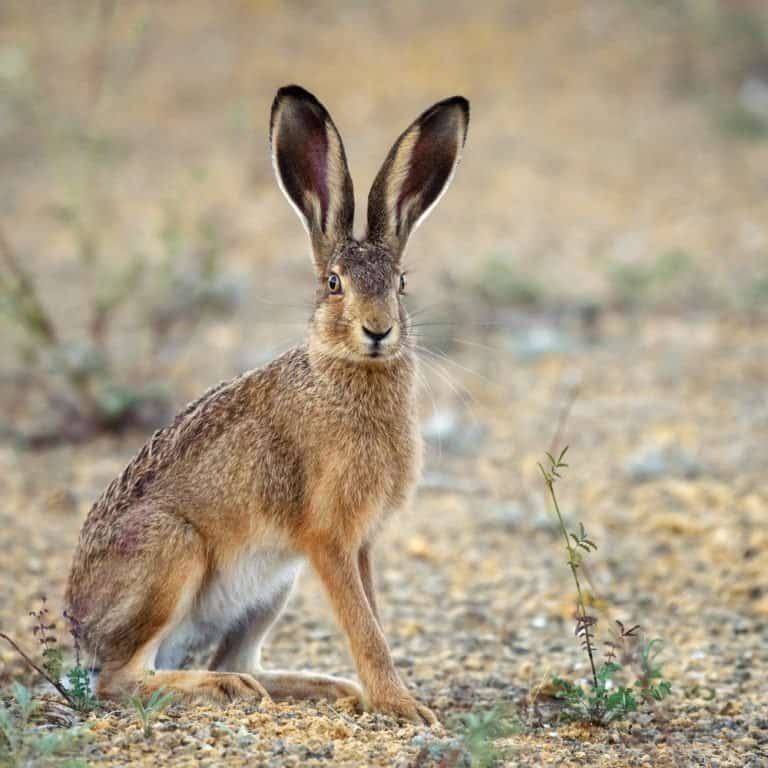
Built for speed, born ready
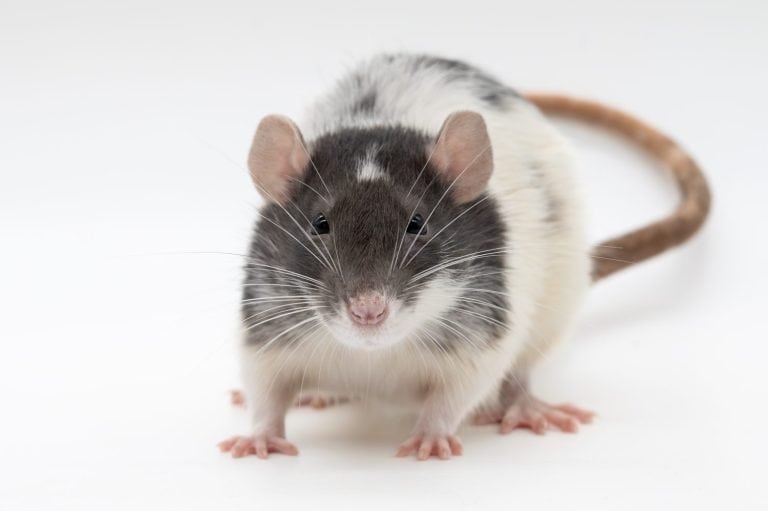
True rats: master adapters
Thank you for reading! Have some feedback for us?
We appreciate your help in improving our content.
Our editorial team will review your suggestions and make any necessary updates.
There was an error submitting your feedback. Please try again.