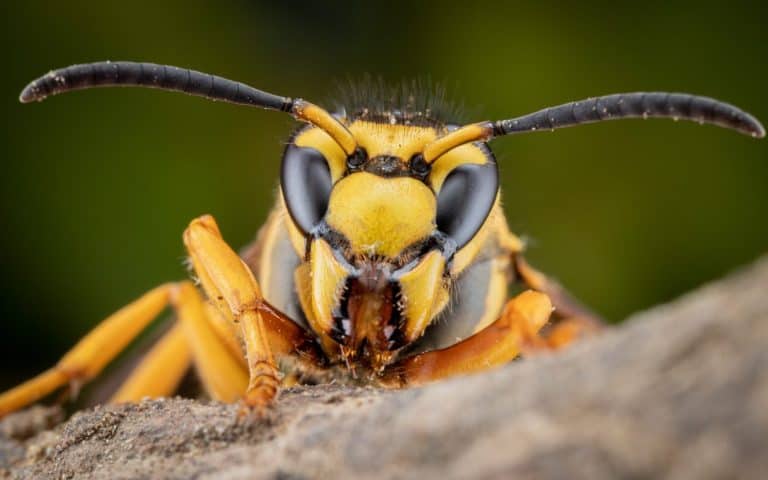
Wasp
Small hunters, huge ecological impact

Small hunters, huge ecological impact
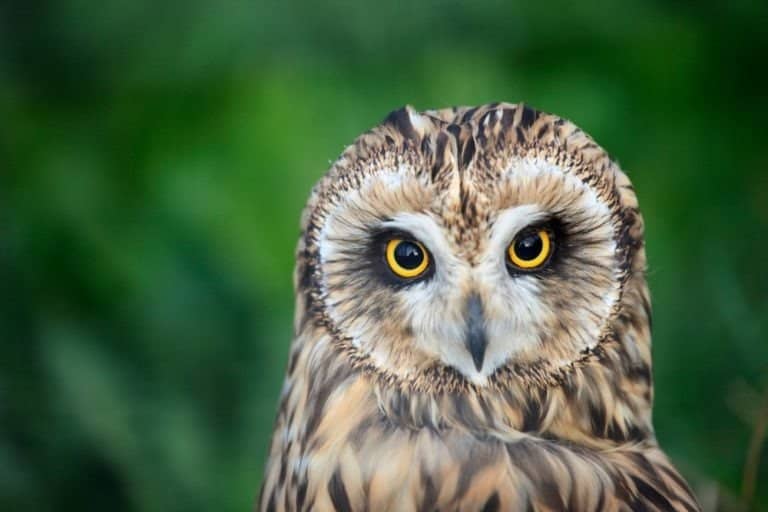
The hoot that rules the woods
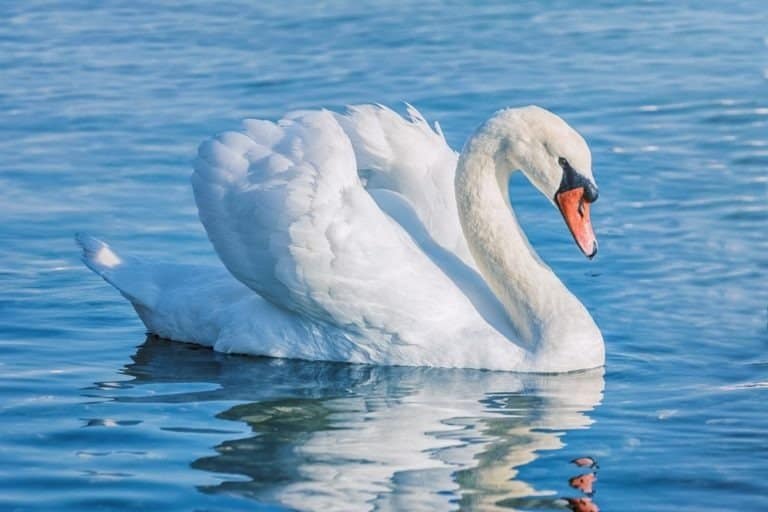
Long necks, loud wings, living legends.
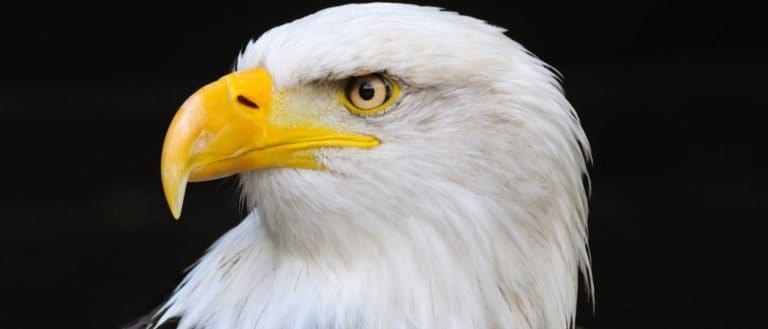
Built to soar, born to strike
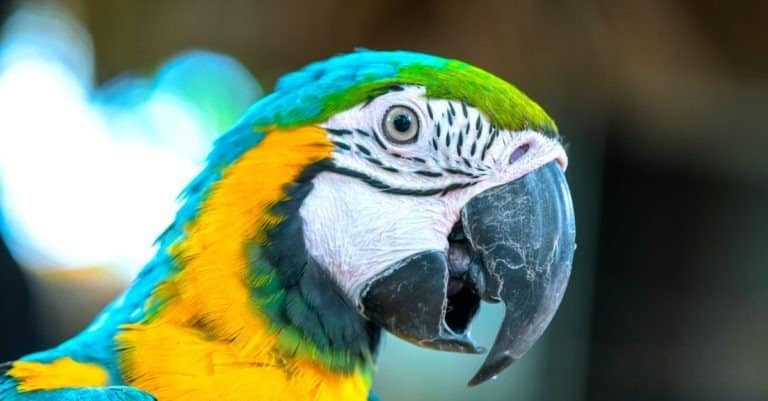
Brains, beaks, and big voices
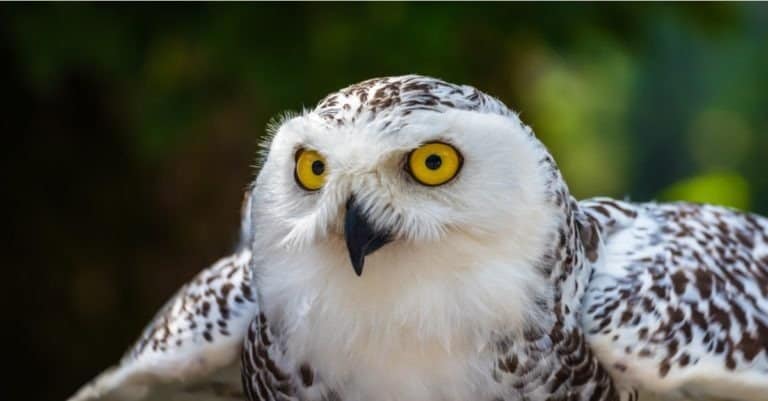
White hunter of the wide tundra
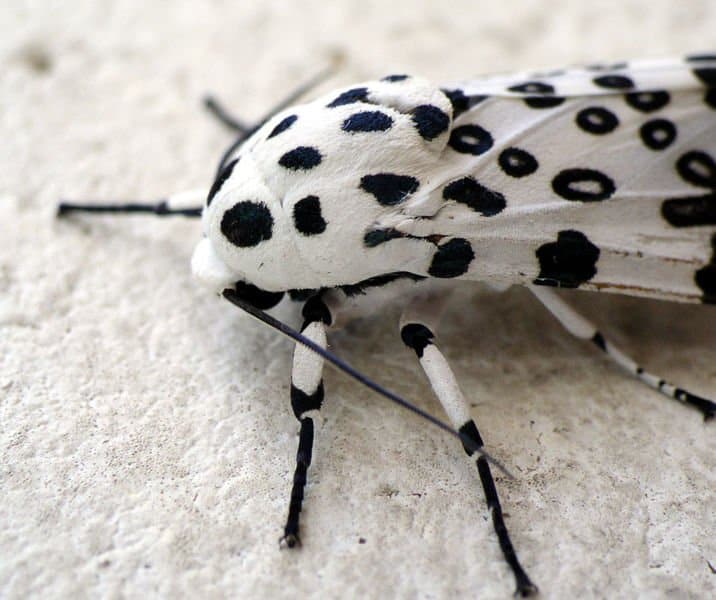
Six legs, endless lives.
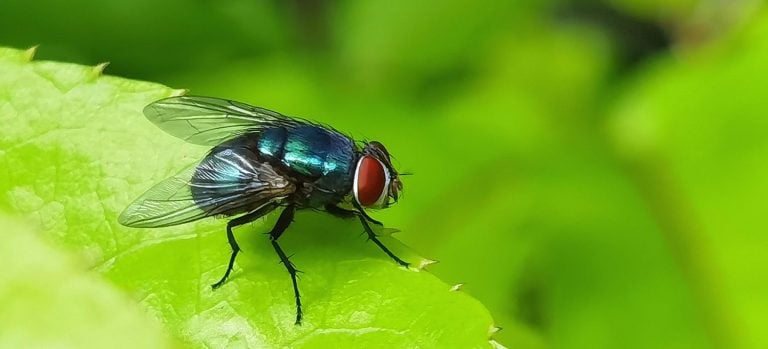
One wing pair. Endless roles.
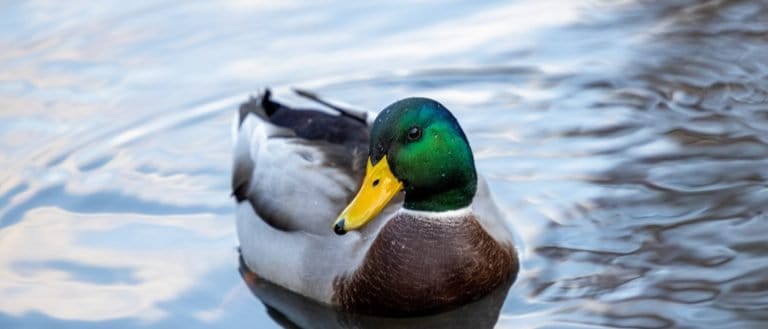
Webbed feet, world travelers.
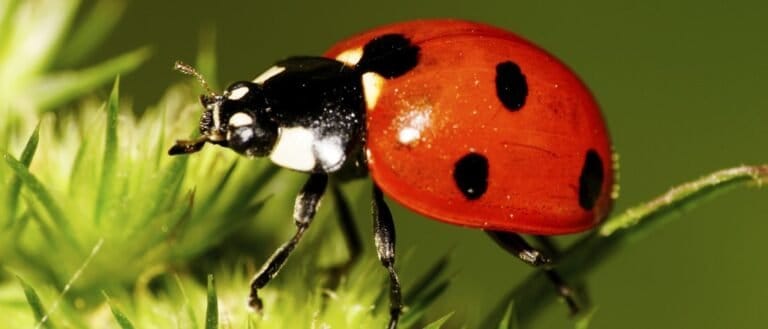
Spotted guardians of gardens
Flying (powered flight) is a mode of locomotion in which an organism moves through the air by generating aerodynamic lift and thrust with its own muscular power, typically using wings. It involves active control of body orientation and airflow interactions to sustain and maneuver aerial motion.
Powered flight is movement through the air where an animal makes lift and thrust to stay aloft. Unlike gliding or parachuting, powered flyers produce lift and thrust with muscles, usually by flapping wings that push air down and back to counter weight and drag. Flight depends on wing motion (stroke size, speed, angle, wing twist) and body control (pitch, roll, yaw) for stability and turning. Airflow effects include steady lift and unsteady effects like leading-edge vortices, clap-and-fling, and dynamic stall. Flight evolved in insects, birds, and bats, each with different wing types. It lets animals spread, reach aerial food, avoid predators, migrate, and use three-dimensional habitats but costs much energy and limits body shape and life history.
Etymology: Derived from an Old English verb meaning "to fly," from earlier Germanic and Indo-European roots associated with movement through a fluid medium.
Flying is the same as gliding-gliding can be passive and requires no thrust generation, whereas powered flight produces thrust and can sustain altitude without external lift sources
Any airborne animal is a flyer-many animals only parachute or glide (e.g., many "flying" squirrels) and cannot generate sustained powered flight
Wings always flap continuously-many flyers alternate flapping with brief bounding, soaring, or intermittent flapping depending on speed, size, and conditions
Flying is aerial locomotion achieved by generating aerodynamic forces on lifting surfaces (wings) to counter gravity and move through the air. As the wings move relative to the airflow, they create lift by producing a pressure difference between the upper and lower surfaces and by deflecting air downward (downwash), which imparts momentum to the air and yields an upward reaction force. Maintaining altitude requires average lift over time to equal weight; acceleration and climb require additional net force, either by increasing lift (via higher airspeed, larger effective wing area, or higher angle of attack) and/or adding thrust to overcome drag and gravity components.
In powered flight, the body's musculoskeletal system actively drives wing motion. During a flapping cycle, the wings sweep through an arc while changing pitch (feathering) to keep the airfoil at an effective angle of attack. The downstroke typically provides most lift and much of the thrust through a combination of wing sweep, twist, and camber control; the upstroke is often partially unloaded (folded, rotated, or otherwise shaped) to reduce negative lift and drag while repositioning for the next downstroke. Stability and control come from managing the aircraft-like balance of forces and moments (pitch, roll, yaw) around the center of mass using wings, tail surfaces, and subtle asymmetries in wing kinematics.
Thrust is produced by accelerating air backward and/or downward via flapping wings, converting muscular work (or other onboard power) into aerodynamic force. Net forward motion occurs when thrust exceeds drag; climb occurs when excess power increases the vertical component of aerodynamic force beyond weight.
Direction and attitude are controlled by modulating aerodynamic moments: (1) roll via asymmetric lift (different wing stroke amplitude/angle of attack) to bank; (2) yaw via tail/rudder-like surfaces or differential drag/thrust between wings; (3) pitch via shifting the center of lift relative to the center of mass using tailplane angle, wing sweep, or stroke plane changes. Fine control uses wing twist, camber changes, and timing differences between left/right wingbeats to adjust turn radius, stability, and stall margin.
A repeating wingbeat cycle in which the wings generate lift and thrust on the downstroke and are repositioned on the upstroke while maintaining control of body attitude and airflow attachment.
Continuous wingbeats generate both lift and thrust; maneuverable and effective at low-to-moderate speeds, with control via wing kinematics and tail surfaces.
Minimal flapping; uses rising air (thermals), slope lift, or wind gradients to maintain altitude, trading altitude and speed to manage energy and reduce power expenditure.
No active propulsion; maintains forward speed by converting altitude into kinetic energy, requiring sufficient lift-to-drag ratio and careful angle-of-attack control.
Generates lift approximately equal to weight with near-zero forward speed by high-frequency flapping, figure-eight strokes, or rotating/tilting lift vectors; demands high power and precise control.
Alternates short flapping bouts with brief ballistic or folded-wing phases to reduce energetic cost at certain speeds and body sizes.
Extracts energy from wind shear by repeatedly crossing layers of different wind speed, enabling long-duration flight with little or no flapping in appropriate environments.
Generate lift and thrust via flapping; provide roll/pitch/yaw control through wing shape changes
Create a lightweight, controllable aerodynamic surface for lift/thrust and fine maneuvering
Anchor powerful flight muscles and transmit flapping forces to the torso while stabilizing the shoulder
Stabilization and steering; braking and pitch control during takeoff/landing
Sustain high metabolic rate needed for powered flight and heat dissipation
Deliver oxygen and fuel to flight muscles; remove heat and metabolic waste
Dominant pectoralis major (downstroke power) and supracoracoideus/levator complex (upstroke via tendon pulley in birds); robust shoulder stabilizers (scapulohumeral and rotator muscles) to control wing pitch and prevent joint collapse; forearm/hand intrinsic muscles for fine control of feathers or membrane tension; neck and trunk stabilizers to counter flapping-induced torques; strong hindlimb muscles for launch (jumping/takeoff) and landing absorption.
Lightweight, rigid, and reinforced skeleton: pneumatic or otherwise low-density bones; fused elements to resist bending (e.g., synsacrum, pygostyle in birds) and reduce energy loss; enlarged keeled sternum for muscle attachment; stout coracoid/scapula and reinforced shoulder joint with restricted but stable range of motion; elongated forelimb bones (humerus, radius/ulna) and modified distal elements (carpometacarpus or elongated digits) to support wing surface; reduced distal limb mass to lower rotational inertia; specialized joints enabling wing folding and controlled extension; strong but lightweight vertebral column and ribs (often with bracing processes) for torsional stiffness during flapping.
~5-25 m/s (18-90 km/h) for many powered fliers (birds/bats); small insects often ~1-10 m/s; fast specialists can sustain ~20-30+ m/s (70-110+ km/h) with higher peak/stoop speeds not representative of flapping cruise.
vs Humans: Typical flapping cruise (18-90 km/h) is generally faster than human walking (~5 km/h) and often faster than sustained human running (~10-20 km/h). Fast specialists can exceed human sprint speeds, especially over distance.
Minutes to many hours depending on size and ecology: insects commonly sustain minutes to ~1-2 hours; many birds sustain 1-10+ hours in active flight; migrating birds can sustain ~8-20+ hours (sometimes longer) with intermittent resting/soaring strategies. Continuous high-speed flapping shortens endurance; optimal cruise maximizes it.
High distance efficiency at an optimal cruise speed: although instantaneous power demand is high (must generate lift continuously), the energy per unit distance can be low compared with running/swimming at equivalent speeds, especially in medium-to-large fliers.
U-shaped vs speed (high at very low and very high speeds, minimal at mid-range cruise). At its optimum, flight cost of transport is often comparable to or lower than terrestrial running for similarly sized animals, but typically higher than swimming for streamlined aquatic locomotion; hovering has particularly high cost of transport (very energy-intensive per distance, effectively infinite if stationary).
Fastest flying animal (dive/stoop)
Over 320 km/h (200+ mph) in a hunting dive
Among the highest wingbeat frequencies among birds (typical)
~50-60 wingbeats per second
Largest wingspan among living birds
Up to ~3.5 m wingspan
Bird flight: wing-generated lift, streamlined bodies to reduce drag, and control surfaces analogous to tail/wing adjustments for pitch, roll, and yaw.
Active wing flapping in birds, bats, and large insects; mimicking unsteady aerodynamics and wing articulation to generate lift and thrust at small scales.
Insect hovering and rapid attitude control; while rotor lift is mechanically different from flapping, design goals mirror insect capabilities (hover, lateral translation, quick turns).
Soaring birds (eagles, vultures) use splayed primary feathers and wingtip shapes that mitigate wingtip vortices, improving efficiency.
Birds and bats continuously change wing camber, area, and sweep for different speeds and maneuvers; translated into adaptive airfoils, flexible skins, and shape-changing structures.
Insect and hummingbird-scale flight where maneuverability, gust tolerance, and low-speed lift are critical; drives lightweight structures and high-frequency control.
Flocking and schooling analogs in birds (and swarming insects): decentralized rules (alignment, separation, cohesion) enabling robust group navigation.
Bats' compliant wing membranes and birds' feather flexibility; leveraging controlled flex to delay stall, damp gusts, and improve maneuvering.
Soaring birds' use of thermals and orographic lift; informs glider flight strategies, flight planning, and energy-efficient routing.
Found across: Birds (Aves) - the most widespread and diverse powered fliers, Bats (Mammalia: Chiroptera) - the only mammals with true powered flight, Insects (Insecta) - many orders with powered flight (e.g., Diptera, Hymenoptera, Lepidoptera, Odonata, Coleoptera)
Some flying animals can sleep on the wing: frigatebirds can remain airborne for days to weeks and take brief "micro-naps" while gliding.
Hummingbirds are the only birds that can truly hover and fly backward; their wings generate lift on both the downstroke and upstroke by rapidly rotating at the shoulder.
Not all powered fliers rely on big wings-many insects use unsteady aerodynamics (like leading-edge vortices) to create extra lift, letting them fly with wings that seem too small for their bodies.
Bats are the only mammals with true powered flight, and their wings are essentially hands: a thin membrane stretched over elongated finger bones, giving them fine control for tight maneuvers.
Thin air doesn't stop everything: bar-headed geese can fly over the Himalayas, helped by hemoglobin and respiratory adaptations that support intense flapping at high altitude.
A peregrine falcon's dive can exceed ~300 km/h, faster than many highway speed limits and comparable to top-speed runs of some supercars (though achieved in a steep dive, not level flapping).
Hummingbird wingbeats (~50-80 per second in many species) are like a tiny engine firing thousands of "power strokes" each minute-far higher cadence than any human-powered motion.
Flying can be extremely energy-efficient when animals exploit aerodynamics: large birds can glide and soar using rising air, covering long distances with far less muscle work than continuous flapping-more like "sailing" than running.
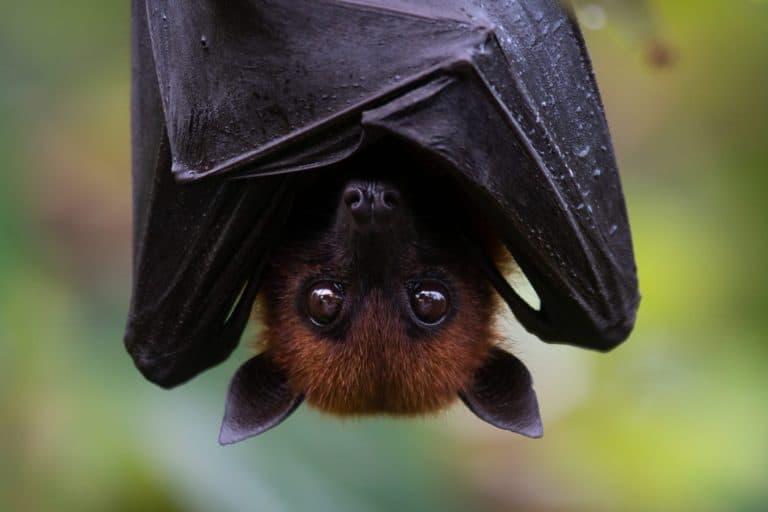
Night pilots of the mammal world
Webbed feet, world travelers.
Built to soar, born to strike
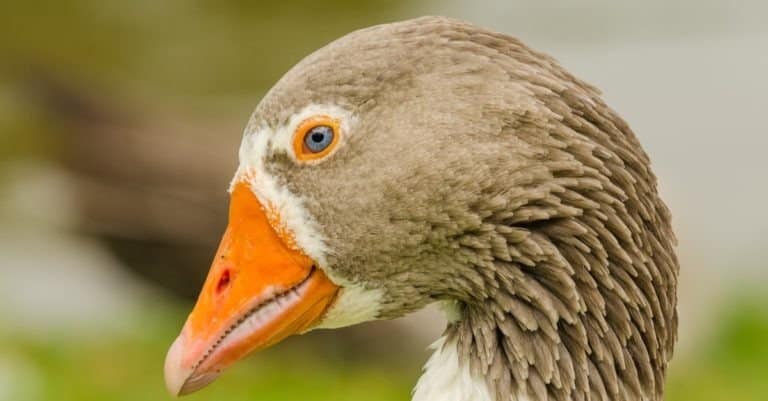
Webbed feet, sky roads, wetland lives
Six legs, endless lives.
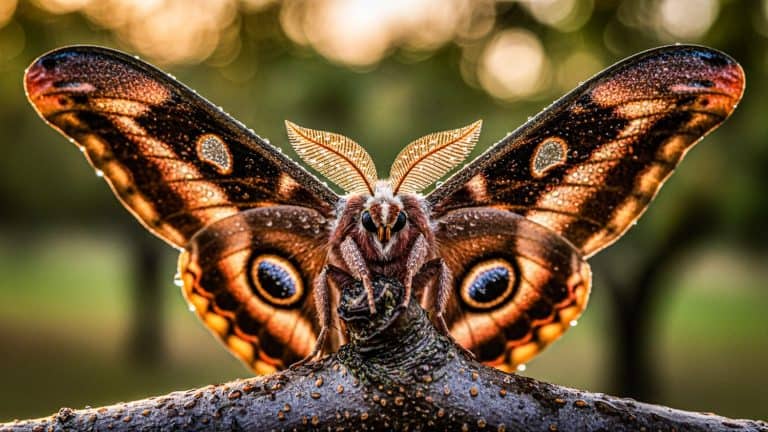
More than night flyers
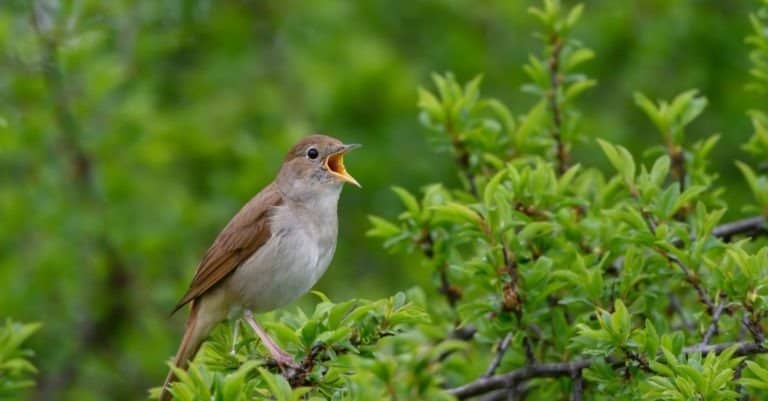
Plain feathers, legendary night song
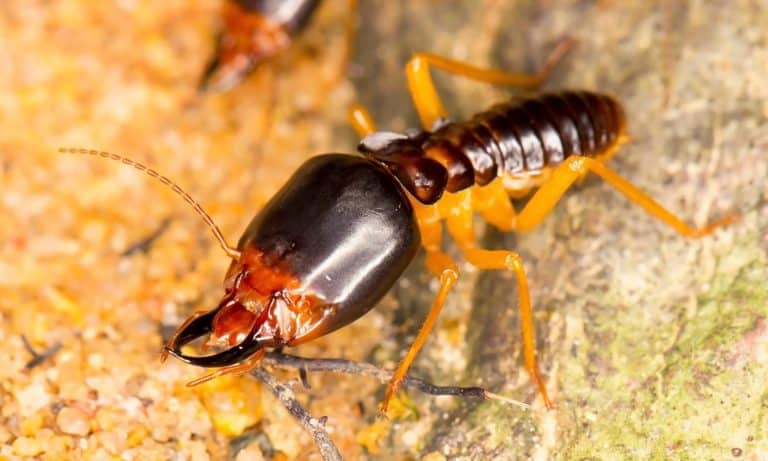
Nature's master recyclers (and builders)
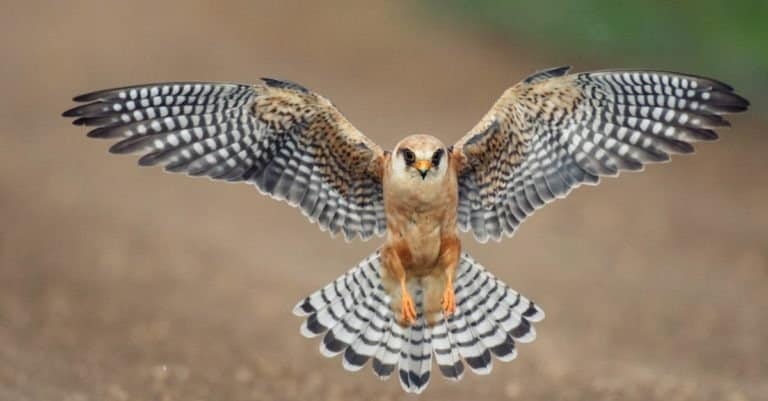
Speed, smarts, and sky mastery
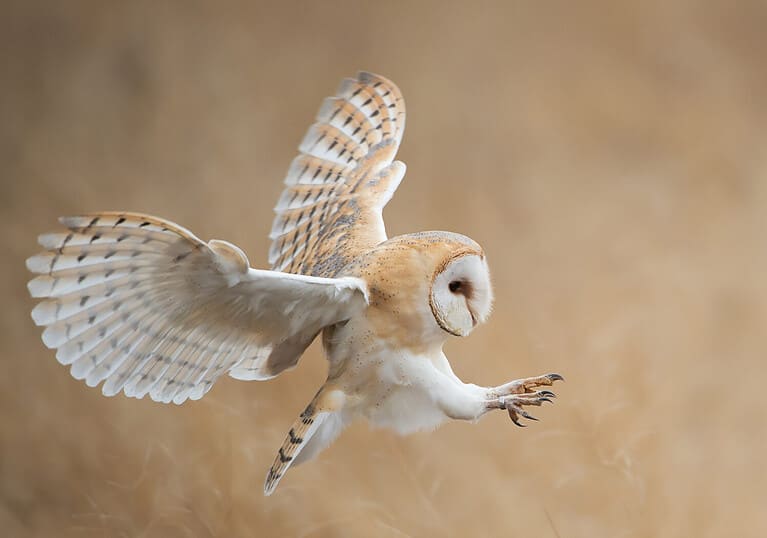
Heart-faced hunter of the night
White hunter of the wide tundra
The hoot that rules the woods
Brains, beaks, and big voices
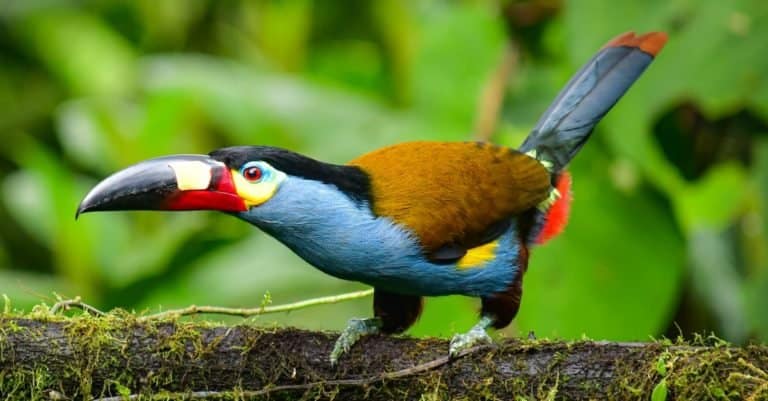
Big bill, bigger forest role
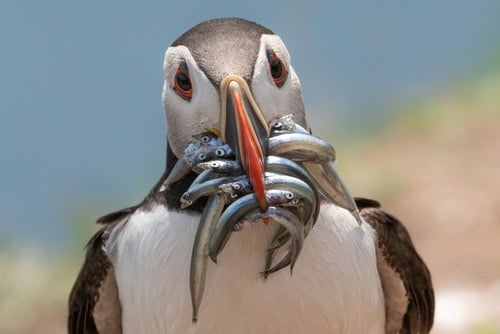
Wing-powered divers of the cold seas
Long necks, loud wings, living legends.
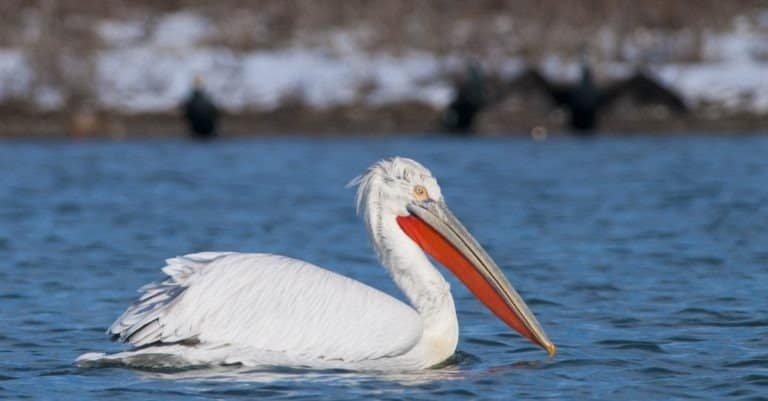
Big bill, bigger teamwork.
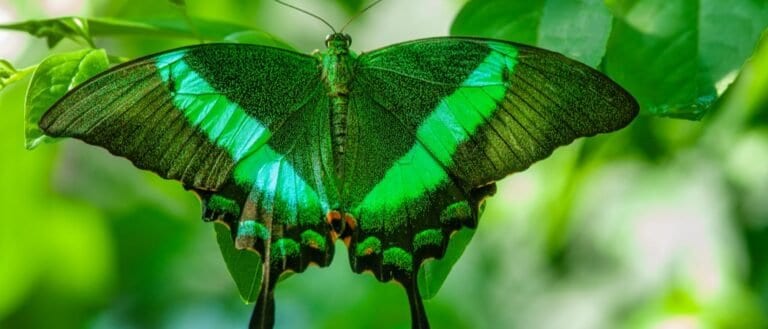
Scaled wings, big transformations.
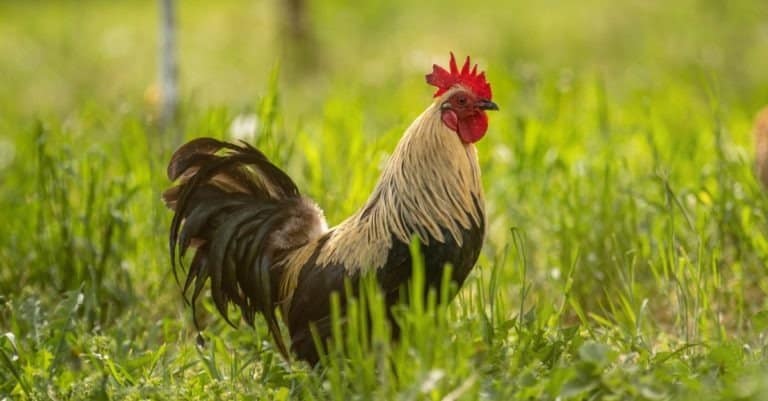
Scratch, roost, repeat.
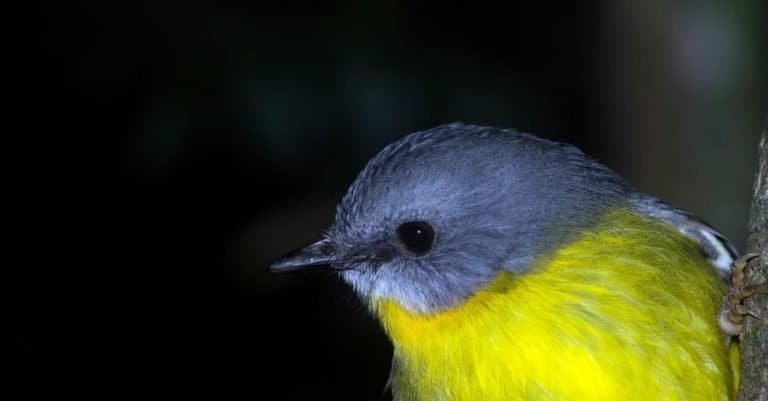
Different birds, one familiar name
Spotted guardians of gardens
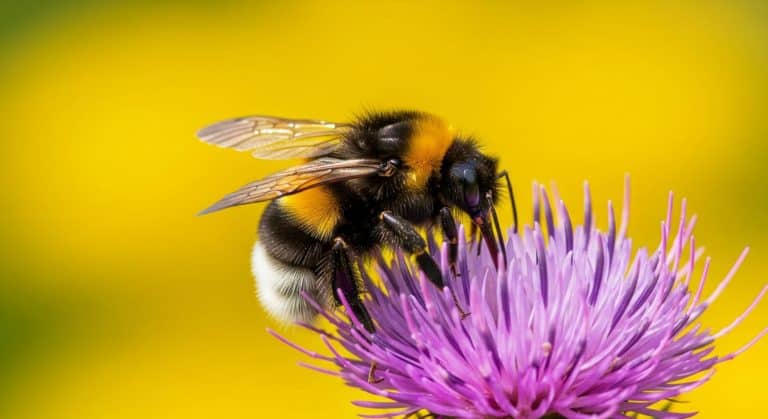
Built for buzz, born to pollinate
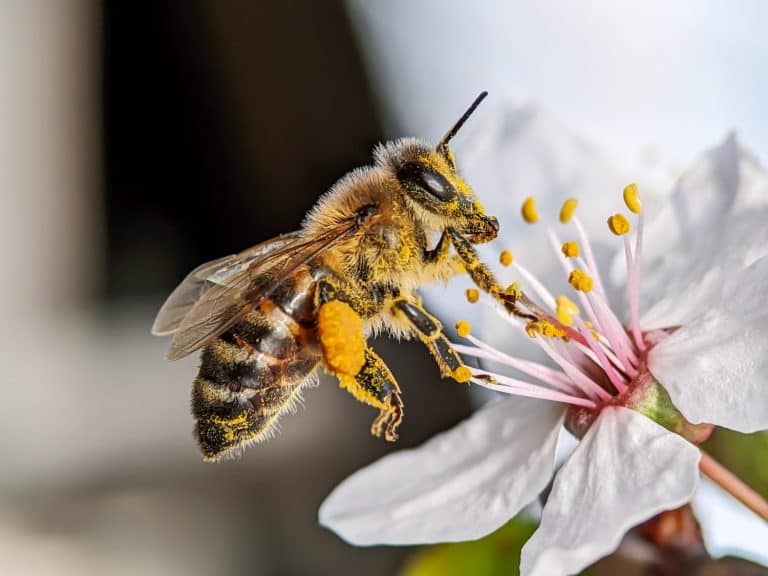
One genus, many hives-planetwide pollinators
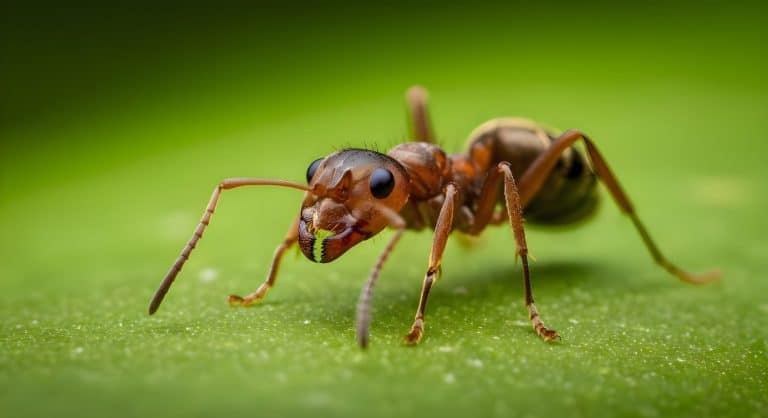
Small bodies, superorganism power
Thank you for reading! Have some feedback for us?
We appreciate your help in improving our content.
Our editorial team will review your suggestions and make any necessary updates.
There was an error submitting your feedback. Please try again.